The Critical Role of Glycomics in Biopharmaceutical QC: Ensuring Safety, Efficacy, and Consistency
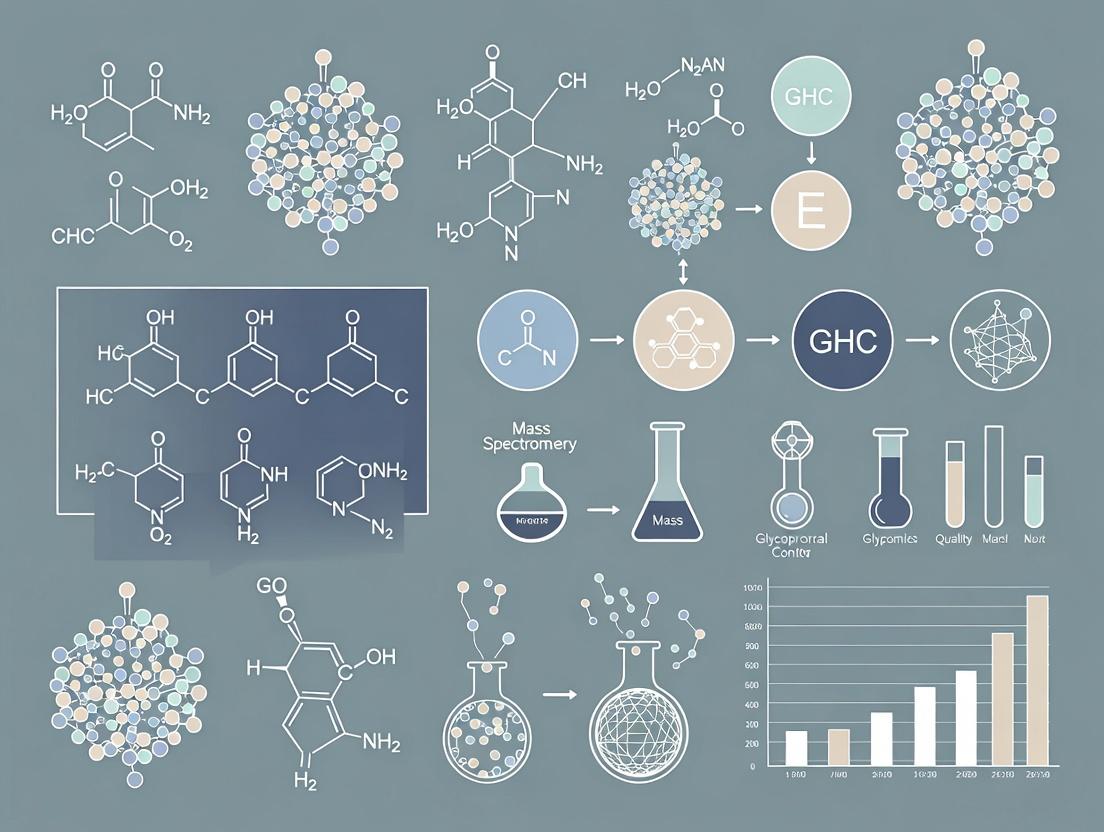
This article provides a comprehensive overview of glycomics in biopharmaceutical quality control, targeting researchers, scientists, and drug development professionals.
The Critical Role of Glycomics in Biopharmaceutical QC: Ensuring Safety, Efficacy, and Consistency
Abstract
This article provides a comprehensive overview of glycomics in biopharmaceutical quality control, targeting researchers, scientists, and drug development professionals. It explores the fundamental importance of protein glycosylation for drug function and safety, details the advanced analytical methodologies (like LC-MS and HILIC) used for glycan characterization, addresses common challenges in analysis and manufacturing consistency, and compares regulatory expectations and platform performance. The article synthesizes how robust glycomic QC is indispensable for developing safe, effective, and reproducible biologic therapies.
Why Glycosylation Matters: The Foundation of Protein Drug Safety and Efficacy
Within biopharmaceutical quality control research, glycomics has emerged as a critical discipline. It is defined as the comprehensive study of the glycome—the complete repertoire of glycans (sugar chains) produced by a biological system under specified conditions. For biologics, particularly monoclonal antibodies (mAbs), fusion proteins, and other recombinant glycoproteins, the glycome is not a static entity but a critical quality attribute (CQA). The glycan profile attached to a therapeutic protein directly influences its stability, solubility, immunogenicity, pharmacokinetics, and effector functions. This whitepaper details the core analytical methodologies, experimental protocols, and application of glycomics within the framework of ensuring the safety, efficacy, and consistency of biopharmaceuticals.
Core Analytical Techniques in Glycomics
The analysis of the glycome involves a multi-step workflow from release and purification to separation, detection, and data interpretation. The primary techniques are summarized below.
Table 1: Core Analytical Techniques in Biopharmaceutical Glycomics
| Technique | Principle | Throughput | Key Output | Application in Biologics QC |
|---|---|---|---|---|
| HPLC/UPLC with FLD | Separation of fluorescently labeled glycans by hydrophilic interaction. | Medium-High | Relative Abundance (%) of N-glycan species. | Lot-to-lot consistency, monitoring glycosylation changes. |
| HILIC-UPLC | High-resolution sub-class of HILIC using UPLC systems for faster, more efficient separation. | High | Detailed glycan profile with high peak capacity. | High-throughput characterization of biosimilars. |
| MALDI-TOF-MS | Mass determination of glycans ionized by matrix-assisted laser desorption/ionization. | Medium | Glycan mass fingerprint, composition. | Rapid profiling, identifying major glycan species. |
| LC-ESI-MS/MS | Liquid chromatography coupled with electrospray ionization tandem mass spectrometry. | Low-Medium | Structural details, linkage information, quantification. | In-depth characterization, identifying minor or critical species (e.g., Man-5 for high mannose). |
| Capillary Electrophoresis (CE) | Separation based on charge-to-size ratio in a capillary under an electric field. | High | Electropherogram of labeled glycans. | Highly reproducible analysis for QC batch release (e.g., CE-SDS for charged glycans). |
| Exoglycosidase Sequencing | Sequential digestion with specific glycosidases to remove terminal monosaccharides. | Low | Deduced glycan sequence and linkages. | Confirmatory analysis for structural elucidation. |
Detailed Experimental Protocols
Protocol 1: N-Glycan Release, Labeling, and HILIC-UPLC Analysis
This is a standard protocol for profiling the N-glycome of a therapeutic antibody.
1. Materials (Research Reagent Solutions):
- PNGase F: Recombinant enzyme cleaves N-glycans from the protein backbone at the Asn residue.
- Reduction & Alkylation Buffer: Contains DTT (reducing agent) and IAA (alkylating agent) to denature the protein.
- Non-porous graphitized carbon solid-phase extraction (SPE) cartridges: For purification of released glycans.
- 2-AB Labeling Kit: 2-aminobenzamide fluorescent dye for glycan tagging.
- Acetonitrile (ACN), HPLC grade.
- Ammonium formate buffer, pH 4.4.
- HILIC-UPLC column (e.g., BEH Glycan, 1.7 µm).
2. Procedure:
- Denaturation & Deglycosylation: Take 100 µg of purified mAb. Denature with 1% SDS and 50 mM DTT at 60°C for 10 min. Alkylate with 50 mM IAA in the dark for 30 min. Add NP-40 (to sequester SDS) and PNGase F (≥5 mU). Incubate at 37°C for 18 hours.
- Glycan Purification: Apply the digest to a pre-conditioned C18 cartridge to remove protein. Collect the flow-through (containing glycans). Desalt and purify glycans using a graphitized carbon SPE cartridge (condition with 80% ACN/0.1% TFA, load sample, wash with water, elute with 40% ACN/0.1% TFA). Dry eluate in a vacuum concentrator.
- Fluorescent Labeling: Reconstitute dried glycans in 2-AB labeling solution (5 µL of labeling dye + 5 µL of reducing agent in DMSO:Acetic Acid). Incubate at 65°C for 2 hours.
- Clean-up of Labeled Glycans: Remove excess dye using paper chromatography (Whatman 3MM paper) or dedicated dye-removal cartridges. Elute glycans with water and dry.
- HILIC-UPLC Analysis: Reconstitute in 80% ACN. Inject onto HILIC-UPLC column. Use a gradient from 70% to 50% Buffer B (50 mM ammonium formate, pH 4.4) in Buffer A (100% ACN) over 30 min at 60°C with fluorescence detection (Ex: 330 nm, Em: 420 nm). Identify peaks by comparison with a 2-AB labeled dextran ladder and known standards.
Protocol 2: Glycan Profiling by LC-ESI-MS/MS
1. Materials:
- Porous graphitized carbon (PGC) LC column: For online separation prior to MS.
- MS-compatible buffers: 0.1% Formic acid in water (A) and 0.1% Formic acid in ACN (B).
- ESI-MS/MS system: High-resolution mass spectrometer (e.g., Q-TOF, Orbitrap).
2. Procedure:
- Sample Prep: Follow Protocol 1 through Step 3 (labeling is optional for MS; native or reduced glycans are commonly analyzed).
- LC Separation: Load purified glycans onto a PGC-LC column. Use a gradient from 0% to 40% B over 60 min.
- MS Data Acquisition: Operate ESI in negative ion mode for native glycans. Use data-dependent acquisition (DDA): a full MS scan (e.g., m/z 600-2000) followed by MS/MS fragmentation (CID or HCD) of the top N most intense ions.
- Data Analysis: Process raw data using glyco-informatics software (e.g., Byonic, GlycoWorkbench). Assign compositions based on accurate mass. Interpret MS/MS spectra to confirm structure and potentially infer linkages.
Visualization of Pathways and Workflows
Diagram 1: N-Glycan Analysis Core Workflow for Biologics QC
Diagram 2: Impact of Key IgG Fc Glycans on Biological Functions
The Scientist's Toolkit: Essential Reagents for Glycomics
Table 2: Key Research Reagent Solutions for Glycan Analysis
| Reagent/Kit | Primary Function | Critical Notes for QC |
|---|---|---|
| PNGase F (R & S) | Releases N-glycans from proteins. Use recombinant (R) for standard work, peptide-N-glycosidase S (S) for more stringent conditions (e.g., from glycopeptides). | Enzyme purity is critical to avoid protease contamination. Activity must be validated per batch. |
| RapiFluor-MS Labeling Reagent | Rapid (5-min) fluorescent tagging agent optimized for both UPLC-FLR and MS sensitivity. | Enables high-throughput, sensitive workflows suitable for QC environments. |
| 2-AB & 2-AA Labeling Kits | Classic fluorescent dyes for glycan labeling (2-AB: HILIC, 2-AA: electrophoresis). | Robust and well-characterized. Derivatization time is longer (~2 hours). |
| Glycan Release & Labeling Kits (e.g., GlycoWorks) | Integrated kits providing all buffers, enzymes, and labels for streamlined, reproducible workflows. | Minimizes protocol variability, ideal for standardized QC protocols. |
| Glycan Sequencing Kits (Exoglycosidase Arrays) | Pre-packaged sets of enzymes (e.g., Sialidase, β1-4 Galactosidase, β-N-Acetylglucosaminidase) for stepwise structural analysis. | Essential for confirmatory analysis of biosimilar glycan profiles vs. innovator products. |
| GlycoPrep Quantitation Standard | Synthetic, labeled glycan standards for absolute quantification of specific glycan species (e.g., G0F, G1F). | Moves analysis from relative % to absolute concentration, a higher standard for QC. |
| HILIC/UPLC Glycan Reference Standards | Dextran ladder or characterized human IgG glycan standard for peak assignment and system suitability testing. | Mandatory for ensuring day-to-day and inter-lab reproducibility of retention times. |
Within the paradigm of glycomics for biopharmaceutical quality control, a precise understanding of glycosylation—the enzymatic attachment of oligosaccharides to proteins—is paramount. This in-depth guide details the biosynthesis, structural characteristics, and analytical methodologies for N-linked and O-linked glycosylation, the two predominant forms in therapeutic proteins. The consistency and fidelity of these post-translational modifications are critical quality attributes (CQAs) that directly influence the safety, efficacy, and stability of biologics such as monoclonal antibodies, fusion proteins, and recombinant enzymes.
Glycosylation is a ubiquitous and heterogeneous post-translational modification where oligosaccharides (glycans) are covalently attached to specific amino acid residues on a protein. In biopharmaceuticals, glycosylation patterns are not templated by DNA but are influenced by host cell type, culture conditions, and purification processes. Consequently, glycan profiles are a major focus of glycomics-based quality control, as they affect:
- Pharmacokinetics: Serum half-life via receptor-mediated clearance.
- Pharmacodynamics: Modulation of biological activity and potency.
- Immunogenicity: Potential for eliciting anti-drug antibodies.
- Structural Stability: Influence on protein folding, solubility, and aggregation.
The two primary classes are defined by their linkage to the protein backbone: N-linked (to asparagine) and O-linked (primarily to serine or threonine).
N-linked Glycosylation: Biosynthesis and Structure
Core Biosynthesis Pathway
N-glycosylation is a conserved eukaryotic process initiated in the endoplasmic reticulum (ER) and finalized in the Golgi apparatus. The hallmark is the consensus sequon: Asn-X-Ser/Thr, where X is any amino acid except proline.
Key Stages:
- Cytosol/ER Lumen: Assembly of a lipid-linked oligosaccharide (LLO) precursor (Glc₃Man₉GlcNAc₂) on a dolichol phosphate carrier.
- ER Lumen: The oligosaccharyltransferase (OST) complex en bloc transfers the precursor to a nascent polypeptide's asparagine within the sequon.
- ER Quality Control: Sequential trimming by glucosidases I/II and interaction with lectins (calnexin/calreticulin) facilitate proper protein folding.
- Golgi Processing: Mannose trimming by mannosidases followed by sequential addition of N-acetylglucosamine (GlcNAc), galactose (Gal), sialic acid (SA), and fucose (Fuc) by specific glycosyltransferases, creating diverse structures.
Major N-glycan Types
The final structure is categorized based on processing in the Golgi.
| N-glycan Type | Core Structure | Key Terminal Modifications | Common in Biopharmaceuticals |
|---|---|---|---|
| High Mannose | Man₅₋₉GlcNAc₂ | None beyond mannose. | Often present on Fc region; rapid clearance if exposed. |
| Complex | (Variable)GlcNAc₂Man₃GlcNAc₂ | Antennae with GlcNAc, Gal, SA. Bisecting GlcNAc possible. | Predominant in therapeutic mAbs (e.g., afucosylated forms enhance ADCC). |
| Hybrid | GlcNAc₂Man₃₋₅GlcNAc₂ | One side resembles complex, the other high-mannose. | Less common; indicates incomplete processing. |
Diagram 1: N-glycan Biosynthesis Initiation in the ER
O-linked Glycosylation: Biosynthesis and Structure
Core Biosynthesis Pathway
O-Glycosylation is typically initiated in the Golgi apparatus by the addition of a monosaccharide (usually GalNAc) to the hydroxyl group of serine or threonine. No consensus sequon is known, making prediction difficult. Biosynthesis proceeds in a stepwise manner via specific glycosyltransferases without a lipid-linked precursor.
Key Characteristics:
- Initiation: Catalyzed by a large family of polypeptide GalNAc-transferases (ppGalNAcTs).
- Elongation/Capping: Sequential addition of sugars (e.g., Gal, GlcNAc, SA) to form core structures, which are further elongated.
- Diversity: Driven by the substrate specificity of transferases and competition between pathways.
Major O-glycan Core Structures
Eight core structures are common, originating from the initial GalNAc-Ser/Thr (Tn antigen).
| Core | Structure (from Ser/Thr) | Description | Relevance in Biopharma |
|---|---|---|---|
| 1 | Galβ1-3GalNAc | Thomsen-Friedenreich (T) antigen. | Common on mucins; cancer biomarker. |
| 2 | GlcNAcβ1-6(Galβ1-3)GalNAc | Core 2, branched. | Present on leukocyte ligands; important for cell-based therapies. |
| 3 | GlcNAcβ1-3GalNAc | Core 3. | More restricted to epithelial tissues. |
| 4 | GlcNAcβ1-6(GlcNAcβ1-3)GalNAc | Core 4, branched. | Found in mucins. |
Diagram 2: O-glycan Biosynthesis and Core Formation in the Golgi
Analytical Methodologies for Glycomics QC
Robust, orthogonal methods are required to characterize glycan heterogeneity as part of a Quality by Design (QbD) framework.
Detailed Experimental Protocols
Protocol 1: N-glycan Release and Labeling for UHPLC-FLR Analysis
- Objective: Profile neutral and charged N-glycans from a therapeutic monoclonal antibody.
- Materials: See Scientist's Toolkit below.
- Procedure:
- Denaturation: Dilute 100 µg of mAb to 1 mg/mL in 20 µL of ultrapure water. Add 2 µL of 5% SDS and 1 µL of 1M DTT. Incubate at 60°C for 10 min.
- Detergent Masking: Add 6 µL of 15% Igepal CA-630 and mix thoroughly.
- Enzymatic Release: Add 3.5 µL of 10x G7 Reaction Buffer and 1.5 µL (750 U) of PNGase F. Make up to 35 µL with water. Incubate at 50°C for 30 min.
- Labeling: Purify released glycans using a solid-phase extraction (SPE) microplate (e.g., HILIC). Elute glycans and dry. Reconstitute in 10 µL of 2-AB labeling solution (prepared per manufacturer's instructions). Incubate at 65°C for 2 hours.
- Cleanup: Remove excess dye using HILIC SPE. Elute labeled glycans in 80% acetonitrile.
- Analysis: Inject onto a UHPLC-FLR system equipped with a BEH Amide column (2.1 x 150 mm, 1.7 µm). Use gradient: 70-53% solvent B (50mM ammonium formate, pH 4.5) over 46 min at 0.4 mL/min. Identify peaks by comparison to a 2-AB-labeled glucose ladder and external standard.
Protocol 2: LC-ESI-MS/MS for O-glycan Characterization
- Objective: Identify and semi-quantify O-glycans from a recombinant glycoprotein.
- Procedure:
- Non-reductive β-Elimination: Incubate 50-100 µg of protein in 0.1M NaOH with 1M NaBH₄ at 45°C for 16 hours.
- Termination & Desalting: Neutralize with glacial acetic acid. Desalt using mixed-bed cation-exchange resin or graphitized carbon SPE.
- LC-MS/MS Analysis: Use a PGC (porous graphitized carbon) nano-LC column coupled to an ESI-Q-TOF mass spectrometer.
- Gradient: 1.6-48% Acetonitrile in 10mM ammonium bicarbonate over 60 min.
- Data Acquisition: MS1 (m/z 400-2000) for precursor ions, followed by data-dependent MS2 on top 5 precursors using CID.
- Data Analysis: Interpret spectra using glycan databases (e.g., UniCarb-DB) and software (e.g., Byonic, GlycoWorkbench).
Quantitative Data Comparison of Key Techniques
| Analytical Technique | Typical Sample Prep | Throughput | Sensitivity | Information Gained | Role in QC |
|---|---|---|---|---|---|
| HILIC-UHPLC-FLR | PNGase F release, fluorescent tagging. | High | ~10-50 pmol | Relative quantitation of glycan populations. | Routine lot release, stability testing. |
| MALDI-TOF-MS | Release, purification, often permethylation. | Medium | ~1-10 pmol | Glycan mass profiling (composition). | Identity testing, batch comparison. |
| LC-ESI-MS/MS (Intact) | Minimal digestion/desalting. | Low | ~100 pmol-1 nmol | Glycoform distribution, macro-heterogeneity. | In-depth characterization, lot-to-lot variance. |
| LC-ESI-MS/MS (Released) | Release (enzymatic/chemical). | Medium | ~1-50 pmol | Detailed structure, linkage information. | Definitive structural assignment. |
| Capillary Electrophoresis (CE) | APTS labeling, release. | Very High | ~0.1-1 pmol | High-resolution separation of charged glycans. | Critical for sialylation analysis (e.g., erythropoietin). |
The Scientist's Toolkit: Essential Reagents for Glycan Analysis
| Item | Function/Description | Example Vendor/Product |
|---|---|---|
| PNGase F (R) | Recombinant enzyme for releasing N-glycans from glycoproteins. Hydrolyzes the β-aspartylglucosamine bond. | ProZyme GKE-5006; NEB P0714 |
| Endo H (R) | Endoglycosidase that cleaves high mannose and hybrid N-glycans, useful for glycosylation site occupancy studies. | NEB P0702 |
| 2-AB (2-Aminobenzamide) | Fluorescent tag for labeling released glycans for HILIC-UPLC detection. | Merck 2-AB Labeling Kit |
| RapiFluor-MS | A rapid, MS-compatible fluorescent tag for N-glycans; reduces labeling time to minutes. | Waters 186008211 |
| GlycoPrep ImmuClean Kit | Solid-phase extraction kit for cleanup of labeled glycans, removing excess dye and salts. | ProZyme GK27410 |
| β-Elimination Kit | Chemical release kit for O-glycans using non-reductive conditions to preserve glycan structure. | Merck BK-ES-1000 |
| Sialidase (Neuraminidase) | Enzyme for removing terminal sialic acids to simplify profiles or confirm linkage. | NEB P0720 (α2-3,6,8,9) |
| Glycan Standards | Labeled dextran ladder (GU calibration) and defined glycan standards (e.g., A1, A2) for method validation. | Waters 186006840; ProZyme GKS-5010 |
| HILIC Column | Ultra-performance liquid chromatography column for separating labeled glycans (e.g., BEH Amide). | Waters 186004742 |
| PGC Chip | Nanofluidic chip with porous graphitized carbon for LC-ESI-MS/MS separation of native glycans. | Agilent G4240-62001 |
Glycomics has evolved from a descriptive science to a critical component of biopharmaceutical quality by design. Precise characterization of N- and O-linked glycosylation through the advanced methodologies outlined here is non-negotiable for ensuring product consistency, meeting regulatory expectations, and ultimately delivering safe and effective therapies. As next-generation biologics (bispecifics, antibody-drug conjugates, gene therapies) emerge, the integration of robust glycomic analytics throughout development and manufacturing will remain a cornerstone of successful biopharmaceutical research and quality control.
Within the framework of glycomics in biopharmaceutical quality control research, the detailed characterization of glycans attached to therapeutic proteins is paramount. Glycosylation is a critical quality attribute (CQA) that directly influences the safety and efficacy of biologics. This whitepaper elucidates the direct mechanistic links between specific glycan structural features and three pivotal parameters: Pharmacokinetics/Pharmacodynamics (PK/PD), stability, and immunogenicity. Understanding these relationships is essential for rational drug design, consistent manufacturing, and ensuring patient safety.
Glycan Impact on Pharmacokinetics and Pharmacodynamics
Glycan structures significantly modulate a therapeutic protein's residence time in circulation and its engagement with target receptors.
Mechanisms:
- Circulation Half-Life: The presence of terminal sialic acid residues on N-glycans prevents clearance by the hepatic asialoglycoprotein receptor (ASGPR). Conversely, exposed galactose or N-acetylglucosamine (GlcNAc) residues facilitate rapid hepatic clearance.
- Receptor Binding Affinity: Glycans can directly interact with or sterically hinder the complementary determining regions (CDRs) of monoclonal antibodies (mAbs), affecting antigen binding. For example, core fucosylation of IgG1 Fc N-glycans reduces binding to FcγRIIIa, diminishing Antibody-Dependent Cellular Cytotoxicity (ADCC).
Quantitative Data Summary:
Table 1: Impact of Specific Glycan Features on PK Parameters of Monoclonal Antibodies
| Glycan Feature | Model System | Effect on Clearance | Effect on Half-life (t1/2) | Key Reference |
|---|---|---|---|---|
| High Terminal Sialic Acid | Erythropoietin (EPO) | Decreased by ~60% | Increased by ~150% | Egrie & Browne (2001) |
| Exposed Galactose (Afucosylated) | IgG1 in Fut8 KO model | Increased by ~200% | Decreased by ~50% | Shields et al. (2002) |
| Presence of α-Gal epitope | Cetuximab in humans | Rapid clearance observed | Significantly reduced | Chung et al. (2008) |
| High Mannose (M5-M9) | Various IgG1s | Increased by 100-300% | Decreased by 30-70% | Goetze et al. (2011) |
Experimental Protocol: Assessing PK Impact of Glycans
- Objective: Compare the serum half-life of a glycoprotein with controlled glycan variants.
- Method: In vivo PK study in a relevant animal model (e.g., rat or mouse).
- Sample Preparation: Isolate or produce the glycoprotein (e.g., mAb) in cell lines engineered for specific glycosylation (e.g., CHO with glycosidase inhibitors, FUT8 knockout).
- Administration: Administer a single intravenous (IV) bolus dose.
- Sampling: Collect serial blood samples at predetermined time points (e.g., 5 min, 4h, 24h, 72h, 168h post-dose).
- Analysis: Quantify serum protein concentration via ELISA.
- Pharmacokinetic Analysis: Use non-compartmental analysis (NCA) with software like Phoenix WinNonlin to calculate key parameters: Area Under the Curve (AUC), clearance (CL), volume of distribution (Vd), and terminal half-life (t1/2).
Glycan Influence on Protein Stability
Glycans contribute to conformational and colloidal stability, protecting against aggregation and degradation.
Mechanisms:
- Conformational Stability: N-linked glycans, particularly those with complex branches, stabilize the protein fold by reducing backbone flexibility and increasing the energy barrier for unfolding.
- Colloidal Stability: The hydrophilic nature of glycans increases the solvation shell, reducing protein-protein interactions that lead to aggregation.
- Protection from Proteolysis: Glycans can sterically block protease-accessible sites on the polypeptide chain.
Quantitative Data Summary:
Table 2: Glycan Contributions to Physical Stability of Therapeutic Proteins
| Stability Aspect | Glycan Attribute | Experimental Measure | Observed Effect | Typical Assay |
|---|---|---|---|---|
| Thermal Stability | Presence of Complex N-glycan | Tm (Melting Temperature) | Increase of 2-10°C | Differential Scanning Calorimetry (DSC) |
| Aggregation Propensity | Lack of Glycosylation (Aglycosylated variant) | % High Molecular Weight (HMW) species after stress | 5-20x increase in aggregates | Size-Exclusion Chromatography (SEC) |
| Chemical Stability | Sialic Acid Capping | Deamidation rate at adjacent Asn site | Reduction by up to 70% | Peptide Map with LC-MS/MS |
| Long-term Storage Stability | Galactosylation & Sialylation | Monomer loss rate at 5°C over 24 months | Negatively correlated with terminal sugars | SEC, Imaging Capillary IEF |
Experimental Protocol: Evaluating Glycan-Dependent Thermal Stability
- Objective: Determine the melting temperature (Tm) of glycoform variants.
- Method: Differential Scanning Calorimetry (DSC).
- Instrument Calibration: Perform baseline and cell matching with buffer-only scans.
- Sample Preparation: Dialyze glycoform samples (≥0.5 mg/mL) into a suitable buffer (e.g., PBS, pH 7.4). Ensure matched buffer for reference cell.
- Scan Parameters: Set a scan rate of 1°C/min over a temperature range from 20°C to 100°C.
- Data Analysis: Use instrument software to subtract the buffer baseline, normalize for concentration, and fit the thermogram to a non-two-state model to determine the apparent Tm for each unfolding transition.
Diagram Title: Glycan Mechanisms for Protein Stabilization
Immunogenicity Risk Mediated by Glycan Structures
Non-human or aberrant glycan structures can be recognized as foreign, triggering adaptive immune responses.
Mechanisms:
- Non-Human Epitopes: Glycans like α-1,3-galactose (α-Gal) and N-glycolylneuraminic acid (Neu5Gc) are immunogenic in humans due to their absence in normal human glycosylation.
- Altered Self-Epitopes: Incomplete processing (e.g., high-mannose, hybrid structures) or neo-epitopes formed during storage (e.g., glycation products) can break immune tolerance.
- Adjuvant Effects: Aggregates containing specific glycan patterns may stimulate pattern recognition receptors (PRRs) on dendritic cells, promoting an immunogenic milieu.
Quantitative Data Summary:
Table 3: Immunogenic Risk of Specific Glycan Motifs
| Glycan Motif | Source | Associated Risk | Prevalence of Anti-Glycan Antibodies in Humans | Clinical Consequence |
|---|---|---|---|---|
| α-Gal (Galα1-3Galβ1-4GlcNAc-) | Non-primate mammalian cells | High | ~1% of IgGs (high titers in some) | Anaphylaxis, rapid clearance |
| Neu5Gc | Non-human mammalian cells (e.g., CHO, NS0) | Moderate | Nearly universal (as "xeno-autoantibodies") | Chronic inflammation, potential impact on efficacy |
| Terminal Manose | Under-processed N-glycans | Low to Moderate | Variable, often low titer | Possible dendritic cell uptake via MR |
| Glycation Products | Chemical degradation (Maillard reaction) | Emerging concern | Not fully characterized | Potential neo-epitope formation |
Experimental Protocol: In vitro Dendritic Cell Activation Assay
- Objective: Assess the innate immunogenicity potential of glycan variants via dendritic cell (DC) maturation.
- Method: Human monocyte-derived dendritic cell (moDC) assay.
- DC Generation: Isolate CD14+ monocytes from human PBMCs using magnetic beads. Differentiate into immature DCs over 5-7 days with IL-4 and GM-CSF.
- Stimulation: Treat immature DCs with glycoform variants (test articles), a positive control (e.g., LPS), and a negative control (vehicle) for 24-48 hours.
- Analysis: Harvest cells and stain for surface maturation markers (CD83, CD86, HLA-DR) using flow cytometry.
- Readout: Measure the mean fluorescence intensity (MFI) fold-change of maturation markers compared to the negative control. An increase >2-fold is typically considered a positive maturation signal.
Diagram Title: Immunogenic Pathways Triggered by Glycans
The Scientist's Toolkit: Research Reagent Solutions
Table 4: Essential Reagents for Glycan Analysis in Biopharmaceutical Development
| Reagent / Material | Function / Application | Example Vendor/Product |
|---|---|---|
| PNGase F | Enzymatically releases N-linked glycans from the protein backbone for analysis. | ProZyme (Glyko), New England Biolabs |
| 2-AB (2-Aminobenzamide) | Fluorescent label for glycan derivatization, enabling sensitive detection by HPLC/UPLC with fluorescence detection. | Agilent Technologies, Merck |
| Glycan Release & Labeling Kit | Integrated kit for efficient N-glycan release, labeling, and cleanup (often 2-AB or RapiFluor-MS). | Waters (RapiFluor-MS), Agilent (Assure) |
| Exoglycosidase Array | Set of enzymes (e.g., Sialidase, β1-4 Galactosidase, β-N-Acetylglucosaminidase) for sequential digestion to determine glycan linkage and sequence. | ProZyme (Glyko), New England Biolabs |
| Lectin Microarrays | High-throughput screening tool to profile glycan-binding patterns of a sample against many immobilized lectins. | Vector Laboratories, GlycoTechnica |
| Monoclonal Antibodies to Glycans | Specific detection of glycan epitopes (e.g., anti-α-Gal, anti-high manose) in ELISA, Western blot, or cytometry. | BioLegend, EMD Millipore |
| Glycan Standards (e.g., A2G2, M5) | Defined glycan structures used as calibrants and controls for chromatographic or mass spectrometric methods. | Dextra Laboratories, Ludger Ltd |
| Stable Isotope-Labeled Glycans | Internal standards for absolute quantification in mass spectrometry-based glycomics. | Cambridge Isotope Laboratories, Ludger Ltd |
Diagram Title: Core Glycan Analysis Workflow
The direct link between glycan structures and the PK/PD, stability, and immunogenicity of biopharmaceuticals is unequivocal and mechanistically defined. Within glycomics-driven quality control, advanced analytical strategies are required to monitor these critical quality attributes. Implementing the experimental protocols and tools outlined herein enables researchers to deconvolute these complex structure-function relationships, guiding the development of safer, more effective, and consistently manufactured biologic therapies.
Within biopharmaceutical quality control research, glycomics—the comprehensive study of glycan structures and functions—has become pivotal. The glycan profile of a therapeutic protein is a critical quality attribute (CQA) directly influencing safety, efficacy, and immunogenicity. This whitepaper presents in-depth case studies of Rituximab and Epoetin, detailing how specific glycan variants impact clinical outcomes and outlining the methodologies required for their analysis.
Case Study 1: Rituximab
Core Mechanism and Impact of Fc Glycosylation
Rituximab, a chimeric anti-CD20 monoclonal antibody, exerts its therapeutic effect primarily via Antibody-Dependent Cellular Cytotoxicity (ADCC) and Complement-Dependent Cytotoxicity (CDC). The N-linked glycan at Asn-297 in the Fc region is essential for structural stability and effector functions. Afucosylation is the most significant glycan variant.
Impact: Increased afucosylated glycan structures (G0F, G1F, G2F without core fucose) enhance FcγRIIIa (CD16a) binding affinity by up to 50-fold, leading to significantly potentiated ADCC. This correlates with improved clinical response in non-Hodgkin's lymphoma and other B-cell malignancies.
Key Experimental Protocol: Quantifying Fc Afucosylation and ADCC Potency
1. Glycan Release and Analysis:
- Release: Denature 100 µg of purified mAb with 1% SDS, 50 mM DTT at 60°C for 10 min. Use PNGase F (e.g., under non-denaturing conditions for surface glycan access, or denaturing for complete release) overnight at 37°C.
- Labeling: Purify released glycans via solid-phase extraction (e.g., with porous graphitized carbon tips). Label with a fluorescent tag (2-AB).
- Separation & Quantification: Analyze by Hydrophilic Interaction Liquid Chromatography with fluorescence detection (HILIC-FLD) or LC-ESI-MS. Identify and integrate peaks corresponding to fucosylated (G0F, G1F, G2F) and afucosylated (G0, G1, G2) species.
- Calculation: % Afucosylation = (Sum of afucosylated peak areas / Total glycan peak area) x 100.
2. In Vitro ADCC Bioassay:
- Target Cells: Use CD20+ Raji or WIL2-S cells.
- Effector Cells: Use peripheral blood mononuclear cells (PBMCs) from healthy donors or engineered NK-92 cells stably expressing FcγRIIIa (158V variant).
- Protocol: Co-culture target and effector cells at an effector-to-target (E:T) ratio of 25:1 to 50:1 with a serial dilution of Rituximab (typical range 0.001-10 µg/mL) for 4 hours. Measure target cell lysis using a lactate dehydrogenase (LDH) release assay or a luminescent assay (e.g., based on ATP content). Calculate EC50 values.
Table 1: Impact of Afucosylation on Rituximab Pharmacodynamics
| Glycan Variant | Relative FcγRIIIa Binding Affinity (vs. Fucosylated) | ADCC Potency (EC50 Reduction) | Reported Clinical Correlation |
|---|---|---|---|
| High Afucosylation (>20%) | Increase by 10-50 fold | Up to 100-fold lower EC50 | Improved progression-free survival in NHL patients. |
| Standard Fucosylation (~90-95%) | 1x (Baseline) | Baseline EC50 | Standard clinical response. |
| Terminal Galactose (G1F, G2F) | Minor increase (~2x) | Modest (2-3 fold) EC50 reduction | May impact CDC; potential link to immunogenicity. |
Diagram 1: Afucosylated Rituximab Enhances ADCC Pathway
Case Study 2: Epoetin (Erythropoietin)
Core Mechanism and Impact of Sialylation
Erythropoietin (EPO) stimulates red blood cell production by binding to the EPO receptor (EPOR) on erythroid progenitors. The serum half-life of Epoetin is critically governed by the degree of sialylation on its N- and O-linked glycans.
Impact: Terminal sialic acid residues mask underlying galactose, preventing rapid hepatic clearance via the asialoglycoprotein receptor (ASGPR). Low sialylation leads to faster clearance, reduced in vivo efficacy, and can increase immunogenicity risk (leading to Pure Red Cell Aplasia, PRCA).
Key Experimental Protocol: Charge-Based Analysis of Sialylation andIn VivoPK/PD
1. Isoelectric Focusing (IEF) or imaged Capillary Isoelectric Focusing (iCIEF):
- Sample Prep: Dilute Epoetin alfa/beta to 0.5-1 mg/mL in water or a low-salt buffer.
- iCIEF Protocol: Mix sample with pharmalyte carrier ampholytes (pH gradient 3-10), methylcellulose, and pI markers. Load into a capillary cartridge. Perform focusing at 1500-3000 V for 5-10 minutes. Detect protein bands by UV absorbance at 280 nm. The pattern of bands (isoforms) directly correlates with sialic acid content: more acidic isoforms = higher sialylation.
- Calculation: Determine relative percentage of acidic (desired), main, and basic (undersialylated) isoforms.
2. In Vivo Pharmacokinetics (PK) Study in Rats:
- Dosing: Administer a single subcutaneous (SC) or intravenous (IV) dose of well-characterized Epoetin batches (e.g., high vs. low sialylation) to Sprague-Dawley rats (n=5-6 per group).
- Sampling: Collect serial blood samples over 72-96 hours (e.g., at 0.25, 0.5, 1, 2, 4, 8, 12, 24, 48, 72h post-IV; later timepoints for SC).
- Analysis: Measure serum EPO concentration using a validated ELISA. Perform non-compartmental analysis (NCA) to calculate AUC (Area Under the Curve), Cmax, and terminal half-life (t1/2).
Table 2: Impact of Sialylation on Epoetin Pharmacokinetics
| Glycan Attribute | Isoelectric Point (pI) Range | Serum Half-life (t1/2) in Humans | Clinical Consequence |
|---|---|---|---|
| High Sialylation (>10 mol Sialic Acid/mol EPO) | ~3.7 - 4.2 (Acidic Isoforms) | ~4-6 hours (IV), >24 hours (SC) | Optimal efficacy, fewer injections. |
| Low Sialylation (<8 mol Sialic Acid/mol EPO) | ~4.3 - 5.2 (Basic Isoforms) | <2 hours (IV), reduced SC bioavailability | Potential treatment failure, increased immunogenicity risk (PRCA). |
| N-glycolylneuraminic Acid (Neu5Gc) | N/A (Non-human sialic acid) | N/A | Immunogenic in humans; must be controlled. |
Diagram 2: Sialylation Regulates Epoetin Serum Half-Life
The Scientist's Toolkit: Key Research Reagent Solutions
Table 3: Essential Reagents for Glycan Variant Analysis
| Reagent / Material | Supplier Examples | Primary Function in Analysis |
|---|---|---|
| PNGase F (Recombinant) | ProZyme, Sigma-Aldrich, NEB | Enzymatically releases N-linked glycans from the protein backbone for structural analysis. |
| 2-AB (2-Aminobenzamide) | Merck, Agilent | Fluorescent label for released glycans, enabling sensitive detection in HILIC-FLD. |
| Porous Graphitized Carbon (PGC) Tips/Cartridges | Glygen, Thermo Fisher | Solid-phase extraction for purification and desalting of released, labeled glycans prior to LC-MS. |
| HILIC Column (e.g., BEH Amide) | Waters, Agilent | Chromatographic column for separating glycans based on hydrophilicity. |
| Reference Glycan Library | ProZyme, NIBRT | A mass and retention time library for identifying and assigning glycan structures from LC-MS data. |
| Carrier Ampholytes / iCIEF Kit | ProteinSimple, Sciex | Provides stable pH gradient for charge-based separation of glycoforms via IEF/iCIEF. |
| FcγRIIIa (CD16a) Protein | Sino Biological, R&D Systems | Used in surface plasmon resonance (SPR) or ELISA to directly measure binding affinity of mAb Fc regions. |
| CD20+ Cell Line (e.g., Raji) | ATCC | Target cells for in vitro ADCC bioassays. |
| Engineered ADCC Reporter Bioassay Cells | Promega | Reporter gene-based cell line providing a standardized, sensitive measure of Fc effector function. |
The characterization of biotechnology-derived biological products, as mandated by ICH Q5B (Analysis of the Expression Construct) and ICH Q6B (Specifications), is a cornerstone of drug development. Within this framework, glycomics has emerged as a critical discipline. The glycan profile of a therapeutic protein (e.g., a monoclonal antibody, enzyme, or fusion protein) is a Critical Quality Attribute (CQA) that profoundly impacts safety (immunogenicity), efficacy (pharmacokinetics, receptor binding), and potency. This guide details the technical implementation of ICH Q5B and Q6B through the lens of advanced glycomic characterization, providing a roadmap for researchers and development professionals.
Decoding ICH Q5B and Q6B: The Glycomics Perspective
ICH Q5B focuses on the genetic consistency of the expression construct, ensuring the protein's primary amino acid sequence is correctly translated. ICH Q6B expands this to the physicochemical and biological characterization of the product itself, where glycan analysis is paramount.
Table 1: Core ICH Guideline Mandates Relevant to Glycomics
| ICH Guideline | Primary Focus | Key Glycomics Deliverable | Typical Quantitative Target |
|---|---|---|---|
| Q5B (Analysis of Expression Construct) | Verification of coding sequence integrity. | Confirms the protein backbone contains all N-/O-glycosylation consensus sequences (e.g., N-X-S/T). | Sequence verification to >99.9% accuracy. |
| Q6B (Specifications: Test Procedures & Acceptance Criteria) | Defining CQAs and justified acceptance criteria. | Comprehensive glycan profile specification (e.g., % afucosylation, % sialylation, % high mannose). | Established process control ranges (e.g., Afucosylation: 5-15%; G0F: 30-50%; G1F: 20-40%). |
Experimental Protocols for Glycan Characterization
These protocols form the basis for establishing specifications per ICH Q6B.
Protocol 3.1: Release of N-Glycans via Enzymatic Digestion
- Objective: To cleave N-linked glycans from the therapeutic protein for subsequent analysis.
- Materials: Purified protein (>95% purity), PNGase F (or Rapid PNGase F), ammonium bicarbonate buffer (50 mM, pH 7.8-8.0), surfactant (optional, e.g., RapiGest).
- Method:
- Denature 50-100 µg of protein in 0.1% RapiGest/50 mM ammonium bicarbonate at 80°C for 10 min.
- Cool and reduce with 10 mM DTT at 60°C for 30 min. Alkylate with 20 mM iodoacetamide at room temperature in the dark for 30 min.
- Add PNGase F (2 mU per 50 µg protein). Incubate at 37°C for 3-18 hours.
- The reaction can be stopped by acidification (for LC-MS) or by labeling released glycans directly.
Protocol 3.2: 2-AB Labeling and HILIC-UPLC Analysis
- Objective: To fluorescently label glycans for high-resolution profiling and quantification.
- Materials: Released glycans, 2-aminobenzamide (2-AB) labeling kit, dimethyl sulfoxide, acetic acid, acetonitrile.
- Method:
- Dry released glycans completely in a vacuum centrifuge.
- Reconstitute in 2-AB labeling solution (prepared per kit instructions: 2-AB in DMSO/Acetic acid).
- Incubate at 65°C for 2-3 hours.
- Purify labeled glycans using solid-phase extraction (e.g., GlycoClean H plates).
- Analyze on a HILIC-UPLC (e.g., BEH Amide column, 1.7 µm, 2.1 x 150 mm). Use a gradient from 75% to 50% acetonitrile in 50 mM ammonium formate, pH 4.5, over 60 min. Detect by fluorescence (Ex: 330 nm, Em: 420 nm).
- Identify peaks by comparison to a 2AB-labeled dextran ladder and standard glycan libraries. Quantify by relative peak area %.
Protocol 3.3: LC-ESI-MS/MS for Glycan Structure Confirmation
- Objective: To obtain detailed structural information on glycans, including linkage and monosaccharide composition.
- Materials: Released (and optionally labeled) glycans, C18 or PGC LC column, mass spectrometer capable of MS/MS.
- Method:
- Separate glycans using a PGC column (150 x 0.32 mm) with a gradient of 2-50% acetonitrile in 10 mM ammonium bicarbonate over 60 min.
- Introduce eluent into an ESI-MS source in negative ion mode for native glycans or positive ion mode for labeled glycans.
- Perform data-dependent MS/MS on major precursor ions.
- Interpret spectra using fragmentation libraries (cross-ring and glycosidic cleavages) to assign specific structures (e.g., distinguishing Galα1-3Gal from Galβ1-4GlcNAc).
Visualizing the Glycomics Workflow and Impact
The following diagrams illustrate the integrated characterization workflow and the critical role of glycosylation.
Title: Integrated Glycan Characterization Workflow
Title: Impact of Glycosylation on Drug Attributes
The Scientist's Toolkit: Essential Reagents for Glycomics QC
Table 2: Key Research Reagent Solutions for Glycan Analysis
| Reagent / Material | Function / Role | Critical Specification for QC |
|---|---|---|
| PNGase F (Recombinant) | Enzyme that cleaves N-glycans from the protein backbone at the Asparagine residue. Essential for glycan release. | High purity, protease-free, specificity for broad range of N-glycan types. |
| 2-Aminobenzamide (2-AB) | Fluorescent tag for derivatizing released glycans, enabling highly sensitive detection by HILIC-UPLC/FLR. | Low background fluorescence, high labeling efficiency and stability. |
| Hydrophilic Interaction (HILIC) Column (e.g., BEH Amide) | Stationary phase for separating glycans based on hydrophilicity. Core of UPLC profiling. | High batch-to-batch reproducibility, stable at high pH, sub-2µm particle size for resolution. |
| Porous Graphitized Carbon (PGC) Column | Stationary phase for LC-MS separation of underivatized glycans. Provides orthogonal separation to HILIC. | Robustness, excellent retention of polar and isomeric glycan structures. |
| Glycan Standard Libraries (e.g., 2-AB labeled, native) | Mixtures of known glycan structures used for system suitability testing and peak identification. | Certified composition and purity, traceable to reference standards. |
| Monoclonal Antibody Reference Material (e.g., NISTmAb) | Well-characterized, glycosylated therapeutic protein used as a system control for the entire workflow. | Comprehensive Certificate of Analysis with defined glycan profile. |
Tools of the Trade: Modern Analytical Methods for Glycan Profiling in QC
In biopharmaceutical quality control (QC), the glycosylation profile of a therapeutic protein is a critical quality attribute (CQA) directly impacting drug safety, efficacy, and stability. Glycomics, the comprehensive study of glycans, provides the analytical framework for monitoring these CQAs. The integrity of glycomic data is fundamentally dependent on robust, reproducible sample preparation workflows encompassing glycan release, labeling, and cleanup. This technical guide details the core methodologies, integrating current best practices for the reliable analysis of N-linked glycans from monoclonal antibodies (mAbs) and other glycoprotein therapeutics.
Glycan Release: Enzymatic and Chemical Strategies
The first step involves liberating glycans from the protein backbone. For N-glycans, enzymatic release using Peptide-N-Glycosidase F (PNGase F) is the gold standard.
Experimental Protocol: Enzymatic Release with PNGase F
- Denaturation: Dilute 50 µg of purified glycoprotein (e.g., mAb) to a concentration of 1-2 mg/mL in a 50-100 µL solution. Add 10x denaturation buffer (typically 5% SDS, 400 mM DTT) to achieve a 1x concentration. Heat at 70°C for 10 minutes.
- Enzymatic Digestion: Cool the sample. Add 10x reaction buffer (e.g., 500 mM sodium phosphate, pH 7.5) and 10% Nonidet P-40 (NP-40) to achieve 1x concentration of each. Add 2.5 µL (500 units) of PNGase F. Vortex and incubate at 37°C for 18 hours.
- Termination: The reaction can be terminated by heating at 75°C for 10 minutes or by proceeding directly to cleanup/labeling.
Table 1: Comparison of Glycan Release Methods
| Method | Principle | Typical Conditions | Advantages | Limitations |
|---|---|---|---|---|
| PNGase F | Hydrolyzes β-aspartylglucosamine bond | 37°C, pH 7.5, 18h | Specific for N-glycans; preserves glycan integrity. | Does not release O-glycans or N-glycans with core α1,3-fucose (e.g., from plants). |
| Hydrazinolysis | Chemical cleavage of glycosidic bonds | 100°C, anhydrous hydrazine, 6-10h | Releases both N- and O-glycans. | Harsh conditions; can degrade certain structures; requires specialized equipment. |
Glycan Labeling: Enabling Detection
Released glycans are hydrophilic and lack chromophores/fluorophores. Labeling imparts detectability for downstream analysis (HPLC, UPLC, CE, MS).
Experimental Protocol: 2-AB Labeling via Reductive Amination
- Sample Drying: Dry released glycans completely in a vacuum concentrator.
- Labeling Reaction: Reconstitute glycans in 10 µL of labeling mixture: 2-Aminobenzamide (2-AB, 48 mg/mL) and sodium cyanoborohydride (NaBH₃CN, 64 mg/mL) in a 70:30 (v/v) mixture of dimethyl sulfoxide (DMSO) and glacial acetic acid.
- Incubation: Incubate the mixture at 65°C for 2-3 hours.
- Termination: The reaction is typically terminated by dilution with acetonitrile (ACN) prior to cleanup.
Table 2: Common Glycan Fluorescent Labels
| Label | Excitation/Emission (nm) | Reaction Time | Key Application | Relative Sensitivity |
|---|---|---|---|---|
| 2-AB | 330/420 | 2-3h @ 65°C | UPLC-FLR, HPLC-FLR | High |
| Procainamide | 310/370 | 1h @ 65°C | UPLC-FLR, MS detection | Very High |
| RapiFluor-MS | 265/425 | <10 min @ RT | UPLC-FLR-MS, rapid workflows | Extremely High |
Glycan Cleanup: Removing Interfering Species
Post-labeling, excess dye, salts, and detergents must be removed to prevent interference with chromatographic or spectrometric analysis.
Experimental Protocol: Solid-Phase Extraction (SPE) Cleanup on Porous Graphitized Carbon (PGC)
- Cartridge Conditioning: Condition a PGC SPE cartridge (e.g., 1 mL) sequentially with 1 mL of 80% ACN / 0.1% TFA (v/v), 1 mL of Milli-Q water, and 1 mL of 0.1% TFA.
- Sample Loading: Dilute the labeling reaction with 1 mL of 0.1% TFA and load onto the conditioned cartridge.
- Washing: Wash cartridge with 1 mL of 0.1% TFA to remove salts and polar contaminants.
- Elution: Elute purified, labeled glycans with 1 mL of 40% ACN / 0.1% TFA (v/v). Collect eluate.
- Concentration: Dry the eluate completely in a vacuum concentrator. Reconstitute in an appropriate volume (e.g., 50-100 µL) of injection solvent (e.g., 70-80% ACN).
The Scientist's Toolkit: Research Reagent Solutions
Table 3: Essential Materials for Glycan Sample Prep Workflows
| Item | Function & Rationale |
|---|---|
| PNGase F (Recombinant) | High-purity enzyme for efficient, specific N-glycan release from glycoproteins. |
| 2-Aminobenzamide (2-AB) | Fluorescent tag for glycan labeling via reductive amination; standard for UPLC-FLR. |
| RapiFluor-MS Reagent Kit | Proprietary labeling reagent enabling ultra-fast (5 min) labeling and enhanced MS sensitivity. |
| Porous Graphitized Carbon (PGC) SPE Cartridges | Effective cleanup medium; retains glycans via hydrophobic and polar interactions. |
| Hydrophilic Interaction Liquid Chromatography (HILIC) Columns | Standard stationary phase for UPLC separation of labeled glycans based on hydrophilicity. |
| Glycan Reference Standards (e.g., A2G2, G0F) | Dextran ladder and well-characterized glycan standards for system suitability and peak assignment. |
Visualization of Workflows and Pathways
Title: N-Glycan Sample Preparation Core Workflow
Title: Reductive Amination Labeling Chemistry
1. Introduction: Glycomics in Biopharmaceutical QC In biopharmaceutical quality control (QC), glycan profiling is critical as glycosylation directly influences therapeutic protein efficacy, stability, and immunogenicity. Glycomics—the comprehensive study of glycans—is therefore a cornerstone of Critical Quality Attribute (CQA) assessment. The inherent complexity and high polarity of released glycans demand a separation technology that offers superior resolution, speed, and sensitivity. Hydrophilic Interaction Liquid Chromatography coupled with Ultra-Performance Liquid Chromatography (HILIC-UPLC) has emerged as the undisputed gold standard for this analytical challenge.
2. The HILIC Mechanism: A Technical Primer HILIC separates polar analytes via a water-rich layer immobilized on a polar stationary phase. A typical mechanism involves:
- Formation of a stagnant water layer on the stationary surface.
- Partitioning of analytes between this layer and the hydrophobic organic mobile phase.
- Secondary interactions (e.g., hydrogen bonding, dipole-dipole, electrostatic).
3. HILIC-UPLC for N-Glycan Analysis: Core Protocol
- Sample Preparation: Release N-glycans from 50-100 µg of monoclonal antibody using Peptide-N-Glycosidase F (PNGase F). Label with a fluorescent tag (e.g., 2-AB) for detection. Purify via solid-phase extraction.
- Column: BEH Amide, 1.7 µm, 2.1 x 150 mm.
- Mobile Phase: A) 50 mM ammonium formate, pH 4.4; B) Acetonitrile.
- Gradient: 75-62% B over 25 min at 0.4 mL/min.
- Temperature: 60°C.
- Detection: Fluorescence (Ex: 330 nm, Em: 420 nm) coupled with ESI-MS for identification.
- Data Analysis: Use glycan databases and software (e.g., UNIFI, GlycoWorkbench) to assign peaks based on glucose unit (GU) values from a dextran ladder.
4. Quantitative Performance Data
Table 1: Performance Metrics of HILIC-UPLC vs. Conventional HILIC-HPLC for N-Glycan Profiling
| Parameter | HILIC-UPLC (BEH Amide, 1.7µm) | HILIC-HPLC (3-5µm) |
|---|---|---|
| Typical Run Time | 20-30 min | 60-120 min |
| Peak Capacity | >200 | ~100 |
| Theoretical Plates | >20,000 | <10,000 |
| Detection Sensitivity (LOQ for 2-AB label) | <1 fmol | ~10 fmol |
| Inter-assay Precision (%RSD for major peaks) | <2% | 3-5% |
| Solvent Consumption per Run | ~6 mL | ~25 mL |
Table 2: Common Therapeutic mAb N-Glycan Relative Abundance by HILIC-UPLC
| Glycan Structure (2-AB Labeled) | Typical Relative % Abundance (Range) | Critical Quality Relevance |
|---|---|---|
| G0F (FA2) | 5-25% | Baseline, affects ADCC |
| G1F (FA2G1) | 10-30% | --- |
| G2F (FA2G2) | 5-20% | --- |
| Man5 (A2G0) | <5% | Process indicator |
| G0F-GlcNAc (FA2G0S1) | 1-15% | Impacts clearance rate |
| G2F+NeuAc (FA2G2S1) | 0-10% | Influences serum half-life |
5. Key Signaling Pathways & Workflows
HILIC-UPLC Glycomics Workflow for QC
6. The Scientist's Toolkit: Essential Research Reagents & Materials
Table 3: Key Reagent Solutions for HILIC-UPLC Glycan Analysis
| Item | Function & Critical Note |
|---|---|
| PNGase F (Recombinant) | Enzymatically releases N-glycans from protein backbone. Must be glycerol-free for downstream labeling. |
| 2-Aminobenzamide (2-AB) | Fluorescent label enabling highly sensitive detection. Reductive amination links it to the glycan reducing terminus. |
| BEH Amide UPLC Column | The standard 1.7µm porous particle stationary phase providing high-resolution HILIC separation. |
| Ammonium Formate Buffer | Volatile salt buffer for mobile phase (pH 4.4). Ensures good chromatographic performance and MS compatibility. |
| Dextran Hydrolysis Ladder | Calibrant for creating a Glucose Unit (GU) retention time database for glycan identification. |
| Solid-Phase Extraction (SPE) Plate | For post-labeling cleanup to remove excess dye and salts (e.g., hydrophilic interaction or porous graphitized carbon plates). |
7. Advanced Applications and Future Outlook HILIC-UPLC is expanding into charge-sensitive separations (HILIC-ESI-MS) for sialylated glycans and coupling with tandem MS for structural elucidation. As biopharmaceuticals advance (bispecifics, fusion proteins), the robustness of HILIC-UPLC ensures its central role in glycomics-based QC, supporting the implementation of Quality by Design (QbD) and real-time release testing paradigms.
Within the rigorous field of biopharmaceutical quality control (QC), glycomics has emerged as a critical discipline. The glycosylation profile of a therapeutic protein—be it a monoclonal antibody, enzyme, or fusion protein—directly influences its stability, half-life, immunogenicity, and biological activity. Therefore, comprehensive structural elucidation of glycans is a non-negotiable aspect of the Critical Quality Attribute (CQA) assessment mandated by regulatory bodies. This whitepaper posits that Liquid Chromatography coupled with Tandem Mass Spectrometry (LC-MS/MS) is the indispensable analytical engine for glycomic characterization, providing the specificity, sensitivity, and structural detail required for confident biopharmaceutical lot release and comparability studies.
Core Principles of LC-MS/MS in Glycan Analysis
LC-MS/MS integrates two powerful techniques:
- Liquid Chromatography (LC): Separates released and labeled glycans based on polarity (reverse-phase) or size (hydrophilic interaction liquid chromatography, HILIC). HILIC is particularly favored for native or fluorescently labeled glycans.
- Tandem Mass Spectrometry (MS/MS): The mass spectrometer first measures the mass-to-charge ratio (m/z) of intact precursor ions (MS1). Selected ions are then fragmented, typically via Collision-Induced Dissociation (CID) or Higher-Energy C-Collisional Dissociation (HCD), to generate product ion spectra (MS2). This fragmentation reveals glycosidic linkages (cleavage between sugar rings) and, under optimized energy, cross-ring fragments that inform monosaccharide connectivity and branching patterns.
Experimental Protocols for Biopharmaceutical Glycomics
Protocol: Release and Labeling of N-Glycans from a Therapeutic Monoclonal Antibody
Objective: To liberate and fluorescently label N-linked glycans for sensitive HILIC-UPLC fluorescence detection and subsequent MS/MS analysis.
Materials: Denatured monoclonal antibody (1 mg), Rapid PNGase F enzyme, 2-AB (2-aminobenzamide) labeling kit, DMSO, sodium cyanoborohydride, HILIC solid-phase extraction (SPE) microplates (e.g., PhyTip columns packed with porous graphitized carbon).
Procedure:
- Denaturation & Enzymatic Release: Denature 1 mg of antibody in 50 µL of 1% SDS at 65°C for 10 min. Dilute with 150 µL of PBS and add 2.5 µL of Rapid PNGase F. Incubate at 50°C for 30 minutes.
- Labeling: Transfer released glycans to a 2-AB labeling mix (prepared per kit instructions: 2-AB in DMSO/glacial acetic acid with sodium cyanoborohydride). Incubate at 65°C for 2 hours.
- Clean-up: Purify labeled glycans using a porous graphitized carbon (PGC) SPE microplate. Condition with 80% ACN/0.1% TFA, load sample, wash with 0.1% TFA, and elute with 40% ACN/0.1% TFA. Dry eluate in a vacuum centrifuge.
- Analysis: Reconstitute in 80% ACN for HILIC-UPLC-FLR/MS analysis.
Protocol: LC-MS/MS Analysis for Structural Elucidation
Instrument: Q-Exactive series or similar high-resolution accurate mass (HRAM) Orbitrap mass spectrometer coupled to a nano- or capillary-flow HILIC system.
Chromatography:
- Column: BEH Amide, 1.7 µm, 150 x 1.0 mm.
- Mobile Phase: A) 50 mM ammonium formate, pH 4.4; B) Acetonitrile.
- Gradient: 75% B to 50% B over 60 min at 40 µL/min.
- MS Parameters:
- Ionization: Positive ion mode, ESI voltage 3.5 kV.
- MS1 Scan: Resolution 70,000, scan range m/z 500-2000.
- MS2 (dd-MS²): Resolution 17,500, normalized collision energy (NCE) stepped 20, 35, 50%, loop count top 10, isolation window m/z 2.0.
Data Processing: Use software (e.g., Byos, GlycoWorkbench) to align MS1 peaks with exoglycosidase sequencing results (where applicable) and interpret MS2 spectra against theoretical fragment libraries.
Key Data Presentation
Table 1: Common N-Glycan Compositions Detected on a Therapeutic IgG1 with LC-MS/MS
| Glycan Composition | Theoretical [M+2H]²⁺ (m/z) | Observed m/z | Mass Error (ppm) | Relative Abundance (%) | Key Diagnostic Fragments (m/z) |
|---|---|---|---|---|---|
| G0F/G0F | 1082.900 | 1082.901 | 0.9 | 45.2 | 366.14 (Hex-HexNAc), 512.20 (Man3) |
| G1F/G0F | 1144.432 | 1144.430 | -1.7 | 28.5 | 528.19 (Hex-HexNAc-Fuc), 690.24 |
| G2F/G0F | 1205.963 | 1205.965 | 1.6 | 18.1 | 690.24 (Hex2-HexNAc), 852.30 |
| G0 | 1019.395 | 1019.397 | 2.0 | 5.1 | 366.14, 504.18 (Man3-HexNAc) |
| Man5 | 1255.448 | 1255.445 | -2.4 | 1.2 | 546.20, 708.25, 870.31 |
Table 2: Comparison of Fragmentation Techniques for Glycan Isomer Differentiation
| Technique | Principle | Energy | Key Information Gained | Best for Identifying |
|---|---|---|---|---|
| CID/HCD | Collisional activation | Low-Medium | Glycosidic bonds, sequence, branching | Isomers with different branches (e.g., 3-arm vs. 6-arm galactose) via cross-ring fragments (e.g., ⁰,²A, ⁰,⁴A). |
| ETD/ECD | Electron transfer/dissociation | Low | Labile modifications preserved | Sulfation, phosphorylation sites on the glycan. |
| UVPD | Ultraviolet photodissociation | High | Extensive cross-ring fragments from multiple cleavage points | Precise linkage and stereochemistry (e.g., Galα1-3Gal vs. Galβ1-4GlcNAc). |
Visualization of Workflows and Pathways
Diagram 1: LC-MS/MS Glycan Characterization Workflow (78 chars)
Diagram 2: Glycoform Impact on Therapeutic CQAs (74 chars)
The Scientist's Toolkit: Essential Research Reagents & Materials
| Item | Function in Glycomics LC-MS/MS |
|---|---|
| PNGase F | Enzyme that releases N-linked glycans from the protein backbone for analysis. |
| 2-Aminobenzamide (2-AB) | Fluorescent label for glycans, enabling sensitive optical detection and improving ionization for MS. |
| Porous Graphitized Carbon (PGC) | Solid-phase extraction and LC media for separating glycan isomers based on planar binding interactions. |
| Ammonium Formate, pH 4.4 | Volatile buffer for HILIC-MS mobile phase, providing consistent ionization and separation. |
| Exoglycosidase Arrays | Enzymes (e.g., Sialidase, β1-4 Galactosidase) that sequentially remove specific monosaccharides to confirm linkage and sequence. |
| Glycan Spectral Library | Curated database of MS/MS spectra for known glycan structures, enabling rapid automated identification. |
| Stable Isotope Labeled Glycans | Internal standards for absolute quantification of specific glycan species. |
Glycosylation is a critical quality attribute (CQAs) of biopharmaceuticals, directly impacting drug efficacy, stability, immunogenicity, and pharmacokinetics. In glycomics-based quality control (QC), high-resolution, rapid, and high-throughput analytical methods are essential for comprehensive glycosylation profiling. Two orthogonal techniques, Capillary Electrophoresis (CE) and High-Performance Liquid Chromatography (HPLC), are foundational to this effort. This whitepaper provides an in-depth technical guide to their application, methodologies, and comparative performance in biopharmaceutical glycomics.
Core Technologies: Principles and Applications
Capillary Electrophoresis (CE): Separates charged species (like fluorescently labeled glycans) under an applied electric field in a narrow-bore capillary. Its high efficiency, speed, and minimal sample consumption make it ideal for rapid, high-resolution profiling of released glycans.
- Primary Modes for Glycomics: Capillary Zone Electrophoresis (CZE) with laser-induced fluorescence (LIF) detection is the gold standard for N-glycan analysis.
High-Performance Liquid Chromatography (HPLC): Separates analytes based on differential partitioning between a mobile liquid phase and a stationary phase. It offers robust, reproducible quantification of glycan species.
- Primary Modes for Glycomics:
- Hydrophilic Interaction Liquid Chromatography (HILIC): Separates glycans based on hydrophilicity.
- Reversed-Phase (RP)-HPLC: Often used for separation of fluorescently labeled glycans based on hydrophobicity.
- Ultra-High Performance LC (UHPLC): Provides superior speed and resolution using sub-2µm particles.
Table 1: Comparative Performance of CE and HPLC in Glycan Analysis for Biopharmaceutical QC
| Parameter | Capillary Electrophoresis (CE-LIF) | High-Performance LC (HILIC/UHPLC) |
|---|---|---|
| Typical Analysis Time | 5-25 minutes | 20-60 minutes |
| Sample Consumption | Very low (nL injection volumes) | Low (µL injection volumes) |
| Separation Mechanism | Charge-to-size ratio | Hydrophilicity (HILIC) / Hydrophobicity (RP) |
| Detection | High-sensitivity LIF common | Fluorescence (FLD) or Mass Spectrometry (MS) |
| Throughput | Very High (rapid runs, multi-capillary arrays) | High (especially with UHPLC) |
| Resolution | Extremely High | High to Very High (UHPLC) |
| Quantification Precision | RSD < 2% (migration time) RSD 5-10% (peak area) | RSD < 1% (retention time) RSD 2-5% (peak area) |
| Primary QC Application | Rapid, high-resolution fingerprinting and batch release. | Detailed profiling and structural characterization (when coupled to MS). |
| Key Strength | Speed, exceptional resolution of isomers. | Robustness, ease of coupling to MS for structural ID. |
Detailed Experimental Protocols
Protocol 4.1: CE-LIF for N-Glycan Profiling (Based on FDA-approved CGE-LIF method)
Objective: High-throughput release, labeling, and analysis of N-glycans from a monoclonal antibody (mAb).
I. Materials & Sample Prep:
- mAb sample (at ~1-2 mg/mL).
- PNGase F: Enzyme for enzymatic release of N-glycans.
- APTS (8-aminopyrene-1,3,6-trisulfonic acid): Fluorescent label.
- Sodium cyanoborohydride (NaBH₃CN): Reducing agent for reductive amination.
- CE running buffer: e.g., Glycan Separation Buffer (commercially available).
- DNA sequencer or multi-capillary CE system with LIF detector (excitation 488 nm, emission 520 nm).
II. Step-by-Step Workflow:
- Denaturation: Incubate 25 µL mAb with 1% SDS at 65°C for 10 minutes.
- Enzymatic Release: Add 4 µL PNGase F (≥5 mU) in nonionic detergent (e.g., NP-40). Incubate at 37°C for 3 hours.
- Fluorescent Labeling: Purify released glycans (via solid-phase extraction). Resuspend in 5 µL APTS solution (10 mM in 15% acetic acid) and 5 µL NaBH₃CN solution (1M in THF). Incubate at 37°C overnight (12-16 hours).
- Sample Dilution: Dilute the reaction mixture 1:50 to 1:100 with deionized water.
- CE Analysis: Inject samples electrokinetically (e.g., 3-5 kV for 10-20 s). Separate using a carbohydrate separation gel buffer at a constant voltage (e.g., -15 kV) for 20 minutes.
- Data Analysis: Identify peaks via an internal standard ladder (e.g., Glucose Homopolymer). Integrate peaks and report % abundance.
Protocol 4.2: HILIC-UHPLC-FLD for N-Glycan Quantification
Objective: Robust, quantitative profiling of 2-AB labeled N-glycans.
I. Materials & Sample Prep:
- Released N-glycans (from Protocol 4.1, Step 2).
- 2-AB (2-aminobenzamide): Fluorescent label.
- Sodium cyanoborohydride (NaBH₃CN).
- HILIC column: e.g., BEH Glycan, 1.7 µm, 2.1 x 150 mm.
- UHPLC system with FLD (ex λ: 330 nm, em λ: 420 nm).
II. Step-by-Step Workflow:
- Labeling: Dry 10-20 µg of released glycans. Resuspend in 10 µL 2-AB/NaBH₃CN labeling solution (prepared per manufacturer specs). Incubate at 65°C for 3 hours.
- Clean-up: Remove excess label using solid-phase extraction (e.g., hydrophilic PVDF membrane plates). Elute glycans with water.
- UHPLC Configuration: Mobile Phase A: 50 mM ammonium formate, pH 4.4. Mobile Phase B: Acetonitrile.
- Gradient: Initial 70% B, linear gradient to 50% B over 25-30 min. Flow rate: 0.4 mL/min. Column temperature: 40°C.
- Injection: Inject 5-10 µL of cleaned sample.
- Quantification: Calibrate with external 2-AB labeled glycan standards. Use normalized peak area for % composition reporting.
Visualization of Workflows
Diagram 1: Glycan Analysis Workflow: CE vs. HPLC Decision Path (82 chars)
The Scientist's Toolkit: Key Research Reagents & Materials
Table 2: Essential Reagent Solutions for Glycomics QC Analysis
| Item | Function in Glycan Analysis | Typical Example/Format |
|---|---|---|
| PNGase F | Enzymatically cleaves N-linked glycans from the protein backbone at the GlcNAc-Asn bond. Critical for sample prep. | Recombinant, glycerol-free, ≥5 mU/µL. |
| Fluorescent Tags (APTS, 2-AB) | Enable highly sensitive detection of released glycans by conferring a fluorescent moiety via reductive amination. | APTS (for CE-LIF), 2-AB (for HILIC-FLD). |
| Sodium Cyanoborohydride | A mild reducing agent used in the reductive amination reaction to stabilize the Schiff base formed between the glycan and the tag. | 1M solution in Tetrahydrofuran (THF). |
| Glycan Standards (Labeled) | Used for system suitability testing, creating calibration curves, and assigning peaks in electrophrograms/chromatograms. | 2-AB or APTS labeled N-glycan libraries (e.g., from human IgG). |
| Internal Standard Ladder (for CE) | A set of labeled oligosaccharides of defined size used for precise migration time alignment and normalization. | APTS-labeled glucose homopolymer (e.g., G1-G20). |
| HILIC Solid-Phase Extraction Plates | For rapid cleanup of labeling reactions, removing excess dye and salts that interfere with downstream analysis. | 96-well plates with hydrophilic PVDF membrane. |
| Ammonium Formate Buffer | A volatile buffer used in HILIC mobile phases, compatible with downstream MS detection due to easy removal. | 50-100 mM, pH 4.4 (adjusted with formic acid). |
| Capillary / Column | The core separation medium. | Fused silica capillary with a proprietary gel matrix (CE). BEH Glycan, 1.7 µm particles (HILIC). |
Integrating Glycomics into the Multi-Attribute Method (MAM) Framework
The advancement of biopharmaceuticals, particularly complex modalities like monoclonal antibodies, bispecifics, and fusion proteins, has underscored the critical role of post-translational modifications (PTMs) in product quality, safety, and efficacy. Among PTMs, glycosylation is paramount. The broader thesis of modern biopharmaceutical quality control research posits that comprehensive, real-time understanding of critical quality attributes (CQAs) is essential for robust control strategies. Glycomics, the systematic study of all glycan structures, provides the necessary depth to characterize glycosylation. Integrating glycomics into the established Multi-Attribute Method (MAM) framework represents a pivotal evolution, moving from monitoring a limited set of predefined attributes to a holistic, data-rich surveillance system that can detect unexpected glycoforms and correlate them with biological function.
The MAM Framework and the Case for Glycomics Integration
The core MAM paradigm employs high-resolution mass spectrometry (HRMS) to simultaneously monitor multiple product attributes—such as oxidation, deamidation, and sequence variants—directly from the peptide level. Traditionally, MAM workflows release and analyze glycans separately, creating a data silo. Direct integration of glycomics involves the concurrent acquisition and processing of glycan-specific data streams alongside other PTMs. This unified approach offers several advantages:
- Holistic CQA Assessment: Enables correlation between glycan profiles and other modifications on the same molecule.
- Enhanced Batch Comparability: Provides a more complete fingerprint for biosimilarity assessments or manufacturing process changes.
- Early Risk Detection: Facilitates identification of subtle glycosylation changes that may indicate cell culture shifts or downstream processing issues.
- Streamlined Workflow: Reduces analytical overhead by combining assays.
Technical Approaches for Integration
Workflow Strategy Diagram
Diagram Title: Integrated MAM-Glycomics Workflow
Key Methodological Pathways
Two primary technical pathways enable this integration:
Pathway A: Released Glycan Analysis within a MAM Sequence
- Protocol: Following proteolytic digestion (e.g., with trypsin), the digest is split. One aliquot is treated with PNGase F (in H₂¹⁸O for simultaneous N-linked glycan release and deamidation site tagging). The released glycans are then labeled (e.g., with 2-AB) and analyzed by HILIC-UPLC/FLR-MS, while the peptide aliquot is analyzed by RPLC-MS/MS. Data are aligned via shared sample identifiers.
- Advantage: Provides detailed glycan isomer separation and high sensitivity.
Pathway B: Intact/Subunit Level Analysis with Glycan Deduction
- Protocol: Limited enzymatic digestion (e.g., with IdeS or Glu-C) generates large subunits (e.g., Fc/2). These are analyzed by high-resolution RPLC-MS. Deconvolution software (e.g., BioPharma Finder, MassHunter) is used to determine the mass of each glycosylated species. Glycan compositions are deduced by mass difference from the unglycosylated polypeptide mass.
- Advantage: Faster, preserves some linkage between glycan and protein domain.
Pathway C: Glycopeptide-Centric MAM
- Protocol: This is the most integrated approach. After digestion with a protease like trypsin, glycopeptides are analyzed directly by RPLC-MS/MS using stepped collision energies. Peptide identification and glycan composition are determined in a single experiment using specialized software (e.g., Byonic, GlycReSoft) that searches against combinatorial libraries of peptides and glycans.
- Advantage: Provides direct site-specific glycan occupancy and heterogeneity data.
Data Presentation: Quantitative Comparison of Approaches
Table 1: Comparison of Glycomics Integration Strategies within MAM
| Attribute | Released Glycan (Path A) | Intact/Subunit (Path B) | Glycopeptide (Path C) |
|---|---|---|---|
| Site-Specificity | No (unless coupled with ¹⁸O labeling) | Limited (subunit level) | Yes (amino acid resolution) |
| Isomeric Resolution | High (via HILIC) | Low | Moderate |
| Throughput | Low to Moderate | High | Moderate |
| Workflow Complexity | High (multiple parallel steps) | Low | Moderate |
| Primary Data Output | Relative % abundance of free glycans | Relative % abundance of glycoforms | Site-specific % occupancy of glycoforms |
| Ease of MAM Data Fusion | Requires data alignment | Direct (same chromatogram) | Direct (same chromatogram) |
Table 2: Example Quantitative Glycan Attribute Table for a Monoclonal Antibody (Theoretical Data)
| Glycan Composition | Attribute Name (e.g., G0F) | Theoretical Mass (Da) | Target Range (%) | Clinical Batch 1 (%) | Process Change Batch (%) |
|---|---|---|---|---|---|
| G0F | Heavy Chain Glycan 1 | 1460.5 | 25-35 | 30.2 | 28.7 |
| G1F | Heavy Chain Glycan 2 | 1622.6 | 15-25 | 20.1 | 18.5 |
| G2F | Heavy Chain Glycan 3 | 1784.7 | 10-20 | 12.5 | 15.8 |
| Man5 | Heavy Chain Glycan 4 | 1255.4 | 0-5 | 1.2 | 3.5 |
| G0 | Heavy Chain Glycan 5 | 1298.4 | 5-15 | 8.9 | 7.2 |
Detailed Experimental Protocol: Glycopeptide-Centric MAM
This protocol represents the most integrated approach.
5.1. Sample Preparation:
- Desalting/Buffer Exchange: Dilute the therapeutic protein (e.g., mAb) to 1 mg/mL in 50 mM ammonium bicarbonate, pH 7.8.
- Reduction and Alkylation: Add dithiothreitol (DTT) to 5 mM, incubate at 56°C for 30 min. Cool, add iodoacetamide to 15 mM, incubate in the dark at RT for 30 min.
- Enzymatic Digestion: Add trypsin at a 1:20 (w/w) enzyme-to-substrate ratio. Incubate at 37°C for 4 hours. Quench with 1% formic acid.
- Clean-up: Desalt peptides/glycopeptides using C18 solid-phase extraction tips or plates. Dry in a vacuum concentrator.
5.2. LC-HRMS/MS Analysis:
- Column: C18 reversed-phase, 2.1 x 150 mm, 1.7 µm particle size.
- Mobile Phase: A: 0.1% Formic acid in water; B: 0.1% Formic acid in acetonitrile.
- Gradient: 1-35% B over 60 minutes at 0.2 mL/min.
- MS System: Q-TOF or Orbitrap-based mass spectrometer.
- Ionization: Positive mode ESI.
- Acquisition Mode: Data-dependent acquisition (DDA) or data-independent acquisition (DIA). For DDA: MS1 scan (m/z 350-2000, R=120,000), followed by Top 20 MS2 scans using stepped normalized collision energy (e.g., 20, 30, 40%).
5.3. Data Processing and Analysis (Logical Flow):
Diagram Title: Integrated Glycopeptide Data Analysis Path
The Scientist's Toolkit: Key Research Reagent Solutions
Table 3: Essential Materials for Integrated MAM-Glycomics Experiments
| Item Name | Function / Role | Example Vendor/Cat. No. |
|---|---|---|
| Rapid PNGase F | Efficiently releases N-linked glycans for Pathway A; can be used in H₂¹⁸O to label site of occupancy. | Promega, V4831 |
| IdeS protease (FabRICATOR) | Cleaves IgG below hinge for efficient subunit analysis (Pathway B). | Genovis, A0-FR1-050 |
| Trypsin, MS Grade | Gold-standard protease for generating peptides and glycopeptides for deep profiling. | Promega, V5280 |
| 2-AB Labeling Kit | Fluorescent label for released glycan analysis via HILIC-UPLC/FLR. | Agilent, GKK-902 |
| Glycan Library Standards | Defined mixture of N-glycans for system suitability, retention time calibration, and quantification normalization. | ProZyme, GSK-501 (NGA2) or GSK-502 (NGB) |
| Porous Graphitic Carbon (PGC) Columns | Stationary phase for excellent separation of glycan and glycopeptide isomers, complementary to HILIC and C18. | Thermo Scientific, 164535 |
| Specialized Software | For glycopeptide identification (Byonic, pGlyco) and MAM data management (Skyline, Biopharma Finder). | Protein Metrics, UniProt |
| Stable Isotope-Labeled Glycopeptide Standards | Internal standards for absolute quantification of specific glycoforms at specific sites. | Custom synthesis (e.g., Cambridge Isotopes) |
Navigating Glycan Analysis Challenges: From Cell Line to Finished Product
Identifying and Mitigating Critical Process Parameters (CPPs) Affecting Glycosylation
Within the rigorous framework of biopharmaceutical quality control research, glycomics has emerged as a pivotal discipline for characterizing the safety, efficacy, and consistency of therapeutic proteins. Glycosylation, a critical quality attribute (CQA) for most biologics, is highly sensitive to process conditions. Identifying and mitigating the Critical Process Parameters (CPPs) that directly influence glycosylation patterns is therefore essential for robust process design and control. This guide provides a technical deep dive into these CPPs and the methodologies for their systematic study.
Key Critical Process Parameters (CPPs) Affecting Glycosylation
Glycosylation in cell culture is influenced by a multitude of interconnected factors. The table below categorizes and quantifies the primary CPPs.
Table 1: Major CPPs and Their Documented Impact on Glycosylation Profiles
| CPP Category | Specific Parameter | Typical Operational Range | Primary Impact on Glycosylation | Proposed Mitigation Strategy |
|---|---|---|---|---|
| Cell Culture Media & Supplements | Glucose Concentration | 4 - 12 g/L | Low levels reduce glycan branching & site occupancy; high levels can increase high-mannose types. | Controlled feeding strategies (e.g., bolus, perfusion) to maintain stable levels. |
| Ammonium Ion (NH₄⁺) | < 2 mM | Elevated levels (>5 mM) inhibit Golgi pH, reducing sialylation & galactosylation. | Media optimization to limit accumulation; use of alternative nitrogen sources. | |
| Glutamine / Glutamate | Varies by process | Precursors for hexosamine pathway; depletion limits nucleotide sugar donors. | Fed-batch feeding of stable dipeptides (e.g., Ala-Gln). | |
| Bioreactor Control | pH | 6.8 - 7.4 | Acidic shift impairs sialyltransferase & galactosyltransferase activity. | Tight control via CO₂ sparging/base addition; may implement pH shift strategies. |
| Dissolved Oxygen (DO) | 20 - 60% saturation | Hypoxia can alter intracellular redox, affecting fucosylation & high-mannose levels. | Cascade control of air/O₂/N₂ blending to maintain setpoint. | |
| Temperature | 32 - 37°C | Lower temps (e.g., 33°C) can prolong culture and increase sialylation. | Implement a temperature shift (e.g., 37°C for growth, 33°C for production). | |
| Process Timing | Culture Duration (Harvest Time) | 10 - 16 days (batch) | Prolonged time leads to nutrient depletion, waste accumulation, and increased glycan truncation. | Define harvest point based on glycan profile stability, not just titer. |
| Other Additives | Sodium Butyrate | 0.5 - 2.0 mM | Histone deacetylase inhibitor; can increase productivity but often reduces sialylation. | Evaluate concentration and timing of addition; often used transiently. |
Experimental Protocols for CPP-Glycosylation Linkage Analysis
Protocol 1: Targeted Study of Ammonium Impact on Sialylation
Objective: To quantitatively correlate extracellular ammonium concentration with the terminal sialic acid content of a monoclonal antibody.
Materials:
- Bioreactor system (e.g., ambr 250 or bench-top).
- CHO cell line expressing target mAb.
- Basal and feed media.
- Ammonium chloride stock solution (1M).
- Automated sampling system.
- Analytical tools: Nova Bioprofile (for metabolite analysis), HILIC-UPLC (for released glycan analysis with 2-AB labeling), LC-MS for intact mass.
Methodology:
- Experimental Design: Run parallel bioreactors (n=3) under standard conditions. At the start of the production phase, spike reactors to achieve low (2 mM), medium (5 mM), and high (8 mM) initial ammonium concentrations.
- Process Monitoring: Sample daily for viable cell density (VCD), viability, titer, and metabolites (glucose, lactate, ammonium, amino acids).
- Product Harvest: Harvest cell-free supernatant at the same viability threshold (e.g., 70%) for all conditions.
- Purification: Purify mAb using Protein A affinity chromatography.
- Glycan Analysis:
- Release N-glycans using PNGase F.
- Label released glycans with 2-aminobenzamide (2-AB).
- Perform HILIC-UPLC with fluorescence detection.
- Quantify the relative percentage of asialylated (G0F, G1F, G2F), monosialylated, and disialylated glycan species.
- Data Analysis: Plot specific sialylation index (e.g., [mono+di-sialylated]/[total glycans]) against both initial and time-weighted average ammonium concentration. Perform statistical analysis (e.g., ANOVA) to determine significance.
Protocol 2: High-Throughput Screening of Media Components Using DoE
Objective: To identify the most influential media components affecting galactosylation index using a Design of Experiments (DoE) approach in micro-bioreactors.
Materials:
- 96-well deep-well plates or micro-bioreactor system (e.g., ambr 96).
- Chemically defined basal media.
- Stock solutions of key component suspects: Manganese, Galactose, Uridine, Cobalt, Vitamin C.
- Automated liquid handler.
- High-throughput analytics: Gyrolab or ELISA for titer, CapeGear for rapid glycan screening.
Methodology:
- DoE Setup: Define factors (5 components) and levels (low, medium, high). Use a fractional factorial or D-optimal design to reduce the number of runs.
- Preparation: Use a liquid handler to prepare media formulations according to the DoE matrix in the micro-bioreactor wells.
- Inoculation & Culture: Inoculate each well with a standard seed train density. Place the system in a controlled incubator/shaker.
- Harvest: Harvest on a defined day post-inoculation.
- Analysis: Perform high-throughput titer and glycan analysis. The glycan assay may focus on a key ratio like G0F/(G1F+G2F) as a proxy for galactosylation.
- Modeling: Use statistical software (JMP, Modde) to build a response surface model. Identify significant main effects and interactions. Optimize component levels to maximize galactosylation.
CPPs in Glycosylation Biosynthetic Pathway Context
The following diagram illustrates how key CPPs perturb the intracellular glycosylation machinery.
Diagram Title: How CPPs Perturb the Glycosylation Pathway
The Scientist's Toolkit: Key Research Reagent Solutions
Table 2: Essential Materials for Glycosylation-CPP Research
| Research Tool / Reagent | Specific Example(s) | Primary Function in CPP Studies |
|---|---|---|
| Cell Culture Media Systems | Chemically Defined (CD) Basal & Feed Media (e.g., from Gibco, Sigma) | Provides a consistent, animal-component-free foundation for DoE studies; allows precise component addition/omission. |
| N-Glycan Release Enzyme | Recombinant PNGase F (e.g., from ProZyme, NEB) | High-efficiency, non-denaturing release of N-glycans from the glycoprotein for downstream analysis. |
| Glycan Labeling Dye | 2-Aminobenzamide (2-AB), Procainamide | Fluorescent tagging of released glycans for sensitive detection in chromatographic separations (HILIC-UPLC). |
| Glycan Analysis Standards | Dextran Ladder (for GU calibration), 2-AB Labeled Glycan Library | Essential for aligning chromatograms and assigning identities based on glucose unit (GU) values. |
| High-Throughput Titer Assay | Protein A Biosensor Cartridges (e.g., for Gyrolab), ELISA Kits | Rapid, automated quantification of product titer in large sample sets from DoE or screening campaigns. |
| Metabolite Analyzer | Bioprofile Analyzers (e.g., Nova Flex, Cedex Bio) | Provides near-real-time data on CPPs like glucose, lactate, and ammonium from small-volume bioreactor samples. |
| Process Design Software | JMP, MODDE | Enables statistical design of experiments (DoE), modeling of CPP effects on CQAs, and identification of design space. |
| Monoclonal Antibody Standard | NISTmAb (RM 8671) | A well-characterized reference material for benchmarking analytical performance of glycan analysis methods. |
Within the rigorous field of biopharmaceutical quality control (QC), glycomics has emerged as a cornerstone discipline. The glycosylation profile of a therapeutic protein, particularly its sialylation state, is a Critical Quality Attribute (CQA) with profound implications for drug efficacy, stability, pharmacokinetics, and immunogenicity. Loss of terminal sialic acids can accelerate serum clearance via the asialoglycoprotein receptor, directly impacting half-life and bioactivity. Concurrently, achieving high-resolution separation of glycan isomers is paramount for accurate profiling and batch-to-batch consistency. This technical guide addresses two pervasive analytical challenges in glycomics QC: sialylation loss during sample preparation and suboptimal chromatographic peak resolution.
Investigating and Mitigating Sialylation Loss
Sialic acids are labile, acidic monosaccharides prone to loss via enzymatic (neuraminidase) or chemical (acidic pH, heat) cleavage. Preventing artifactual desialylation is essential for obtaining a true representation of the in vivo glycan state.
Experimental Protocol: Systematic Assessment of Sialylation Stability
- Objective: To identify the step(s) in a standard glycan release and labeling workflow causing significant sialic acid loss.
- Sample: Purified monoclonal antibody (mAb) reference standard.
- Methodology (Parallel Workflow with Controls):
- Denaturation & Release: Aliquot mAb samples. Denature with SDS and neutral detergent. Release N-glycans using Peptide-N-Glycosidase F (PNGase F) under three conditions:
- Standard: 37°C, overnight, in 50mM ammonium bicarbonate, pH 7.5-8.0.
- Rapid: 50°C, 10 minutes, using a rapid digestion enzyme formulation.
- On-membrane: Release using a protein-binding membrane plate to minimize handling.
- Labeling: Label released glycans with 2-AB fluorescent tag via reductive amination.
- Condition A: Standard 2-hour incubation at 65°C.
- Condition B (Modified): Reduced temperature (50°C) and shortened time (1 hour) in a buffered labeling solution (citrate-phosphate, pH ~5.5).
- Clean-up: Purify labeled glycans using HILIC solid-phase extraction microplates.
- Analysis: Analyze all samples by validated HILIC-UHPLC with fluorescence detection. Quantify the relative percentage of major sialylated glycans (e.g., G2S1, G2S2) versus their asialo counterparts (G2).
- Denaturation & Release: Aliquot mAb samples. Denature with SDS and neutral detergent. Release N-glycans using Peptide-N-Glycosidase F (PNGase F) under three conditions:
Key Findings from Recent Studies (Data Summary): Table 1: Impact of Sample Preparation Conditions on Sialylated Glycan Recovery (% of Total Glycans).
| Glycan Species | Standard Protocol (37°C, pH 8) | Rapid Digestion (50°C) | Modified Low-pH Labeling | On-Membrane Protocol |
|---|---|---|---|---|
| G2S2 | 5.2% | 4.8% | 8.1% | 7.5% |
| G2S1 | 15.1% | 14.5% | 19.3% | 18.0% |
| Total Sialylated | 20.3% | 19.3% | 27.4% | 25.5% |
| Proposed Cause | Mild base-catalyzed hydrolysis | Minor thermal loss | Minimized acid-catalyzed loss | Reduced sample transfer/oxidation |
Troubleshooting Recommendations:
- Minimize Time and Temperature: Use the shortest effective incubation times and lowest effective temperatures.
- Optimize pH: Maintain neutral pH during release and a slightly acidic pH (~5-6) during labeling and storage.
- Use Stabilizing Buffers: Incorporate mild organic acids or sialic acid stabilization reagents in labeling mixtures.
- Implement Process Controls: Include a known sialylated glycoprotein standard (e.g., fetuin) in every batch to monitor process-related loss.
Optimizing Chromatographic Peak Resolution
Insufficient resolution compromises accurate identification and quantification of isobaric glycans (e.g., galactose linkage isomers, sialic acid linkage isomers α2,3 vs. α2,6).
Experimental Protocol: Method Optimization for HILIC-UHPLC
- Objective: To develop a gradient capable of resolving key isobaric glycan pairs.
- Sample: 2-AB labeled mAb N-glycan library, including isomer standards.
- Chromatography System: UHPLC with BEH Amide column (1.7 µm, 2.1 x 150 mm).
- Methodology:
- Mobile Phase: Ammonium formate (e.g., 50-100 mM, pH 4.4) as aqueous phase (A). Acetonitrile as organic phase (B).
- Gradient Screening: Test multiple linear and multi-segment gradients. Example optimization steps:
- Start with standard gradient: 75-50% B over 60 min.
- Introduce shallow gradient segments (0.2-0.3% B/min) in regions known for co-elution.
- Adjust column temperature (40-60°C) to modulate selectivity.
- Vary buffer concentration (50mM vs. 100mM) to alter ionic strength.
- Evaluation: Calculate resolution (Rs) between critical isomer pairs (e.g., FA2G2 isomers, A2G2S1 isomers). Target Rs ≥ 1.5 for baseline separation.
Key Findings from Method Optimization: Table 2: Effect of Chromatographic Parameters on Resolution (Rs) of Critical Isobaric Pairs.
| Critical Pair | Standard Gradient (Rs) | Optimized Shallow Segment (Rs) | Increased Temp (60°C) (Rs) | Higher Buffer [100mM] (Rs) |
|---|---|---|---|---|
| FA2[6]G2 / FA2[3]G2 | 0.8 | 1.6 | 1.2 | 1.4 |
| A2G2S1(α2,3) / A2G2S1(α2,6) | 1.0 | 1.3 | 1.7 | 1.5 |
| G1F / G0 | 1.5 | 2.1 | 1.8 | 1.6 |
| Overall Run Time | 60 min | 75 min | 60 min | 60 min |
Troubleshooting Recommendations:
- Adopt Multi-Segment Gradients: Implement shallow gradients in specific retention windows to resolve stubborn isomers.
- Fine-Tune Temperature: Increase column temperature generally improves peak shape and can alter selectivity for sialylated glycans.
- Optimize Buffer: A higher ionic strength buffer can improve resolution of charged glycans but may impact column longevity and MS compatibility.
- Validate with Standards: Always use well-characterized isomer standards to confirm peak assignments.
The Scientist's Toolkit: Research Reagent Solutions
Table 3: Essential Reagents for Robust N-Glycan Analysis in QC.
| Item | Function & Rationale |
|---|---|
| Rapid PNGase F | Engineered for fast, efficient release (minutes vs. hours), minimizing exposure to destabilizing conditions. |
| 2-AB Labeling Kit with Stabilizers | Provides optimized reagents for fluorescent labeling at lower temperatures and includes components to stabilize sialic acids. |
| Sialic Acid Stabilization Buffer | Proprietary buffers designed to maintain acidic pH and chelate metals during sample processing. |
| HILIC SPE Microplates | 96-well format plates for high-throughput, reproducible cleanup of labeled glycans, removing excess dye and salts. |
| Characterized Glycan Isomer Standards | Defined mixtures of positional/linkage isomers (e.g., galactose, sialic acid) essential for method development and peak identification. |
| BEH Amide UHPLC Column | Stationary phase with excellent reproducibility and high efficiency for separating hydrophilic glycan isomers. |
| Ammonium Formate, LC-MS Grade | High-purity volatile salt for mobile phase preparation, ensuring consistent retention times and MS compatibility. |
Visualizing Workflows and Relationships
Diagram 1: Risks and Mitigations for Sialic Acid Loss in Workflow
Diagram 2: Decision Path for Chromatographic Peak Resolution
Strategies for Managing Microheterogeneity and Lot-to-Lot Variability
Within the analytical framework of glycomics in biopharmaceutical quality control, the precise characterization of glycosylation is paramount. Glycan microheterogeneity—the diverse array of glycoforms present on a single protein site—is a critical quality attribute (CQA) directly impacting drug efficacy, safety, and pharmacokinetics. Inherent variability in biological systems furthermore introduces lot-to-lot differences in glycosylation profiles. This whitepaper details advanced strategies for monitoring, controlling, and mitigating these variabilities, positioning glycomics not just as an analytical endpoint but as an integral feedback system for robust bioprocess design and consistent drug substance production.
Quantitative Landscape of Glycan Heterogeneity in mAbs
The following table summarizes typical quantitative ranges for key glycan attributes on IgG monoclonal antibodies, illustrating sources of microheterogeneity and potential lot-to-lot variability.
Table 1: Quantitative Profiles of N-Glycan Microheterogeneity on IgG Monoclonal Antibodies
| Glycan Attribute / Class | Typical Range (%) | Impact of Lot Variability (Δ%) | Primary Influence |
|---|---|---|---|
| Galactosylation (G0, G1, G2) | G0: 20-40%, G1: 30-50%, G2: 5-25% | ±5-15% (total shift) | Cell culture conditions, media components, harvest time |
| Sialylation | <5% (IgG1, IgG2), Up to 15% (Fc-fusion) | ±1-3% | Bioreactor pH, sialidase activity, nutrient feed |
| Fucosylation | >90% (most mAbs) | ±1-5% | Cell line engineering, nucleotide sugar donor levels |
| High-Mannose (Man-5 to Man-9) | 1-10% | ±2-8% | Cell stress, nutrient limitation, culture duration |
| Afucosylation | <1-10% (engineered for ADCC) | ±0.5-2% | Clonal selection, process consistency |
| Terminal Galactose-α-1,3-Gal | 0-5% (host-cell specific) | ±0-2% | Host cell line (e.g., CHO vs. murine) |
Core Experimental Protocols for Glycomics Analysis
Protocol 1: Comprehensive N-Glycan Release, Derivatization, and UHPLC-FLR-MS Analysis
- Objective: To obtain quantitative and isomeric separation of N-glycans for microheterogeneity profiling.
- Materials: Denatured/reduced mAb, Rapid PNGase F (recombinant), 2-AB fluorescent label, GlycoClean S cartridges, UHPLC system with BEH Amide column, Q-TOF MS.
- Methodology:
- Denaturation & Release: Incubate 50 µg of mAb in 50 µL of 1x PBS with 0.1% SDS at 65°C for 10 min. Add 5 units of Rapid PNGase F and incubate at 50°C for 15 minutes.
- Fluorescent Labeling: Purify released glycans via solid-phase extraction. Lyophilize and resuspend in 10 µL of labeling mixture (2-AB in 70:30 DMSO:Acetic Acid with Sodium Cyanoborohydride). Incubate at 65°C for 2 hours.
- Clean-up: Remove excess dye using GlycoClean S cartridges. Elute labeled glycans in acetonitrile:water (95:5).
- UHPLC-FLR Analysis: Inject sample onto a Waters BEH Amide column (2.1 x 150 mm, 1.7 µm). Use a gradient of 50 mM ammonium formate, pH 4.4 (mobile phase A) and acetonitrile (mobile phase B). Elute at 0.4 mL/min with fluorescence detection (Ex: 330 nm, Em: 420 nm).
- MS Confirmation: Couple UHPLC to Q-TOF MS in negative ESI mode for glycan compositional confirmation via accurate mass.
Protocol 2: Site-Specific Glycosylation Analysis via LC-MS/MS of Tryptic Glycopeptides
- Objective: To assign glycan microheterogeneity to specific asparagine sites (e.g., Fc vs. Fab glycosylation).
- Materials: Trypsin (MS-grade), C18 StageTips, PepMap C18 nanoLC column, High-resolution tandem mass spectrometer (Orbitrap/TripleTOF).
- Methodology:
- Digestion: Desalt 100 µg of mAb. Redenature in 8 M urea, reduce with DTT, and alkylate with iodoacetamide. Dilute and digest with trypsin (1:50 enzyme:substrate) at 37°C overnight.
- Desalting: Acidify peptides and desalt using C18 StageTips.
- LC-MS/MS Analysis: Load onto a nanoLC system. Separate using a gradient of water/0.1% formic acid and acetonitrile/0.1% formic acid over 90 minutes.
- Data Acquisition: Acquire MS1 spectra at high resolution (>60,000). Use data-dependent acquisition (DDA) to trigger MS/MS on multiply charged glycopeptide precursors. Use stepped higher-energy collisional dissociation (HCD) to fragment both peptide backbone and glycans.
- Data Analysis: Process data using specialized software (Byonic, pGlyco) to identify glycopeptide compositions based on combined peptide and oxonium ion signals.
Visualization of Key Concepts and Workflows
Workflow: Glycomics in Biopharma QC Feedback Loop
Factors Influencing Glycan Lot-to-Lot Variability
The Scientist's Toolkit: Key Research Reagent Solutions
Table 2: Essential Reagents for Glycomics QC Research
| Reagent / Material | Supplier Examples | Critical Function in Managing Variability |
|---|---|---|
| Rapid PNGase F | ProZyme, NEB | High-speed, robust enzymatic release of N-glycans for high-throughput process monitoring. |
| 2-AB & InstantAB Kits | Agilent, Ludger | Fluorescent labeling enabling sensitive, quantitative U/HPLC profiling with low background. |
| GlycanPool Library | Agilent | Quantitative glycan standard mixture for method calibration and inter-lab comparability. |
| GlycoWorks HILIC Column | Waters | Standardized UPLC column chemistry for reproducible retention time alignment across batches. |
| PNGase F, Recombinant (R) | Promega | Expression host ensures no animal-derived enzymes, reducing background and contamination risk. |
| Trypsin, Mass Spec Grade | Promega, Thermo | Highly purified protease for consistent, site-specific glycopeptide generation. |
| IgG GlycanCheck Standard | BioTechne | Pre-labeled mAb glycan standard to validate entire workflow from release to separation. |
| Monosaccharide Analysis Kits | Thermo (Dionex) | Absolute quantification of neutral and acidic monosaccharides for media component tracking. |
Within the rigorous field of biopharmaceutical quality control (QC), glycomics has emerged as a critical discipline for characterizing therapeutic proteins. The glycosylation profile of a biologic drug directly impacts its safety, efficacy, and stability. High-resolution separation techniques like liquid chromatography (LC) and capillary electrophoresis (CE) coupled with mass spectrometry (MS) generate complex datasets where accurate peak annotation—the correct identification of glycan structures from detected signals—poses a significant bottleneck. This guide examines the core hurdles in automated glycan peak annotation and evaluates current software solutions within a glycomics QC research framework.
Core Hurdles in Automated Peak Annotation for Glycomics
The transition from manual, expert-driven peak assignment to robust, automated pipelines is impeded by several technical challenges intrinsic to glycan analysis.
1. Isomeric Complexity: Glycans are branched structures where monosaccharides can be linked in multiple positions (e.g., 1-3, 1-4, 1-6 linkages). Isomers often have near-identical masses and similar chromatographic behaviors, requiring sophisticated orthogonal data (e.g., MS/MS fragmentation, ion mobility) for resolution. 2. Structural Heterogeneity: Unlike nucleic acids or proteins, glycans are not linear polymers with a template. A single glycosylation site can host dozens to hundreds of different glycoforms, leading to densely packed peak clusters. 3. Lack of Universal Standards: Comprehensive libraries of chemically defined glycan standards for all possible structures do not exist. Software must often rely on predictive models and in-silico libraries. 4. Instrumental and Run Variability: Retention time shifts, detector sensitivity fluctuations, and mass accuracy drift between batches complicate the alignment and matching of peaks across samples, a fundamental requirement for QC.
Quantitative Comparison of Software Solutions
The following table summarizes key features and performance metrics of prominent software tools used in glycomics data analysis, based on current benchmarking studies.
Table 1: Comparison of Automated Glycan Analysis Software Solutions
| Software Name | Primary Technique(s) | Annotation Basis | Isomer Differentiation Capability | Batch Processing & QC Metrics | License Type |
|---|---|---|---|---|---|
| GlycoWorkbench | LC-MS, CE-MS, MS/MS | Library matching (GlycomeDB), compositional assignment | Limited; requires manual MS/MS interpretation | Basic alignment; limited QC modules | Open Source |
| UniCarb-DR | LC-MS (HILIC, PGC) | Retention time database aligned with structural libraries | Yes, via validated RT libraries and MS/MS | Strong for HILIC; generates structural reports | Free Academic |
| GlycReSoft | LC-MS, MS/MS | Probabilistic model for LC-MS data, de novo learning | Moderate, uses LC co-elution and MS/MS signals | Advanced batch alignment & statistical QC | Commercial |
| MIRACLE | LC-IMS-MS | Ion Mobility Collision Cross Section (CCS) database | High; uses CCS value as orthogonal identifier | Integrated workflow for large cohorts | Open Source |
| Byos (Protein Metrics) | LC-MS, CE-MS, MS/MS | Unified workflow integrating intact, released, and site-specific | High with MS/MS; uses integrated fragmentation maps | Enterprise-level QC, automated reporting | Commercial |
Experimental Protocol: HILIC-UHPLC-FLR-MS Glycan Profiling for QC
This detailed protocol outlines a standard experiment for released N-glycan analysis, a cornerstone of glycomics QC.
1. Sample Preparation (Glycan Release and Labeling):
- Reagent: 2-AB (2-aminobenzamide) fluorescent label.
- Procedure: Denature 100 µg of purified monoclonal antibody with 1% SDS and 10mM DTT at 65°C for 10 min. Add NP-40 and PNGase F (500 units). Incubate at 37°C for 18 hours to release N-glycans. Purify released glycans using hydrophilic interaction solid-phase extraction (SPE) cartridges. Label with 2-AB in a 30 µL reaction containing sodium cyanoborohydride in DMSO:acetic acid (7:3 v/v) at 65°C for 2 hours. Purify labeled glycans via SPE.
2. Instrumental Analysis:
- Technique: HILIC-UHPLC with Fluorescence (FLR) and MS detection.
- Column: BEH Glycan, 1.7 µm, 2.1 x 150 mm.
- Mobile Phase: A) 50mM ammonium formate, pH 4.4; B) Acetonitrile.
- Gradient: 75-62% B over 22.5 min at 0.4 mL/min, 40°C.
- Detection: FLR (Ex 330 nm, Em 420 nm); ESI-MS positive ion mode, mass range 500-2000 m/z.
3. Data Processing and Automated Annotation:
- Workflow: Export FLR chromatogram and MS data. Process MS data to generate a deconvoluted neutral mass list. Align sample run to a master retention time ladder created from an external 2-AB-labeled dextran ladder standard (GU calibration). Input mass list and glucose unit (GU) values into software (e.g., UniCarb-DR) for matching against internal databases (e.g., GlycoStore). Validate annotations using MS/MS fragmentation patterns when available.
Visualizing the Annotation Workflow and Structural Complexity
The following diagrams illustrate the core data analysis workflow and the source of isomer complexity.
Diagram 1: Automated Peak Annotation Workflow for Glycomics QC
Diagram 2: Isomeric Challenge in Glycan Peak Annotation
The Scientist's Toolkit: Essential Research Reagents & Materials
Table 2: Key Research Reagent Solutions for Glycomics QC Analysis
| Item | Function in Glycomics Workflow |
|---|---|
| PNGase F (Recombinant) | Enzyme for releasing N-linked glycans from glycoproteins under non-denaturing or denaturing conditions for structural analysis. |
| 2-AB (2-Aminobenzamide) | Fluorescent label for glycan derivatization, enabling highly sensitive detection by FLR and providing a protonation site for positive-mode MS. |
| Dextran Hydrolysate Ladder | A standard mixture of glucose oligomers used to create a retention time index scale (Glucose Units - GU) for chromatographic alignment. |
| GlycoStore GU/CCS Database | A publicly available curated database linking glycan structures to experimental GU and Ion Mobility Collision Cross Section (CCS) values. |
| PGC (Porous Graphitic Carbon) LC Column | Stationary phase providing exceptional separation of isomeric glycans based on planar interaction, orthogonal to HILIC. |
| Stable Isotope Labeled Glycan Standards | Internal standards (e.g., 13C-labeled) spiked into samples for absolute quantitation and correction of ionization variability in MS. |
The development of bispecific antibodies (BsAbs), antibody-drug conjugates (ADCs), and fusion proteins represents a frontier in targeted therapeutics. These complex modalities, however, present unprecedented challenges in characterization, analytics, and manufacturing control. A glycomics-focused thesis provides the essential framework for addressing these challenges, as glycosylation is a critical quality attribute (CQA) that profoundly influences the stability, efficacy, and safety of all three modalities. Glycan structures on Fc domains modulate FcγR binding and pharmacokinetics for BsAbs and Fc-fusion proteins. For ADCs, glycosylation impacts antibody stability, conjugate homogeneity, and ultimately payload delivery. This whitepaper details optimized analytical and process methods grounded in glycomics to ensure product quality.
Table 1: Key Quality Attributes and Analytical Targets for Complex Modalities
| Modality | Primary CQAs Influenced by Glycosylation | Typical Analytical Methods (Glycomics-Focused) | Target Acceptance Range (Example) |
|---|---|---|---|
| Bispecific Antibodies | Fc-mediated effector function, PK/half-life, structural stability | HILIC-UPLC (released N-glycans), LC-MS peptide mapping, SPR/FcγR binding | High mannose ≤5%, Afucosylation ±0.5% of reference, G0F/G1F/G2F species within pre-defined ranges |
| Antibody-Drug Conjugates | Conjugation efficiency, aggregation propensity, ADC stability, PK/clearance | HIC-HPLC (drug-to-antibody ratio), CE-SDS, LC-MS intact mass, released glycan analysis | DARavg 3.5-4.0, ≤2% aggregates, Major N-glycan species (G0F, G1F) within ±10% of batch avg. |
| Fusion Proteins | Receptor binding affinity, serum half-life, immunogenicity risk | ESI-TOF MS, CE, glycan linkage analysis (exoglycosidase digestion), in vitro bioassay | Sialylation ≥40% (for EPO-Fc), O-glycan site occupancy ≥95%, Terminal galactose ≤15% |
Table 2: Recent Performance Data for Advanced Glycomics Techniques (2023-2024)
| Technique | Application | Throughput (Samples/Day) | Resolution/Sensitivity | Reference (Source) |
|---|---|---|---|---|
| Capillary Electrophoresis-Laser Induced Fluorescence (CE-LIF) | High-sensitivity N-glycan profiling | 96-192 | Attomole sensitivity | J. Pharm. Biomed. Anal. 2024 |
| LC-MS/MS with Ion Mobility | Isomeric glycan separation for biosimilars | 40-60 | Separates α2,3 vs α2,6 sialic acid | mAbs Journal 2023 |
| Automated Glycan Sample Prep (Robotic) | Release, labeling, cleanup for HILIC or LC-MS | 384 | CV <5% for major glycan peaks | SLAS Technology 2024 |
| NMR for Intact Glycoprotein | Higher-order structure with glycan impact | 1-2 | Atomic-level structural data | Anal. Chem. 2023 |
Experimental Protocols: Glycomics-Driven Characterization
Protocol 3.1: Comprehensive N-Glycan Release and HILIC-UPLC Profiling for Bispecifics
Objective: To quantitatively profile N-glycan species from a bispecific antibody to assess batch-to-batch consistency and impact on FcγRIIIa binding.
- Denaturation: Dilute BsAb to 1 mg/mL in 50 mM ammonium bicarbonate. Add RapidGest SF (Waters) to 0.1% w/v. Heat at 90°C for 3 min.
- Enzymatic Release: Add 1.0 µL of Rapid PNGase F (New England Biolabs). Incubate at 50°C for 10 minutes.
- Labeling: Purify released glycans using porous graphitized carbon (PGC) solid-phase extraction plates. Elute glycans and dry. Reconstitute in 25 µL of 0.2 M 2-AB labeling solution (in 70:30 DMSO:Glacial Acetic Acid). Heat at 65°C for 2 hours.
- Cleanup: Remove excess label using HILIC µElution plates (Waters). Elute with water.
- HILIC-UPLC Analysis: Inject onto a Waters ACQUITY UPLC BEH Amide column (1.7 µm, 2.1 x 150 mm). Use a gradient from 75% to 50% Buffer B (50 mM ammonium formate, pH 4.4) in Buffer A (Acetonitrile) over 40 min at 0.4 mL/min, 60°C. Detect by fluorescence (λex=330 nm, λem=420 nm).
- Data Analysis: Assign peaks using an external glucose unit ladder. Integrate and report relative percentage of major species (G0F, G1F, G2F, Man5, Afucosylated).
Protocol 3.2: Conjugate-Site Glycan Mapping for ADC Stability Assessment
Objective: To determine if drug conjugation impacts local glycan processing or microheterogeneity at Asn-297.
- Tryptic Digestion (Under Non-reducing Conditions): Dilute ADC to 2 mg/mL in 100 mM Tris, pH 8.0. Add trypsin (Promega) at 1:20 (w/w) enzyme:protein ratio. Incubate at 37°C for 4 hours.
- LC-MS/MS Peptide Mapping: Separate digest on a reversed-phase column (Phenomenex Kinetex C18, 1.7 µm) with a 5-40% acetonitrile gradient in 0.1% formic acid over 60 min. Use a Q-TOF mass spectrometer (SCIEX or Agilent) in data-dependent acquisition mode.
- Data Interrogation: Focus on the signature Fc glycopeptide EEQYNSTYR. Deconvolute spectra to assess glycoform distribution (G0F, G1F, G2F, etc.) on the conjugated vs. unconjugated antibody control.
- Stability Correlation: Incubate ADC samples under stressed conditions (40°C, 1 month). Correlate shifts in glycoform distribution at Asn-297 with increases in aggregation (by SEC) or loss of potency.
Protocol 3.3: O-Glycan Analysis for TNFR-Fc Fusion Protein
Objective: To characterize site-specific O-glycosylation (common in linker regions of fusion proteins) and its impact on pharmacokinetics.
- Reduction and Alkylation: Denature and reduce protein. Alkylate with iodoacetamide.
- Pronase Digestion: Digest exhaustively with pronase (Roche) at 37°C for 24-48 hrs to generate glycopeptides.
- O-Glycan Release via β-Elimination: Purify glycopeptides, then treat with mild alkaline β-elimination (0.1 M NaOH, 1 M NaBH4 at 45°C for 16 hrs). Neutralize with glacial acetic acid.
- Purification and Permethylation: Desalt released O-glycans using cation exchange and C18 cartridges. Perform permethylation for enhanced MS sensitivity.
- MALDI-TOF MS Analysis: Spot permethylated glycans with DHB matrix. Analyze in positive ion reflection mode. Identify core 1 (Galβ1-3GalNAc) and core 2 structures and their sialylation states.
Diagrams and Workflows
Diagram 1: Glycomics QC Workflow for Complex Modalities
Diagram 2: Glycan Impact on Bispecific & ADC Effector Function
Diagram 3: Glycan-Attribute Feedback Loop in Process Optimization
The Scientist's Toolkit: Research Reagent Solutions
Table 3: Essential Reagents for Glycomics Analysis of Complex Modalities
| Category | Specific Item (Example Vendor) | Function in Analysis |
|---|---|---|
| Glycan Release | Rapid PNGase F (New England Biolabs) | Fast, efficient enzymatic release of N-glycans for high-throughput analysis. |
| O-Glycanase (aka Endo-α-N-acetylgalactosaminidase, from S. pneumoniae) | Specific release of core 1 and core 3 O-glycans without β-elimination. | |
| Glycan Labeling | 2-Aminobenzamide (2-AB, Sigma-Aldrich) | Fluorescent tag for sensitive detection in HILIC-UPLC and CE. |
| RapiFluor-MS Tag (Waters) | MS-sensitive tag enabling rapid, direct LC-MS analysis of labeled glycans. | |
| Separation Media | BEH Amide HILIC Column (Waters) | High-resolution separation of labeled glycans based on hydrophilicity. |
| Porous Graphitized Carbon (PGC) Cartridges/Columns (Thermo) | SPE cleanup and LC separation of native glycans for MS analysis. | |
| Standards & Controls | Dextran Hydrolysate Ladder (Waters) | Provides glucose unit (GU) values for glycan peak identification. |
| Monoclonal Antibody N-Glycan Reference (NISTmAb) | System suitability control for biotherapeutic glycan profiling. | |
| MS Analysis | Protease MAX (Promega) | Enhances protein digestion efficiency for glycopeptide mapping. |
| Exoglycosidase Arrays (ProZyme) | Enzyme kits for sequential digestion to determine glycan linkages. |
Benchmarking and Compliance: Validating Methods and Meeting Regulatory Standards
Within the context of glycomics in biopharmaceutical quality control research, the validation of analytical methods is critical. Glycosylation profoundly influences the safety, efficacy, and stability of therapeutic proteins, making its accurate characterization a regulatory requirement. This guide details the validation of three core analytical performance characteristics—Specificity, Precision, and Robustness—for glycan analysis, providing a technical framework for researchers and drug development professionals.
Specificity
Specificity is the ability to assess unequivocally the analyte of interest in the presence of other components, such as impurities or matrix elements. For glycan analysis, this involves distinguishing between structurally similar glycan species.
Key Experimental Protocol: Hydrophilic Interaction Liquid Chromatography with Fluorescence Detection (HILIC-FLD)
- Sample Preparation: Release N-glycans from the therapeutic protein (e.g., monoclonal antibody) using Peptide-N-Glycosidase F (PNGase F) under denaturing conditions. Label the released glycans with a fluorophore (e.g., 2-AB).
- Chromatographic Separation: Inject the labeled glycan sample onto a HILIC column (e.g., BEH Amide, 1.7 µm, 2.1 x 150 mm). Use a gradient of ammonium formate (pH 4.4) and acetonitrile. Typical flow rate: 0.4 mL/min; column temperature: 60°C.
- Detection: Use FLD (excitation λ: 330 nm, emission λ: 420 nm).
- Specificity Assessment: Inject individual glycan standards, a blank (labeling reagents only), and the sample. Resolution (Rs) between critical peak pairs (e.g., G0F/G1F) should be ≥ 1.5. No significant interfering peaks should co-elute with analyte peaks in the blank.
Table 1: Specificity Assessment via HILIC-FLD for a Monoclonal Antibody
| Analyte/Glycan Structure | Retention Time (min) | Resolution from Nearest Peak (Rs) | Peak Purity Index |
|---|---|---|---|
| G0F | 24.5 | - | 0.999 |
| G1F (α1,6) | 23.1 | 2.1* | 0.998 |
| G1F (α1,3) | 22.3 | 1.8 | 0.997 |
| G2F | 20.9 | 1.9 | 0.999 |
| Blank Interference | None | N/A | N/A |
*Resolution between G0F and G1F(α1,6).
Precision
Precision, the closeness of agreement between a series of measurements, is evaluated at repeatability (intra-assay) and intermediate precision (inter-assay, inter-analyst, inter-day) levels.
Key Experimental Protocol: Ultra-Performance Liquid Chromatography (UPLC) Analysis for Repeatability & Intermediate Precision
- Sample Prep Replication: Prepare six independent glycan samples from the same protein batch following the protocol in Section 2.1.
- Intra-Assay (Repeatability): A single analyst injects each of the six preparations in sequence on the same UPLC system on the same day.
- Intermediate Precision: A second analyst repeats the sample preparation (n=6) and analysis on a different UPLC system on a different day.
- Data Analysis: Quantify the relative percentage of each major glycan species (e.g., G0F, G1F, G2F). Calculate the %Relative Standard Deviation (%RSD) for each species.
Table 2: Precision Data for Major Glycan Species
| Glycan Species | Mean Relative Abundance (%) | Repeatability (n=6) %RSD | Intermediate Precision (n=12) %RSD | Acceptance Criteria (%RSD) |
|---|---|---|---|---|
| G0F | 32.5 | 1.2 | 2.5 | ≤3.0 |
| G0 | 1.8 | 4.5 | 6.1 | ≤10.0 |
| G1F (α1,6) | 22.1 | 1.5 | 2.8 | ≤3.0 |
| G1F (α1,3) | 18.4 | 1.7 | 3.1 | ≤3.0 |
| G2F | 22.0 | 1.3 | 2.7 | ≤3.0 |
| Man5 | 2.0 | 3.8 | 5.9 | ≤10.0 |
Robustness
Robustness is a measure of the method's capacity to remain unaffected by small, deliberate variations in method parameters, indicating its reliability during normal usage.
Key Experimental Protocol: Design of Experiments (DoE) for Robustness Testing
- Define Critical Parameters: Identify variables likely to impact method performance (e.g., column temperature (±2°C), gradient slope (±5%), formate buffer pH (±0.2 units), fluorescence detector excitation wavelength (±5 nm).
- Experimental Design: Employ a fractional factorial design (e.g., Plackett-Burman) to efficiently evaluate the main effects of 5-7 parameters with a minimal number of runs.
- Execution: Perform the HILIC-UPLC analysis under the varied conditions specified by the design matrix.
- Assessment: Monitor critical method outcomes: retention time of a key peak (G0F), resolution (Rs) between G1F isomers, and %RSD of relative abundance for G0F. No single parameter variation should cause the outcome to fall outside pre-set limits.
Table 3: Robustness Assessment Using DoE (Main Effects)
| Varied Parameter | Variation Tested | Effect on G0F RT (min) | Effect on G1F Isomer Resolution (Rs) | Conclusion |
|---|---|---|---|---|
| Column Temperature | 58°-62°C | -0.8/+0.7 | -0.2/+0.1 | Robust. Controlled within ±1°C. |
| Gradient Slope | -5%/+5% | +1.2/-1.0 | +0.3/-0.2 | Robust. Use strict QC. |
| Buffer pH | 4.2-4.6 | +0.5/-0.6 | +0.4/-0.5 | Critical. Control within ±0.1. |
| Excitation Wavelength | 325-335 nm | 0.0 | 0.0 | Robust. |
| Sample Temp. in Autosampler | 4°-10°C | 0.1 | 0.0 | Robust. |
The Scientist's Toolkit: Research Reagent Solutions
Table 4: Essential Materials for N-Glycan Release, Labeling, and Analysis
| Item / Reagent | Function / Role in Workflow |
|---|---|
| PNGase F (Recombinant) | Enzyme that cleaves N-linked glycans from the asparagine residue of the protein backbone for analysis. |
| Rapid PNGase F Buffer (5X) | Denaturing buffer to unfold the protein, making glycan sites accessible to PNGase F. |
| 2-Aminobenzamide (2-AB) | Fluorescent tag for labeling released glycans, enabling highly sensitive detection (FLD). |
| Sodium Cyanoborohydride | Reducing agent used in the reductive amination labeling reaction between the glycan and 2-AB. |
| BEH Glycan UPLC Column | Stationary phase for HILIC separation based on glycan hydrophilicity. Provides high-resolution profiles. |
| Ammonium Formate, pH 4.4 | Aqueous mobile phase component for HILIC. Volatile salt compatible with mass spectrometry. |
| Acetonitrile (HPLC Grade) | Organic mobile phase component for HILIC. |
| 2-AB Labeled Dextran Ladder | Hydrolyzed glucose polymer used as an external standard for assigning glucose unit (GU) values to peaks. |
| Glycan Reference Standards | Individual purified glycans (e.g., G0F, G1F) used for peak identification and method qualification. |
Visualization of Key Concepts and Workflows
Figure 1: Core Workflow for N-Glycan Analysis by HILIC-FLD
Figure 2: Robustness Evaluation Logic Flow
Figure 3: Method Quality Impacts Product Critical Quality Attributes
Within the rigorous field of biopharmaceutical quality control, glycomics has emerged as a critical discipline for ensuring the safety, efficacy, and consistency of therapeutic proteins. Glycosylation, a complex post-translational modification, directly influences a drug’s pharmacokinetics, immunogenicity, and biological activity. Consequently, precise characterization of glycan profiles is non-negotiable. This whitepaper provides a comparative analysis of three cornerstone analytical platforms for glycomic analysis: Ultra-High-Performance Liquid Chromatography (UPLC), Capillary Electrophoresis (CE), and Mass Spectrometry (MS). The evaluation is framed within the context of their application in biopharmaceutical quality control research, focusing on performance metrics, experimental protocols, and practical implementation.
Ultra-High-Performance Liquid Chromatography (UPLC): Utilizes sub-2 µm particles in stationary phases to achieve high-resolution separation of fluorescently labeled glycans under high pressure. Separation is based on hydrophobicity (e.g., reversed-phase) or polarity (e.g., hydrophilic interaction liquid chromatography, HILIC).
Capillary Electrophoresis (CE): Separates charged, fluorescently labeled glycans in a narrow capillary under the influence of a high-voltage electric field. Separation is primarily based on charge-to-size ratio, offering exceptional efficiency and speed.
Mass Spectrometry (MS): Provides detection and structural characterization based on mass-to-charge ratio (m/z). In glycomics, it is often coupled with liquid chromatography (LC-MS) or CE (CE-MS) for separation. Tandem MS (MS/MS) enables sequencing and linkage analysis.
Performance Metrics Comparison
The following table summarizes key quantitative performance data for UPLC, CE, and MS platforms in the analysis of N-linked glycans from a monoclonal antibody (mAb), a standard model in biopharmaceutical QC.
Table 1: Comparative Performance Metrics for N-Glycan Analysis of a Monoclonal Antibody
| Metric | UPLC (HILIC-FLR) | CE (LIF) | LC-MS / MS |
|---|---|---|---|
| Analysis Time per Sample | 20-40 minutes | 10-25 minutes | 30-60+ minutes |
| Resolution (Rs) | High (1.5 - 2.5 for critical pairs) | Very High (often >3) | Variable (depends on LC/CE front-end) |
| Sensitivity (Limit of Detection) | Low-femtomole (10-50 fmol) | High-attomole to low-femtomole (1-10 fmol) | High-attomole to femtomole (MS dependent) |
| Repeatability (%RSD for migration/retention time) | Excellent (< 0.5%) | Excellent (< 1.0%) | Good (< 2.0% for LC front-end) |
| Repeatability (%RSD for peak area) | Good (< 5%) | Good (< 5%) | Moderate to Good (< 10-15%) |
| Structural Information | Low (co-elution with standards) | Low (co-migration with standards) | High (mass, fragmentation patterns) |
| Quantitation Capability | Excellent (robust, high dynamic range) | Excellent | Good (can be affected by ionization efficiency) |
| Throughput (Automation) | High (96-well plate compatible) | High (96/384-well compatible) | Moderate |
| Key Strength | Robust, quantitative, routine QC | High-speed, high-resolution, charge-based sep. | Unmatched structural elucidation & discovery |
Detailed Experimental Protocols
Protocol: N-Glycan Release, Labeling, and UPLC-HILIC Analysis
- Release: Denature 50-100 µg mAb with SDS/2-mercaptoethanol, then use PNGase F in non-denaturing buffer (for intact analysis) or denaturing buffer (for complete release) overnight at 37°C.
- Labeling: Desalt released glycans using solid-phase extraction (SPE) with porous graphitized carbon (PGC) or hydrophilic-lipophilic balanced (HLB) cartridges. Lyophilize and label with 2-aminobenzamide (2-AB) or procainamide via reductive amination (incubate with dye/dry acetic acid/NaBH3CN, 2-4 hours at 65°C).
- Clean-up: Remove excess label using SPE (e.g., Whatman GK filter paper or dedicated 2-AB cleanup plates).
- UPLC-HILIC Analysis: Reconstitute in 70-85% acetonitrile. Inject onto a BEH Glycan or similar HILIC column (e.g., 2.1 x 150 mm, 1.7 µm). Use a gradient from 70-76% Buffer B (50 mM ammonium formate, pH 4.4) to 50% B over 30-40 min at 0.4 mL/min, 40-60°C. Detect with a fluorescence detector (ex: 330 nm, em: 420 nm for 2-AB).
Protocol: CE-LIF Analysis of APTS-Labeled N-Glycans
- Release & Labeling: Release glycans as in 4.1. Label with 8-aminopyrene-1,3,6-trisulfonic acid (APTS) via reductive amination (incubate with APTS/NaBH3CN in acetic acid, 1-2 hours at 55°C). APTS imparts a triple negative charge.
- Dilution: Dilute the reaction mixture 1:10 to 1:100 with deionized water or separation buffer.
- CE Analysis: Perform analysis on a multiplexed capillary system (e.g., 96-capillary array). Use a neutral capillary coating (e.g., DB-1). Employ a separation buffer of 50-100 mM amino-caproic acid/0.4% polyethylene oxide, pH 4.5. Apply injection by electrokinetic (1-5 kV, 10-30 s) or pressure. Separate at 20-30 kV for 15-30 minutes. Detect via laser-induced fluorescence (ex: 488 nm, em: 520 nm).
Protocol: LC-ESI-MS/MS for Structural Glycomics
- Sample Prep: Release and label (optional; native or permethylated glycans are common for MS). Permethylation enhances sensitivity and provides linkage-specific fragments.
- LC Separation: Use either:
- PGC-LC: For native or labeled glycans. Gradient from water to acetonitrile with 0.1% formic acid.
- HILIC-LC: For labeled glycans, similar to Section 4.1.
- MS Analysis: Employ a high-resolution mass spectrometer (e.g., Q-TOF, Orbitrap) with an electrospray ionization (ESI) source in negative (native) or positive (permethylated) mode.
- MS1: Scan m/z 500-2000 for intact masses.
- MS2 (CID/HCD): Apply collision-induced dissociation to get glycosidic bond cleavages (B/Y ions).
- MS2 (ETD/UVPD): Use electron-transfer dissociation or ultraviolet photodissociation for more informative cross-ring fragments (A/X ions) revealing linkages.
Visualization of Workflows
Diagram 1: N-Glycan Analysis Platform Decision Pathway
Diagram 2: Integrated Glycomics QC Workflow
The Scientist's Toolkit: Key Research Reagent Solutions
Table 2: Essential Reagents for Glycan Sample Preparation and Analysis
| Reagent / Material | Function / Purpose | Key Consideration |
|---|---|---|
| PNGase F (Rapid or Lyophilized) | Enzyme for efficient release of N-linked glycans from glycoproteins. | Specificity for N-glycans; use recombinant, glycerol-free for MS compatibility. |
| RapiGest SF Surfactant | Acid-labile surfactant for protein denaturation prior to enzymatic digestion. | Enhances release efficiency; easily removed by acidification for MS. |
| 2-Aminobenzamide (2-AB) | Fluorescent label for UPLC-HILIC analysis via reductive amination. | Standard for robust quantitation; requires clean-up post-labeling. |
| APTS (8-aminopyrene-1,3,6-trisulfonate) | Charged, fluorescent label for high-sensitivity CE-LIF analysis. | Imparts charge for CE separation; extremely sensitive detection. |
| Sodium Cyanoborohydride (NaBH₃CN) | Reducing agent used in reductive amination for stable glycan labeling. | More selective and stable in acid than NaBH₄. Handle with care (toxic). |
| Porous Graphitized Carbon (PGC) Cartridges/Plates | Solid-phase extraction media for clean-up of native/released glycans pre-MS. | Excellent retention of polar, underivatized glycans; elution with ACN/water/TFA. |
| Procainamide | Fluorescent label offering enhanced sensitivity vs. 2-AB in UPLC/MS. | Used for "procainamide labeling" for both FLD and sensitive MS detection. |
| BEH Glycan UPLC Column (HILIC) | Stationary phase for high-resolution separation of labeled glycans. | 1.7 µm particles, 130Å pore size. Optimized for glycan separations. |
| CE-LIF Gel Buffer (e.g., Carbohydrate Separation Buffer) | Pre-formulated buffer for CE separation of APTS-labeled glycans. | Ensures run-to-run reproducibility in migration times. |
| Maltooligosaccharide Ladder Standard | Mixture of glucose polymers used as an internal standard for dextrose unit (GU) calibration. | Enables platform-independent GU value assignment for peak identification. |
Setting Scientifically Justified Specifications for Critical Quality Attributes (CQAs)
Within the rigorous field of biopharmaceutical development, setting specifications for Critical Quality Attributes (CQAs) is a fundamental regulatory and scientific requirement. A CQA is a physical, chemical, biological, or microbiological property or characteristic that should be within an appropriate limit, range, or distribution to ensure the desired product quality. This guide is framed within the evolving context of Glycomics in biopharmaceutical quality control research. Glycomics—the comprehensive study of glycan structures and functions—has become pivotal for advanced therapeutics like monoclonal antibodies, fusion proteins, and enzyme replacements, where glycosylation is a paramount CQA influencing efficacy, stability, safety, and pharmacokinetics. Establishing scientifically justified specifications for glycan-related CQAs requires a deep understanding of structure-function relationships, advanced analytical technologies, and robust statistical approaches.
The Glycomics Imperative in Biopharmaceutical CQAs
Glycosylation is a critical post-translational modification characterized by high heterogeneity. Key glycan CQAs for a typical monoclonal antibody include:
- Galactosylation: Impacts antibody-dependent cellular cytotoxicity (ADCC).
- Fucosylation: Major modulator of ADCC.
- Sialylation: Influences serum half-life and anti-inflammatory activity.
- High-Mannose Glycans: Can affect clearance rates.
- Glycation: A non-enzymatic modification potentially impacting stability and immunogenicity.
The justification for specification limits for these attributes must stem from clinical relevance, linking specific glycoform distributions to biological activity and patient outcomes.
A Framework for Specification Justification
A multi-faceted, risk-based approach is essential for setting specifications.
Justification is built upon a convergence of evidence from multiple sources.
Table 1: Primary Data Sources for Glycan CQA Specification Justification
| Data Source | Description | Role in Specification Setting |
|---|---|---|
| Clinical Data | Pharmacokinetic/Pharmacodynamic (PK/PD) data, efficacy endpoints, immunogenicity incidence from clinical trials. | Defines the "clinically meaningful range." Establishes direct links between CQA levels and patient outcomes. |
| Non-Clinical & In Vitro Bioassay Data | Binding assays (e.g., FcγRIIIa), ADCC/CDC reporter assays, receptor binding affinity studies. | Quantifies the impact of glycan variants on mechanism of action (MoA). Provides potency estimates. |
| Stability & Forced Degradation Studies | Long-term and accelerated stability data, studies under stress conditions (e.g., heat, pH). | Establishes the "stability-indicating" nature of the CQA. Defines acceptable drift over shelf-life. |
| Process Capability & Batch History | Analysis of glycan profiles from non-clinical, clinical, and proposed commercial-scale batches. | Defines the "process capability range." Ensures specifications are attainable with a state of control. |
| Analytical Procedure Performance | Method validation data (precision, accuracy, robustness). | Informs the "Analytical Target Profile (ATP)." Ensures specification limits are wider than method variability. |
Statistical & Risk-Based Methodologies
- Tolerance Intervals: Used to set limits that, with a specified confidence level (e.g., 95%), cover a specified proportion (e.g., 99%) of the population from a stable process. Common for setting release limits based on manufacturing experience.
- Predictive Modeling: Multivariate models linking CQA data (e.g., % afucosylation) to bioassay potency or PK parameters. The model defines the acceptable CQA range to maintain efficacy within a desired window.
- Quality by Design (QbD) & Design Space: The proven acceptable range (PAR) for a CQA established within a multivariate design space links process parameters to product quality. Specifications are set within the PAR.
Experimental Protocols for Glycan CQA Characterization
To generate the data required for justification, rigorous analytical workflows are employed.
Protocol 4.1: Comprehensive Glycan Profiling via HILIC-UPLC/FLR-MS
- Objective: To release, label, separate, and quantify N-linked glycans from a therapeutic glycoprotein.
- Materials: Therapeutic protein sample, PNGase F enzyme, 2-AB fluorescent label, HILIC column (e.g., BEH Glycan), UPLC system with FLR and QDa MS detectors.
- Procedure:
- Denaturation & Release: Denature 100 µg of protein with 1% SDS and 50 mM DTT at 60°C for 10 min. Add NP-40 detergent and 5 mU PNGase F. Incubate at 37°C for 18 hours.
- Cleanup & Labeling: Purify released glycans using porous graphitized carbon (PGC) solid-phase extraction (SPE). Label with 2-AB dye in a 30:70 DMSO:Acetic Acid mixture containing sodium cyanoborohydride at 65°C for 2 hours.
- Purification: Remove excess label using SPE or filtration plates.
- UPLC Analysis: Inject labeled glycans onto a BEH Glycan column (2.1 x 150 mm, 1.7 µm) at 60°C. Use a gradient of 50 mM ammonium formate pH 4.4 (Mobile Phase A) and Acetonitrile (Mobile Phase B). Flow rate: 0.4 mL/min. Detect via fluorescence (Ex: 330 nm, Em: 420 nm).
- Mass Spectrometry: Couple effluent to a mass detector (e.g., ACQUITY QDa) in positive ion mode for glycan identification.
- Data Analysis: Integrate peaks and identify using external glucose homopolymer unit (GU) standards and MS data. Report as relative % abundance of each glycan structure.
Protocol 4.2: FcγRIIIa (V158) Binding Affinity Assay (SPR/BLI)
- Objective: To quantify the impact of afucosylation on Fc effector function.
- Materials: Biosensor (e.g., Biacore SPR or Octet BLI), recombinant human FcγRIIIa (V158), antibody samples with characterized fucosylation levels, HBS-EP+ buffer.
- Procedure (SPR Example):
- Immobilization: Covalently immobilize a capture molecule (e.g., anti-human Fab antibody) on a CMS sensor chip using standard amine coupling.
- Capture: Dilute test antibody samples to 5 µg/mL in HBS-EP+ and inject over the capture surface for 60 seconds to achieve a consistent capture level (~100 RU).
- Association/Dissociation: Inject a concentration series of FcγRIIIa analyte (e.g., 0-500 nM) over captured antibody for 180 seconds association, followed by 600 seconds dissociation into buffer.
- Regeneration: Regenerate the surface with two 30-second pulses of 10 mM Glycine pH 1.5.
- Analysis: Double-reference sensograms. Fit data to a 1:1 Langmuir binding model. Report the equilibrium dissociation constant (KD) for each antibody sample.
- Correlation: Plot KD values against % afucosylation (from Protocol 4.1) to establish the binding-activity relationship.
Diagram Title: Integrated Workflow for Glycan CQA Specification Setting
Diagram Title: Framework for Justifying CQA Specifications
The Scientist's Toolkit: Key Research Reagent Solutions
Table 2: Essential Reagents for Glycan CQA Analysis
| Item | Function / Role | Example / Key Feature |
|---|---|---|
| Recombinant PNGase F | Enzyme for efficient release of N-linked glycans from glycoproteins under native or denaturing conditions. | ProZyme Glyko PNGase F - High purity, minimal residual protease/transferase activity. |
| 2-Aminobenzamide (2-AB) | Fluorescent label for glycans, enabling highly sensitive detection by UPLC-FLR. Provides hydrophilic handle for HILIC separation. | LudgerTag 2-AB Labelling Kit - Includes optimized dye, reductant, and cleanup reagents. |
| Glycan Mobility & GU Standards | Calibrants for identifying glycans based on retention time indexed to glucose units (GU). | LudgerSep GU Dextran Ladder - Hydrolyzed linear dextran providing defined GU values. |
| HILIC UPLC Columns | Stationary phase for high-resolution separation of labeled glycans based on hydrophilicity. | Waters ACQUITY UPLC BEH Glycan Column (1.7 µm, 2.1x150 mm) - Standard for glycan profiling. |
| Recombinant Fcγ Receptors | Analytic for surface plasmon resonance (SPR) or biolayer interferometry (BLI) to assess critical glycan-mediated effector functions. | Sino Biological FcγRIIIa (V158) His Tag - High purity, low endotoxin, suitable for kinetic assays. |
| Porous Graphitized Carbon (PGC) SPE Plates | For clean-up of released, labeled glycans to remove salts, detergents, and excess dye. | Thermo Scientific HyperSep PGC 96-well Plate - Efficient recovery of neutral and charged glycans. |
Setting scientifically justified specifications for CQAs, particularly complex attributes like glycosylation patterns, is a cornerstone of modern biopharmaceutical quality control. It demands an integrated strategy rooted in glycomics research, linking detailed structural analysis to functional and clinical outcomes. By leveraging advanced analytical protocols, generating multi-dimensional data sets, and applying rigorous statistical and risk-based methodologies, developers can define specification limits that are not only compliant but truly reflective of product quality, ensuring safety and efficacy for patients while supporting robust, controllable manufacturing processes.
Within the overarching thesis of glycomics as a cornerstone of modern biopharmaceutical quality control, the demonstration of biosimilarity presents a critical challenge. Glycosylation—the enzymatic attachment of complex carbohydrate structures (glycans) to a protein backbone—is a Critical Quality Attribute (CQA) for most therapeutic proteins. It directly influences efficacy, pharmacokinetics, immunogenicity, and safety. Unlike the genetically-defined amino acid sequence, glycosylation is a heterogeneous post-translational modification, highly sensitive to the host cell line and bioreactor conditions. Consequently, a comprehensive "glycomics fingerprint"—a detailed, quantitative map of all glycan structures—is indispensable for demonstrating analytical similarity between a biosimilar and its reference medicinal product (RMP). This technical guide details the strategies, methodologies, and data interpretation frameworks for deploying glycomics in biosimilar development.
The Glycomics Fingerprint: Core Analytical Dimensions
A holistic glycomics fingerprint must interrogate multiple dimensions of the glycan profile. The following table summarizes the key attributes and quantitative metrics used for comparison.
Table 1: Core Components of a Glycomics Fingerprint for Biosimilarity
| Analytical Dimension | Measured Attribute | Typical Quantitative Metrics (for Comparison) | Acceptability Criterion for Biosimilarity |
|---|---|---|---|
| Glycan Release & Profiling | Relative abundance of all N- and O-linked glycans. | % abundance of each glycan structure (e.g., G0F: 35.2%, G1F: 45.1%, G2F: 12.3%). | Within pre-defined equivalence margins (e.g., ±1.5x standard deviation of RMP historical data). |
| Glycan Structural Elucidation | Monosaccharide sequence, linkage, and branching. | Presence/Absence of key features (e.g., α2,3- vs α2,6-sialylation, bisecting GlcNAc, core fucosylation). | Identical to RMP. |
| Site-Specific Glycosylation | Glycan population at each specific glycosylation site. | Site-occupancy (% occupancy), and relative distribution of glycans per site. | Comparable within statistical limits to RMP. |
| Glycan Microheterogeneity | Low-abundance or process-related glycan variants. | % of minor species (e.g., mannose-5, high-mannose, sialylated species). | Trend analysis; should not exceed RMP range. |
| Charge Variants | Overall glycosylation-related charge (e.g., sialic acid content). | Acidic/Basic/main peak ratio from cIEF or IEX; total sialic acid content (nmol/mg). | Comparable to RMP. |
Experimental Protocols for Glycomics Fingerprinting
Comprehensive Glycan Release, Labeling, and HILIC-UPLC Profiling
This protocol is the workhorse for high-resolution, quantitative glycan profiling.
- Denaturation & Reduction: Dilute the monoclonal antibody (mAb) or therapeutic protein to 1-2 mg/mL in a PBS buffer. Add 5 mM Dithiothreitol (DTT) and incubate at 60°C for 30 minutes.
- Enzymatic Release (for N-glycans): Buffer-exchange the reduced protein into 50 mM sodium phosphate buffer, pH 7.5. Add PNGase F (recombinant, glycerol-free) at an enzyme-to-substrate ratio of 1:20 (w/w). Incubate at 37°C for 18 hours.
- Glycan Cleanup: Pass the digest through a solid-phase extraction (SPE) cartridge (e.g., hydrophilic-lipophilic balanced). Wash with 95% acetonitrile (ACN)/1% TFA to remove salts and protein. Elute released glycans with ultra-pure water.
- Fluorescent Labeling: Dry the glycan pool via vacuum centrifugation. Reconstitute in a 5 μL labeling solution containing 0.25 M 2-aminobenzamide (2-AB) and 0.5 M sodium cyanoborohydride in a DMSO/acetic acid (70:30, v/v) mixture. Incubate at 65°C for 2 hours.
- Excess Dye Removal: Use SPE cartridges specific for labeled glycan cleanup (e.g., GlykoPrep). Elute labeled glycans in water.
- HILIC-UPLC Analysis: Inject labeled glycans onto a bridged ethylene hybrid (BEH) amide column (2.1 x 150 mm, 1.7 μm) maintained at 60°C. Use a gradient from 75% to 50% of Buffer B (50 mM ammonium formate, pH 4.4) in Buffer A (100% ACN) over 45 minutes at a flow rate of 0.4 mL/min. Detect fluorescence (Ex: 330 nm, Em: 420 nm).
- Data Analysis: Identify peaks using a GU (Glucose Unit) value ladder from a 2-AB-labeled dextran standard. Integrate peak areas and report as relative percent abundance.
Site-Specific Glycosylation Analysis via LC-MS/MS
This protocol characterizes glycan heterogeneity at each specific glycosylation site.
- Enzymatic Digestion: Desalt the biosimilar/RMP sample. Denature with 2 M guanidine HCl and reduce with 10 mM DTT. Alkylate with 25 mM iodoacetamide. Digest with a site-specific protease (e.g., trypsin, IdeS for mAbs) overnight at 37°C.
- LC Separation: Load the peptide/glycopeptide mixture onto a reversed-phase C18 nano-column (75 μm x 25 cm). Use a nano-LC gradient from 2% to 35% ACN in 0.1% formic acid over 90 minutes.
- Mass Spectrometry Analysis: Analyze eluting glycopeptides using a high-resolution tandem mass spectrometer (e.g., Q-TOF, Orbitrap). Use data-dependent acquisition (DDA) or parallel reaction monitoring (PRM).
- MS1: Scan for charged precursors. Identify potential glycopeptides by mass shifts corresponding to common glycan compositions.
- MS2: Fragment selected precursors using higher-energy collisional dissociation (HCD) at normalized collision energies that preserve the glycan-peptide bond (e.g., 20-30 eV) to obtain glycan fragment ions (Y-ions), and at higher energies (e.g., 30-40 eV) to fragment the peptide backbone.
- Data Interpretation: Use dedicated software (e.g., Byonic, GlycReSoft) to match MS/MS spectra against a database of possible glycopeptides. Report site occupancy and relative distribution of major glycoforms per site.
Visualizing the Workflow and Criticality
Diagram Title: Glycomics Fingerprint Workflow for Biosimilarity
The Scientist's Toolkit: Key Research Reagent Solutions
Table 2: Essential Reagents & Kits for Glycomics Fingerprinting
| Item / Kit Name | Function / Application | Key Components & Notes |
|---|---|---|
| PNGase F (Glycerol-free) | Enzymatic release of N-linked glycans from glycoproteins. Essential for sample prep. | Recombinant enzyme ensures high activity and consistency. Glycerol-free is optimal for downstream LC-MS. |
| Rapid PNGase F | Accelerated (minutes vs. hours) release of N-glycans. Useful for high-throughput screening. | Contains a denaturing buffer and enzyme for rapid digestion at elevated temperatures. |
| 2-AB Labeling Kit | Fluorescent tagging of released glycans for highly sensitive HILIC-UPLC detection. | Includes 2-AB dye, reducing agent (NaCNBH₃), and SPE cartridges for cleanup. |
| Glycan Labeling Dyes (procainamide, RapiFluor-MS) | Alternative labels offering higher sensitivity (procainamide) or direct MS compatibility (RapiFluor-MS). | RapiFluor-MS enables rapid, sensitive UPLC-MS analysis without secondary derivatization. |
| GlycanClean S Cartridges | Solid-phase extraction for purification of labeled or native glycans from reaction mixtures. | Removes salts, proteins, and excess dye. Critical for reproducible chromatography. |
| Exoglycosidase Array Kits | Sequential enzymatic digestion for detailed glycan structural elucidation (linkage, monosaccharide type). | Contains enzymes like Sialidase (α2-3,6,8), β1-4 Galactosidase, β-N-Acetylglucosaminidase. |
| GlycoWorks HILIC Column | Specialized UPLC column for high-resolution separation of labeled glycans by hydrophilicity. | BEH Amide technology provides robust, reproducible GU value assignments. |
| Glycopeptide Enrichment Kits | Magnetic bead-based enrichment of glycopeptides from complex digests for enhanced LC-MS/MS coverage. | Uses hydrazide or hydrophilic interaction chemistry to isolate glycopeptides prior to MS. |
| Glycan Primary Standard Libraries | Authentic standards for absolute identification and calibration of HILIC/UPLC profiles. | Includes defined structures (e.g., G0F, G1F, G2F, Man5) to assign peaks based on retention time. |
Within the expanding field of Glycomics, the detailed characterization of glycans attached to biopharmaceuticals (e.g., monoclonal antibodies, recombinant proteins) has become a cornerstone of quality control (QC). Regulatory agencies increasingly demand comprehensive glycan profiles to ensure product efficacy, safety, and consistency. Future-proofing analytical strategies is no longer optional but a critical component of successful regulatory submissions. This guide outlines the advanced analytical frameworks and experimental rigor required to meet this evolving standard.
The Regulatory Imperative: Evolving Expectations
Recent guidelines from the FDA, EMA, and ICH (Q5A, Q6B, Q11) emphasize the criticality of understanding Critical Quality Attributes (CQAs). Glycosylation is a paramount CQA influencing pharmacokinetics, immunogenicity, and effector functions.
Table 1: Key Regulatory Guidance and Glycan-Specific Requirements
| Agency/Guideline | Focus Area | Glycan-Specific Expectation |
|---|---|---|
| ICH Q5A(R2) | Viral Safety | Assessment of glycan-mediated virus clearance. |
| ICH Q6B | Specifications | Identification of glycosylation patterns as acceptance criteria. |
| EMA Guideline on Biosimilars | Comparability | In-depth comparison of glycosylation profiles to reference product. |
| FDA PQRI Recommendations | Biotherapeutic Characterization | Use of orthogonal methods for glycan mapping and quantification. |
Core Analytical Technologies: A Multi-Platform Approach
Future-proofed strategies employ orthogonal methods to provide a complete structural picture.
3.1. High-Throughput Release and Profiling
- Protocol: 96-Well Plate-Based N-Glycan Release and Labeling
- Denaturation: Dilute protein to 1 mg/mL in PBS. Add 5% SDS and 50 mM DTT. Incubate at 60°C for 30 min.
- Detergent Removal: Use 5% (v/v) Nonidet P-40 to sequester SDS.
- Enzymatic Release: Add 2 μL (2.5 mU) PNGase F (recombinant, glycerol-free). Incubate at 37°C for 3 hours.
- Fluorescent Labeling: Purify released glycans using solid-phase extraction (SPE) with hydrophilic interaction (HLB/GCB cartridges). Resuspend in 30 μL of labeling solution (0.1 M 2-AB in 70% DMSO, 30% acetic acid). Incubate at 65°C for 2 hours.
- Cleanup: Purify labeled glycans via HILIC-SPE (Microspin columns).
- Analysis: Analyze by HILIC-UPLC/FLR with exoglycosidase arrays for sequence confirmation.
Table 2: Orthogonal Analytical Techniques for Glycan Characterization
| Technique | Key Information | Throughput | Quantitative Precision (RSD) |
|---|---|---|---|
| HILIC-UPLC/FLR | Relative percentage of glycan species (profile). | High | < 5% |
| MALDI-TOF-MS | Glycan composition (m/z). | Medium | < 10-15% |
| LC-ESI-MS/MS (with CID/HCD) | Glycan sequence and linkage. | Low-Medium | < 10% (with internal standards) |
| Capillary Electrophoresis (CE-LIF) | Charged glycan isoforms (sialylation). | High | < 5% |
| HPAEC-PAD | Isomeric separation, neutral/charged glycans. | Medium | < 5% |
3.2. Detailed Structural Elucidation with MS/MS
- Protocol: LC-ESI-MS/MS with PGC for Isomeric Separation
- Column: Porous Graphitized Carbon (PGC) capillary column (150 mm x 0.32 mm).
- Mobile Phase: A) 10 mM NH4HCO3, B) 40% ACN with 10 mM NH4HCO3.
- Gradient: 0-45% B over 90 min at 5 μL/min.
- Ionization: ESI negative ion mode, spray voltage 2.8 kV.
- Fragmentation: Data-Dependent Acquisition (DDA) selecting top 5 precursors for HCD fragmentation at normalized collision energy of 25-35%.
- Data Analysis: Use software (e.g., GlycoWorkbench, Byonic) to interpret MS2 spectra against theoretical fragment libraries.
The Scientist's Toolkit: Essential Research Reagent Solutions
Table 3: Key Reagents for Advanced Glycan Analysis
| Reagent/Material | Function | Critical Specification/Note |
|---|---|---|
| Recombinant PNGase F | Enzymatically releases N-glycans from protein backbone. | Glycerol-free for MS compatibility; high activity in detergents. |
| 2-AB (2-Aminobenzamide) | Fluorescent label for sensitive UPLC/CE detection. | High purity to minimize labeling artifacts. |
| Exoglycosidase Arrays | Sequential enzymatic digestion to determine glycan structure and linkages. | Includes Sialidase (α2-3,6,8), β1-4 Galactosidase, β-N-Acetylglucosaminidase. |
| PGC & HILIC SPE Microplates | Solid-phase extraction for glycan cleanup and enrichment. | 96-well format for high-throughput processing. |
| Stable Isotope-Labeled Glycan Standards | Internal standards for absolute quantification by MS. | e.g., 13C6-labeled glycans for precise quantification. |
| Porous Graphitized Carbon (PGC) LC Columns | Chromatographic separation of isomeric glycan structures. | Superior for separating positional and linkage isomers. |
Data Integration and Regulatory Reporting
Future submissions require more than raw data tables. Implement a structured data pipeline: Raw Instrument Data → Processed Chromatograms/ Spectra → Annotated Profiles (with reference standards) → Quantified Results in CQA table → Biological Relevance Statement.
Title: Glycan Data Pipeline for Regulatory Submissions
Advanced Workflow: From Sample to Submission
A future-proofed, integrated workflow ensures data integrity and readiness.
Title: Integrated Orthogonal Glycan Analysis Workflow
Future-proofing necessitates investment in robust, orthogonal platforms, standardized protocols, and a informatics infrastructure that links glycan data directly to product CQAs. By adopting these advanced analytical frameworks today, developers can ensure their regulatory submissions meet both current and future expectations, ultimately accelerating the approval of safe and effective biopharmaceuticals.
Conclusion
Glycomics has evolved from a research specialty into a cornerstone of biopharmaceutical quality control. As outlined, understanding the foundational role of glycans is non-negotiable for drug efficacy and safety. Implementing robust methodological workflows enables precise characterization, while proactive troubleshooting ensures manufacturing consistency. Finally, rigorous validation and comparative analysis align with stringent regulatory expectations. The future direction points toward deeper integration of glycomics into real-time process analytics (PAT) and the application of AI for predictive glycoengineering. Ultimately, mastering glycomic QC is not just a compliance exercise but a critical strategic advantage in developing next-generation, safer, and more effective biologic therapies.