Small Molecule Microarrays: A Comprehensive Guide to Sensitization, Applications, and Workflow Optimization in Drug Discovery
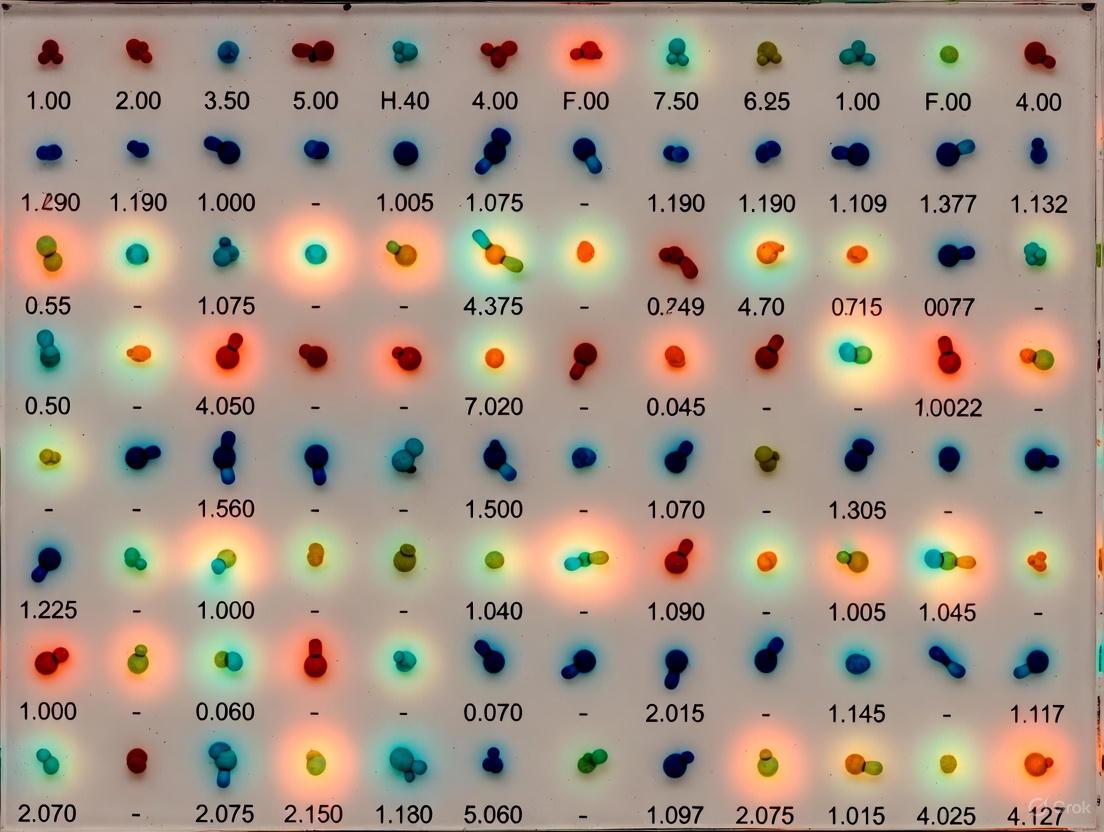
Small Molecule Microarrays (SMMs) represent a powerful high-throughput technology for profiling chemical-protein and chemical-RNA interactions, enabling rapid identification of therapeutic leads and chemical probes.
Small Molecule Microarrays: A Comprehensive Guide to Sensitization, Applications, and Workflow Optimization in Drug Discovery
Abstract
Small Molecule Microarrays (SMMs) represent a powerful high-throughput technology for profiling chemical-protein and chemical-RNA interactions, enabling rapid identification of therapeutic leads and chemical probes. This article provides a comprehensive overview for researchers and drug development professionals, covering the foundational principles of SMM technology, including surface chemistry and immobilization strategies. It details methodological advances and diverse applications, from traditional protein targeting to the emerging frontier of RNA ligand discovery. The content further addresses critical troubleshooting and optimization parameters for robust assay development and concludes with rigorous validation frameworks and comparative analyses with other screening methodologies, synthesizing key takeaways to illuminate future directions for biomedical research.
What Are Small Molecule Microarrays? Exploring Core Principles and Technological Evolution
Small Molecule Microarrays (SMMs) represent a powerful, miniaturized screening platform that has revolutionized early-stage drug discovery. This technology enables researchers to rapidly screen tens of thousands of compounds for interactions with diverse biological targets in a parallel and high-throughput manner [1]. The core principle involves robotically arraying and immobilizing small molecules onto functionalized glass slides, creating a dense microarray where each spot represents a unique compound [1] [2]. These arrays are then incubated with a target of interest, and binding events are detected, typically using fluorescent labeling strategies [1]. The high-throughput and miniaturized nature of the SMM-based binding assay allows for the screening of large panels of proteins or nucleic acids against extensive compound libraries in a relatively short time frame and at low sample cost [1] [2]. Over the last decade, SMMs have proven to be a general, robust, and scalable platform for discovering protein-small molecule interactions that lead to modulators of protein function, and their application has since expanded to include challenging targets such as RNA [1] [2].
The evolution of SMM technology is particularly significant within the context of chemical sensibilization research, which aims to enhance the sensitivity and specificity of chemical detection for biological targets. By providing a standardized, high-density format for compound-target interaction screening, SMMs serve as a foundational tool for sensibilizing discovery pipelines, enabling the identification of even weak binders that can be optimized into potent chemical probes or therapeutics. This is especially valuable for target classes traditionally deemed "undruggable," where SMMs offer a path to discover novel chemical starting points.
SMM Technology: Core Concepts and Workflow
Key Concepts and Immobilization Strategies
The utility of SMMs hinges on two critical components: the method of compound immobilization and the design of the array itself. Effective immobilization must present the small molecule in a accessible orientation while minimizing non-specific binding. Two primary strategies have been developed:
- Isocyanate-based Covalent Attachment: This heterogeneous display method allows for the creation of SMMs using compounds not intentionally synthesized for immobilization [1]. It is highly versatile, enabling the arraying of bioactive small molecules, including FDA-approved drugs, synthetic drug-like compounds, and natural products, directly from stock solutions without the need for specialized chemical handles. It is estimated that 77% of compounds in a typical screening collection are compatible with this method [1].
- Fluorous-based Homogeneous Display: This approach relies on compounds containing a fluorous tag for immobilization onto a corresponding fluorous-functionalized slide surface [1].
A typical SMM design consists of multiple sub-arrays printed simultaneously by a robotic printer equipped with multiple pins. Each sub-array can contain 196 to 256 individual spots, comprising both library compounds and essential controls such as fluorescent dyes for grid alignment and inactive compounds or DMSO as negative controls [2].
The Generic SMM Screening Workflow
The following diagram illustrates the standard, target-agnostic workflow for a small molecule microarray screen, from slide preparation to hit identification.
Workflow Description: The process begins with the preparation of glass slides featuring chemically modified surfaces ready for compound immobilization [2]. The small molecule library is then robotically printed onto these slides to create the high-density microarray [1] [2]. Subsequently, the printed SMM is incubated with a fluorescently labeled biological target—which could be a protein, RNA, or other biomolecule—in a suitable binding buffer [2]. After incubation, the slide is washed extensively to remove any unbound target, ensuring that retained fluorescence is due to specific binding [2]. The dried slide is then imaged using a fluorescent scanner, and the resulting image is quantified using specialized microarray analysis software [2]. Spots exhibiting significantly higher fluorescence intensity than background levels are flagged as potential "hits" for further validation [2].
Application Note: Multi-Target RNA Screening on SMMs
Background and Rationale
RNA has emerged as a promising therapeutic target for a wide range of diseases, but a significant challenge in discovering RNA-binding small molecules is achieving target specificity [3] [4]. In a cellular environment, any small molecule must bind its intended RNA target amidst a crowded background of highly abundant RNAs, such as tRNA and rRNA [2]. Conventional SMM screening focuses on a single RNA target, which provides little direct information about a compound's potential for off-target binding. To address this, a multi-color imaging protocol was developed that enables the simultaneous screening of multiple RNA targets on a single SMM slide [2]. This approach allows for the direct assessment of binding selectivity during the primary screen, efficiently triaging compounds that bind promiscuously and prioritizing those with inherent specificity for the target of interest.
Detailed Experimental Protocol
Materials:
- Glass slides with printed small molecule microarrays (see Support Protocol 1 in [2])
- LifterSlips Cover Slip (ThermoFisher Scientific, cat. no. 25X60I24789001LS)
- RNaseZAP Decontamination Solution
- 5' end-labeled RNA targets (e.g., labeled with AlexaFluor 647, AlexaFluor 532, or fluorescein)
- 10x PBS buffer, pH 7.4
- Tween 20
- RNase-free Tris buffer (1 M, pH 7.0)
- Potassium Chloride (≥99.0%)
- Magnesium Chloride (≥97.0%)
- Nuclease-free water
- 4-well rectangular polystyrene dishes
- Benchtop centrifuge
- Fluorescent Scanner (e.g., InnoScan 1100 AL)
Method:
- RNA Sample Preparation:
- Dissolve each fluorophore-labeled RNA in nuclease-free water to a stock concentration of 100 µM. Aliquot and store at -80°C.
- Dilute labeled RNAs to 5 µM in an appropriate annealing buffer (e.g., 10 mM Tris, pH 7.0, 100 mM KCl, 2 mM MgCl₂).
- Anneal the RNA for proper folding: heat to 95°C for 5 minutes, then allow to cool slowly to room temperature over 3-4 hours. Store annealed RNA at 4°C overnight.
SMM Incubation (Cover Slip Method):
- Decontaminate the workspace using RNaseZAP.
- Prepare a humidified incubation chamber by placing a wet Kimwipe in one well of a 4-well dish.
- Combine the differently labeled RNA targets in annealing buffer. The final concentration of each RNA in the mixture is typically 50-100 nM.
- Apply the RNA mixture to a LifterSlips cover slip. Carefully lower the SMM slide (printed-side down) onto the cover slip, ensuring the solution spreads evenly across the array.
- Place the slide assembly into the humidified chamber and incubate for 1 hour at room temperature, protected from light.
Washing and Scanning:
- Carefully disassemble the slide and cover slip, then wash the slide by immersing it in a coplin jar containing wash buffer (1x PBS with 0.005% Tween 20) for 2 minutes. Repeat this wash twice with fresh buffer.
- Rinse the slide briefly in nuclease-free water and dry it using a benchtop centrifuge.
- Scan the slide using a fluorescent scanner equipped with lasers appropriate for the fluorophores used (e.g., 647 nm, 532 nm, and 488 nm lasers).
Research Reagent Solutions
Table 1: Essential Reagents for SMM-based RNA Screening
| Reagent / Material | Function / Role in the Protocol |
|---|---|
| Functionalized SMM Slides | Solid support for covalent immobilization of small molecule library compounds [2]. |
| LifterSlips Cover Slip | Ensures even distribution of the RNA solution over the microarray during incubation [2]. |
| Fluorophore-labeled RNAs | Enable detection of binding events; different colors allow for simultaneous, target-specific screening [2]. |
| RNaseZAP | Critical for eliminating RNase contamination from surfaces and tools, preserving RNA integrity [2]. |
| Annealing Buffer (KCl, MgCl₂) | Provides the ionic conditions necessary for proper folding of RNA into its native, functional 3D structure [2]. |
| Wash Buffer (PBS + Tween 20) | Removes unbound and weakly associated RNA from the microarray, reducing background signal [2]. |
Data Analysis and Interpretation
Following fluorescent scanning, image analysis is performed using specialized software (e.g., Innopsys Mapix, GenePix Pro). The software aligns a grid to the sub-arrays using the fluorescent dye controls and quantifies the fluorescence intensity for every spot at each wavelength [2].
- Hit Identification: For each RNA target, a normalized fluorescence intensity is calculated for each compound spot. Compounds with intensities significantly exceeding the background (e.g., Z-score > 3) are considered initial hits for that specific RNA.
- Selectivity Assessment: The fluorescence data for a single compound across all three color channels is compared directly. A selective binder for the primary target (e.g., NRAS rG4) will show a high signal in the corresponding channel (e.g., red, AlexaFluor 647) but low signals in the other channels (e.g., green and blue for tRNA and rRNA). This provides an immediate selectivity profile [2].
The following diagram illustrates the logic of data interpretation and hit prioritization based on the multi-color screening results.
Quantitative Data Presentation
The quantitative output from a multi-color SMM screen can be efficiently summarized for comparison, as shown in the table below, which uses hypothetical data based on the described methodology.
Table 2: Example Quantitative Output from a Multi-Color SMM Screen Targeting NRAS rG4 RNA
| Compound ID | Fluorescence Intensity (NRAS rG4 - Red) | Fluorescence Intensity (tRNA - Blue) | Fluorescence Intensity (rRNA - Green) | Z-Score (NRAS rG4) | Selectivity Classification |
|---|---|---|---|---|---|
| Cmpd A | 45,200 | 1,150 | 980 | 18.5 | Selective Binder |
| Cmpd B | 38,500 | 32,800 | 41,100 | 15.8 | Promiscuous Binder |
| Cmpd C | 2,100 | 1,950 | 2,300 | 0.2 | Inactive |
| Cmpd D | 52,100 | 5,200 | 3,100 | 21.3 | Selective Binder |
Small Molecule Microarrays have firmly established themselves as a powerhouse technology in high-throughput screening. Their evolution from single-target protein screens to sophisticated, multi-target applications like RNA selectivity screening demonstrates their remarkable versatility and power. The multi-color imaging protocol detailed herein exemplifies how SMM technology can be adapted to address a central challenge in drug discovery—achieving selectivity—at the earliest stages of screening. By enabling the parallel assessment of binding against multiple targets in a single, miniaturized experiment, SMMs provide a robust framework for chemical sensibilization research, yielding richer datasets and higher-quality hit compounds. As the demand for targeting complex biomolecules like RNA continues to grow, SMMs, particularly when coupled with advanced readouts like multi-color imaging, will remain an indispensable tool for researchers and drug development professionals seeking to unlock new therapeutic opportunities.
Deciphering the human functional proteome, which encompasses thousands of characterized proteins and uncharacterized predicted gene products, is a primary challenge in the post-genomic era [5]. Processes like alternative splicing and post-translational modification further expand this complexity, resulting in an estimated >10^6 biomolecules required to maintain human cell integrity [5]. Traditional, labor-intensive drug discovery methods, long reliant on cumbersome trial-and-error, are fundamentally inadequate for systematically probing this vast biological space [6].
This document outlines the use of Small-Molecule Microarrays (SMMs) as a powerful tool to overcome this throughput challenge. SMMs provide a general binding assay compatible with nearly any protein without advanced knowledge of its structure or function, enabling the high-throughput identification of specific small-molecule probes for diverse proteins [5]. By miniaturizing and parallelizing ligand discovery, SMMs serve as a critical enabling technology for chemical sensibilization research, facilitating the exploration of cellular response mechanisms at a molecular level [7].
Small-Molecule Microarrays: A Platform for High-Throughput Ligand Discovery
Core Principle and Workflow
Small-Molecule Microarrays (SMMs) involve the organized immobilization of hundreds to thousands of distinct small molecules on a functionalized glass slide in a dense, addressable grid [5] [8]. This setup functions as a miniaturized, highly parallel binding assay. The fundamental workflow involves incubating a purified protein or cell lysate over the array, followed by the detection of binding events, typically via fluorescently labeled antibodies or expressible tags like GFP [5].
The subsequent workflow after a primary SMM screen is critical for validation. Positives identified from the microarray are then subjected to secondary binding assays (e.g., Surface Plasmon Resonance, SPR) to confirm direct interaction and determine affinity, and finally evaluated in functional or phenotypic assays to determine their biological effect [5].
Key Advantages in Addressing the Throughput Challenge
The advantages of SMMs directly address the core bottlenecks in conventional screening:
- Massive Throughput and Miniaturization: SMMs enable the simultaneous screening of thousands of compounds against a protein target in a single experiment, drastically reducing reagent consumption and cost [5] [8].
- Generality: The assay can identify ligands for proteins in the absence of prior knowledge about their structure or function, making it ideal for probing uncharacterized proteins [5].
- Direct Screening from Lysates: SMMs are compatible with screens using cell lysates containing endogenous or overexpressed proteins. This bypasses the need for protein purification and allows proteins to be screened in a more native state, potentially with relevant post-translational modifications or within protein complexes [5].
Table 1: Comparison of Screening Approaches in Drug Discovery
| Feature | Traditional HTS (Well-Based) | Phenotypic Screening | SMM-Based Binding Screen |
|---|---|---|---|
| Throughput | High | Moderate | Very High (Miniaturized) |
| Information Required | Functional assay knowledge | Cellular model | None (binding-based) |
| Target Identification | Directly known | Requires deconvolution | Directly known |
| Compatibility with Lysates | Low | Not Applicable | High |
| Primary Readout | Functional | Phenotypic | Binding |
Experimental Protocols for SMM-Based Ligand Discovery
Protocol 1: Fabrication of Small-Molecule Microarrays
Objective: To create a functional SMM using a covalent immobilization strategy.
Key Reagent Solutions:
- Functionalized Slides: Aldehyde-, epoxy-, or maleimide-coated glass slides.
- Small-Molecule Library: A diverse collection of compounds, typically featuring functional groups compatible with the slide chemistry (e.g., primary amines for aldehyde slides).
- Microarray Spotter: A robotic contact or non-contact printer capable of dispensing nanoliter volumes.
- Printing Buffer: Phosphate-buffered saline (PBS) or other suitable buffer, often with additives like glycerol to prevent evaporation during printing.
Methodology:
- Compound Preparation: Dissolve small molecules in a suitable printing buffer (e.g., DMSO/PBS mixture) to a concentration typically ranging from 0.1 to 1 mM.
- Arraying: Using a microarray spotter, transfer nanoliter volumes of each compound solution onto the functionalized slides, creating features with diameters of 50–300 μm. Include control compounds (known binders and non-binders) in the array layout.
- Immobilization: After printing, incubate the slides in a humidified chamber for 4-16 hours to allow for complete covalent coupling between the small molecules and the slide surface.
- Quenching and Washing: Quench unreacted surface groups by incubating the slides with a solution containing a reactive species that does not interfere with the assay (e.g., a solution of bovine serum albumin, BSA, for aldehyde slides). Wash the slides thoroughly with buffer and dry by centrifugation.
Table 2: Common SMM Immobilization Chemistries [5]
| Attachment Method | Surface Group | Compound Group | Bond Formed |
|---|---|---|---|
| Michael Addition | Maleimide | Thiol | Thioether |
| Oxime Formation | Glyoxylyl | Aminoxyl | Oxime |
| Amide Formation | Activated Ester | Amine | Amide |
| 1,3-Dipolar Cycloaddition | Terminal Alkyne | Azide | Triazole |
| Staudinger Ligation | Phosphane | Azide | Amide |
| Non-covalent | Streptavidin | Biotin | Streptavidin-Biotin |
Protocol 2: Screening and Hit Identification with a Fluorescence Readout
Objective: To identify small-molecule ligands for a protein of interest using an SMM.
Key Reagent Solutions:
- Target Protein: Purified protein or cell lysate containing the protein.
- Detection Antibody: A fluorescently labeled primary antibody against the protein, or an antibody against an epitope tag (e.g., His-tag, FLAG-tag).
- Blocking Buffer: A solution like BSA or non-fat milk in TBST to prevent non-specific binding.
- Assay Buffer: A physiologically relevant buffer such as Tris-buffered saline (TBS) or PBS, often with a detergent like Tween-20.
Methodology:
- Blocking: Incubate the fabricated SMM with blocking buffer for 1 hour to minimize non-specific adsorption.
- Protein Incubation: Apply the target protein (at a concentration of 0.1–1 µg/mL in assay buffer) to the array and incubate for 1-2 hours in a humidified chamber.
- Washing: Wash the array multiple times with assay buffer to remove unbound protein.
- Detection: Incubate the array with a fluorescently labeled antibody for 1 hour. Use an antibody concentration optimized for signal-to-noise ratio.
- Final Washing and Scanning: Perform a final series of washes, dry the slide by centrifugation, and immediately scan it using a standard microarray scanner.
- Data Analysis: Quantify the fluorescence intensity of each feature. Hits are identified as features with a signal significantly above the background and negative controls.
Visualization of SMM Screening Workflow and Data Integration
The following diagram illustrates the integrated SMM screening workflow, from array fabrication to hit validation and its role in a broader chemical biology data pipeline.
The Scientist's Toolkit: Essential Research Reagent Solutions
Table 3: Key Reagents and Materials for SMM Experiments
| Item | Function / Application |
|---|---|
| Functionalized Glass Slides | Solid support for covalent or non-covalent immobilization of small molecules. Common types include aldehyde, epoxy, and maleimide [5]. |
| Diverse Small-Molecule Libraries | Collections of compounds for immobilization. Sources include products of diversity-oriented synthesis, known bioactive compounds, and natural products [5]. |
| Microarray Spotter | Robotic instrument for precise, high-density deposition of nanoliter compound volumes onto slides [5]. |
| Epitope-Tagged Proteins | Proteins engineered with tags (e.g., His, FLAG, GST) for simplified purification and detection using standardized antibody methods during screening [5] [8]. |
| Fluorescently-Labeled Antibodies | Detection reagents used to identify protein binding to arrayed small molecules via microarray scanner [5]. |
| Cell Lysates | Crude extracts from cells expressing a target protein, enabling screening without protein purification and in a more biologically relevant context [5]. |
| Surface Plasmon Resonance (SPR) Instrument | Biosensor system used for secondary validation of SMM hits to confirm binding and quantify affinity kinetics (e.g., dissociation constant, KD) [5]. |
Microarray technology represents a paradigm shift in high-throughput screening, enabling the parallel analysis of thousands of molecular interactions in a single experiment. Within the field of small molecule microarray (SMM) chemical sensibilization research, three principal technological formats have emerged: covalent, non-covalent, and solution-phase microarrays. Each platform offers distinct advantages and challenges for profiling small molecule interactions with diverse biological targets including proteins, nucleic acids, and complex cellular lysates. The fundamental principle underlying all microarray technologies involves the miniaturized, ordered arrangement of probe molecules on a solid surface to create a high-density screening platform where binding events can be detected and quantified [9] [10].
The evolution of microarray technologies began with nucleic acid arrays in the 1990s, pioneered by techniques such as colony hybridization and later advanced by robotic spotting systems that enabled the creation of ordered arrays [9]. This foundation was subsequently adapted for small molecule applications, with the first SMMs described in 1999 by MacBeath and colleagues [11] [5]. Since their inception, SMMs have become indispensable tools for chemical genetics and drug discovery, providing researchers with powerful methods to identify ligands for proteins without prior knowledge of protein structure or function [5]. The technology has progressively advanced to address increasingly complex biological questions, from identifying inhibitors of transcription factors to profiling enzyme activities and characterizing RNA-binding compounds [10] [12].
Comparative Analysis of Microarray Immobilization Strategies
The performance and application suitability of microarrays are fundamentally determined by their immobilization chemistry. The choice between covalent, non-covalent, and solution-phase approaches influences multiple experimental parameters including display orientation, molecular stability, binding accessibility, and detection sensitivity.
Table 1: Comparison of Microarray Immobilization Technologies
| Immobilization Method | Key Features | Optimal Applications | Throughput Capacity | Detection Limitations |
|---|---|---|---|---|
| Covalent Attachment | Stable, oriented immobilization; Requires specific functional groups | High-density screening; Quantitative binding studies | 10,000-20,000 targets per array [13] | Potential interference from covalent linkage |
| Non-Covalent Attachment | Simple preparation; No probe modification needed | Rapid screening; Polysaccharide & tissue lysate arrays | Varies by surface capacity | Variable stability; Background interference |
| Solution-Phase Microarrays | Mimics physiological conditions; No immobilization required | Activity-based profiling; Enzyme-substrate studies | Limited by solution containment | Specialized detection systems needed |
Covalent Immobilization Strategies
Covalent immobilization creates stable, irreversible bonds between small molecules and functionalized solid surfaces, ensuring consistent probe presentation throughout rigorous assay conditions. This approach requires specific chemical functionalities on both the small molecule and the surface to facilitate covalent bond formation.
Multiple covalent attachment strategies have been developed, each employing distinct coupling chemistry. Isocyanate-functionalized surfaces provide broad reactivity toward nucleophilic groups commonly found in small molecule libraries, including hydroxyl, amine, and thiol functionalities, without requiring pre-derivatization of screening compounds [12]. This chemistry enables rapid production of SMM chips from existing compound collections, typically using 10 mM stocks in DMSO with piezoelectric printing technologies depositing sub-nanoliter volumes (200 pL) per spot [12]. Alternative covalent approaches include maleimide-thiol coupling for Michael addition, epoxy-hydrazide reactions, and photoactivatable cross-linking strategies using nitroveratryloxycarbonyl (NVOC)-protected hydroquinone groups that release upon UV irradiation to generate benzoquinone for Diels-Alder reactions with cyclopentadiene-tagged small molecules [11] [5].
The significant advantage of covalent immobilization lies in its stability and reproducibility. Covalently bound small molecules withstand stringent washing conditions necessary to reduce nonspecific binding, thereby improving signal-to-noise ratios in binding assays. Additionally, covalent attachment enables controlled orientation of displayed molecules, potentially enhancing their accessibility to target proteins [14] [5]. However, this method requires careful consideration of the attachment site on each small molecule to ensure that the covalent linkage does not sterically hinder the binding interface or alter molecular properties critical for target recognition.
Non-Covalent Immobilization Strategies
Non-covalent immobilization relies on physicochemical interactions including adsorption, electrostatic forces, and affinity binding to attach small molecules to array surfaces. This approach offers simplicity and avoids the need for specific functional groups on the small molecules, making it particularly valuable for screening complex natural products or compound collections with diverse structural features.
Electrostatic adsorption represents the simplest non-covalent approach, wherein negatively charged phosphate backbones of nucleic acids or sulfate groups of polysaccharides interact with positively charged surface coatings such as poly-L-lysine or aminosilane [14] [15]. Similarly, nitrocellulose membranes provide a porous, high-binding-capacity substrate that can passively adsorb proteins through hydrophobic and polar interactions, with demonstrated capacity up to 500 times greater than functionalized glass slides [16]. This exceptional binding capacity makes nitrocellulose particularly suitable for reverse-phase protein arrays (RPPA) where tissue lysates containing low-abundance proteins are immobilized and probed with specific antibodies [16].
Affinity-based non-covalent methods utilize specific molecular recognition systems such as streptavidin-biotin interactions. In this approach, small molecules conjugated with biotin tags are immobilized on streptavidin-functionalized glass slides, providing uniform orientation and strong yet non-covalent attachment (dissociation constant Kd ≈ 10^-15 M) [13]. This method has been successfully employed to screen one-bead-one-compound (OBOC) combinatorial libraries against intracellular proteins from Jurkat cell lysates, identifying multiple ligand candidates with binding affinities in the micromolar range [13]. While non-covalent methods offer implementation simplicity, they may suffer from variable stability under different buffer conditions and potential inconsistencies in molecular orientation, which can affect binding accessibility and assay reproducibility.
Solution-Phase Microarray Platforms
Solution-phase microarrays represent an alternative approach that maintains small molecules in their native soluble state while still enabling high-throughput screening. These systems utilize various containment strategies to prevent cross-contamination while preserving the physiological relevance of solution-phase interactions.
One innovative solution-phase methodology involves DNA-encoded libraries, where small molecules are covalently linked to unique DNA tags that facilitate both their identification and immobilization through hybridization to complementary DNA arrays [11]. This approach effectively converts a solution-binding event into a spatially addressable detection system, combining the benefits of traditional solution-phase chemistry with the multiplexing capabilities of microarray platforms. Similarly, ribosome display techniques have been adapted to microarray formats, enabling the simultaneous isolation and identification of enzyme subclasses from complex mixtures using small-molecule probes on DNA microarrays [11].
The principal advantage of solution-phase systems is the maintenance of unconstrained molecular interactions that closely mimic physiological conditions, avoiding potential artifacts associated with surface immobilization. Additionally, these systems circumvent the need for direct chemical modification of small molecules for surface attachment, preserving their native structural and functional properties. However, solution-phase approaches typically require specialized detection methods and may face challenges with evaporation, cross-contamination, and limited density compared to solid-phase arrays.
Experimental Protocols for Microarray Implementation
Protocol 1: Covalent Small Molecule Microarray Production and Screening
This protocol describes the fabrication of covalent small molecule microarrays using isocyanate chemistry and their application for protein binding studies, adapted from established methodologies [5] [12].
Materials and Reagents:
- Isocyanate-functionalized glass slides (commercially available)
- Small molecule library (10 mM in 100% DMSO)
- Arraying robot with piezoelectric printing capability (e.g., Arrayjet Mercury)
- Blocking solution: 1% BSA in PBST (phosphate-buffered saline with 0.1% Tween-20)
- Target protein in appropriate binding buffer
- Detection reagents: primary antibody (if needed) and fluorescently labeled secondary antibody
- Microarray scanner (e.g., Innopsys 710 AL with 635 nm channel)
Procedure:
- Slide Preparation: Place isocyanate-functionalized slides in the arraying robot. Ensure humidity control (40-60% RH) to prevent evaporation during printing.
- Microarray Printing: Program the arrayer to deposit 200 pL of each small molecule solution in 6 replicate spots per compound. For a 10,000-compound library, this generates arrays with 12,672 total spots when including controls.
- Immobilization: Incubate printed slides overnight at room temperature in a desiccator to facilitate complete covalent coupling.
- Blocking: Wash slides with PBST and incubate with blocking solution for 2 hours at room temperature to minimize nonspecific binding.
- Protein Binding: Incubate the microarray with target protein (1-10 μg/mL in binding buffer) for 1-2 hours at room temperature with gentle agitation.
- Detection: For direct detection, use fluorescently labeled proteins. For indirect detection, incubate with primary antibody (1-2 hours) followed by fluorescent secondary antibody (1 hour).
- Image Acquisition: Scan slides at PMT 35 using the 635 nm channel. Extract fluorescence intensity values using microarray analysis software (e.g., Mapix v8.5.0).
- Data Analysis: Calculate signal-to-noise ratios (SNR) for each spot. Identify hits as compounds with SNR > 3 standard deviations above background.
Troubleshooting Notes: Inconsistent spot morphology may indicate humidity fluctuations during printing. High background signal may require increased stringency in washing steps or optimization of blocking conditions. For cell lysate screening, include protease inhibitors throughout the binding and washing steps.
Protocol 2: Non-Covalent Protein Microarray Using Nitrocellulose Substrates
This protocol details the creation of reverse-phase protein arrays (RPPA) on nitrocellulose-coated slides for antibody profiling applications, utilizing the high binding capacity of porous substrates [16].
Materials and Reagents:
- Porous nitrocellulose (PNC)-coated slides (e.g., ONCYTE from Grace Bio-Labs)
- Cell or tissue lysates in appropriate lysis buffer
- Contact printer or non-contact arrayer
- Blocking solution: 5% non-fat dry milk in TBST
- Primary antibody against target protein
- Fluorescently labeled secondary antibody
- Microarray hybridization chamber (e.g., HybriSlip or ProPlate)
- Microarray scanner
Procedure:
- Sample Preparation: Prepare lysates from cells or tissues of interest. Clarify by centrifugation and determine protein concentration.
- Array Printing: Spot 1-2 nL of each lysate onto nitrocellulose slides in replicate patterns. Include positive and negative controls.
- Immobilization: Air-dry slides for 1 hour to allow complete adsorption of proteins to the nitrocellulose matrix.
- Blocking: Incubate arrays with blocking solution for 1 hour at room temperature with agitation.
- Antibody Probing: Incubate arrays with primary antibody (diluted in blocking solution) for 2 hours at room temperature or overnight at 4°C.
- Washing: Wash slides 3 times with TBST for 5 minutes each with agitation.
- Secondary Detection: Incubate with fluorescently labeled secondary antibody (1 hour, room temperature, protected from light).
- Image Acquisition: Scan slides using appropriate fluorescence settings. Analyze signal intensity using specialized software.
Applications: This protocol is particularly valuable for quantitative assessment of protein expression in comparative studies, tumor biology, and signaling pathway analysis. The high binding capacity of nitrocellulose enables detection of low-abundance proteins and small expression changes (<1.5%) that might be missed on conventional surfaces [16].
Research Reagent Solutions for Microarray Applications
Table 2: Essential Research Reagents for Microarray Experiments
| Reagent/Category | Specific Examples | Function and Application Notes |
|---|---|---|
| Functionalized Surfaces | Isocyanate-glass, Epoxy-coated slides, Streptavidin-coated slides, Porous nitrocellulose films | Covalent attachment (isocyanate, epoxy), affinity capture (streptavidin-biotin), or high-capacity protein adsorption (nitrocellulose) [14] [16] [12] |
| Detection Systems | Fluorescent antibodies (Alexa Fluor 647), Fluorescently labeled RNA (Cy5), Label-free systems (OI-RD) | Target detection: fluorescent methods offer sensitivity; label-free systems preserve native protein function [13] [12] |
| Printing Technologies | Piezoelectric non-contact printers (Arrayjet Mercury), Contact printers (OmniGrid100) | Miniaturized deposition of compounds: non-contact for delicate surfaces, contact for higher viscosity solutions [13] [12] |
| Incubation Chambers | HybriSlip, ProPlate multi-well modules | Controlled sample application and mixing during binding assays; ProPlate enables parallel processing of multiple samples [16] |
| Blocking Agents | BSA (1-5%), non-fat dry milk (5%) | Minimize nonspecific binding to surface and reduce background signal [12] |
Visualization of Microarray Workflows and Signaling Pathways
Diagram 1: Comprehensive Microarray Workflow. This diagram illustrates the complete process from compound library preparation through data analysis, highlighting decision points between covalent and non-covalent surfaces and alternative detection methodologies.
Diagram 2: Binding Detection Methodologies. This diagram outlines the three principal detection strategies used in microarray screening, highlighting both labeled and label-free approaches with their respective components and workflows.
Applications and Future Perspectives in Chemical Sensibilization Research
Small molecule microarrays have demonstrated exceptional utility across diverse research applications, from basic protein-ligand interaction studies to drug discovery pipelines. The technology has successfully identified novel ligands for challenging targets including transcription factors, kinases, proteases, and structural RNAs [10] [5] [12]. In one notable application, SMM screening of a 3,780-compound library against the yeast transcription factor Ure2p identified a specific binder (Kd = 7.5 μM) that inhibited Ure2p activity in vivo and derepressed a downstream glucose-sensitive transcriptional pathway [11]. Similarly, SMMs have been employed to discover inhibitors of microRNA-21 processing and ligands for the PreQ1 riboswitch RNA, highlighting the platform's versatility against diverse target classes [12].
The integration of SMMs with functional proteomics represents a particularly promising direction for chemical sensibilization research. Rather than merely detecting binding events, advanced microarray platforms now incorporate activity-based readouts that probe enzymatic functions and cellular signaling pathways [10] [11]. For instance, SMMs featuring coumarin derivatives conjugated with enzyme recognition domains have enabled the fingerprinting and characterization of proteins based on their enzymatic activities, moving beyond simple binding to functional assessment [11]. Similarly, reverse-phase protein arrays composed of tissue lysates printed on nitrocellulose substrates have enabled quantitative profiling of protein expression and post-translational modifications in clinical specimens, providing insights into disease mechanisms and potential therapeutic targets [16].
Future developments in microarray technology will likely focus on enhancing sensitivity, expanding content density, and integrating multi-parametric readouts. Label-free detection methods such as oblique-incidence reflectivity difference (OI-RD) microscopy offer particular promise for quantifying binding affinities without potentially perturbing fluorescent labels [13]. As these technologies mature, SMM platforms will continue to evolve as indispensable tools for chemical biology, enabling researchers to comprehensively map small molecule interactions across the proteome and accelerate the development of novel therapeutic agents.
Small molecule microarrays (SMMs) have emerged as a powerful high-throughput screening platform that enables researchers to simultaneously profile thousands of distinct molecular interactions in a single experiment [17]. The success of this technology hinges on effective surface chemistry strategies that immobilize small molecules onto solid supports while preserving their biological activity. As a rapidly maturing technology, SMMs elegantly combine the capability of combinatorial chemistry to produce diverse compounds with the powerful throughput afforded by microarrays, providing scientists with a versatile tool for rapid compound analysis and discovery [17]. These platforms have been successfully applied to critical areas ranging from protein profiling to the discovery of therapeutic leads, making the optimization of immobilization chemistries a crucial aspect of chemical sensibilization research.
The fundamental challenge in SMM development lies in creating robust immobilization strategies that accommodate the diverse chemical structures found in small molecule libraries while maintaining consistent orientation and accessibility. Different immobilization chemistries offer distinct advantages and limitations regarding efficiency, specificity, and applicability to various compound classes. Among the most prominent strategies are isocyanate-based and maleimide-based immobilization platforms, each employing different mechanistic approaches to achieve covalent attachment of small molecules to functionalized surfaces. This application note examines these key immobilization platforms, provides detailed experimental protocols, and presents quantitative data to guide researchers in selecting appropriate surface chemistries for their specific SMM applications.
Core Immobilization Chemistries
Isocyanate-Based Immobilization
Isocyanate chemistry provides a versatile, non-selective immobilization strategy based on the reaction between surface-bound isocyanate groups and nucleophilic residues on target molecules. The electrophilic carbon of the isocyanate group reacts with various nucleophiles including primary amines, thiols, and alcohols to form stable covalent linkages [18]. The resonance structure of the isocyanate functional group significantly enhances the electrophilicity of the central carbon atom, driving its reactivity with diverse nucleophilic functional groups commonly found in small molecules [19].
A significant advantage of the isocyanate platform is its broad applicability across diverse compound libraries. Cheminformatic analyses predict that isocyanate-based chemistry is reactive with more than 25% of lead-like compounds in publicly available databases [20]. This broad reactivity profile makes it particularly valuable for immobilizing natural product libraries or other compound collections without common functional groups for selective attachment. The method enforces one-to-one stoichiometry through physical separation of reactants on the solid support, reducing the risk of multiple conjugations that could occlude binding sites [20].
Recent advancements in isocyanate-mediated chemical tagging (IMCT) have demonstrated the efficiency of this approach for appending chemical moieties to small molecules with enforced one-to-one stoichiometry [20]. This method utilizes a template resin with an isocyanate capture group and a cleavable linker, enabling modification of nucleophilic groups on small molecules including primary and secondary amines, thiols, phenols, benzyl alcohols, and primary alcohols [20]. The versatility of this platform has been further enhanced through the development of isocyanate-functionalized polymer microspheres, which provide high specific surface area and outstanding mechanical properties for catalytic and immobilization applications [21].
Maleimide-Based Immobilization
Maleimide chemistry offers a selective immobilization strategy based on the thiol-maleimide conjugation, which proceeds through a Michael addition mechanism [22]. This reaction involves the attack of a thiol group (commonly from a cysteine residue) on the electron-deficient double bond of the maleimide, forming a stable succinimidyl thioether linkage [23]. The reaction occurs rapidly under mild conditions, typically at neutral pH, making it suitable for labeling peptides, proteins, oligonucleotides, and small molecules [23].
The thiol-maleimide reaction is considered part of the 'click chemistry' toolbox due to its high efficiency, selectivity, and ability to proceed under mild conditions [22]. Despite not being a Huisgen-type click reaction, it shares the same modular, reliable qualities that make click reactions valuable in bioconjugation. The fast kinetics and straightforward application make it a preferred method for linking various biomolecules in research and pharmaceutical development [22].
A significant challenge in maleimide-thiol conjugation is the potential for side reactions, particularly when working with N-terminal cysteine peptides. The resulting succinimide is susceptible to nucleophilic attack from the N-terminal amine of the cysteine, leading to a thiazine impurity through a rearrangement reaction [22]. This side reaction can complicate purification, characterization, and storage of peptide conjugates, potentially leading to product loss. Research has demonstrated that performing conjugation under acidic conditions (near pH 5) or acetylating the N-terminal cysteine can prevent thiazine formation [22].
Comparative Analysis of Immobilization Platforms
Table 1: Comparison of Key Immobilization Platforms for Small Molecule Microarrays
| Platform | Reactive Groups | Immobilization Efficiency | Specificity | Stability | Best Applications |
|---|---|---|---|---|---|
| Isocyanate | Primary/Secondary amines, Thiols, Alcohols, Phenols | 73% overall immobilization rate [18] | Non-selective, broad reactivity | Urea, carbamate, thiocarbamate linkages | Diverse compound libraries, natural products |
| Maleimide | Thiols (cysteine residues) | High for thiol-containing compounds [23] | Highly specific for thiol groups | Succinimidyl thioether (susceptible to thiazine rearrangement) [22] | Thiolated molecules, controlled orientation |
| Epoxy | Amines, Thiols, Alcohols | Medium to high | Moderate specificity | Ether linkages | Carbohydrates, alcohols, amines |
| Streptavidin-Biotin | Biotin groups | Nearly quantitative | Highly specific | Non-covalent but very strong (Kd ~ 10⁻¹⁵ M) | Pre-biotinylated compounds |
Table 2: Nucleophilic Group Reactivity with Isocyanate Functionalized Surfaces
| Nucleophilic Group | Reactivity Classification | Relative Immobilization Efficiency | Resulting Linkage |
|---|---|---|---|
| Primary amine, Aryl amine, Thiol | High | >70% | Urea, Thiocarbamate |
| Primary alcohol, Phenol, Secondary amine | Medium | 30-70% | Carbamate, Urea |
| Carboxylic acid, Secondary alcohol, Tertiary alcohol | Low | <10% | Mixed anhydride, Carbamate |
Experimental Protocols
Protocol: Fabrication of Isocyanate-Functionalized Slides and Small Molecule Immobilization
Principle: This protocol describes the preparation of isocyanate-functionalized glass slides and subsequent immobilization of small molecules containing nucleophilic functional groups, based on optimized conditions that achieve over 73% immobilization efficiency [18].
Materials:
- Amine-functionalized glass slides (CapitalBio Corporation)
- Fmoc-NH-(PEG)n-(CH2)2-COOH (n = 1, 2, 6, 12, 24, 36)
- (Benzotriazol-l-yloxy)tripyrrolidinophosphonium hexafluorophosphate (PyBOP)
- N,N-Diisopropylethylamine (DIPEA)
- Hexamethylene diisocyanate (HDI) or 1,4-Phenylene diisocyanate (PPDI)
- Dimethylformamide (DMF), anhydrous
- Tetrahydrofuran (THF), anhydrous
- Piperidine
- Small molecule compounds dissolved in DMSO or DMSO/water mixtures
Procedure:
Spacer Arm Introduction:
- Prepare coupling solution containing 1 mM Fmoc-NH-(PEG)n-(CH2)2-COOH, 2 mM PyBOP, and 20 mM DIPEA in anhydrous DMF.
- Immerse amine-functionalized glass slides in the coupling solution for 10 hours with gentle stirring.
- Rinse slides thoroughly with fresh DMF to remove unreacted reagents.
Fmoc Deprotection:
- Prepare deprotection solution containing 1% (v/v) piperidine in DMF.
- Incubate PEG-treated glass slides in deprotection solution for 12 hours with gentle stirring.
- Rinse slides with DMF to completely remove piperidine and cleavage byproducts.
Isocyanate Functionalization:
- Prepare 60 mM isocyanate solution in DMF (for HDI) or THF (for PPDI).
- Incubate deprotected slides in isocyanate solution for 1 hour with stirring.
- Rinse functionalized slides thoroughly with DMF and THF.
- Dry slides under a stream of purified nitrogen.
- Store at -20°C if not used immediately.
Small Molecule Printing:
- Prepare small molecule solutions at concentrations of 1-10 mM in DMSO or DMSO/water mixtures (50:50 v/v).
- Print compounds onto isocyanate-functionalized slides using a contact microarray printer (e.g., SmartArrayer 136).
- Maintain spot diameter of 100-150 μm with center-to-center spacing of 250 μm.
- Include control compounds (e.g., baicalein, rapamycin, FK506) at 5 mM in DMSO.
Post-Printing Treatment:
- After printing, incubate slides under one of the following optimized conditions:
- 65°C for 2 hours in a humidified chamber
- Room temperature for 12 hours in a desiccator
- 37°C for 6 hours with controlled humidity
- Wash slides with DMSO followed by ethanol to remove unbound compounds.
- Dry slides by centrifugation or under nitrogen stream.
- After printing, incubate slides under one of the following optimized conditions:
Validation:
- Immobilization efficiency can be validated using fluorescently tagged compounds or through binding assays with target proteins.
- Optimal results are achieved with (PEG)12 spacers and HDI-derived isocyanate surfaces [18].
- The overall immobilization percentage should exceed 73% across diverse compound libraries.
Protocol: Maleimide-Thiol Conjugation for Directed Immobilization
Principle: This protocol describes the immobilization of thiol-containing small molecules onto maleimide-functionalized surfaces, utilizing the highly specific thiol-maleimide click chemistry [23].
Materials:
- Maleimide-functionalized slides (commercial sources or prepared from epoxy slides)
- Thiol-containing small molecules (or molecules modified with thiol groups)
- Tris(2-carboxyethyl)phosphine (TCEP)
- Degassed phosphate buffer (PBS, 0.1 M, pH 7.0-7.5)
- Nitrogen or argon gas
- DMSO or DMF, anhydrous
Procedure:
Surface Preparation:
- Use commercial maleimide-functionalized slides or prepare by reacting epoxy slides with ethylenediamine followed by BMPS (N-β-maleimidopropionic acid hydroxysuccinimide ester).
- Verify maleimide functionality with thiol-containing fluorescent dyes.
Thiol Reduction (if necessary):
- Dissolve thiol-containing small molecules in degassed phosphate buffer, pH 7.0-7.5.
- Add 100× molar excess of TCEP relative to disulfide bonds.
- Flush with inert gas (N₂ or Ar) and incubate for 20 minutes at room temperature.
Immobilization Reaction:
- Apply reduced thiol-containing compounds to maleimide-functionalized surfaces.
- For compounds with poor aqueous solubility, include organic co-solvent (DMSO or DMF, not exceeding 20% v/v).
- Incubate overnight at 4°C or for 4 hours at room temperature in an inert atmosphere.
Quenching and Washing:
- Quench unreacted maleimide groups with 10 mM β-mercaptoethanol for 30 minutes.
- Wash slides extensively with buffer containing mild detergent followed by water.
- Dry slides by centrifugation.
Critical Considerations:
- To prevent thiazine side reactions with N-terminal cysteine peptides, perform conjugation at pH 5 or acetylate the N-terminal amine [22].
- For maleimides with poor aqueous solubility, increase organic co-solvent content gradually to avoid precipitation.
- Avoid oxygen exposure throughout the procedure to prevent disulfide formation.
Research Reagent Solutions
Table 3: Essential Reagents for Immobilization Platforms
| Reagent | Function | Application Notes |
|---|---|---|
| Hexamethylene diisocyanate (HDI) | Bifunctional crosslinker for isocyanate surface functionalization | Provides flexible 6-carbon spacer; use at 60 mM in DMF for optimal results [18] |
| Fmoc-NH-PEGn-COOH | Spacer arm with protected amine | Varying lengths (n=1-36) adjust distance from surface; (PEG)12 recommended [18] |
| PyBOP | Coupling reagent for carboxylate activation | Efficiently activates spacer arm carboxyl groups for amine coupling [18] |
| Maleimide-PEG-NHS | Heterobifunctional crosslinker | NHS ester reacts with surface amines, maleimide for thiol conjugation [23] |
| TCEP | Reducing agent for disulfide bonds | Use 100× molar excess; preferred over DTT as it doesn't contain thiols [23] |
| Biotin-PEGn-NH₂ | Positive control for immobilization | Quality control with streptavidin detection; various PEG lengths available [18] |
Advanced Applications and Future Perspectives
The application of advanced immobilization platforms extends beyond conventional small molecule screening. Recent innovations include the development of ArrayPlex spot-on-spot microarrays that enable the creation of multi-layered microarrays, allowing two libraries to be screened against each other with unprecedented throughput [24]. This technology generates millions of data points each week, dramatically accelerating the discovery process.
Isocyanate-based multicomponent reactions represent another emerging application, enabling the efficient synthesis of structurally diverse and complex molecules [19]. These one-pot reactions incorporate more than two reactants into a single final product, providing access to complex molecular architectures with high molecular diversity. The added benefit of isocyanate-based MCRs includes their atom-economical nature and alignment with green chemistry principles, making them environmentally friendly alternatives to traditional synthetic approaches [19].
In maleimide chemistry, recent advances have focused on the transformation of maleimides via annulation reactions, forming cyclized molecules through annulation and C-H activation [25]. These methodologies have enabled the efficient synthesis of various cyclized products, including annulation, benzannulation, cycloaddition, and spirocyclization, with applications in medicinal chemistry, drug discovery, and materials science. Photocatalysis and electrochemical methods have further expanded the utility of maleimides, providing more sustainable and selective approaches for synthesizing complex molecules [25].
Comparative studies between maleimide-thiol conjugation and click chemistry approaches have revealed advantages of each system. While maleimide-thiol conjugation offers rapid reaction kinetics, click chemistry provides superior control over stoichiometry and produces more defined conjugates [26]. The choice between these strategies depends on the specific application requirements, including the need for controlled stoichiometry, orientation preservation, and functional binding capacity.
Workflow Diagrams
Diagram 1: Comparative Workflow for SMM Immobilization Platforms. This diagram illustrates the parallel pathways for preparing isocyanate-based and maleimide-based small molecule microarrays, highlighting key steps in each immobilization strategy.
Diagram 2: Isocyanate Reactivity Profile with Nucleophilic Functional Groups. This diagram visualizes the relative reactivity of various nucleophilic functional groups with isocyanate surfaces, categorized by high (green), medium (yellow), and low (red) reactivity classes based on experimental data [18].
The fields of combinatorial chemistry and DNA microarray technology originated from parallel paths in the late 1980s and early 1990s, driven by a common goal: the high-throughput analysis of vast molecular libraries [27] [28]. This convergence created the foundation for small molecule microarray (SMM) technology, a powerful tool for modern drug discovery. SMMs synergize the core principle of combinatorial chemistry—the systematic synthesis of large compound libraries—with the spatial addressing and multiplexing capabilities of microarray platforms [17] [24]. This article details the historical application notes and experimental protocols that emerged from this technological fusion, providing a framework for sensitizing chemical libraries for high-throughput screening.
Historical Application Notes
The convergence was not accidental; it was driven by a pressing need in biomedical research to functionally examine the proteome at a global level [27]. The following applications were pivotal.
From Peptide Libraries to Small Molecule Screening
Combinatorial chemistry was first applied to generate peptide arrays in 1984 [27]. Early work by Geysen's multi-pin technology and Houghten's tea-bag method enabled the parallel synthesis of hundreds of thousands of peptides on a solid support [29]. The critical evolution was the shift from peptides to diverse small molecules. In 1992, Bunin and Ellman reported the first small-molecule combinatorial library, demonstrating the technology's applicability beyond biological polymers [29]. This expansion of chemical space was a prerequisite for populating SMMs with pharmacologically relevant compounds.
The Adoption of Microarray Instrumentation
A key step in the convergence was the repurposing of instrumentation and solid-support methods originally developed for DNA microarrays [27] [28]. The use of fully automatic arrayers and in-situ synthesis on glass slides allowed combinatorial libraries to be spatially addressed at high density [27]. This transformed libraries from mixed collections in a single vial to ordered, position-addressable arrays, enabling direct and simultaneous screening of thousands of compounds.
Key Application: Lead Identification and Optimization
The primary application of this converged technology has been in the identification and optimization of drug leads. The one-bead-one-compound (OBOC) combinatorial library method, when paired with microarray screening, proved highly effective [27] [29]. SMMs provided a "versatile tool for rapid compound analysis and discovery" in areas ranging from protein profiling to the discovery of therapeutic leads [17]. The technology allows for the rapid determination of structure-activity relationships (SAR) by screening entire families of related compounds in a single experiment.
Table 1: Historical Evolution of Key Combinatorial and Microarray Technologies
| Technology | Approximate Emergence | Key Innovation | Impact on SMM Development |
|---|---|---|---|
| Solid-Phase Peptide Synthesis | 1960s (Merrifield) | Enabled step-wise synthesis on an insoluble polymer support [30]. | Provided the foundational synthetic methodology. |
| Geysen's Multi-pin Technology | Mid-1980s | Parallel synthesis of peptides on polypropylene pins [29] [28]. | First step towards spatial arraying of combinatorial libraries. |
| Split-Pool Synthesis ("Tea-Bag") | Mid-1980s | Generation of highly diverse compound mixtures [29]. | Enabled creation of large, diverse libraries for SMMs. |
| Affymetrix GeneChip (VLSIPS) | Early 1990s | Light-directed, spatially-addressable parallel synthesis on a chip [28]. | Proved concept of high-density chemical synthesis on a solid surface. |
| One-Bead-One-Compound (OBOC) | 1991 (Lam et al.) | Coupled split-pool synthesis with single compound isolation on beads [29]. | Bridged solution-based combinatorial chemistry with solid-phase screening. |
| Printed Small Molecule Microarrays | Early 2000s | Robotic printing of pre-synthesized compounds onto functionalized slides [27] [17]. | Created the modern, accessible SMM platform. |
Quantitative Performance of SMM Platforms
The technological convergence yielded platforms with exceptional throughput and sensitivity, as evidenced by historical performance data from commercial systems.
Table 2: Representative SMM Platform Performance Metrics (c. 2000s)
| Platform / Method | Library Diversity | Screening Throughput | Typical Spot Density (spots/slide) | Required Sample Volume |
|---|---|---|---|---|
| In-Situ Synthesized Arrays | ~100,000 compounds [27] | ~1 assay per library | >10,000 [27] | N/A (synthesized on slide) |
| Printed SMMs (e.g., Arrayjet) | 10,000 - 18,400 compounds [24] | ~1 assay per library | 1,000 - 10,000 [24] | 0.5 µL samples can print ~1,000 slides [24] |
| One-Bead-One-Compound (OBOC) | Millions to billions [29] | ~1 assay per library | N/A (bead-based) | N/A (bead-based) |
| DNA-Encoded Libraries (DEL) | >1 million compounds [29] | ~1 assay per library | N/A (solution-based) | N/A (solution-based) |
Experimental Protocols
This section provides a detailed methodology for creating and screening small molecule microarrays, reflecting the standardized protocols that resulted from the convergence of these fields.
Protocol 1: Fabrication of a Small Molecule Microarray via Contact Printing
This protocol outlines the creation of an SMM by printing pre-synthesized compounds from a combinatorial library onto a functionalized glass slide.
Research Reagent Solutions
Table 3: Essential Materials for SMM Fabrication and Screening
| Item / Reagent | Function / Explanation |
|---|---|
| Functionalized Glass Slides | Solid support with chemical groups (e.g., isocyanate, epoxy) for covalent immobilization of small molecules [24]. |
| Combinatorial Compound Library | A diverse collection of small molecules, typically in 384-well plates, dissolved in appropriate solvent (e.g., DMSO) [24]. |
| Microarray Spotter | Robotic instrument (e.g., contact pin or inkjet) for transferring nanoliter volumes of compound solution to the slide surface [27] [24]. |
| Blocking Buffer | A solution (e.g., containing BSA) used to passivate the slide surface after printing to prevent non-specific binding [24]. |
| Fluorescently-Labeled Protein Target | The protein of interest (e.g., kinase, receptor) is conjugated to a fluorophore (e.g., Cy3, Cy5) for detection [24]. |
| Microarray Scanner | A fluorescence-based scanner used to detect and quantify binding events on the microarray surface [31]. |
Step-by-Step Procedure
- Library Preparation: Prepare the compound library in 384-well plates. Compounds are typically dissolved in DMSO at a concentration suitable for printing and immobilization (e.g., 1-10 mM) [24].
- Slide Activation: Prior to printing, ensure the functionalized slides (e.g., isocyanate-coated) are clean, dry, and at the appropriate relative humidity within the printing environment (typically controlled at 40-60%) [24].
- Array Printing: Program the microarray spotter with the desired layout. Load the source microplates and destination slides. The instrument will transfer compounds from the wells to designated locations on the slide. For example, the Arrayjet Mercury system uses a non-contact inkjet to dispense spots as small as 40 pL [24].
- Immobilization and Quenching: After printing, incubate the slides in a humidified chamber for 4-16 hours to allow for complete covalent coupling of the compounds to the slide surface. Quench any remaining active groups by immersing the slides in a blocking buffer (e.g., 50 mM ethanolamine, 0.1% SDS in Borate buffer) for 1 hour.
- Washing and Drying: Wash the slides sequentially in phosphate-buffered saline (PBS), deionized water, and isopropanol to remove unbound compounds and salts. Dry the slides by centrifugation or under a stream of inert gas. The slides can be stored desiccated and in the dark until use.
The following workflow diagram illustrates the SMM fabrication process:
Protocol 2: Screening a Small Molecule Microarray for Protein Binding
This protocol describes how to probe a fabricated SMM with a fluorescently labeled protein to identify binding interactions.
Step-by-Step Procedure
- Target Preparation: Dilute the fluorescently-labeled protein target to an appropriate concentration (e.g., 1-10 µg/mL) in a binding buffer (e.g., PBS with 1% BSA and 0.1% Tween-20). The inclusion of a carrier protein and detergent helps minimize non-specific binding.
- Probe Hybridization: Apply the protein solution to the surface of the SMM under a coverslip or within a sealed hybridization chamber. Incubate the slide in a dark, humidified chamber for 1-2 hours at room temperature or 4°C to allow for binding.
- Stringency Washes: Gently remove the coverslip and wash the slide three times (5 minutes per wash) with binding buffer (without the protein) to remove unbound and weakly bound protein.
- Rinse and Dry: Perform a final brief rinse in deionized water to remove buffer salts. Dry the slide by centrifugation.
- Signal Acquisition: Scan the slide immediately using a microarray scanner configured for the appropriate fluorescence channel (e.g., Cy3 or Cy5). Set the laser power and photomultiplier tube (PMT) gain to avoid signal saturation.
- Hit Identification: Analyze the resulting fluorescence image using microarray analysis software. Positive hits are identified as spots with a fluorescence signal significantly above the local background. The signal intensity correlates with the amount of bound target [31].
The following workflow diagram illustrates the SMM screening process:
The Scientist's Toolkit: Research Reagent Solutions
The following table details key materials essential for work in this field.
Table 4: Essential Research Reagent Solutions for SMM Research
| Item / Reagent | Function / Explanation |
|---|---|
| Functionalized Slides (Isocyanate/Epoxy) | Provide a reactive surface for the covalent immobilization of small molecules bearing amino or hydroxyl groups, ensuring stable attachment during assays [24]. |
| Fluorescent Dyes (Cy3, Cy5) | Used to label protein or other biological targets, enabling detection and quantification of binding interactions on the microarray [31] [32]. |
| Blocking Agents (BSA, Ethanolamine) | Used to passivate the slide surface after printing, reducing non-specific adsorption of the protein target and minimizing background noise [24]. |
| DNA-Encoded Chemical Libraries (DECLs) | Combinatorial libraries where each small molecule is tagged with a unique DNA barcode, allowing for pooled screening and hit deconvolution via PCR and sequencing [29]. |
| OBOC Library Beads | Solid support microbeads, each displaying a single compound from a combinatorial library, enabling screening of millions of compounds and subsequent chemical decoding [29]. |
| Automatic Arrayer/Microarray Spotter | Robotic instrument capable of transferring nanoliter volumes of compound solutions from multi-well plates to microscope slides with high precision and spatial density [27] [24]. |
SMMs in Action: Methodological Workflows and Cutting-Edge Applications from Proteins to RNA
Small molecule microarrays (SMMs) have emerged as a powerful, high-throughput platform for probing interactions between vast collections of small molecules and biological targets of interest. This technology is particularly valuable in drug discovery and chemical biology for identifying lead compounds that bind to proteins and, more recently, RNA targets [33] [5]. The core principle involves spatially arraying and immobilizing thousands of small molecules on a solid support, incubating the array with a labeled target, and detecting binding events to identify specific ligands. The miniaturized and parallel nature of SMMs allows for the rapid screening of tens of thousands of compounds against one or multiple targets simultaneously, providing critical information on both binding affinity and selectivity [33] [1]. This application note details a robust, end-to-end protocol for SMM fabrication using isocyanate-based covalent immobilization, followed by target incubation and data analysis, framed within research aimed at enhancing the sensitivity and reliability of these platforms.
The SMM screening process is fundamentally a binding assay that enables the discovery of ligands for targets without prior knowledge of their structure or function [5]. A diverse library of small molecules is printed and covalently attached to a functionalized glass slide. The resulting microarray is then probed with a purified, fluorescently labeled target or a lysate containing an epitope-tagged or endogenous target, which is detected via a fluorescent antibody. After washing, the slide is imaged with a fluorescence scanner, and statistical analysis identifies spots with significantly increased fluorescence, correlating to specific molecular interactions [33] [5] [1]. The following diagram illustrates the complete workflow, from slide preparation to hit identification.
Materials and Reagents: The Scientist's Toolkit
Research Reagent Solutions
The following table catalogues the essential materials and reagents required for the successful execution of the SMM workflow.
Table 1: Essential Reagents and Materials for SMM Fabrication and Screening
| Item | Function / Application | Key Considerations |
|---|---|---|
| GAPS II Coated Glass Slides | Solid support for microarray fabrication. | Amine-functionalized surface for subsequent chemistry [33]. |
| 1,6-diisocyanatohexane (HDI) | Creates isocyanate-functionalized surface for covalent compound immobilization. | Reacts with nucleophilic groups on small molecules [33] [18]. |
| Polyethylene Glycol (PEG) Spacers | Penultimate group between slide surface and isocyanate; acts as a spacer. | Longer spacers (e.g., n=12) can improve immobilization efficiency and target access [18]. |
| Small Molecule Library | Source of chemical diversity for screening. | Ideally, a diverse collection of ~20,000 drug-like compounds with nucleophilic handles (amines, alcohols) [33] [34]. |
| Dimethyl Sulfoxide (DMSO) | Solvent for small molecule stock solutions. | High-quality, anhydrous DMSO is critical for compound stability and print quality [33]. |
| Alexa Fluor 647 Hydrazide | Fluorescent dye for labeling the RNA or protein target. | Enables detection of binding events upon slide scanning [33]. |
| PyBOP, DIPEA | Peptide coupling reagents. | Used for coupling the PEG spacer to the amine-coated slide [33] [18]. |
| RNase-free PBS with Tween 20 (PBST) | Wash buffer for post-incubation steps. | Removes unbound target; Tween-20 reduces non-specific binding [33]. |
| Quench Solution (Ethylene glycol, Pyridine) | Post-printing treatment. | Deactivates unreacted isocyanate groups on the slide surface [33]. |
Experimental Protocols
Preparation of Isocyanate-Coated Slides
The functionalization of the slide surface is a critical first step to ensure efficient and uniform compound immobilization [18].
- PEG Spacer Coupling: Immerse amine-functionalized glass slides in a coupling solution containing 1 mM Fmoc-protected PEG-acid (e.g., Fmoc-NH-(PEG)~12~-COOH), 2 mM PyBOP, and 20 mM DIPEA in DMF. Incubate for 10 hours with stirring [18].
- Fmoc Deprotection: Remove the Fmoc protecting group by incubating the slides in a solution of 1% (v/v) piperidine in DMF for 12 hours with gentle stirring. This exposes the primary amine terminus of the PEG spacer [33] [18].
- Isocyanate Activation: Incubate the deprotected slides in a 1% (v/v) solution of 1,6-diisocyanatohexane (HDI) in DMF for 1 hour with stirring. This step introduces the terminal isocyanate groups that will react with printed compounds. Rinse slides thoroughly with DMF and tetrahydrofuran (THF), and dry with a stream of nitrogen or canned air. Store functionalized slides at -20°C if not used immediately [33].
Small Molecule Library and Source Plate Preparation
The composition of the small molecule library is key to a successful screen.
- Library Composition: Acquire a diverse library of drug-like compounds. An ideal library has an average molecular weight near 400 Da, uses a structural diversity filter (e.g., Tanimoto cutoff <0.8), and is filtered to minimize pan-assay interference compounds (PAINS) [33]. Compounds must contain nucleophilic functional groups for immobilization (e.g., amines, alcohols).
- Source Plates: Prepare compound source plates as 10 mM stocks in DMSO in 384-well V-bottom plates. Include control compounds (e.g., biotin-PEG-amine for detection with streptavidin-fluorophore) in separate wells. Seal plates with thermal seals to prevent evaporation [33].
Printing of Small Molecule Microarrays
This protocol is based on using a contact microarray printer with 48 pins.
- Setup: Load the compound source plates and isocyanate-coated slides into the microarray printer. Use a controlled environment (low humidity) to optimize spot morphology.
- Printing: Program the printer to deposit nanoliter volumes of each compound onto the slides in a predefined pattern. A typical configuration prints 3840 compounds in duplicate across 48 subarrays per slide, allowing a library of >22,000 compounds to be printed on just six slides [33].
- Post-Printing Treatment: After printing, place slides in a vacuum desiccator with a vial of anhydrous pyridine for 12-16 hours. The vapor facilitates the covalent coupling reaction between the compounds and the isocyanate surface. Subsequently, quench any remaining isocyanate groups by immersing the slides in a solution of 5% (v/v) ethylene glycol and 0.1% (v/v) pyridine in DMF for 1 hour [33] [18].
- Storage: Wash the printed and quenched microarrays with DMF and THF, dry, and store in a desiccator at room temperature until use.
Target Incubation and Detection
This section outlines the protocol for screening with a fluorescently labeled RNA target.
- Preparation: Decontaminate the work area with RNase AWAY or a similar reagent. Use nuclease-free water and buffers.
- Hybridization (Incubation): Dilute the Alexa Fluor 647-labeled RNA target in RNase-free PBS to the desired concentration (e.g., 1-500 nM). Apply the solution to the microarray under a coverslip or in a multi-well incubation dish. Incubate the slide in a humidified, dark chamber for 30-60 minutes at room temperature to allow binding interactions to occur [33].
- Washing: Remove the coverslip and wash the slide three times with RNase-free PBST (PBS with 0.01% Tween 20) to remove unbound RNA, followed by a final rinse with nuclease-free water. Dry the slides by centrifugation in a 50 mL Falcon tube (5 minutes at 500 rpm) [33].
- Control Staining: To confirm successful printing and immobilization, the array can be stained with a solution of Streptavidin-FITC (for biotinylated controls) after the RNA incubation and wash steps.
Data Acquisition and Analysis
- Scanning: Image the dried microarray slides using a fluorescence microarray scanner. Scan at multiple wavelengths to detect the fluorescent signal from the bound RNA target (e.g., Alexa Fluor 647) and the control compounds (e.g., FITC) [33].
- Image and Data Analysis: Use array imaging software (e.g., GenePix Pro, Mapix) to align the grid, quantify the fluorescence intensity of each spot, and subtract the local background.
- Hit Identification: Perform statistical analysis to identify significant outliers. A common method is to normalize the data (e.g., using Z-scores) and flag spots whose intensity exceeds the mean signal of the entire array by a predetermined number of standard deviations (e.g., Z-score > 3) [33]. Comparing signals from the target channel to the control channel helps eliminate printing artifacts.
Results and Data Interpretation
Optimization and Performance Data
The efficiency of small molecule immobilization is highly dependent on the nucleophilic residue present and the surface chemistry conditions. The following table summarizes quantitative data on immobilization efficiency, which is crucial for evaluating and optimizing the SMM platform.
Table 2: Immobilization Efficiency of Small Molecules on Isocyanate Surfaces Under Optimized Conditions [18]
| Factor Evaluated | Condition / Nucleophile | Key Finding / Efficiency | Implication for Protocol |
|---|---|---|---|
| Nucleophile Reactivity | Primary Amine | High (Benchmark) | Library should be enriched with high-reactivity groups. |
| Carboxylic Acid | Low (<10% of amine) [18] | Optimization critical for these compounds. | |
| Spacer Length (PEG~n~) | n=1 (short) | Lower efficiency | Use longer spacers (e.g., n=12) to improve efficiency and target access [18]. |
| n=12 (long) | Significantly improved efficiency [18] | ||
| Penultimate Group | Hexyl (from HDI) | Improved morphology & efficiency [18] | Use 1,6-diisocyanatohexane (HDI) for slide preparation. |
| Phenyl (from PPDI) | Lower efficiency [18] | ||
| Post-Print Treatment | Pyridine Vapor | >73% overall immobilization [18] | Essential protocol step for high-density immobilization. |
| Overall Performance | Optimized Protocol | >73% of 3375 compounds immobilized [18] | Validates the robustness of the described workflow. |
Discussion
The integrated workflow described herein provides a reliable path for identifying small molecule ligands for biological targets using SMMs. The use of isocyanate chemistry offers a key advantage: the ability to immobilize a wide range of compounds without pre-derivatization, enabling the screening of diverse libraries including bioactive molecules, natural products, and synthetic compounds on a single platform [1] [34]. A critical insight from optimization studies is that the immobilization efficiency for molecules with low-reactivity nucleophiles (e.g., carboxylic acids) can be drastically improved by using longer PEG spacers and optimized post-printing treatments, ultimately leading to a more representative screening of the entire library [18].
Within the broader context of chemical sensibilization research, this protocol enhances sensitivity by minimizing false negatives through efficient immobilization and false positives through rigorous washing and data analysis. The simultaneous screening of multiple targets in parallel, as demonstrated with diverse nucleic acid structures, provides immediate selectivity data and powerfully limits the identification of promiscuous binders, resulting in a very low false-positive rate (e.g., 0.02%) [33]. Future directions involve integrating SMMs with other label-free detection techniques like surface plasmon resonance imaging (SPRi) [35] and expanding applications to challenging target classes such as structured RNAs, offering novel therapeutic avenues for traditionally "undruggable" diseases [4] [3].
Within the framework of small molecule microarrays (SMMs) chemical sensibilization research, the strategic design of compound libraries is paramount for probing biological space and identifying novel therapeutic agents [3]. Two complementary paradigms dominate this field: Diversity-Oriented Synthesis (DOS) and Fragment-Based Drug Discovery (FBDD). DOS aims to synthesize structurally complex and diverse small molecules covering broad swathes of chemical space, thereby maximizing the probability of encountering unique biological activity [4]. In contrast, FBDD utilizes small, low molecular weight compounds (fragments) that bind weakly but efficiently to target biomolecules; these hits are then optimized into high-affinity leads [3]. This application note provides detailed protocols and data summarization for the implementation of these approaches, specifically tailored for research involving small molecule microarrays.
Diversity-Oriented Synthesis (DOS) in Library Design
Core Principles and Application to SMMs
DOS libraries are constructed to explore a wide range of molecular architectures, including variations in stereochemistry, appendages, and functional groups. For SMMs, this diversity increases the likelihood of displaying a molecule that interacts with a target protein or RNA on the array [4]. The synthesis often employs combinatorial chemistry and solid-phase strategies to generate large collections of compounds.
Quantitative Analysis of DOS Library Characteristics
The table below summarizes key physicochemical properties typically targeted for a robust DOS library, crucial for ensuring the quality of compounds to be printed on SMMs.
Table 1: Target Physicochemical Properties for DOS Libraries for SMMs
| Property | Target Range | Rationale |
|---|---|---|
| Molecular Weight (MW) | 200 - 500 Da | Balances complexity with likely solubility on the microarray surface [4]. |
| Calculated Log P (cLogP) | -0.4 to 5.6 | Ensures favorable hydrophobicity for interaction, avoiding excessive lipophilicity [4]. |
| Number of Hydrogen Bond Donors (HBD) | ≤ 5 | Promotes cell permeability and reduces non-specific binding on the array. |
| Number of Hydrogen Bond Acceptors (HBA) | ≤ 10 | Maintains drug-likeness and suitable polarity for microarray printing. |
| Number of Rotatable Bonds | ≤ 15 | Controls molecular flexibility, influencing binding entropy and printability. |
| Polar Surface Area (PSA) | 20 - 130 Ų | Optimizes for potential permeability and solubility. |
Experimental Protocol: A Representative DOS Pathway for SMMs
Title: A Three-Branch DOS Pathway to Generate a Skeletally Diverse Library.
Objective: To synthesize a 50-member pilot library employing a split-pool strategy to maximize skeletal diversity from a common intermediate.
Materials:
- Resin: TentaGel S NH₂ resin (0.24 mmol/g loading).
- Building Blocks: Diverse isocyanides, aldehydes, and carboxylic acids for Ugi reaction; alkylating agents (e.g., methyl iodide, benzyl bromide); acylating agents (e.g., acetic anhydride, benzoyl chloride).
- Reagents: Trifluoroacetic acid (TFA), Dichloromethane (DCM), N,N-Dimethylformamide (DMF), Diisopropylethylamine (DIPEA), and standard solvents and reagents for synthesis and cleavage.
Procedure:
- Solid-Phase Ugi Reaction (Branching Point): a. Load 500 mg of TentaGel S NH₂ resin into a solid-phase reaction vessel. b. Swell the resin in 5 mL DCM for 30 minutes. c. Drain DCM and add a solution of Fmoc-protected amino acid (3 equiv), aldehyde (3 equiv), and isocyanide (3 equiv) in 5 mL methanol. d. Allow the reaction to proceed at room temperature for 24-48 hours with gentle agitation. e. Drain the reaction mixture and wash the resin thoroughly with DMF (3 x 5 mL) and DCM (3 x 5 mL). f. Remove the Fmoc protecting group by treating with 20% piperidine in DMF (2 x 10 min). Wash thoroughly with DMF and DCM.
Split-Pool Synthesis: a. Divide the resin from step 1 into three equal portions. b. Branch A (Alkylation): Treat one portion with a solution of a primary alkyl halide (5 equiv) and DIPEA (10 equiv) in DMF. React for 12 hours. c. Branch B (Acylation): Treat the second portion with a solution of an acid chloride (5 equiv) and DIPEA (10 equiv) in DCM. React for 6 hours. d. Branch C (Cyclization): Subject the third portion to microwave-assisted cyclization conditions (e.g., in toluene at 120°C for 1 hour) to form lactams or other heterocycles. e. Wash all resin portions thoroughly with DMF and DCM.
Cleavage and Purification: a. Treat each portion of resin with a cleavage cocktail (e.g., 95% TFA, 2.5% Triisopropylsilane, 2.5% H₂O) for 2-3 hours. b. Collect the filtrate and evaporate TFA under a stream of nitrogen. c. Precipitate or dissolve the crude product in DMSO for purification or direct analysis. d. Purify compounds using reverse-phase HPLC (e.g., C18 column, water/acetonitrile gradient). e. Analyze purity and identity by LC-MS and ¹H NMR.
Microarray Printing: a. Dissolve purified compounds in DMSO at a concentration of 1-10 mM. b. Using a non-contact piezoelectric arrayer, spot compounds onto an NHS-activated glass slide in a predefined pattern. c. Allow printing to complete, then incubate slides in a humid chamber for 12-24 hours to ensure complete covalent coupling. d. Block remaining active esters on the slide by immersing in a solution of ethanolamine or BSA. e. Wash slides with detergent solution and water, then dry by centrifugation. Store desiccated until use.
Workflow Visualization: DOS Library Synthesis and Screening
Fragment-Based Drug Discovery (FBDD) in Library Design
Core Principles and Application to SMMs
Fragment libraries consist of low molecular weight compounds (<300 Da) that provide high "ligand efficiency" (binding energy per heavy atom). When used with SMMs, fragments can identify minimal binding motifs with high efficiency due to their simplicity and the sensitive, high-throughput nature of microarray detection [3] [4]. These weak binders are ideal starting points for subsequent structural elaboration into potent inhibitors.
Quantitative Analysis of Fragment Library Characteristics
The following table outlines the stringent criteria for constructing a high-quality fragment library suitable for SMM screening.
Table 2: Design Criteria for a Fragment Library for SMM Screening
| Property | Target Range | Rationale |
|---|---|---|
| Molecular Weight (MW) | 120 - 300 Da | Ensures low complexity and high probability of binding [4]. |
| Number of Heavy Atoms | 7 - 22 | Correlates with MW; defines the size of the chemical probe. |
| Calculated Log P (cLogP) | ≤ 3 | Promotes solubility in aqueous buffers used in binding assays. |
| Number of Hydrogen Bond Donors (HBD) | ≤ 3 | Limits polarity for better membrane permeability in downstream leads. |
| Number of Hydrogen Bond Acceptors (HBA) | ≤ 3 | Prevents over-functionalization and maintains simplicity. |
| Number of Rotatable Bonds | ≤ 5 | Reduces conformational entropy penalty upon binding. |
| Principle of 3D Geometry | ≥ 1 chiral center or non-planar ring | Increases spatial diversity, improving chances of matching target pockets. |
| Aqueous Solubility | > 0.1 mM | Critical for achieving usable concentrations in screening buffers. |
Experimental Protocol: Fragment Screening via SMMs
Title: Direct Label-Free Fragment Screening Using Small Molecule Microarrays.
Objective: To identify fragment-sized binders to a target protein of interest by probing a fragment SMM.
Materials:
- Microarray: Glass slide printed with a 1000-member fragment library (covalently immobilized).
- Target Protein: Recombinant protein, purified.
- Detection Reagent: Fluorescently-labeled antibody specific to the target protein or a tag (e.g., His-tag).
- Buffers: Phosphate Buffered Saline (PBS), PBS with Tween-20 (PBST), Blocking Buffer (e.g., 1% BSA in PBS).
Procedure:
- Microarray Blocking: a. Incubate the fragment microarray with 5 mL of Blocking Buffer for 1 hour at room temperature in a hybridization chamber to prevent non-specific binding. b. Wash the slide gently with PBST (3 x 2 min) to remove excess blocking agent.
Target Protein Incubation: a. Prepare a solution of the target protein in Blocking Buffer at a concentration of 1-10 µg/mL. b. Apply the protein solution to the microarray surface and incubate for 1-2 hours at room temperature or overnight at 4°C with gentle agitation.
Washing: a. Carefully remove the protein solution. b. Wash the slide stringently with PBST (3 x 5 min) and then with PBS (1 x 5 min) to remove unbound protein.
Detection: a. Apply a solution of fluorescently-labeled detection antibody (diluted in Blocking Buffer as per manufacturer's instructions) to the slide. b. Incubate for 1 hour at room temperature in the dark. c. Repeat the washing cycle (Step 3) to remove unbound antibody.
Image Acquisition and Data Analysis: a. Scan the slide using a microarray scanner at the appropriate excitation/emission wavelengths for the fluorophore. b. Quantify fluorescence intensity for each spot using feature extraction software. c. Identify "hit" fragments as those spots with signal intensities significantly above the background (e.g., Z-score > 3 or signal-to-noise ratio > 5).
Workflow Visualization: Fragment Screening on SMMs
The Scientist's Toolkit: Essential Research Reagents and Materials
The following table catalogs key reagents and materials essential for executing the library synthesis and screening protocols described in this note.
Table 3: Essential Research Reagent Solutions for SMM-Based Library Research
| Item Name | Function/Application | Key Characteristics |
|---|---|---|
| TentaGel S NH₂ Resin | Solid support for DOS library synthesis. | Polystyrene-polyethylene glycol graft copolymer, mechanically stable, swells in diverse solvents, functionalizable. |
| NHS-Activated Glass Slide | Substrate for covalent immobilization of small molecules in SMM fabrication. | Surface coated with N-Hydroxysuccinimide ester groups that react with primary amines on compounds. |
| Non-Contact Piezoelectric Arrayer | Instrument for depositing compound solutions onto SMM slides. | Provides high-precision, non-contact spotting to prevent cross-contamination and enable high-density arrays. |
| Fluorescent Labeled Antibody | Detection reagent for binding events on SMMs. | High specificity for protein tag (e.g., His, GST), conjugated to a bright, photostable fluorophore (e.g., Cy3, Cy5). |
| Microarray Scanner | Instrument for quantifying fluorescence signals on SMMs post-assay. | High-resolution laser-induced fluorescence detection, multiple wavelength capabilities, sensitive photomultiplier tubes. |
| Fragment Library (Chemically Diverse) | A collection of 500-2000 rule-of-three compliant compounds for primary screening. | High purity (>95%), MW <300, cLogP <3, good aqueous solubility, stored in DMSO at high concentration. |
In modern drug discovery, comprehensively profiling protein targets to identify inhibitors and characterize their binding interactions is a critical step for developing precise and effective therapeutics. This process involves identifying the full spectrum of proteins a small molecule engages with in a complex biological system and quantitatively analyzing these interactions, including binding kinetics, affinity, and selectivity [36]. Traditional methods often fall short in capturing the full complexity of these interactions, particularly for transient engagements or within native cellular environments. Advanced chemical proteomics strategies have emerged as powerful tools to address these challenges, enabling the unbiased discovery of novel therapeutic targets and the detailed mechanistic understanding of compound action [36] [37]. This Application Note details key methodologies—including innovative proteome-wide profiling and affinity-based probes—and provides standardized protocols to accelerate target identification and validation in preclinical drug development.
Key Methodologies for Target Profiling and Interaction Characterization
Proteome-Wide Covalent Inhibitor Profiling with COOKIE-Pro
The COvalent Occupancy KInetic Enrichment via Proteomics (COOKIE-Pro) method represents a significant advance in quantitatively profiling irreversible covalent inhibitors across the entire proteome. This unbiased approach uses a two-step incubation process combined with mass spectrometry (MS)-based proteomics to determine the maximal inactivation rate ((k{inact})) and the inhibitor concentration required for half-maximal modification ((KI)) for both intended and off-target proteins [38].
- Principle: COOKIE-Pro quantifies the kinetics of covalent binding by assessing target engagement as a function of inhibitor concentration and time. This allows for the direct determination of (k{inact}) and (KI) values, providing a comprehensive view of an inhibitor's potency and selectivity landscape [38].
- Validation and Application: The method was validated using BTK inhibitors spebrutinib and ibrutinib, successfully reproducing known kinetic parameters and identifying both expected and novel off-targets. For instance, COOKIE-Pro revealed that spebrutinib exhibits over 10-fold higher potency for TEC kinase than for its primary target, BTK. The platform has also been adapted for high-throughput screening of covalent fragment libraries, generating thousands of kinetic profiles to decouple intrinsic chemical reactivity from binding affinity [38].
Table 1: Key Quantitative Parameters from COOKIE-Pro Profiling of BTK Inhibitors
| Inhibitor | Primary Target ((k{inact}/KI)) | Key Off-Target Identified | Off-Target Potency ((k{inact}/KI)) | Selectivity Ratio (Target:Off-Target) |
|---|---|---|---|---|
| Spebrutinib | BTK | TEC kinase | >10x higher than for BTK | >1:10 |
| Ibrutinib | BTK | As reported in [38] | As reported in [38] | As reported in [38] |
Affinity-Based Protein Profiling (AfBPP)
Affinity-Based Probes (AfBPs) are a cornerstone of chemical proteomics for identifying protein targets through non-covalent, reversible interactions or specific, induced associations such as photoaffinity linkages [36].
- Probe Design: A typical AfBP consists of three modular components:
- A Binding Moisty: A pharmaceutical small molecule or natural product that reversibly binds the target protein(s).
- A Linker: Spacer that minimizes steric interference from the label.
- A Reporter Tag: Such as biotin for enrichment or a fluorophore for detection [36].
- Advantages over Activity-Based Probes (AcBPs): Unlike AcBPs, which rely on covalent, often irreversible modification of active sites, AfBPs may have less impact on the native biological functions of the target protein, making them particularly suitable for studying the mechanisms of drugs that act via non-covalent interactions [36].
Table 2: Common Reporter Tags Used in Affinity-Based Probes
| Tag Type | Detection/Enrichment Method | Key Feature | Potential Limitation |
|---|---|---|---|
| Biotin | Streptavidin pull-down + MS | High affinity; signal amplification | Free biotin in samples can cause interference |
| FITC (Fluorescein) | Fluorescence detection | Direct imaging capability | - |
| NanoBRET | Bioluminescence Resonance Energy Transfer | Applicable to live cells | - |
| Radioisotope | Radiometric detection | High sensitivity | Handling and disposal requirements |
Experimental Protocols
Protocol: COOKIE-Pro for Proteome-Wide Covalent Inhibitor Kinetics
This protocol outlines the steps for determining the binding kinetics of a covalent inhibitor against its on-target and off-target proteins in a proteome-wide manner [38].
I. Sample Preparation and Inhibitor Treatment
- Lysate Preparation: Prepare clarified lysate from the cell line or tissue of interest using a non-denaturing lysis buffer.
- Two-Step Incubation:
- Step 1 - Pre-incubation: Divide the lysate into aliquots. Incubate each aliquot with a specific concentration of the covalent inhibitor for a defined time (t1).
- Step 2 - Challenge Incubation: Add a fixed, saturating concentration of a broad-spectrum, activity-based probe (ABP) that also covalently modifies the targetable proteins. Incubate for a second time period (t2). The ABP will only label proteins that were not occupied and modified by the inhibitor in Step 1.
II. Proteomic Processing and TMT Labeling
- Protein Digestion: Quench the reactions and digest the proteins into peptides using a protease like trypsin.
- Peptide Labeling with Tandem Mass Tags (TMT): Label the peptides from different inhibitor concentration points with isobaric TMT reagents. This allows for multiplexing and relative quantification of the same peptide across all conditions in a single LC-MS/MS run [37].
III. LC-MS/MS Analysis and Data Processing
- Liquid Chromatography and Mass Spectrometry: Perform high-resolution LC-MS/MS on the pooled, TMT-labeled peptide sample.
- Kinetic Parameter Calculation: For each quantified peptide corresponding to a modified site, the TMT reporter ion intensities are used to determine the fraction of protein unbound by the inhibitor at each concentration. These values are fit to a kinetic model to extract the (k{inact}) and (KI) for each specific covalent modification site [38].
Protocol: Target Identification Using Biotin-Based AfBPs
This protocol describes the use of a biotin-conjugated affinity-based probe to pull down and identify protein targets from a complex biological mixture [36].
I. Probe Incubation and Pull-Down
- Cellular Treatment: Treat live cells or cell lysates with the biotin-AfBP. For photoaffinity probes, irradiate the sample with UV light at an appropriate wavelength to induce cross-linking after binding equilibrium is reached.
- Cell Lysis: Lyse the cells using a RIPA buffer or similar.
- Affinity Enrichment: Incubate the lysate with streptavidin-conjugated beads. Wash the beads extensively with lysis buffer and then with PBS to remove non-specifically bound proteins.
II. On-Bead Digestion and Sample Preparation
- Reduction and Alkylation: On the beads, reduce and alkylate the captured proteins using DTT and iodoacetamide, respectively.
- Proteolytic Digestion: Add trypsin directly to the beads to digest the bound proteins into peptides overnight.
- Peptide Elution: Acidify the supernatant to elute the peptides from the beads.
III. LC-MS/MS Analysis and Data Analysis
- Liquid Chromatography and Mass Spectrometry: Analyze the resulting peptides via LC-MS/MS.
- Target Identification: Process the raw MS data using a standard proteomics software pipeline (e.g., MaxQuant, Proteome Discoverer) against a relevant protein sequence database. Proteins significantly enriched in the AfBP sample compared to a negative control (e.g., vehicle-treated or using an inactive probe) are considered putative targets [36].
The Scientist's Toolkit: Research Reagent Solutions
Table 3: Essential Reagents and Materials for Target Profiling Experiments
| Item | Function/Application | Example/Note |
|---|---|---|
| Tandem Mass Tags (TMTpro) | Multiplexed relative quantification of peptides across up to 18 samples in a single MS run. Streamlines kinetics experiments [37]. | Critical for COOKIE-Pro; available as 16-plex or 18-plex kits. |
| Streptavidin Magnetic Beads | Enrichment of biotinylated proteins or biotin-AfBP complexes from lysates. | Essential for AfBP pull-downs; ensure high binding capacity. |
| Activity-Based Probes (ABPs) | Broad-spectrum probes that covalently modify active enzymes. Used as competitors in kinetic profiling [37]. | e.g., Phosphonate-based probes for kinases/serine hydrolases. |
| Photoaffinity Groups | Incorporated into AfBPs to covalently capture transient protein-ligand interactions upon UV irradiation. | e.g., Diazirines, aryl azides [36]. |
| High-Resolution Mass Spectrometer | Core instrument for identifying and quantifying proteins and peptides with high accuracy and sensitivity. | e.g., Orbitrap-based platforms. |
| Stable Cell Lines Expressing TurboID | For proximity-dependent labeling of protein interactomes in live cells, an alternative to AfBPs [37]. | TurboID offers faster labeling kinetics than BioID. |
The integration of advanced chemical proteomics methods like COOKIE-Pro and versatile AfBP strategies provides researchers with a powerful and streamlined pipeline for profiling protein targets. These techniques enable the transition from simple target identification to a nuanced, quantitative understanding of inhibitor binding kinetics and selectivity across the proteome. The standardized protocols and reagent toolkit outlined in this document offer a practical foundation for implementing these approaches, thereby de-risking the early stages of drug discovery and facilitating the development of safer, more effective therapeutics.
The transcriptome represents a vast frontier for therapeutic intervention, with only a small fraction of the human genome coding for proteins [3]. Small molecule microarrays (SMMs) have emerged as a powerful technology to probe this space, enabling the high-throughput discovery of chemical probes that target RNA [39]. These microarrays contain hundreds to thousands of compounds arrayed and immobilized on a solid support, which can be screened for interactions with diverse RNA targets [39]. This application note details the protocols and analytical frameworks for using SMMs in RNA-ligand discovery, positioned within the broader context of chemical sensibilization research aimed at linking molecular structure to cellular response [7].
Key Research Reagent Solutions
The following table catalogues essential materials and reagents required for implementing SMM-based RNA-ligand screening.
Table 1: Essential Research Reagents for SMM-Based RNA-Ligand Screening
| Reagent/Material | Function/Application | Examples & Specifications |
|---|---|---|
| Isocyanate-coated Glass Slides | Provides a reactive solid support for covalent immobilization of small molecules [39]. | |
| Small Molecule Library | Diverse chemical compounds printed on the microarray to screen for RNA binders [39]. | Includes compounds from diversity-oriented synthesis [39]. |
| Purified RNA Target | The biological query used to probe the microarray for binding interactions [39]. | Can include structured RNA elements like riboswitches, viral RNA, or repeat expansions [3] [40]. |
| Fluorescent Detection Reagents | Enable visualization of RNA-protein-small molecule interactions on the microarray [39]. | Fluorescently labeled streptavidin or antibodies. |
| RNALID Database | A curated resource of experimentally validated RNA-ligand interactions for comparison and analysis [40]. | Contains 358 interactions; used for cheminformatic analysis and target prioritization [40]. |
Protocol: SMM Fabrication and Screening for RNA Ligands
This protocol outlines a method for covalently capturing small molecules on isocyanate-coated glass surfaces and detecting interactions with RNA targets, adapted from established methodologies [39].
Microarray Fabrication via Covalent Capture
- Step 1: Surface Preparation. Use commercially available isocyanate-coated glass slides. Ensure the slides are clean and free of particulates before printing.
- Step 2: Compound Printing. Prepare small molecule libraries in dimethyl sulfoxide (DMSO) at recommended concentrations (e.g., 1-10 mM). Using a contact or non-contact arrayer, spot compounds onto the slides in a predefined grid pattern. Include control compounds (known binders and non-binders) in the print layout.
- Step 3: Immobilization Reaction. After printing, incubate the slides in a humidified chamber to allow the isocyanate groups on the slide surface to react with hydroxyl or amine functional groups on the small molecules, forming covalent urethane or urea linkages.
- Step 4: Post-Print Processing. Quench any remaining reactive isocyanate groups by exposing the slides to vapor from a solution containing reactive amines (e.g., ethanolamine). Wash the slides thoroughly with DMSO and ethanol to remove unbound compounds and salts, then dry by centrifugation.
RNA Target Preparation and Binding Assay
- Step 5: RNA Preparation. In vitro transcribe and purify the target RNA of interest. For initial screens, it is common to use a model protein (e.g., an RNA-binding protein) to validate the array's performance [39]. Subsequent screens can employ the purified RNA directly or in complex with a protein to stabilize its structure.
- Step 6: Array Probing. Dilute the purified protein or RNA-protein complex in an appropriate binding buffer. Apply the solution to the microarray under a coverslip and incubate in a humidified chamber to allow binding interactions to occur.
- Step 7: Fluorescent Detection. Wash the slides stringently to remove non-specifically bound material. Detect bound protein using a fluorescently labeled antibody or tag (e.g., fluorescent streptavidin for a biotinylated protein). Scan the slides using a microarray scanner to quantify fluorescence at each spot.
Data Analysis
- Step 8: Image and Data Quantification. Use microarray image analysis software to grid the array and quantify the fluorescence intensity for each spot.
- Step 9: Hit Identification. Normalize the signal intensities across the array and identify "hit" compounds that exhibit statistically significant signal above negative controls. Triplicate spotting is recommended for robust statistical analysis.
The workflow for this protocol is summarized in the diagram below.
Data Analysis and Cheminformatic Profiling
Following primary screening, hit compounds require rigorous characterization of binding affinity, specificity, and drug-likeness. Analysis of known RNA-binding ligands reveals distinct profiles for different ligand classes.
Table 2: Characteristics of RNA-Binding Ligand Classes [40]
| Ligand Characteristic | Multivalent (MV) Ligands | Small Molecule (SM) Ligands |
|---|---|---|
| Typical RNA Target | Often RNA repeat expansions (e.g., r(CUG)exp) [40] | Diverse, including viral (v)RNA and mRNA [40] |
| Structural Conservation | High in both 2D and 3D structure [40] | More variable |
| Binding Affinity & Specificity | High binding affinity and specificity [40] | Variable affinity; can exhibit low specificity [40] |
| Drug-Likeness (Lipinski's Rule) | Often deviates significantly [40] | More likely to resemble protein-ligands [40] |
The relationship between binding affinity and drug-likeness is a critical consideration. Analysis of the RNALID database indicates a significant linear co-relationship between binding affinity and drug-likeness, suggesting that optimizing for high affinity alone may compromise compound developability [40]. Therefore, a balanced approach is necessary.
Integration with Chemical Sensibilization Research
SMM data can be integrated into predictive models for chemical sensitivity, creating a powerful bridge between in vitro binding and cellular response. Deep learning models like ChemProbe learn to combine cellular transcriptomes and chemical structures to predict sensitivity [7]. In such models, RNA-ligand interactions discovered via SMMs provide a crucial mechanistic link. The model's architecture, using techniques like Feature-wise Linear Modulation (FiLM), allows chemical features to interpretably modulate gene expression representations, effectively simulating how a compound might perturb a cellular pathway [7]. This integration enables in silico screening of chemical sensitivity across diverse biological models, guiding the selection of the most promising hits from SMM screens for further cellular testing.
Small molecule microarrays provide a robust, high-throughput platform for initiating the discovery of RNA-targeting chemical probes. The detailed protocol for covalent capture and screening, combined with cheminformatic analysis and integration into predictive models of chemical sensitivity, creates a comprehensive framework for advancing RNA-ligand discovery. This approach facilitates the transition from initial in vitro binding events to understanding functional responses in complex biological systems, directly supporting the objectives of chemical sensibilization research.
Within the framework of small molecule microarrays (SMMs) and chemical sensibilization research, the transition from initial binding data to biologically relevant cellular contexts is paramount. Cell lysate screening and live-cell binding assays represent two advanced, complementary applications that bridge this gap. These methodologies enable the validation of small molecule interactions with native cellular targets, accounting for complex biological environments and real-time physiological conditions [3]. This document provides detailed application notes and protocols for employing these techniques, with a specific focus on a live-cell NanoBRET assay for profiling kinase inhibitors, serving as a model for the broader application of these approaches in drug discovery [41].
Experimental Protocols
Protocol 1: Cell Lysate Screening via Small Molecule Microarrays
Principle: This protocol utilizes small molecule microarrays to probe for interactions with specific proteins within a complex cell lysate. The lysate provides a native mixture of the target protein, along with its binding partners and post-translational modifications, offering a more physiologically relevant binding environment than purified systems.
Workflow:
- Step 1: Microarray Fabrication. Spot known small molecules, including controls and compounds from sensitization libraries, onto a chemically derivatized glass slide at high density.
- Step 2: Lysate Preparation. Culture appropriate cell lines and lyse cells using a non-denaturing lysis buffer to preserve native protein structures. Clarify the lysate by centrifugation to remove insoluble debris. Determine the total protein concentration.
- Step 3: Binding Reaction. Incubate the cell lysate over the microarray surface. A target-specific primary antibody, which may be conjugated to a fluorophore for direct detection, is included in the incubation mixture or used in a subsequent step.
- Step 4: Signal Detection and Analysis. After thorough washing to remove non-specifically bound material, scan the microarray with a fluorescence scanner. Quantify the spot intensities to determine the relative binding of the target protein from the lysate to each small molecule on the array.
The following diagram illustrates the key steps and decision points in this workflow:
Protocol 2: Live-Cell NanoBRET Binding Assay
Principle: The NanoBRET (NanoLuc Binary Resonance Energy Transfer) assay quantitatively measures target engagement of small molecules in a live-cell, physiological context. The target protein (e.g., AKT kinase) is tagged with NanoLuc luciferase (the donor). When a fluorescently labeled tracer ligand binds to the target and is in close proximity, energy is transferred from the donor to the tracer, producing a BRET signal. Test compounds compete with the tracer, reducing the BRET signal in a dose-dependent manner, allowing for the calculation of binding affinity [41].
Workflow:
- Step 1: Cell Transfection and Plating. Transfect cells with a plasmid encoding the target protein (e.g., AKT1, AKT2, AKT3) fused to the NanoLuc luciferase. Seed transfected cells into a multi-well plate suitable for luminescence reading.
- Step 2: Compound and Tracer Addition. Prepare a dilution series of the test compound. Add the compound to the cells, followed by the addition of a cell-permeable, fluorescent tracer ligand.
- Step 3: Substrate Addition and Signal Measurement. Add the cell-permeable NanoLuc substrate, furimazine. After a short incubation, measure both the donor luminescence (at ~450 nm) and the BRET acceptor emission (using a bandpass filter >610 nm or as optimized for the tracer).
- Step 4: Data Analysis. Calculate the BRET ratio as (Acceptor Emission)/(Donor Luminescence). Plot the BRET ratio against the logarithm of the compound concentration and fit the data to a dose-response curve to determine the IC~50~ value.
The following workflow and the associated signaling pathway for the AKT model system are detailed below:
Associated AKT Signaling Pathway Context: The AKT kinase is a central node in the PI3K-AKT signaling pathway, which is critical for cell growth, survival, and proliferation. The conformational and phosphorylation state of AKT, such as phosphorylation at T308, significantly influences inhibitor binding [41].
Results and Data Presentation
Quantitative Data from Live-Cell NanoBRET Assay
The following tables summarize key quantitative findings from a representative live-cell NanoBRET study profiling AKT inhibitors, illustrating how this assay generates critical binding and selectivity data [41].
Table 1: Binding Affinity (IC₅₀) of AKT Inhibitors Across Isoforms. This table demonstrates the isoform selectivity of different inhibitor classes, a key parameter for drug development.
| Inhibitor Name | Inhibitor Class | AKT1 IC₅₀ (nM) | AKT2 IC₅₀ (nM) | AKT3 IC₅₀ (nM) | Selectivity Notes |
|---|---|---|---|---|---|
| Example ATP-comp 1 | ATP-competitive | 5.2 | 8.1 | 6.7 | Uniform binding across isoforms [41] |
| Example Allosteric 1 | Allosteric | 105.0 | 25.5 | 180.0 | Selective for AKT2 isoform [41] |
| Example ATP-comp 2 | ATP-competitive | 2.1 | 3.0 | 2.5 | Pan-AKT inhibition, high potency |
Table 2: Impact of AKT Phosphorylation on Inhibitor Binding. This table quantifies the enhanced binding of ATP-competitive inhibitors to specific phosphorylated and mutant states of AKT, which can serve as a biomarker for efficacy [41].
| AKT Conformational State | Example ATP-comp 1 Fold-Change in Binding | Example Allosteric 1 Fold-Change in Binding | Biological Significance |
|---|---|---|---|
| T308 Phosphorylation | ~8x Increase [41] | No Significant Change | Biomarker for enhanced ATP-comp inhibitor efficacy [41] |
| Pathogenic E17K Mutant | ~5x Increase [41] | ~3x Decrease [41] | Critical for targeting oncogenic AKT mutants |
The Scientist's Toolkit: Research Reagent Solutions
Successful implementation of these advanced assays relies on specific, high-quality reagents. The following table details essential materials and their functions for the live-cell NanoBRET assay.
Table 3: Key Research Reagents for Live-Cell NanoBRET Binding Assays.
| Reagent | Function and Description |
|---|---|
| NanoLuc Luciferase-Tagged AKT Plasmid | Donor vector; genetically encoded tag for the target protein (AKT) to generate the BRET signal [41]. |
| Fluorescent Tracer Ligand | Acceptor molecule; a cell-permeable, high-affinity ligand for the target, conjugated to a fluorophore that accepts energy from NanoLuc [41]. |
| Furimazine | NanoLuc substrate; cell-permeable compound that reacts with NanoLuc to produce the initial luminescent signal [41]. |
| ATP-competitive & Allosteric AKT Inhibitors | Pharmacological tools; used as test compounds to validate the assay and probe target conformation [41]. |
| Live-Cell Assay Buffer | Physiological context; provides an appropriate environment to maintain cell viability and signaling during the assay. |
Within the expanding frontier of RNA-targeted therapeutic discovery, the identification of small molecules that bind to specific RNA structures represents a promising strategy for modulating disease-relevant pathways. This application note details a combined experimental and computational workflow for identifying ligands for two significant RNA targets: microRNA-21 (miR-21), an oncogenic miRNA, and the PreQ1 riboswitch (class I) from Bacillus subtilis (BS-PreQ1), a bacterial metabolite-sensing regulatory element. The methodologies outlined herein, grounded in small molecule microarray screening and high-throughput competitive binding assays, are designed to integrate seamlessly into a broader research thesis on chemical sensibilization—the process of enhancing molecular sensitivity and selectivity through chemical tools. These approaches provide a framework for discovering and characterizing ligands that can potentially modulate RNA function, with applications spanning from anticancer drug development to novel antibacterial strategies [42] [43] [44].
Target Background and Biological Significance
microRNA-21 (miR-21)
miR-21 is a well-characterized oncomiR, with overexpression observed in numerous cancers including glioblastomas, lymphomas, and breast, pancreatic, and lung cancers. It functions by suppressing the expression of tumor suppressor genes, and its knockdown has been shown to induce apoptosis in cancer cell lines, validating its therapeutic relevance [42]. The mature miR-21 is processed from a precursor hairpin (pre-miR-21), whose structure, particularly the apical loop, presents a viable target for small molecules aiming to inhibit Dicer-mediated processing and thus mature miR-21 production [42].
BS-PreQ1 Riboswitch
The PreQ1 riboswitch is a bacterial RNA element located in the 5'-untranslated region (5'-UTR) of mRNAs involved in the biosynthesis of queuosine, a modified nucleoside. Upon binding its cognate ligand, PreQ1 (7-aminomethyl-7-deazaguanine), the riboswitch undergoes a conformational change that typically downregulates the expression of downstream genes. As the queuosine biosynthesis pathway is essential in bacteria but absent in human biosynthesis, the PreQ1 riboswitch is an attractive target for developing novel antibacterial agents [43] [44]. The class I PreQ1 riboswitch aptamer domain is notably small (e.g., ~34 nucleotides in Bacillus subtilis), folds into an H-type pseudoknot upon ligand binding, and exhibits high affinity for PreQ1 (KD in the nanomolar range) [43].
Experimental Protocols & Methodologies
This section provides detailed, actionable protocols for the key screening assays used to identify ligands for these two RNA targets.
Protocol 1: Small Molecule Microarray (SMM) Screening for pre-miR-21 Binders
Principle: A library of drug-like small molecules is covalently printed on a glass slide. Fluorescently labeled pre-miR-21 RNA is incubated with the array. Compounds that bind the RNA are identified by increased fluorescence at corresponding array features [42].
Workflow Diagram: Small Molecule Microarray Screening
Procedure:
- Microarray Preparation: Using a robotic microarrayer, spatially array and covalently link approximately 20,000 small molecules from a drug-like library onto functionalized glass slides [42].
- RNA Hybridization:
- Washing and Imaging: Wash the slides thoroughly to remove unbound RNA. Image the slides using a fluorescence scanner with appropriate excitation/emission settings for Cy5 (e.g., λex = 650 nm, λem = 670 nm) [42].
- Hit Identification: Calculate a Z-score for each compound on the array. Features with a fluorescence Z-score > 3 (indicating signal significantly above background) are considered initial hits. For selectivity, perform a parallel screen against a control RNA (e.g., HIV TAR hairpin) and exclude compounds that bind promiscuously [42].
- Hit Validation: Procure hit compounds and validate binding using orthogonal biophysical methods:
- Differential Scanning Fluorimetry (DSF): Measure the change in RNA melting temperature (ΔTm) upon compound binding [42].
- Fluorescence Titration Assays: Determine binding affinity (Kd) by titrating compounds into a solution of 2-aminopurine-labeled pre-miR-21 or by monitoring changes in the fluorescence intensity of the Cy5-labeled hairpin [42].
Protocol 2: High-Throughput Competitive Binding (CB) Assay for PreQ1 Riboswitch Ligands
Principle: A fluorescently labeled riboswitch and a quencher-labeled antisense oligonucleotide (ASO) are pre-bound. Small molecules that compete with the ASO for binding to the riboswitch will displace it, leading to an increase in fluorescence [44].
Workflow Diagram: Competitive Binding Assay
Procedure:
- Reagent Preparation:
- Cy5-PK: Resuspend the Cy5-labeled PreQ1 riboswitch aptamer (e.g., from Fusobacterium nucleatum) in nuclease-free water to 1 μM [44].
- IBRQ-ASO: Resuspend the IowaBlack RQ-labeled antisense oligonucleotide (designed to be complementary to a region of the riboswitch) in nuclease-free water to 1 μM [44].
- CB Buffer: Prepare Competitive Binding buffer (100 mM Tris pH 7.6, 100 mM KCl, 10 mM NaCl, 1 mM MgCl₂, 0.1% v/v DMSO, 0.01% v/v Tween 20) [44].
- Assay Execution in 384-Well Plate:
- Dispense 25 nL of each small molecule (from a 10 mM stock in DMSO) into black, low-volume 384-well plates using an acoustic liquid handler [44].
- Add a mixture of 0.5 μL Cy5-PK and 6.5 μL CB buffer to each well. Incubate at 22°C for 1 hour [44].
- Add a mixture of 0.5 μL IBRQ-ASO and 2.5 μL CB buffer to each well. Mix thoroughly, centrifuge, and incubate at 22°C for 2.5 hours [44].
- Fluorescence Measurement: Read the plates using a plate reader (e.g., CLARIOstar) with settings: λex = 610 ± 30 nm, λem = 675 ± 50 nm [44].
- Data Analysis:
- Normalize fluorescence data using Z'-scores and B-scores to identify high-quality hits. A positive hit is a compound that restores fluorescence by displacing the quencher-ASO [44].
- For confirmed hits, perform dose-response curves to determine half-maximal effective concentration (EC50) values using GraphPad Prism or similar software [44].
- Hit Confirmation: Validate competitive binding by running the assay mixture on a native polyacrylamide gel. A successful competitor will show a decrease in the riboswitch-ASO complex band and an increase in the free riboswitch band [44].
Key Research Findings and Data
Table 1: Experimentally Determined Affinity and Activity Data for miR-21 and PreQ1 Riboswitch Ligands
| Target | Ligand / Probe Name | Affinity / Potency (Kd or EC50) | Key Experimental Validation | Citation |
|---|---|---|---|---|
| pre-miR-21 | Compound 1 | Kd = 2.3 ± 0.5 μM (2-AP assay) | STD NMR, Inhibits Dicer processing, Binds apical loop | [42] |
| pre-miR-21 | Compound 2 | Kd = 0.8 ± 0.2 μM (2-AP assay) | STD NMR, Inhibits Dicer processing, Binds apical loop | [42] |
| BS-PreQ1 Riboswitch | PreQ1 (natural ligand) | Kd ≈ 20 nM (In-line probing) | X-ray crystallography, Transcriptional termination assay | [43] |
| BS-PreQ1 Riboswitch | Photocrosslinking Probe 11 | N/A | 31.3% crosslinking efficiency, Chem-CLIP, retains riboswitch function | [43] |
| Fn-PreQ1 Riboswitch | Hit 4494 (from HTS) | Active in CB ASsay | Inhibited translation of riboswitch-regulated reporter gene | [44] |
The Scientist's Toolkit: Essential Research Reagents
Table 2: Key Reagent Solutions for RNA-Ligand Discovery Experiments
| Reagent / Material | Function / Application | Specifications / Notes |
|---|---|---|
| Small Molecule Microarrays (SMMs) | High-throughput discovery of RNA binders from large chemical libraries. | Covalently printed drug-like compounds; requires fluorescence scanner for readout [42]. |
| Nano-sized Graphene Oxide (NGO) | Fluorescence quencher and delivery vehicle for cell-based miRNA sensing (e.g., PANGO sensor) [45]. | Enables quantitative, real-time monitoring of miRNA levels in living cells [45]. |
| Cy5-labeled RNA | Fluorescent reporter for in vitro binding assays (e.g., SMM, CB ASsay). | HPLC-purified; labeled at 5' end for fluorescence-based detection [42] [44]. |
| IowaBlack RQ-labeled ASO | Quencher-oligonucleotide conjugate for competitive binding assays. | Designed to be complementary to a specific region of the target RNA [44]. |
| Structure-Based Virtual Screening (SBVS) | Computational pre-screening of massive compound libraries (e.g., ZINC) against RNA 3D structures. | Uses docking programs and cavity prediction tools (e.g., RNACavityMiner) to prioritize compounds for experimental testing [46]. |
Discussion and Integration into Chemical Sensibilization Research
The protocols and findings presented here exemplify the core principles of chemical sensibilization research, which aims to enhance the sensitivity and specificity of molecular interactions. The discovery of Compound 2 for miR-21 demonstrates the successful sensibilization of a therapeutically relevant RNA target, achieving sub-micromolar affinity through a non-polycationic scaffold, thereby improving specificity over older RNA binders like aminoglycosides [42]. Similarly, the development of the PreQ1-derived photocrosslinking probe 11 showcases a strategic sensibilization of the ligand itself. By equipping the natural metabolite with a diazirine crosslinker without perturbing its binding mode, researchers created a chemical tool capable of covalently capturing the riboswitch aptamer with high efficiency, enabling advanced target engagement studies like Chem-CLIP [43].
The parallel between the SMM screen for miR-21 and the CB ASsay for the PreQ1 riboswitch highlights a critical workflow in sensibilization: the transition from primary, high-throughput identification (SMM) to secondary, mechanism-based validation (CB ASsay). This multi-tiered approach increases the confidence that identified ligands are true sensitizers of the intended RNA target. Furthermore, the integration of structure-guided virtual screening, as demonstrated for the NPSL2 RNA, provides a complementary path to sensitize the discovery process itself, making it more efficient by computationally prioritizing compounds most likely to bind defined RNA cavities [46].
In conclusion, this case study provides a robust framework for identifying and characterizing RNA-targeting ligands. The experimental pipelines for miR-21 and the BS-PreQ1 riboswitch are readily adaptable to other disease-relevant RNAs. The continued integration of high-throughput screening, rational chemical design, and robust validation assays will undoubtedly accelerate the development of sensitized chemical probes and pave the way for novel RNA-targeted therapeutics.
Optimizing SMM Performance: Tackling Key Challenges in Surface Chemistry, Assay Design, and Data Quality
The successful implementation of small molecule microarrays (SMMs) and related technologies in drug discovery hinges on the efficient and controlled immobilization of diverse molecular compounds onto solid surfaces. This process presents significant scientific challenges, as immobilization must preserve the innate binding properties and functionality of the immobilized compounds while providing sufficient stability for screening applications. The core difficulty lies in developing immobilization strategies that can accommodate a wide spectrum of chemical functionalities and structural diversity present in compound libraries, all while maintaining consistent orientation and accessibility for protein binding.
The fundamental challenge in SMM development is to immobilize a large variety of small molecule compounds with diverse structures on a functionalized solid support while maintaining their innate binding properties [47]. This requires sophisticated chemical strategies that can address issues of molecular orientation, surface density, and accessibility. As research in this field has progressed, several immobilization methodologies have emerged, each with distinct advantages and limitations for different classes of compounds and applications. The selection of an appropriate immobilization strategy is critical for the success of any microarray-based screening platform, as it directly impacts the sensitivity, specificity, and reproducibility of the protein-ligand interaction data obtained.
Comparative Analysis of Immobilization Techniques
Fundamental Immobilization Methods
Various immobilization techniques have been developed for biomolecules and small compounds, each relying on distinct chemical mechanisms and offering different profiles of advantages and limitations. The three primary immobilization methods include physical adsorption, covalent attachment, and affinity-based systems, with each finding specific applications in microarray technology and biosensor development.
Table 1: Fundamental Immobilization Methods for Biomolecules and Small Compounds
| Immobilization Method | Interaction or Reaction | Advantages | Drawbacks | Typical Applications |
|---|---|---|---|---|
| Physical Adsorption | Charge-charge or hydrophobic interaction | Simple, fast, no modification required | Random orientation, desorption issues | Initial screening, simple biosensors |
| Covalent Bonding | Chemical bonding | Good stability, high binding strength | Requires modifier/linker, crowding effect | Long-term applications, SMMs |
| Streptavidin-Biotin | Specific streptavidin-biotin interaction | Improved orientation, high specificity | Expensive, slow, crowding effect | High-specificity assays |
Physical adsorption represents the simplest immobilization approach, utilizing charge-charge interactions or hydrophobic interactions between compounds and the surface. For instance, a chitosan film has been used for immobilization of ssDNA on a glassy carbon electrode through interactions between negatively charged phosphate backbones and positively charged film surfaces [48]. However, this method suffers from random orientation and weak attachment, making the immobilized molecules susceptible to desorption by changes in ionic strength, pH, or detergent exposure [48]. These limitations restrict its utility in rigorous screening applications.
Covalent immobilization strategies offer significantly improved stability through the formation of chemical bonds between the compound and the functionalized surface. This approach requires the presence of compatible functional groups on both the compound and the surface, often necessitating chemical modification of one or both components. The covalent approach is particularly valuable for applications requiring long-term stability and resistance to harsh washing conditions [48]. Thiol-metal interactions represent a specific covalent approach frequently used for immobilizing thiol-modified biomolecules on gold surfaces, forming the basis for many electrochemical biosensors [48].
Surface Chemistry Options for Covalent Immobilization
The covalent immobilization approach offers multiple pathways depending on the functional groups available on both the surface and the compounds to be immobilized. Different surface properties enable specific coupling chemistries with modified DNA probes or small molecules.
Table 2: Surface Functional Groups and Corresponding Immobilization Methods
| Surface Property | Group Structure | DNA Probe Modified | Immobilization Method |
|---|---|---|---|
| Amine | -NH₂ | None | Physical absorption |
| Nitrocellulose | -NO₂ | None | Physical absorption |
| Gold (Au) | Au surface | Thiols (-SH) | Chemisorption |
| Carboxyl | -COOH (with EDC) | Amines (-NH₂) | Covalent |
| Aldehyde | -CHO | Amines (-NH₂) | Covalent |
| Epoxy | -CH(OCH)CH₂ | Amines (-NH₂) | Covalent |
| Isocyanate | -N=C=O | Amines (-NH₂) | Covalent |
| Maleimide | -C₄H₂O₂N- | Thiols (-SH) | Covalent |
Advanced Strategies for Small Molecule Immobilization
Macromolecular Scaffold Approach
To address the challenge of immobilizing diverse small molecules while maintaining their functionality, researchers have developed sophisticated scaffold-based approaches. These methods use intermediary macromolecular structures to serve as carriers for small molecules, facilitating their presentation on solid surfaces.
Bovine serum albumin (BSA) and amine-derivatized polyvinyl alcohol (PVA) have emerged as effective macromolecular scaffolds for immobilizing small molecule compounds on functionalized glass slides [47]. These scaffolds act as chemically complementary platforms that can be conjugated with small molecules and subsequently immobilized on epoxy-functionalized surfaces. In practice, biotin molecules conjugated to BSA and amine-derivatized PVA have been successfully immobilized on epoxy-functionalized glass slides through reaction of free amine residues with surface-bound epoxy groups [47]. This approach has demonstrated that a significant fraction of the conjugated small molecules retain their innate chemical activity, making them suitable for protein-ligand interaction studies.
The scaffold approach offers particular advantages for immobilizing small molecules with molecular weights less than 300-500 daltons, which might otherwise be challenging to directly immobilize while maintaining functionality [47]. While BSA has been widely used as a carrier protein, it does present some limitations due to hydrophobic pockets on its surface that can accommodate non-specific binding of some solution-phase probes [47]. In this context, amine-modified PVA serves as a valuable alternative, as its hydrophilic polymer structure minimizes such non-specific interactions.
Optimized Isocyanate Chemistry for Diverse Compounds
Isocyanate-functionalized surfaces represent a particularly versatile platform for immobilizing small molecule libraries. Recent research has systematically optimized this chemistry to enhance immobilization efficiency across diverse compound collections.
A comprehensive study investigating isocyanate functionalized surfaces identified optimized conditions that significantly improve immobilization efficiencies, particularly for molecules with carboxylic acid residues that typically exhibit low isocyanate reactivity [49]. Through careful examination of factors including chemical residues on molecular compounds, terminal residues on isocyanate functionalized surfaces, lengths of spacer molecules, and post-printing treatment conditions, researchers developed protocols achieving over 73% immobilization of 3375 bioactive compounds on isocyanate functionalized glass slides [49]. This represents a significant advancement in the field, as it provides a general strategy for efficiently immobilizing structurally diverse compound libraries.
The optimization process addressed key parameters that influence immobilization efficiency, including the nature of the chemical residues on the small molecules, the structural characteristics of the spacer molecules linking the compounds to the surface, and the post-printing treatment conditions that affect the final immobilization yield. This systematic approach has yielded a robust protocol that accommodates a wide range of chemical functionalities, addressing a critical need in small molecule microarray technology.
Experimental Protocols
Protocol: Immobilization Using Macromolecular Scaffolds
Principle: This protocol describes the conjugation of small molecules to BSA or amine-modified PVA scaffolds and their subsequent immobilization on epoxy-coated glass surfaces for microarray applications.
Materials:
- Amine-modified PVA (average Mw = 13 kDa, 98% hydrolyzed)
- Bovine Serum Albumin (BSA)
- Biotin-LC-N-hydroxysuccinimidyl ester (NHS ester of biotin)
- Epoxy-functionalized glass slides
- 0.1M NaHCO₃ buffer (pH 8.5)
- 1× PBS buffer (pH 7.4)
- OmniGrid 100 contact-printing robot or equivalent arrayer
Procedure:
Preparation of Amine-Modified PVA:
- Start with PVA (average Mw = 13 kDa, 98% hydrolyzed).
- Modify PVA by replacing approximately 10% of hydroxyl groups with amino groups.
- Confirm the percentage of amino groups through nitrogen elemental analysis.
Conjugation of Biotin to Amine-Modified PVA:
- Dissolve amine-modified PVA in 0.1M NaHCO₃ buffer to create an aqueous solution.
- React with biotin-LC-N-hydroxysuccinimidyl ester (NHS ester of biotin) at appropriate molar ratios.
- Incubate with gentle mixing for 2-4 hours at room temperature.
- Purify the conjugate using dialysis or size exclusion chromatography.
Conjugation of Biotin to BSA:
- Prepare an aqueous BSA solution in 0.1M NaHCO₃ buffer.
- React with biotin-LC-N-hydroxysuccinimidyl ester at varying molar ratios (5×, 10×, 20×, and 40× NHS ester of biotin to BSA).
- Incubate with gentle mixing for 2-4 hours at room temperature.
- Purify using dialysis or desalting columns.
Microarray Printing:
- Prepare printing solutions by dissolving biotin-BSA and biotin-PVA conjugates in 1×PBS (pH 7.4, 0.22 µm filtered).
- Use decreasing concentrations from 18 µM to 0.14 µM for BSA conjugates.
- Use decreasing concentrations from 77 µM to 0.6 µM for PVA conjugates.
- Print microarrays on epoxy-functionalized glass slides using a contact-printing robot.
- Approximately 1 nL of solution is deposited per spot with ~130 µm diameter.
Post-Printing Processing:
- Allow printed slides to cure for 12-24 hours under appropriate humidity conditions.
- Block remaining free epoxy groups by exposing the surface to 7.6 µM BSA solution in 1×PBS for 10 minutes.
- Wash with 1×PBS for 5 minutes to remove unbound blocking agent.
Validation: The immobilized small molecules can be validated using label-free detection methods such as oblique-incidence reflectivity difference (OI-RD) scanning microscopy to confirm retention of binding activity with target proteins like streptavidin or anti-biotin antibodies [47].
Protocol: Isocyanate-Based Immobilization of Small Molecules
Principle: This protocol describes an efficient and general strategy for immobilizing diverse small molecules onto isocyanate-functionalized surfaces, optimized for compounds with varying chemical residues.
Materials:
- Isocyanate-functionalized glass slides
- Small molecule library compounds
- Anhydrous dimethyl sulfoxide (DMSO) or dimethylformamide (DMF)
- Spacer molecules (if needed for optimal orientation)
- Humidity-controlled incubation chamber
- Washing solutions (appropriate buffers with mild detergents)
Procedure:
Surface Preparation:
- Acquire or prepare isocyanate-functionalized glass slides.
- Ensure surface integrity by verifying lot numbers and expiration dates.
- Pre-wash slides if recommended by manufacturer.
Compound Preparation:
- Dissolve small molecule compounds in anhydrous DMSO or DMF at appropriate concentrations (typically 1-10 mM).
- For compounds with low isocyanate reactivity (e.g., carboxylic acids), consider pre-activation or use of coupling agents.
Printing and Immobilization:
- Array small molecule solutions onto isocyanate surfaces using contact or non-contact printing systems.
- Immediately transfer printed slides to humidity-controlled incubation chamber (70-80% relative humidity).
- Incubate for 12-24 hours at room temperature to allow complete reaction.
Post-Printing Treatment:
- Wash slides extensively with appropriate buffers containing mild detergents to remove non-specifically bound compounds.
- Apply optimized blocking solutions to cover unreacted isocyanate groups.
- Perform final rinse with distilled water and dry by centrifugation or under nitrogen stream.
Quality Control:
- Assess immobilization efficiency through appropriate analytical methods (e.g., fluorescence scanning if compounds are labeled).
- Verify surface uniformity and spot morphology.
- Confirm functionality through control binding experiments.
Optimization Notes: The critical parameters for success include the length of spacer molecules between the compound and surface, the chemical residues on the small molecules, and the post-printing treatment conditions [49]. Systematic optimization of these factors has been shown to achieve immobilization percentages over 73% for diverse compound collections.
Research Reagent Solutions
Essential materials and reagents for implementing immobilization strategies for small molecule microarrays.
Table 3: Essential Research Reagents for Immobilization Chemistry
| Reagent/Chemical | Function/Application | Key Characteristics |
|---|---|---|
| Epoxy-functionalized slides | Covalent immobilization of amine-containing compounds | Reacts with primary amines, good stability |
| Isocyanate-functionalized slides | Covalent immobilization of diverse small molecules | High reactivity with multiple functional groups |
| Bovine Serum Albumin (BSA) | Macromolecular scaffold for small molecules | Carrier protein with multiple conjugation sites |
| Amine-modified PVA | Hydrophilic polymer scaffold | Minimal non-specific binding, modifiable |
| Biotin-NHS ester | Conjugation agent for primary amines | Specific reactivity, versatile labeling |
| Gold-coated surfaces | Thiol-based chemisorption | Excellent for thiol-modified molecules |
| Carbodiimide crosslinkers (EDC) | Activates carboxyl groups for amide bonding | Water-soluble, efficient coupling |
Workflow Visualization
The field of immobilization chemistry for diverse compound libraries has seen significant advances, with multiple strategies now available to address the challenge of maintaining compound functionality while ensuring stable surface attachment. The macromolecular scaffold approach utilizing BSA and amine-modified PVA provides a versatile platform for presenting small molecules on microarray surfaces, while optimized isocyanate chemistry offers a general solution for efficient immobilization of structurally diverse compounds. These methodologies enable researchers to create high-quality small molecule microarrays for drug discovery applications, particularly when combined with label-free detection technologies that preserve native binding interactions. As the field continues to evolve, further refinement of these immobilization strategies will undoubtedly expand the scope and utility of small molecule microarrays in pharmaceutical research and development.
Managing Compound Solubility, Dissolution Rates, and Spot Uniformity
In the field of small molecule microarray (SMM) technology, the reliable performance of bioassays is fundamentally dependent on three critical physicochemical parameters: compound solubility, dissolution rate, and spot uniformity. The successful implementation of SMMs for high-throughput drug screening and chemical sensibilization research hinges on the precise manipulation of these properties [50]. Poor aqueous solubility, a common characteristic of many new chemical entities, presents a significant challenge during the microarray fabrication process, potentially leading to precipitation and crystallization that compromise assay results [51] [52]. Similarly, inconsistent dissolution rates across different compounds can create reaction heterogeneity, making valid endpoint data comparisons problematic [50]. Furthermore, achieving uniform compound deposition is essential for generating reproducible and quantitatively comparable screening results across the entire microarray platform [50] [53]. This application note provides detailed methodologies and strategic frameworks to address these challenges, enabling researchers to optimize SMM fabrication for enhanced screening reliability in drug discovery applications.
Key Challenges in Small Molecule Microarray Fabrication
The transition from conventional well-based screening to miniaturized microarray formats introduces several technical obstacles that must be systematically addressed.
Variable Solubility Profiles: With 40-70% of new chemical entities and 90% of current drug candidates exhibiting poor aqueous solubility, identifying universal deposition buffers that maintain diverse chemical libraries in solution presents a formidable challenge [51] [52]. This heterogeneity in solubility profiles can lead to differential precipitation during the microarray printing process, directly impacting compound accessibility during biological screening.
Inconsistent Dissolution Kinetics: In traditional dry compound microarrays, different compounds possess distinct dissolution rates when introduced to aqueous assay buffers. This variability can create significant timing disparities in compound availability during biological screening, potentially leading to false negatives for slow-dissolving compounds and complicating kinetic analyses [50].
Spot Non-Uniformity: The "coffee ring effect" and other evaporation-driven deposition artifacts can cause uneven compound distribution within individual microarray spots [53]. This phenomenon creates concentration gradients across deposition zones, leading to inconsistent compound presentation to biological targets and reducing the reliability of quantitative comparisons between different compounds on the same array.
Table 1: Common Challenges in Small Molecule Microarray Fabrication
| Challenge | Impact on Screening | Root Cause |
|---|---|---|
| Poor Aqueous Solubility | Compound precipitation, reduced biological availability | High lipophilicity, strong crystal lattice energy [51] |
| Variable Dissolution Rates | Reaction heterogeneity, timing disparities in compound availability | Differences in solid-state properties, surface area, and wettability [50] |
| Spot Non-Uniformity | Inconsistent compound concentration across spots, poor data reproducibility | Coffee ring effect, uneven evaporation, substrate interactions [53] |
Strategic Framework for Solubility and Dissolution Management
Solubility Enhancement Approaches
Improving compound solubility is a critical first step in ensuring successful SMM fabrication and performance. Multiple complementary strategies can be employed:
Cyclodextrin Complexation: The formation of inclusion complexes with cyclodextrins such as hydroxypropyl-β-cyclodextrin (HP-β-CD) represents a particularly effective strategy for solubility enhancement of hydrophobic compounds. This approach has been successfully demonstrated with the antipsychotic drug olanzapine, where HP-β-CD complexation significantly improved aqueous solubility, enabling subsequent formulation into functional microarray-compatible systems [51]. The molecular encapsulation of poorly soluble compounds within the hydrophobic cavity of cyclodextrins enhances their apparent solubility without requiring chemical modification of the active pharmaceutical ingredient.
Particle Size Reduction: The generation of drug nanocrystals through top-down approaches like wet bead milling can dramatically increase the surface area-to-volume ratio of poorly soluble compounds, thereby enhancing their dissolution rate according to the Noyes-Whitney equation [51]. Nanocrystal formulations can be directly incorporated into dissolving microarray systems, where the reduced particle size facilitates more rapid dissolution and improved bioavailability. This technique has been successfully applied to olanzapine, demonstrating the feasibility of this approach for microarray-based screening platforms [51].
Optimized Deposition Buffers: The use of specialized deposition buffers containing low concentrations of glycerol or other hygroscopic additives can help prevent solvent evaporation during the microarray printing process [50]. This approach maintains compounds in solution phase throughout the fabrication process, mimicking conventional well-based screening conditions while benefiting from microarray miniaturization. The solution-phase chemical compound microarray format allows all compounds and biological targets to remain in reaction solutions, eliminating dissolution rate variability concerns [50].
Quantitative Dissolution Assessment
Reliable measurement of dissolution parameters is essential for predicting and optimizing compound performance in SMM applications. Miniaturized dissolution systems such as the μDISS Profiler enable high-throughput determination of intrinsic dissolution rates (IDR) using minimal compound quantities (5-10 mg) [54]. The system utilizes fiber optic dip probes to monitor concentration changes in situ via UV absorbance scanning between 200-700 nm [54].
For powder-based measurements, the dissolution data can be fitted to a biexponential equation accounting for multiple particle size populations:
Ctot(t) = C∞0[1 - e^(-k0(t-tLAG))] + C∞1[1 - e^(-k1(t-tLAG))]
where Ctot is the total concentration at time t, C∞0 and C∞1 represent concentrations at infinite time for different particle populations, k0 and k1 are rate constants, and tLAG accounts for wettability-related delays [54].
The intrinsic dissolution rate (IDR) can then be calculated using the equation:
IDR = 0.0573 × DRpwdmax × V × MW^(-0.30) × RPM × (C∞0 + C∞1)/(k0C∞0 + k1C∞1)
where DRpwdmax is the maximum slope in the powder dissolution curve, MW is the molecular weight, and RPM is the rotation speed [54].
Table 2: Comparison of Miniaturized Dissolution Measurement Methods
| Parameter | Powder Method | Disc Method |
|---|---|---|
| Sample Requirement | 5-10 mg | 5-10 mg |
| Surface Area | Variable, depends on particle size distribution | Constant, defined by disc geometry |
| Dissolution Rate | Faster due to larger surface area | Slower due to limited surface area |
| Data Analysis | Complex, requires curve fitting | Straightforward, linear relationship |
| Applications | Early screening, low-solubility compounds | Standardized comparisons, polymorph screening |
Experimental Protocols
Protocol 1: Solubility Enhancement via Cyclodextrin Complexation
Principle: Formation of inclusion complexes between poorly soluble compounds and cyclodextrins to enhance apparent solubility without chemical modification [51].
Materials:
- Poorly soluble drug compound (e.g., olanzapine)
- Hydroxypropyl-β-cyclodextrin (HP-β-CD)
- Deionized water
- Analytical balance
- Magnetic stirrer
- Syringe filters (0.45 μm)
Procedure:
- Prepare a series of HP-β-CD solutions in deionized water with concentrations ranging from 1-20% (w/v).
- Add excess amount of the drug compound to each cyclodextrin solution.
- Stir the suspensions continuously for 24-48 hours at room temperature to reach equilibrium.
- Centrifuge the suspensions at 10,000 × g for 10 minutes to separate undissolved drug.
- Filter the supernatant through a 0.45 μm syringe filter.
- Quantify the drug concentration in the filtrate using a validated analytical method (e.g., HPLC-UV).
- Construct phase solubility diagrams by plotting the concentration of dissolved drug against cyclodextrin concentration.
Protocol 2: Nanocrystal Formation via Wet Bead Milling
Principle: Reduction of particle size to the nanoscale through mechanical milling to increase surface area and enhance dissolution rate [51].
Materials:
- Poorly soluble drug compound
- Stabilizer (e.g., PVA, TPGS, or pluronic F-108)
- Bead milling apparatus
- Zirconia or glass beads (0.1-0.5 mm diameter)
- High-performance liquid chromatograph (HPLC)
Procedure:
- Prepare a coarse suspension of the drug compound (10-20% w/v) in stabilizer solution.
- Add milling beads to the suspension (bead-to-suspension ratio of 2:1 to 3:1).
- Mill the suspension for predetermined time intervals (30-120 minutes) at controlled temperature.
- Withdraw small aliquots at regular intervals for particle size analysis.
- Separate the milled nanosuspension from the beads using a sieve or appropriate separation method.
- Characterize the final nanocrystal size distribution by dynamic light scattering.
- Evaluate the dissolution profile of the nanocrystals using the μDISS Profiler as described in Section 4.3.
Protocol 3: Miniaturized Dissolution Rate Determination
Principle: Measurement of intrinsic dissolution rate using minimal compound quantities in a small-scale apparatus with in situ concentration monitoring [54].
Materials:
- μDISS Profiler (Pion Inc.) or similar system
- Drug compound (5-10 mg)
- Appropriate dissolution medium (e.g., phosphate buffer, pH 7.0)
- Fiber optic dip probes (1-20 mm path length)
- HPLC system for validation
Procedure: For Powder Measurements:
- Calibrate the fiber optic probes using standard solutions of known concentration.
- Place an excess of drug powder (approximately 5 mg) in the dissolution vessel.
- Add 10-20 mL of pre-warmed dissolution medium (37°C).
- Begin continuous monitoring of concentration using UV absorbance.
- Continue measurement until saturation is reached (typically 60-120 minutes).
- Analyze data using appropriate software with biexponential fitting.
- Calculate IDR using the provided equation.
For Disc Measurements:
- Compress 5-10 mg of drug powder into a disc with defined surface area using a suitable press.
- Place the disc in the dissolution vessel containing pre-warmed medium.
- Monitor concentration until a linear dissolution profile is established.
- Calculate IDR from the slope of the linear region using the equation:
IDRdisc = (V × dc/dt) × (1/Adisc)
Spot Uniformity Optimization
Achieving consistent compound deposition across microarray spots is essential for generating quantitatively reliable screening data. Several approaches can mitigate spot non-uniformity:
Hydrogel-Based Deposition: The use of stimulus-responsive hydrogels, such as polyvinyl alcohol (PVA) hydrogels, provides a confined matrix that prevents uncontrolled compound aggregation and facilitates uniform distribution within microarray spots [53]. These hydrogels act as cumulative domains that can be modulated through photothermal effects, allowing precise control over inter-particle distances and hotspot densities [53].
Solution-Phase Microarray Format: Implementing solution-phase chemical compound microarrays, where each compound is individually arrayed on a glass surface with a reaction buffer containing low concentration of glycerol to prevent evaporation, eliminates issues associated with solid-state dissolution variability [50]. In this format, compounds and biological targets remain in solution throughout the screening process, ensuring consistent reaction conditions across the entire array.
Aerosol Deposition Technology: The use of aerosol deposition for delivering biological targets to arrayed compounds promotes even distribution of analytes across the microarray surface [50]. This technology ensures consistent interaction between targets and compounds, minimizing localization effects that could compromise data uniformity.
Microarray Fabrication Workflow
The Scientist's Toolkit: Essential Research Reagents
Table 3: Key Reagents for Solubility and Microarray Research
| Reagent/Category | Function/Application | Specific Examples |
|---|---|---|
| Solubility Enhancers | Improve apparent solubility of poorly soluble compounds | Hydroxypropyl-β-cyclodextrin (HP-β-CD), TPGS, pluronic F-108 [51] |
| Polymeric Matrices | Serve as carriers for compound deposition and release | Gantrez S-97, PVP (58 and 360 kDa), PVA (85-124 kDa) [51] |
| Deposition Additives | Prevent evaporation, improve spot morphology | Glycerol, sorbitol, anhydrous sodium carbonate [50] [51] |
| Stabilizers | Prevent aggregation in nanocrystal formulations | PVA (9-10 kDa, 80% hydrolyzed), pluronic F-108 [51] |
| Cross-linking Agents | Modify hydrogel properties for controlled release | Anhydrous citric acid, heat treatment [51] |
Integrated Workflow for Microarray Optimization
The successful integration of solubility enhancement, dissolution optimization, and spot uniformity strategies requires a systematic approach. The following workflow diagram illustrates the decision-making process for achieving optimized microarray performance:
Integrated Optimization Strategy
Within the field of small molecule microarrays (SMMs) and chemical sensibilization research, the biological accuracy of cell-based assays is paramount. These assays serve as a critical bridge between initial compound discovery and the development of viable therapeutic candidates. The reliability of the data generated is not inherent but is meticulously engineered through the systematic optimization of key assay parameters [55]. Incorrect parameters can lead to high background noise, poor reproducibility, and ultimately, misleading conclusions about a compound's bioactivity [56] [57]. This application note details a standardized protocol for optimizing three foundational parameters—incubation time, cell density, and washing conditions—to ensure the generation of robust, high-quality data in SMM research and related drug discovery endeavors. The procedures are framed within the context of a generalized cell-based assay, typical of those used to validate hits from SMM screens.
The Scientist's Toolkit: Essential Research Reagents and Materials
The following table lists key reagents and equipment essential for executing the optimization protocols described in this document.
Table 1: Research Reagent Solutions and Essential Materials
| Item | Function/Application in Optimization |
|---|---|
| MTT Reagent (3-(4,5-dimethylthiazol-2-yl)-2,5-diphenyltetrazolium bromide) | A tetrazolium salt used in cell viability and proliferation assays to determine optimal incubation time and cell density by measuring metabolic activity [57]. |
| Solubilization Solution (e.g., 40% DMF, 2% acetic acid, 16% SDS, pH 4.7) | Dissolves the insoluble purple formazan product formed in the MTT assay, allowing for colorimetric quantification [57]. |
| Cell Washing Buffer (e.g., Dulbecco's Phosphate Buffered Saline, DPBS) | A physiologically balanced salt solution used to wash cells, removing unwanted contaminants like residual plasma, unbound antibodies, or assay reagents without damaging the cells of interest [56] [57]. |
| Cell Washer or Centrifuge | Automated or manual equipment used to separate cells from supernatant after washing steps. Automated systems (e.g., Rotea system) enhance reproducibility in washing conditions [56]. |
| Qualified Cell Line | A cell line relevant to the disease or target under investigation (e.g., a human cancer cell line for an oncology therapeutic). The cell type is central to assay biological relevance [55]. |
| Reference Standard | A standardized sample of known potency (e.g., a previously manufactured drug lot) run alongside test samples in every assay to control for inter-assay variability and calculate relative potency [55]. |
Parameter Optimization: Data and Protocols
This section provides quantitative guidance and detailed methodologies for optimizing the three critical assay parameters.
Incubation Time Optimization
Incubation time for detection reagents must be sufficient to generate a measurable signal but not so long as to induce cytotoxicity or lead to signal saturation [57]. The MTT assay serves as an excellent model for this optimization.
Table 2: Key Considerations for Incubation Time Optimization
| Factor | Consideration & Impact |
|---|---|
| Signal Kinetics | Signal accumulation is time-dependent. Optimization aims to identify the linear range of signal increase proportional to viable cell number [57]. |
| Reagent Toxicity | Prolonged incubation with some reagents (e.g., MTT) is cytotoxic, making the assay an endpoint measurement. The lowest effective concentration and shortest effective time should be used [57]. |
| Cell Metabolism | Culture conditions that alter cellular metabolism (e.g., confluence, nutrient depletion) will affect the rate of signal generation, necessitating validation under final assay conditions [57]. |
Protocol: Determining Optimal Detection Reagent Incubation Time
- Cell Seeding: Seed a 96-well plate with an optimal, pre-determined cell density (e.g., 10,000 cells/well in 100 µL of growth medium) and allow cells to adhere overnight [55].
- Reagent Addition: Prepare an MTT solution in DPBS at 5 mg/mL. Filter-sterilize and store protected from light. Add 10-20 µL of this solution to each well to achieve a final concentration of 0.2-0.5 mg/mL [57].
- Time-Course Incubation: Incubate the plate at 37°C for a range of times (e.g., 1, 2, 3, and 4 hours). Include control wells with medium and MTT but no cells to account for background signal.
- Solubilization: After each incubation period, carefully remove the medium and add the solubilization solution (e.g., 100 µL per well). Agitate the plate gently on an orbital shaker to fully dissolve the formazan crystals.
- Signal Measurement: Record the absorbance at 570 nm using a plate-reading spectrophotometer.
- Data Analysis: Plot the average absorbance (minus background) against incubation time for a control set of wells. The optimal incubation time is within the linear phase of the curve, where the signal is strong but not saturated.
Cell Density Optimization
Selecting the correct cell density is crucial for maintaining linearity between signal and cell number, which is fundamental for accurate potency calculations [55].
Table 3: Effects of Cell Density on Assay Performance
| Density Condition | Consequence on Assay Performance |
|---|---|
| Too Low | Signal may be too weak to distinguish from background, leading to poor precision and inaccurate EC50 determination [55]. |
| Optimal Range | A strong, linear relationship exists between cell number and signal output, allowing for robust dose-response analysis and reliable relative potency (RP) calculation [55]. |
| Too High | Over-confluence can lead to contact inhibition, altered metabolism, and resource depletion, breaking the linear signal-to-cell relationship and compromising the assay [57] [55]. |
Protocol: Titrating Cell Seeding Density for an Assay
- Cell Preparation: Prepare a single-cell suspension of your chosen cell line and determine the cell concentration.
- Serial Dilution: Perform a serial dilution of the cell suspension to create a range of seeding densities. A typical range might be from 2,000 to 50,000 cells/well for a 96-well plate.
- Seeding and Incubation: Seed the cells in a 96-well plate, with multiple replicates for each density. Incubate the plate under standard culture conditions (e.g., 37°C, 5% CO₂) for the duration planned for the final assay.
- Viability Assessment: At the end of the incubation period, assess cell viability or proliferation using a validated assay like MTT, following the optimized incubation time.
- Data Analysis: Plot the measured signal (e.g., absorbance) against the seeded cell density. The optimal density for the assay falls within the linear portion of this curve and provides a signal-to-noise ratio (the signal of the positive control compared to the negative control) of at least 2-3, though higher is preferred [55].
Washing Conditions Optimization
Cell washing is critical for removing unbound reagents, contaminants, and dead cells, thereby reducing background noise and improving assay specificity [56]. The procedure must be stringent enough to remove interferents but gentle enough to preserve the viability and integrity of the target cells.
Protocol: Standardized Cell Washing Procedure
- Buffer Addition: Following the desired treatment or labeling step, add a sufficient volume of an appropriate washing buffer (e.g., DPBS) to the cell suspension. The buffer must be compatible with cell health and the assay's detection method [56].
- Centrifugation: Centrifuge the sample at an appropriate speed and duration to form a firm cell pellet without causing excessive stress or apoptosis. For many mammalian cells, 300-500 × g for 5 minutes is a common starting point.
- Supernatant Removal: Carefully decant or aspirate the supernatant without disturbing the cell pellet. This step removes the dissolved contaminants and unbound substances.
- Resuspension: Gently resuspend the cell pellet in fresh buffer or medium by pipetting or gentle vortexing.
- Repeat Washes: Steps 1-4 are typically repeated 2-3 times to ensure thorough removal of interfering substances [56].
- Final Resuspension: After the final wash, resuspend the cells in the appropriate medium or buffer for the next step in the protocol, such as cell counting, flow cytometry, or downstream molecular analysis.
Key Optimization Variables:
- Number of Washes: The optimal number is the minimum required to reduce background to an acceptable level, as excessive washing can lead to loss of target cells [56].
- Buffer Composition: The ionic strength, pH, and presence of additives (e.g., proteins like BSA) can affect the stability of cell surface markers and reduce non-specific binding.
- Centrifugation Force/Time: Must be calibrated to balance pellet formation against cell damage.
Experimental Workflows and Validation
The following diagrams and section outline the logical flow of the optimization process and its formal validation.
Assay Optimization and Validation Workflow
GMP-Compliant Assay Validation Framework
For assays intended to support product release in later-stage drug development, formal validation under Good Manufacturing Practices (GMP) principles is required. This process demonstrates that the assay is "fit-for-purpose" [58] [55]. Key validation characteristics include:
- Precision: Demonstrates low variability in results across multiple replicates and independent experiments [55].
- Accuracy/Linearity: Assessed by spiking and recovering the reference standard at various concentrations (e.g., 50%, 75%, 125%, 150%) to confirm the assay accurately measures the analyte over the required range [58] [55].
- Specificity: The ability to unequivocally measure the analyte in the presence of other components, such as the sample matrix or excipients [55].
- Robustness: A measure of the assay's capacity to remain unaffected by small, deliberate variations in method parameters (e.g., different analysts, equipment, or reagent lots), proving its reliability during routine use [55].
The meticulous optimization of incubation time, cell density, and washing conditions is a non-negotiable foundation for any robust cell-based assay in small molecule microarray research and drug development. By following the structured protocols and validation frameworks outlined in this document, researchers can significantly enhance the quality, reliability, and reproducibility of their data. This rigorous approach ensures that biological activity readouts truly reflect compound efficacy and specificity, thereby de-risking the transition of chemical hits from SMM screens into validated lead candidates for therapeutic development.
Minimizing Non-Specific Binding and Background Signal
Within small molecule microarray (SMM) research, the reliability of data is fundamentally dependent on the signal-to-noise ratio. Non-specific binding (NSB) and elevated background signal represent significant challenges, particularly when screening small molecules against challenging targets like RNA, which possesses a highly electronegative surface and structural flexibility [59]. These artifacts can obscure genuine interactions, leading to false positives and complicating data interpretation. This Application Note provides detailed, actionable protocols and quantitative frameworks to minimize these effects, thereby enhancing the specificity and sensitivity of SMM-based chemical sensibilization studies. The principles outlined are essential for researchers aiming to discover and characterize RNA-targeted small molecules, a rapidly growing frontier in drug discovery [4] [3].
Core Principles and Quantitative Profiling
Effective minimization of NSB begins with a thorough understanding of the molecular interactions that cause it. For RNA targets, a major source of NSB stems from promiscuous, charge-based interactions between positively charged (cationic) small molecules and the negatively charged RNA sugar-phosphate backbone [59]. While such molecules are easy to identify, they often lack specificity and possess poor drug-likeness, ultimately making them unsuitable as chemical probes or therapeutic leads.
Systematic profiling of small molecule interactions with diverse RNA structures provides a data-driven path to identify chemotypes with favorable specificity. A large-scale analysis using the Fold-ed RNA Element Profiling with Structure Library (FOREST) platform can quantify binding preferences across hundreds of RNA motifs [60]. The table below summarizes how such profiling can inform on molecular selectivity.
Table 1: Key Findings from a Large-Scale Analysis of Small Molecule-RNA Interactions Using the FOREST Platform [60]
| Small Molecule Probe | Primary Binding Motif | Key Structural Determinant for Specificity | Observation from Binding Landscape Profiling |
|---|---|---|---|
| G-clamp derivative | Unpaired guanine base in single-stranded regions | Formation of four hydrogen bonds with a specific guanine | Binding affinity (KDapp) strongly correlated with unpaired guanine count in loop regions (e.g., 0.02 µM for high-G vs. 3.7-15 µM for G-mutants) [60]. |
| Thiazole Orange (TO) derivatives | Various RNA structures; used in Fluorescent Indicator Displacement (FID) assays | Minor groove binding and intercalation | Binding profiles enabled the selection of optimal RNA-fluorescent indicator pairs for reliable FID assay development [60]. |
| Drug-like compound library | Defined by FOREST screening | Adherence to drug-like filters (MW <400, logP <5, etc.) | Large-scale interaction maps reveal both high-affinity targets and cross-reactive interactions with intermediate- and low-affinity RNAs, providing a full specificity profile [60]. |
The data from such platforms is invaluable for constructing RNA-focused small molecule libraries that are pre-enriched for specificity, moving beyond simple charge-based interactions [4].
Experimental Protocols
Protocol: Designing a Focused Library with Enhanced Specificity
This protocol outlines the steps for creating a small molecule library pre-filtered to minimize compounds prone to non-specific RNA binding.
- Principle: To prioritize compounds with drug-like properties and favorable chemotypes for specific RNA recognition, moving away from promiscuous, polycationic molecules [4] [59].
- Materials:
- Procedure:
- Define Physicochemical Filters: Apply property-based filters to the initial compound collection. Recommended criteria include:
- Apply Structural and Data-Driven Filters:
- Exclude compounds with a high net positive charge at physiological pH, as they are prone to electrostatic NSB with the RNA backbone [59].
- If available, utilize large-scale RNA interaction data (e.g., from FOREST) to prioritize chemotypes with known selective binding and deprioritize those with promiscuous binding profiles [60].
- Finalize Library: The resulting curated library is enriched for compounds with a higher probability of specific target engagement.
Diagram: Workflow for Library Design and Screening to Minimize NSB
Protocol: Small Molecule Microarray Screening with Optimized Blocking
This protocol details the SMM screening procedure, with emphasis on steps critical for reducing background signal.
- Principle: To immobilize small molecules on a functionalized surface in a manner that minimizes their non-specific interaction with fluorescently labeled target RNAs through rigorous surface blocking and optimized binding conditions [62].
- Materials:
- Array Surface: Functionalized glass slides (e.g., NHS-activated or epoxy-coated).
- Small Molecules: Compounds from the focused library, prepared in appropriate spotting buffer (e.g., DMSO/PBS).
- Blocking Reagents: Small, non-ionic molecules (e.g., Tris-HCl, BSA, sucrose).
- Target RNA: Purified, fluorescently labeled (e.g., Cy5/Cy3) RNA of interest.
- Wash Buffers: Buffers containing non-ionic detergent (e.g., Tween-20).
- Microarray Spotter and Laser Scanner.
- Procedure:
- Microarray Fabrication:
- Spot the small molecule solutions onto the functionalized slide using a microarray spotter.
- Allow the reaction between the small molecules and the slide surface to proceed to completion in a humidified chamber.
- Quench any remaining active esters on the surface by immersing the slide in a quenching solution (e.g., 50 mM ethanolamine).
- Surface Blocking and Pre-Hybridization:
- Incubate the array with a dedicated blocking buffer for 1-2 hours. A recommended formulation is:
- 50 mM Tris-HCl, pH 7.4
- 1% BSA (w/v)
- 0.5 M Sucrose
- 0.1% Tween-20
- This step passivates any remaining reactive sites and covers non-specific adhesive patches on the slide surface.
- Incubate the array with a dedicated blocking buffer for 1-2 hours. A recommended formulation is:
- Hybridization and Binding:
- Dilute the fluorescently labeled RNA target in the binding buffer (e.g., 50 mM Tris-HCl, pH 7.4, 150 mM KCl, 5 mM MgCl₂, 0.01% Tween-20).
- Apply the RNA solution to the blocked array under a coverslip and incubate in a dark, humidified chamber for 30-60 minutes.
- The inclusion of Mg²⁺ helps stabilize native RNA structures, while KCl and detergent help minimize electrostatic and hydrophobic NSB.
- Stringent Washes:
- Gently dislodge the coverslip and wash the slide sequentially in three copious volumes of wash buffer (e.g., binding buffer without BSA) for 5 minutes each to remove unbound and non-specifically bound RNA.
- Signal Acquisition:
- Dry the slide and immediately scan it with a laser scanner configured for the fluorescent label used.
- Quantify the spot intensities using feature extraction software.
- Microarray Fabrication:
The Scientist's Toolkit: Research Reagent Solutions
Table 2: Essential Reagents for Minimizing NSB in SMM Experiments
| Reagent / Material | Function / Purpose | Key Considerations for Minimizing NSB |
|---|---|---|
| NHS-activated Glass Slide | Covalent immobilization of small molecules via primary amines. | A uniform, high-density reactive surface ensures consistent immobilization and reduces spatial variability in background. |
| BSA (Bovine Serum Albumin) | A common blocking agent that adsorbs to non-specific sites. | Effective at passivating a wide range of surface chemistries; use in combination with other blockers for optimal results. |
| Sucrose | A non-ionic, small molecule blocking agent. | Occupies small interstitial spaces on the surface that larger proteins like BSA cannot access. |
| Tween-20 | Non-ionic detergent. | Reduces hydrophobic and some electrostatic interactions during blocking and washing steps. Critical in all buffers. |
| Tris-HCl Buffer | Provides a buffered pH environment (typically 7.0-7.5). | Lacks primary amines post-quenching, preventing competition or unwanted reactions with the target. |
| KCl / MgCl₂ | Salt components of binding and wash buffers. | KCl shields non-specific electrostatic interactions; MgCl₂ stabilizes correct RNA folding, preventing exposure of NSB-prone motifs. |
| FOREST Platform [60] | Multiplexed RNA structure library for large-scale binding profiling. | Provides pre-screening data on compound-RNA interaction landscapes, identifying and filtering out promiscuous binders early. |
Validation and Data Analysis
Following the SMM screen, hits must be rigorously validated using orthogonal, solution-based assays to confirm specificity and rule out artifacts.
- Fluorescent Indicator Displacement (FID) Assay: This solution-based assay is a powerful secondary screen. It measures the ability of a hit compound to displace a fluorescent dye (e.g., Thiazole Orange derivatives) from the target RNA [60]. A true binder will cause a concentration-dependent decrease in fluorescence. The FOREST platform can inform the selection of the optimal fluorescent indicator for a given target RNA [60].
- Microscale Thermophoresis (MST) or Fluorescence Polarization (FP): These techniques can directly measure binding affinity (KD) and stoichiometry in solution under different buffer conditions, providing independent confirmation of the interaction identified by SMM.
- Specificity Assessment: The binding profile of a confirmed hit should be tested against a panel of structurally diverse RNAs (e.g., using the FOREST method or individual testing) to ensure it does not bind promiscuously to unrelated RNA structures [60].
Diagram: Pathway for Hit Triage and Validation
In the field of small molecule microarray (SMM) research, the initial and critical step of hit identification serves as the cornerstone for successful drug discovery campaigns. This process focuses on distinguishing true bioactive compounds, or "hits," from non-active entities within vast chemical libraries, a task fundamentally governed by the reliable quantification of the signal-to-noise ratio (SNR) [63]. A "hit" is formally defined as a small molecule that demonstrates confirmed, reproducible activity against a biological target, possesses tractable chemistry for further optimization, and exhibits preliminary profiles indicating acceptable solubility and stability [63]. The overarching goal of hit identification is to narrow down immense chemical collections—ranging from thousands to billions of compounds—into a small, structurally diverse set of validated hits that can be progressed into lead optimization programs [63].
The challenge in SMM-based chemical sensibilization research lies in the inherent variability of biological systems and the subtle nature of initial interactions, which can be obscured by background interference. Therefore, a rigorous framework for SNR quantification is not merely beneficial but essential for ensuring that identified hits represent genuine biological activity rather than experimental artifact. As highlighted in general fluorescence microscopy studies, the SNR is a key metric that measures how much a signal of interest stands above statistical fluctuations and background noise, directly impacting the accuracy of quantifying a target's presence or activity [64]. Optimizing this ratio is paramount for the credibility and success of subsequent research phases.
Core Principles of Hit Identification and SNR
Defining Hit Identification Criteria
Establishing clear, pre-defined hit criteria is a fundamental prerequisite for any reliable SMM screen. Analysis of published virtual screening studies reveals a lack of consensus, with only approximately 30% of studies reporting a clear, pre-defined activity cutoff [65]. The hit criteria should be tailored to the specific screen but often include a combination of the following metrics:
- Activity Cut-off: This is often based on a concentration-response endpoint (e.g., IC50, Ki) or single-concentration percentage inhibition. While sub-micromolar activity is desirable, the majority of successful screens use hit criteria in the low to mid-micromolar range (1–50 μM) to allow for a diverse set of scaffolds for further optimization [65].
- Ligand Efficiency (LE): This metric normalizes the biological activity to the molecular size of the compound, which is particularly useful for comparing fragments and lead-like compounds. It is a cornerstone of fragment-based screening but is underutilized in virtual screening hit selection [65].
- Selectivity and Specificity: Hits should demonstrate selective activity for the target of interest and be devoid of common false-positive behaviors, such as pan-assay interference compounds (PAINS) motifs or aggregation-based inhibition [63].
- Confirmatory Activity: A true hit must show reproducible activity in a dose-response manner upon retesting, confirming the initial primary assay result [63].
The Signal-to-Noise Ratio (SNR) Model
The quality of quantitative data, whether from fluorescence microscopy or other high-throughput readouts, is fundamentally determined by the SNR. In a general model applicable to many detection systems, the total background noise (σ_total) arises from multiple independent sources, and their variances are additive [64]:
σ²total = σ²photon + σ²dark + σ²CIC + σ²_read
The Signal-to-Noise Ratio is then calculated as the ratio of the electronic signal (N_e) to this total noise [64]:
SNR = Ne / σtotal
Where:
- σ_photon is the photon shot noise, representing the inherent statistical fluctuation in the arrival of photons from the signal source, modeled by Poisson statistics.
- σ_dark is the dark current noise, caused by thermally generated electrons in the sensor.
- σ_CIC is the clock-induced charge, a stochastic noise introduced during the electron amplification process in certain cameras like EMCCDs.
- σ_read is the readout noise, originating from the conversion of electrons into a measurable voltage, modeled by a Gaussian distribution.
A high SNR indicates that the signal from a true binding event is easily distinguishable from background fluctuations, which is critical for accurate hit calling in SMM experiments. The following workflow diagram outlines the core process of hit identification with SNR considerations integrated at key stages.
Quantitative Data on Hit Identification
Data from a large-scale analysis of virtual screening publications provides practical benchmarks for hit identification campaigns. The table below summarizes key metrics related to screening library size, compounds tested, and resulting hit rates, offering a realistic framework for planning SMM screens.
Table 1: Benchmarking Hit Identification Campaigns from Virtual Screening [65]
| Screening Metric | Category | Number of Studies | Hit Rate (%) | Number of Studies |
|---|---|---|---|---|
| Screening Library Size | < 1,000 | 4 | < 1 | 8 |
| 1,000 – 10,000 | 30 | 1 – 5 | 60 | |
| 10,001 – 100,000 | 89 | 6 – 10 | 65 | |
| 100,001 – 1,000,000 | 169 | 11 – 15 | 65 | |
| 1,000,001 – 10,000,000 | 78 | 16 – 20 | 25 | |
| > 10,000,001 | 13 | 21 – 25 | 29 | |
| Compounds Tested | 1 – 10 | 50 | ≥ 25 | 103 |
| 10 – 50 | 161 | Not Reported | 40 | |
| 50 – 100 | 71 | |||
| 100 – 500 | 95 | |||
| 500 – 1000 | 13 | |||
| ≥ 1000 | 16 | |||
| Not Reported | 26 |
Experimental Protocols for SNR Enhancement
Protocol: Camera Characterization and Noise Profiling for SMM Scanners
Accurate quantification in SMM often relies on fluorescence detection. Characterizing the imaging system's noise profile is a critical first step in establishing a robust SNR.
1.0 Purpose: To empirically measure the key noise parameters of a cooled CCD or sCMOS camera system used in a microarray scanner, thereby validating manufacturer specifications and establishing a baseline for SNR optimization. 2.0 Scope: Applicable to systems where quantitative fluorescence intensity is the primary readout. 3.0 Procedure:
- 3.1 Read Noise (σ_read) Measurement:
- Principle: Isolate read noise by eliminating contributions from photon shot noise and dark current.
- Steps:
- Ensure the camera shutter is closed to prevent any light exposure.
- Set the camera exposure time to 0 seconds (or the minimum possible).
- Disable any electron multiplication (EM) gain or set gain to zero.
- Capture a series of at least 10 dark images (often called "0G-0E dark frames").
- For each pixel, calculate the standard deviation of its intensity across the image series. The average of these standard deviations across all pixels is the measured read noise [64].
- 3.2 Dark Current (σ_dark) Measurement:
- Principle: Measure the noise generated by thermal energy within the sensor over a typical exposure duration.
- Steps:
- Close the camera shutter.
- Set the exposure time to a value commonly used in your SMM assays (e.g., 500 ms, 1 s).
- Keep the EM gain at zero.
- Capture a series of at least 10 dark images.
- Calculate the standard deviation as in 3.1.5. The dark current noise is derived from this value, accounting for the exposure time [64].
- 3.3 Clock-Induced Charge (σ_CIC) Measurement (for EMCCD cameras):
- Principle: Isolate the noise generated during the electron multiplication process.
- Steps:
- Close the camera shutter.
- Set the exposure time to zero.
- Apply a high EM gain value typical for your low-signal experiments.
- Capture a series of at least 10 dark images.
- The standard deviation calculated from these images represents the combined read noise and CIC. The CIC can be isolated by subtracting the read noise (σread) measured in 3.1 in quadrature: σCIC = sqrt(σ²total - σ²read) [64].
Protocol: Microarray Assay Optimization for Maximum SNR
This protocol outlines steps to enhance the SNR specifically in a small molecule microarray binding assay.
1.0 Purpose: To systematically reduce background noise and amplify the specific signal in SMM experiments, thereby improving the fidelity of hit identification. 2.0 Scope: Applicable to fluorescence-based SMM assays involving protein binding to immobilized small molecules. 3.0 Procedure:
- 3.1 Reduction of Optical Background Noise:
- Filtering: Incorporate secondary emission and excitation filters in the detection path to minimize stray light and autofluorescence from the substrate or buffers. This can lead to a significant (e.g., 3-fold) improvement in SNR [64].
- Wait Time: Introduce a wait time in the dark between reagent addition and fluorescence acquisition to allow for the decay of short-lived phosphorescence or fluorescence from assay components [64].
- 3.2 Biochemical Noise Mitigation:
- Blocking: Optimize the concentration and type of blocking agent (e.g., BSA, gelatin, commercial blocking buffers) to minimize non-specific binding of the fluorescently labeled probe to the microarray surface.
- Stringency Washes: Systematically vary the salt concentration, detergent type (e.g., Tween-20), and number of post-binding washes to remove weakly bound, non-specific probe without eluting the specific binders.
- Probe Concentration: Perform a titration of the labeled protein or recognition agent to determine the concentration that yields the highest specific signal with the lowest background.
- 3.3 Data Acquisition Calibration:
- Exposure Time: Determine the optimal camera exposure time that maximizes the signal intensity from true positives without saturating the pixel wells or unnecessarily amplifying the background noise.
- Laser Power/Gain: Adjust the excitation laser power and/or detector gain to find the operational sweet spot where the SNR is maximized for control spots.
The following diagram illustrates the primary sources of noise in a fluorescence detection system and the corresponding optimization strategies outlined in the protocols.
The Scientist's Toolkit: Essential Reagents and Materials
A successful hit identification campaign relies on a suite of well-characterized reagents and tools. The following table details key solutions and their functions in the context of SMM screening and SNR assurance.
Table 2: Key Research Reagent Solutions for SMM Hit Identification
| Item | Function/Description |
|---|---|
| Blocking Buffer | A solution of inert proteins (e.g., BSA) or detergents used to coat all non-specific binding sites on the microarray surface, thereby reducing background noise. |
| Stringency Wash Buffer | Typically a buffer containing salts and mild detergents (e.g., PBS with 0.1% Tween-20) used to remove non-specifically bound probe after the binding incubation, enhancing SNR. |
| Fluorescently Labeled Probe | The target of interest (e.g., a purified protein, antibody) conjugated to a fluorophore. It is the primary source of the specific "signal" in the assay. |
| Positive Control Compounds | Small molecules with known, validated binding affinity to the target. They are printed on the array to serve as internal references for signal intensity, plate normalization, and SNR calculation. |
| Negative Control Compounds | Inert small molecules or empty spots that should not bind the target. They are essential for quantifying the background "noise" level and for setting hit identification thresholds. |
| Signal Detection Reagents | In non-direct assays, these may include secondary antibodies (e.g., anti-His, anti-GST) with fluorophores, or amplification reagents, used to generate the detectable signal. |
| DNA-Encoded Library (DEL) | A vast collection of small molecules (millions to billions) each covalently linked to a unique DNA barcode. Screened via affinity selection, it is a powerful method for initial hit discovery from ultra-large chemical spaces [63]. |
| Validated Compound Library | A curated collection of drug-like or lead-like compounds (e.g., for HTS or virtual screening) designed with favorable physicochemical properties (adhering to rules like Lipinski's Rule of Five) to increase the likelihood of identifying tractable hits [63]. |
Data Presentation and Analysis for Hit Triage
Structuring Data for Hit Validation
Following the primary screen, hit triage is a multi-parameter process. Presenting data in a clear, consolidated format is crucial for making informed decisions on which compounds to advance. The hit criteria defined in Section 2.1 should be translated directly into columns in a validation table.
Table 3: Hit Triage and Validation Profile
| Compound ID | Primary Assay Activity (IC50/%Inh.) | Ligand Efficiency (LE) | Counter-Screen Result | Selectivity Index | Purity/Identity | Hit/No Hit Decision |
|---|---|---|---|---|---|---|
| SM-001 | 12.5 μM | 0.38 | Inactive | >10 | >95%, Confirmed | Hit |
| SM-002 | 5.2 μM | 0.41 | Active | 1.2 | >95%, Confirmed | No Hit (Non-selective) |
| SM-003 | 85.0 μM | 0.25 | Inactive | >50 | >95%, Confirmed | Hit (Weak, Efficient) |
| Frag-055 | 450 μM | 0.52 | Inactive | N/A | >95%, Confirmed | Hit (Fragment) |
Visualizing Hit Identification Outcomes
Choosing the correct chart type is essential for effectively communicating screening outcomes and SNR data during analysis and reporting. The table below aligns specific data comparison goals with optimal visualization methods.
Table 4: Selecting Comparison Charts for Data Visualization [66]
| Chart Type | Primary Use Case | Ideal for Hit Identification Data |
|---|---|---|
| Bar Graph | Comparing values between discrete groups or categories. | Comparing the potency (e.g., IC50) or signal intensity of a shortlisted set of validated hits. |
| Line Chart | Depicting trends or relationships between variables over time. | Illustrating the dose-response curve of a hit compound to confirm activity and calculate EC50/IC50. |
| Scatter Plot | Showing the relationship and distribution between two continuous variables. | Plotting Ligand Efficiency vs. Potency to identify hits that are both potent and efficient. |
| Box and Whisker Plot | Representing variations and distribution in samples of a population. | Visualizing the distribution of signal intensities or Z'-factors across all plates in a large HTS campaign to assess assay robustness. |
Validating SMM Hits and Positioning in the Screening Ecosystem: A Comparative Analysis
In small molecule microarrays (SMMs) chemical sensibilization research, orthogonal validation techniques provide critical confirmation of compound activity and mechanism through independent experimental methods. The integration of Surface Plasmon Resonance Imaging (SPRi), competitive binding assays, and cellular phenotypic rescue establishes a robust framework for distinguishing true bioactive compounds from false positives. This multi-technique approach is particularly valuable because each method interrogates different aspects of molecular interaction and functional impact, creating a comprehensive validation pipeline that enhances confidence in screening results [67]. As drug discovery increasingly focuses on challenging targets, including RNA structures and protein-protein interactions, these orthogonal methods provide essential mechanistic insights that guide lead optimization.
The fundamental challenge in SMM screening lies in the transition from initial hit identification to validated lead compounds. SPRi provides real-time kinetic data on binding events without requiring labels, competitive binding assays establish target engagement specificity, and cellular phenotypic rescue demonstrates functional relevance in a biological context. When used in combination, these techniques form a powerful triad for confirming that observed activity stems from specific target engagement rather than experimental artifact [68] [67]. This application note details standardized protocols for implementing these orthogonal validation methods within small molecule microarray screening workflows.
Surface Plasmon Resonance Imaging (SPRi) for Label-Free Binding Validation
Technology Principles and Workflow Integration
SPRi technology enables label-free, high-throughput detection of biomolecular interactions by measuring changes in refractive index at a sensor surface [68]. When integrated with SMM screening, SPRi provides quantitative binding data for hundreds of interactions in parallel, including affinity measurements (KD), association rates (kon), and dissociation rates (koff) [67]. This real-time kinetic profiling distinguishes specific binders from non-specific interactions, making it particularly valuable for validating hits identified in primary microarray screens.
The SPRi workflow begins with the fabrication of small molecule microarrays on gold-coated SPRi chips. Compounds containing amino or hydroxy functional groups are covalently immobilized via EDC/NHS chemistry linked through PEG chains, creating a dense array for screening [67]. The prepared surface is then exposed to the target protein of interest, and binding events are monitored in real-time through changes in reflectivity. This methodology has been successfully applied to validate small molecule drugs binding to target protein microarrays and to identify novel inhibitors against therapeutic targets such as 14-3-3ζ protein [68] [67].
Detailed Experimental Protocol: SPRi Binding Validation
Materials and Reagents:
- Gold-coated SPRi chips (Plexera)
- SH-(PEG)n-COOH (MW 1000) and SH-(PEG)n-OH (MW 346)
- EDC-HCl (1-(3-Dimethylaminopropyl)-3-ethylcarbodiimide hydrochloride)
- NHS (N-hydroxy succinimide)
- DMAP (N,N-dimethyl amino pyridine)
- Anhydrous DMSO
- SuperBlock solution (Thermo Scientific)
- Printing buffer: 100% DMSO with 1μM DMAP
- Running buffer: 1X PBS with 0.005% Tween-20
Instrumentation:
- PlexArray HT system or comparable SPRi instrument
- Genetix QArray mini printer or equivalent contact microarray spotter
Procedure:
- Surface Functionalization:
- Clean gold-coated chips with piranha solution (70% H2SO4/30% H2O2) for 10 minutes
- Rinse extensively with Millipore water for 30 minutes
- Incubate chips in 1mM solution of SH-(PEG)n-COOH and SH-(PEG)n-OH (1:10 ratio) in ethanol at 4°C overnight
- Wash chips in pure ethanol for 30 minutes with shaking, then dry under nitrogen stream
Small Molecule Immobilization:
- Prepare small molecule solutions at 10mM concentration in 100% DMSO
- Activate carboxylic groups on the sensor surface with EDC (0.39M)/NHS (0.1M) mixture for 30 minutes
- Spot compounds in duplicate using contact microarray printer to produce 250μM features
- Include control compounds with known binding properties (positive and negative controls)
- Incubate spotted chips in humidified chamber for 2 hours at room temperature
- Block remaining active esters with SuperBlock solution for 1 hour
SPRi Binding Analysis:
- Wash chips sequentially with DMSO, ACN, DMF, ethanol, PBS, and distilled water (30 minutes each)
- Assemble chips in SPRi instrument with integrated flow cells
- Establish baseline with running buffer at flow rate of 5μL/sec
- Inject protein solutions at concentrations ranging from 10nM to 1μM
- Monitor association phase for 5 minutes, dissociation phase for 10 minutes
- Regenerate surface with 10mM glycine-HCl (pH 2.5) between runs
- Analyze binding curves using appropriate software (e.g., PlexArray HT software)
Data Analysis:
- Subtract reference spots (background subtraction)
- Fit binding curves to 1:1 Langmuir binding model or more complex models as needed
- Calculate kinetic parameters (kon, koff) and equilibrium constants (KD)
- Establish hit criteria based on binding response and kinetics
Table 1: Critical Parameters for SPRi Validation of SMM Hits
| Parameter | Optimal Conditions | Purpose |
|---|---|---|
| Compound Density | 250μM features | Ensures sufficient signal while minimizing steric hindrance |
| Protein Concentration Range | 10nM - 1μM | Enables accurate KD determination across potency ranges |
| Flow Rate | 5μL/sec | Balances mass transport with reagent consumption |
| Association Time | 5 minutes | Allows sufficient binding for kinetic analysis |
| Dissociation Time | 10 minutes | Enables accurate koff determination |
| Regeneration Condition | 10mM glycine-HCl, pH 2.5 | Removes bound protein without damaging immobilized compounds |
The following diagram illustrates the complete SPRi experimental workflow:
Competitive Binding Assays for Target Engagement Specificity
Methodological Approach and Experimental Design
Competitive binding assays establish binding specificity by demonstrating that small molecules interact with the intended target site through competition with known ligands or substrates [67]. This approach is particularly valuable for confirming that compounds identified in SMM screens bind to functionally relevant sites on target proteins. For example, in screening for 14-3-3ζ inhibitors, competition with the R18 peptide (a known high-affinity ligand) provides evidence of binding at the phosphopeptide groove, the functionally important site for 14-3-3ζ interactions with partner proteins [67].
The fundamental principle involves measuring the ability of test compounds to displace a known ligand from the target binding site. In SPRi-based competition assays, this can be performed by pre-incubating the target protein with test compounds before injection over surfaces immobilized with known ligands, or by testing compound binding to mutant proteins with altered binding sites [67]. A significant reduction in binding signal in the presence of competitor provides strong evidence of specific engagement with the target site.
Detailed Experimental Protocol: SPRi Competitive Binding
Materials and Reagents:
- Target protein (wild-type and binding site mutant if available)
- Known high-affinity ligand (e.g., R18 peptide for 14-3-3ζ)
- Test compounds identified from primary screen
- SPRi running buffer (1X PBS with 0.005% Tween-20)
- DMSO for compound dilution
Instrumentation:
- SPRi instrument with temperature control
- Microcentrifuge for sample preparation
Procedure:
- Direct Binding Confirmation:
- Immobilize target protein on SPRi chip via standard amine coupling
- Inject test compounds at multiple concentrations (typically 1-100μM)
- Monitor binding responses and calculate apparent affinities
- Include reference surface for background subtraction
Competition Assay Format:
- Pre-incubate target protein with serial dilutions of test compounds for 30 minutes at room temperature
- Inject protein-compound mixtures over surfaces immobilized with known ligand
- Measure residual binding response compared to protein alone
- Generate competition curves by plotting normalized response vs. compound concentration
- Calculate IC50 values from curve fitting
Mutant Validation:
- Express and purify mutant protein with altered binding site (e.g., K49E for 14-3-3ζ)
- Immobilize mutant protein alongside wild-type on same chip
- Test compound binding to both surfaces in parallel
- Specific binders will show reduced binding to mutant compared to wild-type
Specificity Screening:
- Test compound binding against unrelated control proteins (e.g., PtpA, BirA)
- Confirm selective binding to target protein over non-specific interactions
Data Analysis:
- Normalize binding responses to maximum signal (protein alone)
- Fit competition data to four-parameter logistic equation to determine IC50
- Calculate Ki values using Cheng-Prusoff equation when appropriate: Ki = IC50/(1 + [L]/KD)
- Compare binding responses between wild-type and mutant proteins
- Establish specificity ratio (binding to target vs. control proteins)
Table 2: Competitive Binding Assay Parameters and Interpretation
| Assay Format | Experimental Readout | Interpretation of Positive Result |
|---|---|---|
| Ligand Competition | >50% reduction in binding at <100μM | Compound binds at functional site of interest |
| Mutant Protein Binding | >70% reduction vs. wild-type | Compound engages specific residues in binding site |
| Specificity Screening | <30% binding to control proteins | Minimal non-specific interactions |
| Dose-Response Competition | IC50 < 50μM | Potent engagement of target site |
The competitive binding assay workflow and key controls are summarized below:
Cellular Phenotypic Rescue for Functional Validation
Bridging Biochemical and Cellular Activity
Cellular phenotypic rescue experiments provide the critical functional link between biochemical target engagement and biologically relevant activity [7]. This approach tests whether small molecules can reverse a specific phenotypic consequence of target perturbation in cells, thereby establishing functional target engagement in a physiologically relevant context. Unlike pure biochemical assays, phenotypic rescue incorporates cellular permeability, metabolic stability, and target access limitations that are essential for therapeutic development.
In practice, phenotypic rescue involves creating a cellular model with dysregulated target function (through genetic manipulation, disease mimics, or chemical inhibition) and testing whether candidate compounds can restore normal phenotype [7]. For example, in models of spinal muscular atrophy (SMA), compounds like risdiplam demonstrate phenotypic rescue by modulating SMN2 splicing to increase functional SMN protein levels, ultimately rescuing motor neuron survival and function [69]. Similarly, ChemProbe models have been developed to predict cellular sensitivity to chemical probes by learning to combine transcriptomic profiles with chemical structures, enabling in silico prediction of phenotypic rescue before experimental validation [7].
Detailed Experimental Protocol: Phenotypic Rescue Assessment
Materials and Reagents:
- Disease-relevant cell lines (primary or engineered)
- Compound treatment solutions in DMSO (final DMSO <0.1%)
- Phenotypic readout reagents (cell viability, imaging, etc.)
- Positive control compounds with known rescue activity
- Cell culture media and supplements
Instrumentation:
- Cell culture facilities with appropriate CO2 incubators
- High-content imaging system or plate reader for phenotypic assessment
- Flow cytometer if applicable
Procedure:
- Model Establishment:
- Select disease-relevant cell line (e.g., patient-derived, genetically engineered)
- Characterize baseline phenotypic deficit compared to wild-type controls
- Optimize assay conditions for robustness and reproducibility (Z' > 0.5)
Compound Treatment:
- Prepare serial dilutions of test compounds in DMSO
- Treat cells across concentration range (typically 3nM - 30μM)
- Include vehicle controls (DMSO only) and positive controls
- Incubate for appropriate duration (24-96 hours depending on phenotype)
Phenotypic Assessment:
- Measure relevant phenotypic endpoints:
- Cell viability (ATP content, resazurin reduction)
- Apoptosis markers (caspase activation, Annexin V)
- Morphological changes (high-content imaging)
- Molecular markers (immunofluorescence, Western blot)
- Functional recovery (motility, synaptic activity)
- Include orthogonal readouts to confirm phenotypic rescue
- Measure relevant phenotypic endpoints:
Counter-Screening:
- Test compounds in wild-type cells to assess toxicity
- Evaluate selectivity against related phenotypic models
- Assess general cellular health impacts (metabolism, proliferation)
Data Analysis:
- Normalize data to vehicle-treated diseased controls (0% rescue) and wild-type cells (100% rescue)
- Generate dose-response curves and calculate EC50 values
- Determine therapeutic index (ratio of rescue EC50 to toxicity IC50)
- Apply statistical tests to confirm significance (typically p < 0.05)
- Establish correlation between rescue potency and biochemical target engagement
Table 3: Phenotypic Rescue Assay Development and Validation
| Assay Component | Key Considerations | Validation Parameters |
|---|---|---|
| Cellular Model | Disease relevance, genetic fidelity, reproducibility | Phenotypic consistency, pathway relevance |
| Phenotypic Readout | Biological relevance, robustness, quantifiability | Z' factor > 0.5, CV < 20% |
| Compound Treatment | Solubility, stability, appropriate concentration range | Dose-response, solvent controls |
| Counter-Screens | Specificity, toxicity, off-target effects | Therapeutic index > 10-fold |
| Data Analysis | Appropriate normalization, statistical power | EC50, maximal response, significance |
The relationship between orthogonal validation techniques and their specific contributions to small molecule validation is summarized below:
Integrated Data Analysis and Interpretation Framework
Correlation Across Orthogonal Assays
The power of orthogonal validation emerges from the consistent correlation of data across multiple independent methods. True bioactive compounds should demonstrate: (1) dose-dependent binding in SPRi assays, (2) specific competition with known ligands, and (3) functional rescue in cellular models with potencies consistent with biochemical data. Significant discrepancies between these measurements often reveal important compound properties, such as cellular permeability limitations, prodrug activation requirements, or off-target mediated effects.
When analyzing integrated data, researchers should establish criteria for compound progression based on all three validation methods. A suggested scoring system might include: SPRi affinity (KD < 10μM), competition potency (IC50 < 50μM), cellular rescue activity (EC50 < 10μM with >50% maximal efficacy), and therapeutic index (>10-fold selectivity versus toxicity). Compounds meeting all criteria have the highest probability of representing true engages of the intended target with functional activity.
Research Reagent Solutions
Table 4: Essential Research Reagents for Orthogonal Validation
| Reagent Category | Specific Examples | Function in Validation Workflow |
|---|---|---|
| SPRi Consumables | Gold-coated chips, PEG linkers (SH-(PEG)n-COOH), EDC/NHS coupling reagents | Enable label-free binding analysis through surface immobilization |
| Protein Tools | Wild-type target protein, binding site mutants (e.g., K49E 14-3-3ζ), control proteins (PtpA, BirA) | Establish binding specificity and target engagement |
| Reference Compounds | Known inhibitors (FOBISIN, Blapsin), R18 peptide, immunosuppressive drugs (rapamycin, FK506) | Serve as positive controls and competition tools |
| Cellular Models | Disease-relevant cell lines, genetically engineered models, primary cells | Provide physiological context for functional validation |
| Detection Reagents | SuperBlock solution, fluorescent probes, cell viability indicators | Enable signal detection and reduce background interference |
The orthogonal validation framework combining SPRi, competitive binding assays, and cellular phenotypic rescue provides a robust approach for confirming small molecule activity from SMM screens. Each method contributes unique information that collectively builds confidence in compound efficacy and mechanism. SPRi offers quantitative binding kinetics, competitive assays establish binding site specificity, and phenotypic rescue demonstrates functional relevance in biological systems.
Implementation of this integrated approach requires careful experimental design and interpretation of correlated data across methods. However, the investment in orthogonal validation ultimately accelerates drug discovery by early elimination of problematic compounds and focused resource allocation toward leads with the highest probability of success. As chemical biology continues to explore challenging target classes, including RNA structures and protein-protein interactions [4] [3] [69], these orthogonal validation techniques will become increasingly essential for translating initial screening hits into valuable chemical probes and therapeutic candidates.
Within chemical genetics and drug discovery, small molecule microarrays (SMMs) have emerged as a powerful high-throughput screening (HTS) platform for identifying ligands that modulate protein function [5]. The performance of SMMs is fundamentally governed by their throughput, cost-efficiency, and consumable usage, critical parameters for research and development laboratories operating under budget and time constraints. This application note provides a detailed quantitative assessment of these performance metrics and outlines standardized protocols for SMM-based ligand discovery, framed within the broader context of chemical sensibilization research. The primary advantage of SMMs lies in their miniaturized nature, enabling the simultaneous screening of thousands of compounds against target proteins using nanoliter volumes, which drastically reduces reagent consumption and cost per data point compared to traditional methods [11] [5].
Performance Metrics Analysis
Throughput and Scalability
Throughput in SMM screening is defined by the number of unique protein-small molecule interactions that can be simultaneously evaluated. Advances in microarray fabrication now allow for the creation of arrays containing nearly 11,000 different small molecules on a single standard microscope slide [5]. This ultra-miniaturization enables the parallel processing of a vast chemical space against a single protein target or complex biological mixture in a single experiment.
- Comparative Analysis: When benchmarked against other common screening methodologies, SMMs demonstrate a distinct advantage in sheer parallelization. Traditional 96-well plate screens typically test a single compound against one target per well. In contrast, a single SMM slide can replace hundreds or even thousands of well-based assays, condosing weeks of manual labor into a single, automated hybridization and scanning procedure [5].
- Assay Speed: The binding assay itself is relatively rapid. Following array fabrication, the incubation with the target protein and subsequent washing steps can typically be completed within a few hours. Detection using a standard fluorescence microarray scanner provides results in minutes [5].
Cost-Efficiency and Consumable Usage
The miniaturization inherent to SMM technology directly translates into significant cost savings, primarily through reduced consumption of precious reagents and samples.
Table 1: Cost and Consumable Usage Breakdown for SMM Experiments
| Component | Specifications/Volume | Cost Implications | Notes |
|---|---|---|---|
| Small Molecule Consumption | Nanoliter volumes per spot [5] | Drastically reduces usage of synthesized/isolated compounds; crucial for rare natural products. | Feature diameters typically 50–300 μm [5]. |
| Protein Target Consumption | Microliter-scale volumes for entire slide incubation [5] | Enables screening with proteins that are difficult or expensive to express and purify. | Compatible with cell lysates, avoiding purification costs [5]. |
| Microarray Scanner | Capital equipment | High upfront investment (e.g., ~USD 73,510 for a high-end model) [70]. | Essential for fluorescence-based detection. |
| Consumables (Slides, Buffers) | Single slide per 11,000 compounds | Low cost-per-data-point; slides are a foundational consumable [71]. | Surface chemistry dictates immobilization strategy [5] [71]. |
The global market data reinforces the economic trends in this sector. The broader microarray consumables market, which includes slides, reagents, and kits, was valued at USD 2.4 billion in 2024 and is projected to grow at a CAGR of 6.2% to reach USD 4.1 billion by 2033, indicating sustained and growing adoption of these cost-effective solutions [71]. The demand for high-quality slides and specialized reagents is a key driver, underpinning the need for standardized, reliable consumables in the field [71].
Experimental Protocols for SMM-Based Ligand Discovery
The following section provides detailed methodologies for key experiments in SMM-based ligand discovery and characterization.
Protocol 1: Fabrication of Small Molecule Microarrays via Covalent Immobilization
This protocol describes the fabrication of SMMs by printing small molecules onto functionalized glass slides, a foundational step for all subsequent screening [5].
Primary Materials:
- Functionalized Glass Slides: Aldehyde-, epoxy-, or NHS-ester-activated slides (e.g., from Arrayit Corporation, TeleChem International) [5] [72].
- Small Molecule Library: Dissolved in appropriate spotting solvent (e.g., DMSO with <5% water) at concentrations of 1-10 mM.
- Microarray Spotter: Contact (pin) or non-contact (piezoelectric) printer.
- Humidity Control Chamber: To maintain 60-80% humidity during printing.
Step-by-Step Procedure:
- Slide Activation: If using pre-functionalized slides, proceed to step 2. For in-house functionalization, follow surface-specific protocols (e.g., coating with dendrimeric structures to increase binding site density) [11].
- Sample Loading: Load small molecule solutions into source plates compatible with the arrayer.
- Printing Program: Set printing parameters. For contact printers, define wash and dry cycles between samples to prevent cross-contamination. For non-contact printers, optimize drop velocity and pulse time.
- Arraying: Print the small molecule solutions onto the activated slides in a predefined grid pattern. Maintain a controlled humidity environment to prevent solvent evaporation and spot deformation.
- Immobilization: Following printing, incubate slides overnight at room temperature in a humid chamber to allow complete covalent coupling.
- Quenching and Washing: Immerse slides in a quenching solution (e.g., 50 mM ethanolamine borate buffer, pH 9.0, for aldehyde slides) for 1 hour to block unreacted groups. Wash slides sequentially with phosphate-buffered saline (PBS) containing 0.1% Tween-20 (PBST) and deionized water.
- Drying and Storage: Centrifuge slides at low speed (e.g., 500 × g for 2 minutes) to dry and store desiccated at 4°C until use.
Troubleshooting:
- Low Signal Intensity: Optimize small molecule concentration and spotting buffer. Ensure high humidity during printing.
- High Background: Increase stringency of post-immobilization washes. Ensure quenching solution is fresh and effective.
- Spot Morphology Issues: Clean or replace printing pins. Adjust humidity settings.
Protocol 2: Screening for Protein Ligands from Purified Samples
This protocol outlines the procedure for probing SMMs with a purified, epitope-tagged protein to identify specific binders.
Primary Materials:
- Fabricated SMMs (from Protocol 1).
- Purified Target Protein: Epitope-tagged (e.g., His-tag, GST-tag, FLAG-tag).
- Blocking Buffer: PBS containing 1-3% Bovine Serum Albumin (BSA) or other blocking agent.
- Primary Antibody: Monoclonal antibody specific for the epitope tag.
- Fluorescently-Labeled Secondary Antibody: e.g., Cy3- or Cy5-conjugated.
- Microarray Scanner: e.g., Innoscan, GenePix, or comparable system.
Step-by-Step Procedure:
- Blocking: Incubate the SMM slide with blocking buffer for 1 hour at room temperature in a humid chamber to minimize non-specific binding.
- Protein Incubation: Prepare a solution of the target protein (typical concentration 0.1-1 µg/µL) in blocking buffer. Apply the solution to the slide under a coverslip or within a hybridization chamber. Incubate for 1-2 hours at room temperature.
- Washing: Gently remove the coverslip and wash the slide 3 times for 5 minutes each with PBST under gentle agitation to remove unbound protein.
- Primary Antibody Incubation: Apply a solution of the primary antibody (diluted in blocking buffer as per manufacturer's recommendation) to the slide. Incubate for 1 hour at room temperature.
- Washing: Repeat step 3.
- Secondary Antibody Incubation: Apply a solution of the fluorescently-labeled secondary antibody (diluted in blocking buffer) to the slide. Incubate for 1 hour at room temperature in the dark.
- Final Washing: Wash slide 3 times with PBST and once with deionized water, as in step 3, to remove unbound antibody.
- Drying and Scanning: Centrifuge slide to dry. Immediately scan the slide using a microarray scanner with appropriate excitation and emission wavelengths for the fluorophore used.
Protocol 3: Secondary Validation by Surface Plasmon Resonance (SPR)
This protocol describes the use of SPR to validate and quantify binding interactions identified in the primary SMM screen, confirming affinity and kinetics [5].
Primary Materials:
- SPR Instrument: e.g., Biacore series.
- SPR Sensor Chip: CM5 dextran chip or equivalent.
- Running Buffer: HBS-EP (10 mM HEPES, 150 mM NaCl, 3 mM EDTA, 0.005% surfactant P20, pH 7.4).
- Amine Coupling Kit: containing N-hydroxysuccinimide (NHS) and N-ethyl-N'-(3-dimethylaminopropyl)carbodiimide (EDC).
- Regeneration Solution: 10 mM Glycine-HCl, pH 2.0-3.0 (or as optimized).
Step-by-Step Procedure:
- Surface Preparation: Dock the sensor chip and prime the system with running buffer.
- Ligand Immobilization: Activate the dextran matrix on a flow cell with a mixture of NHS and EDC. Inject the purified protein (ligand) in sodium acetate buffer (pH 4.0-5.0) over the activated surface. Deactivate any remaining esters with ethanolamine-HCl. A reference flow cell should be activated and deactivated without protein.
- Analyte Binding: Serially dilute the hit small molecules (analytes) in running buffer. Inject a range of analyte concentrations over the protein and reference surfaces at a constant flow rate.
- Regeneration: After each analyte injection, regenerate the protein surface with a short pulse (30-60 sec) of regeneration solution to remove bound analyte without denaturing the immobilized protein.
- Data Analysis: Subtract the reference flow cell sensorgram from the protein flow cell sensorgram. Fit the corrected binding data to appropriate models (e.g., 1:1 Langmuir binding) to determine the association rate (ka), dissociation rate (kd), and equilibrium dissociation constant (KD). In one reported study, 86% of interactions discovered via SMMs were confirmed by SPR, with KD values typically ranging from 0.5 to 20 μM [5].
The Scientist's Toolkit: Key Research Reagent Solutions
Table 2: Essential Materials for SMM Experiments
| Item | Function | Key Considerations |
|---|---|---|
| Functionalized Slides | Solid support for covalent/non-covalent immobilization of small molecules. | Choice dictates chemistry (aldehyde, epoxy, NHS-ester). High binding capacity and low background are critical [5] [71]. |
| Microarray Spotter | Precision robot for depositing nanoliter volumes of small molecules onto slides. | Choice between contact (pin) and non-contact (piezoelectric) printing; affects spot density, speed, and volume [5]. |
| Labeled Antibodies | Detection of bound target protein via fluorescence. | Requires high specificity and affinity. Secondary antibodies must be compatible with the scanner's lasers [5]. |
| Microarray Scanner | Fluorescence-based detection and quantification of binding events on the array. | Resolution and sensitivity are key performance parameters. A significant capital investment [70] [5]. |
| SPR Instrument | Label-free validation and kinetic analysis of binding hits. | Provides quantitative data on affinity (KD) and kinetics (kon, koff), essential for hit confirmation [5]. |
| Specialized Buffers | Maintain optimal assay conditions for immobilization, blocking, hybridization, and washing. | Proprietary formulations can enhance signal-to-noise ratio. Ready-to-use kits save time and improve reproducibility [71]. |
Workflow and Data Analysis Visualization
The following diagram illustrates the integrated workflow for small molecule microarray screening and data analysis, from library design to hit validation.
SMM Screening and Validation Pipeline
The data analysis pipeline following the primary screen involves several critical steps to transition from raw images to validated hits.
Data Analysis Pathway
Within modern drug discovery, high-throughput screening (HTS) and small molecule microarrays (SMMs) represent two pivotal technologies for identifying bioactive compounds. Both methodologies leverage the miniaturization and parallel processing capabilities of microtiter plates and related array formats, yet they differ fundamentally in approach, application, and throughput. This Application Note provides a direct comparison of these platforms, focusing on their operational strengths and limitations within the context of chemical sensibilization research. The objective is to furnish researchers with clear, actionable protocols and data to guide the selection and implementation of the most suitable technology for their specific screening goals.
High-Throughput Screening (HTS) is a well-established discovery engine that typically utilizes microtiter plates (96-, 384-, or 1536-well formats) to rapidly assay hundreds of thousands of compounds against a biological target in an automated, liquid-handling environment [73] [74]. HTS investigations can employ cell-based or biochemical assays to identify "hits" that modulate a target's activity, often relying on optical readouts like fluorescence, luminescence, or absorbance [73] [75].
In contrast, Small Molecule Microarrays (SMMs) represent a more recent, high-density platform. SMMs consist of hundreds or thousands of distinct small molecules immobilized in a defined pattern on a solid surface, such as a functionalized glass slide or a miniaturized plate [73] [4]. These arrays are probed with a purified protein or other macromolecular target of interest to detect binding events, facilitating the rapid identification of ligands without the need for complex liquid handling for each individual compound.
Table 1: Direct Comparison of SMMs and HTS in Microtiter Plates
| Feature | Small Molecule Microarrays (SMMs) | High-Throughput Screening (HTS) |
|---|---|---|
| Throughput (Compounds) | Ultra-high (1,000s–100,000s per slide) [4] | High (10,000s–100,000s per day) [73] |
| Reagent Consumption | Very low (nL–pL volumes) [4] | Low (µL volumes), but scales with throughput [73] |
| Primary Readout | Binding / Target Engagement [4] | Functional Activity (e.g., inhibition, activation) [73] |
| Assay Complexity | Lower (often binding-only) | Higher (can model complex cellular pathways) [73] |
| Automation Requirement | Lower (fewer pipetting steps) | High (robotic liquid handling essential) [74] |
| Key Strength | Rapid binding hit ID, low reagent use | Functional data from the primary screen |
| Key Limitation | May identify non-functional binders | Higher cost and reagent consumption per compound |
Application Protocols
The following protocols outline standard operating procedures for implementing SMM and HTS campaigns, emphasizing the critical steps for success in chemical sensibilization studies.
Protocol A: Screening with Small Molecule Microarrays
This protocol is adapted from methodologies used to identify RNA-targeting small molecules and other macromolecular ligands [3] [4].
3.1.1 Research Reagent Solutions & Essential Materials Table 2: Essential Materials for SMM Screening
| Item | Function |
|---|---|
| Small Molecule Microarray | Pre-printed slide with immobilized compounds. |
| Blocking Buffer (e.g., BSA in PBS) | Blocks non-specific binding sites on the slide surface. |
| Purified Target Protein (fluorescently labeled) | The macromolecule used to probe the array for binders. |
| Microarray Scanner | Fluorescence-based scanner for detecting binding events. |
| Analysis Software | Software to quantify spot intensity and identify hits. |
3.1.2 Step-by-Step Procedure
- Array Blocking: Incubate the SMM slide with a suitable blocking buffer (e.g., 1-5% BSA) for 1 hour at room temperature to minimize non-specific background binding.
- Target Probing: Apply a solution of the fluorescently labeled target protein (in the nM–µM range, depending on affinity) onto the array and incubate for 1-2 hours in a humidified chamber.
- Washing: Gently wash the slide multiple times with an appropriate buffer (e.g., PBS with 0.05% Tween-20) to remove unbound target protein.
- Signal Detection: Dry the slide and scan it using a microarray scanner at the appropriate excitation/emission wavelengths for the fluorescent label.
- Hit Identification: Use dedicated analysis software to quantify the fluorescence intensity of each spot. "Hits" are typically defined as compounds with signals exceeding a statistical threshold (e.g., 3 standard deviations above the mean background signal) [73].
The following workflow diagram illustrates this SMM screening process:
Protocol B: High-Throughput Screening in Microtiter Plates
This protocol is representative of cell-based or biochemical HTS campaigns for neurodegenerative disease drug discovery [73] [76].
3.2.1 Research Reagent Solutions & Essential Materials Table 3: Essential Materials for HTS Screening
| Item | Function |
|---|---|
| Microtiter Plates (e.g., 384-well) | Platform for running thousands of parallel miniaturized assays [74]. |
| Compound Library | Diverse collection of small molecules for screening. |
| Automated Liquid Handler | Dispenses reagents and compounds accurately and rapidly. |
| Target/Assay Reagents | Includes enzymes, cell lines, substrates, and detection reagents. |
| Plate Reader | Instrument for optical readouts (absorbance, fluorescence, luminescence) [75]. |
3.2.2 Step-by-Step Procedure
- Assay Development & Miniaturization: Optimize and validate the biochemical or cell-based assay in the chosen microtiter plate format (e.g., 384-well) to ensure robustness and reproducibility [73].
- Reagent & Compound Dispensing: Using an automated liquid handler, dispense assay buffer, the target (e.g., enzymes or cells), and finally the small molecule compounds from the library into the plate wells. Include appropriate controls (positive, negative, vehicle).
- Incubation: Incubate the assay plate under controlled conditions (e.g., 37°C, 5% CO₂ for cell-based assays) for the required time to allow for biological activity.
- Signal Detection & Readout: Add detection reagents if necessary, and measure the assay signal using a microplate reader configured for the appropriate detection mode (e.g., fluorescence, luminescence) [75].
- Hit Identification: Analyze the raw data to calculate percentage activity or inhibition for each well. Hits are typically identified as compounds that produce a signal exceeding a set threshold, such as three standard deviations from the mean of the negative control population [73].
The following workflow diagram illustrates the core HTS process:
Discussion and Strategic Implementation
The choice between SMMs and HTS is not a matter of which is superior, but which is more appropriate for the specific research question and stage of a project.
SMMs offer distinct advantages in scenarios where the target is a purified macromolecule (e.g., a specific RNA structure implicated in a microsatellite disorder or a protein) and the primary goal is the rapid and cost-effective identification of binding ligands from an ultra-large library [3] [4]. Their ultra-high throughput and minimal reagent consumption make them ideal for initial sensibilization screens.
HTS is the preferred choice when functional activity data is required from the outset. Cell-based HTS platforms can capture complex phenotypic responses in models of central nervous system (CNS) injury or neurodegeneration, which binding data alone cannot predict [73] [76]. This provides a more physiologically relevant starting point for lead optimization, albeit at a higher cost per data point.
A powerful strategy emerging in chemical sensibilization research is the integrated use of both platforms. A campaign might begin with an SMM screen to rapidly triage a vast chemical space for target binders, followed by a more focused, functional HTS of the binding "hits" in a cellular model to confirm bioactivity and assess functional potency [4]. This hybrid approach leverages the unique strengths of each technology to create a more efficient and effective discovery pipeline.
The development of RNA-targeted and protein-targeted small molecules is a rapidly expanding field in drug discovery, offering new opportunities to address a wide range of diseases [62]. In this context, multiple technologies have emerged to screen vast chemical spaces efficiently. Small Molecule Microarrays (SMMs) represent one pioneering approach, where hundreds to thousands of compounds are immobilized on a solid surface and probed for interactions with biological targets [62]. Simultaneously, DNA-Encoded Libraries (DELs) have gained prominence, enabling the screening of billions of small molecule compounds through unique DNA barcoding [62] [77]. Complementing these experimental approaches, virtual screening leverages computational power to predict compound activity from digital chemical libraries [78] [79]. This article provides a detailed comparison of these technologies, with specific application notes and protocols for their implementation in small molecule sensibilization research.
Core Technology Principles
Small Molecule Microarrays (SMMs): SMMs involve the spatially addressed immobilization of small molecules on a solid surface, allowing high-throughput screening of protein-binding interactions through fluorescence-based detection. This approach enables the rapid assessment of binding events without the need for purification steps [62].
DNA-Encoded Libraries (DELs): DEL technology employs a split-pool combinatorial synthesis approach where each small molecule compound is covalently linked to a unique DNA barcode that records its synthetic history. This allows for the simultaneous screening of immense libraries (often containing hundreds of billions to trillions of compounds) through affinity selection followed by PCR amplification and sequencing of the bound species [62] [77].
Virtual Screening: This computational approach uses ligand- or structure-based methods to prioritize compounds from digital chemical libraries. Ligand-based methods identify compounds with similar structural or pharmacophoric features to known actives, while structure-based methods (like molecular docking) predict how small molecules interact with a target protein's 3D structure [78].
Quantitative Performance Comparison
The table below summarizes the key characteristics and performance metrics of these screening technologies:
Table 1: Comparative Analysis of Small Molecule Screening Technologies
| Parameter | Small Molecule Microarrays (SMMs) | DNA-Encoded Libraries (DELs) | Virtual Screening |
|---|---|---|---|
| Library Size | Hundreds to thousands of compounds [62] | Hundreds of billions to trillions of compounds [62] [77] | Millions to tens of billions of compounds [78] |
| Screening Throughput | Medium (limited by array density) | Very high (massively parallel) | Highest (computational) [79] |
| Affinity Detection Range | Medium to high affinity (μM-nM) | Low to high affinity (mM-nM) [80] | Wide range (dependent on method accuracy) [81] |
| Key Limitations | Immobilization may affect compound accessibility, limited library diversity | DNA tag may influence binding, noisy data requiring specialized analysis [80] | Accuracy dependent on algorithm and protein structure quality [78] |
| Resource Requirements | Specialized equipment for array production and reading | DNA sequencing infrastructure, specialized chemistry | High-performance computing resources [79] |
| Typical Hit Rates | Variable (0.01-1%) | Typically very low (0.001-0.1%) but yields absolute numbers due to library size | Variable (1-20% after filtering) [78] |
| Recent Accuracy/Performance Metrics | N/A (qualitative detection) | DELTA method improved affinity ranking vs. standard enrichment [80] | VirtuDockDL: 99% accuracy, F1=0.992, AUC=0.99 on HER2 [79] |
Strategic Technology Selection
The choice between screening technologies depends on research goals, resources, and target characteristics. SMMs offer direct visual detection of binding events and are ideal for focused library screening where compound availability is limited. DELs provide unprecedented diversity exploration but require significant expertise in DNA-encoded chemistry and sequencing data analysis. Virtual screening offers the most cost-effective approach for initial library triaging but relies heavily on the quality of structural information and computational models [78].
For challenging targets with limited structural information, ligand-based virtual screening methods like Optibrium's eSim or OpenEye's ROCS can identify novel scaffolds based on known actives [78]. When high-quality protein structures are available, structure-based methods like docking provide atomic-level interaction insights. Hybrid approaches that combine ligand- and structure-based methods have demonstrated superior performance in many cases [78].
Experimental Protocols
Protocol 1: Small Molecule Microarray Screening for Protein Binding
Application Note: This protocol describes the use of SMMs to identify small molecule binders to a purified protein target, with applications in chemical sensibilization research where understanding molecular interactions is crucial.
Materials and Reagents:
- Functionalized glass slides (e.g., epoxy-coated or NHS-activated)
- Small molecule library in DMSO solution
- Robotic arrayer (e.g., contact or non-contact printer)
- Target protein (purified, >90% purity)
- Blocking buffer (e.g., PBS with 1% BSA and 0.05% Tween-20)
- Detection antibody (if using indirect detection)
- Fluorescently labeled secondary reagent
- Microarray scanner
Procedure:
- Array Fabrication:
- Prepare small molecule solutions in DMSO at concentrations of 1-10 mM.
- Using a robotic arrayer, spot 0.1-1 nL of each compound solution onto functionalized glass slides.
- Include control compounds (known binders and non-binders) distributed across the array.
- Allow covalent immobilization to proceed for 12-24 hours at room temperature in a humidified chamber.
- Wash slides with DMSO to remove unbound compound, followed by ethanol and drying.
Protein Binding Assay:
- Block arrays with blocking buffer for 1 hour at room temperature to minimize non-specific binding.
- Incubate with target protein diluted in binding buffer (typically 0.1-10 μM concentration) for 2-3 hours.
- Wash extensively with PBS containing 0.1% Tween-20 to remove unbound protein.
Detection and Analysis:
- For direct detection, use a fluorescently labeled protein target.
- For indirect detection, incubate with primary antibody against the target protein (1 hour), wash, then incubate with fluorescently labeled secondary antibody (30-60 minutes).
- Scan slides using a microarray scanner at appropriate wavelengths.
- Quantify fluorescence intensity using image analysis software.
- Normalize signals against positive and negative controls to identify true binders.
Troubleshooting Notes:
- High background signal may indicate insufficient blocking; optimize blocking conditions.
- Low signal-to-noise ratio may require adjustment of protein concentration or detection reagent concentration.
- Spatial artifacts can result from uneven drying; maintain consistent humidity during processing.
Protocol 2: DNA-Encoded Library Screening with Target Titration Analysis (DELTA)
Application Note: This protocol describes the DELTA method, which improves hit identification and affinity ranking by screening DELs against multiple target concentrations, providing enhanced data for chemical sensibilization studies [80].
Materials and Reagents:
- DNA-encoded library (e.g., HitGen libraries with >1 trillion compounds) [77]
- Target protein (≥95% purity, preferably with characterized binding activity)
- Selection buffer (e.g., PBS with 0.01% Tween-20 and 1 mg/mL BSA)
- Streptavidin-coated magnetic beads (if using biotinylated target)
- PCR reagents for library amplification
- High-throughput sequencing platform
- Solid-phase extraction plates for DNA cleanup
Procedure:
- Affinity Selection:
- Incubate the DEL (typically 1-10 nM library representation) with target protein at multiple concentrations (e.g., 0.1 μM, 1 μM, and 10 μM) in selection buffer for 1-2 hours at 4°C.
- Use a negative control without target protein to identify non-specific binders.
- Capture protein-bound complexes using appropriate method (e.g., streptavidin beads for biotinylated proteins).
- Wash beads extensively (5-10 washes) with selection buffer to remove weakly bound compounds.
DNA Recovery and Amplification:
- Elute bound compounds using denaturing conditions (e.g., 95°C heat treatment or alkaline elution).
- Purify DNA using solid-phase extraction.
- Amplify DNA barcodes by PCR with primers containing sequencing adapters.
- Quantify amplified DNA by qPCR or fluorometry.
Sequencing and Data Analysis:
- Perform high-throughput sequencing on recovered DNA libraries.
- Count sequence reads for each unique DNA barcode across target concentrations.
- Apply the DELTA probabilistic model to estimate binding affinity and relative abundance of library members [80].
- Prioritize compounds showing concentration-dependent enrichment for follow-up validation.
Validation:
- Resynthesize top hits without DNA tags.
- Validate binding using orthogonal biophysical methods (e.g., Surface Plasmon Resonance).
- Compare DELTA-predicted affinity rankings with experimental measurements.
Protocol 3: Hybrid Virtual Screening Workflow
Application Note: This protocol combines ligand- and structure-based virtual screening methods to identify novel hits, with particular relevance for chemical sensibilization research on targets with limited chemical matter [78].
Materials and Reagents:
- Chemical library (e.g., ZINC, PubChem, Enamine REAL) [82]
- Known active compounds (for ligand-based screening)
- Protein structure (experimental or AlphaFold-predicted)
- Computational resources (multi-core processors, GPUs for deep learning)
- Software: Ligand-based (ROCS, FieldAlign, QuanSA), Structure-based (AutoDock Vina, PLANTS, FRED), or integrated platforms (VirtuDockDL) [78] [81] [79]
Procedure:
- Library Preparation:
- Download or assemble compound library in appropriate format (e.g., SDF, SMILES).
- Prepare ligands using tools like OpenBabel or RDKit: generate 3D conformations, assign protonation states at physiological pH, and minimize energies.
- Filter compounds based on drug-likeness (e.g., Lipinski's Rule of Five, PAINS removal).
Parallel Screening:
- Ligand-based Screening:
- For methods like ROCS, align known active compounds to identify common pharmacophores.
- Screen compound library using shape and chemical similarity metrics.
- Rank compounds by combo score (shape + color).
- Structure-based Screening:
- Prepare protein structure: add hydrogens, assign partial charges, define binding site.
- Perform molecular docking against prepared library.
- Rank compounds by docking score.
- Ligand-based Screening:
Consensus Scoring and Hit Selection:
- Normalize scores from different methods using z-scores or percentiles.
- Apply consensus ranking: average ranks or multiplicative ranking.
- Select top-ranked compounds from both methods for further evaluation.
- Apply multi-parameter optimization (MPO) to assess drug-like properties.
Case Study Example: In a study with Bristol Myers Squibb on LFA-1 inhibitors, a hybrid model averaging predictions from both ligand-based (QuanSA) and structure-based (FEP+) methods performed better than either method alone, with significantly reduced mean unsigned error in affinity predictions [78].
Workflow Visualization
Diagram 1: Technology Selection Workflow. This decision tree guides selection of appropriate screening technologies based on target information, library size requirements, and available resources.
Diagram 2: Hybrid Virtual Screening Workflow. This workflow illustrates the parallel application of ligand-based and structure-based virtual screening methods followed by consensus scoring to identify high-confidence hits.
Research Reagent Solutions
Table 2: Essential Research Reagents and Resources for Screening Technologies
| Resource | Function/Purpose | Example Sources/Platforms |
|---|---|---|
| DEL Libraries | Provides diverse chemical space for affinity selection | HitGen (>1 trillion compounds) [77] |
| SMM Surfaces | Functionalized slides for compound immobilization | Epoxy-coated, NHS-activated glass slides |
| Virtual Screening Compounds | Digital chemical libraries for computational screening | PubChem, ZINC, ChEMBL, Enamine REAL [82] |
| Protein Production Systems | Generates purified targets for binding assays | Mammalian, insect, or bacterial expression systems |
| Docking Software | Predicts protein-ligand interactions and binding poses | AutoDock Vina, FRED, PLANTS [81] |
| Ligand-Based Screening Tools | Identifies compounds similar to known actives | ROCS, FieldAlign, eSim, QuanSA [78] |
| Deep Learning Platforms | Applies AI for enhanced virtual screening accuracy | VirtuDockDL (Graph Neural Networks) [79] |
| Sequence Analysis Tools | Processes DEL sequencing data for hit identification | Custom scripts, DELTA analysis pipeline [80] |
The complementary strengths of SMMs, DELs, and virtual screening technologies provide researchers with a powerful toolkit for small molecule discovery. SMMs offer direct binding assessment with relatively small compound collections, DELs enable exploration of unprecedented chemical diversity, and virtual screening provides cost-effective triaging of vast digital libraries. The integration of these technologies—using virtual screening to prioritize compounds for experimental screening, or following up DEL hits with SMM validation—creates a synergistic approach that accelerates the identification of high-quality chemical probes and therapeutic candidates.
Future developments in machine learning scoring functions, such as CNN-Score and RF-Score-VS v2, are already demonstrating significant improvements in virtual screening performance [81] [79]. Meanwhile, advanced DEL analysis methods like DELTA are enhancing the accuracy of affinity predictions from encoded library screens [80]. As these technologies continue to mature and integrate, they will undoubtedly play an increasingly vital role in chemical sensibilization research and drug discovery, ultimately enabling more efficient development of therapeutics for diverse human diseases.
The targeting of structured RNA with small molecules represents a transformative frontier in drug discovery, offering novel therapeutic avenues for diseases traditionally deemed "undruggable" at the protein level [3]. This approach is particularly valuable for targeting intrinsically disordered proteins, oncogenic transcripts, and RNA repeat expansions that cause microsatellite disorders [4]. Despite this potential, the discovery of RNA-targeted small molecules faces significant challenges, including RNA's structural flexibility, highly electronegative surface, and a scarcity of high-resolution structural data [83] [4]. Among the innovative technologies being developed to overcome these hurdles, Small Molecule Microarrays (SMMs) have emerged as a powerful tool for identifying bioactive ligands against structured RNA targets [3]. SMMs enable high-throughput screening of thousands of compounds simultaneously, significantly accelerating the initial hit identification phase by directly probing small molecule-RNA interactions [3]. This application note details the integration of SMMs within a broader chemical sensibilization research framework, providing validated protocols and resources for targeting complex RNA structures.
Quantitative Data on RNA-Targeted Discovery
The table below summarizes key quantitative data and successful applications of small molecules targeting various RNA structures, highlighting the diversity of targets and mechanisms of action.
Table 1: Quantitative Data and Applications of RNA-Targeting Small Molecules
| RNA Target / Class | Small Molecule | Affinity/IC₅₀ | Therapeutic Area | Mechanism of Action |
|---|---|---|---|---|
| SMN2 pre-mRNA | Risdiplam | N/A | Spinal Muscular Atrophy | Splicing modulation; molecular glue stabilizing RNA–protein complex [69] [4] |
| Bacterial Riboswitch | Ribocil | N/A | Anti-infective | Selective modulation of bacterial riboflavin riboswitches [69] |
| HCV IRES | 2-Aminobenzimidazole derivatives | Measured via ABFE* | Antiviral | Inhibition of viral translation [83] |
| PreQ1-I Riboswitch (F. nucleatum) | Hit 4494 (from library screen) | N/A | Anti-infective | Competitive binding; translation inhibition of reporter gene [84] |
| SARS-CoV-2 RNA G-Quadruplex | Known G-quadruplex ligands | Validated via competitive binding assay [84] | Antiviral | Targeting tertiary RNA structure [84] |
*ABFE: Absolute Binding Free Energy
Experimental Protocol: SMM-Based Screening for RNA Binders
This protocol outlines the use of Small Molecule Microarrays for the primary identification of ligands that bind to a specific structured RNA target of interest.
The following diagram illustrates the key stages of the SMM screening workflow, from preparation to hit validation.
Materials and Reagents
Table 2: Key Research Reagent Solutions
| Item | Function / Description | Example / Note |
|---|---|---|
| Small Molecule Library | Diverse chemical compounds immobilized on array surface. | Can include fragment-based libraries or RNA-focused collections [3] [4]. |
| Structured RNA Target | Purified, functional RNA for screening. | e.g., Riboswitch, viral RNA element, pre-miR stem-loop [84]. |
| Fluorescent Dye | For indirect labeling of the RNA target. | Cyanine dyes (Cy3, Cy5) compatible with array scanners. |
| Solid Support | Glass or chemical-coated slide for compound immobilization. | Functionalized glass slides (e.g., epoxy-coated). |
| Blocking Buffer | Reduces non-specific binding background. | Contains BSA and/or denatured salmon sperm DNA. |
| Microarray Scanner | Instrument for detecting bound, fluorescently labeled RNA. | Confocal laser scanner. |
| Binding/Wash Buffer | Maintains RNA structure and binding activity during assay. | Contains Mg²⁺, K⁺, and buffering agents as needed for the RNA target. |
Step-by-Step Procedure
Microarray Fabrication:
- Spot the small molecule library onto functionalized glass slides using a high-precision arrayer. Compounds are typically printed in replicates for statistical reliability.
- After printing, block the slides with an appropriate blocking buffer for 1-2 hours to neutralize reactive groups and minimize non-specific binding.
RNA Target Preparation and Labeling:
- Synthesize and purify the structured RNA target in vitro. Refold the RNA using a controlled denaturation and renaturation protocol (e.g., heating to 95°C followed by slow cooling in folding buffer).
- Label the refolded RNA at its 3' or 5' end with a fluorescent tag. Alternatively, use an indirect labeling method to minimize potential interference with the RNA's structure or function.
Array Probing and Incubation:
- Dilute the labeled RNA target into a suitable binding buffer.
- Apply the RNA solution to the blocked microarray slide under a coverslip.
- Incubate the slide in a humidified, dark chamber for a predetermined time (e.g., 30-60 minutes) to allow for binding equilibration.
Signal Detection and Washing:
- Carefully remove the coverslip and wash the slide sequentially with binding buffer and a final low-salt buffer to remove unbound and weakly bound RNA.
- Dry the slide and immediately scan it using a microarray scanner configured for the fluorescent dye's excitation/emission wavelengths.
Hit Identification and Analysis:
- Quantify the fluorescence intensity at each spot using image analysis software.
- Normalize the signal intensities across the array and identify "hit" compounds that exhibit a statistically significant signal above the background and negative controls.
Validation & Secondary Assay Protocol
Following the primary SMM screen, hits must be validated using orthogonal solution-phase assays. This protocol uses a High-Throughput Competitive Binding Assay [84].
This assay validates hits by measuring their ability to compete with a labeled oligonucleotide for binding to the target RNA.
Materials and Reagents
- Validated Hit Compounds: From the primary SMM screen.
- Fluorophore-labeled RNA Target: The same structured RNA, labeled with a fluorophore (e.g., FAM).
- Quencher-labeled Antisense Oligonucleotide (ASO): Designed to bind a key region of the RNA target, leading to fluorescence quenching upon binding.
- Binding Buffer: Optimized to maintain RNA tertiary structure.
- Multi-well Plate Reader: For high-throughput fluorescence detection.
Step-by-Step Procedure
Complex Formation:
- In a multi-well plate, mix the fluorophore-labeled RNA with the quencher-labeled ASO in binding buffer.
- Allow the complex to form, resulting in a low-fluorescence baseline signal.
Competitive Displacement:
- Add the hit small molecule candidates to the wells containing the pre-formed RNA-ASO complex. Include control wells with a known binder (positive control) and DMSO only (negative control).
- Incubate the plate to allow the small molecules to compete with the ASO for binding to the RNA.
Signal Measurement and Analysis:
- Measure the fluorescence signal after incubation. A successful competitive binder will displace the quencher-ASO, leading to a recovery of the fluorescence signal.
- Calculate the percentage of fluorescence recovery relative to controls. Dose-response curves can be generated to determine the potency (IC₅₀) of confirmed hit compounds.
Small Molecule Microarrays provide a unique and powerful value proposition for initializing the drug discovery pipeline against challenging structured RNA targets. Their ability to sensitively and efficiently screen vast chemical space in a miniaturized format makes them indispensable for identifying initial chemical matter in a field where target structures are often dynamic and poorly characterized. When integrated with orthogonal validation assays, such as the competitive binding assay described, SMMs form the cornerstone of a robust strategy to unlock the full therapeutic potential of the RNA transcriptome.
The ability to accurately predict cellular sensitivity to chemical compounds is transformative for drug discovery, particularly in oncology. It enables the identification of patient subgroups most likely to respond to specific therapies and deconvolutes the mechanisms of action (MoA) of novel compounds. Interpreting model predictions that link transcriptomic features to compound sensitivity has emerged as a critical research focus. This process moves beyond black-box predictions to identify biologically meaningful gene expression patterns that drive cellular responses to chemical perturbations [85].
The challenge lies in the complex relationship between a cell's basal transcriptional state and its response to compound exposure. Traditional approaches often test large libraries of chemicals directly on disease models, a process that remains resource-prohibitive [85]. Computational models, particularly deep learning approaches, now offer a powerful alternative for in silico chemical screening. These models learn to combine cellular transcriptomes and chemical structures to predict sensitivity, creating a generalizable framework for prioritizing compounds for experimental validation [85].
Framed within small molecule microarrays (SMMs) chemical sensitization research, these predictive models provide a computational counterpart to experimental screening platforms. SMMs enable high-throughput binding assays between proteins and immobilized small molecules [1], generating valuable data on compound-target interactions. When integrated with transcriptomic sensitivity predictions, researchers gain a more comprehensive understanding of how compound binding translates to functional cellular effects.
Computational Framework for Sensitivity Prediction
Model Architecture and Conditioning Approach
The core computational framework for linking transcriptomic features to compound sensitivity employs a conditional deep learning architecture. This approach models cellular viability as a function of a basal transcriptomic profile contextualized by chemical structure features [85]. The model, exemplified by the ChemProbe framework, learns to use chemical features to modulate gene expression representations through linear transformations, creating a logic analogous to chemical substructures modulating gene products [85].
Table 1: Conditioning Methods for Transcriptomic-Chemical Integration
| Conditioning Method | Mechanism | Performance (R²) | Interpretation |
|---|---|---|---|
| Feature Concatenation | Direct combination of transcriptomic and chemical vectors | 0.6066 ± 0.0165 | Baseline approach without specialized integration |
| Shift Conditioning | Chemical features shift transcriptomic representations | 0.7060 ± 0.0304 | Concentration information encoded in shift parameters |
| Scale Conditioning | Chemical features scale transcriptomic representations | 0.7113 ± 0.0081 | Compound identity encoded in scaling parameters |
| FiLM Conditioning | Combined feature-wise linear modulation | 0.7089 ± 0.0040 | Integrates both shifting and scaling operations |
The conditioning approaches significantly outperform simple feature concatenation, demonstrating the importance of specialized architectures for integrating multimodal data. Through techniques like Feature-wise Linear Modulation (FiLM), the model learns parameters that interpretably reflect compound structure and concentration as an emergent property of model learning [85]. Hierarchical clustering of scaling parameters groups compounds by structural identity, while compound concentration correlates with the first principal component of shifting parameters [85].
Workflow for Model Training and Validation
The standard workflow for developing and validating sensitivity prediction models involves carefully orchestrated steps from data collection through model interpretation.
Figure 1. Workflow for developing transcriptomic sensitivity prediction models, showing key stages from data collection through interpretation.
Data Collection and Preparation
- Data Sources: Leverage public resources including the Cancer Therapeutics Response Portal (CTRP), which reports viability of 842 cancer cell lines in response to 545 compounds across concentration ranges, and the Cancer Cell Line Encyclopedia (CCLE), which provides basal transcriptomic characterizations of matching cell lines [85].
- Dataset Construction: Create compound-cell line pairs consisting of approximately 5.8 million labeled examples by matching transcriptomic profiles with sensitivity data across concentrations [85].
- Representation Learning: Represent transcriptomic data as matrices of standardized RNA abundance values and chemical structures as molecular fingerprints or feature vectors [85].
Model Implementation and Training
- Architecture Selection: Implement a conditional neural network where viability prediction depends on a cell's transcriptomic profile in the context of chemical structure and concentration: $y = f(x \mid n)$, where $y$ is cellular viability, $x$ is a matrix of standardized RNA abundance values, and $n$ is a matrix of chemical features [85].
- Conditioning Mechanism: Employ FiLM conditioning that applies both shifting and scaling operations to internal gene expression representations based on chemical features [85].
- Training Protocol: Implement five-fold cross-validation stratified by cell line to prevent data leakage and ensure generalizability [85].
Experimental Validation of Predictions
Clinical Translation and Validation
Predictive models must demonstrate utility beyond cell line data to have clinical relevance. Validation against clinical trial data assesses whether learned transcriptional patterns generalize to in vivo contexts.
Table 2: Clinical Validation Using I-SPY2 Trial Data
| Drug | Predicted Sensitivity (Responders) | Predicted Sensitivity (Non-responders) | ROC AUC | Clinical Concordance |
|---|---|---|---|---|
| Drug A | Lower scaled-AUC | Higher scaled-AUC | 0.72 | High |
| Drug B | Lower scaled-AUC | Higher scaled-AUC | 0.68 | Moderate |
| Drug C | Lower scaled-AUC | Higher scaled-AUC | 0.64 | Moderate |
| Drug D | Lower scaled-AUC | Higher scaled-AUC | 0.61 | Moderate |
| Drug E | Comparable between groups | Comparable between groups | 0.52 | Low |
Using gene expression and patient-drug response data from the I-SPY2 adaptive clinical trial (NCT01042379) for neoadjuvant therapies in early-stage breast cancer provides a robust validation framework [85]. Despite significant differences in input data modality between training data (RNA-seq) and clinical data (microarray), models can retrospectively stratify responders and non-responders. For four out of five drugs evaluated in the trial, models successfully predicted lower scaled-AUC values for responder groups compared to non-responders [85].
Multi-Omics Integration for Mechanism Elucidation
Combining transcriptomic data with complementary omics layers enhances mechanistic interpretation of sensitivity predictions. Integrated analysis of transcriptome and chromatin accessibility provides a powerful approach for understanding the molecular determinants of compound sensitivity.
Figure 2. Multi-omics workflow for elucidating mechanisms of compound sensitivity through integrated transcriptome and chromatin accessibility analysis.
In practice, this approach has been successfully applied to investigate differential sensitivity to novel chemotherapeutic agents. For example, integrated RNA-seq and ATAC-seq analysis of 3-chloropiperidine (3-CePs) treatment in sensitive (BxPC-3 pancreatic adenocarcinoma) and resistant (HCT-15 colorectal adenocarcinoma) cell lines revealed that differential sensitivity was not explained solely by initial DNA damage accumulation [86]. Instead, cell-specific transcriptional responses and chromatin accessibility changes downstream of DNA damage were responsible for the observed sensitivity patterns [86].
Protocol for Small Molecule Microarray Screening
Microarray Fabrication and Screening
Small molecule microarrays (SMMs) provide an experimental platform for high-throughput binding assays that complement computational sensitivity predictions.
Microarray Fabrication
- Slide Preparation: Functionalize standard glass microscope slides with isocyanate groups to enable covalent attachment of small molecules [1].
- Compound Selection: Curate diverse small molecule collections including FDA-approved drugs, synthetic drug-like compounds, natural products, and diversity-oriented synthesis products [1].
- Array Printing: Robotically array stock solutions of compounds onto functionalized slides using non-contact piezoelectric printers [87]. Spot compounds in duplicate or triplicate for technical replication.
- Quality Control: Include control spots containing fluorescent dyes to assess printing quality and slide homogeneity. Approximately 77% of compounds in typical screening collections are compatible with isocyanate-based immobilization [1].
Binding Assays
- Protein Incubation: Incubate arrays with purified target proteins of interest at physiologically relevant concentrations (typically 1-10 μM) in suitable binding buffers [1].
- Detection: Detect protein-small molecule interactions using fluorescently labeled primary antibodies or directly labeled proteins. Use standard fluorescence slide scanners for imaging [1].
- Data Analysis: Quantify fluorescence intensities, normalize to controls, and identify hits statistically significantly above background binding.
Integration with Transcriptomic Sensitivity Predictions
The true power of SMMs emerges when integrated with computational sensitivity predictions:
- Triangulating Mechanisms: Use SMM binding data to validate predicted compound-target relationships from sensitivity models.
- Informing Interpretability: Incorporate confirmed binding interactions from SMMs as biological priors for interpreting transcriptomic sensitivity features.
- Iterative Refinement: Use SMM results to refine chemical feature representations in sensitivity prediction models.
The Scientist's Toolkit: Essential Research Reagents
Table 3: Essential Research Reagents for Transcriptomic Sensitivity Studies
| Reagent/Resource | Function | Example Sources |
|---|---|---|
| Cancer Cell Line Encyclopedia (CCLE) | Provides basal transcriptomic profiles of cancer cell lines | Broad Institute [85] |
| Cancer Therapeutics Response Portal (CTRP) | Contains compound sensitivity data across cell lines | Broad Institute [85] |
| ChemPert Database | Integrates transcriptomic and target data for compounds | Public repository [88] |
| I-SPY2 Clinical Trial Data | Provides clinical transcriptomics and treatment response | NCT01042379 [85] |
| Small Molecule Microarrays | High-throughput protein-compound binding screening | Academic core facilities [1] |
| Pathway Databases | Enrich sparse target data with functional annotations | KEGG, Reactome, WikiPathways [88] |
Interpretation Methods and Biological Validation
Model Interpretation Techniques
Interpreting trained models is essential for extracting biological insights from sensitivity predictions:
- Integrated Gradients: Calculate gradient-based attributions to identify transcriptomic features most influential for specific compound predictions [85].
- Parameter Analysis: Examine learned conditioning parameters (shifting and scaling) to understand how chemical features modulate gene expression representations [85].
- Pathway Enrichment: Map influential transcriptomic features to biological pathways using databases like KEGG, Reactome, and WikiPathways [88].
Biological Validation of Interpretations
Computational interpretations require experimental validation to confirm biological relevance:
- Differential Expression Analysis: Validate that transcriptomic features identified as important truly show differential expression in response to compound treatment [86].
- Chromatin Accessibility Correlation: Confirm that important transcriptomic features correlate with changes in chromatin accessibility in multi-omics studies [86].
- Functional Assays: Perform targeted knockdown or overexpression of genes identified as important drivers of sensitivity to experimentally verify their functional role.
Interpreting model predictions that link transcriptomic features to compound sensitivity represents a powerful approach for advancing drug discovery. The integration of computational prediction with experimental validation through small molecule microarrays and multi-omics profiling creates a virtuous cycle of hypothesis generation and testing. As these approaches mature, they promise to accelerate the identification of effective therapeutic combinations and biomarkers of response, ultimately advancing precision oncology.
The protocols and applications detailed in this document provide researchers with a comprehensive framework for implementing these methods in their own drug discovery pipelines. By systematically following the computational and experimental workflows outlined, scientists can extract biologically meaningful insights from predictive models and translate these findings into improved therapeutic strategies.
Conclusion
Small Molecule Microarrays have firmly established themselves as a versatile and efficient platform for high-throughput ligand discovery, uniquely capable of targeting both proteins and, increasingly, therapeutically relevant RNA structures. The synthesis of robust surface chemistries, optimized assay workflows, and rigorous validation frameworks has transformed SMMs into an indispensable tool for the modern drug discovery pipeline. Future directions point toward increasingly accessible and standardized screening kits, deeper integration with AI for sensitivity prediction and hit optimization, and the expanded use of SMMs to functionally annotate biological pathways and probe complex cellular mechanisms. As the technology continues to mature, its role in unlocking novel therapeutic opportunities for diseases deemed 'undruggable' by conventional approaches is set to grow, solidifying its place in the future of biomedical research and precision medicine.
References
- 1. Small molecule microarray screening [http://koehlerlab.org/smm]
- 2. Three-color imaging enables simultaneous screening of ... [https://pmc.ncbi.nlm.nih.gov/articles/PMC10795844/]
- 3. Discovery of RNA‐Targeting Small Molecules - PubMed Central [https://pmc.ncbi.nlm.nih.gov/articles/PMC12375692/]
- 4. The evolution and application of RNA-focused small molecule ... [https://pubs.rsc.org/en/content/articlehtml/2025/cb/d4cb00272e]
- 5. Small-molecule microarrays as tools in ligand discovery - PMC [https://pmc.ncbi.nlm.nih.gov/articles/PMC2688956/]
- 6. Leading AI-Driven Drug Discovery Platforms [https://www.sciencedirect.com/science/article/abs/pii/S0031699725075118]
- 7. Learning chemical sensitivity reveals mechanisms of ... [https://www.nature.com/articles/s42003-024-06865-4]
- 8. Protein and small : powerful tools for... molecule microarrays [https://pubs.rsc.org/en/content/articlehtml/2006/mb/b513935j]
- 9. DNA microarrays: Types, Applications and their future - PMC [https://pmc.ncbi.nlm.nih.gov/articles/PMC4011503/]
- 10. Recent discoveries and applications involving small- ... [https://www.sciencedirect.com/science/article/abs/pii/S1367593113001968]
- 11. Small molecule microarrays: recent advances and ... [https://www.sciencedirect.com/science/article/abs/pii/S1367593104001644]
- 12. Accelerate Drug Discovery With Small Molecule Microarrays [https://www.technologynetworks.com/drug-discovery/posters/accelerate-drug-discovery-with-small-molecule-microarrays-393426]
- 13. Screening small-molecule compound microarrays for ... [https://pmc.ncbi.nlm.nih.gov/articles/PMC2839802/]
- 14. Immobilization Techniques for Microarray: Challenges and ... [https://www.mdpi.com/1424-8220/14/12/22208]
- 15. Carbohydrate microarrays - PMC [https://pmc.ncbi.nlm.nih.gov/articles/PMC7566812/]
- 16. Tissue Lysate Microarrays | Grace Bio-Labs, Bend Oregon [https://gracebio.com/resources/life-science-applications/tissue-lysate-microarrays/]
- 17. Small molecule microarrays: recent advances and ... [https://pubmed.ncbi.nlm.nih.gov/15701446/]
- 18. Developing an Efficient and General Strategy for ... [https://www.mdpi.com/1424-8220/16/3/378]
- 19. Isocyanate-based multicomponent reactions - PMC [https://pmc.ncbi.nlm.nih.gov/articles/PMC11635408/]
- 20. A Versatile Isocyanate-Mediated Strategy for Appending ... [https://pmc.ncbi.nlm.nih.gov/articles/PMC10739574/]
- 21. Facile preparation of isocyanate-functionalized poly ... [https://www.sciencedirect.com/science/article/abs/pii/S016943322301214X]
- 22. The Thiol-Maleimide Reaction: A Guide [https://www.bachem.com/articles/peptides/the-thiol-maleimide-reaction-downside/]
- 23. Maleimide Labeling of Proteins and Other Thiolated ... [https://www.lumiprobe.com/protocols/protein-maleimide-labeling]
- 24. Small Molecule Microarray | Compound Library Screening [https://arrayjet.com/applications/small-molecule-microarrays]
- 25. Recent advances in the transformation of maleimides via ... [https://pubs.rsc.org/en/content/articlelanding/2025/ob/d4ob01632g]
- 26. Random maleimide-thiol coupling versus controlled click ... [https://www.sciencedirect.com/science/article/pii/S2590156719300349]
- 27. From combinatorial chemistry to chemical microarray - PubMed [https://pubmed.ncbi.nlm.nih.gov/12023117/]
- 28. The emergence and diffusion of DNA microarray technology [https://pmc.ncbi.nlm.nih.gov/articles/PMC1590052/]
- 29. Combinatorial Chemistry in Drug Discovery - PMC [https://pmc.ncbi.nlm.nih.gov/articles/PMC5645069/]
- 30. Combinatorial chemistry [https://en.wikipedia.org/wiki/Combinatorial_chemistry]
- 31. DNA Microarrays: An Easy Explanation for Beginners [https://bitesizebio.com/7206/introduction-to-dna-microarrays/]
- 32. DNA Microarray Technology Fact Sheet [https://www.genome.gov/about-genomics/fact-sheets/DNA-Microarray-Technology]
- 33. Discovery of RNA Binding Small Molecules Using ... [https://pmc.ncbi.nlm.nih.gov/articles/PMC6314023/]
- 34. Article A Robust Small-Molecule Microarray Platform for ... [https://www.sciencedirect.com/science/article/pii/S1074552106000901]
- 35. Small molecule microarray screening methodology based ... [https://www.sciencedirect.com/science/article/pii/S1878535214003724]
- 36. Insights of affinity-based probes for target identification in ... [https://www.sciencedirect.com/science/article/abs/pii/S0223523425004763]
- 37. Recent Advances in Chemical Proteomics for Protein ... [https://pmc.ncbi.nlm.nih.gov/articles/PMC12445971/]
- 38. COOKIE-Pro: covalent inhibitor binding kinetics profiling on ... [https://pubmed.ncbi.nlm.nih.gov/41027871/]
- 39. Using Ligand - Discovery | SpringerLink Small Molecule Microarrays [https://link.springer.com/protocol/10.1007/978-1-61779-364-6_17]
- 40. Characterizing RNA-binding ligands on structures, ... [https://pmc.ncbi.nlm.nih.gov/articles/PMC10332223/]
- 41. Live-Cell NanoBRET Assay to Measure AKT Inhibitor ... [https://www.promega.com/resources/pubhub/research-highlights/research-summaries/2025/harris-jw-2025/]
- 42. Discovery of Inhibitors of MicroRNA-21 Processing Using ... [https://pmc.ncbi.nlm.nih.gov/articles/PMC6341489/]
- 43. A chemical probe based on the PreQ1 metabolite enables ... [https://pmc.ncbi.nlm.nih.gov/articles/PMC8494917/]
- 44. High-throughput competitive binding assay for targeting ... [https://pmc.ncbi.nlm.nih.gov/articles/PMC12397912/]
- 45. High-throughput chemical screening to discover new ... [https://www.nature.com/articles/s41598-018-29633-x]
- 46. Structure guided discovery of small molecule ligands ... [https://www.nature.com/articles/s41598-025-15876-y]
- 47. Macromolecular scaffolds for immobilizing small molecule microarrays in label-free detection of protein-ligand interactions on solid support - PMC [https://pmc.ncbi.nlm.nih.gov/articles/PMC2751602/]
- 48. Immobilization Techniques for Microarray: Challenges and Applications - PMC [https://pmc.ncbi.nlm.nih.gov/articles/PMC4299010/]
- 49. Developing an Efficient and General Strategy for Immobilization of Small Molecules onto Microarrays Using Isocyanate Chemistry - PubMed [https://pubmed.ncbi.nlm.nih.gov/26999137/]
- 50. Chemical microarray: a new tool for drug screening and ... [https://pmc.ncbi.nlm.nih.gov/articles/PMC2577215/]
- 51. Polymeric Microarray Patches for Enhanced Transdermal ... [https://pmc.ncbi.nlm.nih.gov/articles/PMC10326804/]
- 52. Strategies of solubility enhancement and perspectives in ... [https://pmc.ncbi.nlm.nih.gov/articles/PMC8915603/]
- 53. Photothermal modulated hotspot for accurate and sensitive ... [https://www.sciencedirect.com/science/article/abs/pii/S1385894724081920]
- 54. Interlaboratory Validation of Small-Scale Solubility and ... [https://www.sciencedirect.com/science/article/abs/pii/S002235491600438X]
- 55. Design and Validate a GMP Cell Based Assay [https://www.marinbio.com/design-and-validate-a-gmp-cell-based-assay/]
- 56. Cell Washing: Procedures, Applications, and Blood ... [https://www.akadeum.com/cell-washing/?srsltid=AfmBOopgBTRpx-nvAuwFauJD295hqpEuN77SVJudfbCGmWliMaAWZSiS]
- 57. Cell Viability Assays - Assay Guidance Manual - NCBI Bookshelf [https://www.ncbi.nlm.nih.gov/books/NBK144065/]
- 58. Analytical Method Development and Optimization [https://www.biopharminternational.com/view/analytical-method-development-and-optimization]
- 59. Small molecules targeting microRNAs: new opportunities ... [https://pmc.ncbi.nlm.nih.gov/articles/PMC11961049/]
- 60. Large-scale analysis of small molecule-RNA interactions ... [https://www.nature.com/articles/s42004-024-01181-8]
- 61. RNAmigos2: accelerated structure-based RNA virtual ... [https://www.nature.com/articles/s41467-025-57852-0]
- 62. Advanced strategies for screening and identifying RNA- ... [https://www.sciencedirect.com/science/article/pii/S2211715625002887]
- 63. Hit Identification in Drug Discovery [https://www.vipergen.com/hit-identification-in-drug-discovery/]
- 64. A framework to enhance the signal-to-noise ratio for ... [https://journals.plos.org/plosone/article?id=10.1371/journal.pone.0330718]
- 65. Hit Identification and Optimization in Virtual Screening [https://pmc.ncbi.nlm.nih.gov/articles/PMC3772997/]
- 66. 7 Best Comparison Charts for Effective Data Visualization [https://ninjatables.com/types-of-comparison-charts/?srsltid=AfmBOopHfPI6_4qR-BiRXvz-vUe0JIvEK87Px3X-GZ6_j0YFiI8mxAsA]
- 67. Small molecule microarray screening methodology based on ... [https://arabjchem.org/small-molecule-microarray-screening-methodology-based-on-surface-plasmon-resonance-imaging/]
- 68. Surface plasmon resonance imaging validation of small ... [https://www.sciencedirect.com/science/article/abs/pii/S0169433218310262]
- 69. Targeting RNA structures with small molecules [https://www.nature.com/articles/s41573-022-00521-4]
- 70. Microarrays Market Size, Share | Growth Report [2025-2032] [https://www.fortunebusinessinsights.com/microarrays-market-114209]
- 71. Microarray Consumables Market Research Report 2033 [https://growthmarketreports.com/report/microarray-consumables-market]
- 72. Micro-array Equipment Market Size and Industry Forecast ... [https://www.alliedmarketresearch.com/micro-array-equipment-market-A12296]
- 73. High-Throughput Screening Platforms in the Discovery of ... [https://pmc.ncbi.nlm.nih.gov/articles/PMC7926814/]
- 74. Microplates in the Real World: 5 Uses You'll Actually See ... [https://www.linkedin.com/pulse/microplates-real-world-5-uses-youll-actually-see-2025-fjhoe]
- 75. Automatic HTS Microplate Reader Strategic Roadmap [https://www.archivemarketresearch.com/reports/automatic-hts-microplate-reader-470167]
- 76. High throughput screening of mesenchymal stromal cell ... [https://www.sciencedirect.com/science/article/pii/S2452199X24000902]
- 77. DNA Encoded Library Screening - UNC Drug Discovery Initiative [https://ddi.unc.edu/del/]
- 78. Combining Ligand- and Structure-Based Methods for More ... [https://www.genengnews.com/topics/drug-discovery/combining-ligand-and-structure-based-methods-for-more-effective-virtual-screening/]
- 79. Deep learning pipeline for accelerating virtual screening in ... [https://www.nature.com/articles/s41598-024-79799-w]
- 80. DNA-Encoded Chemical Library Screening with Target ... [https://chemrxiv.org/engage/chemrxiv/article-details/67f70ca4fa469535b97de9d6]
- 81. Benchmarking the Structure-Based Virtual Screening ... [https://pmc.ncbi.nlm.nih.gov/articles/PMC12363558/]
- 82. Exploiting PubChem and other public databases for virtual ... [https://pubmed.ncbi.nlm.nih.gov/40908921/]
- 83. Targeting RNA with small molecules using state-of-the-art ... [https://www.nature.com/articles/s42003-025-08809-y]
- 84. High-throughput competitive binding assay for targeting ... [https://pubmed.ncbi.nlm.nih.gov/40884404/]
- 85. Learning chemical sensitivity reveals mechanisms of ... [https://pmc.ncbi.nlm.nih.gov/articles/PMC11402971/]
- 86. Decoding mechanism of action and sensitivity to drug ... [https://elifesciences.org/articles/78012]
- 87. Small Molecule Microarrays: Methods and Protocols [https://link.springer.com/book/10.1007/978-1-4939-6584-7]
- 88. On the correspondence between the transcriptomic response ... [https://bmcbioinformatics.biomedcentral.com/articles/10.1186/s12859-023-05337-6]