Revolutionizing Glycomics: A Complete Guide to High-Throughput Sample Prep in 96-Well Plates
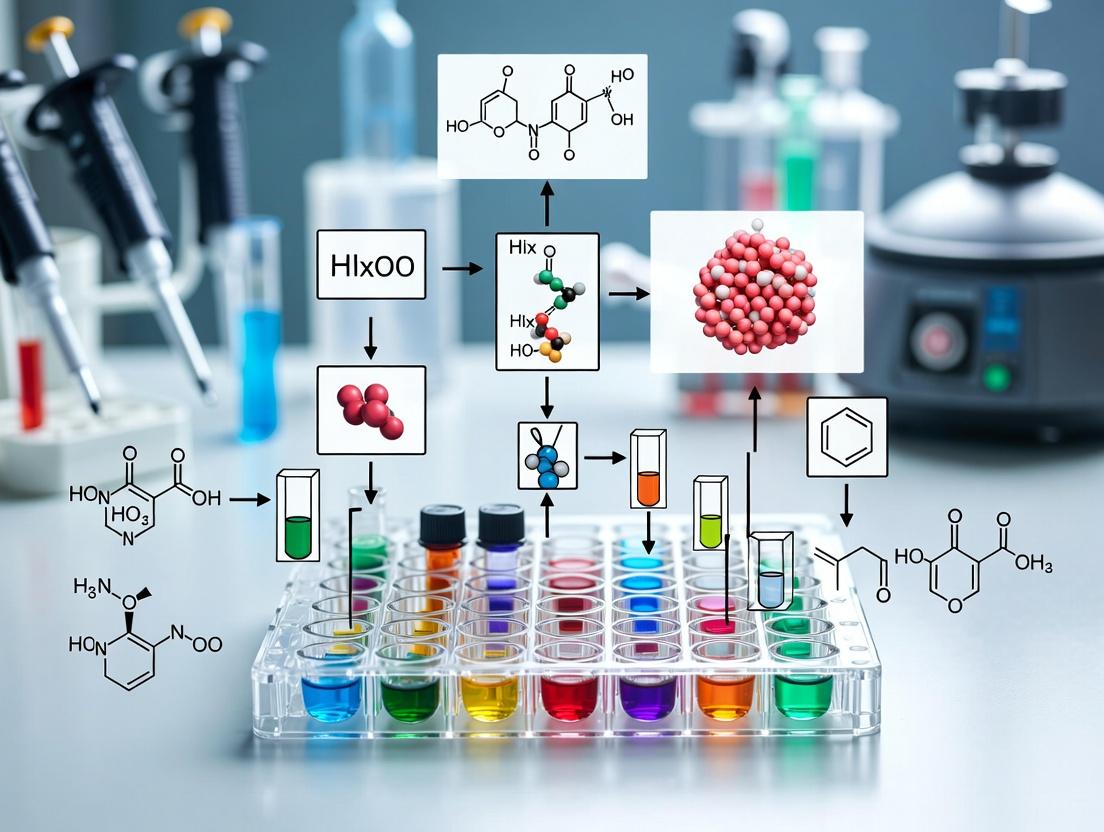
This article provides a comprehensive guide to implementing the 96-well plate format for glycomics sample preparation.
Revolutionizing Glycomics: A Complete Guide to High-Throughput Sample Prep in 96-Well Plates
Abstract
This article provides a comprehensive guide to implementing the 96-well plate format for glycomics sample preparation. Tailored for researchers and drug development professionals, it covers the foundational principles of high-throughput glycomics, detailed step-by-step methodologies for N- and O-glycan analysis, critical troubleshooting and optimization strategies to ensure data quality, and a comparative analysis of 96-well plate performance against traditional methods. The content synthesizes current best practices to enable robust, scalable, and reproducible glycan profiling for biomarker discovery and biotherapeutic characterization.
Why 96-Well Plates? The Foundation of High-Throughput Glycomics Analysis
The transition to high-throughput analytical workflows is critical for translating glycomics from discovery research into robust biomarker verification and biopharmaceutical quality control. This application note frames the throughput imperative within the thesis that the 96-well plate format is the foundational platform for scalable, reproducible, and automatable glycomics sample preparation. We detail integrated protocols and data for N-glycan profiling from plasma (biomarker discovery) and monoclonal antibodies (biopharma lot release), leveraging a plate-based workflow from release to analysis.
Table 1: Throughput and Reproducibility Comparison of Glycan Preparation Methods
| Metric | Manual Tube Processing (n=12) | 96-Well Plate Processing (n=96) | Improvement Factor |
|---|---|---|---|
| Sample Processing Time | ~6.5 hours | ~2.5 hours | 2.6x (Time) |
| Hands-on Time per Sample | ~25 minutes | ~5 minutes | 5x |
| Inter-day CV (%) (Peak Area) | 12-18% | 6-9% | ~50% Reduction |
| Glycan Recovery Yield | 75 ± 15% | 88 ± 8% | More Consistent |
| Plate Capacity per Run | 12 | 96 | 8x |
| Total Solvent Consumption | 1.2 mL/sample | 0.4 mL/sample | 67% Reduction |
Table 2: Key N-Glycan Metrics from Human Plasma Pool (n=32 wells)
| Glycan Species (HILIC-UPLC) | Relative Abundance (%) (Mean ± SD) | CV (%) (Intra-plate) |
|---|---|---|
| FA2G2 (Biantennary) | 31.5 ± 1.2 | 3.8 |
| FA2G2S1 (Sialylated) | 18.7 ± 0.9 | 4.8 |
| A2G2 (Core Fucosylated) | 22.1 ± 1.1 | 5.0 |
| M5 (High Mannose) | 3.2 ± 0.3 | 9.4 |
| FA3G3S1 (Triantennary) | 9.8 ± 0.7 | 7.1 |
Application Protocols
Protocol 1: High-Throughput N-Glycan Release and Labeling from Plasma/Sera for Biomarker Screening
Objective: To prepare 96 plasma samples for fluorescent UPLC or LC-MS analysis in a single, automated run.
Materials & Workflow:
- Plate: 96-well protein-binding polystyrene plate (2.0 mL deep well).
- Denaturation & Reduction: Add 10 µL of plasma to 90 µL of denaturation buffer (1% SDS, 50 mM DTT in 50 mM NH₄HCO₃). Seal, mix, incubate at 60°C for 30 min.
- Protein Capture & Alkylation: Transfer mixture to a pre-conditioned (100 µL MeOH, 200 µL water) 96-well protein precipitation plate. Add 100 µL of 8% v/v acetic acid, incubate 10 min. Apply vacuum. Wash with 200 µL 1% acetic acid, then 200 µL 50mM NH₄HCO₃ in 20% MeOH. Alkylate by adding 100 µL 25 mM iodoacetamide in NH₄HCO₃, incubate 30 min in dark.
- PNGase F Release: Add 100 µL of PNGase F solution (2.5 U/mL in 50 mM NH₄HCO₃) directly to the immobilized protein. Seal plate, incubate at 37°C for 3 hours with shaking (500 rpm).
- Glycan Labeling: Collect eluate (containing glycans) by centrifugation into a new 1.2 mL collection plate. Dry completely (SpeedVac). Reconstitute in 10 µL of 2-AB labeling mixture (0.35 M 2-AB, 1.0 M NaBH₃CN in DMSO:AcOH 70:30). Seal, incubate at 65°C for 2 hours.
- Cleanup: Add 200 µL of acetonitrile to each well. Transfer to a pre-conditioned (200 µL water, 200 µL 96% ACN) 96-well HILIC µElution plate. Apply vacuum. Wash with 200 µL 96% acetonitrile. Elute glycans with 2 x 50 µL of HPLC-grade water into a final PCR plate. Seal, store at -20°C until analysis.
Title: 96-Well Plate Workflow for Plasma N-Glycans
Protocol 2: Rapid N-Glycan Profiling of Monoclonal Antibodies for Lot Release
Objective: Quick, robust preparation of reduced mAb N-glycans for HILIC-UPLC fingerprinting.
Materials & Workflow:
- Plate: 96-well PCR plate.
- Denaturation: Pipette 10 µL of mAb (1-2 mg/mL) into each well. Add 10 µL of 1% SDS, incubate at 60°C for 10 min.
- Release: Add 20 µL of Rapid PNGase F Master Mix (2 U PNGase F, 1% NP-40 in 50 mM phosphate buffer, pH 7.5). Seal plate, centrifuge briefly. Incubate in a thermal cycler at 50°C for 15 minutes.
- Labeling & Quenching: Directly add 60 µL of 2-AB labeling/termination mix (pre-mixed 2-AB dye and 100% acetic acid to final 30% v/v). Seal, mix, incubate at 37°C for 1 hour.
- Dilution: Add 100 µL of ACN to each well, seal, and mix. The samples are now ready for direct injection (1-5 µL) on a HILIC-UPLC-FLR system. No cleanup required.
Title: Rapid mAb N-Glycan Prep for Lot Release
The Scientist's Toolkit: Research Reagent Solutions
Table 3: Essential Materials for 96-Well Plate Glycomics
| Item | Function & Rationale |
|---|---|
| 96-Well Protein Precipitation Plate | Hydrophobic membrane for immobilizing denatured proteins. Enables efficient buffer exchange, digestion, and glycan elution with minimal sample transfer. |
| Recombinant PNGase F (Rapid) | Enzyme for efficient N-glycan release. Rapid formulations are optimized for activity in presence of detergents (NP-40) for direct digestions. |
| Fluorescent Label (2-AB) | Charged, hydrophobic tag for sensitive UPLC-FLR detection and HILIC separation. Stable and compatible with MS. |
| 96-Well HILIC µElution Plates | Hydrophilic SPE phase for post-labeling cleanup. Removes excess dye, salts, and impurities with high recovery in low elution volumes (50-100 µL). |
| Automated Liquid Handler | Critical for scalability. Ensures precision in reagent addition, mixing, and transfer across 96 wells, reducing human error and hands-on time. |
| Deep Well Plates (1-2 mL) | Allow for sufficient headspace for mixing and evaporation steps without cross-contamination. |
| PCR Plate & Seal | Ideal final collection plate for labeled glycans. Compatible with SpeedVac concentrators and UPLC autosamplers. |
This application note details the implementation of a 96-well plate-based platform for glycan sample preparation, central to a thesis on high-throughput (HT) glycomics. The transition from manual, tube-based processing to an automated, plate-compatible workflow directly addresses three critical bottlenecks: extensive manual handling, large reagent/sample consumption, and inter-assay variability. The platform integrates solid-phase extraction and enzymatic reactions within a single plate, enabling parallel processing of 96 samples with minimal intervention. This document provides quantitative comparisons, detailed protocols, and essential resources to adopt this methodology.
The quantitative benefits of the 96-well plate method versus conventional tube-based processing are summarized below.
Table 1: Comparative Metrics of 96-Well Plate vs. Conventional Tube-Based Glycan Release and Purification
| Metric | Conventional Tube-Based Method | 96-Well Plate-Based Method | Improvement |
|---|---|---|---|
| Sample Handling Time (per 96 samples) | ~960 min (16 hrs) | ~120 min (largely hands-off) | 87.5% reduction |
| Total Pipetting Steps (per sample) | 18-22 | 6-8 (via multichannel/bulk reagent addition) | ~65% reduction |
| Typical Sample Volume | 50-100 µL | 10-20 µL | 75-80% reduction |
| Typical Reagent Consumption (per sample) | 200-500 µL | 50-100 µL | 75-80% reduction |
| Coefficient of Variation (CV) for Abundant N-Glycan Yields | 15-25% | 5-8% | ~70% reduction in variability |
| Potential Throughput (samples per person per day) | 24-32 | 96-384 | 300-1200% increase |
Table 2: Representative Yield Data from Plate-Based N-Glycan Release from IgG
| Sample Position (Well) | Peak Area (Abundance, x10⁶) | Normalized Yield (%) | CV Across Plate (%) |
|---|---|---|---|
| A1 (Control) | 2.45 | 100.0 | Intra-plate CV: 6.2% |
| C7 | 2.38 | 97.1 | |
| F12 | 2.29 | 93.5 | |
| H5 | 2.52 | 102.9 | |
| Average (n=96) | 2.41 ± 0.15 | 98.3 ± 6.1 |
Detailed Experimental Protocols
Protocol 1: High-Throughput N-Glycan Release, Purification, and Labeling in a 96-Well Plate
Objective: To efficiently release, purify, and label N-glycans from 96 glycoprotein samples immobilized in a protein-binding plate.
I. Materials & Reagents
- Protein A/G or hydrophobic protein-binding 96-well plate.
- PNGase F (recombinant, glycerol-free, in plate-compatible buffer).
- Phosphate Buffered Saline (PBS), pH 7.4.
- Denaturation buffer: 1% SDS, 50 mM DTT in PBS.
- Neutralization buffer: 10% Triton X-100, 100 mM ammonium bicarbonate.
- Labeling reagent: 2-aminobenzamide (2-AB) or instant fluorescent labels.
- Solid-phase extraction (SPE) microplate (e.g., hydrophilic interaction or porous graphitized carbon).
- Vacuum manifold or positive pressure processor for 96-well plates.
- Plate centrifuge.
II. Procedure
Step 1: Protein Immobilization & Denaturation
- Pipette 10 µL of each glycoprotein sample (0.1-1 mg/mL in PBS) into individual wells of the protein-binding plate.
- Incubate for 1 hour at 37°C or overnight at 4°C to allow binding.
- Remove unbound liquid by vacuum filtration or centrifugation.
- Add 50 µL of denaturation buffer to each well. Incubate for 10 minutes at 60°C.
- Remove denaturation buffer.
Step 2: On-Plate Enzymatic Release with PNGase F
- Add 100 µL of neutralization buffer to each well to quench SDS.
- Prepare PNGase F master mix in neutralization buffer (e.g., 2 µL enzyme per 100 µL buffer per well).
- Add 100 µL of the PNGase F master mix to each well.
- Seal the plate and incubate for 3 hours at 50°C. Released glycans are now in solution.
Step 3: Glycan Clean-up and Labeling via SPE
- Condition the SPE microplate with 200 µL water per well, followed by 200 µL acetonitrile (ACN). Apply vacuum/ pressure.
- Transfer the entire 100 µL glycan-containing solution from each well of the reaction plate to the corresponding well of the SPE plate.
- Wash with 200 µL of 95% ACN (v/v in water) to remove contaminants.
- Elute glycans with 2 x 50 µL of water into a new, clean 96-well collection plate.
- Dry the eluate completely in a vacuum centrifuge (avoiding over-drying).
- Redissolve glycans in 10 µL of 2-AB labeling dye in 70:30 DMSO:Acetic Acid. Incubate for 2 hours at 65°C.
- Post-labeling, purify via the same SPE protocol (Steps 3.1-3.4) to remove excess dye.
Step 4: Analysis
- Elute labeled glycans in 50-100 µL water. The samples are now ready for HT-LC-MS, CE, or HPLC analysis directly from the collection plate.
Diagrams and Workflows
Diagram 1: 96-Well Plate Glycomics Workflow
Diagram 2: Core Advantages Feedback Loop
The Scientist's Toolkit: Key Research Reagent Solutions
Table 3: Essential Materials for 96-Well Plate Glycomics
| Item | Function & Rationale |
|---|---|
| Protein A/G 96-Well Plate | Binds IgG/Fc-fusion proteins directly from serum/cell culture, enabling targeted glyco-profiling without prior protein purification. |
| Hydrophobic Protein-Binding Plate | Immobilizes a broad range of denatured proteins via hydrophobic interaction, creating a uniform solid-phase reaction vessel. |
| Glycerol-Free PNGase F | Essential for plate-based use; glycerol in standard enzyme preps increases viscosity, impairing accurate low-volume pipetting. |
| Instant Fluorescent Labels (e.g., Procainamide) | Enable rapid, 5-15 minute labeling at room temperature, streamlining the workflow versus traditional 2-hour 2-AB labeling. |
| Porous Graphitized Carbon (PGC) SPE Plate | The gold-standard for glycan purification; effectively retains and desalts charged, labeled, and native glycans prior to MS. |
| 96-Well Compatible Vacuum Manifold | Allows simultaneous processing of all 96 wells during SPE wash/elution steps, critical for throughput and reproducibility. |
| Low-Protein Binding Microplates | Used as collection plates to prevent adsorption of purified, low-concentration glycan samples during final elution. |
In glycomics sample preparation using 96-well plates, the selection of plate chemistry and well geometry is critical for assay performance. Polypropylene (PP) and Polyvinylidene Fluoride (PVDF) are the predominant materials, each with distinct physicochemical properties affecting glycoprotein and glycan binding, recovery, and downstream analysis. Well geometry (e.g., conical vs. round bottom) influences sample mixing, evaporation, and compatibility with automation. This application note details protocols and considerations for optimizing glycomics workflows within a 96-well format.
Material Properties: PP vs. PVDF
Chemical and Physical Characteristics
The binding and recovery of glycans are heavily influenced by plate surface properties.
Table 1: Key Properties of PP and PVDF for Glycomics
| Property | Polypropylene (PP) | Polyvinylidene Fluoride (PVDF) | Impact on Glycomics Workflow |
|---|---|---|---|
| Surface Energy | Low (~30 mN/m) | High (~40 mN/m) | PVDF's higher wettability improves aqueous sample dispersion and binding uniformity. |
| Protein Binding | Low (Passive) | High (Hydrophobic & Ionic) | PVDF actively binds proteins/glycoproteins; PP is preferred for low-adsorption transfers. |
| Solvent Compatibility | Excellent with organics | Good, but swells in some organics | PP is superior for steps involving acetonitrile or methanol (e.g., glycan clean-up). |
| Autofluorescence | Very Low | Moderate | PP minimizes background in fluorescent detection of labelled glycans. |
| Typical Well Geometry | U- and V-bottom | Flat-bottom (often for immobilization) | Geometry dictates sample volume and washing efficiency. |
Table 2: Quantitative Performance Comparison in Glycan Release
| Parameter | PP Plate (V-bottom) | PVDF Plate (Flat-bottom) |
|---|---|---|
| Glycoprotein Binding Efficiency (%) | < 5 (non-specific) | > 95 (intentional immobilization) |
| N-Glycan Release Efficiency (vs. in-solution control) | 98 ± 3% | 92 ± 5%* |
| Sample Loss due to Adsorption (low µg scale) | ~2-5% | ~15-20% if not pre-blocked |
| Evaporation Rate over 1h (37°C, µL) | 8 ± 1 (with seal) | 12 ± 2 (with seal) |
| *Potential hindrance due to immobilization. |
Experimental Protocols
Protocol A: Glycoprotein Immobilization & N-Glycan Release on PVDF Plates
This protocol is for high-throughput glycan profiling from purified glycoproteins.
Research Reagent Solutions & Materials:
| Item | Function |
|---|---|
| 96-well MultiScreenHTS GV-PVDF plate (0.22 µm) | Glycoprotein immobilization via hydrophobic interaction. |
| PNGase F (Glycosidase) | Enzyme for releasing N-linked glycans from immobilized proteins. |
| Ammonium Bicarbonate Buffer (100mM, pH 8.0) | Provides optimal pH for PNGase F activity. |
| Dithiothreitol (DTT) & Iodoacetamide (IAA) | For protein reduction and alkylation prior to release. |
| Acetonitrile (HPLC Grade) | Used for washing and solvent exchange steps. |
| 2-AB or Procalnamide Fluorophore Labels | For fluorescent labelling of released glycans for detection. |
Procedure:
- Plate Pre-wet: Pipette 100 µL of 70% ethanol into each well of the PVDF plate. Incubate for 5 minutes. Apply vacuum to drain.
- Washing: Wash wells 3x with 200 µL of 100 mM ammonium bicarbonate buffer under gentle vacuum.
- Sample Application: Apply up to 50 µg of glycoprotein in 100 µL of bicarbonate buffer per well. Incubate at 37°C for 1 hour with gentle shaking.
- Reduction/Alkylation (Optional): Add 50 µL of 10 mM DTT, incubate (37°C, 30 min). Then add 50 µL of 25 mM IAA, incubate (RT, 30 min in dark).
- Wash: Wash wells 3x with 200 µL bicarbonate buffer, then 2x with 200 µL water.
- Enzymatic Release: Add 50 µL of PNGase F solution (5 U/mL in bicarbonate buffer) per well. Seal plate and incubate overnight (37°C).
- Glycan Collection: Centrifuge plate (500 x g, 5 min) to collect released glycans into a clean PP 96-well collection plate.
- Labelling: Transfer eluate to a V-bottom PP plate. Dry down. Proceed with standard 2-AB labelling protocol.
Protocol B: In-Solution Digestion & Clean-up in Polypropylene Plates
This protocol is for processing complex samples (e.g., serum) where minimal sample loss is critical.
Research Reagent Solutions & Materials:
| Item | Function |
|---|---|
| 96-well V-bottom Polypropylene Plate | Low-binding surface for in-solution reactions. |
| Magnetic Beads (e.g., HILIC-functionalized) | For solid-phase extraction (SPE) clean-up of released glycans. |
| PNGase F or Rapid PNGase F | For efficient in-solution glycan release. |
| Trifluoroacetic Acid (TFA, 1%) | Acidification to stop reactions and for SPE conditioning. |
| Acetonitrile (85% and 100%) | Critical for HILIC-SPE binding and washing steps. |
Procedure:
- Sample Preparation: Transfer protein extract (e.g., 10 µL serum, denatured) to the V-bottom PP plate.
- In-Solution Release: Add 40 µL of PNGase F master mix in ammonium bicarbonate buffer. Seal, mix, incubate (37°C, 3-18 hours).
- SPE Clean-up Setup: Transfer 100 µL of well-mixed HILIC magnetic bead slurry to a new V-bottom PP plate. Place on a magnetic stand.
- Bead Conditioning: Wash beads 2x with 200 µL water, then 2x with 200 µL 85% acetonitrile/1% TFA. Do not let beads dry.
- Glycan Binding: Combine released glycan sample with 200 µL 100% acetonitrile. Mix, then transfer to the bead plate. Mix for 10 minutes.
- Washing: Place plate on magnet. Discard supernatant. Wash beads 3x with 200 µL 85% acetonitrile.
- Elution: Elute glycans with 50 µL water. Transfer eluate to a new PP plate for drying and labelling.
Workflow & Decision Diagrams
Diagram 1: Plate & Workflow Selection Logic
Diagram 2: PVDF Immobilization Protocol Steps
Diagram 3: PP In-Solution & Cleanup Protocol Steps
For glycomics sample preparation in a 96-well format, PVDF plates are optimal for targeted, high-efficiency glycoprotein immobilization prior to release, while polypropylene plates are superior for in-solution processing and SPE clean-up due to their low binding and excellent chemical resistance. Well geometry must align with the workflow: flat-bottom for immobilization and incubation, and conical-bottom for efficient mixing and minimal residual volume. The protocols provided enable robust, high-throughput glycomics analysis within the context of drug development and biomarker research.
The standardization and miniaturization of sample preparation using a 96-well plate format is a cornerstone thesis in modern glycomics research. This approach enables high-throughput, reproducible, and efficient processing of complex biological samples for glycan analysis, directly addressing bottlenecks in biomarker discovery, biopharmaceutical development, and functional glycolbiology. This document provides detailed application notes and protocols for establishing a robust 96-well glycomics workstation, a critical component for validating this thesis in a research setting.
The Scientist's Toolkit: Essential Reagent Solutions & Materials
The following table details the core reagents, consumables, and equipment required for a generic 96-well glycomics workflow, from protein denaturation to cleaned glycan samples ready for downstream analysis (e.g., LC-MS, CE, or microarray).
Table 1: Essential Reagents & Equipment for a 96-Well Glycomics Workstation
| Item Category | Specific Item | Function/Brief Explanation |
|---|---|---|
| Plate & Consumables | 96-Well Deep Well Plate (1-2 mL/well) | Sample processing vessel for parallel reactions and liquid handling. |
| 96-Well Filter Plate (PVDF or hydrophilic low-binding) | For solid-phase immobilization of glycoproteins/enzymes and rapid buffer exchange via vacuum centrifugation. | |
| Adhesive Plate Seals (silicone/foil) | Prevents evaporation and cross-contamination during incubation. | |
| V-bottom Collection Plates | For eluate collection during filtration steps. | |
| Protein Handling | Denaturation Buffer (e.g., 2% SDS, 50 mM DTT) | Unfolds and reduces proteins to expose N- and O-glycan sites. |
| Alkylation Buffer (e.g., 50 mM Iodoacetamide) | Alkylates free thiols to prevent reformation of disulfide bonds. | |
| Enzymatic Release | Peptide-N-Glycosidase F (PNGase F) | Standard enzyme for releasing intact N-glycans from the protein backbone into solution. |
| O-Glycosidase (w/ Neuraminidase & β1-4 Galactosidase) | Enzyme cocktail for releasing common core 1 & 2 O-glycans. | |
| Corresponding Reaction Buffers | Provides optimal pH and co-factors for enzyme activity. | |
| Glycan Cleanup | Porous Graphitized Carbon (PGC) Tips/Plates | Gold-standard solid-phase extraction for desalting and purification of released glycans prior to MS. |
| Hydrophilic Interaction Liquid Chromatography (HILIC) Tips/Plates | Alternative SPE for glycan cleanup and fractionation. | |
| Acetonitrile, Trifluoroacetic Acid (TFA), Ammonium Bicarbonate | Solvents and volatile buffers for glycan binding, washing, and elution from SPE media. | |
| Liquid Handling | Multichannel Pipettes (8- or 12-channel) | Enables parallel transfer of reagents across rows/columns. |
| Positive Displacement Reagent Dispenser | For accurate, reproducible addition of common buffers (e.g., wash buffers) to all wells. | |
| Processing Equipment | Plate Centrifuge with microplate carriers | For pelleting beads, driving solutions through filter plates, and drying plates. |
| Plate Shaker/Incubator (with heating) | For controlled temperature and agitation during enzymatic digestions. | |
| Vacuum Manifold for Microplates | For rapid filtration and solvent removal when using filter-based SPE plates. | |
| Analysis | MALDI-TOF MS Target Plate-Compatible Accessories | For direct spotting of cleaned glycans with matrix. |
| UHPLC-MS or CE-LIF System with Autosampler | For online, high-resolution glycan separation and detection. |
Experimental Protocol: High-Throughput N-Glycan Release and Purification
This protocol outlines a standard workflow for the parallel release and cleanup of N-glycans from 96 glycoprotein samples using a filter plate-based approach.
Protocol Title: 96-Well Filter Plate-Based N-Glycan Release and PGC Cleanup
Objective: To efficiently release N-linked glycans from immobilized glycoproteins and purify them for mass spectrometric analysis.
Materials:
- Glycoprotein samples (1-100 µg per well in 50-100 µL)
- 96-well PVDF filter plate
- Vacuum manifold
- Reagents listed in Table 1.
Detailed Methodology:
Step 1: Protein Immobilization and Denaturation/Reduction
- Apply glycoprotein samples to individual wells of a pre-wetted (100 µL methanol, then 3x 200 µL water) PVDF filter plate seated on a vacuum manifold.
- Apply vacuum (∼5 in. Hg) slowly to pass samples through. Do not let wells dry completely.
- Add 100 µL of denaturation/reduction buffer (e.g., 50 mM ammonium bicarbonate, 5 mM DTT, pH 8.0). Seal plate and incubate at 60°C for 45 min on a plate shaker (300 rpm).
- Cool to room temperature. Apply vacuum to remove solution.
Step 2: Alkylation and Wash
- Add 100 µL of alkylation buffer (e.g., 50 mM Iodoacetamide in 50 mM ammonium bicarbonate). Seal plate and incubate at room temperature in the dark for 30 min.
- Apply vacuum to remove alkylation solution.
- Perform a wash series under vacuum: 3x 200 µL of 50 mM ammonium bicarbonate, followed by 3x 200 µL of water. After final water wash, apply full vacuum (∼15 in. Hg) for 2 min to dry membrane.
Step 3: Enzymatic Release with PNGase F
- Prepare PNGase F solution in digestion buffer (e.g., 50 mM ammonium bicarbonate). Typically, 1-5 mU per well in 50-100 µL.
- Add enzyme solution to the center of each dry membrane. Seal plate thoroughly to prevent evaporation.
- Incubate at 37°C for 16-18 hours (overnight) on a plate shaker (300 rpm).
Step 4: Glycan Collection
- Place a clean, labeled 96-well V-bottom collection plate under the filter plate on the manifold.
- Apply vacuum to transfer the released glycan solution from the filter plate into the collection plate. This solution contains the native or labeled N-glycans.
- To maximize recovery, add 50 µL of water to each well of the filter plate and apply vacuum again, collecting the eluate in the same collection plate. Pooled eluate volume is now ∼100-150 µL per sample.
Step 5: Glycan Purification via PGC Solid-Phase Extraction
- Condition a 96-well PGC plate with 200 µL of 80% acetonitrile (ACN) with 0.1% TFA per well. Apply vacuum or centrifuge.
- Equilibrate plate with 3x 200 µL of 0.1% TFA in water.
- Acidify glycan collections from Step 4 with 0.1% TFA final concentration. Load onto the equilibrated PGC plate.
- Wash with 3x 200 µL of 0.1% TFA in water to remove salts and contaminants.
- Elute glycans with 2x 100 µL of 40% ACN with 0.1% TFA, followed by 2x 100 µL of 60% ACN with 0.1% TFA, collecting eluates in a new plate. Different glycan classes may partition between these fractions.
- Dry eluates completely in a centrifugal vacuum concentrator. Store at -20°C or reconstitute in appropriate solvent for MS or LC-MS analysis.
Data Presentation: Workstation Performance Metrics
Table 2: Quantitative Performance Metrics for a 96-Well Glycomics Workstation
| Metric | Target Value | Typical Achieved Range (from cited studies) | Key Influencing Factors |
|---|---|---|---|
| Sample Throughput | 96 samples/batch | 80-96 samples per 2-day protocol | Degree of automation, reagent dispensing speed. |
| Process Efficiency | >90% recovery | 85-95% for standard glycans | SPE plate quality, wash stringency, elution volume. |
| Inter-well CV (Precision) | <15% | 8-12% (peak area, MS signal) | Pipette calibration, consistent vacuum/manifold flow. |
| Glycan Release Efficiency | >98% for N-glycans | >99% (PNGase F on model glycoproteins) | Enzyme activity, incubation time/temp, accessibility. |
| Carry-over Contamination | <0.1% | <0.05% (with careful protocol) | Plate washing, sufficient inter-sample well spacing. |
| Total Hands-on Time | Minimized | ~4 hours for 96 samples | Use of multichannel pipettes and reagent dispensers. |
Visualized Workflows and Pathways
Diagram 1: 96-Well N-Glycan Sample Prep Workflow
Diagram 2: Glycomics Workstation Zones and Workflow
Within the broader thesis on establishing a robust 96-well plate format for high-throughput glycomics sample preparation, parallel processing emerges as a critical strategy to overcome throughput bottlenecks. Glycomics workflows—involving release, purification, labeling, and cleanup of glycans—are inherently multi-step and time-consuming. This application note details the integration of automated liquid handling stations to execute these steps in parallel across entire 96-well plates, dramatically increasing sample processing efficiency, reproducibility, and data yield for researchers, scientists, and drug development professionals focused on biomarker discovery and biotherapeutic characterization.
Quantitative Comparison: Manual vs. Automated Parallel Processing
A live search for current benchmarking data reveals significant efficiency gains. The following table summarizes a typical comparison for a standard N-glycan release, labeling, and cleanup protocol.
Table 1: Efficiency Metrics for Glycomics Sample Prep in 96-Well Format
| Metric | Manual Processing (Single Technician) | Automated Liquid Handler with Parallel Processing |
|---|---|---|
| Time per 96-well plate | 8 - 10 hours | 1.5 - 2.5 hours |
| Active hands-on time | 7 - 9 hours | 0.5 hours (setup only) |
| Reagent consumption variance (CV) | 15-25% | <5% |
| Sample-to-sample cross-contamination risk | Moderate-High | Very Low |
| Protocol reproducibility (inter-assay CV) | 10-20% | 3-8% |
| Throughput (plates per 8-hour day) | 0.8 - 1 | 3 - 4 |
Detailed Protocol: ParallelizedN-Glycan Preparation on a Liquid Handler
This protocol is optimized for a 96-well plate-based workflow using a common benchtop automated liquid handler capable of handling 8- or 96-tip arrays (e.g., Beckman Coulter Biomek, Tecan Fluent, Hamilton STARlet).
Objective: To perform parallel enzymatic release, purification, and fluorescent labeling of N-glycans from 96 glycoprotein samples.
Research Reagent Solutions & Essential Materials:
| Item | Function in Workflow |
|---|---|
| PNGase F (recombinant) | Enzyme for cleaving N-linked glycans from glycoprotein backbone. |
| Rapid PNGase F Buffer | Optimized buffer for fast enzymatic digestion (≤30 min). |
| Protein Binding Plate (e.g., PVDF 96-well) | For immobilization of proteins post-digestion to separate glycans. |
| 2-AB Labeling Kit (or similar) | Fluorophore (2-Aminobenzamide) for labeling released glycans for detection. |
| Dimethyl Sulfoxide (DMSO) | Organic solvent used in the 2-AB labeling reaction. |
| Weak Anion Exchange (WAX) 96-well Plate | For post-labeling cleanup and purification of labeled glycans. |
| Acetonitrile (HPLC grade) | Organic solvent for glycan binding/purification steps. |
| Trifluoroacetic Acid (TFA), 0.1% v/v | Acidified solution for glycan elution from WAX plates. |
| Automated Liquid Handler | For precise, parallel liquid transfers across the 96-well plate. |
| Heated & Cooling On-Deck Shakers/Incubators | For temperature-controlled enzymatic reactions and solvent evaporations. |
Protocol Steps:
Plate Setup & Sample Loading (Automated):
- Program the liquid handler to dispense 10 µL of each glycoprotein sample (in neutral buffer) into individual wells of a 96-well protein binding plate.
- In parallel, dispense 5 µL of Rapid PNGase F Buffer and 1 µL of PNGase F enzyme to each sample well. Mix via pipetting 10 times.
Parallel Enzymatic Digestion:
- Transfer the entire plate to the deck-integrated heated shaker. Incubate at 50°C for 30 minutes with shaking at 500 rpm.
Parallel Glycan Purification (Protein Removal):
- Following digestion, the liquid handler applies a vacuum (via integrated station) or centrifugal force to transfer the solution containing released glycans through the protein-binding membrane into a fresh 96-well collection plate. Immobilized proteins are discarded.
Parallel Fluorescent Labeling (Automated):
- To the collected glycan solution, the liquid handler adds 10 µL of 2-AB labeling dye/DMSO/acid mixture per well from a bulk reservoir using an 8- or 96-tip array.
- Seal the plate and transfer to the heated shaker. Incubate at 65°C for 2 hours.
Parallel Cleanup via WAX (Fully Automated):
- Conditioning: Dispense 200 µL acetonitrile to each well of a WAX plate.
- Equilibration: Dispense 200 µL 0.1% TFA in water to each well.
- Sample Loading: Transfer the entire labeling reaction mixture to the WAX plate.
- Washing: Wash 3x with 200 µL of acetonitrile/0.1% TFA (70:30 v/v).
- Elution: Elute purified 2-AB labeled glycans with 2 x 50 µL of 0.1% TFA into a final 96-well analysis plate.
- The eluate can be dried under vacuum (on-deck) and reconstituted for HILIC-UPLC or MS analysis.
Visualized Workflows
Title: Automated 96-Well N-Glycan Sample Prep Workflow
Title: Serial vs. Parallel Processing Concept
Step-by-Step Protocol: From Glycoproteins to Cleaned Glycans in a 96-Well Plate
Within the framework of advancing high-throughput glycomics, the 96-well plate format has emerged as the cornerstone for standardized, reproducible, and scalable sample preparation. This application note details integrated protocols for the selective and total release of glycoprotein N- and O-glycans in a 96-well plate format, enabling concurrent processing of diverse sample types for subsequent analysis by LC-MS, CE, or microarray platforms.
The table below summarizes the core quantitative parameters and conditions for each glycan release strategy within the 96-well plate system.
Table 1: 96-Well Plate Glycan Release Workflow Parameters
| Parameter | N-Glycan Release (PNGase F) | O-Glycan Release (β-Elimination) | Total Glycan Release (Chemical) |
|---|---|---|---|
| Core Reagent | PNGase F (recombinant) | Sodium hydroxide (NaOH) | Anhydrous hydrazine |
| Typical Concentration | 2–5 U per well | 0.1–0.5 M | >98% pure |
| Incubation Temperature | 37°C | 50°C | 60°C |
| Incubation Time | 2–18 hours | 16–18 hours | 6–10 hours |
| Optimal pH | 7.5 – 8.5 (Ammonium buffer) | >13 | N/A |
| Reducing Agent | Optional (e.g., TCEP) | Mandatory: 1 M NaBH₄ | Mandatory: Included in reaction |
| Quaternary Plate | Polypropylene | Polypropylene | Specialized: Sealed, solvent-resistant |
| Key Advantage | Specific, gentle; preserves core. | Broad O-glycan release. | Simultaneous N- and O-glycan release. |
| Primary Challenge | Denaturation required for some proteins. | Peeling reaction; beta-elimination of Ser/Thr. | Complex cleanup; potential degradation. |
Detailed Experimental Protocols
Protocol 1: High-Throughput N-Glycan Release with PNGase F
Materials: 96-well polypropylene plate, recombinant PNGase F, ammonium bicarbonate buffer (50 mM, pH 8.0), Rapigest SF surfactant, dithiothreitol (DTT), iodoacetamide (IAA), sealing mats, vacuum concentrator with plate rotor. Procedure:
- Denaturation & Reduction/Alkylation: Transfer up to 50 µg glycoprotein per well. Add 50 µL of 50 mM ammonium bicarbonate with 0.1% Rapigest. Add DTT to 5 mM, incubate 30 min at 60°C. Cool, add IAA to 15 mM, incubate 30 min in dark at RT.
- Enzymatic Release: Add PNGase F (2-5 U in 10 µL buffer per well). Seal plate, incubate 2-18 hours at 37°C with gentle shaking.
- Termination & Cleanup: Add 10 µL of 2% trifluoroacetic acid (TFA) to degrade Rapigest and stop reaction. Incubate 30 min at 37°C. Centrifuge plate (1000 × g, 5 min). Purify released glycans directly from the supernatant using a 96-well solid-phase extraction (SPE) plate (e.g., hydrophilic interaction or porous graphitized carbon).
Protocol 2: Non-Reductive β-Elimination for O-Glycan Release
Materials: 96-well polypropylene plate, 0.1 M NaOH, 1 M NaBH₄ in 50 mM NaOH, glacial acetic acid, cation-exchange resin (Dowex 50WX8). Procedure:
- Sample Preparation: Dry glycoprotein (up to 100 µg) in wells.
- Release Reaction: Add 50 µL of 0.1 M NaOH containing 1 M NaBH₄. Seal plate securely. Incubate at 50°C for 16-18 hours.
- Reaction Neutralization: Cool plate to RT. Carefully quench by adding glacial acetic acid dropwise until effervescence ceases (pH ~5-6).
- Desalting: Transfer reaction mixtures to a 96-well plate containing pre-washed cation-exchange resin. Wash with 5% acetic acid in methanol, elute glycans with methanol/water. Dry under vacuum.
Protocol 3: Total Glycan Release via Hydrazinolysis
Materials: Specialized 96-well plate or reactor block for hazardous chemicals, anhydrous hydrazine, acetic anhydride, saturated sodium bicarbonate solution, toluene. Procedure (Extreme Caution Required):
- Dry Down: Completely dry glycoprotein samples (up to 100 µg) in a dedicated plate.
- Hydrazinolysis: In a fume hood, carefully add 50 µL of anhydrous hydrazine per well. Immediately seal with a chemically resistant mat. Incubate at 60°C for 6-10 hours.
- Re-N-acetylation & Cleanup: Cool plate on dry ice. Remove seal in hood and dry content completely under a stream of nitrogen. Re-suspend in saturated sodium bicarbonate and add acetic anhydride in aliquots on ice to re-N-acetylate amino groups. Extract repeatedly with toluene to remove reagents. The aqueous phase contains total released glycans.
Visualization of Workflows
The Scientist's Toolkit: Essential Research Reagents & Materials
Table 2: Key Reagents for 96-Well Plate Glycan Release
| Item | Function in Protocol |
|---|---|
| 96-Well Polypropylene Plate | Standard workhorse for aqueous/organic reactions; chemically resistant for most steps. |
| Recombinant PNGase F | Enzyme specifically hydrolyzes asparagine-linked (N-) glycans; high purity reduces interference. |
| Rapigest SF Surfactant | Acid-labile surfactant aids protein denaturation for enzyme access, easily removed post-reaction. |
| Ammonium Bicarbonate Buffer | Volatile buffer (pH 8.0) ideal for enzymatic reactions; easily removed during drying steps. |
| Sodium Borohydride (NaBH₄) | Reducing agent used in β-elimination to prevent "peeling" degradation of released O-glycans. |
| Anhydrous Hydrazine | Strong nucleophile cleaves both N- and O-glycosidic linkages in hydrazinolysis. Highly toxic. |
| 96-Well HILIC SPE Plate | Hydrophilic interaction solid-phase extraction plate for efficient glycan purification and desalting. |
| Chemically Resistant Sealing Mats | Prevent evaporation and cross-contamination; critical for heated steps and hazardous reagents. |
| Vacuum Concentrator with Plate Rotor | Enables simultaneous drying of all 96 samples, a crucial step for reproducibility and downstream labeling. |
Within the broader thesis of implementing a scalable, high-throughput 96-well plate platform for glycomics sample preparation, the initial step of protein denaturation, reduction, and alkylation is critical. This step ensures the disruption of higher-order protein structures and prevents the reformation of disulfide bonds, which is essential for subsequent enzymatic digestion and glycan release/analysis. Performing this in a plate format minimizes sample loss, improves reproducibility, and enhances throughput for drug development research.
Key Reagent Solutions
The following reagents and materials are essential for executing this protocol in a 96-well plate.
| Reagent/Material | Function & Rationale |
|---|---|
| 96-Well Polypropylene Plate | Provides a chemically resistant, low-protein-binding reaction vessel suitable for high-temperature incubation and organic solvents. |
| Thermal Sealing Foil | Prevents sample evaporation and cross-contamination during heating and shaking steps. |
| Heating/Shaking Plate Incubator | Ensures uniform temperature and agitation across all wells for consistent reaction kinetics. |
| Guanidine HCl (6-8 M) or SDS (1-2%) | Denaturant. Disrupts hydrogen bonds and hydrophobic interactions, unfolding proteins to expose disulfide bonds. |
| Tris(2-carboxyethyl)phosphine (TCEP) (10-20 mM) | Reducing Agent. Chemically reduces disulfide bonds to free thiols; stable at low pH and preferred for plate-based workflows. |
| Dithiothreitol (DTT) (5-10 mM) | Alternative reducing agent. |
| Iodoacetamide (IAA) (20-40 mM) | Alkylating Agent. Covalently modifies free thiols to prevent reoxidation and formation of new disulfide bonds. |
| Ammonium Bicarbonate Buffer (50-100 mM, pH ~7.8-8.0) | Common buffering system to maintain optimal pH for reduction and alkylation reactions. |
| Trifluoroacetic Acid (TFA) or Formic Acid | Used to quench the alkylation reaction by lowering pH. |
Optimal conditions for the plate-based protocol, compiled from recent literature and vendor application notes.
| Parameter | Typical Range | Optimized Condition (for 50-100 µg protein/well) | Notes |
|---|---|---|---|
| Denaturation Temperature | 70-95°C | 80°C | Higher temps ensure complete unfolding. |
| Denaturation Time | 5-30 min | 10 min | Sufficient in presence of strong denaturant. |
| Reduction Temperature | 37-60°C | 55°C | Balances speed and reagent stability. |
| Reduction Time | 20-60 min | 30 min | Using TCEP. |
| Alkylation Temperature | Room Temp - 37°C | Room Temp (in dark) | Minimizes side reactions. |
| Alkylation Time | 20-45 min | 30 min | Must be performed in darkness. |
| Sample Volume/Well | 50-200 µL | 100 µL | Compatible with standard 96-well plates. |
| Recommended Protein Load | 10-200 µg | 50 µg | Ideal for downstream glycan analysis. |
Detailed Protocol: Protein Denaturation, Reduction, and Alkylation in a 96-Well Plate
Materials Preparation
- Denaturation/Reduction Solution: Prepare a fresh solution containing 6 M Guanidine HCl in 100 mM Ammonium Bicarbonate, pH 8.0, and 10 mM TCEP.
- Alkylation Solution: Prepare a fresh 40 mM Iodoacetamide (IAA) solution in 100 mM Ammonium Bicarbonate, pH 8.0. Wrap tube in foil.
- Pre-label a polypropylene 96-well plate.
- Pre-heat a plate incubator/shaker to 80°C and 55°C.
Procedure
- Sample Transfer: Transfer protein samples (e.g., in PBS or other buffers) to the wells of the plate. Adjust volume with water to achieve a consistent 50 µL per well.
- Denaturation & Reduction:
- Add 50 µL of the prepared Denaturation/Reduction Solution to each well. The final condition is ~3 M Guanidine HCl, 5 mM TCEP.
- Seal the plate tightly with thermal sealing foil.
- Incubate on the pre-heated shaker (80°C, 500 rpm) for 10 minutes.
- Cool the plate to 55°C, then incubate further (55°C, 500 rpm) for 30 minutes to complete reduction.
- Alkylation:
- Cool the plate to room temperature.
- Unseal and immediately add 20 µL of the fresh Alkylation Solution to each well. The final IAA concentration is ~10 mM.
- Reseal the plate with a new foil. Wrap the entire plate in aluminum foil to protect from light.
- Incubate on a plate shaker at room temperature (500 rpm) for 30 minutes.
- Quenching:
- Unseal the plate and add 5 µL of 10% (v/v) TFA to each well to quench the reaction. The final pH should be < 4.
- The samples are now ready for buffer exchange, digestion, or direct analysis in the plate format.
Critical Notes
- Timing: Alkylation must follow reduction immediately to prevent reoxidation.
- Light Sensitivity: IAA is light-sensitive; exposure must be minimized.
- Compatibility: Ensure all plate materials are compatible with high concentrations of guanidine HCl and organic solvents.
Workflow and Pathway Diagrams
Diagram 1: Core chemical workflow for protein prep.
Diagram 2: High-throughput plate protocol sequence.
Application Notes
Optimization of glycan release is critical for comprehensive glycomic profiling in drug development, particularly when scaled to a 96-well plate format for high-throughput analysis. This step focuses on maximizing the efficiency and specificity of N-glycan and O-glycan release while minimizing sample loss and degradation.
Key Findings from Current Literature:
- PNGase F Efficiency: For N-glycans, reaction efficiency in 96-well plates is maximized (≥95% release) using 2-5 U of PNGase F per µg of protein in 50-100 mM ammonium bicarbonate buffer, pH 7.5-8.5, at 37°C for 18 hours. The inclusion of 0.1% SDS and subsequent neutralization with 1-2% NP-40 is crucial for denatured proteins.
- O-Glycosidase Specificity: O-Glycosidase (from Streptococcus pneumoniae) requires prior sequential digestion with neuraminidase and β1-4 galactosidase to remove common capping sugars for efficient core-1 O-glycan release. Optimization in plate format shows complete digestion is achieved with a 2-4 hour incubation at 37°C following desialylation.
- β-Elimination Conditions: Mild alkaline β-elimination for O-glycan release is optimized at 50 mM NaOH with 1 M NaBH₄ at 45°C for 16-18 hours. These conditions in plate-based workflows reduce peptide degradation and minimize "peeling" reactions compared to harsher conditions.
- Throughput vs. Yield: Plate-based enzymatic methods offer superior throughput and specificity, while chemical release can handle more diverse modifications but requires careful cleanup to remove salts and borate complexes.
Table 1: Optimized Conditions for Glycan Release in 96-Well Format
| Release Method | Target Glycan | Optimal Buffer & pH | Enzyme/Chemical Concentration | Temperature & Time | Key Additives/Notes |
|---|---|---|---|---|---|
| PNGase F | N-Linked | 50 mM NH₄HCO₃, pH 8.0 | 5 U/µg protein | 37°C, 18 hrs | 0.1% SDS + 2% NP-40 for denatured proteins |
| O-Glycosidase | Core-1 O-Linked | 50 mM NaPO₄, pH 6.0 | 4 mU per well | 37°C, 4 hrs | Requires pre-treatment: Neuraminidase + β1-4 Galactosidase |
| β-Elimination | O-Linked | 50 mM NaOH | 1 M NaBH₄ | 45°C, 16 hrs | Perform in sealed plate to prevent evaporation; requires post-reaction neutralization with AcOH. |
Table 2: Performance Metrics of Optimized Methods
| Method | Typical Yield | Compatibility with 96-Well Processing | Suitability for Subsequent MS Analysis | Primary Advantage |
|---|---|---|---|---|
| PNGase F | >95% | Excellent | Excellent | Specific, gentle, retains glycan integrity |
| O-Glycosidase | >90% (post-desialylation) | Excellent | Excellent | Specific for common core-1 structures |
| β-Elimination | 70-85% | Good (cleanup critical) | Good (after desalting) | Releases all O-glycan types, including modified ones |
Experimental Protocols
Protocol 1: High-Throughput N-Glycan Release with PNGase F in 96-Well Plates
Materials: Protein samples (denatured), PNGase F (recombinant), ammonium bicarbonate (NH₄HCO₃), SDS, NP-40, 96-well PCR or chemical resistance plate, thermal plate sealer, shaking incubator.
- Sample Denaturation: In each well, dilute protein to 1-10 µg in 50 µL of 50 mM NH₄HCO₃ containing 0.1% SDS. Seal plate, heat at 95°C for 5 minutes in a thermal cycler.
- Detergent Neutralization: Cool plate. Add 1.5 µL of 2% NP-40 to each well (final concentration ~1%) and mix gently by pipetting.
- Enzymatic Digestion: Add 2-5 U of PNGase F per µg of protein to each well. Seal plate thoroughly with adhesive foil.
- Incubation: Incubate plate in a shaking incubator at 37°C for 18 hours at 300 rpm.
- Termination: The reaction can be terminated by heating at 75°C for 10 minutes or by proceeding directly to glycan cleanup (e.g., using solid-phase extraction plates).
Protocol 2: Sequential Enzymatic O-Glycan Release in 96-Well Plates
Materials: Desialylated glycoprotein samples, Neuraminidase (from Arthrobacter ureafaciens), β1-4 Galactosidase, O-Glycosidase, sodium phosphate buffer, 96-well plate.
- Desialylation & Degalactosylation: Ensure samples are in 50 µL of 50 mM sodium phosphate buffer, pH 6.0. Add neuraminidase (1-2 mU) and β1-4 galactosidase (1-2 mU) to each well. Seal and incubate at 37°C for 2 hours.
- Core-1 O-Glycan Release: Directly add 4 mU of O-Glycosidase to each well. Reseal the plate.
- Incubation: Continue incubation at 37°C for an additional 4 hours.
- Completion: Heat the plate at 80°C for 10 minutes to inactivate enzymes before cleanup.
Protocol 3: Mild Alkaline β-Elimination for O-Glycan Release in 96-Well Format
Materials: Lyophilized glycoprotein sample, 1M Sodium Hydroxide (NaOH), 1M Sodium Borohydride (NaBH₄) in 50 mM NaOH, Glacial Acetic Acid (AcOH), 96-well chemical resistance plate, sealing mats.
- Reaction Setup: Resuspend dried glycoprotein samples in 50 µL of ice-cold 50 mM NaOH containing 1 M NaBH₄.
- Sealing: Immediately seal the plate with a chemically resistant mat to prevent evaporation and CO₂ absorption.
- Incubation: Incubate plate in an oven or dry incubator at 45°C for 16 hours.
- Neutralization: Carefully remove the seal and cool plate on ice. Neutralize the reaction by adding glacial AcOH dropwise with mixing until pH ~5-6 is reached (effervescence will occur).
- Cleanup: Proceed immediately to borate removal and glycan purification using a dedicated solid-phase extraction plate (e.g., Porous Graphitic Carbon or HILIC).
Visualizations
Glycan Release Workflow for 96-Well Glycomics
Sequential Enzymatic O-Glycan Release Pathway
The Scientist's Toolkit
Table 3: Essential Research Reagent Solutions for 96-Well Glycan Release
| Item | Function in Optimization | Key Note for 96-Well Format |
|---|---|---|
| Recombinant PNGase F | Hydrolyzes intact N-glycans from asparagine. High specificity. | Purchase in glycerol-free format for precise liquid handling; compatible with automated dispensers. |
| O-Glycosidase Kit | Typically includes neuraminidase, β1-4 galactosidase, and O-glycosidase for sequential digestion. | Ensures buffer compatibility. Pre-optimized enzyme ratios save optimization time in plate assays. |
| Sodium Borohydride (NaBH₄) in NaOH | Acts as both reducing agent and strong base for β-elimination. Prevents glycan degradation. | Prepare fresh daily in anhydrous conditions. Use a dedicated plate dispenser for safety and accuracy. |
| 96-Well Solid Phase Extraction (SPE) Plates (e.g., PGC, HILIC) | Critical post-release cleanup to remove salts, detergents, and borate complexes prior to MS. | Enables parallel processing of all 96 samples. Essential for integrating release with downstream steps. |
| Chemical-Resistant Sealing Mats | Prevents evaporation and atmospheric CO₂ absorption during β-elimination. | Must withstand 45-50°C for 16+ hours. Silicone/PFTE seals are recommended. |
| Non-Ionic Detergent (e.g., NP-40) | Neutralizes SDS after protein denaturation, allowing PNGase F activity. | Critical for efficient N-glycan release from denatured proteins in plate-based protocols. |
In high-throughput glycomics sample preparation, the 96-well plate format is indispensable for processing large cohorts, such as those from biopharmaceutical development or clinical biomarker discovery. Following release and labeling, the cleanup step is critical to remove salts, detergents, excess labels, and other contaminants that interfere with downstream analysis (e.g., LC-MS or MALDI-MS). Solid-Phase Extraction (SPE) in a 96-well format offers a scalable, reproducible solution. Three principal stationary phase chemistries are employed for glycan cleanup: Hydrophilic Interaction Liquid Chromatography (HILIC), Porous Graphitized Carbon (PGC), and Graphitized Carbon Black. Each exploits distinct mechanisms for glycan retention and selectivity, tailored to specific analytical goals.
Comparative Platform Analysis: HILIC, PGC, and Graphitized Carbon
The selection of SPE sorbent is dictated by glycan characteristics (neutral/charged, sialylated), labeling method, and desired downstream analysis. The table below summarizes key performance data and applications.
Table 1: Comparative Analysis of SPE Sorbents for 96-Well Plate Glycan Cleanup
| Parameter | HILIC (e.g., Silica, Amide) | Porous Graphitized Carbon (PGC) | Graphitized Carbon Black (GCB) |
|---|---|---|---|
| Retention Mechanism | Hydrophilic partitioning & hydrogen bonding | Hydrophobic & electronic (polarizable surface) adsorption | Similar to PGC; graphitic planar surface |
| Optimal For | Cleanup of labeled glycans (2-AB, Procainamide); desalting | Retention of both neutral and acidic (sialylated) glycans without derivatization | Efficient removal of hydrophobic contaminants & detergents |
| Typical Elution | High-water content (>25%) or volatile buffers | Acetonitrile/Water (20:80) with 0.1% TFA; or ACN/Water/TFA (20:79.9:0.1) | Similar to PGC; often used with organic modifiers |
| Recovery Yield (%) | >85% for labeled N-glycans | >90% for neutral; 80-90% for sialylated | >85% (data highly method-dependent) |
| Key Advantage | Excellent for desalting; compatible with HILIC-MS | Strong retention of underivatized glycans; structural isomer separation potential | High capacity for impurity removal; cost-effective |
| Key Limitation | Weak retention of very small or highly charged glycans | Irreversible adsorption of some compounds; requires careful conditioning | Can have batch-to-batch variability; may retain some glycans too strongly |
| Throughput (Samples/Plate) | 96 | 96 | 96 |
| Compatible Downstream | HILIC-UPLC/FLD, HILIC-MS | LC-ESI-MS, MALDI-MS, PGC-LC-MS | MALDI-MS, LC-MS |
Detailed Experimental Protocols
Protocol 3.1: HILIC-SPE Cleanup for 2-AB Labeled N-Glycans
Application Note: Desalting and purification of fluorescently labeled N-glycans prior to HILIC-UPLC analysis.
Materials:
- HILIC 96-well plate (e.g., 30 µm silica or amide-bonded phase, 5 mg/well).
- Vacuum manifold for 96-well plates.
- Labeled glycan sample in ≥70% acetonitrile.
- Solvents: Acetonitrile (ACN, HPLC grade), 100 mM Ammonium formate pH 4.4, Deionized water.
Procedure:
- Conditioning: Add 200 µL of water to each well. Apply vacuum (∼5 in. Hg) to draw through. Do not let wells run dry.
- Equilibration: Add 200 µL of 85% ACN/15% 100 mM ammonium formate (v/v). Apply vacuum to draw through.
- Sample Loading: Reconstitute or dilute the dried, 2-AB-labeled glycan sample in 100 µL of 85% ACN/15% ammonium formate. Load onto the equilibrated plate.
- Washing: Apply 2 x 200 µL of 85% ACN/15% ammonium formate. Draw through completely under vacuum.
- Elution: Elute glycans with 2 x 100 µL of deionized water into a clean 96-well collection plate. Apply vacuum gently.
- Sample Handling: Combine eluates and dry in a centrifugal vacuum concentrator. Reconstitute in appropriate solvent for analysis.
Protocol 3.2: PGC-SPE Cleanup for Underivatized Native Glycans
Application Note: Purification of native (including sialylated) glycans for direct mass spectrometric analysis.
Materials:
- PGC 96-well plate (e.g., 5 mg/well capacity).
- Vacuum manifold.
- Solvents: ACN, Water, 0.1% Trifluoroacetic acid (TFA) in water, 0.1% TFA in 50% ACN.
Procedure:
- Conditioning: Add 200 µL of 0.1% TFA in 50% ACN to each well. Apply vacuum.
- Equilibration: Add 3 x 200 µL of 0.1% TFA in water. Apply vacuum after each addition.
- Sample Loading: Acidify the aqueous glycan sample (post-enzymatic release) with 0.1% final TFA. Load onto the equilibrated plate.
- Washing: Wash with 3 x 200 µL of 0.1% TFA in water to remove salts and polar contaminants.
- Elution: Elute glycans with 2 x 100 µL of 0.1% TFA in 50% ACN into a collection plate.
- Post-Processing: Dry eluates and reconstitute in water or MS-compatible solvent.
Protocol 3.3: Graphitized Carbon Black (GCB) SPE for Hydrophobic Contaminant Removal
Application Note: "Polishing" step to remove persistent detergents, lipids, and peptides from glycan samples.
Materials:
- Graphitized Carbon Black 96-well plate.
- Solvents: ACN, Water, 0.1% TFA, 80% ACN / 0.1% TFA.
Procedure:
- Conditioning: Condition plate with 200 µL ACN, then 200 µL 0.1% TFA.
- Loading: Load the glycan sample in a dilute aqueous acidic solution (≤5% ACN, 0.1% TFA).
- Washing: Wash with 3 x 200 µL 0.1% TFA to remove hydrophilic impurities.
- Elution: Elute glycans with 2 x 100 µL of 80% ACN / 0.1% TFA. Hydrophobic contaminants are typically retained more strongly.
- Finalization: Dry and reconstitute as needed.
Visualized Workflows and Pathways
Title: HILIC-SPE 96-Well Plate Workflow for Labeled Glycans
Title: Decision Pathway for Selecting SPE Sorbent Chemistry
The Scientist's Toolkit: Research Reagent Solutions
Table 2: Essential Materials for 96-Well SPE Glycan Cleanup
| Item | Function in Protocol | Key Consideration |
|---|---|---|
| HILIC Plate (Silica/Amide) | Stationary phase for hydrophilic partitioning of labeled glycans; desalting. | Ensure particle size (∼30 µm) for good flow under vacuum. Compatibility with organic solvents. |
| PGC Plate | Stationary phase for strong retention of native neutral and acidic glycans via adsorption. | Requires precise conditioning with TFA. Can be prone to over-retention. |
| Graphitized Carbon Black Plate | Stationary phase for selective removal of hydrophobic impurities from glycan samples. | Often used as a complementary step after other SPE methods. |
| 96-Well Vacuum Manifold | Provides controlled, simultaneous processing of all 96 wells during SPE steps. | Adjustable vacuum control is critical to prevent well drying and ensure reproducibility. |
| 0.1% Trifluoroacetic Acid (TFA) | Ion-pairing agent used in PGC/GCB protocols to promote glycan retention and improve recovery. | Volatile and MS-compatible. Use high-purity grades to avoid contamination. |
| Acetonitrile (HPLC Grade) | Primary organic solvent for conditioning, loading, and washing steps across all SPE types. | Maintain high water content for HILIC; low water content for PGC/GCB elution. |
| Ammonium Formate Buffer (pH 4.4) | Volatile buffer used in HILIC-SPE to maintain mild acidity, improving glycan stability and retention. | Preferred over non-volatile salts for MS compatibility. |
| 2µ Deep-Well Collection Plates | Collects eluates from SPE plates; used for drying and storage of purified samples. | Must be chemically resistant to ACN, TFA, and other solvents used. |
1. Introduction Within the framework of a 96-well plate glycomics workflow, Step 4 is the critical transition from clean, captured glycans to analytically ready derivatives. Following solid-phase extraction (e.g., on porous graphitized carbon or hydrophilic interaction plates), glycans are eluted and immediately subjected to derivatization. Permethylation enhances mass spectrometry (MS) sensitivity and provides structural details, while fluorescent labeling is essential for high-sensitivity chromatographic profiling (e.g., UPLC-FLR). This protocol details optimized, parallelized methods for these processes in a 96-well format, enabling high-throughput glycomics for drug development and biomarker discovery.
2. Quantitative Data Summary: Derivatization Methods Comparison
Table 1: Key Parameters for Glycan Derivatization in 96-Well Format
| Parameter | Permethylation (MS Analysis) | 2-AB Fluorescent Labeling (LC-FLR Analysis) |
|---|---|---|
| Typical Yield | 85-95% (with optimized NaOH slurry) | >90% (with excess label) |
| Reaction Time | 10-20 min (with rapid vortex/mix steps) | 1-2 hours at 65°C |
| Sample Cleanup Required | Yes, liquid-liquid extraction (chloroform/water) | Yes, HILIC-based plate cleanup |
| Compatibility | MALDI-TOF-MS, LC-ESI-MS | UPLC/HPLC-FLR, CE-LIF |
| Throughput (96-well) | Full plate in < 2 hours (processing time) | Full plate in < 4 hours (including incubation) |
| Key Advantage | Stabilizes sialic acids, improves MS signal | Enables pmol-level detection, quantitative profiling |
3. Detailed Experimental Protocols
Protocol 3.1: Rapid Permethylation in a 96-Well Plate Objective: To derivative glycans for enhanced MS ionization and structural analysis.
Materials:
- Glycans bound to solid-phase (e.g., PGC filter plate).
- DMSO (anhydrous).
- Iodomethane (CH₃I).
- NaOH slurry (prepared from ground NaOH pellets in anhydrous DMSO).
- 96-well deep well plate (2 mL).
- Multichannel pipettes.
- Plate shaker/vortex mixer.
- Liquid handling robot (optional for automation).
- Chloroform, 1% (v/v) acetic acid, water (for extraction).
Method:
- Elution/Base Addition: Elute dry glycans from the solid-phase directly into the deep-well plate using 50 μL of anhydrous DMSO. Immediately add 50 μL of freshly prepared NaOH slurry. Seal and vortex for 1 minute.
- Methylation: Add 25 μL of iodomethane to each well. Seal plate securely.
- Reaction: Shake plate vigorously on a plate shaker at 800 rpm for 10 minutes at room temperature.
- Quenching & Extraction: Quench reaction by adding 200 μL of ice-cold water. Perform liquid-liquid extraction by adding 400 μL of chloroform. Mix thoroughly.
- Washing: Centrifuge plate (500 x g, 2 min). Transfer the lower organic phase (chloroform layer containing permethylated glycans) to a new 96-well plate using a multichannel pipette.
- Acid Wash: Add 200 μL of 1% acetic acid to the chloroform, mix, centrifuge, and retain the organic layer. Repeat twice with water.
- Evaporation: Evaporate chloroform under a gentle stream of nitrogen or in a vacuum centrifuge. Reconstitute in appropriate MS solvent (e.g., 50% MeOH, 50% H₂O with 1mM NaOAc).
Protocol 3.2: 2-Aminobenzamide (2-AB) Labeling for Fluorescent Detection Objective: To tag glycans with a fluorophore for high-sensitivity liquid chromatography analysis.
Materials:
- Eluted, dry glycans in a 96-well plate.
- Labeling solution: 2-AB (19 mg/mL) and sodium cyanoborohydride (32 mg/mL) in DMSO:Acetic Acid (70:30 v/v).
- Acetonitrile (ACN), ≥99.9%.
- 96-well non-binding, U-bottom microplate.
- Plate sealer (heat-resistant).
- Heating block or incubator (65°C).
- HILIC µElution plate (e.g., charged surface hybrid solid phase).
Method:
- Labeling Reaction: Transfer dried glycans to a U-bottom plate. Add 10 μL of labeling solution to each well using a multichannel pipette. Seal plate.
- Incubation: Incubate at 65°C for 2 hours.
- Cleanup – Plate Conditioning: While reaction proceeds, condition a HILIC µElution plate with 200 μL water (x2), then 200 μL 96% ACN (x3). Do not let wells dry.
- Sample Loading: After incubation, cool plate. Dilute each reaction with 200 μL of 96% ACN. Load the entire volume onto the conditioned HILIC plate.
- Washing: Wash plate with 200 μL of 96% ACN (x3) to remove excess label and reaction byproducts.
- Elution: Elute labeled glycans with 100 μL of water into a fresh collection plate. Elute twice for maximum recovery.
- Analysis: The aqueous eluent is now ready for UPLC-FLR analysis (e.g., using a BEH Glycan column).
4. Visualized Workflows
Diagram 1: 96-well glycan derivatization workflow decision tree.
5. The Scientist's Toolkit: Essential Reagents & Materials
Table 2: Key Research Reagent Solutions for Elution & Derivatization
| Item | Function in Protocol | Key Consideration |
|---|---|---|
| Anhydrous DMSO | Solvent for glycan elution and base/label dissolution. Crucial for permethylation. | Must be of highest purity, kept anhydrous. Hyroscopic; use sealed aliquots. |
| NaOH Slurry (in DMSO) | Strong base for deprotonating glycan hydroxyl groups for permethylation. | Must be prepared fresh from finely ground pellets. In-well preparation is optimal. |
| Iodomethane (CH₃I) | Methyl donor for permethylation reaction. | Toxic and light-sensitive. Use in fume hood with appropriate sealing. |
| 2-Aminobenzamide (2-AB) | Fluorescent tag for glycan labeling via reductive amination. | Requires pure, dry stocks. Labeling solution is stable at -20°C for weeks. |
| Sodium Cyanoborohydride | Reducing agent for reductive amination during fluorescent labeling. | More selective and stable than NaBH₄ at low pH. Handle with care (toxic). |
| HILIC µElution Plate | Solid-phase for post-labeling cleanup. Removes excess dye and salts. | Charged surface hybrid (CSH) or amide phases provide high recovery for labeled glycans. |
| 96-Well Deep Well Plate | Reaction vessel for permethylation. | Must be chemically resistant to DMSO and chloroform (e.g., polypropylene). |
| PCR Plate or U-Bottom Plate | Reaction vessel for 2-AB labeling. | Low protein binding surface minimizes glycan loss during incubation. |
This Application Note details high-throughput glycomics sample preparation workflows for the analysis of monoclonal antibodies (mAbs) and clinical serum/plasma samples, framed within the broader thesis of standardizing glycomics research in the 96-well plate format. The 96-well platform enables parallel processing, minimizes sample volume requirements, and improves reproducibility for biomarker discovery and biotherapeutic characterization.
Table 1: Representative Glycan Abundances from IgG mAbs and Human Serum
| Glycan Structure (Example) | Typical Relative Abundance in IgG1 (%) | Typical Relative Abundance in Human Serum IgG (%) | Clinical Relevance |
|---|---|---|---|
| G0 (FA2) | 0-5 | 15-25 | Baseline level |
| G0F (FA2G0) | 1-10 | 20-35 | Most common on IgG |
| G1F (FA2G1) | 10-25 | 15-25 | Affects ADCC |
| G2F (FA2G2) | 60-85 | 10-20 | Reduces ADCC/CDC |
| Man5 (A2G0) | 0-3 | <5 | High-mannose type |
| Sialylated (e.g., FA2BG1S1) | <2 | 1-10 | Anti-inflammatory |
Table 2: 96-Well Plate Processing Metrics for Glycomics
| Step | Typical Time (mins) | Sample Volume (µL) | Number of Parallel Samples | Recovery Yield (%) |
|---|---|---|---|---|
| Protein Immobilization (Filter Plate) | 60 | 50-100 | 96 | >95 |
| Denaturation & Reduction | 30 | 50 | 96 | >98 |
| Enzymatic Deglycosylation (PNGase F) | 180 (O/N possible) | 50 | 96 | >90 |
| Glycan Cleanup (SPE) | 45 | Varies | 96 | 80-95 |
| Fluorescent Labeling (2-AB) | 120 | 20 | 96 | 70-85 |
| Final Purification (HILIC µElution) | 30 | 100 | 96 | >85 |
Experimental Protocols
Protocol 3.1: High-Throughput N-Glycan Release from mAbs in 96-Well Format
Principle: Enzymatic release of N-glycans from immobilized monoclonal antibodies using PNGase F in a 96-well filter plate. Materials: 96-well protein-binding hydrophobic PVDF filter plate, PBS (pH 7.4), denaturation buffer (2% SDS, 50mM DTT), PNGase F (recombinant, 500,000 U/mL), non-ionic detergent (10% NP-40), vacuum manifold. Procedure:
- Immobilization: Pipette 10-50 µg of mAb in 50 µL PBS per well. Apply gentle vacuum.
- Denaturation: Add 100 µL denaturation buffer. Incubate 10 min at 60°C. Vacuum filter.
- Neutralization/Wash: Wash twice with 200 µL PBS.
- Enzymatic Release: Prepare PNGase F solution in PBS with 1% NP-40. Add 50 µL per well.
- Incubation: Seal plate. Incubate 3 hours at 37°C (or overnight at 37°C for complex samples).
- Collection: Apply vacuum to collect released glycans into a clean 96-well collection plate. Critical Notes: Use of NP-40 neutralizes SDS inhibition of PNGase F. Include a negative control (no enzyme).
Protocol 3.2: Clinical Serum/Plasma IgG N-Glycan Profiling
Principle: Affinity capture of IgG from serum/plasma followed by on-plate glycan release and cleanup. Materials: 96-well Protein G affinity plate, binding/wash buffer (100mM sodium phosphate, pH 7.0), elution buffer (100mM formic acid, pH 2.5), neutralization buffer (1M ammonium bicarbonate). Procedure:
- IgG Capture: Dilute 5 µL serum/plasma with 100 µL binding buffer per well. Load onto Protein G plate. Incubate 1 hr with shaking.
- Wash: Apply vacuum, wash 3x with 200 µL binding buffer.
- On-Plate Release: Add 50 µL PNGase F solution (in PBS/1% NP-40) directly to washed Protein G plate.
- Incubation & Collection: Incubate 3 hrs at 37°C. Place plate over clean collection plate. Centrifuge at 1000 x g for 5 min to collect glycans.
- Cleanup: Proceed directly to glycan cleanup via HILIC SPE in 96-well format (see Protocol 3.3).
Protocol 3.3: 96-Well HILIC Solid-Phase Extraction (SPE) for Glycan Cleanup and Labeling
Principle: Hydrophilic Interaction Liquid Chromatography (HILIC) SPE purifies and concentrates released glycans, facilitating fluorescent labeling. Materials: 96-well HILIC µElution plate (e.g., hydrophilic-modified silica), Acetonitrile (ACN), 1% Trifluoroacetic acid (TFA), labeling reagent (2-AB in DMSO:AcOH 70:30), sodium cyanoborohydride. Procedure:
- Conditioning: Add 200 µL water to each well. Centrifuge 1 min at 500 x g. Add 200 µL 85% ACN/1% TFA. Centrifuge.
- Sample Loading: Dry collected glycan samples. Reconstitute in 100 µL 85% ACN/1% TFA. Load onto conditioned plate. Centrifuge.
- Wash: Add 200 µL 85% ACN/1% TFA. Centrifuge. Repeat.
- Elution for Labeling: Elute glycans with 2x 50 µL water into a labeling plate. Dry completely.
- 2-AB Labeling: Add 5 µL labeling reagent (2-AB + NaCNBH3). Seal. Incubate 2 hrs at 65°C.
- Cleanup of Labeled Glycans: Dilute with 95% ACN. Load onto a fresh, conditioned HILIC plate. Wash with 85% ACN. Elute labeled glycans with water for analysis (HPLC or MS).
Visualizations
Title: 96-Well mAb N-Glycan Release and Labeling Workflow
Title: Clinical Serum IgG Glycan Profiling Workflow
Title: Key mAb Glycan Features and Functional Impacts
The Scientist's Toolkit
Table 3: Essential Research Reagent Solutions for 96-Well Plate Glycomics
| Item / Reagent | Function in Workflow | Key Consideration |
|---|---|---|
| 96-Well PVDF Filter Plates (0.45/0.2 µm) | Immobilizes mAbs/proteins for on-plate digestion. | Hydrophobic nature binds proteins; compatible with organic solvents. |
| Protein G Affinity 96-Well Plates | Specific capture of IgG from complex biofluids like serum. | High specificity reduces background; enables direct on-plate processing. |
| Recombinant PNGase F (Glycerol-free) | High-activity enzyme for efficient N-glycan release. | Glycerol-free preferred for downstream MS; robust in 96-well format. |
| 2-Aminobenzamide (2-AB) Labeling Kit | Fluorescent tag for HPLC/CE glycan profiling. | Includes optimized dye, reductant, and labeling buffer for 96-well. |
| 96-Well HILIC µElution SPE Plates | Purification and concentration of released/labeled glycans. | Hydrophilic interaction mechanism; low-binding plates maximize yield. |
| Liquid Handling Robot (8- or 12-channel) | Enables precise, high-throughput reagent addition and transfers. | Critical for reproducibility and managing 96 samples in parallel. |
| Vacuum Manifold for 96-Well Plates | Facilitates rapid filtration and wash steps. | Must provide even pressure across all wells to prevent cross-contamination. |
| UPLC/HILIC-FLR-MS System | Analytical platform for separation, detection, and structural ID of glycans. | Fluorescence (FLR) for quantitation, MS for structural confirmation. |
Solving Common Pitfalls: Expert Tips for Optimizing Your 96-Well Glycomics Prep
Within the context of advancing high-throughput glycomics, the 96-well plate format has become the cornerstone for sample preparation, enabling parallel processing of complex biological samples. However, the transition to this microplate format introduces specific challenges in achieving consistent, high-yield glycan release and recovery. Incomplete release, sample loss due to non-optimized surface binding, and inefficiencies in cleanup directly compromise downstream analytical sensitivity and reproducibility. These Application Notes detail protocols and strategies to overcome these pitfalls, ensuring complete glycan liberation and quantitative recovery for robust N- and O-glycomics in a 96-well workflow.
Key Challenges & Quantitative Optimization Data
The following table summarizes common yield-limiting factors and the impact of optimized parameters, as established in recent literature and internal validation.
Table 1: Optimization Parameters for Glycan Release & Recovery in 96-Well Format
| Parameter | Sub-Optimal Condition | Optimized Condition | Typical Yield Improvement | Rationale |
|---|---|---|---|---|
| N-Glycan Release (PNGase F) | Incubation in solution, no detergent | Immobilized enzyme on plate, 1% NP-40 | 25-40% increase | Reduces enzyme autohydrolysis; detergent maintains protein denaturation for full site accessibility. |
| O-Glycan Release (β-Elimination) | 16h, 40°C in solution | 4h, 50°C with rapid processing | 50% increase (vs. long incubation) | Minimizes glycan degradation (peeling) and sample adherence to vessel walls. |
| Solid-Phase Recovery (SPE) | Standard silica or graphite carbon | Porous graphitized carbon (PGC) in 96-well plates | >95% recovery for neutral/sialylated | Superior binding of hydrophilic, charged glycans; enables desalting and purification in one step. |
| Drying Step | Vacuum centrifuge without humidity control | Speed-vac with regulated temperature (<40°C) | Prevents >90% of hydrolysis | Prevents acid-catalyzed hydrolysis of sialic acids and other labile modifications. |
| Elution Volume (from SPE) | 500 µL of 40% ACN/0.1% TFA | 2 x 50 µL of 40% ACN/0.1% TFA | 30% less dilution, better MS signal | Quantitative elution in minimal volume enhances downstream MS sensitivity. |
Detailed Experimental Protocols
Protocol 1: High-Yield N-Glycan Release Using Immobilized PNGase F in 96-Well Plate
Objective: To achieve complete, reproducible release of N-glycans from glycoproteins in a 96-well plate with minimal sample handling loss.
- Denaturation: Pipette 10-50 µg of glycoprotein (in up to 50 µL) into a well of a protein-binding microplate (e.g., PVDF membrane plate). Add 100 µL of denaturation buffer (1% SDS, 50 mM DTT in 50 mM NH₄HCO₃, pH 8.0). Seal plate, mix, and incubate at 60°C for 30 min.
- Detergent Exchange: Add 200 µL of 1% NP-40 in 50 mM NH₄HCO₃ (pH 8.0) to each well to sequester SDS and prevent enzyme inhibition.
- Enzymatic Release: Add 2 µL (10 mU) of immobilized PNGase F (agarose- or magnetic bead-coupled) suspension to each well. Seal plate securely.
- Incubation: Place plate on a plate shaker/incubator set to 37°C with orbital shaking (500 rpm) for 18 hours. Critical: Shaking ensures constant suspension of immobilized enzyme and maximizes interaction.
- Separation: Place the plate on a strong magnetic separator (for magnetic beads) or a vacuum manifold (for agarose resins). Carefully transfer the released glycan-containing supernatant to a new 96-well collection plate. The immobilized enzyme is retained in the original well.
Protocol 2: Controlled β-Elimination for O-Glycan Recovery
Objective: To release O-glycans while minimizing degradation, specifically for recovery in a 96-well format.
- Sample Preparation: Dry glycoprotein or peptide samples in the wells of a 96-well PCR plate. Use a PCR plate for its small, well-defined well geometry and compatibility with heating.
- Reductive β-Elimination: Prepare fresh reaction mixture: 50 mM NaOH, 1 M NaBH₄. Add 50 µL of this mixture to each dried sample well. Seal plate with a pierceable, adhesive seal.
- Incubation: Incubate the sealed plate at 50°C for 4 hours in a thermal cycler or oven.
- Neutralization: Carefully cool plate to room temperature. Quench the reaction by adding 5 µL of glacial acetic acid dropwise to each well. Caution: Gentle addition prevents foaming from released gas.
- Desalting: Immediately proceed to the PGC cleanup protocol. Do not allow samples to dry in the basic solution.
Protocol 3: Porous Graphitized Carbon (PGC) Solid-Phase Extraction Cleanup
Objective: To desalt and quantitatively recover released glycans from enzymatic or chemical release buffers.
- Conditioning: Load a 96-well PGC plate onto a vacuum manifold. Apply 200 µL of 80% ACN / 0.1% TFA to each well. Apply gentle vacuum to waste.
- Equilibration: Apply 200 µL of 0.1% TFA in water to each well. Pull through slowly. Do not let wells run dry.
- Sample Loading: Acidify released glycan samples with 0.1% TFA final concentration. Load the entire sample to the PGC well. Pull through slowly (<1 drop/sec).
- Washing: Wash with 3 x 200 µL of 0.1% TFA in water. Apply full vacuum for 2 min to dry the sorbent completely.
- Elution: Place plate over a clean 96-well collection plate. Apply 2 x 50 µL of 40% ACN / 0.1% TFA. Let sit for 1 min, then pull through slowly. Combine eluates.
- Storage: Dry eluates in a speed vacuum concentrator at 35°C. Store dried glycans at -20°C.
Visualizations
Title: High-Yield 96-Well N-Glycan Release & Cleanup Workflow
Title: Root Causes of Low Glycan Yield in 96-Well Processing
The Scientist's Toolkit: Essential Research Reagent Solutions
Table 2: Key Materials for High-Yield Glycomics Sample Prep
| Item | Function & Rationale |
|---|---|
| Immobilized PNGase F | Agarose- or magnetic bead-conjugated enzyme. Enables easy separation from products, prevents autolysis, and allows reagent re-use, improving yield and consistency. |
| PVDF Membrane 96-Well Plate | Used for protein capture prior to on-plate digestion/release. Minimizes handling loss and is compatible with detergent exchange protocols. |
| Porous Graphitized Carbon (PGC) 96-Well SPE Plate | The gold-standard sorbent for glycan cleanup. Binds a wide range of glycans with high efficiency, enabling effective desalting and concentration. |
| Non-Ionic Detergent (e.g., NP-40) | Critical for sequestering SDS after protein denaturation. Allows PNGase F activity to proceed without inhibition in the release step. |
| Adhesive, Pierceable Plate Seals | Prevent evaporation and cross-contamination during long incubations (e.g., 18h PNGase F release) and heating steps. |
| Magnetic Separator for 96-Well Plates | Essential for rapid, clean separation of magnetic bead-immobilized enzymes or cleanup beads from the glycan-containing supernatant. |
| Regulated Speed Vacuum Concentrator | Provides controlled, low-temperature (≤40°C) drying of eluted glycans to prevent thermal degradation and acid-catalyzed loss of sialic acids. |
| Low-Binding Microcentrifuge Tubes & Pipette Tips | Used for intermediate stock solutions and critical reagent transfers to minimize nonspecific glycan adhesion to plastic surfaces. |
Combating Sample Evaporation and Cross-Contamination in Long Incubations
In glycomics sample preparation using the 96-well plate format, long incubation steps—essential for efficient glycan release, labeling, and purification—introduce significant risks of sample evaporation and cross-contamination. These artifacts compromise data integrity, quantitative accuracy, and reproducibility, directly impacting downstream mass spectrometric analysis. This application note details integrated strategies and protocols to mitigate these risks, framed within a thesis focusing on robust, high-throughput glycomics workflows.
Challenges & Quantitative Impact
Evaporation leads to increased reagent concentration, variable reaction kinetics, and final sample volume inconsistencies. Cross-contamination, often via aerosol generation or plate sealer failure, skews compositional profiles. The following table summarizes experimental data on these effects under controlled conditions.
Table 1: Impact of Evaporation and Cross-Contamination in Model 24-Hour Incubations
| Condition | Avg. Volume Loss (µL) | CV of Final Volume (%) | Measured Cross-Contamination (Adj. Wells) | Reported Glycan Signal CV Increase |
|---|---|---|---|---|
| Unsealed Plate, 37°C | 25.4 | 18.7 | 12% | 35% |
| Adhesive Seal, 37°C | 8.2 | 5.3 | 3% | 12% |
| Adhesive + Humidity Chamber, 37°C | 1.5 | 1.8 | <1% | <5% |
| Heat-Sealing Film, 60°C | 0.7 | 0.9 | 0% | 2% |
Research Reagent Solutions Toolkit
Table 2: Essential Materials for Evaporation and Contamination Control
| Item | Function in Glycomics Workflow |
|---|---|
| Pierceable Heat-Sealing Foil | Provides a hermetic, solvent-resistant seal compatible with automated plate piercers. Critical for organic solvent steps. |
| PCR Plate Sealing Films (Adhesive) | Optimal for aqueous incubations <50°C. Provides a tight seal with low semi-permeability to water vapor. |
| Plate Sealing Roller | Ensures uniform pressure application for adhesive seals, eliminating wrinkles and bubbles that create vapor paths. |
| Humidity Chamber | A sealed container with saturated salt solution maintains ~95% RH, drastically reducing evaporation drive. |
| V-Bottom or Conical Well Plates | Minimizes well headspace and the surface area-to-volume ratio, reducing evaporation. Facilitates cleaner pellet formation. |
| Automated Liquid Handler with Filtered Tips | The primary defense against liquid-handling-induced aerosol cross-contamination. |
| Plate Centrifuge with Rotor Covers | Contains potential spills or aerosol escape during spinning steps post-incubation. |
Detailed Protocols
Protocol 1: Sealed Incubation for N-Glycan Release with PNGase F
This protocol details a 18-24 hour enzymatic release step.
- Sample Preparation: Transfer purified glycoprotein samples (in 50 µL of 50mM ammonium bicarbonate, pH 7.8) to a 96-well polypropylene V-bottom plate.
- Enzyme Addition: Using filtered tips, add 5 µL of PNGase F solution (reconstituted in provided glycerol buffer) to each well. Gently mix by pipetting up/down 5 times.
- Sealing: For incubation at 37°C, apply a pierceable heat-sealing foil. Use a plate sealer at 180°C for 1.5 seconds. Alternatively, for adhesive seals, use a roller to apply a high-quality polypropylene sealing film, ensuring full peripheral contact.
- Humidified Incubation: Place the sealed plate in a humidity chamber (e.g., a sealed box with a saturated K₂SO₄ solution in the base). Incubate at 37°C for 18-24 hours on a thermal mixer (300 rpm).
- Unsealing & Processing: Briefly spin the plate (500 × g, 1 min). Pierce the foil seal or remove the adhesive seal. Proceed to glycan purification.
Protocol 2: Chemical Labeling Incubation with Minimal Evaporation
This protocol covers a 2-hour glycan derivatization at 60°C.
- Post-Purification: Ensure dried, released glycans are at the bottom of a 96-well PCR plate.
- Labeling Reagent Addition: In a fume hood, add 20 µL of fluorophore-labeling reagent (e.g., 2-AA in 70% DMSO/30% acetic acid) to each well.
- Hermetic Sealing: Apply a pierceable heat-sealing foil. Use a PCR plate sealer (set to 170-180°C) for a 4-second cycle.
- Incubation: Incubate the sealed plate in a pre-heated thermal cycler or oven at 60°C for 2 hours. The heat-sealed plate is impervious to organic solvent vapor loss.
- Cooling & Recovery: Cool the plate to room temperature. Centrifuge briefly. Pierce seals with a clean piercer and proceed to cleanup.
Workflow and Contamination Pathways Visualization
Title: Risk Mitigation in Glycomics Incubations
Title: Sealed N-Glycan Release Workflow
Optimizing Binding and Wash Conditions for SPE Plates to Minimize Glycan Loss
Within the broader thesis on the standardization of 96-well plate formats for high-throughput glycomics sample preparation, a critical challenge is the nonspecific loss of glycans—particularly sialylated and low-abundance species—during solid-phase extraction (SPE) clean-up steps. This application note details systematic experiments to optimize binding and wash solvent compositions on hydrophilic interaction liquid chromatography (HILIC) SPE plates, with the goal of maximizing glycan recovery and reproducibility for downstream LC-MS analysis.
Effect of Organic Modifier & Acid in Binding Solution on N-Glycan Retention
Binding conditions were tested using released N-glycans from a standard glycoprotein (IgG, fetuin). Glycans were applied to HILIC-SPE plates (2 mg/well sorbent) in solutions with varying acetonitrile (ACN) and trifluoroacetic acid (TFA) concentrations. Eluted glycans were quantified via MS total ion count (TIC) relative to a stable isotope-labeled internal standard.
Table 1: Glycan Recovery as a Function of Binding Solution Composition
| Binding Solution (ACN %) | Acid Additive (Concentration) | Overall Recovery (%) | Sialylated Glycan Recovery (%) | CV (% , n=6) |
|---|---|---|---|---|
| 80 | None | 65.2 | 41.5 | 12.3 |
| 85 | None | 78.7 | 55.8 | 8.9 |
| 90 | None | 92.1 | 70.3 | 5.1 |
| 95 | None | 88.5 | 60.1 | 7.4 |
| 90 | 0.05% TFA | 85.4 | 45.2 | 9.8 |
| 90 | 1% Formic Acid | 90.5 | 68.9 | 5.5 |
Optimization of Wash Stringency to Minimize Loss
Following binding in 90% ACN, three wash steps (200 µL each) with varying ACN content were evaluated. Stringency was balanced to remove contaminants (salts, peptides) while retaining glycans.
Table 2: Impact of Wash Solvent Stringency on Glycan Loss and Purity
| Wash Solvent (ACN %) | Number of Washes | Glycan Retention Post-Wash (%) | Conductivity (µS/cm) of Eluate (Salt Removal) | Peptide Contamination (LC-MS Score) |
|---|---|---|---|---|
| 90 | 3 | 99.5 | 1250 | High (8/10) |
| 92 | 3 | 98.8 | 850 | Moderate (5/10) |
| 95 | 3 | 97.1 | <100 | Low (2/10) |
| 95 | 4 | 95.0 | <100 | Low (1/10) |
| 97 | 3 | 89.3 | <100 | Very Low (1/10) |
Detailed Experimental Protocols
Protocol 1: Optimized HILIC-SPE for N-Glycan Clean-up (96-Well Plate)
Objective: To purify released N-glycans from protein digest or serum samples with minimal loss.
Materials:
- HILIC-SPE 96-well plate (e.g., 2 mg/well porous graphitized carbon or amide-based sorbent).
- Vacuum manifold for 96-well plates.
- Solvents: HPLC-grade ACN, water, 1% (v/v) formic acid (FA) in water.
- Wash Solution: 95% ACN, 1% FA in water (v/v, prepared fresh).
- Elution Solution: 50% ACN, 0.1% TFA in water (v/v).
Procedure:
- Conditioning: Apply 200 µL of 80% ACN in water to each well. Apply gentle vacuum (~5 in Hg) until wells are empty (~1 min). Do not let sorbent dry completely.
- Equilibration: Apply 200 µL of 90% ACN in water. Draw through slowly.
- Sample Loading: Dry released glycan samples completely and reconstitute in 100 µL of 90% ACN. Vortex thoroughly. Apply sample to the center of each well. Incubate plate for 2 minutes at room temperature without vacuum to promote binding. Apply slow, gentle vacuum.
- Washing: Apply 3 x 200 µL of Wash Solution (95% ACN, 1% FA). Draw through completely after each addition.
- Elution: Place a clean 96-well collection plate underneath. Apply 2 x 50 µL of Elution Solution (50% ACN, 0.1% TFA). Let it sit for 2 minutes, then apply vacuum to collect eluate.
- Post-Processing: Combine eluates and dry completely in a centrifugal vacuum concentrator for downstream labeling or MS analysis.
Protocol 2: Comparative Recovery Experiment
Objective: To empirically determine optimal binding/wash conditions for a new sample matrix.
Procedure:
- Aliquot a pooled glycan sample (with internal standard) into 6 identical portions.
- Dry down and reconstitute each in 100 µL of binding solutions from Table 1.
- Apply each to a separate well on a conditioned HILIC-SPE plate.
- Wash three wells with 95% ACN/1% FA and three with 92% ACN/1% FA (as per Table 2).
- Elute all samples identically.
- Analyze by MS and calculate recovery relative to the internal standard added post-elution (100% control). Plot recovery vs. condition to identify optimum.
Visualization: Experimental Workflow & Decision Logic
Diagram Title: HILIC-SPE Condition Optimization Workflow for Glycomics
The Scientist's Toolkit: Essential Research Reagent Solutions
Table 3: Key Materials for Glycan SPE Optimization
| Item | Function & Rationale | Example Product/Chemical |
|---|---|---|
| HILIC-SPE 96-Well Plate | Solid-phase medium for selective glycan binding via hydrophilic interactions. Choice of sorbent (e.g., amide, zwitterionic, porous graphitized carbon) dictates selectivity. | GlycanClean S Plate, PolyHYDROXYETHYL A |
| Acetonitrile (Optima LC/MS Grade) | Primary organic modifier to create high-ACN binding environment, promoting glycan retention on HILIC phase. Purity is critical for low background. | Fisher Chemical A955 |
| Volatile Acids (TFA, FA) | Acid additives (in binding/wash) can protonate sialic acids, reducing negative charge and improving recovery on neutral HILIC phases. Used in elution to disrupt HILIC interaction. | Trifluoroacetic Acid (0.1% v/v), Formic Acid (1% v/v) |
| Stable Isotope-Labeled Glycan Internal Standard | Crucial for quantitative recovery experiments. Spiked pre-SPE to correct for process losses and enable accurate MS quantification across conditions. | [13C6]2-AB labeled N-glycan standard mix |
| 96-Well Collection Plate | Compatible, low-binding plate for collecting eluates prior to drying and MS analysis. Prevents nonspecific adsorption. | Polypropylene, V-bottom, non-sterile |
| Vacuum Manifold | Provides controlled, even flow across all 96 wells during SPE steps. Adjustable vacuum is essential for optimal binding and wash kinetics. | Positive pressure or vacuum manifold system |
Within the context of a broader thesis on a 96-well plate format for glycomics sample preparation, managing high-throughput data is paramount. This document provides detailed application notes and protocols for sample tracking, randomization, and batch effect correction, essential for ensuring data integrity and reproducibility in glycomics research relevant to drug development.
Application Notes: Core Principles
Sample Tracking in 96-Well Glycomics
Robust sample tracking links physical samples in plates to their metadata and analytical results. A unique identifier (e.g., Sample_ID) is assigned upon receipt and persists through all downstream processes, including glycan release, labeling, purification, and LC-MS/CE analysis.
Randomization
Randomization is critical to avoid confounding technical artifacts with biological signals. In glycomics, sources of variation include:
- Order of sample processing within and across plates.
- Reagent lot numbers (e.g., for PNGase F, fluorescent labels).
- Instrument run days. A randomized run order mitigates these biases.
Batch Effects
Batch effects are systematic technical variations introduced when samples are processed in distinct groups (batches). In 96-well glycomics, a batch is often a single plate or a group of plates processed on the same day. Uncorrected batch effects can obscure true biological differences and lead to false conclusions.
Protocols
Protocol 2.1: Integrated Sample Tracking and Plate Setup
Objective: To establish an auditable trail from biological sample to glycomics data output using a 96-well plate workflow.
Materials:
- Liquid handling robot (e.g., Hamilton Star).
- Laboratory Information Management System (LIMS) or electronic lab notebook (ELN).
- Pre-barcoded 96-well plates.
- Sample aliquots.
Methodology:
- Sample Registration: In the LIMS, create a new study. For each sample, enter biological metadata (e.g., PatientID, Condition, TimePoint). The system generates a unique SampleID and a 2D barcode.
- Plate Map Design: Using the LIMS plate editor, define the plate layout. Assign samples to specific wells (e.g., A01, C07). Reserve wells for controls: positive controls (standard glycoprotein), negative controls (no enzyme), and blanks (water).
- Barcode Association: Link the physical plate barcode to the electronic plate map in the LIMS.
- Sample Transfer: Using the robot, transfer samples according to the electronic plate map. The robot's log file (timestamp, volume, source, destination) is automatically uploaded to the LIMS, linking the SampleID to the WellID.
- Downstream Tracking: At each step (e.g., adding PNGase F, 2-AB labeling), scan the plate barcode. All actions and results (e.g., fluorescence intensity after labeling) are recorded under the associated Sample_IDs.
Table 1: Example 96-Well Plate Layout for Glycan Release
| Well | Sample_ID | Group | Type | Volume (µL) |
|---|---|---|---|---|
| A01 | STD_001 | Standard | Positive Control | 50 |
| A02 | PAT_001 | Disease | Experimental | 50 |
| A03 | PAT_002 | Control | Experimental | 50 |
| B01 | BLK_001 | N/A | Blank (H₂O) | 50 |
| ... | ... | ... | ... | ... |
| H12 | NEG_001 | N/A | No-Enzyme Control | 50 |
Protocol 2.2: Stratified Randomization for Plate Assignment
Objective: To randomize samples across plates to distribute technical variation evenly among biological groups.
Methodology:
- Stratify: Group samples by a major biological factor (e.g., Disease State).
- Randomize within Strata: Use a random number generator (e.g., in R:
sample()function) to assign samples from each group to wells across all plates, ensuring each plate contains a proportional mix of all biological groups. - Balance Controls: Randomly assign the positions of control samples within each plate.
- Document Seed: Record the random number generator seed for full reproducibility.
Protocol 2.3: Batch Effect Assessment and Correction
Objective: To diagnose and correct for batch effects in finalized glycomics data (e.g., peak areas for individual glycan structures).
Materials:
- Processed glycomics data matrix (rows=samples, columns=glycan abundances).
- Metadata table (columns: Sample_ID, Batch, Group, etc.).
- Statistical software (R/Python).
Methodology for Assessment:
- Principal Component Analysis (PCA): Perform PCA on the log-transformed, normalized data.
- Visual Inspection: Plot PCA scores (PC1 vs. PC2). Color points by Batch (e.g., Plate ID). Clustering of points by color indicates a strong batch effect. Overlay shape by Group. If batch clusters separate groups, correction is essential.
- Statistical Test: Use a PERMANOVA test (using the
adonis2function in R's vegan package) to quantify the proportion of variance explained by 'Batch' versus 'Group'.
Methodology for Correction (if needed):
- Choose Method: For known batch identities, use ComBat (from sva package in R) or Percentile Normalization.
- Apply Correction: Run the algorithm, treating 'Group' as the biological variable of interest and 'Plate' as the batch variable.
- Re-assess: Repeat PCA on the corrected data. Successful correction shows samples intermixed by batch while retaining separation by biological group.
Table 2: Comparison of Batch Effect Correction Methods for Glycomics Data
| Method | Principle | Software Package (R) | Pros for Glycomics | Cons |
|---|---|---|---|---|
| ComBat | Empirical Bayes adjustment of mean/variance per batch. | sva |
Handles small batch sizes well; preserves biological signal. | Assumes batch effect is additive/multiplicative. |
| Percentile Normalization | Aligns quantile distributions of each batch to a reference. | Custom implementation | Non-parametric; robust to outliers. | May over-correct if biological differences are large. |
| Mean-Centering | Subtracts the batch mean from each sample. | Base R | Simple, transparent. | Does not adjust for variance differences. |
The Scientist's Toolkit: Research Reagent Solutions
Table 3: Essential Materials for 96-Well Plate Glycomics Workflow
| Item | Function in Glycomics Sample Prep |
|---|---|
| PNGase F (Rapid) | Enzyme for releasing N-glycans from glycoproteins in solution or on-blot. Essential for high-throughput deglycosylation in 96-well format. |
| 2-Aminobenzamide (2-AB) | Fluorescent label for released glycans, enabling sensitive detection by HPLC/UHPLC with fluorescence detection. |
| Hydrophilic Interaction (HILIC) µElution Plates | 96-well solid-phase extraction plates for rapid purification and desalting of labeled glycans prior to analysis. |
| Glycan Prepared Standards | Mixture of known labeled glycans for system suitability testing, retention time calibration, and quality control on each plate. |
| Sealing Mats & Foils | Thermally stable, pierceable seals to prevent evaporation and cross-contamination during plate incubations and storage. |
| LIMS with Barcode Module | Software for end-to-end sample tracking, plate map generation, and integration with robotic liquid handlers. |
Visualizations
Diagram 1: High-Throughput Glycomics Data Management Workflow
Diagram 2: Sources and Consequences of Batch Effects
Within glycomics sample preparation research, the 96-well plate format is central for high-throughput analysis of glycans from complex biological samples. Achieving reproducible, high-fidelity data requires stringent quality control (QC) embedded in every plate. This application note details the implementation of process standards and blank wells as essential QC elements, ensuring the reliability of glycomics data for downstream discovery and validation phases in therapeutic development.
Core QC Components: Definitions and Rationale
Process Standards: These are well-characterized glycans or glycoprotein samples processed identically to experimental samples. They monitor the efficiency and consistency of the entire sample preparation workflow, including enzymatic release, purification, labeling, and cleanup.
Blank Wells: These are wells containing all reagents (buffers, enzymes, labels) but no biological sample. They are critical for identifying background noise, reagent-derived contaminants, and cross-contamination.
The following table summarizes key performance metrics from recent glycomics studies demonstrating the value of integrated QC.
Table 1: Impact of QC Measures on Data Quality in 96-Well Plate Glycomics
| QC Metric | Without Dedicated QC | With Process Standards & Blanks | Measurement Technique | Reference Trend (Year) |
|---|---|---|---|---|
| Inter-plate CV (%) | 25-40% | 8-15% | Peak area of a major N-glycan standard | Improved (2023) |
| Background Signal | High, variable | Reduced >70% | Fluorescence/MS intensity in blank wells | Improved (2024) |
| False Peak Detection | Up to 15% of features | <2% of features | LC-MS/MS peak calling vs. blanks | Improved (2023) |
| Process Efficiency Monitoring | Inferred from sample | Directly tracked (CV <10%) | Recovery of spiked isotopically labeled standard | Standard Practice (2024) |
| Confidence in Low-Abundance Calls | Low | High (S/N >5 achievable) | Signal/Noise calculation using blank wells | Enabled (2024) |
Experimental Protocols
Protocol 4.1: 96-Well Plate N-Glycan Sample Preparation with Integrated QC
This protocol is adapted for robotic handling and includes mandatory QC wells.
I. Materials & Plate Layout
- Sample Wells (Max 80/plate): Contain biological sample (e.g., 10 µL serum, cell lysate).
- Process Standard Wells (Min 6/plate): Contain a standardized glycoprotein (e.g., pooled human IgG, fetuin) at a known concentration.
- Blank Wells (Min 6/plate): Contain only the sample buffer (e.g., PBS).
- Optional: Internal Standard Wells: Spiked with isotopically labeled glycans for absolute quantification.
II. Procedure
- Plate Setup: Using a liquid handler, dispense samples, standards (5 µL of 1 mg/mL solution), and buffer into assigned wells of a 96-well protein-binding plate.
- Denaturation & Reduction: Add 50 µL denaturation buffer (2% SDS, 50 mM DTT). Seal, mix, incubate at 60°C for 30 min.
- Alkylation: Add 25 µL of 50 mM iodoacetamide solution. Incubate in the dark at RT for 30 min.
- Enzymatic Release: Add 100 µL of PNGase F solution (in non-volatile buffer, e.g., 50 mM ammonium bicarbonate). Seal plate, incubate at 37°C for 18 hours. Critical Step: QC wells monitor enzyme activity.
- Glycan Cleanup: Using a hydrophilic interaction (HILIC) µElution plate. Condition plate with 200 µL water. Load sample + 200 µL acetonitrile (ACN). Wash with 200 µL 95% ACN. Elute released glycans with 3 x 50 µL water. Critical Step: Blanks identify carryover; process standards monitor yield.
- Labeling: Dry eluate. Redissolve in 10 µL of 0.1 M 2-AA/1.0 M NaBH3CN in DMSO:Acetic Acid (70:30). Incubate at 80°C for 1 hour.
- Cleanup of Labeled Glycans: Use a C18 plate. Condition, load, wash with 2% ACN in 5 mM ammonium formate. Elute with 50% ACN.
- Analysis: Reconstitute in appropriate solvent for UHPLC-FLR/MS or direct MS analysis.
III. QC Data Analysis
- Process Standard Analysis: Calculate the relative abundance of major glycan peaks. Inter-plate CV should be <15%.
- Blank Well Analysis: Any peaks present in blanks above a threshold (e.g., 5x baseline) must be subtracted from sample data or investigated as contamination.
Protocol 4.2: Validating Process Efficiency Using Spiked Isotopic Standards
A protocol for absolute QC of sample preparation recovery.
- Spiking: At the very beginning of Protocol 4.1 (Step 1), add a known amount (e.g., 5 pmol) of a commercial ( ^{13}C )-labeled N-glycan standard (e.g., [( ^{13}C_6 )]-Man3) to all wells except the dedicated blank wells.
- Processing: Proceed with the full Protocol 4.1.
- Quantification: Using MS, measure the peak area of the recovered isotopic standard in each well.
- Calculation: Calculate the recovery percentage for each well relative to a direct injection of the standard. Typical acceptable recovery for HILIC/C18 cleanup is 60-90%. Wells with recovery <50% indicate a process failure and their sample data should be flagged.
Visualization of Workflows and Logic
Diagram 1: QC-Integrated Glycomics Workflow Logic (100 chars)
Diagram 2: 96-Well Plate Layout with QC (96 chars)
The Scientist's Toolkit: Key Research Reagent Solutions
Table 2: Essential Materials for QC in Glycomics Sample Prep
| Item | Function in QC | Example Product/Catalog |
|---|---|---|
| Standardized Glycoprotein | Serves as the Process Standard. Provides a known glycan profile to monitor enzymatic release, labeling, and chromatography performance. | Human IgG (I4506, Sigma), Bovine Fetuin (F3004, Sigma) |
| Isotopically Labeled Glycan Standard | Spiked internal standard for absolute quantification of process recovery and efficiency. | [13C6]-Mannose3 N-Glycan (GM-013C6, Ludger Ltd) |
| Fluorescent Label (2-AA) | Labels released glycans for sensitive fluorescence (FLR) detection, enabling high-sensitivity monitoring of process standards and blanks. | 2-Aminobenzoic Acid (A9878, Sigma) |
| PNGase F, Recombinant | High-purity enzyme for consistent, efficient N-glycan release. QC wells verify enzyme activity lot-to-lot. | PNGase F (P0708S, NEB) |
| HILIC µElution Plates | For solid-phase extraction (SPE) cleanup of released glycans. Blank wells identify carryover contamination from the plate. | Waters µElution HD Plates (186001828BA) |
| C18 SPE µElution Plates | For cleanup of fluorescently labeled glycans. Critical for removing excess dye that contributes to background. | Waters MassTrak C18 Plates (186008111) |
| Automated Liquid Handler | Ensures precise, reproducible dispensing of samples, standards, and reagents across all 96 wells, minimizing human error. | Hamilton Microlab STAR, Agilent Bravo. |
Benchmarking Performance: How 96-Well Plate Prep Stacks Up Against Traditional Methods
Within the ongoing thesis advocating for the universal adoption of 96-well plate formats in glycomics sample preparation, a critical validation step is the direct comparison to traditional, manual tube-based methods. This application note presents a systematic head-to-head evaluation, focusing on two paramount metrics: reproducibility, expressed as Coefficient of Variation (CV%), and analytical sensitivity. The transition to a plate-based workflow is not merely a matter of convenience; it is hypothesized to enhance precision through automated liquid handling, reduce sample-to-sample variability, and improve throughput without sacrificing sensitivity. The following data and protocols detail a comparative experiment analyzing released and labeled N-glycans from a standard glycoprotein.
Key Comparative Data
Table 1: Reproducibility (CV%) Comparison for N-Glycan Profiling
| Metric | Tube-Based Protocol (Manual) | 96-Well Plate Protocol (Automated) | Improvement Factor |
|---|---|---|---|
| Inter-assay CV% (Peak Area) | 12.5% - 25.8% | 4.2% - 8.7% | 2.5x - 3.5x |
| Intra-assay CV% (Retention Time) | 1.8% - 3.2% | 0.6% - 1.4% | ~2.5x |
| Sample Processing Time (per 96) | ~48 hours | ~8 hours | 6x faster |
| Total Hands-on Time | High (>6 hours) | Low (~1.5 hours) | ~4x reduction |
Table 2: Sensitivity Comparison (Limit of Detection, LOD)
| Analytic | Tube-Based LOD (fmol) | 96-Well Plate LOD (fmol) | Notes |
|---|---|---|---|
| Sialylated Bi-antennary Glycan | 50 | 45 | Comparable sensitivity |
| High-Mannose Glycan (Man5) | 45 | 42 | Comparable sensitivity |
| Sample Required (starting material) | 10 µg | 5 µg | Plate protocol enables lower input |
Detailed Experimental Protocols
Protocol A: Traditional Tube-Based N-Glycan Release & Labeling
Objective: To isolate, release, and fluorescently label N-glycans from a glycoprotein standard (e.g., bovine fetuin) in individual microcentrifuge tubes.
- Denaturation: Aliquot 10 µg of glycoprotein into a 0.5 mL tube. Add 20 µL of denaturation buffer (2% SDS, 1M 2-mercaptoethanol). Heat at 60°C for 30 min.
- Detergent Removal & Enzymatic Release: Add 10 µL of 4% Igepal-CA630, mix. Add 25 µL of 5x PBS, then 2.5 µL PNGase F (5000 units). Mix and incubate at 37°C overnight (16-18 hours).
- Glycan Cleanup (C18 Cartridge): Condition a C18 Sep-Pak cartridge with 1 mL ACN, then 1 mL 5% Acetic Acid. Apply the reaction mixture. Collect the flow-through containing glycans.
- Dye Labeling (2-AB): Dry the flow-through in a vacuum centrifuge. Reconstitute in 10 µL of 2-AB labeling mix (0.35 M 2-AB in 30% Acetic Acid/DMSO, 1 M NaCNBH3). Incubate at 65°C for 2 hours.
- Purification (HILIC µElution Plate): Quench with 200 µL ACN. Load onto a pre-conditioned (200 µL water, then 200 µL 95% ACN) HILIC µElution plate. Wash with 200 µL 95% ACN. Elute glycans with 2 x 50 µL water.
- Analysis: Dry eluate and reconstitute in 50 µL for UHPLC-FLR or LC-MS analysis.
Protocol B: 96-Well Plate-Based N-Glycan Preparation
Objective: To perform high-throughput, automated N-glycan release and labeling in a 96-well plate format.
- Plate Setup: Pipette 5 µg of glycoprotein standard into each well of a 96-well protein LoBind plate.
- Automated Denaturation & Release: Using a liquid handler, add 20 µL denaturation buffer (1x PBS, 0.1% SDS). Seal, mix, and heat at 60°C for 30 min. Cool, then add 10 µL of 4% Igepal-CA630.
- Automated Enzyme Addition: Add 2.5 µL of PNGase F (5000 units) directly to each well. Seal plate, mix, and incubate at 50°C for 2 hours (shaking).
- Automated Labeling: Without cleanup, directly add 25 µL of rapid 2-AB labeling mix (pre-mixed) to each well. Incubate at 50°C for 1 hour.
- Automated HILIC Solid-Phase Extraction (SPE): Transfer the entire reaction mixture to a pre-conditioned 96-well HILIC SPE plate using the liquid handler. Apply vacuum. Wash with 200 µL 95% ACN. Elute glycans with 2 x 80 µL water into a fresh collection plate.
- Analysis: Seal collection plate and proceed directly to UHPLC-FLR or LC-MS injection.
The Scientist's Toolkit: Research Reagent Solutions
Table 3: Essential Materials for Plate-Based Glycomics
| Item | Function & Rationale |
|---|---|
| 96-Well Protein LoBind Plate | Minimizes non-specific binding of low-abundance glycoproteins/glycans. Essential for reproducibility with low inputs. |
| Automated Liquid Handler | Enables precise, high-throughput reagent dispensing, drastically reducing pipetting error and hands-on time. |
| Multichannel Pipette | For manual or semi-automated steps, ensuring parallel processing of columns. |
| 96-Well HILIC µElution SPE Plate | Integrated format for high-throughput glycan cleanup and desalting post-labeling. Compatible with vacuum manifolds. |
| Rapid PNGase F Enzyme | Engineered for faster release (1-2 hours vs. overnight), compatible with plate-based incubation times. |
| Pre-mixed 2-AB Labeling Kit | Formulated for direct addition to release reactions, eliminating a drying/reconstitution step and saving hours. |
| Vacuum Manifold for 96-Well Plates | Allows simultaneous processing of all 96 samples during SPE wash and elution steps. |
| Heated Plate Shaker/Incubator | Provides uniform, controlled heating and agitation for enzymatic and labeling reactions in plate format. |
Visualizations
Title: Glycomics Workflow: Tube vs. 96-Well Plate Comparison
Title: Logical Path from Thesis to Validated Outcomes
1. Introduction Within the broader thesis on the optimization of 96-well plate formats for high-throughput glycomics sample preparation, this document quantifies the time and cost savings achieved by transitioning from traditional, low-throughput methods. Glycomics, the comprehensive study of glycans, is crucial for understanding protein function, cell signaling, and biomarker discovery in drug development. This analysis provides concrete data and protocols to justify the adoption of 96-well plate workflows.
2. Throughput and Cost-Benefit Analysis Adopting a 96-well plate format for key glycomics steps—enzymatic release, purification, and labeling—dramatically improves efficiency. The table below summarizes a comparative analysis between manual, tube-based processing and a semi-automated 96-well plate protocol.
Table 1: Quantitative Comparison of Glycomics Sample Preparation Methods
| Parameter | Manual Tube-Based (24 samples) | 96-Well Plate Protocol (96 samples) | Savings per 96 Samples |
|---|---|---|---|
| Total Hands-On Time | 12.5 hours | 4.0 hours | 8.5 hours saved |
| Total Process Time | 48 hours | 24 hours | 1 day saved |
| Reagent Cost per Sample | $18.50 | $14.20 | $4.30 per sample |
| Plasticware Cost per Sample | $5.75 | $2.10 | $3.65 per sample |
| Total Cost per Sample | $24.25 | $16.30 | $7.95 per sample (32.8% reduction) |
| Total Cost for 96 Samples | $2,328.00 | $1,564.80 | $763.20 saved |
Note: Costs are estimates based on current list prices for research-grade chemicals and consumables. Time estimates include sample handling, reagent transfers, and incubation setup, but not data acquisition.
3. Detailed Experimental Protocols
Protocol 3.1: 96-Well Plate-Based N-Glycan Release and Purification Objective: To efficiently release and purify N-glycans from 96 glycoprotein samples in parallel. Materials: As listed in "The Scientist's Toolkit" (Section 5). Procedure:
- Sample Preparation: Transfer 20 µL of each denatured glycoprotein solution (in PBS) to individual wells of a 96-well PCR plate.
- Enzymatic Release: a. Add 5 µL of Rapid PNGase F master mix to each well. b. Seal plate with a thermal sealing foil. c. Incubate in a thermocycler at 50°C for 15 minutes.
- Purification via Porous Graphitized Carbon (PGC) Plate: a. Condition a 96-well PGC plate with 200 µL 80% acetonitrile (ACN)/0.1% TFA, followed by 200 µL H₂O. b. Transfer the entire PNGase F reaction mixture to the conditioned PGC plate. c. Wash with 200 µL H₂O. d. Elute glycans with 2 x 50 µL of 40% ACN/0.1% TFA into a new collection plate.
- Drying: Dry eluted glycans in a vacuum concentrator (without heat) for 90 minutes. Store at -20°C until labeling.
Protocol 3.2: High-Throughput Glycan Labeling with 2-AA Objective: To label purified glycans with 2-aminobenzoic acid (2-AA) for fluorescent detection. Procedure:
- Reconstitution: Add 10 µL of 2-AA labeling solution (prepared fresh in DMSO/acetic acid) to each dried glycan sample.
- Labeling Reaction: Seal the plate and incubate at 65°C for 2 hours.
- Clean-up: a. Equilibrate a 96-well HILIC plate with 200 µL of 80% ACN. b. Dilute each labeling reaction with 190 µL of 80% ACN and load onto the HILIC plate. c. Wash with 200 µL of 80% ACN. d. Elute labeled glycans with 2 x 50 µL of H₂O.
- Analysis: The eluate is ready for downstream analysis by HILIC-UPLC-FLR or LC-MS.
4. Visualizing the Workflow and Impact
High-Throughput Glycomics Workflow vs. Manual Method
Time and Cost Savings Quantified
5. The Scientist's Toolkit: Key Research Reagent Solutions
Table 2: Essential Materials for High-Throughput Glycomics
| Item | Function in Workflow | Example/Note |
|---|---|---|
| 96-Well PCR Plates | Reaction vessel for enzymatic digestion and labeling. | Polypropylene, low binding, thermal seal compatible. |
| Rapid PNGase F | High-activity enzyme for fast release of N-glycans. | Enables 15-minute release vs. overnight traditional protocols. |
| 96-Well PGC Plate | Solid-phase extraction for glycan purification. | Binds glycans effectively; allows for parallel desalting. |
| 2-Aminobenzoic Acid (2-AA) | Fluorescent tag for sensitive detection by UPLC-FLR. | Must be prepared fresh in DMSO/Acetic acid. |
| 96-Well HILIC Plate | Clean-up of labeled glycans; removes excess dye. | Typically uses hydrophilic, amide-bonded phase. |
| Multichannel Pipettes | Enables simultaneous reagent transfer across rows. | Critical for maintaining speed and reproducibility. |
| Plate Sealer (Thermal/Pierceable) | Prevents evaporation and cross-contamination during incubations. | |
| Vacuum Concentrator (plate compatible) | Rapid drying of purified glycan samples. | Must accommodate 96-well plate format. |
| Microplate Shaker/Incubator | For controlled temperature incubation of plates. | Ensures uniform reaction conditions. |
Within the broader thesis of developing a robust 96-well plate format for high-throughput glycomics sample preparation, a critical challenge arises: ensuring that the resulting LC-MS and MS/MS data are consistent, comparable, and independent of the specific analytical method or laboratory. This application note details protocols and data correlation studies designed to validate that glycan profiling results are transferable across different LC-MS/MS platforms and methodological variations, thereby establishing reliability for drug development applications.
Experimental Protocols
Protocol 1: Cross-Platform Correlation Study for Released N-Glycans
Objective: To assess the correlation of relative quantitation data for human serum N-glycans between two distinct LC-MS/MS platforms. Materials: Pooled human serum, 96-well plate glycoprotein capture kit, PNGase F, Procainamide labeling reagent, Evotips. Platforms: Platform A (Q-Exactive HF-X with Vanquish UHPLC), Platform B (timsTOF Pro with Elute UHPLC). Procedure:
- Sample Preparation: Using the 96-well plate workflow, isolate IgG from 10 µL of pooled human serum per well. Denature, reduce, and alkylate.
- Release & Labeling: Release N-glycans with PNGase F (37°C, 18h) directly in the plate. Clean up glycans using a hydrophilic interaction liquid chromatography (HILIC) plate. Label glycans with procainamide via reductive amination.
- Purification: Purify labeled glycans using a second HILIC plate wash/elution step. Dry under vacuum.
- LC-MS/MS Analysis:
- Platform A: Resuspend in 25 µL water. Inject 2 µL. Use a Glycan BEH Amide column (130Å, 1.7 µm, 2.1 mm x 150 mm). Gradient: 75% to 50% Buffer B (50mM ammonium formate, pH 4.5) over 30 min. MS1: 120k resolution. Data-Dependent Acquisition (DDA) MS/MS: Top 10, HCD 25 eV.
- Platform B: Resuspend in 25 µL water. Inject 2 µL. Use an identical column. Gradient: 80% to 45% Buffer B over 25 min. PASEF DDA mode (1 MS and 10 PASEF MS/MS scans per cycle).
- Data Processing: Process .raw files from both platforms through the same glycan annotation software (e.g., Byos, GlycoWorkbench) using identical databases and acceptance criteria (mass error < 10 ppm, MS/MS spectral match score > 80).
Protocol 2: Method Parameter Robustness Test
Objective: To evaluate the impact of key LC gradient variations on glycan isomer separation and quantitation consistency. Procedure:
- Prepare a single, large-volume batch of procainamide-labeled N-glycans from human serum using the standardized 96-well protocol.
- Aliquot and analyze the same sample on the same instrument (Q-Exactive HF-X) using three different gradient slopes:
- Gradient M1 (Shallow): 75% to 50% B over 45 min.
- Gradient M2 (Standard): 75% to 50% B over 30 min.
- Gradient M3 (Steep): 75% to 50% B over 20 min.
- Hold all other parameters constant (column, temperature, MS settings).
- Extract extracted ion chromatograms (XICs) for 15 major glycan compositions. Integrate peak areas for isomers where separated.
- Calculate the relative abundance (%) of each glycan signal relative to the total integrated area.
Data Presentation
Table 1: Cross-Platform Correlation of Major N-Glycan Relative Abundance (%)
| Glycan Composition (Procainamide) | Platform A (QE HF-X) | Platform B (timsTOF Pro) | % CV |
|---|---|---|---|
| FA2 | 32.5 ± 1.2 | 31.8 ± 0.9 | 1.9 |
| FA2G1 | 18.2 ± 0.8 | 17.9 ± 0.7 | 1.4 |
| FA2[6]G1 | 4.1 ± 0.3 | 3.9 ± 0.2 | 3.6 |
| FA2[3]G1 | 5.3 ± 0.3 | 5.0 ± 0.3 | 3.8 |
| A2 | 12.7 ± 0.6 | 13.1 ± 0.5 | 2.1 |
| A2G1 | 6.5 ± 0.4 | 6.7 ± 0.3 | 2.3 |
| Total Sialylated Glycans | 15.3 ± 0.9 | 15.8 ± 0.8 | 2.2 |
| Pearson's R² (All species) | - | - | 0.998 |
Data presented as mean ± SD (n=5 technical replicates). CV = Coefficient of Variation between platforms.
Table 2: Impact of LC Gradient Slope on Key Isomer Quantitation
| Glycan Isomer Pair | Relative Ratio (M1: Shallow) | Relative Ratio (M2: Standard) | Relative Ratio (M3: Steep) | Critical Resolution (M2) |
|---|---|---|---|---|
| FA2[6]G1 / FA2[3]G1 | 0.45 / 0.55 | 0.44 / 0.56 | 0.43 / 0.57 | 1.5 |
| A2G1S1(6) / A2G1S1(3) | 0.62 / 0.38 | 0.63 / 0.37 | 0.65 / 0.35 | 1.2 |
| Peak Capacity (20-30 min) | 185 | 155 | 125 | - |
Relative Ratio = Peak Area of Isomer / Sum of Isomer Pair Areas. Critical resolution of ≥1.0 required for accurate integration.
Visualizations
Diagram Title: Cross-Platform Correlation Workflow
Diagram Title: Logic for Achieving Method Independence
The Scientist's Toolkit: Key Research Reagent Solutions
| Item | Function in 96-Well Glycomics Correlation Study |
|---|---|
| 96-Well HILIC µElution Plate | For high-throughput, reproducible clean-up of released and labeled glycans, removing salts and detergents. |
| Procainamide Labeling Kit | Provides a stable, MS-sensitive fluorescent tag for glycans, enabling consistent detection across platforms. |
| Rapid PNGase F (96-Well Formatted) | High-activity enzyme for efficient, plate-based N-glycan release in a standardized timeframe. |
| Glycan Assay Internal Standard Mix | A set of isotopically labeled glycan standards spiked post-prep to monitor and correct for MS performance drift. |
| Porous Graphitized Carbon (PGC) Tip Columns | Used for desalting and fractionation of glycans for deeper isomer analysis, complementing HILIC. |
| LC-MS Column: Glycan BEH Amide, 1.7µm | The standardized UHPLC column providing reproducible separation of glycan isomers. |
| Cloud-Based Glycan Database & Analysis Suite | Centralized software for uniform processing of raw data from different vendor instruments. |
This application note presents a detailed case study on achieving inter-laboratory reproducibility in multi-center glycomics studies, framed within the broader research thesis advocating for the standardized 96-well plate format for glycan sample preparation. Glycomics, the large-scale study of glycans, is critical for understanding their roles in health, disease, and biotherapeutic efficacy. A major hurdle in translating glycomic discoveries into clinical or pharmaceutical applications is the lack of reproducibility across different laboratories due to variations in sample handling, processing, and analysis protocols. This case study outlines a standardized workflow using a 96-well plate system, designed to minimize variability and enable robust, comparable data across multiple research sites.
Core Principles of the 96-Well Plate Standardization
The 96-well plate format offers a scalable, parallel-processing platform that minimizes batch effects and user-induced variability. Key principles include:
- Uniformity: Identical plate geometry and well volumes ensure consistent reagent-to-sample ratios.
- Automation Compatibility: Enables the use of liquid handlers for precise, high-throughput pipetting.
- Reduced Contamination Risk: Closed-plate processing minimizes sample exposure and cross-contamination.
- Process Linearity: All samples from a cohort are processed simultaneously through each step (release, labeling, purification), reducing temporal bias.
Case Study: Multi-Center Analysis of Human IgG Fc N-Glycans
A consortium of five independent laboratories analyzed the N-glycan profile of a standardized human IgG reference material (ERM-DA470k/IFCC) and a shared set of 10 human serum samples.
Experimental Design & Shared Materials
- Samples: Aliquots of ERM-DA470k and 10 anonymized human serum samples were centrally prepared and distributed on dry ice.
- Core Reagent Kit: Each site received an identical "GlycoPrep-96" kit containing all necessary reagents pre-dispensed in 96-well plate formats.
- Protocol: A detailed, step-by-step protocol was mandated (see Section 5).
- Instrumentation: Sites used their own LC-MS/MS systems but with standardized column chemistry (Waters BEH Glycan) and a provided LC gradient method.
Table 1: Inter-Laboratory Reproducibility of Key IgG Fc N-Glycans (% Relative Abundance)
| Glycan Composition | Lab A (Mean ± CV%) | Lab B (Mean ± CV%) | Lab C (Mean ± CV%) | Lab D (Mean ± CV%) | Lab E (Mean ± CV%) | Inter-Lab CV% |
|---|---|---|---|---|---|---|
| G0F (FA2) | 32.1 ± 1.5% | 31.4 ± 2.1% | 33.0 ± 1.8% | 31.8 ± 1.9% | 32.5 ± 1.2% | 2.1% |
| G1F (FA2G1) | 35.5 ± 1.8% | 34.8 ± 2.3% | 36.2 ± 2.0% | 35.1 ± 2.2% | 35.9 ± 1.7% | 1.6% |
| G2F (FA2G2) | 22.8 ± 2.2% | 23.5 ± 2.7% | 22.1 ± 2.5% | 23.2 ± 2.4% | 22.5 ± 2.0% | 2.5% |
| G0 (A2) | 5.1 ± 3.5% | 4.9 ± 4.1% | 5.4 ± 3.9% | 5.2 ± 3.8% | 5.0 ± 3.0% | 3.7% |
| Total Sialylation | 1.2 ± 8.5% | 1.4 ± 9.2% | 1.1 ± 9.0% | 1.3 ± 8.8% | 1.2 ± 7.8% | 8.9% |
Table 2: Inter-Laboratory Coefficient of Variation (CV%) for Serum Sample Analysis
| Metric | High-Abundance Glycan (G0F) | Low-Abundance Glycan (S1G4) |
|---|---|---|
| Intra-Lab CV (Range) | 1.2 – 2.7% | 5.8 – 9.2% |
| Inter-Lab CV | 4.3% | 15.2% |
| Intra-Class Correlation (ICC) | 0.98 | 0.87 |
The Scientist's Toolkit: Key Research Reagent Solutions
Table 3: Essential Materials for 96-Well Plate Glycomics Sample Prep
| Item | Function | Example Product/Note |
|---|---|---|
| 96-Well Protein A/G Plate | High-throughput, specific capture of IgG from serum/plasma. | Thermo Fisher Pierce Protein A/G Plate |
| PNGase F (Recombinant) | Enzymatically releases N-glycans from glycoproteins. Must be in glycerol-free buffer for 96-well dispensing. | ProZyme PNGase F (Rapid) |
| RapiFluor-MS Labeling Reagent | Rapid, sensitive fluorescence labeling of glycans for UPLC-FLR/MS detection. | Waters RapiFluor-MS |
| 96-Well HILIC µElution Plate | Hydrophilic Interaction Liquid Chromatography solid-phase extraction for glycan purification and desalting. | Waters GlycanBEAD HILIC µElution Plate |
| Acetonitrile (Optima LC/MS Grade) | Critical solvent for HILIC-based binding, washing, and LC-MS mobile phase. | Fisher Chemical A955-4 |
| Formic Acid (LC/MS Grade) | Acidification of solvents for optimal glycan labeling and LC-MS ionization. | Fluka 94318 |
| DMSO (Anhydrous) | Anhydrous solvent for dissolution and reaction of labeling reagent. | Sigma-Aldrich 276855 |
| Glycan Library & Standard | Essential for LC-MS peak assignment and system suitability testing. | ProZyme NGA2, NGB2 Standards; GlycoStore Database |
Detailed Experimental Protocols
Protocol 5.1: 96-Well Plate-Based N-Glycan Release, Labeling, and Purification
This protocol is optimized for 10 µL of human serum per well.
I. IgG Capture (Protein A/G Plate)
- Condition plate: Add 200 µL PBS pH 7.4 to each well. Incubate 5 min on plate shaker (500 rpm). Aspirate.
- Load sample: Dilute 10 µL serum with 90 µL PBS. Add 100 µL diluted serum to assigned well.
- Bind: Shake at 500 rpm for 1 hour at RT.
- Wash: Aspirate sample. Wash wells 3x with 200 µL PBS.
II. On-Plate N-Glycan Release
- Denature: Add 50 µL of 1% SDS / 50 mM DTT in water to each well. Shake 10 min at 500 rpm, 60°C.
- Dilute/Neutralize: Add 50 µL of 4% Igepal-CA630 in 50 mM ammonium bicarbonate to each well. Mix.
- Release: Add 2 µL (10 mU) of glycerol-free PNGase F to each well. Seal plate, incubate 1 hour at 50°C, 500 rpm.
III. Glycan Labeling with RapiFluor-MS
- Prepare label: Reconstitute one vial of RapiFluor-MS reagent in 100 µL anhydrous DMSO.
- Quench/Label: Add 25 µL of labeling reagent to each well directly (contains acetonitrile and buffer). Seal plate.
- React: Incubate 5 minutes at RT, then 10 minutes at 60°C, 500 rpm.
IV. HILIC Cleanup (µElution Plate)
- Condition: Add 200 µL water to each well of the HILIC plate. Centrifuge 1 min at 1000 x g. Repeat.
- Equilibrate: Add 200 µL 85% acetonitrile (ACN)/1% formic acid (FA). Centrifuge 1 min at 1000 x g. Repeat.
- Load: Dilute the labeled glycan reaction mixture with 200 µL 85% ACN/1% FA. Load entire volume to HILIC plate. Centrifuge 1 min at 1000 x g.
- Wash: Add 200 µL 85% ACN/1% FA. Centrifuge 1 min at 1000 x g. Repeat once.
- Elute: Place plate over a clean 1 mL collection plate. Add 2 x 50 µL of water to each well, centrifuging after each addition. Combine eluates (100 µL total). Store at -20°C until LC-MS analysis.
Protocol 5.2: UPLC-FLR/MS System Suitability Check
- Column: Acquity UPLC BEH Glycan, 1.7 µm, 2.1 x 150 mm, 45°C.
- Mobile Phase: A) 50 mM Ammonium formate, pH 4.5; B) Acetonitrile.
- Gradient: 70-55% B over 25 min, 0.4 mL/min.
- Injection: 5 µL of processed NGA2/NGB2 standard.
- MS: ESI+ mode, mass range 500-2000 m/z.
- Suitability Criteria: Retention time shift < 0.5 min across labs; baseline resolution of G1/G1' isomers.
Visualized Workflows and Pathways
Title: 96-Well Plate Glycomics Sample Preparation Workflow
Title: Logic of the Standardization Approach for Reproducibility
Within the broader thesis on 96-well plate optimization for high-throughput glycomics, it is critical to define its limitations. The format's primary constraint is its fixed working volume range (typically 50-200 µL per well), which becomes problematic for processing very low abundance samples (< 1 µg total glycoprotein). This application note details the challenges and presents alternative protocols for such samples.
Quantitative Limitations of the 96-Well Format
Table 1: Volume and Sensitivity Constraints in 96-Well Glycomics Workflows
| Workflow Step | Typical 96-Well Minimum Volume | Effective Sample Amount Threshold | Key Limitation for Low Abundance |
|---|---|---|---|
| Protein Digestion | 50 µL | < 1 µg protein | Inefficient enzyme-to-substrate ratio; adsorption losses dominate. |
| N-Glycan Release (PNGase F) | 20 µL | < 0.5 µg glycoprotein | Reaction kinetics suffer; released glycans are too dilute for direct cleanup. |
| Solid-Phase Extraction (SPE) Cleanup | 50 µL elution | < 100 pmol total glycan | Elution efficiency drops significantly; background noise increases. |
| Derivatization (e.g., 2-AA labeling) | 10 µL | < 50 pmol glycan | Non-specific labeling and dye impurities become proportionally high. |
| LC-MS Injection | 1-5 µL (from well) | < 10 pmol single glycan | Inadequate signal-to-noise ratio for reliable quantification. |
Table 2: Comparative Analysis: 96-Well vs. Low-Volume Microtube Protocols
| Parameter | 96-Well Plate (Standard Protocol) | Low-Volume Microtube (Alternative) |
|---|---|---|
| Minimum Start Volume | 50 µL | 5 µL |
| Practical Protein Input | 1-10 µg | 0.1-1 µg |
| Total Processing Vessel Surface Area | High (~0.3 cm²/well) | Very Low (~0.05 cm²/tube) |
| Estimated Adsorption Loss | 10-20% | 2-5% |
| Evaporation Control | Plate seal, variable | Parafilm/mineral oil, superior |
| Compatible with Robotic Handling | Excellent | Limited |
| Downstream MS Signal (Relative) | 100% (baseline) | 300-500% for <1 µg samples |
Detailed Experimental Protocols
Protocol A: Standard 96-Well N-Glycan Release (For Comparison)
Title: 96-Well Plate-Based N-Glycan Release from Moderate Abundance Samples. Application: Suitable for cell lysates or serum samples with >10 µg total protein. Reagents: 96-well polypropylene plate, ammonium bicarbonate (ABC) buffer (50 mM, pH 7.8), PNGase F (5 U/mL in ABC), rapid PNGase F (for complex samples), 1% formic acid (FA) for quenching. Procedure:
- Sample Transfer: Aliquot protein solution (10 µg in 50 µL ABC) into a well.
- Denaturation/Reduction/Alkylation: Add 5 µL of 1% SDS, heat 70°C/10 min. Cool, add 5 µL 10% Triton X-100, 5 µL 0.5M DTT (37°C/30 min), then 5 µL 0.5M iodoacetamide (room temp/30 min in dark).
- Enzymatic Release: Add 10 µL PNGase F solution (0.5 U final). Seal plate, incubate 37°C for 18 hours.
- Quenching: Add 2 µL of 1% FA to stop reaction.
- Cleanup: Proceed to glycans SPE in plate format.
Protocol B: Low-Abundance Sample Protocol (Alternative to 96-Well)
Title: Microcentrifuge Tube-Based Glycan Preparation for Sub-Microgram Inputs. Application: For precious samples: biopsy microsections, rare cell populations, single CSF droplets. Reagents: Low-protein-binding 0.5 mL PCR tubes, ABC buffer (100 mM, pH 7.8), Rapid PNGase F (500 U/mL), PVDF membrane (for protein immobilization), SDB-RPS (Styrene Divinylbenzene-Reverse Phase Sulfonate) StageTips. Procedure:
- Sample Immobilization (Critical Step): Spot low volume sample (≤ 20 µL containing 0.1-1 µg protein) directly onto a pre-wetted (with methanol, then water) 2 mm PVDF membrane disk placed in a PCR tube. Air dry. This minimizes adsorption to tube walls.
- On-Membrane Digestion & Release: Pipette 10 µL of rapid PNGase F solution (5 U) directly onto the dried spot. Ensure membrane is fully wetted. Close tube lid tightly.
- Incubation: Incubate at 50°C for 1 hour in a thermal cycler (prevents evaporation).
- Elution of Released Glycans: Add 20 µL of ultrapure water to the membrane. Centrifuge tube briefly, then place in a larger collection tube and spin at 5000 x g for 2 min to elute glycans into the collection tube.
- Micro-SPE Cleanup: Condition a homemade SDB-RPS StageTip with 50 µL ACN, then 50 µL 1% FA. Load eluted glycan sample. Wash with 50 µL 1% FA. Elute glycans with 10 µL of 50% ACN / 1% FA directly into an MS vial insert.
Signaling Pathways and Workflows
Diagram Title: Decision Workflow for Glycomics Sample Prep Format
Diagram Title: Low-Abundance Glycan Release Protocol Steps
The Scientist's Toolkit: Research Reagent Solutions
Table 3: Essential Materials for Low-Abundance Glycomics
| Item | Function in Protocol | Key Consideration for Low Abundance |
|---|---|---|
| Low-Binding PCR Tubes (0.5 mL) | Primary reaction vessel. | Made from polypropylene with polymer additives to reduce protein/glycan adsorption. |
| PVDF Membrane Disks (0.45 µm, 2 mm) | Sample immobilization substrate. | Prevents sample spreading, provides solid-phase for efficient enzyme action. |
| Rapid PNGase F (e.g., Promega) | High-activity enzyme for N-glycan release. | Allows shorter incubation at higher temperature (50°C), reducing non-specific losses. |
| SDB-RPS (Styrene Divinylbenzene) StageTips | Micro-scale solid-phase extraction. | Handles <10 µL eluates; superior recovery of small, hydrophilic glycans vs. C18. |
| LC-MS Vials with Insert (100 µL, conical) | Final sample holder for MS. | 10 µL insert allows full needle immersion, preventing sample loss. |
| Thermal Cycler (PCR Machine) | Precise, sealed incubation. | Prevents evaporation of µL-scale volumes during enzymatic steps. |
| Centrifugal Vacuum Concentrator | Final volume reduction (if needed). | Enables concentration of cleaned-up samples to <5 µL for MS. |
Conclusion
The adoption of the 96-well plate format represents a significant leap forward for glycomics, transitioning the field from low-throughput, manual methods to automated, scalable, and highly reproducible pipelines. As demonstrated, this approach directly addresses the core needs of modern biomedical research—enabling the robust analysis required for biomarker discovery, biotherapeutic development, and large-scale clinical studies. By mastering the foundational principles, methodological details, and optimization strategies outlined, researchers can unlock consistent, high-quality glycan data. Future directions will involve even tighter integration with robotics, advanced in-plate derivatization chemistries, and direct coupling to high-speed MS acquisition, further solidifying glycomics as a core component of multi-omics and precision medicine initiatives.