PCR Troubleshooting Guide: Strategies to Eliminate Non-Specific Amplification
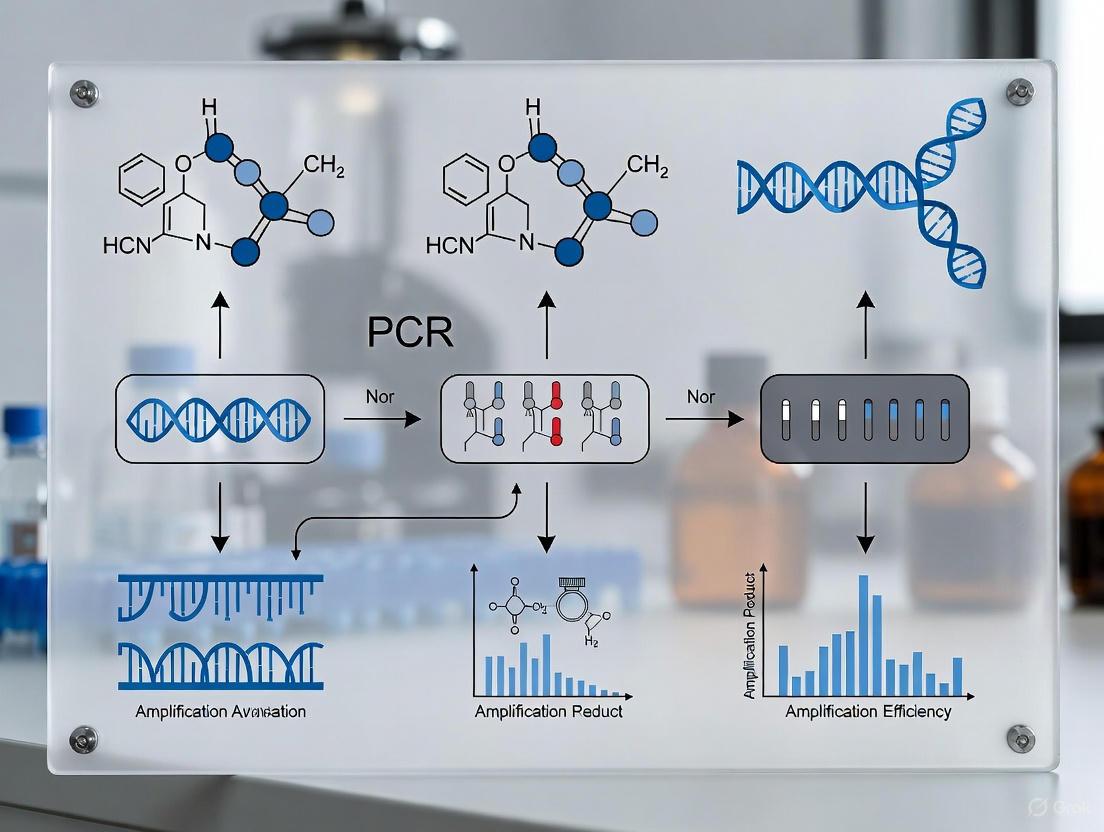
This article provides a comprehensive guide for researchers and scientists on identifying, troubleshooting, and preventing non-specific amplification in PCR.
PCR Troubleshooting Guide: Strategies to Eliminate Non-Specific Amplification
Abstract
This article provides a comprehensive guide for researchers and scientists on identifying, troubleshooting, and preventing non-specific amplification in PCR. Covering foundational concepts to advanced optimization strategies, it details common causes such as suboptimal annealing temperatures, poor primer design, and reagent issues. The guide offers practical, step-by-step solutions including protocol adjustments, specialized PCR methods, and validation techniques to ensure assay specificity and reproducibility in biomedical research and drug development.
Understanding Non-Specific Amplification: From Basics to Gel Recognition
In polymerase chain reaction (PCR) experiments, the goal is to amplify a specific, targeted DNA region. Non-specific amplification occurs when the reaction produces DNA fragments other than the intended target amplicon [1]. This unintended output can manifest as multiple bands on an electrophoresis gel, smeared lanes, or primer dimers. For researchers and drug development professionals, recognizing and troubleshooting these artifacts is critical, as they can compete with the desired product, reduce amplification efficiency, and compromise the validity of experimental results [2] [1]. This guide provides a systematic approach to identifying and resolving the common causes of non-specific amplification.
FAQ: Identifying Non-Specific Amplification
What does non-specific amplification look like on a gel?
When visualizing PCR products via gel electrophoresis, non-specific amplification presents several distinct patterns compared to a successful reaction, which typically shows one or more bright, discrete bands at the expected sizes [1].
The table below summarizes the common visual artifacts:
| Artifact Type | Description | Example Lane in Figure 1 |
|---|---|---|
| Multiple Bands | One or more unexpected bands of various sizes, either smaller or larger than the target amplicon [1] [3]. | Lanes 8, 9 |
| Smears | A continuous, fuzzy background or streak of DNA, indicating a vast range of randomly sized fragments [1]. | Lanes 3, 4, 5, 6, 7 |
| Primer Dimers | A bright, compact band, often appearing as a fuzzy smear, at the very bottom of the gel (typically below 100 bp) [4]. | Lanes 2, 3, 4, 5, 6, 7, 8, 9, 10 |
| DNA Stuck in Well | PCR product fails to enter the gel, often due to malformed wells, overloaded product, or carryover of impurities [1]. | Lane 4 |
Figure 1: Model gel electrophoresis result showing a range of non-specific amplification and gel artefacts. Lanes 1 and 10 show correct, expected results for the assay. Lanes 2-9 demonstrate various types of non-specific amplification and artefacts, including residual primers, primer dimers, smears, and non-specific bands [1].
Figure 2: A systematic troubleshooting workflow for non-specific PCR amplification.
What is a primer dimer and how is it different from other artifacts?
A primer dimer is a small, unintended DNA fragment formed when two primers anneal to each other instead of to the template DNA [4]. They are typically 20-60 base pairs in length and appear as a bright, fuzzy band or smear at the very bottom of an electrophoresis gel [1]. Primer dimers form due to complementarity between primers, especially at their 3' ends, and are most likely to occur during reaction setup at low temperatures if a non-hot-start polymerase is used [5] [4]. While they are a form of non-specific amplification, they are common and not always a sign of a failed experiment, though they can compete for reagents and reduce the yield of the desired product [1] [4].
How can I confirm if smearing is due to contamination?
To determine if a smear is caused by contamination, always include a no-template control (NTC) in your PCR run. The NTC contains all reaction components except the DNA template [6].
- If the NTC is clean (no bands or smear), the smearing in your sample lanes is likely due to suboptimal PCR conditions, poor template quality, or problematic primer design [7].
- If the NTC shows the same smear, contamination is present in one of your reagents, consumables, or the workspace [7]. To isolate the source, systematically replace reagents (starting with water) with fresh aliquots until the contamination in the NTC disappears [6].
Troubleshooting Guide: Causes and Solutions
The following table outlines the primary causes of non-specific amplification and provides targeted solutions to resolve them.
| Problem Category | Specific Cause | Recommended Solution |
|---|---|---|
| Primer-Related Issues | Poor primer design (e.g., complementarity at 3' ends) | Redesign primers; use online design tools; avoid GC-rich 3' ends and intra-primer homology [5] [3]. |
| Excessive primer concentration | Optimize primer concentration, typically within 0.1–1 µM; often 0.4–0.5 µM is ideal [5] [8]. | |
| Reaction Components | Annealing temperature too low | Increase annealing temperature in 1–2°C increments; optimal is often 3–5°C below the primer Tm [5] [7]. |
| Excess Mg2+ concentration | Optimize Mg2+ concentration; excess Mg2+ reduces fidelity and promotes mispriming [5] [3] [9]. | |
| Non-hot-start DNA polymerase | Use a hot-start polymerase to prevent spurious amplification during reaction setup [5] [3]. | |
| Template DNA & Cycling | Too much template DNA | Reduce the amount of template by 2–5 fold [7]. |
| Excessive number of cycles | Reduce the number of PCR cycles (e.g., to 25–35) to prevent accumulation of non-specific products [5] [8]. | |
| Complex template (GC-rich) | Use a polymerase designed for GC-rich templates; additives like DMSO or a GC enhancer can help [5] [7] [9]. |
Research Reagent Solutions
The following reagents and kits are specifically designed to help prevent or minimize non-specific amplification.
| Reagent / Kit Name | Function / Application |
|---|---|
| Hot-Start DNA Polymerases | Enzymes inactive at room temperature, preventing primer dimer formation and mispriming during reaction setup. Activated by high initial denaturation temperature [5] [8]. |
| High-Fidelity DNA Polymerases | Enzymes with proofreading activity (e.g., Pfu, Q5, Vent) for applications requiring high accuracy, such as cloning. They typically have higher fidelity than standard Taq [2] [3]. |
| GC Enhancer / DMSO | PCR additives that help denature complex DNA secondary structures in GC-rich templates, improving specificity and yield [5] [9]. |
| dUTP and Uracil-DNA Glycosylase (UDG/UNG) | A system to prevent carryover contamination. dUTP is incorporated into PCR products, and UDG degrades these products in future setups, leaving native DNA templates intact [6]. |
| Direct PCR Polymerases | Specialized enzymes (e.g., Terra PCR Direct Polymerase) tolerant to inhibitors in crude samples, reducing the need for pure DNA template and associated purification losses [7]. |
Experimental Protocol: Optimizing Annealing Temperature
A key method for increasing PCR specificity is to empirically determine the optimal annealing temperature.
1. Principle: Using a gradient thermal cycler, a single PCR is run where the annealing temperature varies across the block. This allows you to test a range of temperatures simultaneously to find the one that produces the strongest target band with the least background.
2. Materials:
- Standard PCR reagents: template DNA, primers, dNTPs, MgCl₂, buffer, DNA polymerase.
- Gradient thermal cycler.
3. Procedure:
- A. Prepare a master mix containing all PCR components and dispense it equally into PCR tubes.
- B. Place the tubes in the thermal cycler, ensuring they span the desired temperature gradient.
- C. Set the annealing step of the PCR program to the "gradient" mode.
- D. Set the temperature range based on the primer Tm. A recommended starting gradient is from 5°C below to 5°C above the calculated Tm [5] [3].
- E. Run the PCR cycles.
- F. Analyze the products on an agarose gel.
4. Analysis: Identify the annealing temperature that yields the brightest target band with the absence or minimal presence of non-specific bands or smearing. This temperature should be used for future experiments with this primer pair.
Gel electrophoresis is the cornerstone technique for visualizing the products of a Polymerase Chain Reaction (PCR). A properly run gel provides immediate, critical feedback on the success, specificity, and quality of your amplification. Within the broader context of PCR troubleshooting research, particularly concerning the pervasive challenge of non-specific amplification, adept gel interpretation is not merely a final step but an essential diagnostic tool. It allows researchers to distinguish a successful, specific reaction from one compromised by artefacts, informing subsequent optimization strategies. This guide provides a systematic, visual approach to diagnosing common electrophoretic artefacts, enabling researchers and drug development professionals to quickly identify issues and implement effective solutions.
Troubleshooting Guide: Common Gel Electrophoresis Artefacts
The following section addresses the most frequently encountered problems when interpreting gel electrophoresis results. For each issue, potential causes and recommended solutions are detailed.
No Amplification or Faint Bands
- Visual Diagnosis: A lane shows no bands whatsoever, or bands are so faint they are barely detectable. The DNA ladder runs correctly, confirming the gel and stain are functional.
- Potential Causes and Solutions:
- PCR Failure: The amplification reaction itself failed.
- Solution: Verify that all PCR components were added to the reaction, including template, primers, dNTPs, and polymerase [10]. Always include a positive control to confirm reagent functionality.
- Solution: Increase the number of PCR cycles (e.g., by 3-5 cycles, up to 40 cycles) to amplify low-abundance templates [10].
- Insufficient Sample Loaded: The amount of DNA loaded into the well was too low for detection by your staining method.
- Solution: Concentrate dilute samples using ethanol precipitation or spin concentration prior to loading [11]. Increase the amount of PCR product loaded into the well.
- PCR Inhibition: The reaction was inhibited by contaminants co-purified with the template DNA.
- PCR Failure: The amplification reaction itself failed.
Non-Specific Amplification
- Visual Diagnosis: Multiple bands appear in a lane instead of a single, crisp target band. This is a primary focus of troubleshooting research and indicates that primers have bound to and amplified unintended regions [12].
- Potential Causes and Solutions:
- Suboptimal Annealing Temperature: The annealing temperature is too low, allowing primers to bind to sequences with partial complementarity [12] [10].
- Poor Primer Design or Quality: Primers may have hairpin structures or self-complementarity, leading to primer-dimer or off-target binding [12].
- Excessive Cycle Number: Too many PCR cycles can increase the amplification of non-specific products, especially in later cycles [12].
- Solution: Reduce the number of PCR cycles, typically to between 25-35 cycles [12].
- High MgCl₂ Concentration: Elevated Mg²⁺ concentrations can reduce reaction stringency and enhance non-specific binding [12] [10].
- Solution: Optimize the MgCl₂ concentration, typically within the 1.5-2.5 mM range [12].
Smearing
- Visual Diagnosis: A continuous "smear" of DNA is visible down the lane, rather than distinct bands. This indicates a population of DNA fragments of many different sizes.
- Potential Causes and Solutions:
- Sample Degradation: The DNA template or the PCR product itself has been degraded by nucleases.
- Solution: Handle samples gently and keep them on ice. Use sterile, nuclease-free reagents and tubes [13].
- Excessive Voltage: Running the gel at too high a voltage causes overheating, which can denature DNA and melt the gel, leading to smearing [13] [14].
- Solution: Run the gel at a lower voltage for a longer duration [13].
- Contamination from Previous PCRs: Amplifiable DNA contaminants from earlier experiments can cause generalized smearing [15].
- Overloading the Well: Loading too much DNA can overwhelm the gel's sieving capacity.
- Solution: Load a smaller volume or dilute the sample before loading [14].
- Sample Degradation: The DNA template or the PCR product itself has been degraded by nucleases.
Distorted or Crooked Bands ("Smiling" or "Frowning")
- Visual Diagnosis: Bands curve upwards at the edges ("smiling") or downwards in the middle ("frowning"). This indicates uneven migration across the gel.
- Potential Causes and Solutions:
- Uneven Heat Dissipation (Joule Heating): The center of the gel becomes hotter than the edges, causing samples in the middle to migrate faster [13].
- Solution: Reduce the running voltage to minimize heat generation. Use a power supply with a constant current mode to maintain a more uniform temperature [13].
- Improper Gel Tank Setup: An improperly seated gel, crooked electrodes, or uneven buffer levels create a non-uniform electric field [13].
- High Salt Concentration in Samples: Excess salt in a sample well creates a local region of high conductivity, distorting the electric field and migration [13].
- Solution: Desalt samples or dilute them to reduce salt concentration before loading [13].
- Uneven Heat Dissipation (Joule Heating): The center of the gel becomes hotter than the edges, causing samples in the middle to migrate faster [13].
Poor Band Resolution
- Visual Diagnosis: Bands are too close together, blurry, or poorly separated, making it difficult to distinguish molecules of similar sizes.
- Potential Causes and Solutions:
- Suboptimal Gel Concentration: The pore size of the gel is not appropriate for the size range of your DNA fragments [13] [16].
- Solution: Use a higher percentage agarose gel to better resolve smaller fragments; use a lower percentage for larger fragments. See Table 1 for guidance.
- Gel Run for Incorrect Duration: Running the gel for too short a time does not allow for sufficient separation. Running it for too long can cause bands to diffuse [13].
- Solution: Run the gel for a longer duration at a lower voltage to improve separation [13].
- Overloading the Wells: Too much sample causes bands to become thick and merge.
- Solution: Load a smaller amount of sample per well [13].
- Suboptimal Gel Concentration: The pore size of the gel is not appropriate for the size range of your DNA fragments [13] [16].
Table 1: Selecting the Appropriate Agarose Gel Concentration
| Agarose Concentration (%) | Optimal Separation Range (bp) | Common Applications |
|---|---|---|
| 0.7% | 5,000 - 10,000+ | Genomic DNA, large PCR products |
| 1.0% | 1,000 - 10,000 | Standard PCR product verification |
| 1.5% | 200 - 3,000 | Standard PCR products, digests |
| 2.0% | 100 - 2,000 | Small PCR products, digests |
| 2.5% - 3.0% | 50 - 1,000 | Very small fragments, primer-dimer |
Frequently Asked Questions (FAQs)
Why are my DNA bands "smiling"? "Smiling" bands are typically caused by uneven heating across the gel, a phenomenon known as Joule heating. The center becomes hotter than the edges, causing DNA in the middle lanes to migrate faster, creating an upward curve. This can be resolved by lowering the voltage, using a power supply with a constant current mode, or ensuring the gel apparatus is properly assembled and level [13] [14].
How can I tell if the smearing in my gel is from degradation or contamination? Run a negative control (a reaction with no DNA template). If the negative control is blank, the smear is likely due to degradation of your sample or suboptimal PCR conditions (e.g., excessive cycles, low annealing temperature). If the negative control also shows a smear, this indicates contamination, most commonly from previous PCR products or contaminated reagents, and you must decontaminate your workspace and reagents [10].
What is the single most important factor for improving resolution in a gel? The gel concentration is the most critical factor. Selecting a gel with a pore size optimized for the size range of the DNA fragments you are separating is essential for achieving sharp, well-resolved bands [13]. Refer to Table 1 for guidance.
My gel run seems to have failed completely, with no bands visible, not even the ladder. What should be the first thing I check? If even the DNA ladder is not visible, the problem lies with the electrophoresis setup, not your PCR sample. First, confirm that the power supply was turned on and connected properly, and that the electrodes are functional. Second, check that you added DNA stain to the gel or staining solution and that the stain has not degraded [13] [14].
I see a bright, fast-migrating band at the bottom of my gel. What is it? This is very likely a primer-dimer, a short, artifactual product formed by the self-annealing of your PCR primers. It is promoted by high primer concentrations, low annealing temperatures, and primers with complementarity to each other. To prevent it, optimize primer concentration (typically 10 pM is ideal), increase the annealing temperature, and carefully design primers to avoid 3'-end complementarity [12] [17].
Experimental Protocols for Key Diagnostic Tests
Protocol: Testing for Protease Degradation in Protein Samples (SDS-PAGE)
While focused on protein electrophoresis, this protocol highlights a sample preparation artefact relevant to broader electrophoretic practice.
- Objective: To determine if multiple bands or smearing in a purified protein sample are due to protease activity during sample preparation [11].
- Materials: Protein sample, SDS-PAGE sample buffer, heating block, polyacrylamide gel electrophoresis system.
- Method:
- Divide your protein sample into two equal portions and add each to SDS-PAGE sample buffer.
- Tube A (Immediate Heat): Mix well and heat immediately at 95-100°C for 5 minutes.
- Tube B (Delayed Heat): Mix well and leave at room temperature for 2-4 hours. Then heat at 95-100°C for 5 minutes.
- Run both samples on an SDS-PAGE gel and stain.
- Interpretation: If the protein in Tube B shows significant degradation (more or lower molecular weight bands) compared to the intact protein in Tube A, proteases are active in your sample. For future preps, heat samples immediately after adding them to the denaturing sample buffer [11].
Protocol: Performing a Gradient PCR for Annealing Temperature Optimization
This is a fundamental experiment in PCR troubleshooting research to combat non-specific amplification.
- Objective: To empirically determine the ideal annealing temperature for a primer set to maximize specific product yield and minimize non-specific bands [12].
- Materials: Thermal cycler with gradient functionality, PCR reagents, primer set, template DNA.
- Method:
- Set up a master mix containing all PCR components (buffer, dNTPs, polymerase, template, primers).
- Aliquot the master mix into several identical PCR tubes.
- Place the tubes in the thermal cycler and program a gradient across the block (e.g., from 50°C to 65°C) for the annealing step of the PCR cycle.
- Run the PCR.
- Analyze all reactions on a high-resolution gel (e.g., 2-3% agarose).
- Interpretation: Identify the temperature that produces the strongest, single band of the expected size with the complete absence of non-specific bands or primer-dimer. This temperature should be used for all future standard amplifications with this primer set [12].
Visual Workflows and Diagrams
The following diagram illustrates the logical decision-making process for diagnosing common gel artefacts, integrating the information from the troubleshooting guide and FAQs.
Gel Artefact Diagnosis Workflow
The Scientist's Toolkit: Research Reagent Solutions
Table 2: Essential Reagents for Electrophoresis and PCR Troubleshooting
| Reagent / Material | Function / Purpose | Key Considerations |
|---|---|---|
| Agarose | Polysaccharide gel matrix for separating DNA fragments (300 bp - 10,000+ bp) [16]. | Choose percentage based on target DNA size (see Table 1). Higher % for better resolution of small fragments. |
| Polyacrylamide | Gel matrix for high-resolution separation of very small DNA fragments (10-500 bp) or proteins [16]. | Used for sequencing or discriminating fragments differing by a single base pair. Requires more safety precautions. |
| DNA Stain (e.g., Ethidium Bromide, GelGreen/GelRed) | Intercalates into DNA double helix, allowing visualization under UV light [16]. | Safety and disposal protocols vary. Some modern stains are less mutagenic and more sensitive. |
| DNA Ladder/Marker | A mixture of DNA fragments of known sizes for estimating the size of unknown samples [14]. | Essential for every gel run. Choose a ladder with size ranges appropriate for your expected products. |
| Hot-Start DNA Polymerase | A modified polymerase inactive at room temperature, preventing non-specific priming and primer-dimer formation before PCR begins [15] [10]. | Critical for improving specificity and yield. Activated only at high temperatures during the first denaturation step. |
| dNTPs | Deoxynucleoside triphosphates (dATP, dCTP, dGTP, dTTP); the building blocks for new DNA strands. | Use balanced, high-quality dNTPs. Unbalanced concentrations can lead to misincorporation and errors [10]. |
| PCR Buffer with MgCl₂ | Provides optimal chemical environment (pH, salts) for polymerase activity. Mg²⁺ is a essential cofactor for the enzyme [12]. | Mg²⁺ concentration is a key optimization parameter (typically 1.5-2.5 mM). Too much can reduce specificity [12] [10]. |
| Bovine Serum Albumin (BSA) | PCR additive that can bind to inhibitors often found in crude samples, preventing them from interfering with the polymerase [15]. | Useful when amplifying from complex samples like blood, soil, or plant extracts. |
Non-specific amplification occurs when PCR primers bind to unintended regions of the template DNA or to each other, leading to the synthesis of unwanted products instead of the desired target amplicon. This common issue compromises experimental results by reducing the yield of the specific product, generating false positives, and interfering with downstream applications like sequencing or cloning. The most prevalent causes can be categorized into three main areas: suboptimal annealing temperature, problematic primer design, and poor template quality. Understanding and troubleshooting these factors is essential for obtaining reliable PCR results.
Troubleshooting FAQs
FAQ 1: My gel shows multiple bands or bands of the wrong size. What is the most likely cause and how can I fix it?
Answer: The simultaneous presence of multiple bands or bands of unexpected size is most frequently caused by an annealing temperature that is too low or poorly designed primers that bind to non-target sites [5] [18].
- Primary Cause: Low annealing temperature reduces the stringency of primer binding, allowing primers to anneal to sequences that are partially complementary, leading to off-target amplification [5].
- Secondary Cause: Primers with complementarity to multiple genomic regions, or those with problematic sequences (e.g., long runs of a single base), can promote mispriming [19].
Troubleshooting Protocol:
- Optimize Annealing Temperature: Calculate the melting temperature (Tm) of your primers. Start with an annealing temperature 3–5°C below the lowest Tm and perform a gradient PCR. Increase the temperature in 2–3°C increments to enhance specificity [5] [20].
- Check Primer Specificity: Use an in silico tool like NCBI's Primer-BLAST to verify that your primers are specific to your intended target and do not have significant homology to other sequences [21].
- Employ Hot-Start DNA Polymerase: Use a hot-start enzyme to prevent polymerase activity during reaction setup at low temperatures, which can minimize the synthesis of non-specific products [5] [18].
FAQ 2: I see a "smear" or a ladder-like pattern on my agarose gel. What does this indicate?
Answer: A smear or ladder-like pattern indicates widespread, random amplification, often resulting from poor template quality, excessive primer concentrations, or overly long PCR cycles [1] [15].
- Primary Cause (Smear): Degraded template DNA produces fragments of random sizes that can act as unintended templates or self-prime, resulting in a continuous smear of DNA. Excessive template input can also cause smearing [5] [1].
- Primary Cause (Ladder): Primer-dimer formation and subsequent amplification of primer multimers create a characteristic ladder pattern of bands at low molecular weights [1].
Troubleshooting Protocol:
- Assess Template DNA:
- Run the template DNA on a gel to check for integrity. A clean, high-molecular-weight band indicates good quality, whereas a smear indicates degradation [5].
- Re-purify the template to remove contaminants like salts, EDTA, or proteins that can inhibit the polymerase [5] [18]. For diluted or contaminated samples, use alcohol precipitation or a PCR cleanup kit [18].
- Optimize Primer Concentration: High primer concentrations promote primer-dimer formation. Titrate primer concentrations, typically between 0.1–1 μM, to find the level that minimizes artifacts while maintaining strong specific amplification [5] [18].
- Reduce Cycle Number: Avoid excessive cycles (generally do not exceed 35-40), as this leads to accumulation of by-products and nonspecific amplification, especially after the reaction reaches the plateau phase [5] [20].
FAQ 3: Even with a correct-sized band, my PCR product fails in downstream sequencing. Why?
Answer: This problem often stems from a mixture of specific and non-specific products that is not visible on the gel, or from low-fidelity amplification that introduces sequence errors [5] [22].
- Primary Cause: Non-specific products or primer-dimers co-migrate with the target band and are co-purified, leading to messy sequencing results [1].
- Secondary Cause: Polymerases with low fidelity or suboptimal reaction conditions (e.g., unbalanced dNTPs, excess Mg²⁺) can cause misincorporation of nucleotides, creating heterogeneous sequences [5].
Troubleshooting Protocol:
- Improve Reaction Specificity: Use the optimization strategies above (e.g., higher annealing temperature, hot-start polymerase) to produce a cleaner product. A nested PCR approach can also dramatically improve specificity [5].
- Use a High-Fidelity Polymerase: For cloning and sequencing, select a DNA polymerase with proofreading (3'→5' exonuclease) activity to ensure high-fidelity amplification [5] [18].
- Ensure Balanced dNTPs and Mg²⁺: Use equimolar concentrations of all four dNTPs. Excess Mg²⁺ can increase misincorporation; optimize the Mg²⁺ concentration for your specific primer-template system [5].
The tables below consolidate key experimental parameters and their optimal ranges from troubleshooting guides.
Table 1: Optimization of PCR Reaction Components
| Component | Common Issue | Recommended Solution | Optimal Range / Value |
|---|---|---|---|
| Annealing Temperature | Too low, causing non-specific binding | Use gradient PCR to optimize | 3–5°C below primer Tm [5] [20] |
| Primer Concentration | Too high, causing primer-dimer | Titrate primer concentration | 0.1 – 1 μM [5] [18] |
| Mg²⁺ Concentration | Too high, reducing fidelity & specificity | Titrate Mg²⁺ concentration | Adjust in 0.2-1 mM increments [18] |
| Cycle Number | Too high, leading to plateau & artifacts | Reduce total number of cycles | 25–35 cycles (max 40) [5] [20] |
| Template Quality | Degraded or impure | Re-purify and assess via gel electrophoresis | High molecular weight, no smearing [5] |
Table 2: Troubleshooting Non-Specific Amplification
| Observation | Primary Cause | Experimental Solution |
|---|---|---|
| Multiple Bands | Low annealing temperature; Mispriming | Increase annealing temperature in 2-3°C increments; Verify primer specificity with BLAST [5] [18]. |
| Primer-Dimers | High primer concentration; Primer complementarity | Lower primer concentration; Redesign primers to avoid 3'-end complementarity [5] [19]. |
| Smear on Gel | Degraded DNA; Long extension time; Excess template | Re-purify template DNA; Shorten extension time; Dilute template [5] [1]. |
| No Product | High annealing temperature; Poor template quality | Lower annealing temperature; Check template integrity and concentration [18]. |
Experimental Protocols
Protocol 1: Systematic Optimization of Annealing Temperature Using Gradient PCR
This protocol is critical for establishing specific amplification conditions for a new primer set [20].
- Calculate Tm: Determine the Tm for both forward and reverse primers using the formula:
Tm = 4(G + C) + 2(A + T)or a more sophisticated Nearest Neighbor method [20]. - Set Gradient: Program your thermal cycler with an annealing temperature gradient that spans a range, for example, from 5°C below the lowest Tm to 5°C above it.
- Run PCR: Perform the amplification reaction using the gradient.
- Analyze Results: Evaluate the PCR products by agarose gel electrophoresis. The optimal temperature yields a single, strong band of the expected size with the absence of smearing or multiple bands.
- Refine: If necessary, run a second, finer gradient around the best temperature from the first round (e.g., in 1°C increments) for final optimization.
Protocol 2: Assessment and Purification of Template DNA
Ensuring template quality is a fundamental step often overlooked in troubleshooting [5] [18].
- Gel Electrophoresis:
- Mix 1 μL of template DNA with 6X loading dye and load onto a 0.8% - 1% agarose gel. Include a DNA molecular weight marker.
- Run the gel at 5-10 V/cm for 30-60 minutes and visualize under UV light.
- Interpretation: High-quality genomic DNA should appear as a single, tight high-molecular-weight band. A smear indicates degradation. Plasmid DNA can show supercoiled, nicked, and linear forms.
- Spectrophotometry:
- Measure the absorbance of the template DNA at 260 nm and 280 nm.
- Interpretation: An A260/A280 ratio of ~1.8 indicates pure DNA. Significant deviation may suggest protein (lower ratio) or RNA/contaminant (higher ratio) contamination.
- Re-purification (if needed):
- If quality is poor, re-purify the template via phenol-chloroform extraction followed by ethanol precipitation, or use a commercial DNA clean-up kit [18].
- Re-assess the purified DNA using the steps above before proceeding with PCR.
Workflow and Relationship Diagrams
The following diagram illustrates the logical decision-making process for troubleshooting non-specific amplification, mapping symptoms to primary causes and corresponding solutions.
PCR Troubleshooting Decision Map
The Scientist's Toolkit: Research Reagent Solutions
Table 3: Essential Reagents for Preventing Non-Specific Amplification
| Reagent / Tool | Function in Troubleshooting | Specific Example |
|---|---|---|
| Hot-Start DNA Polymerase | Prevents enzymatic activity during reaction setup, drastically reducing non-specific priming and primer-dimer formation [5] [15]. | Platinum Taq DNA Polymerase, OneTaq Hot-Start DNA Polymerase [5] [18]. |
| PCR Additives / Co-solvents | Helps denature complex DNA (e.g., GC-rich templates) and stabilizes the reaction, improving specificity and yield [5]. | DMSO, Betaine, GC Enhancer [5]. |
| Mg²⁺ Solution | Cofactor for DNA polymerase; its concentration is critical and must be optimized to balance yield and fidelity [5] [18]. | MgCl₂, MgSO₄ (for certain polymerases like Pfu) [5]. |
| dNTP Mix | Balanced equimolar concentrations of all four dNTPs are essential to prevent misincorporation and ensure high-fidelity amplification [5]. | Prepared mixes from various suppliers. |
| Primer Design Software | In silico tools are indispensable for designing specific primers and checking for self-complementarity or off-target binding [19] [21]. | NCBI Primer-BLAST [21]. |
Non-specific amplification in Polymerase Chain Reaction (PCR) occurs when primers bind to unintended regions of the DNA template, leading to the synthesis of non-target DNA fragments alongside the desired amplicon [1] [15]. For researchers, scientists, and drug development professionals, these artifacts are not merely minor inconveniences; they represent a critical failure point that can severely compromise the integrity and reliability of downstream applications.
The presence of primer-dimers, smeared bands, or multiple unexpected bands on an electrophoresis gel indicates a problem that extends beyond the PCR tube [1]. When these non-specific products are carried into subsequent workflows like sequencing or cloning, they can cause failed reactions, ambiguous data, inaccurate results, and ultimately, a significant waste of time and resources. This guide provides a systematic, troubleshooting-focused approach to identifying, resolving, and preventing the effects of non-specific amplification to ensure the success of your critical experimental pipelines.
FAQs: Understanding the Downstream Consequences
Q1: How does non-specific amplification specifically interfere with Sanger sequencing?
Non-specific amplification compromises Sanger sequencing in several key ways [1] [23]. The sequencing reaction itself can initiate from multiple, unintended DNA templates (primer-dimers, non-target amplicons), in addition to your target. This produces overlapping chromatograms with multiple peaks starting at the same position, making the sequence data unreadable and impossible to interpret accurately. Furthermore, the presence of these extra products can reduce the available reagents for the target amplicon, leading to a weak or failed sequencing reaction. Even if a sequence is obtained, it may be from a non-target fragment, providing completely erroneous genetic information.
Q2: Why are non-specific products problematic for cloning experiments?
In cloning, non-specific products pose a major threat to efficiency and accuracy [24]. Ligation and transformation steps will proceed with whatever DNA fragment is present. If your PCR product is a mixture of target and non-target DNA, you will generate a population of colonies containing a variety of inserts. This necessitates labor-intensive screening of an excessively large number of colonies to identify the one with the correct insert, a process that is both time-consuming and expensive. There is also a high risk of selecting and propagating a clone with an incorrect insert, which can lead to invalid experimental conclusions downstream.
Q3: What is the impact on quantitative diagnostic reliability, such as in qPCR?
For quantitative diagnostics, non-specific amplification directly undermines the assay's fundamental purpose: accurate quantification [15]. The fluorescent dyes or probes used in qPCR will intercalate or bind to all double-stranded DNA products, not just the target. This means the reported fluorescence—and the subsequent calculation of template concentration—will be artificially inflated, leading to a potentially severe overestimation of the target's abundance. This can result in false positives or an incorrect assessment of pathogen load or gene expression level, with serious implications for diagnostic conclusions.
Q4: Can purification methods always remove non-specific amplification products?
Not always. While standard enzymatic clean-up or size-selection methods can effectively remove common contaminants like single-stranded primers and primer-dimers, they are less effective for more complex non-specific artifacts [1]. Primer multimers, which can form ladder-like patterns, and smears composed of a vast range of fragment sizes are particularly difficult to remove completely. Furthermore, if the non-specific product is very close in size to your target amplicon, physical separation methods like gel extraction or bead-based size selection will fail to resolve them, resulting in a co-purified mixture.
Troubleshooting Guide: A Systematic Approach
When non-specific amplification is suspected, a systematic approach to troubleshooting is essential. The following table outlines common symptoms, their potential causes, and recommended solutions.
Systematic Troubleshooting for Non-Specific Amplification
| Symptom | Possible Cause | Recommended Solution |
|---|---|---|
| Multiple Bands or Unexpected Band Sizes [5] [24] | • Annealing temperature too low• Primer concentration too high• Mispriming due to poor primer design• Excess Mg2+ | • Increase annealing temperature in 1-2°C increments [5] [24].• Optimize primer concentration (typically 0.1-1 µM) [5].• Check primer specificity using tools like NCBI Primer-BLAST [25].• Decrease Mg2+ concentration in 0.2-1 mM increments [24]. |
| Smear of DNA on agarose gel [1] [15] | • Degraded DNA template• Contaminated primers• Too many PCR cycles• Excess template DNA | • Re-purify or re-synthesize DNA template/primers [1].• Reduce the number of cycles (e.g., 25-35 is standard) [5].• Dilute DNA template 10-100x to reduce self-priming [1]. |
| Primer-Dimer (band at bottom of gel) [1] [15] | • 3'-end complementarity between primers• High primer concentration• Enzyme activity during setup | • Redesign primers to avoid 3' complementarity [25].• Lower primer concentration [5].• Use a hot-start polymerase to prevent pre-PCR activity [15] [5]. |
| No Product (in conjunction with NTC contamination) | • Contamination of reagents with amplicons or foreign DNA [26] | • Implement spatial separation of pre- and post-PCR areas [26].• Use aerosol-resistant filter tips [26].• Decontaminate with 10% bleach and UV irradiation [26].• Employ Uracil-DNA Glycosylase (UDG/UNG) to degrade carryover contaminants [26]. |
Advanced Optimization Experiment Protocol
If initial troubleshooting steps do not resolve the issue, a more rigorous optimization is required. The following protocol provides a detailed methodology.
Objective: To simultaneously optimize two critical factors for PCR specificity: Annealing Temperature and Mg2+ Concentration.
Materials:
- Target DNA template
- Forward and reverse primers
- Hot-start high-fidelity DNA polymerase and its compatible buffer
- dNTP mix
- MgCl2 or MgSO4 solution (concentration as per polymerase manufacturer)
- Nuclease-free water
- Thermal cycler with gradient functionality
Method:
- Prepare a Master Mix: Calculate volumes for a single 50 µL reaction multiplied by the total number of conditions to be tested plus 10% extra. Combine in order on ice [25]:
- Nuclease-free water (Q.S. to 50 µL)
- 10X PCR Buffer (5 µL)
- dNTP Mix (10 mM each) (1 µL)
- Template DNA (e.g., 1-100 ng)
- Hot-start DNA Polymerase (0.5-2.5 units)
Aliquot and Add Variables:
- Aliquot the master mix into individual PCR tubes.
- Add Mg2+ to each tube to create a range of final concentrations (e.g., 1.0 mM, 1.5 mM, 2.0 mM, 3.0 mM).
- Add primers to each tube to a final concentration within the 0.1-1 µM range.
Thermal Cycling:
- Program the thermal cycler with a gradient annealing temperature across the block. Set the range to span 5-10°C below to 5°C above the calculated theoretical Tm of your primers [25] [5].
- Run the following program:
- Initial Denaturation: 98°C for 30 sec.
- 35 Cycles:
- Denature: 98°C for 10 sec.
- Anneal: Gradient range for 30 sec.
- Extend: 72°C for 30 sec/kb.
- Final Extension: 72°C for 5 min.
- Hold: 4°C.
Analysis:
- Analyze all reactions alongside a molecular weight standard on an agarose gel.
- The optimal condition is identified as the combination of annealing temperature and Mg2+ concentration that produces a single, bright band of the expected size with no visible primer-dimer or smearing.
This experimental workflow and the decision-making process for addressing non-specific amplification are summarized in the following diagram:
Research Reagent Solutions
The following table details key reagents and their roles in preventing and resolving non-specific amplification.
Research Reagent Solutions for Non-Specific Amplification
| Reagent | Function in Troubleshooting | Key Consideration |
|---|---|---|
| Hot-Start DNA Polymerase [15] [5] | Remains inactive at room temperature, preventing non-specific priming and primer-dimer formation during reaction setup. | The gold standard for improving specificity. Choose based on required fidelity and processivity. |
| Mg2+ (MgCl₂/MgSO₄) [5] [24] | Cofactor for DNA polymerase. Concentration directly affects primer annealing and enzyme fidelity. | Requires optimization. Excess Mg2+ reduces specificity; too little reduces yield. |
| PCR Additives (e.g., DMSO, Betaine, BSA) [25] [5] | DMSO/Betaine help denature GC-rich templates; BSA can bind inhibitors and reduce non-specific adsorption. | Use at the lowest effective concentration (e.g., DMSO 1-10%, Betaine 0.5-2.5 M) as they can inhibit PCR [25]. |
| dNTP Mix [24] | Building blocks for DNA synthesis. | Use balanced, equimolar concentrations. Unbalanced dNTPs can increase error rate and affect Mg2+ availability. |
| UNG/UDG System [26] | Enzymatically degrades PCR products from previous reactions (carryover contamination) before amplification begins. | Critical for diagnostic and high-sensitivity applications to prevent false positives. |
| GC Enhancer [5] [24] | A specific formulation of additives that facilitates the amplification of difficult, GC-rich templates. | Often supplied with specific polymerase kits. More targeted than general additives like DMSO. |
Advanced PCR Methods to Enhance Specificity and Yield
Hot-Start PCR is a specialized molecular technique designed to suppress non-specific DNA amplification by keeping the DNA polymerase inactive until high temperatures are reached. In standard PCR, the polymerase retains some activity at room temperature, which can lead to mispriming and primer-dimer formation during reaction setup. These artifacts compete with the target amplification, reducing yield, specificity, and overall reaction efficiency. Hot-Start PCR effectively mitigates these issues by employing a mechanism that temporarily inhibits the polymerase until the first high-temperature denaturation step, thereby ensuring that amplification only begins under stringent conditions [27].
This guide provides a detailed framework for troubleshooting non-specific amplification, with a particular focus on implementing Hot-Start PCR methodologies to enhance the robustness and reproducibility of your experiments.
Troubleshooting Guide: Non-Specific Amplification
The table below summarizes the common causes and solutions for non-specific amplification in PCR, a primary issue that Hot-Start PCR is designed to address.
Table 1: Troubleshooting Non-Specific Amplification
| Observation | Possible Cause | Recommended Solution |
|---|---|---|
| Multiple Bands or Smears | Primer annealing temperature is too low [28] [12] [5] | Increase annealing temperature in 1-2°C increments; use a gradient cycler. Optimize to 3-5°C below the primer Tm [5]. |
| Multiple Bands or Smears | Premature polymerase activity during setup [28] [29] | Use a Hot-Start DNA polymerase [28] [5] [29]. Set up reactions on ice with chilled components [28]. |
| Multiple Bands or Smears | Poor primer design [28] [12] [5] | Verify primer specificity and avoid complementarity. Use primer design software (e.g., Primer3) and perform in silico PCR [12]. |
| Multiple Bands or Smears | Excessive Mg2+ concentration [28] [12] [5] | Optimize Mg2+ concentration, testing in 0.2-1 mM increments. High Mg2+ promotes non-specific binding [28]. |
| Multiple Bands or Smears | Too many PCR cycles [12] [5] | Reduce the number of amplification cycles (generally 25-35 is sufficient) to prevent accumulation of non-specific products [12]. |
| Primer-Dimers | High primer concentration [28] [5] | Optimize primer concentration, typically within the range of 0.1-1 µM [28] [5]. For standard PCR, 10 pM is often effective [12]. |
| Primer-Dimers | Polymerase activity at low temperature [1] [29] | Employ a Hot-Start polymerase to prevent primer-dimer formation during reaction setup [29] [27]. |
| No Amplification | Overly stringent conditions / polymerase inactive | Ensure the Hot-Start polymerase is properly activated by following the manufacturer's recommended initial denaturation temperature and time. |
| Low Yield | Polymerase not fully activated or insufficient extension | Verify initial denaturation step for antibody-based Hot-Start enzymes. Optimize extension time and temperature [5]. |
Diagram 1: The Hot-Start PCR mechanism prevents non-specific amplification by keeping the polymerase inactive until the first high-temperature denaturation step.
Frequently Asked Questions (FAQs)
What is the fundamental mechanism behind Hot-Start PCR?
Hot-Start PCR utilizes a modified DNA polymerase that is rendered inactive at room temperature. This is commonly achieved by binding the enzyme with a specific neutralizing antibody or a chemical modifier. During the initial high-temperature denaturation step of the PCR cycle (typically ≥94°C), the antibody is denatured or the chemical block is released, restoring full polymerase activity. This ensures the enzyme is only functional after the reaction mixture has been heated to temperatures that promote specific primer-template binding [29] [27].
How does Hot-Start PCR specifically reduce primer-dimer formation?
At room temperature, primers can bind to each other via complementary sequences (forming primer-dimers) or bind non-specifically to genomic DNA. If the polymerase is active during this stage, it will extend these misprimed complexes, creating unwanted amplification products that compete for reagents. Hot-Start PCR prevents this by completely inhibiting the polymerase until the reaction is heated, thereby eliminating any extension during the setup phase [29] [27].
My Hot-Start PCR still shows non-specific bands. What should I check?
Even with a Hot-Start enzyme, other factors can cause non-specificity. Your troubleshooting should include:
- Annealing Temperature: This is a common culprit. Use a temperature gradient on your thermocycler to empirically determine the optimal annealing temperature for your primer-template pair [28] [5].
- Primer Design: Re-evaluate your primer sequences for specificity. Ensure they do not have complementary regions, especially at the 3' ends, and verify their binding specificity using in silico tools [12].
- Mg2+ Concentration: Excessive Mg2+ can reduce specificity. Titrate the Mg2+ concentration in your reactions to find the optimal level [28] [5].
- Template Quality and Quantity: Degraded DNA or too much template can lead to smearing and non-specific amplification. Re-assess template quality by gel electrophoresis and use the recommended amount (e.g., 10-100 ng for genomic DNA) [12] [5].
Can I set up Hot-Start PCR reactions at room temperature?
Yes, a key practical advantage of most modern Hot-Start polymerases (particularly antibody-based ones) is that they allow for reaction assembly at room temperature without compromising specificity. This is invaluable for high-throughput workflows [29].
What are the main types of Hot-Start modifications available?
The two primary methods are:
- Antibody-Based: A monoclonal antibody binds the polymerase's active site, blocking activity until it is denatured at high heat. This method offers rapid activation [29] [27].
- Chemical Modification: The polymerase is chemically blocked with thermo-labile groups. Activity is restored after a prolonged initial denaturation step that cleaves the modifiers [27].
Research Reagent Solutions
The following table lists key reagents and their roles in optimizing Hot-Start PCR experiments.
Table 2: Essential Reagents for Hot-Start PCR Experiments
| Reagent | Function & Importance in Hot-Start PCR |
|---|---|
| Hot-Start DNA Polymerase | The core component. Engineered to be inactive at room temperature to prevent pre-amplification mispriming and primer-dimer formation, thereby significantly enhancing specificity [29] [27]. |
| Optimized Reaction Buffer | Provides the optimal chemical environment (pH, ionic strength) for polymerase activity after activation. Often includes components that help amplify complex templates like GC-rich regions [5]. |
| MgCl2 or MgSO4 | A critical cofactor for DNA polymerase. Its concentration must be optimized, as it directly affects enzyme activity, fidelity, and primer annealing specificity [28] [12] [5]. |
| PCR Enhancers/Co-solvents | Additives like DMSO, betaine, or GC enhancers can help denature difficult templates with high GC content or secondary structures, improving yield and specificity in conjunction with Hot-Start [5]. |
| dNTP Mix | The building blocks for new DNA strands. Must be of high quality and used at balanced equimolar concentrations to prevent misincorporation errors that can accumulate during amplification [28] [5]. |
Experimental Protocol: Optimizing Annealing Temperature with Hot-Start PCR
Even with a Hot-Start enzyme, determining the correct annealing temperature (T_a) is critical for specific amplification. This protocol outlines how to use a gradient thermocycler for optimization.
Principle: A gradient thermocycler creates a temperature gradient across its block, allowing you to test a range of annealing temperatures in a single run. The optimal T_a is typically 3-5°C below the calculated melting temperature (T_m) of the primers [5].
Materials:
- Hot-Start PCR Master Mix (or individual components: Hot-Start polymerase, buffer, dNTPs)
- Template DNA
- Forward and Reverse Primers
- Nuclease-free water
- Gradient Thermocycler
Method:
- Prepare Master Mix: On ice, prepare a single PCR master mix for all reactions containing Hot-Start polymerase, buffer, dNTPs, primers, template, and water. Mix thoroughly.
- Aliquot: Dispense equal volumes of the master mix into the PCR tubes or plate wells that will be placed along the gradient block.
- Set Gradient Program: Program your thermocycler with a standard cycling protocol, but set the annealing step to a gradient. For example, if the calculated
T_mof your primers is 60°C, set a gradient from 55°C to 65°C. - Run PCR: Place the tubes in the thermocycler and start the program. A standard program includes:
- Initial Denaturation/Activation: 95°C for 2-5 minutes (activates Hot-Start polymerase).
- Amplification Cycles (25-35 cycles):
- Denature: 95°C for 15-30 seconds.
- Anneal: Gradient temperature for 15-30 seconds.
- Extend: 72°C for 1 min/kb.
- Final Extension: 72°C for 5 minutes.
- Hold: 4°C.
- Analyze Results: Analyze the PCR products using agarose gel electrophoresis. The well with the strongest target band and the absence of non-specific bands or smears indicates the optimal annealing temperature.
Diagram 2: Workflow for optimizing PCR annealing temperature using a gradient thermocycler to eliminate non-specific amplification.
Core Concepts and Mechanism
What is the fundamental principle behind Touchdown PCR?
Touchdown (TD) PCR is a modified PCR technique designed to increase amplification specificity and sensitivity by systematically lowering the annealing temperature during the cycling program. The process begins with an annealing temperature set higher than the optimal melting temperature (Tm) of the primers. Over a series of cycles (e.g., 10 cycles), this temperature is incrementally decreased (e.g., by 1°C per cycle) until it reaches a temperature below the calculated Tm. The remaining cycles then proceed at this lower, permissive temperature [30] [31]. This strategy ensures that in the initial cycles, only the most perfectly matched primer-template pairs can anneal, selectively enriching the reaction with the correct target. Once this specific product dominates, the reaction can continue at a more efficient, lower temperature without significant competition from non-specific products [30] [32].
How does Touchdown PCR improve specificity and yield?
The stepwise decrease in annealing temperature provides a dual advantage [30] [31] [33]:
- Early High-Temperature Cycles: The initial high annealing temperature promotes highly specific primer binding, minimizing non-specific amplification and primer-dimer formation. This gives the desired amplicon a critical "head start" [30] [32].
- Later Lower-Temperature Cycles: As the temperature drops to and below the optimal Tm, amplification efficiency and yield increase dramatically. Because the specific product is already the predominant DNA species, it is amplified preferentially over any potential non-specific products, resulting in a high yield of the correct amplicon [30] [33].
Troubleshooting Guide: Common Issues and Solutions
The following table outlines frequent challenges encountered during standard PCR and how Touchdown PCR and related strategies can address them.
| Problem | Description | Solutions & How Touchdown PCR Helps |
|---|---|---|
| Non-specific Amplification | Multiple unwanted bands or smears appear on a gel due to primers binding to incorrect sequences [34]. | • Increase Annealing Temperature: Touchdown PCR starts high to enforce stringent binding [34] [35].• Use Hot-Start Polymerase: Prevents enzyme activity during setup, reducing non-specific products [5] [32].• Reduce Primer/Template Concentration: Excess can promote mispriming [34] [5]. |
| Primer-Dimer Formation | Short, unwanted products from primers annealing to each other [15]. | • Touchdown PCR: High initial annealing temperature destabilizes primer-primer interactions [30] [32].• Optimize Primer Design: Check for complementarity between primers [5] [15]. |
| No or Low Yield | Little to no desired product is amplified. | • Touchdown PCR: Systematically finds the optimal annealing temperature, ensuring good yield in later cycles [30] [33].• Increase Number of Cycles: Up to 40 cycles for low-abundance targets [34].• Check Template Quality/Quantity: Ensure DNA is intact and of sufficient concentration [5]. |
| Smearing | A continuous smear of DNA on the gel instead of crisp bands. | • Reduce Cycle Number: Overcycling can cause smearing [34].• Use Touchdown PCR: Enhances specificity to prevent background smear [34].• Eliminate Contamination: Use separate pre- and post-PCR areas and reagents [34]. |
Experimental Protocol: Implementing Touchdown PCR
Can you provide a detailed protocol for a standard Touchdown PCR?
The protocol below is a generalized example. Optimal temperatures and times may need adjustment based on your specific primers, polymerase, and template [31].
1. Reaction Setup
- Keep reactions on ice during setup to prevent non-specific priming before cycling begins [31].
- Use a hot-start DNA polymerase to further suppress activity at low temperatures [31] [32].
- A sample master mix for a 50 µl reaction might contain:
- 1X PCR Buffer
- 200 µM of each dNTP
- 0.1–1 µM of each primer (optimize concentration)
- 1–2 units of Hot-Start DNA Polymerase
- Template DNA (e.g., 10–100 ng genomic DNA)
- MgCl₂ (if not in buffer; concentration may require optimization)
2. Thermal Cycling Program This example assumes a primer Tm of 57°C [31].
| Stage | Step | Temperature | Time | Cycles | Purpose |
|---|---|---|---|---|---|
| Initial Denaturation | Denature | 95°C | 3 min | 1 | Fully denature template and activate hot-start enzyme. |
| Stage 1: Touchdown | Denature | 95°C | 30 sec | 10 cycles | Denature template. |
| Anneal | 67°C (Tm+10) | 45 sec | High stringency: Selective amplification of specific target. | ||
| Extend | 72°C | 45 sec/kb | Synthesize new DNA strands. | ||
| Stage 2: Amplification | Denature | 95°C | 30 sec | 20–25 cycles | Denature template. |
| Anneal | 57°C (Calculated Tm) | 45 sec | Efficient amplification: Specific product is now dominant. | ||
| Extend | 72°C | 45 sec/kb | Synthesize new DNA strands. | ||
| Final Extension | Extend | 72°C | 5–15 min | 1 | Ensure all amplicons are full-length. |
The logical workflow and temperature profile of this protocol can be visualized as follows:
The Scientist's Toolkit: Key Reagent Solutions
Selecting the right reagents is crucial for success. The table below lists essential materials and their functions in optimizing Touchdown PCR.
| Reagent / Tool | Function & Importance in Touchdown PCR |
|---|---|
| Hot-Start DNA Polymerase | Critical. Remains inactive until high temperatures are reached, preventing non-specific primer extension during reaction setup and the initial low-temperature ramp. Dramatically improves specificity [5] [32]. |
| PCR Additives (e.g., DMSO, BSA, Betaine) | For difficult templates. Helps amplify GC-rich regions by destabilizing DNA secondary structures. Note: Additives can lower the effective primer Tm, which may need to be accounted for in the program [5] [31] [32]. |
| Gradient Thermal Cycler | Highly useful for optimization. Allows empirical determination of the optimal annealing temperature by running simultaneous reactions at different temperatures. Informs the starting and ending points for the touchdown program [5]. |
| Nested Primers | For extreme specificity issues. A second set of primers that bind within the first PCR product are used in a subsequent reaction. This greatly increases specificity and is a powerful tool if Touchdown PCR alone is insufficient [34] [32]. |
Frequently Asked Questions (FAQs)
What is the difference between Touchdown PCR and Stepdown PCR? Stepdown PCR is a simplification of Touchdown PCR. Instead of a gradual, cycle-by-cycle decrease in annealing temperature, Stepdown PCR uses fewer, steeper drops in temperature (e.g., 3 cycles at 62°C, 3 cycles at 58°C, then multiple cycles at 50°C). This makes it easier to program on older thermal cyclers that lack automated touchdown functionality while still providing a significant benefit in specificity and yield [30] [33].
When should I consider using Touchdown PCR? Touchdown PCR is particularly valuable in several scenarios [30] [31]:
- When you are unsure of the optimal annealing temperature for your primer-template combination.
- When you are using primers across different template sources (e.g., different species) where perfect matches are not guaranteed.
- When you are experiencing persistent non-specific amplification or primer-dimer formation with standard PCR protocols.
- When you have made modifications to the PCR without full re-optimization (e.g., added MgCl₂ or other additives).
My Touchdown PCR still shows non-specific bands. What can I do? If problems persist, consider these additional optimizations [34] [5] [31]:
- Combine with Hot-Start: Ensure you are using a robust hot-start polymerase.
- Adjust the Touchdown Parameters: Use more cycles in the touchdown phase or decrease the temperature in smaller increments (e.g., 0.5°C per cycle).
- Optimize Reagent Concentrations: Titrate Mg²⁺ and primer concentrations, as excess can promote non-specific binding.
- Use Additives: Incorporate DMSO, formamide, or GC enhancers for difficult templates.
- Keep Cycle Numbers in Check: Limit the total number of cycles (e.g., to below 35) to prevent the accumulation of non-specific products in later cycles.
- Redesign Primers: Verify primer specificity using BLAST and check for self-complementarity.
Why Do My PCR Reactions Fail? A Primer Design FAQ
FAQ 1: I get no PCR product at all. What went wrong with my primers?
Several primer-related issues can lead to a complete failure of amplification.
- Poor Primer Specificity: Verify that your primer sequences are an exact match to your intended target template [36].
- Suboptimal Annealing Temperature: The annealing temperature (
T_a) may be too high. Recalculate the melting temperature (T_m) of your primers and test an annealing temperature gradient, starting at approximately 5°C below the lowerT_mof the primer pair [36]. - Low Primer Concentration: Ensure the primer concentration in the reaction is typically between 0.05–1 µM. Too little primer will prevent efficient binding [37] [36].
- Primer Degradation: Aliquot primers to avoid repeated freeze-thaw cycles, which can lead to degradation. If PCR assays that previously worked suddenly fail, suspect primer degradation [37].
FAQ 2: My gel shows multiple bands or a smear instead of one clean product. How can I improve specificity?
Non-specific amplification is often due to primers binding to unintended sites.
- Increase Annealing Temperature: A low annealing temperature is a common cause. Increase the temperature in increments to promote more specific binding [36] [15].
- Check for Mispriming: Use software tools to verify your primers do not have complementary regions elsewhere in the template DNA [36].
- Avoid GC-Rich 3' Ends: Primers ending in stretches of G or C bases can bind non-specifically. Re-design primers to have a balanced 3' end [36].
- Use a Hot-Start Polymerase: These enzymes are inactive at room temperature, preventing premature priming during reaction setup and reducing non-specific products [36] [15].
- Optimize Mg²⁺ Concentration: Adjust the magnesium chloride concentration in 0.2–1 mM increments, as it can affect priming specificity [36].
FAQ 3: What is a "primer-dimer" and how do I prevent it?
Primer-dimer is a short, double-stranded artifact formed when primers anneal to each other due to complementarity, especially at their 3' ends, and are extended by the polymerase [37] [15]. It consumes reaction reagents and competes with the desired product.
- Check for Self-Complementarity: Use oligonucleotide analysis tools to screen primers for self-dimers and cross-dimers. The ΔG value for any dimer should be weaker (more positive) than –9.0 kcal/mol [38].
- Optimize Primer Concentration: High primer concentrations increase the risk of primer-dimer formation [37].
- Re-design Primers: Avoid complementarity between the two primers, particularly at the 3' ends, which is critical for extension [37] [39].
The table below consolidates key quantitative parameters for designing effective PCR primers.
Table 1: Optimal Design Parameters for Standard PCR Primers
| Parameter | Recommended Range | Rationale & Key Considerations |
|---|---|---|
| Primer Length | 18–30 nucleotides [37] [38] | Balances specificity (longer) with efficient annealing and cost (shorter). 18–24 bp is often ideal for specificity [39]. |
Melting Temperature (T_m) |
60–64°C (ideal ~62°C) [38] | The temperature at which 50% of the DNA duplex dissociates. Determines the annealing temperature [40]. |
Annealing Temperature (T_a) |
≤ 5°C below primer T_m [38] |
The actual reaction temperature. Set no more than 5°C below the lower T_m of the primer pair [38] [36]. |
T_m Difference (Pair) |
≤ 2–5°C [38] [39] | Ensures both primers anneal to the template simultaneously and efficiently. |
| GC Content | 40–60% [37] [40] | Provides sufficient binding strength (GC bonds are stronger than AT) without promoting non-specific binding. |
| GC Clamp | Avoid >3 G/C in last 5 bases at 3' end [40] | Prevents non-specific binding caused by overly stable 3' ends, which is critical for initiation of synthesis [39]. |
Experimental Protocol: In Silico Primer Design and Validation
This protocol provides a step-by-step methodology for designing and computationally validating primers before synthesis.
1. Define the Target and Gather Sequences
- Identify the exact genomic region, gene, or sequence you intend to amplify.
- Obtain the complete template sequence(s) in FASTA format from a reliable database (e.g., NCBI Nucleotide). If working with multiple related sequences (e.g., from different species), create a multiple sequence alignment.
2. Select Primer Binding Sites
- Amplicon Length: For standard PCR, aim for a product between 70–150 bp for easy amplification. For cloning or other applications, products up to 500 bp or more are possible but may require longer extension times [38].
- Avoid Secondary Structures: Ensure the selected binding sites are not located in regions of the template that are prone to forming stable secondary structures, which can block primer access [37].
- Span Exon-Exon Junctions (for qPCR): When working with cDNA, design primers to span an exon-exon junction. This ensures the amplification of spliced mRNA and prevents false positives from contaminating genomic DNA [38].
3. Apply Design Criteria and Use Design Tools
- Input your target sequence into a dedicated primer design software (e.g., Primer3, NCBI Primer-BLAST, or commercial tools from IDT or Eurofins Genomics) [38] [40] [41].
- Configure the software parameters using the values from Table 1 (e.g., Primer
T_m: 60–64°C, GC%: 40–60%, Product Size: 70–150 bp). - Generate several candidate primer pairs for evaluation.
4. Validate Candidate Primers In Silico
- Check for Secondary Structures: Analyze each candidate primer for hairpins and self-dimers using a tool like the IDT OligoAnalyzer. Avoid primers with stable secondary structures (ΔG < -9.0 kcal/mol) [38].
- Check for Cross-Dimerization: Analyze the forward and reverse primer together for heterodimer formation [38].
- Verify Specificity with BLAST: Perform a nucleotide BLAST (NCBI) search for each primer sequence against the appropriate genome database to ensure it is unique to your intended target and lacks significant homology to off-target sequences [38] [39].
5. Final Selection and Ordering
- Select the primer pair that best fulfills all design criteria and shows no significant secondary structures or off-target homology.
- Order primers from a reputable supplier with HPLC or equivalent purification to minimize truncated sequences and impurities [37].
The Scientist's Toolkit: Essential Reagent Solutions
Table 2: Key Reagents for PCR and Primer-Related Troubleshooting
| Reagent / Material | Function / Application | Troubleshooting Context |
|---|---|---|
| High-Fidelity DNA Polymerase (e.g., Q5, Phusion) | DNA synthesis with superior accuracy, reducing sequence errors [36]. | Essential for cloning, sequencing, or any downstream application where sequence integrity is critical. |
| Hot-Start DNA Polymerase | Polymerase is inactive until a high-temperature activation step, preventing non-specific priming during reaction setup [36] [15]. | First-line solution for reducing non-specific bands and primer-dimer formation. |
| GC Enhancer / Additives (e.g., Betaine, DMSO) | Disrupts secondary structures in GC-rich templates, improving polymerase processivity and yield [36]. | Use when amplifying difficult, GC-rich targets (>60% GC) to prevent dramatic drops in yield or complete failure. |
| dNTP Mix | The four nucleotide building blocks (dATP, dCTP, dGTP, dTTP) for DNA synthesis. | Use fresh, balanced mixes to prevent incorporation errors and failed reactions [36]. |
| MgCl₂ Solution | Cofactor essential for DNA polymerase activity. Concentration directly affects primer annealing and specificity [38] [36]. | A key optimization variable. Adjust in 0.2–1 mM increments to resolve issues with no product, non-specific bands, or primer-dimer. |
| PCR Clean-Up Kit | Purifies PCR products from primers, enzymes, salts, and dNTPs. | Essential for downstream applications like sequencing or cloning. Also used to remove potential inhibitors from a template before a new PCR [36]. |
Within the framework of advanced PCR troubleshooting research, achieving clean, specific amplification hinges on the precise optimization of core reaction components. The interplay between Mg2+ concentration, dNTP balance, and DNA polymerase selection forms a thermodynamic system that directly controls reaction stringency, fidelity, and efficiency. Suboptimal conditions in any of these three areas are primary contributors to non-specific amplification, primer-dimer formation, and erroneous products, which can critically compromise downstream applications in cloning, sequencing, and diagnostic assay development. This guide synthesizes empirical data and recent predictive modeling to provide a systematic approach to optimizing these key parameters.
Magnesium Ion (Mg2+) Optimization
Role and Mechanism
Magnesium ions (Mg2+) serve as an essential cofactor for DNA polymerase activity. They facilitate the formation of phosphodiester bonds by stabilizing the transition state during dNTP incorporation and help neutralize the negative charges on the DNA backbone, promoting primer-template binding [42]. The free Mg2+ concentration, which is not chelated by dNTPs or EDTA, is the critical variable.
Quantitative Optimization Guidelines
The optimal Mg2+ concentration is interdependent with dNTP concentration and must be optimized empirically. The table below summarizes the effects of Mg2+ concentration and provides a titration protocol.
Table 1: Mg2+ Concentration Optimization Guide
| Condition | Effect on PCR | Recommended Action | Typical Concentration Range |
|---|---|---|---|
| Too Low | No PCR product; polymerase activity severely reduced [43] [5]. | Increase concentration in 0.2 - 0.5 mM increments [44] [43]. | 1.5 - 2.0 mM for Taq Polymerase [43]. |
| Too High | Non-specific amplification; smeared bands; reduced fidelity [44] [5] [45]. | Decrease concentration in 0.2 - 0.5 mM increments. | Up to 4 mM, titrated as needed [43]. |
| Optimal | High specificity and yield. | Use as a baseline for further fine-tuning. |
Advanced Modeling and Experimental Protocol
Recent research employs multivariate Taylor series expansion and thermodynamic integration to predict optimal MgCl2, achieving a predictive R² value of 0.9942 [46]. The model highlights the significant influence of dNTP-primer interactions (28.5% relative importance) and GC content (22.1%) on the required Mg2+ level [46].
Experimental Titration Protocol:
- Prepare a Master Mix containing all standard PCR components except Mg2+ and template.
- Aliquot the master mix into 5-8 PCR tubes.
- Spike each tube with MgCl₂ to create a concentration gradient (e.g., 0.5, 1.0, 1.5, 2.0, 2.5, 3.0, 4.0 mM).
- Add template to each tube and run the PCR.
- Analyze results by gel electrophoresis to identify the concentration yielding the strongest specific product with minimal background.
Mg2+ Optimization Workflow
Deoxynucleoside Triphosphates (dNTPs) Optimization
Role and Mechanism
dNTPs are the building blocks for new DNA strand synthesis. Unbalanced dNTP concentrations are a major source of base misincorporation, which reduces amplification fidelity and can lead to sequence errors in the final product [44] [5].
Quantitative Optimization Guidelines
The concentration of dNTPs is directly linked to Mg2+ optimization, as Mg2+ binds to dNTPs in the reaction.
Table 2: dNTP Concentration Optimization Guide
| Condition | Effect on PCR | Recommended Action | Typical Concentration |
|---|---|---|---|
| Too Low | Reduced yield; premature reaction termination [42]. | Increase concentration of all four dNTPs equally. | 200 µM of each dNTP is standard [43] [42]. |
| Too High | Reduced fidelity; increased misincorporation; can chelate Mg2+, causing apparent Mg2+ deficiency [43] [42]. | Decrease dNTP concentration. | 50-100 µM can enhance fidelity [43]. |
| Unbalanced | Increased PCR error rate and low fidelity [44] [5]. | Use prepared dNTP mixes or ensure fresh, equimolar stocks. | Always use equimolar concentrations of dATP, dCTP, dGTP, dTTP. |
| High Fidelity Need | Higher accuracy, but may reduce yield. | Use lower dNTP (50-100 µM) and proportionally lower Mg2+ [42]. |
DNA Polymerase Selection
Types and Characteristics
The choice of DNA polymerase is arguably the most critical decision for PCR success, impacting specificity, yield, fidelity, and the ability to amplify complex templates.
Polymerase Selection Guide
Table 3: DNA Polymerase Selection Guide
| Polymerase Type | Key Features | Best For | Fidelity (Error Rate) | Recommended Solutions |
|---|---|---|---|---|
| Standard Taq | Thermostable, low cost, generates dA-overhangs. | Routine, low-fidelity amplification of simple templates (<5 kb) [43]. | Low (~1 x 10⁻⁴ errors/bp) | NEB Taq [43] |
| Hot Start | Inactive at room temperature, activated by heat. Prevents non-specific priming and primer-dimer formation [44] [5] [15]. | High-specificity reactions; multiplex PCR. | Varies by base enzyme. | OneTaq Hot Start [44], PrimeSTAR HS [45] |
| High-Fidelity | Possesses 3'→5' exonuclease (proofreading) activity. | Cloning, sequencing, mutagenesis [5]. | High (~1 x 10⁻⁶ errors/bp) | Q5 (NEB) [44], Phusion [44], Pfu |
| Long-Range | Engineered for processivity and stability. | Amplifying long targets (>5 kb) [44] [5]. | Varies. | LongAmp Taq (NEB) [44], Takara LA Taq [45] |
| High-GC/Complex | Often includes specialized buffers with enhancers. | GC-rich templates, complex secondary structures [44] [5] [45]. | Varies. | Q5 High-Fidelity [44], OneTaq [44] |
The Scientist's Toolkit: Research Reagent Solutions
Table 4: Essential Reagents for PCR Optimization
| Reagent / Kit | Function / Application | Example Product |
|---|---|---|
| High-Fidelity Polymerase Mix | For applications requiring high accuracy and low error rates. | Q5 High-Fidelity DNA Polymerase (NEB #M0491) [44] |
| Hot Start Polymerase | To suppress non-specific amplification and primer-dimer formation during reaction setup. | OneTaq Hot Start DNA Polymerase (NEB #M0481) [44] |
| PCR Clean-up Kit | To purify template DNA or PCR products from contaminants like salts or enzymes. | Monarch PCR & DNA Cleanup Kit (NEB #T1130) [44] |
| dNTP Mix | Provides pre-mixed, quality-controlled equimolar solutions of all four dNTPs. | Various suppliers (NEB, Thermo Fisher) |
| GC Enhancer / Additives | To aid in denaturing GC-rich templates and resolving secondary structures. | Included with some polymerases (e.g., for Q5, OneTaq) [44] [5] |
| Template Repair Mix | To repair damaged template DNA (e.g., nicked, deaminated bases). | PreCR Repair Mix (NEB #M0309) [44] |
Integrated Troubleshooting FAQs
FAQ 1: My PCR gel shows multiple non-specific bands. What should I adjust first?
This is a classic symptom of low reaction stringency. A systematic approach is best:
- Increase Annealing Temperature: Start by increasing the temperature in 2°C increments [45] [47].
- Optimize Mg2+: High Mg2+ can cause non-specific binding. Titrate downwards from your current concentration in 0.2-0.5 mM steps [44] [2].
- Switch Polymerase: Use a Hot-Start enzyme to prevent activity during setup [44] [5] [15].
- Check Component Concentrations: Ensure you are not using excessive template, primers, or polymerase [43] [42].
FAQ 2: I am getting a good yield but my sequencing results show mutations. How can I improve fidelity?
Sequence errors are often related to polymerase fidelity and reaction conditions.
- Use a High-Fidelity Polymerase: Switch from Taq to a proofreading enzyme like Q5 or Pfu [44] [5].
- Lower dNTP Concentrations: Use 50-100 µM of each dNTP to enhance fidelity [43].
- Reduce Mg2+ Concentration: Excessive Mg2+ can reduce fidelity [5] [45].
- Minimize Cycle Number: Use the minimum number of cycles necessary to obtain sufficient product [44] [5].
FAQ 3: How do I optimize PCR for a GC-rich template?
GC-rich sequences (>65%) form stable secondary structures that impede polymerase progression.
- Use a Specialized Polymerase: Select an enzyme formulated for GC-rich templates, such as Q5 or OneTaq [44] [45].
- Add Enhancers: Use GC enhancers or co-solvents like DMSO, betaine, or formamide included in specialized buffers [5].
- Adjust Thermocycling: Increase the denaturation temperature and/or time to ensure complete melting of the template [5].
Troubleshooting Non-Specific Bands
Using Additives and Enhancers for Difficult Templates (GC-Rich, Long Amplicons)
The Polymerase Chain Reaction (PCR) is a foundational technique in molecular biology, yet the amplification of difficult templates, such as those with high GC-content or long amplicons, remains a significant challenge for researchers and drug development professionals. GC-rich sequences (typically defined as ≥60% GC content) and long targets present physical and enzymatic barriers that can lead to PCR failure, non-specific amplification, or low yield [48] [49]. These challenges arise primarily from the increased thermodynamic stability of GC-rich DNA, which requires more energy to denature, and their propensity to form stable secondary structures like hairpins that block polymerase progression [50]. Successfully amplifying these difficult templates often requires a systematic approach to optimization, including the strategic use of specialized polymerases, chemical additives, and buffer enhancers.
Frequently Asked Questions (FAQs)
Q1: Why are GC-rich templates particularly challenging for PCR amplification?
GC-rich templates are difficult primarily due to their molecular stability and structural complexity. Guanine and cytosine base pairs form three hydrogen bonds, compared to the two bonds in adenine-thymine pairs, resulting in greater thermodynamic stability [48]. This increased stability means that higher temperatures are required to denature GC-rich double-stranded DNA. Furthermore, these sequences are highly prone to forming stable intra-strand secondary structures, such as hairpin loops, which can physically block the polymerase enzyme and lead to truncated or incomplete amplification products [50] [49]. Only approximately 3% of the human genome is GC-rich, but these regions are often functionally critical, being found in promoter regions of housekeeping and tumor suppressor genes [48].
Q2: What is the role of specialized additives and enhancers in facilitating amplification?
Additives and enhancers work through two primary mechanisms to improve amplification of difficult templates. First, some additives, including DMSO, glycerol, and betaine, function as duplex-destabilizing agents that reduce the formation of secondary structures by interfering with base stacking interactions, thereby making the template more accessible to the polymerase [48] [50]. Second, additives like formamide and tetramethyl ammonium chloride increase primer annealing stringency, which enhances specificity and reduces non-specific amplification by promoting more exact primer-template matches [48]. Some specialized enhancers, such as the GC Enhancers supplied with certain New England Biolabs polymerases, are proprietary formulations that combine multiple beneficial additives to address both secondary structure and specificity challenges simultaneously [48] [49].
Q3: How does magnesium concentration (Mg²⁺) influence PCR of difficult templates, and how should it be optimized?
Magnesium ion (Mg²⁺) concentration is a critical factor in PCR optimization as it serves as an essential cofactor for DNA polymerase activity and facilitates primer binding to the template by neutralizing electrostatic repulsion between the negatively charged DNA strands [48]. For standard PCR reactions, MgCl₂ concentration typically ranges from 1.5 to 2 mM, but GC-rich templates often require specific optimization outside this range [48]. Excessive Mg²⁺ can lead to non-specific primer binding and the appearance of multiple bands on gels, while insufficient Mg²⁺ reduces polymerase activity, resulting in weak or no amplification [48] [49]. Systematic optimization using a concentration gradient of 0.5 mM increments between 1.0 and 4.0 mM is recommended to identify the ideal concentration for specific difficult templates [48].
Q4: When should I consider using a specialized polymerase instead of standard Taq polymerase?
Specialized polymerases should be considered when standard Taq polymerase fails to produce specific amplification products for GC-rich templates (>60% GC content), long amplicons (>5 kb), or when high fidelity is required for downstream applications like cloning or sequencing [51] [48]. Polymerases specifically engineered for difficult templates often have enhanced processivity, which refers to their ability to remain attached to the template and incorporate more nucleotides per binding event. For GC-rich regions, polymerases such as Q5 High-Fidelity DNA Polymerase (NEB #M0491) or OneTaq DNA Polymerase (NEB #M0480) are recommended, as they are supplied with specialized buffers and GC Enhancers that help denature stable secondary structures [48]. For long amplicons, polymerases with proofreading activity (3'→5' exonuclease) and high processivity, such as those specifically designed for long-range PCR, are essential [5].
Troubleshooting Guide: Common Problems and Solutions
No Amplification or Low Yield
Table 1: Troubleshooting No Amplification or Low Yield
| Possible Cause | Recommended Solution |
|---|---|
| Suboptimal polymerase choice | Use polymerases specifically designed for difficult templates (e.g., Q5 High-Fidelity, OneTaq) [51] [48]. |
| Excessively high annealing temperature | Decrease annealing temperature incrementally (2°C steps) or perform a gradient PCR [52] [47]. |
| Insufficient Mg²⁺ concentration | Optimize Mg²⁺ concentration using a gradient from 1.0–4.0 mM in 0.5 mM increments [48]. |
| Poor template quality or inhibitors | Repurify template DNA; use polymerases resistant to inhibitors (e.g., for blood samples) [5] [52]. |
| Insufficient denaturation | Increase denaturation temperature (up to 95°C) or duration for GC-rich templates [5] [50]. |
Non-Specific Amplification and Multiple Bands
Table 2: Troubleshooting Non-Specific Amplification
| Possible Cause | Recommended Solution |
|---|---|
| Low annealing temperature | Increase annealing temperature incrementally (1–2°C steps); use a gradient PCR [5] [52]. |
| Excessive Mg²⁺ concentration | Reduce Mg²⁺ concentration in 0.2–1.0 mM increments [51] [48]. |
| Non-hot-start polymerase | Use hot-start polymerases to prevent activity at room temperature and reduce primer-dimer formation [5] [15]. |
| High primer concentration | Optimize primer concentration (typically 0.1–1 μM); avoid excess [51] [5]. |
| Poor primer design | Verify primer specificity using alignment tools; avoid self-complementarity and GC-rich 3' ends [51] [47]. |
Smeared Bands on Agarose Gels
Table 3: Troubleshooting Smeared Bands
| Possible Cause | Recommended Solution |
|---|---|
| Excessive template DNA | Reduce template amount by 2–5 fold [52]. |
| Too many PCR cycles | Reduce cycle number (generally 25–35 cycles recommended) [5]. |
| Contamination with foreign DNA | Use dedicated pre- and post-PCR areas; replace reagents; use aerosol barrier tips [52]. |
| Long extension times | For certain polymerases (e.g., SpeedSTAR HS), use shorter, optimized extension times [52]. |
| Accumulated amplifiable contaminants | Switch to a new set of primers with different sequences [15]. |
Research Reagent Solutions
Table 4: Essential Reagents for Amplifying Difficult Templates
| Reagent / Material | Function / Application |
|---|---|
| High-Fidelity DNA Polymerases (e.g., Q5, Phusion) | Provides superior accuracy for cloning and sequencing applications; often more effective on difficult templates [51] [48]. |
| GC-Specific Polymerases (e.g., OneTaq with GC Buffer) | Optimized enzyme-buffer systems for robust amplification of GC-rich sequences [48] [49]. |
| Hot-Start DNA Polymerases | Remains inactive until initial high-temperature activation, preventing non-specific amplification during reaction setup [5] [15]. |
| DMSO (Dimethyl Sulfoxide) | Additive that reduces secondary structure formation in GC-rich templates by disrupting base pairing [48] [50]. |
| Betaine | A duplex-destabilizing agent that equalizes the stability of AT and GC base pairs, improving amplification of GC-rich regions [50] [53]. |
| 7-deaza-dGTP | A dGTP analog that can be incorporated into PCR products, reducing secondary structure formation and improving yield for GC-rich templates [48] [50]. |
| Commercial GC Enhancer | Proprietary formulations (e.g., from NEB) that combine multiple beneficial additives to address both secondary structure and specificity challenges [48] [49]. |
| BSA (Bovine Serum Albumin) | Can bind to inhibitors that may be present in template preparations, stabilizing the polymerase [15] [53]. |
Experimental Protocols and Workflows
Systematic Optimization Workflow for GC-Rich Templates
The following diagram outlines a logical, step-by-step approach to troubleshooting PCR amplification of GC-rich templates:
Protocol: Step-by-Step Optimization for GC-Rich Templates
Initial Setup with Enhanced System: Begin by switching from a standard polymerase to one specifically designed for GC-rich templates, such as OneTaq or Q5 High-Fidelity DNA Polymerase with its corresponding GC Buffer. Prepare the reaction mixture according to the manufacturer's instructions [48].
Incorporate GC Enhancer: Add the manufacturer's recommended concentration of GC Enhancer (e.g., 10% for OneTaq High GC Enhancer). These proprietary formulations contain a mix of additives that help destabilize secondary structures and increase primer stringency [48] [49].
Annealing Temperature Optimization: Perform a gradient PCR with annealing temperatures ranging from 3–10°C below the calculated primer Tm to 3–5°C above it. Generally, a higher annealing temperature increases specificity but may reduce yield. Select the temperature that gives the strongest specific product with the least background [5] [48].
Mg²⁺ Concentration Titration: Set up a series of reactions with Mg²⁺ concentrations varying from 1.0 mM to 4.0 mM in increments of 0.5 mM, keeping other parameters constant at their optimal settings from the previous steps. Analyze results by gel electrophoresis to identify the concentration that provides the best yield and specificity [48].
Additive Screening (if needed): If amplification remains suboptimal, systematically test individual additives. Prepare separate reaction mixtures containing DMSO (2–10%), formamide (1–5%), or betaine (0.5–2 M). Note that these additives can sometimes inhibit the polymerase, so their concentrations must be carefully optimized, and the polymerase amount may need to be increased [5] [50] [53].
Protocol for Amplification of Long Amplicons
Objective: To reliably amplify long DNA targets (>5 kb).
Materials:
- Long-range DNA polymerase (e.g., LongAmp Taq, PrimeSTAR GXL)
- High-quality, intact template DNA
- dNTP mix
- Primers designed for long-range amplification
- Mg²⁺ or MgSO₄ (concentration as per polymerase requirement)
Procedure:
Template Quality Assessment: Verify template DNA integrity by running an aliquot on an agarose gel. High molecular weight DNA without smearing is essential for long amplicons [5].
Reaction Assembly: Set up reactions on ice. Use enzyme-specific buffer systems. Consider increasing dNTP concentrations to 200–500 μM each for longer extensions [5].
Thermal Cycling Parameters:
- Initial Denaturation: 94–98°C for 2–5 minutes.
- Cycling (25–35 cycles):
- Denaturation: 94–98°C for 15–30 seconds.
- Annealing: Temperature as calculated for primers (typically 55–68°C). For some polymerases, a shorter annealing time (5–15 sec) is recommended for specificity [52].
- Extension: 68–72°C. The extension time is critical—calculate as 1–2 minutes per kilobase, depending on the polymerase's processivity [5] [52].
- Final Extension: 68–72°C for 5–15 minutes to ensure all products are fully extended [5].
Product Analysis: Analyze PCR products on a low-percentage agarose gel (0.6–0.8%) to adequately separate long fragments.
Advanced Techniques and Considerations
For particularly recalcitrant templates, advanced PCR methods may be necessary. Touchdown PCR, which starts with an annealing temperature higher than the calculated Tm and gradually decreases it in subsequent cycles, can enhance specificity during the initial cycles [5] [52]. Another specialized approach is "Slow-down PCR," which incorporates the dGTP analog 7-deaza-2'-deoxyguanosine and uses a standardized cycling protocol with lowered ramp rates and additional cycles. This method is specifically designed to handle the challenges of GC-rich sequences by facilitating polymerase progression through problematic regions [50].
When designing primers for difficult templates, pay particular attention to avoiding self-complementarity and regions with consecutive G or C nucleotides at the 3' end, as these promote mispriming and primer-dimer formation [5] [47]. For extremely challenging targets, consider nested PCR, where two sets of primers are used in sequential reactions to improve specificity and yield [52].
It is critical to recognize that no single universal solution works for all difficult amplicons. The impact of changing any parameter—polymerase, buffer, additive concentration, or thermal profile—is target-specific. What successfully amplifies one GC-rich region may not work for another, necessitating systematic optimization for each unique target [48] [49].
Systematic Troubleshooting: A Step-by-Step Protocol for Resolution
Frequently Asked Questions (FAQs) on Gradient PCR
FAQ 1: What is a gradient PCR machine and how does it differ from a standard thermal cycler?
A gradient thermal cycler is a specialized instrument engineered to apply a precise, linear temperature gradient across its sample block during a specific PCR step, most commonly the annealing step [54]. Unlike a standard thermal cycler, which maintains one uniform temperature across all wells, a gradient cycler systematically varies the temperature. For example, if you set a gradient from 55°C to 65°C across a 96-well block, each column of wells will have a different, specific annealing temperature within this range [54]. This allows you to test up to 12 different annealing temperatures in a single run, dramatically accelerating the optimization process compared to sequential runs required by standard cyclers [54].
FAQ 2: Why is optimizing annealing temperature so critical for PCR success?
The annealing temperature governs the stringency of primer binding to the DNA template [54]. If the temperature is too low, primers may bind to non-target sequences, leading to nonspecific amplification and multiple unwanted bands or smears on a gel [5] [55]. If the temperature is too high, primer binding may be too inefficient or not occur at all, resulting in low yield or a complete lack of product [5]. The optimal annealing temperature is typically 3–5°C below the calculated melting temperature (Tm) of the primers, but this can be difficult to predict accurately due to variations in primer sequence, length, and composition [56] [25]. Gradient PCR provides an empirical method to find this "sweet spot" [54].
FAQ 3: My PCR results show a smear of non-specific products. How can a gradient PCR help?
A smear or multiple bands is a classic sign of a sub-optimal, low annealing temperature [55]. A gradient PCR run will immediately show you how the reaction specificity changes across a temperature range. You will typically observe the smear or multiple bands in the wells with lower temperatures, which will consolidate into a single, bright band of the correct size as the temperature increases to the optimal range [54]. The optimal temperature is the highest one that still produces a strong, specific band [54].
FAQ 4: I got no product in my PCR. What can a gradient run tell me?
If your PCR yields no product, a gradient run can help diagnose the problem. If you see no product across the entire temperature gradient, the issue is likely independent of annealing temperature. This suggests problems with primer quality, failed template extraction, the presence of PCR inhibitors, or an incorrect reaction setup [54] [55]. However, if you observe specific products at the lower end of the gradient but no product at the higher end, it indicates that your initial single-temperature experiment was using too high of an annealing temperature. The gradient run directly reveals a usable temperature for your assay [54].
Troubleshooting Guide: Common Scenarios and Solutions
This guide helps you diagnose and resolve common issues encountered during gradient PCR optimization.
Table 1: Troubleshooting Non-Specific Amplification
| Observation | Possible Cause | Recommended Solutions |
|---|---|---|
| Smear or multiple bands on the gel [55] | Annealing temperature is too low [5] [55]. | Increase annealing temperature using the gradient to find the optimum [54]. Use a hot-start DNA polymerase to prevent activity at low temperatures [5]. |
| Excessive template or primer concentration [5]. | Reduce the amount of template DNA by 2–5 fold [55]. Optimize primer concentration (typically 0.1–1 µM) [5]. | |
| No amplification product | Annealing temperature is too high [57]. | Lower the annealing temperature in increments of 2°C, using the gradient to find a working range [55]. |
| Problematic primer design or poor template quality [57]. | Redesign primers to avoid secondary structures and ensure a Tm within 5°C for each primer [25]. Re-purify template DNA to remove inhibitors [5]. | |
| PCR results are inconsistent between runs | Poor primer design leading to mispriming [57]. | Verify primer specificity using tools like NCBI Primer-BLAST. Avoid repeats and self-complementary sequences [25]. |
| Suboptimal Mg2+ concentration [57]. | Optimize Mg2+ concentration in 0.2-1 mM increments, as it can dramatically affect specificity and yield [57]. |
Experimental Protocol: Determining Optimal Annealing Temperature
This detailed protocol guides you through using a gradient thermal cycler to optimize the annealing temperature for a new primer set.
Objective: To empirically determine the optimal annealing temperature for a specific primer pair and DNA template using a single gradient PCR run.
Principles: The annealing temperature is critical for specific amplification. While the Tm can be calculated, the optimal Ta is best determined experimentally. A gradient thermal cycler creates a temperature differential across the block, allowing simultaneous testing of multiple annealing temperatures [54]. The goal is to identify the temperature that produces the highest yield of the desired specific product with minimal to no non-specific amplification.
Table 2: Reagent Setup for a 50 µL PCR Reaction
| Reagent | Final Concentration/Amount | Function |
|---|---|---|
| 10X PCR Buffer | 5 µL | Provides optimal pH, ionic strength, and often contains MgCl2 [25]. |
| dNTP Mix (e.g., 10 mM) | 1 µL (200 µM of each) | Building blocks for new DNA strands [25]. |
| Forward Primer (20 µM) | 1 µL (20 pmol) | Binds to the complementary minus strand of the target DNA [25]. |
| Reverse Primer (20 µM) | 1 µL (20 pmol) | Binds to the complementary plus strand of the target DNA [25]. |
| Template DNA | Variable (e.g., 1-1000 ng) | The DNA sequence to be amplified [25]. |
| MgCl2 (25 mM) | Variable (if not in buffer) | Cofactor for DNA polymerase; concentration often requires optimization [57] [25]. |
| DNA Polymerase (e.g., 5 U/µL) | 0.5 µL (2.5 Units) | Enzyme that synthesizes new DNA strands [25]. |
| Sterile Water | Q.S. to 50 µL | Brings the reaction to the final volume. |
Step-by-Step Methodology:
Calculate Theoretical Tm: Use a reliable Tm calculator (e.g., from NEB or Thermo Fisher) to determine the melting temperature for both primers [57]. The theoretical optimal Ta is typically 3–5°C below the lowest Tm of the pair [25].
Define the Gradient Range: Set the gradient on your thermal cycler to span a range of approximately 10°C, centered on the theoretical optimal Ta. For example, if your calculated Ta is 60°C, set a gradient from 55°C to 65°C [54].
Prepare the Master Mix: In a sterile 1.8 mL microcentrifuge tube, combine all the reagents listed in Table 2 for the number of reactions you plan to run (including controls), plus ~10% extra to account for pipetting error. Mix the components thoroughly by pipetting up and down gently. Avoid vortexing if the polymerase is sensitive to physical denaturation.
Aliquot and Add Template: Dispense equal volumes of the master mix into individual PCR tubes or a multi-well plate. Then, add the template DNA to each sample tube. It is crucial to include a negative control (where template DNA is replaced with sterile water) to check for contamination.
Program and Run the Thermal Cycler: Load the samples and program the cycler with the following standard cycling parameters, ensuring the gradient function is activated only for the annealing step:
- Initial Denaturation: 95°C for 2-5 minutes.
- Amplification (25-35 cycles):
- Denaturation: 95°C for 20-30 seconds.
- Annealing: [Gradient Range, e.g., 55°C - 65°C] for 20-30 seconds.
- Extension: 72°C for 1 minute per kilobase of amplicon.
- Final Extension: 72°C for 5-10 minutes.
- Hold: 4°C ∞.
Analyze the Results: After the run, analyze the PCR products by agarose gel electrophoresis.
- Identify the Optimal Temperature: The well(s) that show the brightest, single band of the expected amplicon size, with minimal or no non-specific bands or primer-dimers, indicate the optimal annealing temperature [54].
- Interpret Patterns: A clear transition from smear/multiple bands at low temperatures to a clean, specific band at moderate temperatures, and then to no product at high temperatures, is a classic and informative result [54].
Diagram 1: Gradient PCR optimization workflow. This flowchart outlines the systematic process for determining the optimal annealing temperature, from initial setup to analysis and subsequent troubleshooting if needed.
The Scientist's Toolkit: Key Research Reagent Solutions
Selecting the right reagents is fundamental to successful PCR optimization. The following table details key materials and their functions.
Table 3: Essential Reagents for Gradient PCR Optimization
| Reagent / Material | Function & Importance in Optimization |
|---|---|
| Gradient Thermal Cycler | Core instrument that enables simultaneous testing of multiple annealing temperatures in a single run, drastically saving time and reagents [54]. |
| Hot-Start DNA Polymerase | A modified enzyme that is inactive at room temperature. It prevents non-specific amplification and primer-dimer formation during reaction setup, thereby enhancing specificity and yield once activated at high temperatures [5]. |
| PCR Buffer with Mg²⁺ | Provides the optimal chemical environment (pH, salts) for the DNA polymerase. The concentration of Mg²⁺ is a critical co-factor that often requires optimization, as it influences primer annealing, enzyme processivity, and fidelity [57] [25]. |
| Ultra-Pure dNTPs | The four deoxynucleotides (dATP, dCTP, dGTP, dTTP) are the building blocks for DNA synthesis. Using a balanced, high-purity dNTP solution is essential for efficient amplification and to minimize incorporation errors [57]. |
| Quality-Controlled Primers | Oligonucleotides designed to flank the target sequence. They must be resuspended to the correct concentration, have minimal self-complementarity, and be specific to the target to avoid non-specific binding [25] [58]. |
| PCR Additives (e.g., DMSO, Betaine) | Used to amplify difficult templates, such as those with high GC content or secondary structures. They work by lowering the template's melting temperature and destabilizing secondary structures, facilitating primer binding [5] [25]. |
Primer and Template Concentration Titration
FAQ: How do primer and template concentrations affect my PCR results?
Both primer and template concentrations are critical factors that directly impact the specificity and yield of your PCR reaction. Using concentrations outside the optimal range is a common source of failure.
- Excessive Primer Concentration: Leads to non-specific amplification and primer-dimer formation, as primers are more likely to bind to off-target sequences or to each other [59] [5] [42].
- Insufficient Primer Concentration: Results in low yield or no amplification of the desired product [60] [5].
- Excessive Template Concentration: Can introduce contaminants that inhibit the reaction or cause non-specific amplification, particularly when a high number of cycles are used [59] [42].
- Insufficient Template Concentration: Simply provides too few copies of the target for a detectable amount of product to be generated [60] [5].
The tables below summarize the recommended concentration ranges for different template and primer types.
Table 1: Recommended Template DNA Concentrations for a 50 µL PCR [59] [42]
| Template Type | Recommended Amount | Notes |
|---|---|---|
| Plasmid or Viral DNA | 1 pg – 10 ng | Lower complexity requires less DNA. |
| Genomic DNA | 1 ng – 1 µg | Higher complexity requires more DNA. |
| General Guideline | ~10⁴ copies of target | A starting point for routine PCR with 25-30 cycles [59] [61]. |
Table 2: Recommended Primer and dNTP Concentrations for a 50 µL PCR [59] [60] [42]
| Component | Recommended Concentration | Notes |
|---|---|---|
| Primers (each) | 0.1 – 0.5 µM | Optimize within 0.05–1 µM. Higher concentrations increase risk of mispriming [59] [42]. |
| Each dNTP | 200 µM | Standard concentration. Lower concentrations (50-100 µM) can enhance fidelity but reduce yield [59]. |
FAQ: I am getting non-specific PCR products (extra bands). Could primer or template concentration be the cause?
Yes, this is a classic symptom of suboptimal concentrations. Non-specific amplification occurs when primers bind to unintended, partially complementary sequences on the template DNA. The primary culprits related to concentration are:
- Primer concentration is too high.
- Template concentration is too high.
To resolve this, you should titrate both components. Follow the systematic protocol below.
Experimental Protocol: Stepwise Titration of Primer and Template Concentrations
This protocol provides a methodology to empirically determine the optimal primer and template concentrations for a specific PCR assay, directly addressing issues like non-specific amplification and low yield [60] [5] [15].
Objective: To identify the combination of primer and template concentrations that produces the highest yield of the specific target product with minimal to no non-specific bands.
Materials:
- DNA template
- Forward and reverse primers
- PCR master mix (containing buffer, MgCl₂, dNTPs, DNA polymerase)
- Nuclease-free water
- Thermal cycler
- Agarose gel electrophoresis equipment
Procedure:
Prepare Primer Dilutions: Create a series of primer stock solutions to achieve final reaction concentrations in the range of 0.1 µM, 0.3 µM, 0.5 µM, and 1.0 µM.
Prepare Template Dilutions: Create a series of template DNA stock solutions to achieve final reaction amounts. For genomic DNA, test a range such as 1 ng/µL, 10 ng/µL, 50 ng/µL, and 100 ng/µL.
Set Up the Titration Matrix: In a 96-well PCR plate or strip tubes, set up a grid of reactions that tests every combination of your primer and template concentrations. A 4x4 matrix is shown in the workflow diagram below. Always include a negative control (no template) for each primer concentration tested.
Run PCR: Use standard cycling conditions for your target. If non-specific products are expected, consider using a gradient annealing temperature in conjunction with this titration for multidimensional optimization [60] [5].
Analyze Results: Separate the PCR products on an agarose gel. Identify the well that shows the strongest intensity for the correct product size with the cleanest background (least smearing or extra bands).
The following workflow diagram illustrates the experimental setup.
Troubleshooting Guide: Linking Symptoms to Solutions
This guide helps diagnose common PCR problems related to primer and template concentrations and provides direct solutions [60] [5] [15].
| Observation | Possible Cause | Recommended Solution |
|---|---|---|
| No amplification or very faint target band | Insufficient template or primers [60] [5]. | Increase template amount and/or primer concentration within the recommended range. |
| Non-specific bands (multiple bands) | Excessive primer or template concentration [60] [5]. | Titrate both to lower concentrations. Also, increase the annealing temperature. |
| Primer-dimer formation | Primer concentration too high; excessive cycle number [5] [15]. | Lower primer concentration. Reduce the number of PCR cycles. Ensure good primer design. |
| Smeared background on gel | Excessive template DNA; non-specific priming [5] [15]. | Lower the amount of template. Use a hot-start DNA polymerase to prevent activity at low temperatures [60] [5]. |
The Scientist's Toolkit: Essential Research Reagent Solutions
The following reagents are fundamental for successful titration experiments and overall PCR optimization [59] [5] [42].
Table 3: Key Reagents for PCR Optimization and Titration
| Reagent | Function & Importance |
|---|---|
| Hot-Start DNA Polymerase | Prevents enzymatic activity before the initial denaturation step, dramatically reducing non-specific amplification and primer-dimer formation during reaction setup [60] [5] [61]. |
| MgCl₂ Solution | An essential cofactor for DNA polymerase activity. Its concentration must be optimized (typically 1.5-2.0 mM for Taq) and is interdependent with dNTP concentration [59] [60] [42]. |
| PCR Additives (e.g., DMSO, BSA) | DMSO helps denature templates with high GC content and strong secondary structure. BSA can bind inhibitors often present in complex biological templates [5] [61]. |
| dNTP Mix | The building blocks for new DNA strands. Use balanced, equimolar concentrations (typically 200 µM of each dNTP) to maintain polymerase fidelity [59] [42]. |
FAQ: My amplification is inefficient even after titration. What else should I consider?
Recent research highlights that the DNA sequence itself can be a major factor in amplification efficiency, independent of standard optimization. In multi-template PCR, specific sequence motifs near the primer binding sites can cause severe inefficiency through mechanisms like adapter-mediated self-priming [62]. This means that even with perfectly optimized primer and template concentrations, some sequences may amplify poorly due to intrinsic properties. For advanced applications like NGS library prep or DNA data storage, consider using deep learning tools that can predict sequence-specific amplification efficiency from sequence data alone [62].
Cycle Number and Thermal Profile Adjustments
FAQs and Troubleshooting Guides
FAQ 1: How does cycle number affect my PCR results and how do I determine the optimal number?
The number of PCR cycles directly influences amplification yield and specificity. Using too few cycles may result in insufficient product for detection, while excessive cycles can lead to increased non-specific amplification and primer-dimer formation.
- Optimal Cycle Range: For most applications, 25–35 cycles is recommended [20]. If the DNA input is fewer than 10 copies, up to 40 cycles may be required [20].
- Cycle Number Limitations: More than 45 cycles is not recommended as nonspecific bands start to appear with higher numbers of cycles due to accumulation of by-products and depletion of reaction components [20].
- Application-Specific Guidance: Low cycle numbers (e.g., 25-30) are preferable for unbiased amplification in next-generation sequencing and accurate replication of target DNA for cloning to minimize errors introduced in later cycles [20].
Table 1: Guidelines for PCR Cycle Number Based on Application and Template Quantity
| Application / Template Scenario | Recommended Cycle Number | Key Considerations |
|---|---|---|
| Routine Amplification | 25–35 cycles | Standard range balancing yield and specificity [20]. |
| Low Template Copies (<10) | Up to 40 cycles | Increases probability of detecting low-abundance targets [20]. |
| Cloning or NGS Library Prep | Lower cycle numbers (e.g., 25-30) | Reduces polymerase-introduced errors for more accurate representation [20]. |
| Maximum Cycle Limit | Do not exceed 45 cycles | Plateau phase is reached; nonspecific products and smearing become significant [20]. |
FAQ 2: My PCR produces non-specific bands or smearing. How can I adjust the thermal profile to fix this?
Non-specific amplification is a common issue often caused by suboptimal denaturation, annealing, or extension conditions. The following systematic adjustments to your thermal profile can significantly improve specificity.
- Increase Annealing Temperature: The most common solution is to increase the annealing temperature. Start by using an annealing temperature 3–5°C below the calculated Tm of your primers [20] [63]. If non-specific products persist, increase the temperature in increments of 2–3°C [20]. Using a gradient thermal cycler is highly effective for empirical optimization [20].
- Optimize Denaturation: Ensure complete denaturation of the template. For standard templates, 94–95°C for 15-30 seconds is typical [64] [63]. For GC-rich templates (>65% GC), use a higher denaturation temperature (e.g., 98°C) and/or a longer duration (e.g., 2-3 minutes initial denaturation) to ensure complete strand separation [20] [65].
- Use a Hot-Start DNA Polymerase: Hot-start enzymes remain inactive until a high-temperature step, preventing primer-dimer formation and mispriming during reaction setup at lower temperatures [66] [15].
- Shorten Extension Times: Overly long extension times can increase non-specific amplification [63]. Use the polymerase manufacturer's recommended rate (e.g., 1 min/kb for Taq polymerase) [64] and avoid unnecessary extensions.
- Employ Two-Step PCR: If the primer Tm is close to or above 68°C, consider a two-step protocol by combining annealing and extension into a single step at 68°C, which can reduce opportunities for mispriming [65].
Troubleshooting Non-Specific Amplification
FAQ 3: How do I optimize the thermal profile for challenging templates like GC-rich or long amplicons?
Amplification of difficult templates requires specific modifications to the standard thermal cycling profile to overcome issues related to secondary structures, template integrity, and polymerase processivity.
Table 2: Thermal Profile Adjustments for Challenging Templates
| Template Type | Denaturation | Annealing | Extension | Special Additives |
|---|---|---|---|---|
| GC-Rich (>65% GC) | Higher temperature (98°C) and/or longer time (1-3 min) [20] [65]. | Use primers with higher Tm (>68°C); keep times short [65]. | Standard (e.g., 72°C). | DMSO (2.5-5%) or Betaine (0.5-2.5 M) to help denature stable structures [65] [25]. |
| Long Amplicons (>5 kb) | Keep denaturation time short to minimize depurination and template damage [65]. | Use touchdown PCR; design primers with Tm >68°C [65]. | Longer time (e.g., 2 min/kb for Pfu); lower temperature (68°C) to reduce depurination [20] [65]. | Use specialized long-range PCR polymerases (e.g., enzyme blends) [65]. |
| AT-Rich Templates | Standard conditions. | Standard conditions. | Can lower extension temperature to 60–65°C for extremely AT-rich sequences [65]. | Polymerases recommended for GC-rich templates can also be effective [65]. |
Detailed Experimental Optimization Protocols
Protocol 1: Empirical Determination of Optimal Annealing Temperature
This protocol uses a gradient thermal cycler to determine the best annealing temperature for a primer set in a single experiment [20].
- Reaction Setup: Prepare a master mix containing all standard PCR components: template DNA, primers, dNTPs, MgCl₂, buffer, and a hot-start DNA polymerase.
- Thermal Cycler Programming:
- Analysis: Analyze the PCR products by agarose gel electrophoresis. The optimal annealing temperature is the highest temperature that yields a strong, specific band of the expected size.
Protocol 2: Touchdown PCR for Enhanced Specificity
Touchdown PCR is highly effective for increasing specificity, especially for complex templates or multiplex PCR, by starting with stringent conditions [65].
- Reaction Setup: Prepare reactions as usual with a hot-start polymerase.
- Thermal Cycler Programming:
- Initial Denaturation: 95°C for 2 minutes.
- Touchdown Phase (10 cycles): Denaturation at 95°C for 15 seconds. Annealing starting at 5-10°C above the estimated Tm for 30 seconds, then decreasing the annealing temperature by 1°C per cycle. Extension at 72°C for 1 min/kb.
- Standard Phase (20-25 cycles): Continue with another 20-25 cycles using the final, lower annealing temperature from the touchdown phase.
- Final Extension: 72°C for 5 minutes.
Touchdown PCR Workflow
The Scientist's Toolkit: Research Reagent Solutions
Table 3: Essential Reagents for Optimizing Cycle Number and Thermal Profiles
| Reagent / Material | Function in Optimization | Key Considerations |
|---|---|---|
| Hot-Start DNA Polymerase | Reduces non-specific amplification and primer-dimer formation by remaining inactive until initial denaturation [66] [15]. | Choose based on fidelity, speed, and template requirements (e.g., GC-rich, long amplicon) [20] [65]. |
| Gradient Thermal Cycler | Allows empirical testing of a range of annealing temperatures in a single run, drastically speeding up optimization [20]. | "Better-than-gradient" blocks with separate heating/cooling units offer more precise temperature control [20]. |
| Magnesium Chloride (MgCl₂) | Essential cofactor for DNA polymerase. Concentration directly affects primer annealing, specificity, and yield [66] [65]. | Optimize concentration in 0.2-1.0 mM increments. Excess Mg²⁺ reduces fidelity; insufficient Mg²⁺ causes no yield [66] [64]. |
| Additives (DMSO, Betaine) | Destabilize DNA secondary structures, aiding in the amplification of GC-rich templates by lowering the effective melting temperature [20] [65] [25]. | Use at recommended concentrations (e.g., 2.5-5% DMSO). Can decrease overall PCR efficiency, so titration may be needed [65]. |
| dNTP Mix | Building blocks for DNA synthesis. Concentration and balance affect yield, fidelity, and magnesium availability [64]. | Typical concentration is 200 µM of each dNTP. Unbalanced concentrations can promote misincorporation and sequence errors [66] [64]. |
Addressing Contamination and Nuclease Degradation
Within the broader research on troubleshooting non-specific amplification in PCR, contamination and nuclease degradation represent two of the most insidious challenges, often leading to false-positive or false-negative results. These issues are of paramount concern for researchers, scientists, and drug development professionals who rely on the integrity of their amplification results for critical decisions in assay development, diagnostic validation, and therapeutic target identification. Contamination, often stemming from previously amplified products (amplicons), can compromise experimental validity, while nuclease degradation, sometimes from unexpected biological sources, can lead to a complete loss of target material and amplification failure. This guide provides a targeted troubleshooting framework to identify, address, and prevent these specific problems.
FAQs and Troubleshooting Guides
Q1: My PCR results show a smear or multiple non-specific bands on the gel. How can I determine if this is due to contamination?
A systematic approach is required to diagnose contamination. Begin by running a negative control (a reaction mixture with no template DNA). If the negative control shows amplification products, this is a strong indicator of contamination [12] [5]. The source is often amplicons from previous PCR reactions. To address this:
- Decontaminate Workspace and Reagents: Clean work surfaces and equipment with a 10% sodium hypochlorite (bleach) solution, which causes oxidative damage to nucleic acids, rendering them unamplifiable [67].
- Employ UNG Treatment: A highly effective method is to use uracil-N-glycosylase (UNG). This involves incorporating dUTP instead of dTTP in your PCR master mix. Any contaminating amplicons from previous reactions will contain uracil. Adding UNG to a new reaction mix prior to PCR will degrade these uracil-containing contaminants. The UNG is then inactivated during the initial denaturation step, allowing the new amplification to proceed with natural dTTP or dUTP [67].
- Physical Segregation: Strictly separate pre- and post-PCR areas, using dedicated equipment, lab coats, and supplies for each. All workflow should move unidirectionally from the clean pre-PCR area to the post-PCR area [67] [68].
Q2: I am working with a bacterial culture, and my PCR products appear degraded or are completely absent. I suspect nuclease activity. What is the cause, and how can I inhibit it?
Certain bacterial strains produce robust, thermally resistant nucleases that can survive standard PCR denaturation temperatures and degrade both your template and the newly synthesized PCR products. This has been specifically documented in Serratia marcescens, which produces a nuclease that is temporarily inhibited during the high-temperature cycles but rapidly recovers activity at room temperature after PCR, leading to post-amplification degradation [69].
To inhibit nuclease activity:
- Use Lysis-Resistant Tubes: Perform nucleic acid extraction in tubes that are certified nuclease-free.
- Incorporate Chelating Agents: Add EDTA (e.g., 0.5 - 1 mM) to your lysis buffer and/or PCR mix. Nucleases often require divalent cations like Mg²⁺ as cofactors, and EDTA chelates these ions, inactivating the enzymes [69].
- Use Denaturing Agents: Include SDS (sodium dodecyl sulfate) in your lysis buffer to denature and inactivate nucleases during the DNA extraction process [69].
- Purify Template DNA: Always use purified DNA template rather than crude lysates, as purification removes most proteins, including nucleases [5] [70].
- Consider Genetic Manipulation: For persistent problems with specific bacterial strains like S. marcescens, knocking out the nuclease-encoding gene (e.g., nucA) is a definitive solution [69].
Q3: What are the best practices for storing primers and templates to prevent degradation and ensure PCR consistency?
Proper storage is critical for reagent integrity.
- Primers:
- DNA Template:
Q4: My negative controls are clean, but I still get non-specific amplification with my target samples. What other factors related to contamination should I consider?
If amplicon contamination is ruled out, consider contamination of your sample or reagents with other sources of DNA.
- Source of Contamination: The contamination could be from the large number of target organisms in clinical specimens leading to cross-contamination, or from plasmid clones previously handled in the laboratory [67].
- Template Quality: Re-purify your template DNA. Residual salts, proteins, or inhibitors from the extraction process can affect reaction specificity [5] [70].
- Reagent Quality: Use high-quality, molecular-grade reagents and nuclease-free water. Prepare fresh reaction mixtures and consider replacing old stock solutions [12].
The table below summarizes key characteristics of common contamination and degradation agents.
Table 1: Characteristics of Common PCR Contaminants and Degradation Agents
| Agent | Source | Primary Effect on PCR | Key Inhibitory/Preventative Method |
|---|---|---|---|
| PCR Amplicons | Previous amplification reactions [67] | False-positive results; non-specific bands or smears [12] | Uracil-N-glycosylase (UNG) enzymatic treatment [67] |
| Bacterial Nuclease (e.g., from S. marcescens) | Bacterial cultures used as template source [69] | Degradation of template and PCR products; absent or smeared bands [69] | Addition of EDTA and SDS; template purification [69] |
| Proteinase K | Incomplete inactivation during DNA extraction [68] | Degradation of DNA polymerase; PCR failure [68] | Heat inactivation and removal during DNA purification |
| Phenol / EDTA | Carryover from chemical DNA extraction [5] | Inhibition of DNA polymerase [5] | Ethanol precipitation and washing of DNA template [5] |
Experimental Protocols
Protocol 1: Implementing UNG to Prevent Amplicon Carryover Contamination
This protocol outlines the steps for using Uracil-N-Glycosylase (UNG) to degrade contaminating amplicons from previous PCR runs [67].
Principle: dUTP is substituted for dTTP in PCR. Contaminating amplicons from previous runs will contain uracil. UNG enzymatically breaks the glycosidic bond of uracil, creating abasic sites that fragment under high temperature, preventing amplification.
Materials:
- PCR reagents (polymerase, buffer, dATP, dCTP, dGTP, dUTP, primers)
- Uracil-N-Glycosylase (UNG)
- Template DNA
- Nuclease-free water
- Thermal cycler
Method:
- Prepare Master Mix: Create a master mix containing all standard PCR components, but replace dTTP with a dNTP mix that contains dUTP. Add 0.2 - 1.0 U of UNG per reaction [67].
- Add Template: Add the template DNA to the reaction mix.
- UNG Incubation: Incubate the complete reaction tube at 25°C - 37°C for 10 minutes. During this step, UNG will actively degrade any uracil-containing contaminants.
- Enzyme Inactivation and PCR: Transfer the tube to a thermal cycler and initiate the program with a prolonged denaturation step at 95°C for 5-10 minutes. This step simultaneously inactivates the UNG and denatures the template DNA.
- Cycle: Proceed with the standard PCR cycling protocol.
Troubleshooting Notes:
- UNG is most effective against thymine-rich amplicons and may have reduced activity with GC-rich targets [67].
- After PCR, hold products at 72°C or freeze at -20°C until analysis to prevent any trace residual UNG activity from degrading your new products [67].
Protocol 2: Detecting and Inhibiting Thermostable Nuclease Activity
This protocol is designed to confirm the presence of thermostable nucleases in a sample and outline steps to inhibit them [69].
Principle: A sample suspected of containing nucleases is mixed with a stable PCR product. The mixture is incubated and then analyzed by gel electrophoresis. Degradation of the product indicates nuclease presence. The experiment is repeated with additives like EDTA or SDS to confirm inhibition.
Materials:
- Sample suspected of nuclease activity (e.g., bacterial cell supernatant or lysate)
- Intact, purified PCR product (from a control reaction)
- EDTA solution
- SDS solution
- Agarose gel electrophoresis equipment
Method:
- Set Up Reactions:
- Tube A (Control): Mix intact PCR product with nuclease-free buffer.
- Tube B (Test): Mix intact PCR product with an equal volume of the suspect sample.
- Tube C (Inhibition Test): Mix the suspect sample with EDTA (final conc. 1-10 mM) or SDS (final conc. 0.1-1%) first, then add the intact PCR product.
- Incubate: Incubate all tubes at 37°C for 30-60 minutes.
- Analyze: Run all samples on an agarose gel.
Interpretation:
- If the product in Tube B is degraded (smeared or absent) but remains intact in Tube A, this confirms nuclease presence.
- If the product in Tube C remains intact, this confirms that EDTA or SDS successfully inhibits the nuclease, guiding your mitigation strategy.
Visual Diagrams and Workflows
PCR Contamination Control Workflow
The diagram below outlines a logical decision-making workflow for identifying and addressing common sources of PCR contamination.
The Scientist's Toolkit: Research Reagent Solutions
The following table details key reagents used to prevent and address contamination and nuclease degradation in PCR.
Table 2: Essential Reagents for Contamination and Degradation Control
| Reagent / Material | Function | Brief Explanation |
|---|---|---|
| Uracil-N-Glycosylase (UNG) | Pre-amplification sterilization | Enzymatically degrades contaminating uracil-containing DNA from previous PCRs, preventing re-amplification [67]. |
| dUTP | Substrate for UNG system | Replaces dTTP in PCR, creating "tagged" amplicons that are susceptible to future UNG degradation [67]. |
| EDTA (Ethylenediaminetetraacetic acid) | Nuclease inhibition | Chelates Mg²⁺ ions, which are essential co-factors for most nucleases, thereby inactivating them [69]. |
| SDS (Sodium Dodecyl Sulfate) | Nuclease denaturation | A denaturing detergent that disrupts the structure of proteins, including nucleases, leading to their inactivation [69]. |
| Sodium Hypochlorite (Bleach) | Surface decontamination | Causes oxidative damage to nucleic acids on laboratory surfaces and equipment, making them unamplifiable [67]. |
| Hot-Start DNA Polymerase | Improves specificity | Remains inactive until a high-temperature activation step, preventing non-specific primer extension and primer-dimer formation at room temperature [5] [70]. |
Within the broader research on troubleshooting PCR, non-specific amplification represents a significant challenge that can compromise the validity of experimental results in drug development and basic research. This guide provides a systematic, evidence-based approach to diagnosing and resolving the common issue of non-specific amplification in polymerase chain reaction (PCR) experiments. By presenting causes and solutions in a structured format, we aim to empower researchers to quickly identify and rectify PCR failures, thereby enhancing experimental reproducibility and efficiency.
Troubleshooting Table: Non-Specific Amplification in PCR
The following table summarizes the primary causes of non-specific amplification—characterized by multiple bands, smears, or primer dimers on an electrophoresis gel—and provides targeted solutions to address them [1].
| Observed Problem | Primary Cause | Recommended Solution |
|---|---|---|
| Multiple Bands or Smears | Annealing temperature is too low [1] [72] [5] | Increase annealing temperature in 1-2°C increments. Use a gradient PCR cycler to find the optimum temperature, typically 3-5°C below the primer Tm [5] [73] [74]. |
| Multiple Bands or Smears | Excess magnesium ions (Mg²⁺) [72] [5] [74] | Titrate Mg²⁺ concentration in 0.2-1.0 mM increments. High Mg²⁺ promotes non-specific binding and reduces fidelity [5] [74]. |
| Multiple Bands or Smears | Poor primer design [5] [74] | Redesign primers to ensure specificity, avoid complementary regions at 3' ends, and optimize length (18-24 bp) and GC content (40-60%) [72] [2]. |
| Primer-Dimers | Excess primer concentration [5] [74] | Lower primer concentration, typically within the range of 0.1-1.0 μM, to reduce the chance of primer self-annealing [5] [73]. |
| Primer-Dimers / Smears | Enzyme activity at low temperatures during reaction setup [1] [5] | Use a hot-start DNA polymerase. Set up reactions on ice and use pre-heated thermocyclers to prevent spurious initiation [5] [74]. |
| Smears | Too many PCR cycles [1] [5] | Reduce the number of amplification cycles (generally 25-35 is sufficient) to prevent the accumulation of non-specific products in later cycles [5]. |
| Smears | Too much template DNA [1] [73] | Reduce the amount of input DNA. For genomic DNA, use 1 ng–1 μg per 50 μL reaction; for plasmid DNA, use 1 pg–10 ng [5] [73] [74]. |
Experimental Protocol: Systematic Optimization of PCR Specificity
To experimentally address non-specific amplification, follow this detailed protocol for a stepwise optimization of reaction conditions.
Optimize Annealing Temperature via Gradient PCR
The most effective single step to improve specificity is to optimize the annealing temperature (Ta) [72] [73].
- Methodology: Using a thermocycler with a gradient function, set up identical reactions across a range of annealing temperatures. A recommended starting range is 3-5°C below to 3-5°C above the calculated Tm of your primers [73] [74].
- Analysis: Analyze the PCR products by agarose gel electrophoresis. The correct temperature will produce a single, bright band of the expected size. Select the highest temperature that yields a strong, specific product [73].
Titrate Magnesium Chloride (MgCl₂) Concentration
Mg²⁺ is an essential cofactor for DNA polymerase, and its concentration critically affects specificity and yield [72] [5].
- Methodology: Prepare a series of PCR reactions where the Mg²⁺ concentration is varied, for example, from 1.0 mM to 3.0 mM in 0.5 mM increments [74]. Keep all other components constant.
- Analysis: Visualize the results on a gel. Identify the concentration that provides the highest yield of the desired product with the least background or non-specific amplification [5].
Employ a Touchdown PCR Protocol
Touchdown PCR is a highly effective technique to increase specificity, especially for novel primer sets [73].
- Methodology: Begin with an annealing temperature 1-2°C above the estimated optimal Tm. Gradually decrease the annealing temperature by 1°C every one or two cycles over a span of 10-16 cycles. Complete the remaining cycles (e.g., 15-20 cycles) at the final, lower Ta [73].
- Rationale: The initial high-stringency cycles selectively amplify the desired target. This specific product then outcompetes non-target sequences for reagents in the later, lower-stringency cycles [73].
Troubleshooting Pathway for Non-Specific Amplification
The diagram below outlines a logical decision-making process for diagnosing and resolving non-specific amplification.
Research Reagent Solutions for High-Fidelity PCR
Selecting the appropriate reagents is fundamental to successful PCR. The table below details key components and their roles in preventing non-specific amplification.
| Reagent | Function | Optimization Guidance |
|---|---|---|
| Hot-Start DNA Polymerase | Remains inactive at room temperature, preventing spurious amplification during reaction setup. Essential for improving specificity [72] [5]. | Choose polymerases with high fidelity for cloning and sequencing (e.g., Pfu, Q5). Use standard Taq for routine genotyping [72] [74]. |
| Primers | Short oligonucleotides that define the start and end of the target DNA sequence. Their design is the primary determinant of specificity [72]. | Length: 18-24 bp; Tm: 55-65°C (within 1-2°C of each other); GC content: 40-60%. Avoid self-complementarity and dimers [72] [2]. |
| Magnesium Chloride (MgCl₂) | Essential cofactor for DNA polymerase activity. Concentration directly influences enzyme fidelity, primer annealing, and product specificity [72] [5]. | Titrate between 1.0 - 3.0 mM. Start at 1.5 mM. Excess Mg²⁺ reduces specificity and fidelity [5] [73] [74]. |
| PCR Additives | Chemicals that alter the DNA melting environment, helping to amplify difficult templates like GC-rich regions [72] [5]. | Use DMSO (2-10%) or Betaine (1-2 M) for GC-rich sequences (>65%). Note: Additives can lower the effective Ta [72] [5]. |
Frequently Asked Questions (FAQs)
What is the most common cause of non-specific amplification in a standard PCR assay?
The most common cause is an annealing temperature that is set too low [72]. This reduces the stringency of primer binding, allowing primers to anneal to off-target sites on the DNA template that have partial sequence similarity, leading to the amplification of multiple, unintended products [1] [72].
How does using a hot-start polymerase improve PCR specificity?
Hot-start DNA polymerases are chemically modified or antibody-bound to be inactive at room temperature [5]. They only become fully active after a high-temperature activation step (often 95°C for 2-10 minutes). This prevents the enzyme from extending primers that have bound non-specifically during the reaction setup on the bench, thereby dramatically reducing the formation of primer-dimers and non-specific products [5] [74].
When should I consider using a buffer additive like DMSO?
Buffer additives like DMSO should be considered when attempting to amplify templates with high GC content (above 65%) or those with strong secondary structures [72] [5]. DMSO helps to destabilize the hydrogen bonds in these stable DNA structures, facilitating the denaturation of the template and the binding of primers, which can improve both specificity and yield [72] [5].
Validation Strategies and Comparative Analysis of PCR Techniques
In Silico PCR and Primer-BLAST for Specificity Validation
Frequently Asked Questions
Q1: What is non-specific amplification and why is it a problem in PCR? Non-specific amplification occurs when primers bind to and amplify non-target regions of DNA, leading to unwanted PCR products [1]. This can compete with the amplification of your target DNA, reducing yield and specificity. In applications like sequencing or cloning, these artifacts can obscure results, lead to false positives, or make amplicons impossible to sequence, ultimately compromising data integrity [1] [75].
Q2: How can in silico tools like Primer-BLAST help prevent non-specific amplification? In silico tools are a critical first step in assay design. They help you verify that your primers are specific to the intended target sequence before you begin wet-lab work. By comparing your primer sequences against extensive genomic databases, these tools can predict potential off-target binding sites, allowing you to re-design primers that might otherwise cause problems like mispriming and the formation of multiple bands or smears on a gel [25] [76].
Q3: My PCR results show a smear on the gel. Could primer specificity be the issue? Yes, primer specificity is a common cause of smearing. A smear indicates the random amplification of DNA fragments of various lengths [1]. This can happen if the primers are degraded or can bind non-specifically to multiple sites in the template DNA. Troubleshooting should include checking your primer design with tools like Primer-BLAST, and also considering other factors like template DNA quality (e.g., high fragmentation) or an annealing temperature that is too low [1] [5].
Q4: What are primer dimers and how can in silico analysis help avoid them? Primer dimers are short, non-target amplicons formed when two primers hybridize to each other [1]. They are typically visible as a bright band around 20-60 bp on an agarose gel. In silico tools can analyze primers for self-complementarity, particularly at the 3' ends, which is a key factor in dimer formation. Ensuring primers do not have complementary sequences to each other can help prevent this issue [25].
Q5: Even after a successful in silico check, I get non-specific products in the lab. What should I do? A successful in silico prediction does not always guarantee perfect experimental results, as actual reaction conditions play a major role. If non-specific products persist, you should optimize your wet-lab protocol. Key strategies include using a hot-start polymerase, performing a temperature gradient to find the optimal annealing temperature, and adjusting the concentration of magnesium ions and primers in your reaction mix [77] [78] [5].
Troubleshooting Guide for Non-Specific Amplification
The following table outlines common symptoms, their potential causes, and solutions for non-specific amplification.
| Observation | Potential Cause | Recommended Solution |
|---|---|---|
| Multiple Bands or Unwanted Products | • Primer annealing temperature is too low [77] [5]• Mispriming due to non-specific primer binding [77]• Excess primers, magnesium, or DNA polymerase [77] [5] | • Increase annealing temperature in 1-2°C increments; use a gradient cycler [5].• Use a hot-start DNA polymerase to prevent activity at room temperature [77] [78].• Optimize reagent concentrations (e.g., primers 0.1–1 µM) [5]. |
| Smear of DNA on Gel | • Degraded primers or DNA template [1] [5]• Too much template DNA leading to random priming [1]• Excessively low annealing temperature [1] | • Check template/primer integrity by gel electrophoresis; use fresh samples [5].• Dilute the DNA template to reduce non-specific initiation [1].• Re-design or order new primers to ensure specificity [1]. |
| Primer-Dimer Formation | • Primers with complementary 3'-ends [25]• High primer concentration [77] [5]• Polymerase activity during reaction setup | • Re-design primers to avoid 3'-end complementarity [25] [5].• Lower the concentration of primers in the reaction [77].• Set up reactions on ice and use a hot-start polymerase [77] [79]. |
Experimental Protocol: From In Silico Design to Wet-Lab Validation
This protocol provides a detailed methodology for designing specific primers and validating them experimentally, a key process for any research thesis focused on PCR troubleshooting.
Step 1: Primer Design and In Silico Specificity Check
- Design Parameters: Design primers with a length of 18-30 bases, a GC content of 40-60%, and a melting temperature (Tm) between 55-65°C. Ensure the 3' end ends in a G or C base (GC clamp) to improve priming efficiency and avoid runs of identical nucleotides [25].
- Avoid Self-Complementarity: Check that primers do not have complementary sequences to themselves (which can form hairpins) or to each other (which can form primer dimers) [25].
- Specificity Validation with Primer-BLAST:
- Go to the NCBI Primer-BLAST tool (https://www.ncbi.nlm.nih.gov/tools/primer-blast/).
- Input your forward and reverse primer sequences.
- Select the appropriate organism and reference database (e.g., "RefSeq mRNA" or "Genome (reference assemblies from selected organisms)").
- Run the tool. A specific primer pair will return only one significant match—your intended target. Any additional matches indicate potential off-target binding sites, and you should re-design your primers [25].
Step 2: Laboratory Validation with Optimization
- Reaction Setup:
- Assemble a 50 µL reaction mix on ice [25]:
- Sterile Water: Q.S. to 50 µL
- 10X PCR Buffer: 5 µL
- dNTPs (10 mM total): 1 µL
- MgCl₂ (25 mM): 1.5-4 µL (concentration requires optimization)
- Forward Primer (20 µM): 1 µL
- Reverse Primer (20 µM): 1 µL
- DNA Template (1-100 ng): Variable
- Hot-Start DNA Polymerase (e.g., Taq): 0.5-1.25 U
- Include both negative (no template) and positive controls.
- Assemble a 50 µL reaction mix on ice [25]:
- Thermal Cycling with Gradient Annealing:
- Use the following program in a thermal cycler with a gradient function:
- Initial Denaturation: 95°C for 2-5 minutes.
- Amplification (30-35 cycles):
- Denaturation: 95°C for 30 seconds.
- Annealing: [Tm -5°C] to [Tm] for 30 seconds (Use a gradient across several tubes to test a range).
- Extension: 72°C for 1 minute per kb of product.
- Final Extension: 72°C for 5-10 minutes.
- Hold: 4°C.
- Use the following program in a thermal cycler with a gradient function:
- Analysis and Iteration:
- Analyze the PCR products using agarose gel electrophoresis.
- Identify the annealing temperature and Mg²⁺ concentration that produces a single, sharp band of the expected size with the least background.
- If non-specific amplification persists, consider using PCR enhancers like DMSO (1-10%) or Betaine (0.5 M to 2.5 M) for difficult templates (e.g., GC-rich regions) [25] [5].
The workflow below summarizes the logical process of using in silico tools and laboratory optimization to achieve specific amplification.
The Scientist's Toolkit: Research Reagent Solutions
The following table details key reagents and their functions in preventing and resolving non-specific amplification.
| Reagent / Material | Function in Preventing Non-Specific Amplification |
|---|---|
| Hot-Start DNA Polymerase | A modified enzyme (e.g., antibody- or aptamer-bound) that is inactive at room temperature. This prevents primer dimer formation and mispriming during reaction setup, allowing specific amplification to begin only at high temperatures [78] [79]. |
| Magnesium Chloride (MgCl₂) | Cofactor for DNA polymerase. Its concentration is critical; too much can increase non-specific binding, while too little can reduce yield. Optimization (e.g., 0.2-1 mM increments) is often required [77] [25] [5]. |
| PCR Enhancers (DMSO, Betaine) | Additives that help denature complex DNA templates, such as those with high GC content or secondary structures. This improves primer access and specificity, reducing smearing and non-specific products [25] [5]. |
| Gradient Thermal Cycler | Instrumental in empirically determining the optimal annealing temperature for a primer pair. Testing a range of temperatures simultaneously is the most efficient way to find conditions that favor specific over non-specific priming [5]. |
| In Silico Tools (Primer-BLAST) | Bioinformatics software that predicts primer specificity by comparing them against genomic databases before any lab work is done, saving time and resources by flagging primers with a high risk of off-target amplification [25] [76]. |
Melting Curve Analysis and Gel Electrophoresis for Product Verification
Within the broader context of research on troubleshooting non-specific amplification in PCR, the verification of amplification products stands as a critical step. Two fundamental techniques used for this purpose are melting curve analysis and gel electrophoresis. While melting curve analysis offers a rapid, post-amplification assessment of product specificity and identity in qPCR, gel electrophoresis provides physical separation and size-based confirmation of PCR amplicons. This technical support center addresses the specific challenges researchers encounter when employing these verification methods, providing targeted troubleshooting guidance to ensure data reliability and experimental success in diagnostic and drug development applications.
Frequently Asked Questions (FAQs)
My melt curve shows multiple peaks. Does this always mean I have non-specific amplification?
Not necessarily. While multiple peaks can indicate the presence of non-specific products or primer-dimers, they can also result from a single, complex amplicon melting in multiple phases [80].
- Explanation: DNA melting is not always a simple two-state process (double-stranded to single-stranded). A single, pure PCR product can produce multiple melting peaks if it contains domains with different stability—for example, regions with high GC content melting at a higher temperature than adjacent AT-rich regions [80].
- Actionable Troubleshooting:
- Confirm with Gel Electrophoresis: Run the product on an agarose gel. A single, sharp band at the expected size confirms a single amplicon is responsible for the complex melt curve [80].
- Use Prediction Software: Utilize free tools like uMelt to input your amplicon sequence and predict its theoretical melt curve. A match between your observed curve and the prediction supports that a single product is causing the multi-peak profile [80].
- Verify Primer Specificity: Ensure your primers are designed to be unique to the target sequence and are not complementary to each other, which can lead to primer-dimer artifacts [81].
I see a smear on my agarose gel instead of a clean band. What went wrong and how can I fix it?
A smeared appearance indicates the presence of DNA fragments of many different sizes, often due to non-specific amplification, degraded template, or suboptimal electrophoresis conditions [1] [82].
- Explanation: Smearing can occur when primers bind non-specifically to the template, when the template DNA itself is degraded, or when too much DNA is loaded onto the gel [1] [82].
- Actionable Troubleshooting:
- Optimize PCR Specificity:
- Increase Annealing Temperature: Raise the temperature in 1-2°C increments to enhance stringency [5].
- Use a Hot-Start Polymerase: This prevents enzyme activity during reaction setup, reducing non-specific priming [81] [5].
- Optimize Mg²⁺ Concentration: Excessive Mg²⁺ can reduce specificity; titrate downwards in 0.2-1 mM increments [81].
- Check Template DNA:
- Review Gel Procedure: Ensure you are using the correct percentage gel for your expected product size and that the gel is not overloaded with sample [82].
- Optimize PCR Specificity:
No bands are visible on my gel after PCR. What are the primary causes?
The absence of a product, also known as PCR failure, can stem from issues with any component of the reaction or the cycling conditions [81] [5].
- Explanation: A failed PCR can result from inactive reagents, incorrect temperatures, insufficient template, or the presence of inhibitors [81] [5] [15].
- Actionable Troubleshooting:
- Verify Reagent Integrity and Setup: Ensure all reaction components were added, including primers, dNTPs, and polymerase. Use fresh or properly aliquoted reagents [81] [15].
- Check Thermal Cycler Programming: Confirm that the denaturation, annealing, and extension temperatures and times are correctly programmed. Recalculate the primer Tm and test an annealing temperature gradient starting 5°C below the lower Tm [81].
- Assess Template Quality and Quantity:
- Include Controls: Always run a positive control (with a known working template and primers) and a negative control (no template) to diagnose the source of the problem.
My melt curve has a single peak, but my gel shows multiple bands. Why the discrepancy?
This contradiction typically arises because the melt curve analysis is not a definitive diagnostic for amplicon purity, especially if the non-specific products have a similar Tm to the target product [80].
- Explanation: Melt curve analysis identifies products based on their dissociation temperature (Tm), which is a function of length, GC content, and sequence. If a non-specific product coincidentally has a Tm very similar to the target amplicon, their melt peaks will overlap and appear as a single peak [80].
- Actionable Troubleshooting:
- Trust the Gel: Agarose gel electrophoresis separates products by size, providing a more direct assessment of product purity. The presence of multiple bands indicates multiple products, regardless of the melt curve [80].
- Improve PCR Specificity: Follow the steps outlined in FAQ #2 to reduce non-specific amplification. This is the root cause that needs to be addressed.
- Redesign Primers: If optimization fails, the primers may be binding to multiple sites. Verify their specificity using genome databases and consider redesigning them [81] [5].
Troubleshooting Guides
Troubleshooting Melt Curve Analysis
The table below summarizes common melt curve observations, their potential causes, and recommended solutions.
| Observation | Potential Cause | Recommended Solution |
|---|---|---|
| Multiple Peaks [80] | - Non-specific amplification- Multiple true amplicons- Single amplicon with multi-phase melting | - Confirm with agarose gel electrophoresis- Use uMelt software for prediction- Optimize annealing temperature and use hot-start polymerase [81] [80] |
| Broad or Shallow Peaks [80] | - Low product yield- Amplicon heterogeneity (e.g., SNPs)- Non-specific background | - Increase PCR efficiency (check template, primers, cycling conditions)- Check primer specificity- Ensure reaction mix is homogeneous [5] |
| Single Peak at Unexpected Tm | - Primer-dimer formation- Wrong product amplified | - Check for a small product (~50-100 bp) on a high-percentage gel- Verify primer sequences and specificity [81] [15] |
Troubleshooting Gel Electrophoresis
The table below summarizes common gel electrophoresis observations, their potential causes, and recommended solutions.
| Observation | Potential Cause | Recommended Solution |
|---|---|---|
| No Bands [81] [5] [15] | - Reagent omission or degradation- Incorrect thermal cycling parameters- Insufficient template or poor quality- PCR inhibitors present | - Verify all reaction components were added- Check program, recalculate primer Tm, use gradient PCR [81]- Check template concentration/purity; re-purify if necessary [81] [5] |
| Smeared Bands [1] [82] [83] | - Non-specific amplification- Degraded template DNA- Too much template or enzyme- Gel run at too high voltage | - Increase annealing temperature; use hot-start polymerase [81] [5]- Assess template integrity on a gel pre-PCR [5]- Reduce amount of template or enzyme [83]- Use recommended voltage for gel size [82] |
| Faint Bands [82] | - Low product yield- Low template quantity- Suboptimal staining | - Increase cycle number (with caution) or template amount [81] [5]- Ensure sufficient stain concentration and staining time [82] |
| Primer-Dimer Bands [81] [1] [15] | - Primer self-complementarity- Excess primer concentration- Low annealing temperature | - Redesign primers to avoid 3'-end complementarity [81] [5]- Lower primer concentration (e.g., to 0.1-0.5 µM) [81]- Increase annealing temperature [5] |
Experimental Protocols for Verification
Protocol 1: High-Resolution Agarose Gel Electrophoresis for PCR Product Verification
This protocol provides a standardized method for confirming the size and purity of PCR amplicons [82].
Prepare Agarose Gel:
- Dissolve electrophoresis-grade agarose in an appropriate running buffer (e.g., TAE or TBE) to create a gel percentage suitable for your expected product size (e.g., 1-2% for products in the 0.1-3 kb range).
- Heat until the agarose is completely dissolved. Allow to cool slightly, then add a fluorescent nucleic acid stain (e.g., ethidium bromide or SYBR Safe) if performing in-gel staining.
- Pour the gel into a casting tray with a well comb and allow it to solidify completely.
Prepare Samples and Load Gel:
- Mix a portion of your PCR reaction (typically 5-10 µL) with a loading dye containing a dense agent (e.g., glycerol) and tracking dyes.
- Carefully load the mixture into the wells of the agarose gel. Include a DNA ladder in one well for size determination.
Run and Visualize the Gel:
- Submerge the gel in the same running buffer used to prepare it.
- Apply an electric field (e.g., 5-10 V/cm distance between electrodes) until the tracking dyes have migrated a sufficient distance.
- Visualize the DNA bands using a UV or blue-light transilluminator. A single, sharp band at the expected size indicates a specific product.
Protocol 2: Melting Curve Analysis Following SYBR Green qPCR
This protocol details the steps for performing a melt curve analysis to assess qPCR product homogeneity [80] [84].
Amplification Cycles:
- Perform your SYBR Green-based qPCR run with the standard three-step cycling (denaturation, annealing, extension) for the required number of cycles.
Melting Curve Data Acquisition:
- After the final amplification cycle, program the instrument to:
- Denature at 95°C for 15 seconds.
- Anneal at a temperature below the expected Tm (e.g., 60°C) for 15-60 seconds. This step allows all dsDNA to re-form.
- Slowly increase the temperature from the annealing temperature to 95°C (e.g., at a ramp rate of 0.1-0.5°C/second) while continuously measuring the fluorescence.
- After the final amplification cycle, program the instrument to:
Data Analysis:
- The instrument software will plot the negative derivative of fluorescence over temperature (-dF/dT) versus temperature.
- Analyze the resulting melt curve plot. A single, sharp peak typically indicates a single PCR product. Multiple peaks suggest either multiple products or a single product with complex melting behavior, which should be confirmed by gel electrophoresis [80].
Workflow and Logical Diagrams
PCR Product Verification Workflow
The diagram below outlines the logical workflow for verifying a PCR product using both melting curve analysis and gel electrophoresis, guiding the researcher to the appropriate troubleshooting steps based on the results.
Research Reagent Solutions
The following table lists key reagents and materials essential for successful PCR product verification, along with their specific functions in the process.
| Item | Function in Verification |
|---|---|
| Hot-Start DNA Polymerase [81] [5] | Reduces non-specific amplification and primer-dimer formation by remaining inactive until a high-temperature activation step, leading to cleaner gels and simpler melt curves. |
| High-Fidelity DNA Polymerase (e.g., Q5, Phusion) [81] | Provides high accuracy in DNA replication, reducing misincorporation errors that can lead to sequence heterogeneity and broadened melt curve peaks. |
| SYBR Green I Dye [80] | An intercalating dye used in qPCR that fluoresces when bound to double-stranded DNA, enabling real-time amplification monitoring and subsequent melt curve analysis. |
| Agarose (Electrophoresis Grade) [82] | A polysaccharide used to form the gel matrix for separating DNA fragments by size via electrophoresis. |
| DNA Ladder/Molecular Weight Marker [82] | A mixture of DNA fragments of known sizes, run alongside samples on a gel to determine the size of unknown PCR products. |
| Fluorescent Nucleic Acid Stain [82] | Compounds like ethidium bromide, SYBR Safe, or GelRed that bind to DNA and fluoresce under UV/blue light, allowing visualization of DNA bands in a gel. |
| uMelt Software [80] | A free online tool that predicts the theoretical melt curve of a given DNA sequence, helping to interpret complex melt curves and design assays. |
Design of Experiments (DOE) for Efficient Multi-Factor Optimization
In polymerase chain reaction (PCR) research, non-specific amplification remains a pervasive challenge that compromises experimental results, leading to wasted resources and unreliable data. This technical support center addresses how Design of Experiments (DOE) provides a systematic framework for efficiently optimizing multiple PCR factors simultaneously, moving beyond traditional one-factor-at-a-time approaches that often fail to capture critical factor interactions.
Non-specific amplification manifests as multiple unintended bands or smears on gel electrophoresis instead of a single clean target band. This problem arises from complex interactions between template quality, primer design, reaction components, and thermal cycling parameters [12]. Through structured experimentation and multivariate analysis, DOE enables researchers to identify optimal factor settings that maximize target amplification while minimizing artifacts, ultimately enhancing assay sensitivity, specificity, and reproducibility for diagnostic and drug development applications.
Understanding Design of Experiments
What is Design of Experiments?
Design of Experiments (DOE) is a systematic methodology used to plan, conduct, and analyze controlled tests to evaluate the factors that influence a process or outcome. In scientific terms, DOE allows researchers to efficiently determine the relationship between input factors (e.g., temperature, concentration, time) and output responses (e.g., amplification yield, specificity) through a structured experimental framework [85]. This approach is particularly valuable in PCR optimization, where multiple components interact in complex ways that cannot be adequately understood by varying single factors in isolation.
Key DOE Principles and Terminology
| Term | Definition | PCR Example |
|---|---|---|
| Factors | Variables manipulated in an experiment | Annealing temperature, Mg²⁺ concentration, primer concentration |
| Levels | Specific values or settings assigned to a factor | Annealing temperature: 55°C, 60°C, 65°C |
| Response | Measurable outcome of the experiment | Specificity score, amplification yield, band intensity |
| Replication | Repeated experimental runs | Performing the same PCR setup multiple times |
| Randomization | Random order of experimental runs | Randomizing the order of samples in the thermal cycler |
Why DOE Becomes Essential for PCR Troubleshooting
Traditional one-factor-at-a-time (OFAT) experimentation approaches prove particularly inadequate for PCR optimization due to the technique's inherent complexity. Consider a scenario where a researcher aims to optimize annealing temperature, Mg²⁺ concentration, and primer concentration simultaneously. An OFAT approach would require numerous individual experiments, potentially missing critical interactions between factors [86].
For instance, the optimal annealing temperature may depend on the specific Mg²⁺ concentration in the reaction buffer, a relationship that OFAT methods cannot detect. DOE captures these factor interactions through carefully selected factor combinations, enabling researchers to build predictive models that describe how multiple factors collectively influence PCR specificity and yield [87]. This multivariate approach is not merely more efficient—it provides a more accurate representation of the complex biochemical environment in which PCR occurs.
FAQs: DOE for PCR Optimization
FAQ 1: How can DOE help with non-specific amplification in PCR?
DOE provides a structured framework to simultaneously test multiple factors known to contribute to non-specific amplification, including annealing temperature, Mg²⁺ concentration, primer design, and template quality [5] [12]. Unlike one-factor-at-a-time approaches, DOE enables researchers to identify interaction effects between these parameters and determine optimal combinations that maximize specificity. For example, DOE can reveal how a slight increase in annealing temperature might compensate for higher Mg²⁺ concentrations that would otherwise promote mispriming.
FAQ 2: What specific DOE designs work best for PCR optimization?
For initial screening of multiple factors, fractional factorial designs efficiently identify the most influential parameters with minimal experimental runs. Once key factors are identified, response surface methodology (RSM), particularly central composite designs, helps locate optimal factor settings by modeling curvature in the response [85]. These designs are ideal for fine-tuning the delicate balance between PCR yield and specificity while accounting for complex interactions between reaction components.
FAQ 3: How many experimental runs are typically needed?
The number of required runs depends on the number of factors being investigated. A full factorial design with 3 factors at 2 levels each requires 8 runs (2³), while a 4-factor design would require 16 runs (2⁴) [85]. Fractional factorial designs can reduce this number by half or more while still providing information on main effects. For most PCR optimization studies, 16-32 well-designed experimental runs typically provide sufficient data to build robust models identifying optimal conditions for specific amplification.
FAQ 4: What software tools support DOE for molecular biology?
Several specialized software packages facilitate DOE implementation. Quantum XL integrates with Microsoft Excel and provides advanced capabilities for statistical analysis, including DOE. DOE PRO XL focuses specifically on designing and analyzing experiments, while JMP offers comprehensive DOE capabilities with specialized modeling features [87] [86]. These tools help researchers design efficient experiments, randomize run orders to minimize bias, and perform sophisticated multivariate analysis on the resulting data.
DOE-Based Troubleshooting Guide for Non-Specific Amplification
Systematic Approach to PCR Troubleshooting Using DOE
Critical Factors and Their Optimal Ranges for PCR Specificity
| Factor | Suboptimal Conditions | Optimal Range | DOE Recommendation |
|---|---|---|---|
| Annealing Temperature | Too low: misprimingToo high: reduced yield | 55–65°C [12]3–5°C below primer Tm [5] | Test in 2°C increments using gradient cycler |
| Mg²⁺ Concentration | <1.5 mM: reduced activity>2.5 mM: non-specific binding | 1.5–2.5 mM [12]1.0–4.0 mM for optimization [88] | Optimize in 0.2–1.0 mM increments [89] |
| Primer Concentration | Too high: primer-dimersToo low: reduced yield | 0.1–1.0 μM [5] [42]10 pM for specificity [12] | Test 0.1, 0.5, and 1.0 μM levels |
| Template Quantity | Too high: non-specific productsToo low: weak amplification | 10–100 ng per reaction [12]1 pg–10 ng (plasmid)1 ng–1 μg (genomic) [89] | Use 3–5 levels across recommended range |
| Cycle Number | Too many: background accumulation | 25–35 cycles [12] | Test 25, 30, 35, 40 cycles |
Advanced PCR Troubleshooting: Special Cases
GC-Rich Templates
GC-rich sequences (≥60% GC content) present particular challenges due to their tendency to form stable secondary structures. DOE optimization for these templates should include specialized polymerase selection (e.g., Q5 High-Fidelity DNA Polymerase) and additives such as DMSO, betaine, or commercial GC enhancers [88]. A structured approach would test polymerase type, GC enhancer concentration, and denaturation temperature simultaneously to overcome amplification barriers.
Hot-Start Methods
Incorporating hot-start DNA polymerases (antibody-mediated, aptamer-mediated, or chemically modified) effectively reduces non-specific amplification by inhibiting polymerase activity at room temperature [78]. DOE can optimize the activation time and temperature parameters for these enzymes while simultaneously balancing other reaction components. Aptamer-mediated hot-start methods offer particular advantages as they dissociate from the enzyme at lower temperatures, accelerating PCR protocols by eliminating the need for a high-temperature activation step [78].
Experimental Protocols & Methodologies
Protocol 1: Screening Experiment for Key Factors
Objective: Identify the most influential factors affecting PCR specificity from a list of potential variables.
Experimental Design: Fractional Factorial Design (Resolution IV)
Step-by-Step Methodology:
- Select Factors and Levels: Choose 5-7 potential factors with practical ranges based on literature values [5] [12]. For example:
- Annealing temperature: 55°C, 60°C, 65°C
- Mg²⁺ concentration: 1.5 mM, 2.0 mM, 2.5 mM
- Primer concentration: 0.1 μM, 0.3 μM, 0.5 μM
- Template amount: 10 ng, 50 ng, 100 ng
- Cycle number: 25, 30, 35
Generate Experimental Matrix: Use statistical software (JMP, DOE PRO XL) to create a fractional factorial design that reduces the number of runs while maintaining the ability to detect main effects and two-factor interactions [87].
Prepare Master Mixes: Create reaction mixtures according to the experimental design, maintaining consistency in buffer composition and enzyme concentration across all samples.
Execute PCR Runs: Program thermal cycler with appropriate parameters, using gradient functionality if available to test different annealing temperatures simultaneously.
Analyze Results: Evaluate amplification specificity by gel electrophoresis, assigning quantitative scores (e.g., 1-5 scale) for band clarity and background.
Statistical Analysis: Perform ANOVA to identify statistically significant factors (p < 0.05) affecting PCR specificity. Create Pareto charts to visualize factor effects.
Protocol 2: Optimization Using Response Surface Methodology
Objective: Determine optimal factor settings for maximum PCR specificity after identifying key factors.
Experimental Design: Central Composite Design (CCD)
Step-by-Step Methodology:
- Select Critical Factors: Based on screening results, choose 2-4 factors that significantly impact specificity.
Design Experimental Matrix: A central composite design typically includes:
- Factorial points: All combinations of factor levels
- Center points: Mid-range values for all factors
- Axial points: Extreme values to estimate curvature
Execute Experimental Runs: Perform PCR according to the designed matrix, randomizing run order to minimize systematic error.
Model Building: Use regression analysis to develop a mathematical model describing the relationship between factors and response:
Where A and B represent factors like annealing temperature and Mg²⁺ concentration.
Response Optimization: Use the fitted model to identify factor settings that maximize specificity while maintaining adequate yield.
Validation: Perform confirmation runs at the predicted optimal conditions to verify model accuracy.
The Scientist's Toolkit: Research Reagent Solutions
Essential Reagents for PCR Optimization
| Reagent Category | Specific Examples | Function in PCR Optimization |
|---|---|---|
| Hot-Start DNA Polymerases | Aptamer-mediated Taq [78]Antibody-mediated TaqChemically modified Taq | Reduces non-specific amplification during reaction setup by inhibiting polymerase activity at room temperature |
| High-Fidelity Polymerases | Q5 High-Fidelity [88] [89]Phusion DNA Polymerase [89] | Provides superior accuracy for cloning applications; often includes optimized buffers for difficult templates |
| Specialized Polymerases | OneTaq DNA Polymerase [88]LongAmp Taq DNA Polymerase [89] | Formulated with GC-rich enhancers or designed for long amplicons; ideal for challenging targets |
| PCR Enhancers | DMSO, Betaine [88]Commercial GC Enhancers | Reduces secondary structure formation in GC-rich templates; increases primer stringency |
| Contamination Control | Uracil-N-Glycosylase (UNG) [67]dUTP substitution | Prevents carryover contamination by degrading PCR products from previous amplifications |
Laboratory Equipment for DOE Implementation
Gradient Thermal Cyclers: Essential for efficiently testing multiple annealing temperatures in a single experiment, significantly reducing the number of runs required for temperature optimization.
Statistical Software Packages: Tools like JMP, Minitab, or DOE-specific applications (DOE PRO XL, Quantum XL) enable experimental design generation, randomization schemes, and sophisticated data analysis with ANOVA and multivariate modeling capabilities [87].
Spectrophotometers/Fluorometers: For precise quantification of template DNA and assessment of purity through 260/280 ratios, ensuring consistent input material across experimental runs.
Data Presentation and Analysis
Statistical Analysis of DOE Results
Analysis of Variance (ANOVA) forms the foundation of DOE interpretation, separating the variability in results into components attributable to each factor and experimental error. For PCR optimization, key outputs include:
- Main Effects: The individual impact of each factor (annealing temperature, Mg²⁺ concentration, etc.) on amplification specificity
- Interaction Effects: How factors combine to influence results (e.g., how the optimal Mg²⁺ concentration might change at different annealing temperatures)
- Curvature Effects: Nonlinear relationships that indicate optimal operating conditions within the tested range
Multivariate Analysis techniques, particularly Principal Component Analysis (PCA), help visualize complex relationships when multiple response variables are measured simultaneously (e.g., specificity, yield, and reproducibility) [87]. These methods enable researchers to identify underlying patterns that might be missed when examining single responses in isolation.
Implementing Optimized Conditions
After identifying optimal conditions through DOE, implement these settings with appropriate validation:
- Confirmatory Runs: Execute 3-5 replicate PCRs at the optimized conditions to verify consistency.
- Robustness Testing: Test slight variations around optimal settings to ensure the method remains effective under normal laboratory fluctuations.
- Documentation: Clearly record all optimized parameters in standardized protocols for future reference and technology transfer.
Through this systematic DOE approach, research scientists can efficiently transform problematic PCR assays with non-specific amplification into robust, reliable methods suitable for diagnostic applications and drug development research.
Comparative Analysis of Standard, Hot-Start, and Nested PCR
Polymersse Chain Reaction (PCR) is a foundational technique in molecular biology, enabling the amplification of specific DNA sequences. While Standard PCR is effective for many applications, challenges such as non-specific amplification and low yield often necessitate more advanced methods like Hot-Start and Nested PCR. This guide provides a comparative analysis of these three techniques, offering troubleshooting advice and FAQs to help researchers optimize their experiments. Understanding the mechanisms, advantages, and limitations of each method is crucial for selecting the right approach and ensuring successful amplification, particularly in sensitive applications like diagnostics and drug development.
Technical Comparison at a Glance
The table below summarizes the core characteristics, primary applications, and key differentiators of Standard, Hot-Start, and Nested PCR.
Table 1: Core Characteristics and Applications of PCR Methods
| Feature | Standard PCR | Hot-Start PCR | Nested PCR |
|---|---|---|---|
| Core Principle | Basic amplification using a DNA polymerase active at room temperature [90]. | Polymerase is chemically inactivated until a high-temperature "hot start" activation step [91] [90]. | Two consecutive amplification rounds using two sets of primers (outer and inner) [91]. |
| Primary Mechanism | Single round of amplification (typically 25-40 cycles) using one primer pair [92]. | Antibody, affibody, or chemical modification blocks polymerase activity until initial denaturation [91]. | The first round uses outer primers; the second round uses nested primers that bind within the first amplicon [91]. |
| Best For | Routine amplification from high-quality, high-copy-number template DNA. | Reactions prone to non-specific binding and primer-dimer formation [91] [15]. | Detecting low-abundance targets or amplifying from complex samples with high specificity [91]. |
| Key Advantage | Simplicity and speed of setup. | Greatly enhanced specificity by preventing activity during setup [91] [90]. | Extremely high specificity and sensitivity, reducing false positives [91]. |
| Key Disadvantage | Susceptible to non-specific amplification and primer-dimers. | Higher cost due to modified enzymes. | Increased risk of contamination from handling products from the first round. |
Troubleshooting Common Amplification Issues
This section addresses specific experimental problems and recommends the most suitable PCR method for resolution.
Table 2: Troubleshooting Guide: Selecting PCR Methods to Resolve Experimental Issues
| Problem | Possible Cause | Recommended PCR Method | Solution & Rationale |
|---|---|---|---|
| Non-specific bands or smeared gel | Primer binding to non-target sequences at low temperatures during reaction setup [15] [5]. | Hot-Start PCR | The inhibitor is released only after the initial high-temperature denaturation, preventing mispriming and dramatically improving specificity [91] [90]. |
| Primer-dimer formation | Primers anneal to each other due to complementarity, especially during room-temperature setup [15]. | Hot-Start PCR | Inactivating the polymerase at low temperatures prevents it from extending the self-annealed primers, effectively eliminating primer-dimer formation [91] [15]. |
| Low yield from rare targets | Very low initial concentration of the target DNA sequence. | Nested PCR | The two successive amplifications exponentially increase the signal from the specific target, making it detectable even from a few starting copies [91]. |
| Failed amplification of complex samples | PCR inhibitors present in crude samples (e.g., blood, soil) or complex template secondary structures [91] [5]. | Direct PCR or GC-rich PCR | These are specialized forms (often using Hot-Start enzymes). Direct PCR uses polymerases with high processivity that tolerate inhibitors [91]. GC-rich PCR may use additives like DMSO and specialized buffers [91]. |
| False positive results | Contamination from previous PCR products or non-specific amplicons. | Nested PCR | It is unlikely that a contaminating non-specific product would be amplified by both the outer and inner primer sets, providing a double layer of specificity [91]. |
Experimental Workflows
The following diagrams illustrate the key procedural and logical steps for each PCR method and a troubleshooting pathway.
Workflow Diagram for Standard, Hot-Start, and Nested PCR
PCR Troubleshooting Decision Pathway
The Scientist's Toolkit: Essential Research Reagents
Table 3: Key Reagent Solutions for PCR Optimization
| Reagent | Function | Application Note |
|---|---|---|
| Hot-Start DNA Polymerase | Enzyme inactivated at room temperature by antibodies, aptamers, or chemical modifiers. Activated during initial denaturation [91] [90]. | The premier choice for eliminating non-specific amplification and primer-dimers in single-step reactions [91] [93]. |
| High-Fidelity DNA Polymerase | Enzyme with 3'→5' exonuclease (proofreading) activity for high accuracy in DNA synthesis [94] [92]. | Critical for cloning, sequencing, and mutagenesis where low error rates are essential. Often slower than Taq polymerase [94]. |
| PCR Additives (DMSO, BSA, Betaine) | Co-solvents that help denature difficult templates (e.g., GC-rich sequences) or bind inhibitors [91] [15] [5]. | DMSO is common for GC-rich templates. BSA can help overcome inhibition in direct PCR from complex samples [91] [15]. |
| Magnesium Chloride (MgCl₂) | Essential cofactor for DNA polymerase activity. Concentration critically affects specificity and yield [93] [5] [95]. | Optimize concentration (e.g., 0.2-1 mM increments). Excess Mg²⁺ can cause non-specific products; too little can reduce yield [93] [5]. |
| GC Enhancer | A specialized buffer additive formulated to facilitate the amplification of GC-rich templates [91] [5]. | More effective than general additives like DMSO when used with compatible polymerases for challenging GC-rich targets [91]. |
Frequently Asked Questions (FAQs)
Q1: Can I combine Hot-Start and Nested PCR? Yes, these techniques are highly complementary. The first round of a Nested PCR protocol can be performed using a Hot-Start polymerase to ensure that the initial amplification is as specific as possible. This combined approach is extremely powerful for detecting very rare targets in the presence of potential contaminants or complex background DNA.
Q2: My Hot-Start PCR still shows some non-specific bands. What should I do? Hot-Start polymerases solve the problem of non-specific activity during setup, but non-specific binding can still occur during the cycling steps if the annealing temperature is too low [5]. To further improve specificity:
- Optimize the annealing temperature: Use a thermal gradient cycler to determine the optimal temperature, typically 3–5°C below the primer Tm [5].
- Try Touchdown PCR: Start with an annealing temperature higher than the calculated Tm and decrease it incrementally in subsequent cycles. This enriches the desired specific product early in the reaction [91].
- Check primer design: Ensure your primers are specific and do not have complementary regions, especially at their 3' ends [5] [95].
Q3: What is the biggest practical risk when performing Nested PCR, and how can I mitigate it? The primary risk is cross-contamination, as opening the tube after the first round to add the nested primers can aerosolize the first-round PCR product, which is a high-copy-number template for the second round. This can lead to false positives in future experiments [91]. Mitigation strategies:
- Physical separation: Perform the two rounds in different dedicated work areas, using separate pipettes and filter tips [15].
- Careful pipetting: Use good technique and avoid creating aerosols when transferring the first-round product.
- Negative controls: Always include a negative control (e.g., water) for both amplification rounds.
Q4: When should I avoid using Nested PCR? Nested PCR is a powerful but time-consuming and higher-risk method. Avoid it when:
- Speed is critical: The two-round process takes significantly longer.
- High-throughput is needed: The extra hands-on time and steps are not scalable.
- Standard or Hot-Start PCR is sufficient: If you are getting a strong, specific band with a single-round method, there is no need for the added complexity of a nested approach.
Adherence to MIQE Guidelines for Reproducible qPCR Results
Troubleshooting Guides
FAQ 1: How do I resolve no amplification or low yield in my qPCR experiment?
Answer: No amplification or low yield typically stems from issues with template quality, reaction components, or cycling conditions.
- Assess Template DNA/RNA: Confirm the presence, concentration, and purity of your nucleic acid template using spectrophotometry (A260/280 ratio) or fluorometry. For RNA, ensure a A260/280 ratio of ~2.0 and a A260/230 ratio of 2.0-2.2. Purify or concentrate the template if quality is suboptimal [15] [96].
- Optimize Reaction Conditions: Systematically adjust the annealing temperature, MgCl₂ concentration, and reaction buffer composition. An annealing temperature that is too high can prevent amplification, while one that is too low can cause non-specific products [15].
- Verify Reagent Concentrations: Ensure sufficient amounts of DNA polymerase and dNTPs are present. Low amounts can result in failed reactions [15].
FAQ 2: What steps can I take to eliminate non-specific amplification and primer-dimer?
Answer: Non-specific products and primer-dimers are often due to suboptimal primer design or reaction stringency.
- Use Hot-Start Polymerases: Employ hot-start polymerases, which remain inactive until a high-temperature activation step, preventing non-specific synthesis during reaction setup [15].
- Redesign Primers: Use specialized software to design primers with high specificity, minimal self-complementarity, and appropriate length and GC content. Check for and avoid secondary structures [15] [97].
- Optimize PCR Stringency: Increase the annealing temperature and optimize Mg²⁺ concentration to promote specific primer binding. Performing a melt curve analysis post-amplification is essential to identify non-specific products [15] [96].
FAQ 3: My Cq values are inconsistent between replicates. What is the cause?
Answer: Inconsistent Cq values primarily arise from technical errors in liquid handling, template quality, or instrument calibration.
- Improve Pipetting Technique: Use proper pipetting techniques and calibrated equipment. For low volumes, use automated, non-contact liquid handlers to maximize accuracy and reproducibility [98] [97].
- Check Template Quality and Input: Use high-quality, intact nucleic acid templates. Normalize template input across reactions and consider diluting the template to check for the presence of PCR inhibitors [96].
- Verify Reagent Homogeneity and Plate Sealing: Mix all reagents thoroughly and ensure the reaction plate is properly sealed to prevent evaporation, which can particularly affect edge wells [96].
FAQ 4: How can I validate my qPCR assay to ensure it meets MIQE standards?
Answer: MIQE 2.0 guidelines emphasize transparent reporting and rigorous assay validation to ensure reproducibility [99] [100].
- Determine Amplification Efficiency: Run a standard curve with a dilution series of known template concentrations. The curve should span at least 3 orders of magnitude, with an ideal amplification efficiency between 90% and 110% and a correlation coefficient (R²) >0.99 [99] [101].
- Define the Limit of Detection (LOD): The LOD is the lowest concentration at which 95% of positive samples are detected. Test multiple replicates at low concentrations to establish this value statistically [101].
- Validate Reference Genes: For gene expression studies (RT-qPCR), use multiple, stable reference genes for normalization. Their stability must be validated across all experimental conditions [100].
Essential MIQE 2.0 Reporting Checklist
The table below summarizes key quantitative data requirements from the MIQE 2.0 guidelines for publication [99] [100] [102].
| Category | Specific Parameter | Reporting Requirement |
|---|---|---|
| Sample & Assay | Nucleic acid quality/integrity | Report quantification method (e.g., RIN for RNA) and purity (A260/280) [100]. |
| Assay specificity | Provide primer/probe sequences or a unique assay identifier (e.g., TaqMan Assay ID) [103]. | |
| Validation Data | Amplification efficiency | Report as a percentage, calculated from a standard curve [99] [102]. |
| Correlation coefficient (R²) | For the standard curve; indicates linearity [101]. | |
| Dynamic range | The range of concentrations over which the reaction is linear [101]. | |
| Limit of Detection (LOD) | The lowest concentration reliably detected [101]. | |
| Data Analysis | Cq value | The cycle at which the amplification curve crosses the threshold [99]. |
| Normalization method | Describe the method and reference genes used [99] [100]. | |
| Data transparency | Provide raw fluorescence data and analysis code where possible [102]. |
Experimental Protocol: Validating a qPCR Assay According to MIQE
This protocol outlines the key steps for validating a qPCR assay to ensure it meets MIQE guidelines for reproducibility and robust performance.
1. Assay Design and Preparation
- Primer/Probe Design: Use validated software to design primers and probes with optimal melting temperatures and specificity. For pre-designed assays (e.g., TaqMan), record the Assay ID and obtain the amplicon context sequence from the manufacturer's website [103].
- Reconstitution and Storage: Prepare fresh working stocks of all primers and probes. Aliquot reagents to avoid repeated freeze-thaw cycles [96].
2. Standard Curve and Efficiency Determination
- Create a Dilution Series: Serially dilute (e.g., 1:10) a sample of known concentration (e.g., genomic DNA or cDNA) to create at least 5 points spanning 4-6 log10 concentrations [101].
- Run the Standard Curve: Include the dilution series in every qPCR run. Ensure pipetting is highly accurate, preferably using an automated system, to generate a reliable curve [98] [97].
- Calculate Efficiency: From the standard curve data, the slope is used to calculate efficiency (E) using the formula: E = [10^(-1/slope) - 1] x 100. Report the efficiency (%) and the correlation coefficient (R²) [101].
3. Specificity and Sensitivity Assessment
- Melt Curve Analysis: After amplification, run a melt curve (for intercalating dye chemistries like SYBR Green) to confirm a single, specific peak corresponding to the desired amplicon [96].
- Determine LOD: Run multiple replicates (n ≥ 8) at the lowest expected concentration of your target. The LOD is the concentration at which ≥95% of these replicates are positive [101].
4. Data Analysis and Reporting
- Process Raw Data: Convert Cq values into efficiency-corrected target quantities. Use analysis methods that account for efficiency, such as ANCOVA, which can offer greater robustness than the standard 2−ΔΔCT method [102].
- Report Comprehensively: Ensure all parameters listed in the MIQE checklist above are documented in your methods section [99].
qPCR Troubleshooting Workflow
Research Reagent Solutions
The following table details key materials and reagents essential for conducting reproducible, MIQE-compliant qPCR experiments.
| Item | Function | Example & Notes |
|---|---|---|
| Hot-Start DNA Polymerase | Reduces non-specific amplification by remaining inactive until a high-temperature step. | Various formats (antibody-based, chemical modification). Essential for assay specificity [15]. |
| Nuclease-Free Water | Serves as a pure solvent for preparing reaction mixes. | Prevents RNase/DNase contamination that can degrade templates and primers [96]. |
| Inhibitor-Resistant Master Mix | Contains components to counteract the effect of PCR inhibitors in complex samples. | e.g., GoTaq Endure. Useful for blood, plant, or FFPE samples [96]. |
| Quantified Standard | Used to generate a standard curve for determining amplification efficiency and dynamic range. | e.g., Human Genomic DNA, Certified Reference DNA. Must be accurately quantified [101]. |
| Stable Reference Genes | Used for normalization in gene expression studies (RT-qPCR). | Genes (e.g., GAPDH, ACTB) must be validated for stability under experimental conditions [100]. |
| Automated Liquid Handler | Ensures highly precise and reproducible dispensing of reaction components. | e.g., I.DOT Liquid Handler. Minimizes pipetting error and Ct variation, especially in 384-well formats [97]. |
Conclusion
Eliminating non-specific amplification in PCR requires a systematic approach that integrates foundational knowledge with advanced methodological and validation strategies. By mastering the interplay between primer design, reaction components, and cycling conditions, researchers can achieve highly specific and reliable amplification. The future of PCR in biomedical and clinical research hinges on robust, optimized assays that ensure data integrity for sensitive applications like diagnostics and drug development. Embracing structured optimization frameworks and validation protocols will be crucial for advancing PCR-based methodologies.
References
- 1. Troubleshooting Non-Specific Amplification [https://bento.bio/resources/bento-lab-advice/troubleshooting-non-specific-amplification-with-bento-lab/]
- 2. PCR Optimization: Factors Affecting Reaction Specificity ... [https://www.mybiosource.com/learn/pcr-optimization-factors-affecting-reaction-specificity-and-efficien/]
- 3. PCR Troubleshooting Guide [https://www.neb.com/en-us/tools-and-resources/troubleshooting-guides/pcr-troubleshooting-guide?srsltid=AfmBOoo9VF_LUGra4bc_CUVqDEBBgsj_UTPXPFp4dpBp2oOKUUYsMS7n]
- 4. Troubleshooting primer dimer in PCR [https://www.minipcr.com/primer-dimer-pcr/]
- 5. PCR Troubleshooting Guide | Thermo Fisher Scientific - US [https://www.thermofisher.com/us/en/home/life-science/cloning/cloning-learning-center/invitrogen-school-of-molecular-biology/pcr-education/pcr-reagents-enzymes/pcr-troubleshooting.html]
- 6. Your Ultimate Guide to PCR Contamination Troubleshooting [https://www.clyte.tech/post/guide-to-pcr-contamination-troubleshooting?srsltid=AfmBOoomGiF58D6MrYjupzwz5UrDZlOGZGApFRZesMT5jc_hEjkrm3DK]
- 7. Troubleshooting your PCR [https://www.takarabio.com/learning-centers/pcr/faq/troubleshooting?srsltid=AfmBOorACTxs4K9lkxT6fTXzXMJvTL5R11baxKKxrd2b_aMGcSbKfjgT]
- 8. Free Guide: Top 5 PCR Optimization Tips - Yeasen [https://www.yeasenbio.com/blogs/molecular-biology/free-guide-top-5-pcr-optimization-tips]
- 9. Optimizing your PCR [https://www.takarabio.com/learning-centers/pcr/faq/optimization?srsltid=AfmBOoqXBXefaT3jR0NY1Ce0P0KhH5QZ15SrwLYNOeSp7KxtGviMq0IL]
- 10. Troubleshooting your PCR [https://www.takarabio.com/learning-centers/pcr/faq/troubleshooting?srsltid=AfmBOopMPUGS1Wm1d7THrJbox_HJ2Yb3jDPehbjre8X4QvAPNVwQT_wM]
- 11. Common artifacts and mistakes made in electrophoresis [https://pmc.ncbi.nlm.nih.gov/articles/PMC7295095/]
- 12. PCR Troubleshooting 101: How to Address Non-Specific ... [https://geneticeducation.co.in/pcr-troubleshooting-101-how-to-address-non-specific-amplification/]
- 13. Troubleshooting Common Electrophoresis Problems and ... [https://www.labx.com/resources/troubleshooting-common-electrophoresis-problems-and-artifacts/5539]
- 14. Interpreting Electrophoresis Gels [https://bento.bio/resources/bento-lab-advice/interpreting-electrophoresis-gels-with-bento-lab/]
- 15. PCR Troubleshooting: Common Problems and Solutions [https://www.mybiosource.com/learn/pcr-troubleshooting-common-problems-and-solutions/]
- 16. Gel Electrophoresis - an overview | ScienceDirect Topics [https://www.sciencedirect.com/topics/neuroscience/gel-electrophoresis]
- 17. Troubleshooting PCR and RT-PCR Amplification [https://www.sigmaaldrich.com/US/en/technical-documents/technical-article/genomics/pcr/troubleshooting-pcr-and-rt-pcr-amplification?srsltid=AfmBOoqNRQwSJmVVH47hhZyEnoimwsGGn3sWZMfH-bfVVR62g9rw-o1f]
- 18. PCR Troubleshooting Guide [https://www.neb.com/en-us/tools-and-resources/troubleshooting-guides/pcr-troubleshooting-guide?srsltid=AfmBOoozN4_qOjm18IIlPjZCyR7xmJbyBTzcqaaw43UowCHL0Ieund1r]
- 19. PCR Primer Design Tips - Behind the Bench [https://www.thermofisher.com/blog/behindthebench/pcr-primer-design-tips/]
- 20. PCR Cycling Parameters—Six Key Considerations for ... [https://www.thermofisher.com/us/en/home/life-science/cloning/cloning-learning-center/invitrogen-school-of-molecular-biology/pcr-education/pcr-reagents-enzymes/pcr-cycling-considerations.html]
- 21. Design PCR primers and check them for specificity - NCBI - NIH [https://www.ncbi.nlm.nih.gov/guide/howto/design-pcr-primers]
- 22. Amplification of nonspecific products in quantitative ... [https://pmc.ncbi.nlm.nih.gov/articles/PMC5727009/]
- 23. Next-Generation Sequencing: A Review of Its Transformative ... [https://pmc.ncbi.nlm.nih.gov/articles/PMC12523276/]
- 24. PCR Troubleshooting Guide [https://www.neb.com/en-us/tools-and-resources/troubleshooting-guides/pcr-troubleshooting-guide?srsltid=AfmBOor3Sdqyrf-X7Q-c-Zr4mKUGwILo3bgoNkRjd3MGUyNAFEH-_kQL]
- 25. Polymerase Chain Reaction: Basic Protocol Plus ... [https://pmc.ncbi.nlm.nih.gov/articles/PMC4846334/]
- 26. Your Ultimate Guide to PCR Contamination Troubleshooting [https://www.clyte.tech/post/guide-to-pcr-contamination-troubleshooting?srsltid=AfmBOork8nxZ-0MTV--MOD1wV8V2Ovqo9YWfRVFahpzSLCow6Ut7T287]
- 27. Hot Start PCR - Molecular Biology - Applications [https://www.biotechrabbit.com/applications/molecular-biology-applications/hot-start-pcr.html]
- 28. PCR Troubleshooting Guide [https://www.neb.com/en-us/tools-and-resources/troubleshooting-guides/pcr-troubleshooting-guide?srsltid=AfmBOoo0ZgYH3q_vagl9te_CXtSLzvrNHlLU6IRq3H9kEU6d8Dl3uY8R]
- 29. Takara Taq DNA polymerase, hot start [https://www.takarabio.com/products/pcr/pcr-master-mixes/routine/takara-taq-hs?srsltid=AfmBOoq-Dt4L9CDIRkagi0XoOJ26jaSxSfxtRNJY3xZsy1Uf73qn8PFd]
- 30. and Stepdown Touchdown | Bento Lab PCR [https://bento.bio/resources/thoughts-notes-and-ideas/touchdown-and-stepdown-pcr/]
- 31. : Easy Intro Plus 5 Expert Tips Touchdown PCR [https://bitesizebio.com/2203/touchdown-pcr-a-primer-and-some-tips/]
- 32. Methods - Top Ten Strategies | Thermo Fisher Scientific - RU PCR [https://www.thermofisher.com/ru/ru/home/life-science/cloning/cloning-learning-center/invitrogen-school-of-molecular-biology/pcr-education/pcr-reagents-enzymes/pcr-methods.html]
- 33. High and low annealing temperatures increase both specificity and... [https://pubmed.ncbi.nlm.nih.gov/8679209/]
- 34. Troubleshooting your PCR [https://www.takarabio.com/learning-centers/pcr/faq/troubleshooting?srsltid=AfmBOoqY04y52g4GOXOeSpB1eQiI_wyVmkz4ap8r0KOz1074_CzzGIKO]
- 35. 4 PCR Tips When Encountering Nonspecific Binding [https://goldbio.com/articles/article/troubleshooting-pcr-part-1-4-pcr-tips-when-encountering-nonspecific-binding?srsltid=AfmBOopE9veds32guS5tn3XFHMXV_8eYWMdUI85Zfd5qO2xYnkEUX6s4]
- 36. PCR Troubleshooting Guide [https://www.neb.com/en-us/tools-and-resources/troubleshooting-guides/pcr-troubleshooting-guide?srsltid=AfmBOoqkQyLBfRx2HBkXLHwwju5Gfn0txyEB2JxTSDrD3yr8PpkcG9Il]
- 37. Proven tips for PCR primer design [https://www.neb.com/en-us/nebinspired-blog/proven-tips-for-pcr-primer-design?srsltid=AfmBOor-fFM__dIVFYS-rQ2BAnIMMMQ4oa_Y29IzExs4ySPRoKFPDnNs]
- 38. Rules and Tips for PCR & qPCR Primer Design | IDT [https://www.idtdna.com/page/support-and-education/decoded-plus/how-to-design-primers-and-probes-for-pcr-and-qpcr/]
- 39. 8 Basic Concepts for Designing Primers for a Standard PCR [https://bitesizebio.com/24608/designing-luck-8-basic-concepts-for-designing-primers-for-a-standard-pcr/]
- 40. Primer design guide - 5 tips for best PCR results [https://the-dna-universe.com/2022/09/05/primer-design-guide-the-top-5-factors-to-consider-for-optimum-performance/]
- 41. How to Design PCR Primers in Geneious Prime [https://www.geneious.com/tutorials/primer-design]
- 42. PCR Setup—Six Critical Components to Consider [https://www.thermofisher.com/us/en/home/life-science/cloning/cloning-learning-center/invitrogen-school-of-molecular-biology/pcr-education/pcr-reagents-enzymes/pcr-component-considerations.html]
- 43. Guidelines for PCR Optimization with Taq DNA Polymerase [https://www.neb.com/en-us/tools-and-resources/usage-guidelines/guidelines-for-pcr-optimization-with-taq-dna-polymerase?srsltid=AfmBOooZ25mfPqqzS0ZStCgKL85nwTzvCehrAvJzBAd38Xx_BlE2h0zP]
- 44. PCR Troubleshooting Guide [https://www.neb.com/en-us/tools-and-resources/troubleshooting-guides/pcr-troubleshooting-guide?srsltid=AfmBOooWmPOdFbA7BEe6UWFWHA5VxtlqdjLHK_UnHhX3vC_67pGdsREt]
- 45. Troubleshooting your PCR [https://www.takarabio.com/learning-centers/pcr/faq/troubleshooting?srsltid=AfmBOopaX5MsvqF7chfKJ7dRVm4eF-rm9HRrBXMVYM3yvQt1zaoItpwF]
- 46. Mathematical Modeling and Thermodynamic Integration for ... [https://pmc.ncbi.nlm.nih.gov/articles/PMC12620865/]
- 47. PCR Troubleshooting Guide [https://www.genscript.com/pcr-troubleshooting-guide.html]
- 48. Four tips for PCR amplification of GC-rich sequences [https://www.neb.com/en-us/nebinspired-blog/four-tips-for-pcr-amplification-of-gc-rich-sequences?srsltid=AfmBOoq7Yfw_hr3lS7ReASiVJFhgp0SEfOSOraEsuzbURaf2wPXU-UI3]
- 49. Having trouble when amplifying GC-rich sequences? [https://bionordika.no/science-hub/blog-articles/having-trouble-when-amplifying-gc-rich-sequences-here-are-four-tips-on-how-to-troubleshoot]
- 50. 5 easy tips to address problems amplifying GC-rich regions [https://bitesizebio.com/24002/problems-amplifying-gc-rich-regions-problem-solved/]
- 51. PCR Troubleshooting Guide [https://www.neb.com/en-us/tools-and-resources/troubleshooting-guides/pcr-troubleshooting-guide?srsltid=AfmBOoqYYSFCF7LL-zeQ71eW-x7eHCKLHEfMjTUrnil4fxJ-JUOQJjtq]
- 52. Troubleshooting your PCR [https://www.takarabio.com/learning-centers/pcr/faq/troubleshooting?srsltid=AfmBOorSNQl_7a783j1augCXJauOPQ2YcePjtrAAa0utTEjI9zOnT0Uy]
- 53. Enhancement of PCR amplification of moderate GC ... [https://pubmed.ncbi.nlm.nih.gov/23568183/]
- 54. Gradient Thermal Cyclers: When and How to Use Them [https://www.labx.com/resources/gradient-thermal-cyclers-when-and-how-to-use-them/5580]
- 55. Troubleshooting your PCR [https://www.takarabio.com/learning-centers/pcr/faq/troubleshooting?srsltid=AfmBOoqb4xvoa8yBxTzKZksnu3GiwJ1eB9XcYnqiQmrmFWjtech_kGF9]
- 56. How to Simplify PCR Optimization Steps for Primer Annealing [https://www.thermofisher.com/us/en/home/brands/thermo-scientific/molecular-biology/molecular-biology-learning-center/molecular-biology-resource-library/spotlight-articles/pcr-annealing-optimization-universal-annealing.html]
- 57. PCR Troubleshooting Guide [https://www.neb.com/en-us/tools-and-resources/troubleshooting-guides/pcr-troubleshooting-guide?srsltid=AfmBOopIIrj2xPXlJMfiC0-fjyGXNFi5m-eM0Z6CHpSRHK7xz6ymjPnd]
- 58. PCR Troubleshooting Tips [https://www.sigmaaldrich.com/US/en/technical-documents/technical-article/genomics/pcr/pcr-troubleshooting-tips?srsltid=AfmBOornnhD_up-96jFAuYmKM5dE3vE4eKEDIeX_st6Y_4otsblUERRC]
- 59. Guidelines for PCR Optimization with Taq DNA Polymerase [https://www.neb.com/en-us/tools-and-resources/usage-guidelines/guidelines-for-pcr-optimization-with-taq-dna-polymerase?srsltid=AfmBOorJHBr6UJ418L5hy3HHJOrdTuBfpuUUZBa5eActnsSvYRJBoX7s]
- 60. PCR Troubleshooting Guide [https://www.neb.com/en-us/tools-and-resources/troubleshooting-guides/pcr-troubleshooting-guide?srsltid=AfmBOop5D0HtF5gi4BZ2_oyQfomxqx_RB5nHkgyJvHT78KfYpNTfVdUf]
- 61. Optimizing PCR: Proven Tips and Troubleshooting Tricks [https://www.the-scientist.com/optimizing-pcr-proven-tips-and-troubleshooting-tricks-71660]
- 62. Predicting sequence-specific amplification efficiency in ... [https://www.nature.com/articles/s41467-025-64221-4]
- 63. Optimising PCR: How Thermal Cycling Conditions ... [https://www.psychreg.org/optimising-pcr-how-thermal-cycling-conditions-influence-pcr-protocol-efficiency/]
- 64. Guidelines for PCR Optimization with Taq DNA Polymerase [https://www.neb.com/en-us/tools-and-resources/usage-guidelines/guidelines-for-pcr-optimization-with-taq-dna-polymerase?srsltid=AfmBOop8oBEf22SwsRHQzASiCkmqbSoK72gvZK-giFvtZHlkCMv3i31I]
- 65. Optimizing your PCR [https://www.takarabio.com/learning-centers/pcr/faq/optimization?srsltid=AfmBOoqYDuu807OTVFXBG0DW_LAHWzuOUo8jOJEjcnVZVnMN60K8g5-U]
- 66. PCR Troubleshooting Guide [https://www.neb.com/en-us/tools-and-resources/troubleshooting-guides/pcr-troubleshooting-guide?srsltid=AfmBOooX0N8Idv3UPUsg8ukpCfiNmbdIuhaa02H2QN4p9usApBiM3ked]
- 67. Preventing PCR Amplification Carryover Contamination in ... [https://www.annclinlabsci.org/content/34/4/389.long]
- 68. Polymerase Chain Reaction (PCR) - StatPearls - NCBI - NIH [https://www.ncbi.nlm.nih.gov/books/NBK589663/]
- 69. Thermally resistant nuclease in Serratia marcescens ... [https://pubmed.ncbi.nlm.nih.gov/38736209/]
- 70. PCR Troubleshooting Guide [https://www.neb.com/en-us/tools-and-resources/troubleshooting-guides/pcr-troubleshooting-guide?srsltid=AfmBOorgZUBb518Sk9ypujNn1vCxpptnRbwD6wg92POk2Vckbo-ZvKFT]
- 71. Proven tips for PCR primer design [https://www.neb.com/en-us/nebinspired-blog/proven-tips-for-pcr-primer-design?srsltid=AfmBOorV-HVSU1-BgrtNsltALD_7VEX_XbX4PC-qUVIdYq5yA8ck9ZiG]
- 72. Optimizing PCR Reaction Conditions for High Fidelity and ... [https://www.labx.com/resources/optimizing-pcr-reaction-conditions-for-high-fidelity-and-yield/5579]
- 73. Faster PCR Optimization [https://bitesizebio.com/31937/optimizing-your-pcr-faster/]
- 74. PCR Troubleshooting Guide [https://www.neb.com/en-us/tools-and-resources/troubleshooting-guides/pcr-troubleshooting-guide?srsltid=AfmBOooP_xUCZideRC9YJs91QMsCZhoYvGkbCD-nn9llqXO3AxRCucCb]
- 75. Unexpected Mechanism and Inhibition Effect for ... [https://pubmed.ncbi.nlm.nih.gov/37922263/]
- 76. qPCR primer design revisited [https://www.sciencedirect.com/science/article/pii/S221475351730181X]
- 77. PCR Troubleshooting Guide [https://www.neb.com/en-us/tools-and-resources/troubleshooting-guides/pcr-troubleshooting-guide?srsltid=AfmBOopIz0OHv4t48ktVkdZGjfeenWl09VlPjIoKJzQioLmPH7QFjmgf]
- 78. Optimizing Your PCR To Avoid Non-specific Amplification [https://aptamergroup.com/optimizing-your-pcr-to-avoid-non-specific-amplification/]
- 79. How can I reduce nonspecific or non-template amplification? [https://www.neb.com/en-us/faqs/2013/10/24/how-can-i-reduce-nonspecific-or-non-template-amplification?srsltid=AfmBOorgJrZKjnW9mmZBfPCcQQDKakBfhwFBIY9guBx-rXgCAExpWiwp]
- 80. Explaining multiple peaks in qPCR melt curve analysis | IDT [https://www.idtdna.com/page/support-and-education/decoded-plus/interpreting-melt-curves-an-indicator-not-a-diagnosis/]
- 81. PCR Troubleshooting Guide [https://www.neb.com/en-us/tools-and-resources/troubleshooting-guides/pcr-troubleshooting-guide?srsltid=AfmBOoqjEJ2uxmOWdUWcx556SxWIf_SP4nY20k3G_Ntk2FmvggYs2oXy]
- 82. Nucleic Acid Gel Electrophoresis Troubleshooting [https://www.thermofisher.com/us/en/home/life-science/cloning/cloning-learning-center/invitrogen-school-of-molecular-biology/na-electrophoresis-education/na-electrophoresis-troubleshooting.html]
- 83. FAQ: My results are not as expected. Where can I find ... [https://www.neb.com/en/faqs/2023/07/24/my-results-are-not-as-expected-where-can-i-find-troubleshooting-help?srsltid=AfmBOooJXKgrnRKjGh8B7jbuvhsIcK82gRYXQ72XpZqDEJ_F5PCQ-GQZ]
- 84. Real-Time PCR and Melting Curve Analysis for Reliable ... [https://pmc.ncbi.nlm.nih.gov/articles/PMC90538/]
- 85. Design of Experiments (DOE): How to Plan ... [https://leanoutsidethebox.com/doe/]
- 86. Design of Experiments | Statistics Knowledge Portal [https://www.jmp.com/en/statistics-knowledge-portal/design-of-experiments]
- 87. Multivariate Analysis in Design of Experiments [https://airacad.com/multivariate-analysis-in-design-of-experiments/]
- 88. Four tips for PCR amplification of GC-rich sequences [https://www.neb.com/en-us/nebinspired-blog/four-tips-for-pcr-amplification-of-gc-rich-sequences?srsltid=AfmBOopAP8JNJ0Wa_Vg4x69I-k4bbH_x02dt2g_YUgSeJ4j0v1ds3RCs]
- 89. PCR Troubleshooting Guide [https://www.neb.com/en-us/tools-and-resources/troubleshooting-guides/pcr-troubleshooting-guide?srsltid=AfmBOootsuStwLxsP5gOtbyrAFMqr7NNJ3358H05EI5nsz3bARGCb6KF]
- 90. Comparing Hot Start vs. Standard PCR [https://www.aatbio.com/resources/application-notes/comparing-hot-start-vs-standard-pcr]
- 91. PCR Methods - Top Ten Strategies [https://www.thermofisher.com/us/en/home/life-science/cloning/cloning-learning-center/invitrogen-school-of-molecular-biology/pcr-education/pcr-reagents-enzymes/pcr-methods.html]
- 92. How does PCR work and what are its 3 steps? | INTEGRA [https://www.integra-biosciences.com/united-states/en/blog/article/how-does-pcr-work]
- 93. PCR Troubleshooting Guide [https://www.neb.com/en-us/tools-and-resources/troubleshooting-guides/pcr-troubleshooting-guide?srsltid=AfmBOopBYSMfF_SRxwBK45aRodXE8GHalo3wXs6btQdpSrFLQc16UZjy]
- 94. Mastering PCR: A Comprehensive Guide to Polymerase ... [https://www.labx.com/resources/mastering-pcr-a-comprehensive-guide-to-polymerase-chain-reaction-techniques-optimizatio/89]
- 95. Why Did My PCR Fail? 10 Common Problems and Fixes [https://synapse.patsnap.com/article/why-did-my-pcr-fail-10-common-problems-and-fixes]
- 96. 5 Questions to Ask When Your RT-qPCR Isn't Working [https://www.promegaconnections.com/5-questions-to-ask-when-your-rt-qpcr-isnt-working/]
- 97. qPCR Troubleshooting: How to Ensure Successful ... [https://dispendix.com/blog/qpcr-troubleshooting]
- 98. Investigation of reproducibility and error associated with ... [https://pubmed.ncbi.nlm.nih.gov/20629910/]
- 99. MIQE 2.0: Revision of the Minimum Information for ... [https://pubmed.ncbi.nlm.nih.gov/40272429/]
- 100. MIQE 2.0 and the Urgent Need to Rethink qPCR Standards [https://pmc.ncbi.nlm.nih.gov/articles/PMC12154065/]
- 101. Impact of New Technologies in Meeting MIQE Guidelines [https://www.genengnews.com/insights/impact-of-new-technologies-in-meeting-miqe-guidelines/]
- 102. Analyzing qPCR data: Better practices to facilitate rigor and ... [https://www.sciencedirect.com/science/article/pii/S2405580825004431]
- 103. MIQE Guidelines | Thermo Fisher Scientific - US [https://www.thermofisher.com/us/en/home/life-science/pcr/real-time-pcr/real-time-pcr-assays/why-choose-taqman-assays/publish-real-time-pcr-results.html]