EGFR Receptor Availability in Glioma Models: From Basic Biology to Therapeutic Targeting
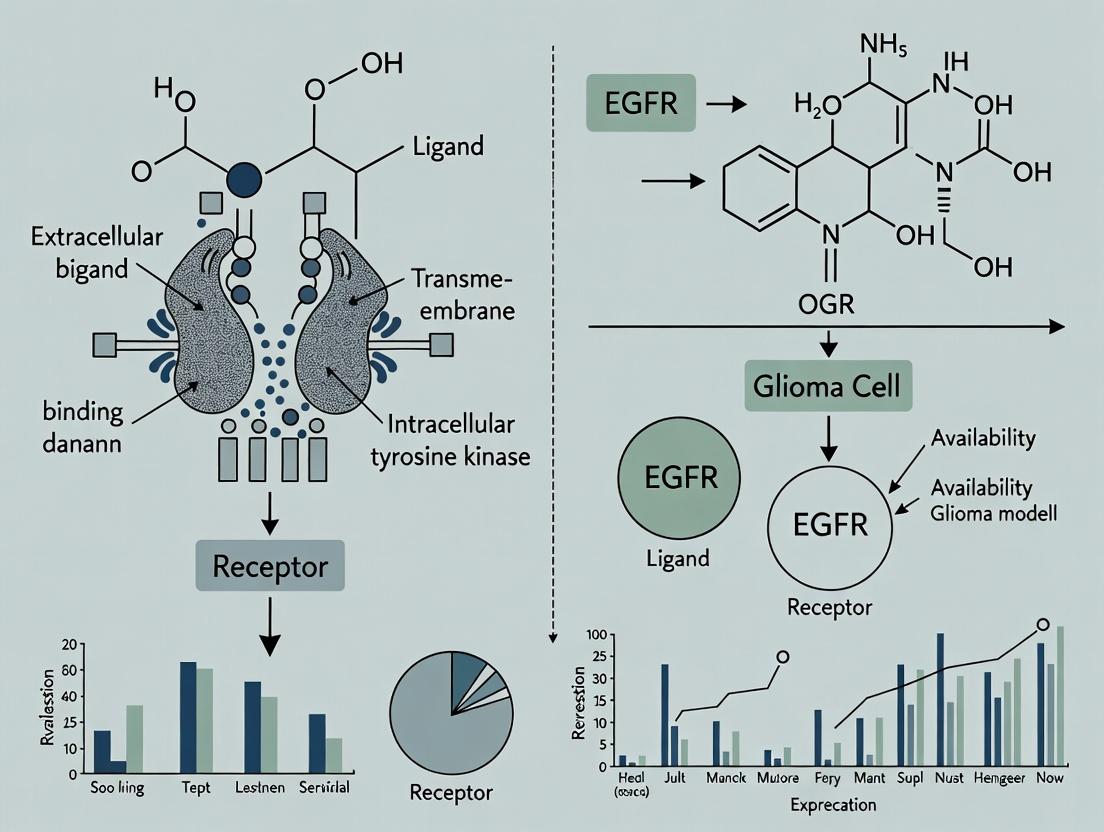
This comprehensive review examines the critical role of Epidermal Growth Factor Receptor (EGFR) availability in preclinical glioma models, addressing the needs of researchers and drug development professionals.
EGFR Receptor Availability in Glioma Models: From Basic Biology to Therapeutic Targeting
Abstract
This comprehensive review examines the critical role of Epidermal Growth Factor Receptor (EGFR) availability in preclinical glioma models, addressing the needs of researchers and drug development professionals. It explores the foundational biology of EGFR aberrations in glioma, details state-of-the-art methodologies for quantifying receptor expression and activation, provides troubleshooting guidance for common experimental pitfalls, and validates findings through comparative analysis across different model systems. The article synthesizes how understanding EGFR dynamics informs therapeutic resistance mechanisms and guides the development of next-generation targeted therapies, including antibody-drug conjugates and bispecific engagers.
Understanding EGFR Biology in Glioma: Key Mutations, Amplifications, and Signaling Pathways
This primer explores the central role of the Epidermal Growth Factor Receptor (EGFR) in the initiation and progression of gliomas, particularly glioblastoma (GBM). Framed within a broader research thesis on EGFR receptor availability in glioma models, it examines how genomic alterations, signaling amplification, and therapeutic targeting converge on this critical receptor tyrosine kinase (RTK). EGFR gene amplification and mutation are hallmark events in primary GBM, driving tumorigenesis through constitutive activation of downstream oncogenic pathways. Understanding the mechanisms governing EGFR availability—including expression, trafficking, recycling, and degradation—is paramount for developing effective therapeutic strategies against this currently incurable malignancy.
EGFR Genomic Landscape in Glioma
The most common genetic alteration in GBM involves chromosome 7, leading to EGFR amplification observed in approximately 40-60% of cases. A significant subset of these amplifications co-occurs with oncogenic mutations, the most notable being EGFRvIII (deletion of exons 2-7), which is ligand-independent and constitutively active.
Table 1: Key EGFR Alterations in Glioblastoma
| Alteration Type | Frequency in Primary GBM | Key Functional Consequence | Impact on Receptor Availability |
|---|---|---|---|
| Gene Amplification | ~40-60% | Protein overexpression | Increased membrane receptor density |
| EGFRvIII Mutation | ~20-30% of amplified cases | Constitutive activation, no ligand binding | Altered trafficking & degradation |
| Extracellular Domain Mutations | ~10-15% | Altered ligand affinity | Modulates ligand-dependent activation |
| Kinase Domain Mutations | Rare | Potential altered signaling | Can affect internalization kinetics |
Signaling Pathways Driven by EGFR
Amplified and/or mutated EGFR hyperactivates several key downstream pathways that promote gliomagenesis. The primary axes are the PI3K/AKT/mTOR pathway (driving cell survival and growth) and the RAS/RAF/MEK/ERK pathway (driving proliferation). EGFR signaling also intersects with other critical networks, such as JAK/STAT and PLCγ/PKC.
Title: Core EGFR-Driven Signaling Pathways in Glioma
Experimental Protocols for Studying EGFR in Models
Research on EGFR availability relies on specific in vitro and in vivo models.
Protocol 1: Quantifying EGFR Membrane Availability via Surface Biotinylation
This protocol isolates and quantifies cell surface EGFR protein to assess receptor density, a key component of availability.
- Cell Culture: Grow glioma cells (e.g., U87MG, U87MG-EGFRvIII, patient-derived GSCs) to 80% confluence.
- Cold Wash: Wash cells 3x with ice-cold PBS (pH 8.0) to halt trafficking.
- Biotinylation: Incubate with membrane-impermeable, cleavable Sulfo-NHS-SS-Biotin (1.0 mg/mL in PBS) for 30 min at 4°C with gentle agitation.
- Quenching: Remove biotin solution and quench with 100 mM glycine in PBS for 10 min at 4°C. Wash 3x with cold PBS.
- Lysis: Lyse cells in RIPA buffer with protease/phosphatase inhibitors.
- Streptavidin Pull-Down: Incubate clarified lysate with pre-washed streptavidin-agarose beads for 2h at 4°C.
- Wash & Elution: Wash beads thoroughly. Elute biotinylated proteins with Laemmli buffer containing 50 mM DTT (cleaves the SS-bond).
- Analysis: Analyze eluate (surface fraction) and total lysate by SDS-PAGE/Western blot for EGFR and control proteins (e.g., Na+/K+ ATPase for surface, GAPDH for total).
Protocol 2: Assessing EGFR Trafficking via Internalization Assay
This assay measures ligand-induced receptor endocytosis.
- Starve Cells: Serum-starve cells for 4-6 hours.
- Label Surface EGFR: Incubate with anti-EGFR antibody (extracellular epitope) conjugated to a pH-sensitive fluorophore (e.g., pHrodo) for 30 min at 4°C.
- Ligand Stimulation: Add EGF (100 ng/mL) and transfer cells to 37°C to initiate internalization. Use a no-EGF control.
- Time-Course Fixation: Fix cells at time points (0, 5, 15, 30, 60 min) with 4% PFA.
- Acid Wash: Perform a mild acid wash (pH 4.0) to remove remaining surface-bound antibody.
- Image Acquisition: Image using confocal microscopy. pHrodo fluorescence increases in acidic endosomes.
- Quantification: Quantify internalized fluorescence per cell using image analysis software (e.g., ImageJ). Calculate internalization rate.
The Scientist's Toolkit: Research Reagent Solutions
Table 2: Essential Reagents for EGFR Glioma Research
| Reagent / Material | Function / Application | Example & Key Feature |
|---|---|---|
| Isogenic Glioma Cell Lines | Compare EGFR WT vs. mutant (e.g., EGFRvIII) effects in same genetic background. | U87MG vs. U87MG-EGFRvIII. Controls for clonal variation. |
| Patient-Derived Glioma Stem Cells (GSCs) | Model intratumoral heterogeneity and therapeutic resistance. | GSCs with endogenous EGFR amplification (e.g., GBM39). Maintains tumor genome. |
| EGFR Tyrosine Kinase Inhibitors (TKIs) | Probe EGFR kinase dependency and therapeutic targeting. | Erlotinib (reversible), Afatinib (irreversible). Distinguish binding kinetics. |
| Ligand Mimetics & Analogs | Activate or compete with endogenous ligand binding. | Biotin-EGF (for pull-down/pull-down), Alexa Fluor-conjugated EGF (for imaging). |
| Phospho-Specific Antibodies | Detect activation state of EGFR and downstream effectors. | Anti-pY1068-EGFR (activation loop), Anti-pS473-AKT, Anti-pT202/Y204-ERK. |
| Recombinant Mutant EGFR Proteins | Study biochemistry of mutant receptors in vitro. | Purified EGFRvIII intracellular domain for kinase activity assays. |
| Orthotopic Xenograft Mouse Models | In vivo study of EGFR-driven tumor growth and invasion. | Immunocompromised mice (NSG) injected intracranially with GSCs. |
| CETSA Kits | Assess EGFR target engagement by drugs in cells. | Cellular Thermal Shift Assay to confirm TBI binding to EGFR in lysates or live cells. |
Therapeutic Implications and Resistance
Targeting EGFR in glioma has been largely unsuccessful clinically, despite its clear oncogenic role. This failure is attributed to factors directly related to receptor availability and signaling plasticity:
- Blood-Brain Barrier (BBB) Penetration: Many TKIs have poor CNS bioavailability.
- Tumor Heterogeneity: Not all cells harbor EGFR amplification; clonal evolution reduces dependency.
- Redundant RTK Signaling: Co-activation of other RTKs (MET, PDGFR) bypasses EGFR inhibition.
- Altered Receptor Trafficking: Mutant EGFR may exhibit impaired endocytosis and degradation, sustaining signaling.
Title: Mechanisms of Resistance to EGFR-Targeted Therapy
EGFR sits at the nexus of gliomagenesis, with its genomic alteration and subsequent signaling defining a major subset of GBM. The concept of "receptor availability"—encompassing genomic copy number, transcriptional regulation, membrane localization, endocytic trafficking, and degradation—provides a critical framework for understanding EGFR's oncogenic activity and the limitations of current therapies. Future research must integrate precise measurements of EGFR availability in physiologically relevant models to design strategies that effectively disrupt its function, such as combination therapies, degraders (PROTACs), or novel biologics capable of penetrating the BBB. This primer underscores that moving beyond mere inhibition to controlling receptor fate is essential for translating the centrality of EGFR into clinical success.
Within the broader thesis on EGFR receptor availability in glioma models research, cataloging the spectrum of oncogenic EGFR mutations is fundamental. While EGFR amplification is a hallmark of glioblastoma (GBM), it is the specific variant mutations, most notably EGFRvIII, that drive tumorigenesis through ligand-independent signaling and alter receptor trafficking and availability. This whitepaper serves as a technical guide to the key EGFR mutations in glioma, their functional and clinical implications, and the experimental frameworks used to study them.
Catalog of Clinically Relevant EGFR Mutations in Glioma
The following table summarizes the major EGFR mutations identified in glioma, their molecular characteristics, and clinical associations.
Table 1: Clinically Relevant EGFR Mutations in Glioma
| Mutation/Variant | Prevalence in GBM | Molecular Alteration | Key Functional Consequence | Clinical/Therapeutic Association |
|---|---|---|---|---|
| EGFRvIII | ~20-30% | Deletion of exons 2-7 (Δ241-273) | Ligand-independent, constitutive tyrosine kinase activation; Enhanced receptor dimerization; Altered endocytic trafficking. | Correlated with poor prognosis; Target for vaccines (rindopepimut) and CAR-T; Resistance to EGFR TKIs. |
| EGFR Extracellular Domain Missense Mutations | ~5-15% (e.g., A289V/D, R108K, etc.) | Point mutations in extracellular domains I-IV. | Often ligand-independent; May promote dimerization or alter glycosylation. | Co-occur with amplification; Some confer sensitivity to specific TKIs (e.g., afatinib). |
| EGFR Kinase Domain Duplication (EGFR-KDD) | ~1-3% | Tandem intragenic duplication of exons 18-25. | Constitutive kinase activation via asymmetric dimerization. | Responds to 2nd-generation EGFR TKIs (e.g., afatinib, neratinib) in some reports. |
| EGFRvII | ~5-10% | Deletion of exon 14 (Δ521-603). | Ligand-independent signaling; Distinct from EGFRvIII. | Less studied; potential resistance mechanism. |
| EGFR C-terminal Truncations | <5% | Frameshift/nonsense mutations leading to premature stop codons. | Loss of regulatory C-terminal sequences; altered degradation. | May affect response to therapy; role in receptor availability. |
| EGFR Amplification (Wild-type) | ~40-50% | Genomic amplification of full-length EGFR. | Overexpression; Ligand-dependent hyperactivation. | Poor response to EGFR TKIs as monotherapy; basis for variant evolution. |
Experimental Protocols for Studying EGFR Mutations in Glioma Models
Protocol 1: Genomic DNA Extraction and Mutation Detection via Droplet Digital PCR (ddPCR)
Purpose: To quantitatively detect and validate EGFR mutations (e.g., EGFRvIII) in patient-derived xenografts (PDXs) or glioma cell lines.
- DNA Extraction: Use a silica-membrane based kit (e.g., DNeasy Blood & Tissue Kit) to extract high-quality genomic DNA from snap-frozen tissue or cultured cells. Elute in 10 mM Tris-Cl, pH 8.5.
- ddPCR Reaction Setup: Prepare a 20 μL reaction mix containing: 10 μL ddPCR Supermix for Probes (no dUTP), 1 μL of both EGFRvIII-specific and reference (e.g., EIF2C1) FAM/HEX probes, 50-100 ng of genomic DNA, and nuclease-free water.
- Droplet Generation: Transfer the reaction mix to a DG8 cartridge with 70 μL of Droplet Generation Oil. Generate droplets using the QX200 Droplet Generator.
- PCR Amplification: Transfer emulsified samples to a 96-well plate. Seal and run thermal cycling: 95°C for 10 min (enzyme activation), then 40 cycles of 94°C for 30 sec and 58°C for 1 min, followed by 98°C for 10 min (enzyme deactivation). Ramp rate: 2°C/sec.
- Droplet Reading & Analysis: Read plate on a QX200 Droplet Reader. Analyze using QuantaSoft software. Calculate mutant copies/μL and fractional abundance.
Protocol 2: Immunoblot Analysis of EGFR Phosphorylation and Downstream Pathways
Purpose: To assess constitutive activation and downstream signaling of EGFR variants.
- Cell Lysis: Wash cells with ice-cold PBS. Lyse in RIPA buffer (50 mM Tris pH 8.0, 150 mM NaCl, 1% NP-40, 0.5% sodium deoxycholate, 0.1% SDS) supplemented with PhosSTOP phosphatase and cOmplete protease inhibitors. Incubate 20 min on ice, then centrifuge at 16,000 x g for 15 min at 4°C.
- Protein Quantification: Use the BCA assay. Prepare standards (0-2000 μg/mL BSA) and samples in a 96-well plate. Add working reagent, incubate at 37°C for 30 min, measure absorbance at 562 nm.
- Electrophoresis & Transfer: Load 20-40 μg protein per lane on a 4-12% Bis-Tris gel. Run at 120-150V in MOPS buffer. Transfer to PVDF membrane using a semi-dry system at 25V for 45 min.
- Immunoblotting: Block membrane in 5% BSA/TBST for 1 hr. Incubate with primary antibodies (e.g., anti-EGFR, p-EGFR Y1068, p-AKT S473, p-ERK1/2 T202/Y204, β-actin) diluted in blocking buffer overnight at 4°C. Wash, incubate with HRP-conjugated secondary antibody (1:5000) for 1 hr. Develop with ECL substrate and image.
Protocol 3: Proximity Ligation Assay (PLA) for EGFR Dimerization
Purpose: To visualize and quantify ligand-independent dimerization of EGFRvIII in situ.
- Cell Preparation: Seed glioma cells on chambered coverslips. Fix with 4% PFA for 15 min, permeabilize with 0.1% Triton X-100 for 10 min, and block with Duolink Blocking Solution for 1 hr at 37°C.
- Primary Antibody Incubation: Incubate with two primary antibodies raised in different species (e.g., mouse anti-EGFR and rabbit anti-EGFR) targeting distinct epitopes, diluted in Duolink Antibody Diluent, overnight at 4°C.
- PLA Probe Incubation: Wash and add Duolink PLUS and MINUS PLA probes (anti-mouse and anti-rabbit) for 1 hr at 37°C.
- Ligation & Amplification: Wash, add Ligation-Ligase solution for 30 min at 37°C. Wash again, add Amplification-Polymerase solution with fluorescently labeled oligonucleotides for 100 min at 37°C in the dark.
- Imaging: Wash, mount with Duolink In Situ Mounting Medium with DAPI. Image using a confocal microscope. Each red fluorescent spot represents a single dimerization event.
Visualizations
Diagram 1: EGFRvIII Signaling & Therapeutic Targeting
Diagram 2: Experimental Workflow for EGFR Mutation Analysis
The Scientist's Toolkit: Key Research Reagent Solutions
Table 2: Essential Reagents for Studying EGFR Mutations in Glioma
| Reagent/Material | Supplier Examples | Function in Research |
|---|---|---|
| EGFRvIII-specific Antibodies (mAbs) | Cell Signaling Tech (D3H8R), MilliporeSigma (L8A4) | Detects EGFRvIII specifically in IHC, flow cytometry, and immunoblotting; critical for validating models. |
| Phospho-EGFR (Y1068) Antibody | Cell Signaling Tech (D7A5) | Measures activation status of EGFR and its variants via immunoblot or ICC. Key downstream readout. |
| Patient-Derived Glioma Stem Cell (GSC) Lines | ATCC, CLS, academic repositories (e.g., Mayo Brain Tumor PDX Lab). | Preclinical models that retain tumor heterogeneity, stemness, and EGFR mutation status for functional studies. |
| EGFR Tyrosine Kinase Inhibitors (TKIs) Library | Selleck Chemicals, MedChemExpress | Small molecule inhibitors (e.g., Erlotinib, Gefitinib, Afatinib, Osimertinib) for profiling mutation-specific drug sensitivity. |
| Droplet Digital PCR (ddPCR) EGFR Mutation Assays | Bio-Rad (dHsaCP2000039 for EGFRvIII) | Absolute quantification of mutant allele frequency in tissue, plasma, or cell models with high sensitivity. |
| Proximity Ligation Assay (PLA) Kits | Sigma-Aldrich Duolink | Detects protein-protein interactions (e.g., EGFR dimerization) in situ with single-molecule resolution in fixed cells/tissues. |
| Lentiviral CRISPR/Cas9 EGFR Editing Systems | Addgene (plasmids), VectorBuilder (custom) | For knockout, knock-in, or base editing of EGFR mutations in glioma models to study causality. |
| Recombinant EGFR Ligands (EGF, TGF-α) | PeproTech, R&D Systems | Stimulate wild-type EGFR pathways; used as controls to demonstrate ligand-independence of variants like EGFRvIII. |
1. Introduction and Thesis Context The Epidermal Growth Factor Receptor (EGFR) is a critical regulator of cellular proliferation and survival. In glioblastoma (GBM), the most common and aggressive primary brain tumor, EGFR is frequently amplified, mutated, and/or overexpressed, driving tumor progression and therapeutic resistance. A comprehensive understanding of the mechanisms controlling EGFR availability at the cell surface is therefore paramount. This whitepaper provides an in-depth technical guide on these regulatory mechanisms, specifically framed within the context of research using in vitro and in vivo glioma models. The thesis central to this discussion posits that the oncogenic signaling output of EGFR in glioma is not merely a function of its genetic amplification but is dynamically and precisely modulated by post-translational mechanisms governing its expression, membrane trafficking, internalization, recycling, and degradation. Targeting these regulatory pathways offers promising therapeutic avenues beyond direct kinase inhibition.
2. Mechanisms of EGFR Expression Regulation EGFR availability is first controlled at the levels of gene expression and protein synthesis.
- Transcriptional Control: The EGFR gene promoter is regulated by various transcription factors (e.g., SP1, AP-1, STATs). In glioma models with EGFR amplification, the gene is often co-amplified with adjacent regulatory sequences, leading to constitutive overexpression.
- Post-Transcriptional Control: MicroRNAs (e.g., miR-7, miR-34a) bind to the 3' UTR of EGFR mRNA, leading to its degradation or translational repression. These miRNAs are often downregulated in GBM.
- Translational Control: The mTORC1 pathway, frequently hyperactive in glioma, enhances the translation of EGFR mRNA into protein.
Table 1: Key Regulators of EGFR Expression in Glioma Models
| Regulatory Level | Regulator | Effect on EGFR | Experimental Evidence in Glioma Models |
|---|---|---|---|
| Transcriptional | STAT3 | Activation increases transcription | ChIP-seq shows STAT3 binding to EGFR promoter in U87MG cells. |
| Post-Transcriptional | miR-7 | Repression decreases mRNA stability | Lentiviral miR-7 overexpression reduces EGFR protein in patient-derived xenografts (PDXs). |
| Translational | mTORC1 (via 4E-BP1) | Activation increases translation | mTOR inhibitor treatment reduces nascent EGFR synthesis in GBM neurospheres. |
3. EGFR Trafficking and Endocytic Pathways The journey of EGFR from synthesis to the plasma membrane (PM) and its subsequent fate is a tightly orchestrated process.
- Biosynthetic Trafficking: Newly synthesized EGFR in the ER is folded, glycosylated, and transported via the Golgi apparatus to the PM. Chaperones (e.g., GRP78) and specific vesicular carriers mediate this process.
- Ligand-Induced Endocytosis: EGF binding induces dimerization, kinase activation, and autophosphorylation, creating docking sites for adaptors like GRB2 and E3 ubiquitin ligases (e.g., Cbl). Ubiquitination is a key signal for clathrin-mediated endocytosis (CME), the primary route for EGFR internalization.
- Alternative Endocytic Routes: In contexts of overexpression or specific mutations (e.g., EGFRvIII), EGFR may enter cells via clathrin-independent pathways (e.g., macropinocytosis).
Experimental Protocol: Assessing EGFR Internalization Rate via Flow Cytometry
- Cell Preparation: Seed glioma cells (e.g., U251) in 6-well plates. Serum-starve for 24 hours.
- Surface Labeling: Chill cells on ice. Incubate with anti-EGFR antibody (extracellular domain) conjugated to a pH-insensitive fluorophore (e.g., Alexa Fluor 647) in cold PBS/1% BSA for 1 hour.
- Internalization Trigger: Wash cells with cold PBS. Add pre-warmed medium containing 100 ng/mL EGF (or vehicle control) to initiate internalization. Place plates at 37°C for various timepoints (0, 5, 15, 30, 60 min).
- Surface Stripping: At each timepoint, immediately place plates on ice. Remove medium and treat cells with an acidic stripping buffer (0.2M acetic acid, 0.5M NaCl, pH 2.5) for 2 minutes to remove remaining surface-bound antibody.
- Analysis: Wash, harvest, and fix cells. Analyze by flow cytometry. The remaining intracellular fluorescence is proportional to internalized EGFR. Calculate the percentage of internalized receptor relative to time 0 (total surface EGFR).
4. Degradation vs. Recycling Decision The endosomal sorting complex required for transport (ESCRT) machinery recognizes ubiquitinated EGFR in early endosomes, directing it to intraluminal vesicles of multivesicular bodies (MVBs) that fuse with lysosomes for degradation. Deubiquitinating enzymes (DUBs) like USP8 can remove ubiquitin tags, promoting EGFR sorting into recycling tubules that return it to the PM. The balance between degradation and recycling is crucial for signal attenuation or persistence.
Experimental Protocol: Co-immunoprecipitation to Analyze EGFR Ubiquitination
- Cell Treatment & Lysis: Serum-starve glioma cells, then stimulate with EGF (100 ng/mL, 10-30 min). Lyse cells in RIPA buffer supplemented with protease inhibitors, N-ethylmaleimide (to inhibit DUBs), and 10mM iodoacetamide.
- Immunoprecipitation: Pre-clear lysate with Protein A/G beads. Incubate with anti-EGFR antibody (2-4 µg) overnight at 4°C. Add beads for 2 hours.
- Washing & Elution: Wash beads stringently 3-4 times with lysis buffer. Elute proteins in 2X Laemmli sample buffer with 5% β-mercaptoethanol at 95°C for 5 min.
- Detection: Resolve by SDS-PAGE. Perform Western blotting using anti-Ubiquitin (e.g., FK2 antibody) and anti-EGFR to confirm pulldown.
Diagram 1: The EGFR Lifecycle: Trafficking and Fate
5. Research Toolkit: Key Reagent Solutions
Table 2: Essential Research Reagents for Studying EGFR Availability
| Reagent / Material | Function & Application |
|---|---|
| Recombinant Human EGF | The canonical ligand to stimulate EGFR activation, internalization, and downstream signaling. Used in pulse-chase experiments. |
| Cycloheximide | Protein synthesis inhibitor. Used to block new EGFR synthesis, allowing study of existing protein turnover/degradation. |
| Chloroquine / Bafilomycin A1 | Lysosomotropic agents that inhibit lysosomal acidification and degradation. Used to distinguish lysosomal vs. proteasomal degradation. |
| Dynasore | Cell-permeable inhibitor of dynamin GTPase activity. Blocks clathrin-mediated endocytosis to assess its role in EGFR internalization. |
| EGFR Antibodies (Extracellular) | For surface labeling, immunoprecipitation, and flow cytometry (e.g., clones 528, AY13). Must be specific to the extracellular domain. |
| Ubiquitin-Specific Antibodies | To detect EGFR ubiquitination status via Western blot or IP (e.g., P4D1, FK2 clones). |
| pH-Sensitive Fluorescent Dyes (e.g., pHrodo-EGF) | Conjugated to EGF; fluorescence increases in acidic endosomes/lysosomes, allowing real-time visualization of internalization and trafficking. |
| Lentiviral shRNA/miRNA Libraries | For targeted knockdown of regulators (e.g., Cbl, USP8, Rab GTPases) in glioma cell lines or stem-like models to study functional consequences. |
Diagram 2: Key Steps in EGFR Internalization Signaling
6. Therapeutic Implications in Glioma Targeting EGFR availability mechanisms is a viable strategy in GBM:
- Antibody-Drug Conjugates (ADCs): e.g., Depatuxizumab Mafodotin, targeting overexpressed EGFR.
- Degradation Inducers: PROTACs or molecular glues that force EGFR degradation via the ubiquitin-proteasome system.
- Trafficking Disruptors: Agents that misroute oncogenic EGFRvIII to degradative compartments.
- Lysosomal Inhibitors: In combination with therapies that increase EGFR internalization, to induce toxic accumulation.
Understanding the precise interplay of expression, trafficking, and degradation in specific glioma subtypes and models is essential for developing these next-generation therapies and overcoming resistance to current EGFR-targeted regimens.
Ligand-Dependent vs. Ligand-Independent EGFR Activation in Tumor Models
Within the broader thesis investigating EGFR receptor availability and trafficking in glioma models, understanding the distinct mechanisms of receptor activation is paramount. The epidermal growth factor receptor (EGFR) is a central oncogenic driver in numerous cancers, including glioblastoma (GBM). Its activation occurs via two primary paradigms: ligand-dependent (canonical) and ligand-independent (non-canonical) pathways. This whitepaper provides a technical guide contrasting these mechanisms, with a focus on experimental approaches relevant to glioma research.
Mechanisms of Activation
Ligand-Dependent Activation
This canonical pathway requires binding of a growth factor ligand (e.g., EGF, TGF-α) to the extracellular domain of EGFR. This induces receptor dimerization (primarily homodimerization or heterodimerization with ERBB2/3), leading to conformational changes that activate intrinsic tyrosine kinase activity. Subsequent autophosphorylation of specific cytoplasmic tyrosine residues creates docking sites for downstream adaptor proteins, initiating signal transduction cascades including RAS/MAPK, PI3K/AKT, and JAK/STAT.
Ligand-Independent Activation
In tumor models, particularly glioma, EGFR can be activated through alternative mechanisms without ligand binding. These include:
- Gene Amplification and Overexpression: EGFR gene amplification leads to massive receptor overexpression on the cell surface, facilitating spontaneous, concentration-driven dimerization and activation.
- Somatic Mutations: The most prominent is EGFRvIII, an in-frame deletion of exons 2-7, which results in a constitutively active, ligand-independent receptor that is often detected in GBM.
- Receptor Cross-Talk: Activation by other signaling pathways (e.g., GPCRs, integrins) via intracellular kinases (Src, PKC) that phosphorylate EGFR.
- Transactivation: Through extracellular stimuli like oxidative stress or mechanical stress.
- Impaired Endocytic Downregulation: Mutations or loss of negative regulators (e.g., CBL) lead to sustained receptor signaling at the membrane.
Table 1: Comparative Features of EGFR Activation Paradigms in Glioma Models
| Feature | Ligand-Dependent Activation | Ligand-Independent Activation (e.g., EGFRvIII) |
|---|---|---|
| Primary Trigger | Soluble ligand binding (EGF, TGF-α) | Structural alteration (mutation/overexpression) |
| Dimerization Driver | Ligand-induced conformational change | Concentration-driven or constitutive |
| Signaling Dynamics | Transient, pulsatile | Chronic, sustained |
| Receptor Downregulation | Efficient endocytosis & degradation | Often impaired, leading to recycling |
| Prevalence in GBM | Common in many subtypes | EGFRvIII in ~20-30% of GBMs |
| Associated Pathway Bias | Balanced MAPK/PI3K activation | Strong PI3K/AKT pathway bias |
| Therapeutic Sensitivity | Sensitive to mAbs (cetuximab) & TKIs | Often TKI-resistant; targeted by specific vaccines/mAbs |
Table 2: Key Experimental Readouts for Distinguishing Activation Mechanisms
| Readout | Ligand-Dependent Expectation | Ligand-Independent Expectation |
|---|---|---|
| Basal pEGFR (Y1068) | Low | High |
| Ligand Stimulation Response | Strong increase in p-EGFR & p-ERK | Minimal to no increase |
| Receptor Internalization | Rapid upon EGF addition | Slow/Constitutively Internalized |
| Gene Expression Signature | Inducible, proliferative genes | Constitutive, pro-survival/ invasive genes |
| Dependency in Co-culture | Requires paracrine ligand secretion | Cell-autonomous signaling |
Experimental Protocols
Protocol 1: Assessing Ligand-Dependent vs. Independent Phosphorylation
Objective: To quantify basal and ligand-induced EGFR and downstream pathway activation.
- Cell Culture: Seed isogenic glioma cells (e.g., U87MG vs. U87MG-EGFRvIII) in 6-well plates.
- Starvation: Serum-starve cells for 12-16 hours to minimize background signaling.
- Ligand Stimulation: Treat with 100 ng/ml recombinant human EGF for 0, 2, 5, 15, 30, and 60 minutes.
- Lysis: Immediately lyse cells in RIPA buffer containing protease/phosphatase inhibitors.
- Immunoblotting: Perform SDS-PAGE and Western blotting for:
- Total EGFR: To confirm equal loading.
- p-EGFR (Y1068): Indicator of kinase activation.
- p-ERK1/2 (T202/Y204): Key downstream effector.
- p-AKT (S473): Key downstream effector.
- Analysis: Densitometry to compare basal phosphorylation levels and kinetic responses.
Protocol 2: Proximity Ligation Assay (PLA) for Receptor Dimerization
Objective: Visualize and quantify EGFR dimerization in situ without ligand stimulation.
- Cell Preparation: Culture cells on chamber slides. Fix with 4% PFA, permeabilize with 0.1% Triton X-100.
- Primary Antibodies: Incubate with two primary antibodies raised in different species (e.g., mouse anti-EGFR, rabbit anti-EGFR) targeting distinct extracellular epitopes.
- PLA Probe Incubation: Add species-specific PLA probes (MINUS and PLUS).
- Ligation & Amplification: Perform ligation and rolling-circle amplification per manufacturer's instructions (e.g., Duolink kit).
- Detection: Detect amplification products with fluorescently labeled oligonucleotides.
- Imaging: Use fluorescence microscopy. Dots represent dimerization events. Quantify dots/cell in mutant vs. wild-type glioma lines under starvation conditions.
Signaling Pathway Diagrams
Title: Core Ligand-Dependent vs. Independent EGFR Signaling
Title: Experimental Workflow to Distinguish EGFR Activation Type
The Scientist's Toolkit: Research Reagent Solutions
Table 3: Essential Reagents for Studying EGFR Activation in Glioma Models
| Reagent / Material | Function & Application | Example (for informational purposes) |
|---|---|---|
| Isogenic Glioma Cell Pairs | Compare WT EGFR vs. mutant (e.g., EGFRvIII) in identical genetic background. | U87MG EGFR WT vs. U87MG-EGFRvIII. |
| Recombinant Human EGF | High-purity ligand for stimulating canonical EGFR pathway in time-course experiments. | Carrier-free, lyophilized EGF. |
| Phospho-Specific EGFR Antibodies | Detect activated EGFR (e.g., Y1068, Y1173) via WB, IF, or flow cytometry. | Anti-EGFR (phospho Y1068) [mAb]. |
| Total EGFR Antibodies | Normalization and expression level assessment. Distinguish WT vs. variant. | Anti-EGFR [mAb] for WB/IHC. |
| Proximity Ligation Assay (PLA) Kit | Visualize and quantify receptor dimerization/ oligomerization in situ. | Duolink PLA Technology. |
| Selective EGFR Tyrosine Kinase Inhibitors (TKIs) | Pharmacologically inhibit kinase activity to confirm signaling dependency. | Erlotinib, Gefitinib, Osimertinib. |
| Ligand-Blocking Monoclonal Antibodies | Inhibit ligand-dependent activation by binding extracellular domain. | Cetuximab, Panitumumab. |
| EGFRvIII-Specific Antibodies | Specifically detect the mutant variant for expression analysis and targeting. | Anti-EGFRvIII [mAb] L8A4. |
| Activation-State PLA Kits | Detect post-translational modifications (e.g., phosphorylation) in situ. | Duolink Phospho-specific PLA. |
| Inhibitor Cocktails | Preserve phosphorylation state during cell lysis for signaling analysis. | Halt Protease & Phosphatase Inhibitor Cocktail. |
Cross-talk with Other RTKs and Intracellular Signaling Hubs
In glioma, particularly glioblastoma (GBM), epidermal growth factor receptor (EGFR) gene amplification and mutation (e.g., EGFRvIII) are hallmark oncogenic drivers. However, therapeutic targeting of EGFR has yielded limited clinical success. A key resistance mechanism lies in the profound cross-talk between EGFR and other receptor tyrosine kinases (RTKs), as well as intracellular signaling hubs, which creates robust, adaptive signaling networks. This redundancy and plasticity maintain downstream oncogenic signaling even when EGFR is inhibited or its surface availability is modulated. This whitepaper delves into the mechanisms of this cross-talk, presents current experimental data, and provides methodological guidance for investigating these networks within glioma models, directly linking to research on modulating EGFR receptor trafficking, degradation, and membrane availability.
Mechanisms of RTK and Signaling Hub Cross-talk
RTK Heterodimerization and Transactivation
EGFR forms heterodimers with other RTKs, such as MET, PDGFR, and HER2, leading to transactivation and shared downstream signaling.
Intracellular Hub Integration
Key nodes like Src Family Kinases (SFK), mTOR complex 2 (mTORC2), and the adaptor proteins GRB2/SHC serve as integrators, receiving inputs from multiple RTKs and channeling them into core pathways (PI3K-AKT, RAS-MAPK).
Feedback Loops and Adaptive Resistance
Negative feedback loops (e.g., ERK-dependent phosphorylation of SOS) are disrupted upon pathway inhibition, while RTK "switch" mechanisms (upregulation of alternative RTKs) commonly occur in response to EGFR-targeted therapy.
Quantitative Data on RTK Cross-talk in Glioma Models
Table 1: Co-amplification and Co-expression of RTKs in Glioblastoma Patient Samples and Models
| RTK Pair | Frequency of Co-amplification (TCGA Data) | Common Cell Line Model (Co-expression) | Notes on Functional Interaction |
|---|---|---|---|
| EGFR & MET | ~20% of EGFR-amplified GBM | U87MG EGFRvIII, LN229 EGFRwt | MET activation bypasses EGFR inhibition via sustained PI3K/AKT. |
| EGFR & PDGFRα | ~15% of EGFR-amplified GBM | GSC lines (e.g., GSC827) | PDGFRα signaling maintains RAS/MAPK activity upon EGFR blockade. |
| EGFR & HER2 | ~5-10% of EGFR-amplified GBM | U87MG EGFRvIII (engineered) | Heterodimerization potentiates EGFRvIII-driven tumorigenesis. |
| EGFR & AXL | Upregulated post-therapy | Recurrent GBM-derived lines | AXL upregulation is a key adaptive resistance mechanism to EGFR TKIs. |
Table 2: Downstream Pathway Activation States Upon EGFR Inhibition in Glioma Models
| Glioma Model | EGFR Inhibition Used | Resultant Change in Phosphorylation (p-) of Other RTKs/Signaling Hubs (Fold Change vs. Control) | Assay Method |
|---|---|---|---|
| U87MG EGFRvIII | Erlotinib (10µM, 6h) | p-MET: +3.5; p-AKT: -0.8 (initial) then +1.2 at 24h; p-ERK: -0.7 | Luminex/Phospho-RTK Array |
| Patient-Derived GSC23 | Gefitinib (5µM, 24h) | p-PDGFRβ: +2.8; p-SFK(Y416): +2.1; p-mTOR(S2481): +1.5 | Western Blot, Densitometry |
| LN229 EGFRwt | Cetuximab (20µg/mL, 48h) | p-HER3: +2.2; p-IGF1R: +1.8; p-STAT3(Y705): +1.9 | Flow Cytometry (Phospho-specific) |
Experimental Protocols for Investigating Cross-talk
Protocol: Phospho-RTK Array for Profiling Adaptive RTK Activation
Objective: To simultaneously assess the phosphorylation status of multiple RTKs in glioma lysates following EGFR perturbation. Reagents: Human Phospho-RTK Array Kit (e.g., R&D Systems, ARY001B), cell lysis buffer with phosphatase/protease inhibitors. Procedure:
- Treat glioma cells (e.g., U87MG EGFRvIII) with DMSO (control) or EGFR inhibitor (e.g., 10 µM Erlotinib) for a defined time course (2, 6, 24 hours).
- Lyse cells using the provided buffer. Quantify total protein via BCA assay.
- Dilute 300-500 µg of lysate per array membrane as per kit instructions.
- Incubate diluted lysate overnight at 4°C on the pre-blocked array membrane.
- Wash membranes, then incubate with anti-phospho-tyrosine-HRP detection antibody for 2 hours.
- Develop using chemiluminescent substrate and image. Spot density correlates with RTK phosphorylation level.
- Normalization & Analysis: Normalize spot intensities to internal positive controls on the membrane. Compare treated vs. control signals for each RTK.
Protocol: Co-immunoprecipitation (Co-IP) for Detecting EGFR Heterodimers
Objective: To validate physical interaction between EGFR and another RTK (e.g., MET) in glioma cells. Reagents: IP lysis buffer (e.g., RIPA), protein A/G magnetic beads, antibodies: anti-EGFR (capture), anti-MET (detection), species-matched control IgG. Procedure:
- Prepare lysates from treated/untreated glioma cells (~1-2 mg total protein per IP).
- Pre-clear lysate with 20 µL beads for 30 min at 4°C.
- Incubate pre-cleared lysate with 2-5 µg of anti-EGFR antibody or control IgG overnight at 4°C with rotation.
- Add 50 µL protein A/G beads and incubate for 2 hours.
- Wash beads 3-4 times with cold lysis buffer.
- Elute proteins by boiling in 2X Laemmli buffer for 5 min.
- Analyze eluates by Western blot, probing sequentially for MET (to detect co-precipitated protein) and then EGFR (to confirm successful IP).
Protocol: Proximity Ligation Assay (PLA) for Spatial Validation of RTK Interaction
Objective: To visualize and quantify EGFR-RTK heterodimerization in situ in fixed cells or tissue sections. Reagents: Duolink PLA kit (Sigma-Aldrich), primary antibodies from different species (e.g., mouse anti-EGFR, rabbit anti-MET), appropriate PLA probes (anti-mouse MINUS, anti-rabbit PLUS). Procedure:
- Culture cells on chamber slides, treat, then fix with 4% PFA and permeabilize.
- Block and incubate with primary antibody pair overnight at 4°C.
- Add species-specific PLA probes and incubate for 1h at 37°C.
- Perform ligation and amplification steps as per kit protocol.
- Mount slides with Duolink mounting medium containing DAPI.
- Image using a fluorescence microscope. Each red fluorescent spot represents a single EGFR-MET heterodimerization event.
- Quantify spots per cell using image analysis software (e.g., ImageJ).
Visualization of Signaling Pathways and Workflows
Title: RTK Cross-talk and Adaptive Signaling in Glioma
Title: Phospho-RTK Array Workflow for Adaptive RTK Screening
The Scientist's Toolkit: Research Reagent Solutions
Table 3: Essential Reagents for Investigating RTK Cross-talk in Glioma
| Item & Example Product | Function in Cross-talk Research | Key Application Note |
|---|---|---|
| Phospho-RTK Array (R&D Systems, ARY001B) | Multiplexed screening of phosphorylation status for 49+ human RTKs. | Critical for unbiased identification of "switch" RTKs post-EGFR inhibition. Use fresh lysates with phosphatase inhibitors. |
| Selective Kinase Inhibitors (e.g., Crizotinib for MET, GDC-0941 for PI3K) | Pharmacological validation of identified bypass nodes. | Use in combination with EGFRi to test for synthetic lethality or rescue. Titrate carefully to avoid off-target effects. |
| Duolink PLA Probes & Kits (Sigma-Aldrich) | In situ visualization and quantification of protein-protein proximity (<40nm). | Gold-standard for validating RTK heterodimerization in fixed cells or tumor sections. Requires high-quality primary antibodies from different species. |
| Lentiviral shRNA Libraries (e.g., MISSION TRC, Sigma) | Genetic knockdown of candidate RTKs or signaling hubs (SFK, mTOR). | Enables functional validation of cross-talk nodes in proliferation, survival, and invasion assays. Use with non-targeting shRNA controls. |
| Time-Resolved FRET (TR-FRET) Assays (Cisbio Phospho-Kinase kits) | Homogeneous, quantitative measurement of pathway phosphorylation (p-AKT, p-ERK). | Ideal for high-throughput, multi-well plate assessment of downstream signaling dynamics upon combinatorial inhibition. |
| Patient-Derived Glioma Stem Cell (GSC) Media (NeuroCult NS-A, STEMCELL Tech.) | Maintenance of clinically relevant, therapy-resistant glioma stem cell populations. | GSCs often exhibit enhanced RTK co-expression and cross-talk, making them vital models for these studies. |
Quantifying EGFR Availability: Advanced Techniques for Glioma Model Analysis
This technical guide details the application of three gold-standard assays—Western Blot (WB), Immunohistochemistry (IHC), and quantitative Reverse Transcription PCR (qRT-PCR)—for the detection and analysis of the Epidermal Growth Factor Receptor (EGFR) in the context of glioma models research. Understanding EGFR receptor availability, including expression levels, activation states (e.g., phosphorylated EGFR), and spatial distribution, is critical in studying gliomagenesis, tumor heterogeneity, and therapeutic resistance. Each method offers complementary insights, and their integrated use is fundamental to a robust thesis investigating EGFR dynamics.
Western Blot for EGFR Protein Analysis
Western Blot is used to separate and detect specific proteins from complex tissue or cell lysates based on molecular weight, providing semi-quantitative data on total EGFR and its phosphorylated forms.
Detailed Protocol for EGFR Western Blot from Glioma Tissue
- Tissue Lysis: Homogenize snap-frozen glioma tissue samples in RIPA buffer (150 mM NaCl, 1% NP-40, 0.5% sodium deoxycholate, 0.1% SDS, 50 mM Tris pH 8.0) supplemented with protease and phosphatase inhibitors. Centrifuge at 14,000 x g for 15 min at 4°C. Collect supernatant.
- Protein Quantification: Determine protein concentration using a BCA assay. Dilute samples in Laemmli buffer (containing β-mercaptoethanol) and denature at 95°C for 5 min.
- Gel Electrophoresis: Load 20-40 µg of protein per lane onto a 4-20% gradient SDS-PAGE gel. Run at constant voltage (120-150V) until the dye front reaches the bottom.
- Protein Transfer: Transfer proteins to a PVDF membrane using a wet or semi-dry transfer system (constant current, 300 mA, 90 min).
- Blocking and Antibody Incubation: Block membrane with 5% non-fat dry milk in TBST (Tris-buffered saline with 0.1% Tween-20) for 1 hour. Incubate with primary antibody overnight at 4°C (e.g., anti-EGFR, anti-p-EGFR Tyr1068, and anti-β-actin loading control). Wash and incubate with appropriate HRP-conjugated secondary antibody for 1 hour at RT.
- Detection: Develop using enhanced chemiluminescence (ECL) substrate and image with a chemiluminescence imager. Analyze band intensity using densitometry software.
Key Quantitative Data from Glioma Research
Table 1: Representative Western Blot Densitometry Data for EGFR in Glioma Models
| Glioma Model/Cell Line | Total EGFR (Relative to β-actin) | p-EGFR (Tyr1068) (Relative to Total EGFR) | Key Finding |
|---|---|---|---|
| U87MG (wild-type) | 1.00 ± 0.15 | 0.10 ± 0.02 | Baseline expression |
| U87MG-EGFRvIII | 5.32 ± 0.87 | 0.85 ± 0.12 | High constitutive activation |
| Patient-derived GSC Line A | 2.45 ± 0.41 | 0.55 ± 0.09 | Heterogeneous activation |
| Normal Astrocyte Control | 0.31 ± 0.05 | 0.05 ± 0.01 | Low baseline |
Immunohistochemistry for Spatial Localization of EGFR
IHC visualizes the distribution and cellular localization of EGFR within the complex architecture of glioma tumor sections, crucial for assessing heterogeneity.
Detailed Protocol for EGFR IHC on FFPE Glioma Sections
- Sectioning and Deparaffinization: Cut 4-5 µm sections from Formalin-Fixed Paraffin-Embedded (FFPE) glioma blocks. Bake slides at 60°C for 30 min, then deparaffinize in xylene and rehydrate through a graded ethanol series to water.
- Antigen Retrieval: Perform heat-induced epitope retrieval by incubating slides in citrate buffer (pH 6.0) or Tris-EDTA buffer (pH 9.0) in a pressure cooker or steamer for 20 min. Cool for 30 min.
- Endogenous Peroxidase Blocking: Incubate slides in 3% hydrogen peroxide in methanol for 10 min to quench endogenous peroxidase activity.
- Blocking and Primary Antibody: Block non-specific sites with 10% normal goat serum for 1 hour. Incubate with anti-EGFR primary antibody (validated for IHC) overnight at 4°C in a humidified chamber.
- Detection: Use a labeled polymer-HRP secondary antibody system (e.g., EnVision+) for 30 min at RT. Visualize with 3,3'-Diaminobenzidine (DAB) chromogen for 3-10 minutes, monitoring development under a microscope.
- Counterstaining and Mounting: Counterstain nuclei with hematoxylin, dehydrate, clear, and mount with a permanent mounting medium.
Scoring and Data Presentation
EGFR expression is typically scored semi-quantitatively by a pathologist using the H-score, which incorporates staining intensity (0-3+) and the percentage of positive tumor cells (0-100%). H-score = Σ (pi × i), where pi is the percentage of cells stained at intensity i.
Table 2: IHC H-Score Analysis of EGFR in Glioma Tissue Microarray
| Tumor Grade (WHO) | Sample Count (n) | Mean EGFR H-Score (±SD) | % with EGFR Amplification (FISH) |
|---|---|---|---|
| Normal Brain | 10 | 15 ± 8 | 0% |
| Astrocytoma (Grade II) | 20 | 85 ± 42 | 5% |
| Anaplastic Astrocytoma (Grade III) | 25 | 145 ± 67 | 20% |
| Glioblastoma (Grade IV) | 50 | 210 ± 89 | 40-50% |
qRT-PCR for EGFR mRNA Quantification
qRT-PCR provides a highly sensitive and quantitative measure of EGFR gene expression levels, useful for detecting overexpression and variant transcripts like EGFRvIII.
Detailed Protocol for EGFR qRT-PCR from Glioma Samples
- RNA Extraction: Extract total RNA from homogenized glioma tissue or cultured cells using TRIzol reagent or a silica-membrane column kit. Include a DNase I digestion step.
- RNA Quantification and Quality Control: Measure RNA concentration and purity (A260/A280 ~2.0). Assess integrity via agarose gel electrophoresis or Bioanalyzer (RIN >7).
- cDNA Synthesis: Reverse transcribe 500 ng - 1 µg of total RNA using a high-capacity cDNA reverse transcription kit with random hexamers or oligo(dT) primers.
- qPCR Reaction Setup: Prepare reactions in triplicate using SYBR Green or TaqMan chemistry. For EGFR, use primers spanning common exons (e.g., exons 18-19) and a probe specific for EGFRvIII (deletion of exons 2-7). Include reference genes (e.g., GAPDH, β-actin, HPRT1).
- SYBR Green Primer Example (human EGFR): Forward: 5'-CTGCCGTCGCTTTGC-3' Reverse: 5'-TGGCTCACCCTCCAGAAG-3'
- qPCR Cycling and Analysis: Run on a real-time PCR instrument. Use the comparative Ct (ΔΔCt) method to calculate relative gene expression normalized to reference genes and a calibrator sample (e.g., normal brain RNA).
Key Quantitative Data
Table 3: qRT-PCR Analysis of EGFR Expression in Glioma Cell Lines
| Cell Line / Model | ΔCt (EGFR vs. GAPDH) | Relative Quantity (2^-ΔΔCt) | EGFRvIII Detected (Y/N) |
|---|---|---|---|
| Normal Human Astrocyte (NHA) | 10.5 ± 0.3 | 1.0 ± 0.2 | N |
| U87MG | 7.2 ± 0.4 | 10.5 ± 1.5 | N |
| U87MG-EGFRvIII | 4.8 ± 0.5 | 45.2 ± 8.7 | Y |
| Patient-derived Glioma Sphere 1 | 6.1 ± 0.6 | 21.3 ± 4.1 | Y (low) |
| T98G | 8.9 ± 0.3 | 3.0 ± 0.4 | N |
Integrated Pathway and Workflow Visualization
Title: Integrated Workflow for EGFR Analysis in Glioma Models
Title: EGFR Signaling and Detection by Gold-Standard Assays
The Scientist's Toolkit: Key Research Reagent Solutions
Table 4: Essential Reagents and Kits for EGFR Detection Assays
| Reagent/Kits | Function & Specificity | Key Considerations for Glioma Research |
|---|---|---|
| Anti-EGFR Antibody (WB/IHC) | Binds to extracellular or intracellular domain of human EGFR for detection. | Validate for specific applications (WB vs. IHC). Clone D38B1 (CST) is common for WB. |
| Anti-Phospho-EGFR (Tyr1068) Antibody | Detects activated EGFR, a key downstream signaling node. | Critical for assessing pathway activity in response to therapies. |
| RIPA Lysis Buffer with Inhibitors | Extracts total protein while preserving phosphorylation states. | Must include both protease and phosphatase inhibitors for phospho-protein analysis. |
| BCA Protein Assay Kit | Colorimetric quantification of protein concentration in lysates. | Essential for equal loading in WB; compatible with RIPA buffer components. |
| SuperSignal West Pico/Femto ECL Substrate | Chemiluminescent substrate for HRP-based WB detection. | Femto offers higher sensitivity for low-abundance proteins like phospho-EGFR. |
| EnVision+ HRP System (DAB) | Polymer-based detection system for IHC, amplifying signal. | Reduces non-specific background compared to avidin-biotin systems. |
| RNA Extraction Kit (with DNase) | Isolates high-integrity total RNA from glioma tissue/cells. | Glioma tissue is often necrotic; prioritize kits that handle degraded samples. |
| High-Capacity cDNA RT Kit | Reverse transcribes RNA to stable cDNA using random hexamers. | Random hexamers are preferred for detecting splice variants like EGFRvIII. |
| TaqMan Assay for EGFR/EGFRvIII | FAM-labeled probes for specific, quantitative mRNA detection. | Use separate assays for wild-type EGFR and the EGFRvIII deletion variant. |
| SYBR Green Master Mix | Intercalating dye for qPCR, cost-effective for primer screening. | Requires meticulous primer design and melt curve analysis to ensure specificity. |
The orthogonal application of Western Blot, IHC, and qRT-PCR forms an indispensable triad for constructing a comprehensive thesis on EGFR receptor availability in glioma models. Western Blot quantifies protein levels and activation states, IHC maps spatial heterogeneity within the tumor microenvironment, and qRT-PCR sensitively quantifies gene expression and identifies oncogenic variants like EGFRvIII. Data integration from these assays enables a multidimensional analysis critical for understanding EGFR-driven pathology and evaluating targeted therapeutic strategies in glioblastoma.
Flow Cytometry and Mass Cytometry for Single-Cell EGFR Profiling
This technical guide details the application of flow cytometry and mass cytometry (CyTOF) for single-cell profiling of the epidermal growth factor receptor (EGFR) within the broader thesis research on EGFR receptor availability in glioma models. In glioblastoma (GBM), dysregulated EGFR signaling—through overexpression, mutations (e.g., EGFRvIII), and altered trafficking—is a critical driver of tumorigenesis and therapeutic resistance. A core thesis hypothesis posits that differential EGFR receptor availability at the cell surface and its correlation with downstream signaling activation states underlies heterogeneous responses to targeted therapies in glioma stem cell populations and xenograft models. Single-cell proteomic technologies are essential to deconvolute this heterogeneity, quantify co-expression patterns, and map signaling networks, thereby informing combinatorial drug development strategies.
Technology Comparison: Flow Cytometry vs. Mass Cytometry
The choice between conventional fluorescence-based flow cytometry and mass cytometry is pivotal for experimental design. The following table summarizes their core characteristics relevant to EGFR profiling.
Table 1: Comparative Analysis of Flow Cytometry and Mass Cytometry for Single-Cell EGFR Profiling
| Parameter | Flow Cytometry (Spectral/High-Parameter) | Mass Cytometry (CyTOF) |
|---|---|---|
| Detection Principle | Fluorescence emission from organic dyes, proteins (GFP), polymer beads. | Time-of-flight mass spectrometry of metal isotope tags. |
| Max Parameters (Typical) | 30-40 with spectral unmixing. | >50 simultaneously. |
| Key Advantage for EGFR | High throughput (10^4-10^5 cells/sec), viable cell sorting capability, dynamic range. | Minimal signal overlap, enables deep phenotyping with >10 markers alongside phospho-EGFR signaling. |
| Primary Limitation | Spectral overlap limits panel size; autofluorescence can interfere. | Low throughput (~500 cells/sec); cells are fixed and not viable. |
| Spatial Context | Lost (suspension). Can be coupled with imaging flow cytometry. | Lost (suspension). Can inform subsequent imaging mass cytometry. |
| Key Applications in EGFR Thesis | Sorting EGFR+/EGFRvIII+ glioma subpopulations for functional assays; surface availability kinetics. | Deep, single-cell mapping of EGFR signaling networks correlated with 40+ phenotypic markers. |
Experimental Protocols
Protocol A: Surface EGFR Profiling in Glioma Dissociates by Flow Cytometry
Objective: To quantify EGFR and EGFRvIII surface expression and co-receptor profiles (e.g., HER2, PDGFR) in single-cell suspensions from patient-derived xenograft (PDX) glioma models.
- Sample Preparation: Dissociate fresh or viably frozen PDX glioma tissue using a gentle MACS Dissociator with a tumor dissociation kit. Filter through a 70-µm strainer. Perform ACK lysis for red blood cells. Count and assess viability (>90% required).
- Antibody Staining: Aliquot 1x10^6 cells per staining condition into FACS tubes.
- Fc Block: Incubate cells with Human TruStain FcX (1:50) in PBS for 10 minutes on ice.
- Surface Stain: Prepare antibody cocktail in Brilliant Stain Buffer. Key Reagents: Anti-EGFR-APC (clone AY13), Anti-EGFRvIII-BV421 (clone L8A4), Anti-CD15-FITC (stemness), Anti-CD44-PE-Cy7 (mesenchymal marker), Live/Dead marker (e.g., Zombie NIR). Add to cells. Incubate for 30 minutes in the dark at 4°C.
- Wash: Wash cells twice with 2 mL of cold Cell Staining Buffer. Resuspend in 300 µL buffer for analysis.
- Data Acquisition & Analysis: Acquire data on a spectral analyzer (e.g., Sony ID7000 or Aurora). Use single-color compensation controls. Analyze data in FlowJo: gate single, live cells, then subpopulation (e.g., EGFRhigh/CD15+, EGFRvIII+/CD44+). Report Median Fluorescence Intensity (MFI) and frequency.
Protocol B: Multiplexed EGFR Signaling Analysis by Mass Cytometry
Objective: To simultaneously measure surface EGFR, its activated phospho-forms (pY1068, pY1173), and key downstream pathway phospho-proteins (pS6, pSTAT3, pERK1/2) in single glioma cells.
- Sample Stimulation & Fixation: Prepare single-cell suspension as in Protocol A.
- Stimulate aliquots (2x10^5 cells) with EGF (100 ng/mL) or inhibitor (e.g., Erlotinib, 1 µM) for 15 minutes at 37°C. Include an unstimulated control.
- Fix cells immediately with 1.6% PFA for 10 minutes at RT. Transfer to -80°C.
- Barcoding & Staining: Thaw cells and pool using a palladium-based live-cell barcoding kit to minimize batch variation.
- Permeabilization: Permeabilize cells with ice-cold 100% methanol for 10 minutes on ice.
- Antibody Staining: Stain with a pre-titered metal-conjugated antibody cocktail in Maxpar Antibody Staining Buffer for 1 hour at RT.
- Panel Example: 141Pr-CD45 (immune cell exclusion), 148Nd-EGFR, 151Eu-EGFRvIII, 153Eu-pEGFR-Y1068, 159Tb-pEGFR-Y1173, 160Gd-pAKT-S473, 161Dy-pERK1/2, 162Dy-pS6, 163Dy-pSTAT3, 166Er-Ki-67, lanthanide-labeled lineage markers (CD15, CD133, SOX2).
- DNA Stain & Acquisition: Wash cells, incubate with 1:2000 191/193Ir Intercalator in PBS overnight. Wash twice with Cell Staining Buffer and twice with MilliQ water. Acquire on Helios CyTOF system at ~500 events/sec.
- Data Analysis: Normalize data using EQ beads. Debarcode cells. Use dimensionality reduction (viSNE, UMAP) and clustering (PhenoGraph) in Cytobank to identify signaling states across phenotypic subpopulations. Quantify signaling shifts via arcsinh-transformed median metal intensity.
Visualization of EGFR Signaling & Experimental Workflow
Title: Core EGFR Downstream Signaling Pathways
Title: Mass Cytometry Experimental Workflow
The Scientist's Toolkit: Key Research Reagent Solutions
Table 2: Essential Reagents for Single-Cell EGFR Profiling Experiments
| Reagent Category | Specific Example(s) | Function in EGFR Research |
|---|---|---|
| Validated Antibodies (Flow) | Anti-EGFR (clone AY13), Anti-EGFRvIII (clone L8A4), Anti-phospho-EGFR (Y1068) | Specific detection of total receptor, oncogenic mutant, and activated receptor conformations on the cell surface or intracellularly. |
| Validated Antibodies (CyTOF) | Maxpar-conjugated antibodies: EGFR (148Nd), pEGFR-Y1068 (153Eu), pS6 (162Dy), pSTAT3 (163Dy) | Metal-tagged antibodies for multiplexed, simultaneous detection of >40 parameters without spectral overlap. |
| Live/Dead Discrimination | Zombie Dyes, Cisplatin (Cell-ID), L/D eFluor | Critical for excluding dead cells which exhibit non-specific antibody binding and aberrant phospho-signaling. |
| Cell Barcoding Kits | Cell-ID 20-Plex Pd Barcoding Kit | Enables pooling of up to 20 samples for identical staining/processing, reducing technical variability and cost. |
| Phosphoprotein Stabilizers | Phosflow Lyse/Fix Buffer, Maxpar Fix I Buffer | Rapidly preserves intracellular phosphorylation states at the moment of cell lysis/fixation for accurate signaling snapshots. |
| Signal Detection | EQ Four Element Calibration Beads (CyTOF), Compensation Beads (Flow) | Standardizes sensitivity across CyTOF runs and enables proper fluorescence compensation in flow cytometry. |
| Data Analysis Software | FlowJo, Cytobank, OMIQ | Platforms for high-dimensional data visualization, clustering (PhenoGraph, FlowSOM), and signaling analysis. |
Live-Cell Imaging to Monitor Real-Time EGFR Dynamics and Internalization
Within the context of glioma research, understanding Epidermal Growth Factor Receptor (EGFR) dynamics is paramount. The receptor's aberrant signaling, through amplification, mutation (e.g., EGFRvIII), and altered trafficking, is a hallmark of glioblastoma (GBM), driving tumor proliferation, survival, and therapy resistance. This whitepaper provides an in-depth technical guide for employing live-cell imaging to monitor real-time EGFR dynamics and internalization. This approach is critical for dissecting the spatiotemporal regulation of EGFR availability and fate in physiologically relevant glioma models, directly informing therapeutic strategies that target receptor tyrosine kinase signaling.
Technical Foundations: Key Considerations for Live-Cell EGFR Imaging
Fluorescent Labeling Strategies
The choice of labeling method is fundamental to maintaining physiological receptor behavior.
- Genetically Encoded Fluorescent Proteins (FPs): Fusion of EGFR with GFP, mCherry, or pH-sensitive variants (e.g., pHluorin). Best for long-term studies in stably expressing glioma cell lines.
- SNAP/CLIP/HaloTags: Self-labeling protein tags that react with cell-permeable fluorescent substrates. Allows precise temporal control of labeling and use of brighter, more photostable dyes.
- Labeled Ligands: Fluorescently conjugated EGF (e.g., Alexa Fluor 488-EGF). Tracks ligand-bound receptor pools but may not reflect constitutive or mutant receptor (EGFRvIII) activity.
Microscope System Requirements
- Inverted Epifluorescence/Spinning Disk Confocal Microscope: High-speed, low-photoxicity imaging is essential for tracking rapid internalization events.
- Environmental Control: Maintained at 37°C, 5% CO₂, and humidity for cell viability during multi-hour experiments.
- High-Sensitivity Camera: sCMOS or EMCCD cameras for detecting low signal with high temporal resolution.
- Software: Capable of multi-dimensional acquisition (time, XYZ, multiple wavelengths) and quantitative analysis (e.g., Metamorph, Volocity, Fiji/ImageJ).
Core Experimental Protocols
Protocol 1: Real-Time EGFR Internalization Assay Using pH-Sensitive Reporting
Objective: To distinguish surface from internalized EGFR based on the acidic pH of endosomes.
Materials: Glioma cells (e.g., U87-MG WT or EGFRvIII), stably expressing EGFR-pHluorin (quenches in low pH endosomes) or EGFR tagged with a pH-stable FP (e.g., mCherry) and stained with a pH-sensitive dye (e.g., pHrodo-EGF).
Method:
- Seed cells on 35mm glass-bottom imaging dishes 24-48h prior.
- Serum-starve cells for 4-6 hours in imaging medium (fluorophore-free) to synchronize receptor status.
- Acquire baseline images: Capture 2-3 time points pre-stimulation.
- Stimulate: Add EGF (e.g., 100 ng/mL) or relevant ligand directly during imaging.
- Time-lapse Imaging: Acquire images every 30-60 seconds for 30-60 minutes using appropriate filter sets for your fluorophores.
- Analysis: Quantify the loss of surface pHluorin signal or the gain of internalized pHrodo signal over time per cell.
Protocol 2: Fluorescence Recovery After Photobleaching (FRAP) for EGFR Mobility
Objective: To measure the lateral mobility and exchange rate of EGFR at the plasma membrane.
Method:
- Prepare and serum-starve labeled cells as in Protocol 1.
- Define a Region of Interest (ROI) on the cell membrane containing fluorescent EGFR.
- Bleach: Apply a high-intensity laser pulse to the ROI to irreversibly bleach the fluorophores.
- Monitor Recovery: Image at low laser power every 2-5 seconds to monitor the influx of unbleached receptors from surrounding areas into the bleached ROI.
- Analysis: Fit recovery curve to calculate the mobile fraction and diffusion coefficient.
Protocol 3: Co-internalization and Colocalization Analysis with Endocytic Markers
Objective: To track EGFR trafficking through specific endocytic pathways (clathrin-mediated vs. non-canonical) in glioma cells.
Method:
- Co-express/Co-stain: Use cells expressing EGFR-FP (e.g., GFP) and a marker for endocytic compartments (e.g., RFP-clathrin light chain, HaloTag-Rab5).
- Image: Perform dual-channel time-lapse imaging upon EGF stimulation.
- Analysis: Use colocalization algorithms (e.g., Pearson's coefficient, Mander's overlap) on a per-vesicle basis over time to determine pathway specificity.
Data Presentation: Quantitative Metrics from Live-Cell Imaging
Table 1: Key Quantitative Parameters for EGFR Dynamics Analysis
| Parameter | Description | Typical Calculation Method | Biological Insight in Glioma Models |
|---|---|---|---|
| Internalization Rate (kint) | Speed of receptor uptake from the plasma membrane. | Exponential decay fit of surface fluorescence over time post-stimulation. | Altered by EGFR mutations (e.g., EGFRvIII may show constitutive or altered rates). |
| Mobile Fraction | Proportion of receptors free to diffuse in the membrane. | Plateau of fluorescence recovery curve in FRAP assays. | Impacts receptor clustering and dimerization capability. |
| Half-Life of Surface EGFR | Time for 50% of surface receptors to internalize. | Derived from internalization rate constant. | Indicator of baseline receptor turnover; targeted by therapeutic antibodies. |
| Endosomal Trafficking Kinetics | Velocity/dwell time of EGFR-positive vesicles. | Particle tracking algorithms (e.g., in TrackMate). | Reveals dysregulated trafficking in GBM (e.g., lysosomal degradation evasion). |
| Colocalization Coefficient | Degree of overlap with compartment markers. | Pearson's Correlation Coefficient per time point. | Identifies hijacking of specific endocytic routes in tumor cells. |
Table 2: Comparison of Labeling Strategies for Live-Cell EGFR Imaging
| Strategy | Example Reagents/Constructs | Advantages | Disadvantages | Best For |
|---|---|---|---|---|
| Genetic FP Fusion | EGFR-GFP, EGFR-mCherry | Stable expression; genetically encoded. | Large tag may affect function; photobleaching. | Long-term trafficking studies in engineered lines. |
| Self-Labeling Tags | SNAP-EGFR + BG-488; HaloTag-EGFR + JF549 | Bright, photostable dyes; temporal control. | Requires cloning/tagging. | High-resolution, single-particle tracking. |
| Labeled Ligand | Alexa Fluor 488-EGF, pHrodo-EGF | Reports on ligand-activated pool; small label. | Does not report on unliganded or mutant receptors. | Studying specific ligand-induced responses. |
The Scientist's Toolkit: Key Research Reagent Solutions
Table 3: Essential Materials for Live-Cell EGFR Imaging Experiments
| Item | Function/Description | Example Product/Catalog Number |
|---|---|---|
| Glioma Cell Line with Altered EGFR | Disease-relevant model system. | U87-MG EGFRvIII, Patient-derived GBM neurospheres. |
| Fluorescent EGFR Construct | Core imaging probe. | pEGFR-EGFP plasmid, Lentivirus for SNAP-EGFR. |
| Labeled EGF Ligand | To stimulate and track activated receptors. | Alexa Fluor 488-EGF (Thermo Fisher, E13345). |
| Live-Cell Imaging Medium | Phenol-red free medium for fluorescence. | FluoroBrite DMEM (Gibco, A1896701). |
| Inhibitors for Pathway Modulation | To perturb specific trafficking steps. | Dynasore (dynamin inhibitor), Chlorpromazine (clathrin inhibitor), Erlotinib (EGFR TKI). |
| High-Fidelity Dye for Self-Labeling Tags | For bright, specific labeling. | SNAP-Surface 488 (NEB, S9129S), HaloTag JF549 Ligand. |
| Glass-Bottom Culture Dish | Optimal for high-resolution microscopy. | MatTek Dish, No. 1.5 coverslip (P35G-1.5-14-C). |
| Cell Mask or Membrane Dye | To delineate cell boundaries. | CellMask Deep Red Plasma Membrane Stain (Thermo Fisher, C10046). |
Visualizing EGFR Dynamics: Pathways and Workflows
Live-Cell EGFR Imaging Workflow & Trafficking Pathway
EGFR Endocytic Fate Decision Logic
Live-cell imaging of EGFR dynamics provides an indispensable, kinetic view of receptor behavior that is lost in endpoint assays. When applied within glioma research, this methodology directly probes the aberrant receptor availability and trafficking that underlies therapeutic resistance. The protocols, quantitative frameworks, and tools detailed herein empower researchers to dissect these complex spatiotemporal processes, accelerating the development of novel therapies aimed at disrupting pathogenic EGFR signaling in glioblastoma.
Proximity Ligation Assays (PLA) to Study EGFR Dimerization and Interactions
Within the broader thesis investigating Epidermal Growth Factor Receptor (EGFR) receptor availability and dysregulation in glioma models, understanding the precise molecular mechanisms of EGFR dimerization and interaction with key partners is paramount. Glioblastoma (GBM) frequently exhibits EGFR alterations, including gene amplification and the constitutively active mutant EGFRvIII. These alterations drive tumorigenesis through aberrant dimerization and signaling. Proximity Ligation Assay (PLA) provides a critical, sensitive, and quantitative method to visualize and measure these protein-protein interactions directly in situ, preserving the spatial and morphological context of glioma tissues and cell models. This technical guide details the application of PLA for studying EGFR dimers and complexes in glioma research.
Core Principle of Proximity Ligation Assay
PLA detects endogenous protein-protein interactions or post-translational modifications with high specificity and single-molecule sensitivity. Two primary antibodies, raised in different host species, bind to the target proteins or epitopes. Secondary antibodies (PLA probes), conjugated to unique oligonucleotides (PLUS and MINUS), are then applied. If the two targets are in close proximity (<40 nm), the oligonucleotides can be joined by enzymatic ligation using connector oligonucleotides, forming a closed DNA circle. This circle is then locally amplified via rolling circle amplification (RCA) using a DNA polymerase. Fluorescently labeled oligonucleotide probes hybridize to the amplified product, generating a distinct, quantifiable fluorescent spot visible by microscopy, with each spot representing a single interaction event.
Quantitative Data on EGFR in Glioma
Table 1: Prevalence of EGFR Alterations in Glioblastoma
| Alteration Type | Frequency Range | Functional Consequence | Detection Method(s) |
|---|---|---|---|
| Gene Amplification | ~40-60% | Increased receptor density, ligand-independent signaling | FISH, qPCR, NGS |
| EGFRvIII Mutation | ~20-30% | Constitutive, ligand-independent tyrosine kinase activity | RT-PCR, IHC, NGS |
| Extracellular Domain Mutations | ~10-15% | Altered ligand binding, dimerization | Sequencing |
| Kinase Domain Mutations | ~1-5% | Altered kinase activity, drug resistance | Sequencing |
Table 2: Key EGFR Interaction Partners in Glioma Signaling
| Interaction Partner | Complex Type | Biological Role in Glioma | Evidence Level |
|---|---|---|---|
| EGFR (self) | Homodimer | Canonical activation upon ligand binding (wild-type) | Well-established |
| EGFRvIII (self) | Homodimer | Constitutive signaling, tumor maintenance | Well-established |
| EGFR:EGFRvIII | Heterodimer | Transactivation, enhanced oncogenicity | Established |
| EGFR:HER2 | Heterodimer | Potentiated signaling, therapeutic resistance | Established |
| EGFR:c-Met | Heterocomplex | Alternative pathway activation, resistance to EGFR inhibition | Emerging |
| EGFR:EGFR (intracellular) | cis-interaction | Possible allosteric mechanism | Investigational |
Detailed PLA Protocol for EGFR Dimerization in Glioma Cells
Materials & Reagent Preparation
- Cell Culture: Glioma cell lines (e.g., U87MG, U87MG-EGFRvIII, patient-derived GBM stem cells).
- Fixation: 4% Paraformaldehyde (PFA) in PBS, pH 7.4.
- Permeabilization: 0.1-0.5% Triton X-100 in PBS.
- Blocking Buffer: Duolink Blocking Solution or 2-5% BSA, 0.1% Tween-20 in PBS.
- Primary Antibodies: Mouse anti-EGFR (extracellular domain, clone 111.6) and Rabbit anti-EGFR (phospho-Y1068, clone D7A5) or species-matched pairs for different targets (e.g., Rabbit anti-HER2). Validate for use in PLA.
- PLA Reagents: Duolink PLA kit (Sigma-Aldrich) containing PLA probes (anti-mouse MINUS, anti-rabbit PLUS), Ligation, Amplification, and Wash buffers.
- Mounting Medium: Duolink In Situ Mounting Medium with DAPI.
Protocol Steps
- Sample Preparation: Culture glioma cells on chambered coverslips. Treat with EGF ligand (e.g., 100 ng/mL, 5-15 min) or inhibitor (e.g., Erlotinib, 1 µM, 1h prior to EGF) as required. Rinse with PBS.
- Fixation and Permeabilization: Fix with 4% PFA for 15 min at RT. Rinse with PBS. Permeabilize with 0.2% Triton X-100 for 10 min.
- Blocking: Incubate with pre-warmed Blocking Buffer for 1 h at 37°C in a humidity chamber.
- Primary Antibody Incubation: Dilute antibodies in Blocking Buffer. Apply to samples and incubate overnight at 4°C. Include single-antibody and no-primary-antibody controls.
- PLA Probe Incubation: Wash 3 x 5 min with Wash Buffer A. Apply PLA probes diluted in Antibody Diluent. Incubate for 1 h at 37°C.
- Ligation: Wash 2 x 2 min with Wash Buffer A. Prepare Ligation Stock (1:5 Ligase in Ligation Buffer). Apply to samples and incubate for 30 min at 37°C.
- Amplification: Wash 2 x 2 min with Wash Buffer A. Prepare Amplification Stock (1:5 Polymerase in Amplification Buffer). Apply to samples and incubate for 100 min at 37°C in the dark.
- Washing and Mounting: Wash 2 x 10 min with Wash Buffer B. Briefly wash with 0.01x Wash Buffer B. Let slides dry. Mount with 10-15 µL of Mounting Medium with DAPI.
- Imaging and Analysis: Acquire images using a fluorescence or confocal microscope with a 40x or 60x objective. Acquire z-stacks if needed. Quantify PLA signals (spots/cell) using image analysis software (e.g., ImageJ with Particle Analysis, or Duolink ImageTool).
Visualization of Pathways and Workflows
Diagram 1: Proximity Ligation Assay (PLA) Core Workflow
Diagram 2: EGFR Dimerization and Downstream Signaling
The Scientist's Toolkit: Research Reagent Solutions
Table 3: Essential Reagents for PLA in EGFR Glioma Research
| Item | Function & Specific Role | Example/Product Note |
|---|---|---|
| Validated Primary Antibody Pair | Species-matched pair (mouse/rabbit) binding distinct epitopes on EGFR or its partner. Critical for specificity. | e.g., Mouse anti-EGFR (extracellular) & Rabbit anti-EGFR (phospho-Y1068). Must be verified for PLA. |
| Commercial PLA Kit | Provides standardized, optimized reagents for ligation, amplification, and detection. Ensures reproducibility. | Duolink (Sigma), PLAkit (Proteintech). Choose fluorescence color (e.g., FarRed for low autofluorescence in brain tissue). |
| Cell/Tissue Fixative | Preserves protein interactions and morphology without destroying epitopes. | 4% PFA is standard. Methanol/acetone may disrupt some membrane protein interactions. |
| Specific EGFR Ligands/Inhibitors | To modulate receptor activity and study dynamic interactions. | EGF (for WT activation). Erlotinib/Gefitinib (TKIs). Cetuximab (mAb, extracellular binder). |
| Fluorescence Microscope w/ Camera | For high-resolution imaging and quantification of PLA signals (spots). | Confocal or widefield with 40x-63x oil objective, appropriate filter sets, and a sensitive CCD/sCMOS camera. |
| Image Analysis Software | To objectively quantify the number of PLA signals per cell or per area. | ImageJ/Fiji with particle analysis, Duolink ImageTool, or commercial cell imaging analyzers. |
| GBM-relevant Cell Models | Biologically relevant systems expressing WT EGFR, EGFRvIII, or other mutants. | U87MG isogenic lines, patient-derived glioma stem cells (GSCs), organotypic slice cultures. |
Radioligand Binding and PET Tracer Studies for In Vivo Quantification
The quantification of epidermal growth factor receptor (EGFR) availability in vivo is a critical component of modern glioma research, particularly given the prevalence of EGFR amplification and mutation (e.g., EGFRvIII) in glioblastoma (GBM). Radioligand binding studies, integrated with positron emission tomography (PET) tracer development, provide a powerful, non-invasive methodology to measure receptor density, occupancy, and pharmacokinetic parameters in preclinical glioma models and human subjects. This guide details the core principles, protocols, and applications of these techniques, framed explicitly within the ongoing thesis research on characterizing EGFR dynamics in orthotopic and transgenic glioma models to inform targeted therapy development.
Core Principles: From In Vitro Binding to In Vivo Imaging
Radioligand binding assays form the foundational in vitro step to characterize the affinity (Kd) and maximum number of binding sites (Bmax) of a tracer for the EGFR. Successful tracers are then advanced to in vivo PET studies, where pharmacokinetic modeling is used to derive quantitative parameters such as the volume of distribution (VT) or binding potential (BPND), which correlate with receptor availability.
Key Quantitative Parameters:
- Kd (Dissociation Constant): Affinity of the radioligand for the receptor (nM or pM).
- Bmax: Total receptor density (fmol/mg protein).
- VT (Total Volume of Distribution): A in vivo measure of tracer uptake, proportional to receptor density.
- BPND (Binding Potential): The ratio of specific to non-displaceable binding in vivo, directly related to Bmax and affinity.
Experimental Protocols
In Vitro Radioligand Binding Assay for EGFR Tracer Characterization
Objective: To determine the Kd and Bmax of a novel EGFR-targeting PET tracer (e.g., [11C]PD153035, [68Ga]Ga-BNOTA-PRGD2, or [89Zr]Zr-DFO-EGFR mAb) using glioma cell membranes or tissue homogenates.
Protocol:
- Membrane Preparation: Homogenize EGFR-positive (e.g., U87-MG-EGFRvIII) and negative control glioma cells or xenograft tissue in ice-cold Tris-HCl buffer (50 mM, pH 7.4). Centrifuge at 40,000g for 20 min at 4°C. Repeat wash twice. Resuspend pellet in assay buffer.
- Saturation Binding: Incubate a constant amount of membrane protein (50-100 µg) with increasing concentrations of the radioligand (e.g., 0.1-10 nM) in a total volume of 250 µL. Perform in triplicate.
- Non-Specific Binding: Parallel incubations include a high concentration (1 µM) of a non-radioactive competitive inhibitor (e.g., Gefitinib or Erlotinib) to define non-specific binding.
- Incubation: Incubate for 60-90 min at room temperature or 4°C (determined empirically).
- Separation and Detection: Terminate reactions by rapid vacuum filtration through GF/B filters pre-soaked in 0.3% polyethyleneimine. Wash filters 3x with ice-cold buffer. Measure filter-bound radioactivity using a gamma or scintillation counter.
- Data Analysis: Fit specific binding (total - nonspecific) data to a one-site saturation binding model using non-linear regression (e.g., GraphPad Prism) to derive Kd and Bmax.
In Vivo PET/CT Imaging in Rodent Glioma Models
Objective: To non-invasively quantify EGFR availability in an orthotopic or intracranial glioma model.
Protocol:
- Animal Model: Establish orthotopic glioma models (e.g., U87-MG or patient-derived xenografts) in nude or SCID mice. Confirm tumor growth via MRI.
- Tracer Injection: Intravenously inject a bolus of the EGFR-specific PET tracer (3-10 MBq) via a tail vein catheter. Record exact injected dose and animal weight.
- Dynamic PET Acquisition: Place the anesthetized animal in a microPET/CT scanner. Initiate a 60-90 minute dynamic PET scan concurrently with tracer injection. Maintain physiological monitoring (temperature, respiration).
- Arterial Blood Sampling (Optional for Full Quantification): For compartmental modeling, collect serial arterial blood samples during the scan to generate a metabolite-corrected plasma input function.
- Image Reconstruction & Analysis: Reconstruct dynamic PET frames. Co-register with a structural CT or MRI. Define volumes of interest (VOIs) for the tumor, contralateral healthy brain (reference region), and blood pool.
- Kinetic Modeling: Generate time-activity curves (TACs) for each VOI. Apply an appropriate pharmacokinetic model (e.g., Logan plot for VT, Simplified Reference Tissue Model for BPND if a valid reference region exists).
Data Presentation
Table 1: Example In Vitro Binding Parameters for Select EGFR-Targeting Radioligands in Glioma Cell Lines
| Radioligand | Target | Cell Line / Model | Kd (nM) | Bmax (fmol/mg protein) | Reference (Example) |
|---|---|---|---|---|---|
| [3H]PD153035 | EGFR-TK | U87-MG | 1.2 ± 0.3 | 280 ± 45 | Johnstone et al., 2018 |
| [89Zr]Zr-DFO-Cetuximab | EGFR (wild-type) | Patient-derived GBM xenograft | 0.8* (IC50) | N/A (in vivo) | Bahce et al., 2014 |
| [68Ga]Ga-DOTA-7A7 | EGFRvIII | U87-MG-EGFRvIII | 4.5 ± 1.1 | 510 ± 80 | Chen et al., 2021 |
| [18F]FEA-Erlotinib | EGFR-TK | EGFRvIII-Expressing Cells | 2.7 ± 0.6 | 190 ± 30 | Memon et al., 2019 |
Note: Kd values for antibodies are often reported as affinity constants or IC50. Bmax from in vitro assays informs tracer feasibility.
Table 2: Example In Vivo PET Quantification Metrics in Preclinical Glioma Models
| Tracer | Glioma Model | Primary In Vivo Metric | Tumor VT or SUV (Mean ± SD) | Reference Region Metric (e.g., Brain) | Calculated BPND | Key Finding |
|---|---|---|---|---|---|---|
| [11C]PD153035 | U87-MG Orthotopic | VT (Logan) | 12.5 ± 2.1 mL/cm³ | Contralateral Brain: 2.1 ± 0.4 | 4.95 | Specific EGFR-TK binding in tumor |
| [89Zr]Zr-DFO-Panitumumab | GBM PDX (EGFR amp) | Tumor-to-Brain SUV ratio | 4.8 ± 0.9 (24h p.i.) | Brain: 1.0 ± 0.2 | N/A | High mAb accumulation in tumor |
| [68Ga]Ga-BNOTA-PRGD2 (αvβ3/EGFR) | U87-MG Subcutaneous | SUVmax (60 min p.i.) | 2.5 ± 0.4 | Muscle: 0.5 ± 0.1 | N/A | Dual-targeting approach feasible |
Visualizations
Diagram 1: Workflow for EGFR PET Tracer Development & Validation
Diagram 2: Two-Tissue Compartmental Model for Tracer Kinetics
The Scientist's Toolkit: Key Research Reagent Solutions
Table 3: Essential Materials for EGFR Radioligand Binding & PET Studies
| Item | Function/Description | Example Product/Catalog (Generic) |
|---|---|---|
| EGFR-Expressing Glioma Cell Lines | Provide the biological target for in vitro and in vivo studies. | U87-MG, U87-MG-EGFRvIII, Patient-derived GBM stem cells. |
| Selective EGFR TK Inhibitors (Cold) | Used to define non-specific binding in assays and for blocking studies in vivo. | Gefitinib, Erlotinib, Osimertinib (AZD9291). |
| Radionuclides | Isotopes for labeling tracers for PET or in vitro assays. | 11C (cyclotron), 18F (cyclotron), 68Ga (generator), 89Zr (cyclotron). |
| High-Affinity EGFR Targeting Motif | The base molecule for tracer development. | Small molecule TKIs (e.g., PD153035), monoclonal antibodies (Cetuximab), Affibody molecules. |
| Assay Buffer Systems | Maintain pH and ionic strength for binding assays. | 50 mM Tris-HCl, pH 7.4, with protease inhibitors. |
| GF/B Filter Plates & Harness | Rapid separation of bound from free radioligand in high-throughput assays. | PerkinElmer UniFilter-96 GF/B plates. |
| Radio-TLC/HPLC System | Quality control of synthesized tracers; analyze metabolite correction of plasma samples. | Agilent HPLC with radiodetector. |
| MicroPET/CT Scanner | In vivo imaging system for preclinical rodent models. | Siemens Inveon, Mediso NanoScan. |
| Kinetic Modeling Software | Derive quantitative parameters (VT, BPND) from dynamic PET data. | PMOD, Vinci, in-house MATLAB scripts. |
| Metabolite Analysis Kit | For processing arterial blood to obtain parent tracer fraction for input function. | Solvent extraction (acetonitrile) or solid-phase extraction columns. |
Common Pitfalls and Solutions in EGFR Studies: Enhancing Experimental Reproducibility
The study of Epidermal Growth Factor Receptor (EGFR) in gliomas, particularly its alterations like the EGFRvIII mutation, is central to understanding tumorigenesis and developing targeted therapies. A critical, often underappreciated, challenge in this research is tumor heterogeneity. Spatial and temporal variations in EGFR expression and genotype within a single tumor specimen can lead to sampling bias, inaccurate molecular profiling, and ultimately, failed clinical trials. This technical guide, framed within the broader thesis of evaluating EGFR receptor availability in preclinical glioma models, details rigorous sampling strategies to overcome heterogeneity and yield reproducible, biologically relevant data.
The Challenge of Heterogeneity in Glioma EGFR Profiling
Glioblastoma (GBM) exhibits profound intratumoral heterogeneity at cellular and molecular levels. For EGFR, this manifests as:
- Spatial Heterogeneity: Variable EGFR amplification and EGFRvIII expression between the tumor core, enhancing rim, and infiltrative edge.
- Cellular Heterogeneity: Coexistence of amplified and non-amplified cells, EGFRvIII+ and wild-type EGFR cells within the same region.
- Temporal Heterogeneity: Evolution of EGFR alteration status under therapeutic pressure.
Inadequate sampling can miss critical subclonal populations, skewing the results of downstream analyses like next-generation sequencing (NGS), immunohistochemistry (IHC), or in situ hybridization.
Quantitative Data on EGFR Heterogeneity in Glioma
The following table summarizes key findings from recent studies quantifying EGFR heterogeneity, underscoring the necessity for systematic sampling.
Table 1: Documented Heterogeneity of EGFR in Glioblastoma
| Study Focus | Method Used | Key Quantitative Finding | Implication for Sampling |
|---|---|---|---|
| Spatial Distribution of EGFRvIII | Multiplex IHC / Digital PCR on Macrodissected Regions | EGFRvIII mutant allele frequency varied from <1% to >50% across distinct regions within a single tumor. (Spatial coefficient of variation > 40%) | Single biopsy has high risk of false-negative or under-representation. |
| Correlation with Histologic Zones | GeoMx Digital Spatial Profiling | EGFR amplification signal was 3-8x higher in cellular tumor core vs. infiltrative periphery in 70% of samples. | Sampling must be annotated for histologic location. |
| Multi-Region Sequencing (MR-Seq) | NGS on 5-8 spatially distinct biopsies per tumor | 30% of GBMs showed discrepous EGFR amplification status (present in some, absent in other regions). | A minimum of 3-5 spatially separated samples are needed for confident genotype calling. |
| Single-Cell Expression | scRNA-seq from patient-derived models | EGFR expression followed a bimodal distribution within a single culture, with 15-60% of cells being high expressors. | Bulk analyses average out critical subpopulations. |
Recommended Sampling Strategies & Protocols
A tiered approach is recommended based on the source material: surgical specimens, biopsies, or preclinical models.
For Gross Surgical Resections: Systematic Mapping and Multi-Region Sampling
Protocol: Macrodissection and Geographic Annotation
- Orientation & Sectioning: Upon receipt of fresh tissue, orient specimen using surgical neuroimaging notes. Serially section the tumor at 3-5 mm intervals.
- Gross Mapping: Photograph each cross-section. Create a schematic map assigning a unique grid coordinate (e.g., A1, B2, C3) to each visually distinct region (necrotic core, enhancing rim, non-enhancing tumor).
- Representative Sampling: Using sterile technique, collect a minimum of 3-5 samples (≥ 100 mg each) from pre-defined grid coordinates representing all major geographic zones. For a spherical tumor, sample the center, the rim (at 12, 3, 6, 9 o'clock positions), and the distant edge.
- Parallel Processing: Each sample is divided for:
- Snap-freezing in liquid N₂ for nucleic acid extraction.
- Fixation in 10% Neutral Buffered Formalin for 24h for histology.
- (Optional) Viable tissue culture for model generation.
- Histologic Validation: Perform H&E and EGFR IHC on fixed samples from each coordinate to confirm histology and correlate molecular data with morphology.
For Small Biopsies and Core Needle Specimens: Complete Processing and Digital Analysis
Protocol: Sequential Sectioning and Microdissection When tissue is limited (e.g., stereotactic biopsy), maximize information from each core.
- Embedding: Align the core lengthwise in the paraffin block.
- Serial Sectioning: Cut a complete ribbon of serial sections (4-5 μm thick). Sections are allocated sequentially for:
- Slides 1-3: H&E staining.
- Slides 4-6: EGFR IHC / FISH.
- Slides 7-10: DNA/RNA extraction (unstained, unbaked).
- Remaining slides: Archival or other markers.
- Pathologist-Guided Microdissection: A neuropathologist marks regions of high tumor purity, necrosis, or heterogeneity on H&E slides. These annotations are transferred to adjacent unstained slides for laser capture microdissection (LCM) to isolate specific populations (e.g., EGFRvIII+ vs. EGFRvIII- cells) for downstream genotyping.
For Preclinical Glioma Models (PDX, Organoids): Comprehensive Passaging and Banking
Protocol: Orthogonal Sampling from Early Passage Models To preserve heterogeneity captured from the parent tumor during model establishment:
- Early Expansion & Banking: Upon successful engraftment of a patient-derived xenograft (PDX) or organoid culture, expand minimally (P1-P2).
- Multi-Fragment Banking: At the time of passaging, do not pool all tissue. Instead, collect and cryopreserve multiple individual fragments (e.g., 8-10 pieces) separately as a "heterogeneity-preserved bank."
- Parallel Characterization: Randomly select 3-5 banked fragments for independent molecular characterization (EGFR status by ddPCR, sequencing). This defines the baseline heterogeneity of the stock.
- Experimental Use: For experiments, reconstitute fragments from different vials to reconstitute the original diversity.
Visualizing EGFR Signaling and Sampling Workflow
The Scientist's Toolkit: Key Research Reagent Solutions
Table 2: Essential Reagents for EGFR Heterogeneity Studies
| Item | Function & Application | Example / Specification |
|---|---|---|
| Anti-EGFR Antibody (IHC) | Detects total EGFR protein expression and localization in FFPE sections. Critical for validating spatial heterogeneity. | Clone D38B1 (CST) for wild-type & mutant; requires antigen retrieval with pH6 or pH9 buffer. |
| Anti-EGFRvIII Antibody | Specifically detects the EGFRvIII deletion mutant. Essential for identifying the mutant subpopulation. | Clone L8A4; often used for IHC or flow cytometry on cell lines/PDXs. |
| EGFR FISH Probe | Determines EGFR gene amplification status at the single-cell level in tissue sections. | Dual-color probe (EGFR SpectrumOrange/CEP7 SpectrumGreen) to assess copy number vs. chromosome 7 ploidy. |
| Digital PCR Assay | Absolute quantification of EGFRvIII mutant allele frequency with high sensitivity (<0.1%). Used on macro- or micro-dissected DNA. | Assay targeting the novel junction of exons 1-8. Enables precise tracking of subclonal fractions. |
| Laser Capture Microdissection System | Isolates pure populations of cells from specific histologic regions for downstream molecular analysis. | Instrument with UV or IR laser; requires PEN membrane slides and specific staining kits. |
| Multiplex Immunofluorescence Panel | Simultaneously detects EGFR, cell lineage markers (GFAP, SOX2), and markers of the tumor microenvironment on one slide. | Commercial panels (e.g., Akoya Phenocycler) or custom Opal kits for Vectra/Polaris platforms. |
| Guide RNA for EGFR/EGFRvIII | Enables genetic perturbation of EGFR in engineered glioma models to study functional heterogeneity. | CRISPR/Cas9 gRNAs targeting exon 2-7 deletion (for EGFRvIII) or conserved kinase domain. |
Accurate assessment of EGFR in glioma specimens is non-negotiable for robust research and drug development. By implementing the systematic sampling strategies outlined—geographic mapping of resections, complete sequential analysis of biopsies, and orthogonal banking of models—researchers can mitigate the confounding effects of heterogeneity. This rigorous approach ensures that data on EGFR availability and activity truly reflect the complex biology of the tumor, leading to more predictive models and ultimately, more effective therapeutic strategies.
Antibody Validation and Specificity Issues in Common Assays
The epidermal growth factor receptor (EGFR) is a critical therapeutic target in glioblastoma, with alterations including amplification and the constitutively active variant III (EGFRvIII) mutation being hallmark features. Accurate assessment of EGFR expression, activation state, and downstream signaling in glioma models is foundational for evaluating therapeutic efficacy. This research is entirely dependent on the specificity and reproducibility of antibodies used across a multitude of assays. Antibody misidentification, cross-reactivity, and lot-to-lot variability present significant, often underappreciated, barriers to generating reliable data, directly impacting the translational potential of preclinical findings in drug development.
Core Validation Principles and Common Pitfalls
A rigorous validation strategy must confirm that an antibody binds specifically to its intended target (EGFR, p-EGFR, EGFRvIII) and functions appropriately in the specific application (e.g., western blot, IHC, flow cytometry). Key pillars of validation include:
- Genetic Strategies: Knockout (KO) or knockdown of EGFR in glioma cell lines (e.g., U87MG, U251) serves as a gold-standard negative control. Loss of signal in KO lysates confirms target specificity.
- Orthogonal Validation: Correlating results across different methodologies (e.g., western blot, mass spectrometry, functional assays) using the same sample set.
- Independent Antibody Comparison: Using multiple, well-characterized antibodies targeting non-overlapping epitopes of EGFR to confirm staining patterns.
- Relevant Biological Controls: Inclusion of cell lines or tissue samples with known expression levels (positive, negative, graded) of wild-type EGFR and EGFRvIII.
Common issues specific to EGFR/glioma research include cross-reactivity with other ErbB family members (HER2, HER3), failure to distinguish EGFRvIII from wild-type EGFR due to epitope location, and non-specific binding in brain tissue due to high lipid content or endogenous immunoglobulins.
Quantitative Data on Antibody Performance in Key Assays
Table 1: Comparison of Common Anti-EGFR Antibodies in Standard Assays Data synthesized from recent vendor technical sheets, published validation studies (e.g., *Nature, 2021, "A manifesto for reproducible science"), and the Antibodypedia database.*
| Target (Clone if mAb) | Host, Type | Recommended Application(s) | Key Validation Data (Glioma Context) | Reported Cross-Reactivity/Issue |
|---|---|---|---|---|
| EGFR (D38B1) | Rabbit, mAb | WB, IP, IHC, FC | KO validated in U87MG EGFR-KO line; distinguishes ~170 kDa band. | Minimal with ErbB2. May not detect some mutants. |
| EGFR (225) | Mouse, mAb | FC, Inhibitory, IHC | Blocks ligand binding; used in clinical assays. | Binds extracellular domain; may not work in non-permeabilized FC for internalized receptors. |
| Phospho-EGFR (Y1068) | Rabbit, mAb | WB, IHC | Stimulation/inhibition time-course with EGF/TKI in glioma cells. | Can cross-react with p-ErbB2 at high exposure. Requires phospho-specific buffer. |
| EGFRvIII (L8A4) | Mouse, mAb | IHC, FC, IP | Specific for deletion mutant; negative in WT-EGFR cell lines. | Absolutely specific for EGFRvIII. Staining can be heterogeneous in xenografts. |
| Pan-EGFR (1005) | Rabbit, pAb | WB, IHC, IP | Broad detection of isoforms and mutants. | Polyclonal; lot-to-lot variability. Potential high background in IHC. |
Table 2: Impact of Antibody Validation on Experimental Outcomes in Glioma Studies Meta-analysis of issues reported in literature (e.g., *BioTechniques, 2023; J. Histochem. Cytochem., 2022).*
| Assay Type | Common Artifact in EGFR Research | Consequence for Data Interpretation | Recommended Mitigation Strategy |
|---|---|---|---|
| Western Blot | Non-specific bands at ~55 kDa (IgG heavy chain) or ~130 kDa (other proteins). | Misidentification of truncated EGFR variants or quantification errors. | Use secondary antibody controls, KO lysates, and fluorescent secondaries. |
| Immunohistochemistry (IHC) | High background in necrotic brain tumor regions; astrocytic background staining. | False-positive scoring of EGFR expression in tumor margins or normal brain. | Optimize retrieval methods; use isotype/blocking controls; validate with IF/FISH. |
| Flow Cytometry | Non-specific binding to Fc receptors on microglia in dissociated tumors. | Overestimation of EGFR+ cell population in heterogenous mixes. | Use Fc block; include viability dye; validate with KO cells. |
| Immunoprecipitation | Co-precipitation of interacting partners (e.g., Grb2) under mild conditions. | Misattribution of phosphorylation events to direct EGFR kinase activity. | Use crosslinking IP; include denaturing control; MS validation of interactors. |
Detailed Experimental Protocols for Critical Validation Experiments
Protocol 4.1: Genetic Knockout Validation for Western Blot
Objective: To confirm antibody specificity using EGFR-knockout glioma cell lysates. Materials:
- Wild-type (WT) and CRISPR/Cas9-generated EGFR-KO U87MG cells.
- RIPA lysis buffer with protease/phosphatase inhibitors.
- Validated anti-EGFR antibody (e.g., D38B1) and loading control (e.g., β-Actin).
- Fluorescent or HRP-conjugated secondary antibodies.
Method:
- Culture WT and KO cells to 80% confluence. Wash with ice-cold PBS.
- Lyse cells in RIPA buffer (150 µL/well of 6-well plate) on ice for 30 min. Centrifuge at 16,000 x g for 15 min at 4°C.
- Quantify supernatant protein concentration using a BCA assay.
- Prepare 20-40 µg of total protein per sample in Laemmli buffer. Denature at 95°C for 5 min.
- Resolve proteins on a 4-12% Bis-Tris gel (180V, 50 min) and transfer to a PVDF membrane.
- Block membrane in 5% BSA/TBST for 1 hour.
- Incubate with primary antibody (1:1000 in 5% BSA/TBST) overnight at 4°C.
- Wash (3 x 10 min TBST). Incubate with IRDye-conjugated secondary (1:15,000) for 1 hr at RT.
- Wash and image using an Odyssey or equivalent scanner. Specificity is confirmed by the absence of the ~170 kDa band in the KO lane only.
Protocol 4.2: Orthogonal Validation of EGFRvIII by IHC and PCR
Objective: To validate EGFRvIII-specific antibody staining in glioma xenograft sections. Materials:
- FFPE sections from EGFRvIII+ (e.g., U87MG.∆EGFR) and EGFRvIII- xenografts.
- Anti-EGFRvIII antibody (e.g., L8A4).
- RNA extraction kit, reverse transcription reagents, PCR primers spanning exons 2-7.
Method (IHC):
- Perform antigen retrieval on FFPE sections using citrate buffer (pH 6.0) in a pressure cooker.
- Quench endogenous peroxidase. Block with 2.5% normal horse serum.
- Apply primary antibody (optimized concentration, e.g., 1:50) for 1 hour at RT.
- Detect using an ImmPRESS polymer detection kit. Develop with DAB, counterstain with hematoxylin.
- Score staining intensity and distribution.
Method (RT-PCR):
- Microdissect tumor area from adjacent serial section. Extract total RNA.
- Synthesize cDNA. Perform PCR with primers: Fwd-Exon1, Rev-Exon8.
- Resolve products on agarose gel. Wild-type EGFR yields ~1200 bp; EGFRvIII yields ~300 bp product.
- Correlate IHC staining intensity with PCR product abundance. True positivity requires both specific IHC staining and detection of the genomic deletion.
Diagrams: Signaling Pathways and Experimental Workflows
The Scientist's Toolkit: Essential Research Reagent Solutions
Table 3: Key Reagents for Antibody Validation in EGFR Glioma Research
| Reagent / Material | Specific Product Example (Non-promotional) | Function in Validation |
|---|---|---|
| Isogenic Control Cell Lines | U87MG EGFR WT vs. CRISPR EGFR-KO | Genetic negative control for western blot, flow cytometry, and immunofluorescence specificity testing. |
| Characterized Cell Line Panel | A431 (high EGFR), U87MG.∆EGFR (vIII+), HEK293 (low EGFR) | Biological positive/negative controls for assay range and specificity across contexts. |
| Recombinant Protein | Purified human EGFR extracellular domain (ECD) | Positive control for blotting; competition assays to confirm epitope binding. |
| Phosphatase Inhibitor Cocktail | PhosSTOP or equivalent | Preserves phosphorylation state (e.g., pY1068) during cell lysis for phospho-specific antibody validation. |
| FC Receptor Block | Human TruStain FcX | Blocks non-specific antibody binding to Fc receptors on microglia/macrophages in dissociated glioma flow cytometry. |
| Multiplex IF Detection Kit | Opal 7-Color Automation IHC Kit | Enables orthogonal co-localization of EGFR with genetic markers (FISH) or other proteins on the same FFPE section. |
| Validated Secondary Antibodies | Species-specific, cross-adsorbed IRDye or HRP conjugates | Minimizes background; essential for multiplexing and quantitative western blotting. |
| Signal Amplification Block | Endogenous Biotin Blocking Kit | Critical for IHC in brain tissue, which contains high endogenous biotin levels leading to false positives. |
| Microdissection System | Laser Capture Microdissection (LCM) | Allows precise isolation of tumor regions for orthogonal nucleic acid analysis from the same sample used for IHC. |
| Reference Standard Lysate | Commercial HeLa or A431 whole cell lysate | Provides a reproducible inter-laboratory standard for benchmarking antibody performance across experiments. |
Optimizing Cell Lysis and Membrane Protein Extraction for EGFR Analysis
The Epidermal Growth Factor Receptor (EGFR) is a critical driver in glioblastoma (GBM) pathogenesis, with amplification, mutations (e.g., EGFRvIII), and altered trafficking dictating tumor proliferation, survival, and therapeutic resistance. A core pillar of our broader thesis on EGFR receptor availability in glioma models posits that accurate quantification of total and plasma membrane-localized EGFR is confounded by technical limitations in cell disruption and subcellular fractionation. Inefficient lysis leads to underestimation of receptor pools, while harsh methods disrupt membrane integrity, compromising the analysis of signaling-competent receptors. This guide details optimized, tiered protocols to address these challenges, enabling precise interrogation of EGFR density, localization, and downstream signaling in glioma cell lines, patient-derived organoids, and xenograft models.
Critical Considerations for EGFR-Specific Lysis
Membrane proteins like EGFR require a balanced approach: complete solubilization versus preservation of native conformation and interactions.
- Detergent Selection: Mild non-ionic detergents (e.g., digitonin) preserve protein complexes but yield incomplete lysis. Ionic detergents (e.g., SDS) ensure complete solubilization but denature proteins.
- Optimized Buffer Composition: Must include protease/phosphatase inhibitors, metal chelators (EDTA), and maintain physiological pH to prevent post-lysis artifacts.
- Mechanical Force: The method must be tailored to the glioma model's matrix (e.g., soft tissue vs. neurospheres).
Tiered Experimental Protocols
Protocol A: Sequential Extraction for Fractionated EGFR Analysis
This protocol separates cytoplasmic, membranous, and insoluble/nuclear fractions.
- Cytosolic Protein Extraction:
- Wash cells (e.g., U87-MG, patient-derived GBM cells) with ice-cold PBS.
- Add Hypotonic Lysis Buffer (10 mM HEPES pH 7.9, 1.5 mM MgCl₂, 10 mM KCl, 0.5 mM DTT, plus inhibitors) and incubate on ice for 15 min.
- Scrape cells and homogenize with 15-20 strokes in a Dounce homogenizer.
- Centrifuge at 3,500 x g for 10 min at 4°C. Collect supernatant as Cytosolic Fraction.
- Membrane Protein Extraction:
- Resuspend the pellet from Step 1 in Membrane Solubilization Buffer (50 mM HEPES pH 7.9, 150 mM NaCl, 1% (w/v) DDM (n-Dodecyl β-D-maltoside), 0.1% CHS (cholesteryl hemisuccinate), plus inhibitors).
- Rotate for 2 hours at 4°C.
- Centrifuge at 100,000 x g for 45 min at 4°C. Collect supernatant as Membrane/Organellar Fraction.
- Insoluble/Actin-Bound EGFR Extraction:
- Solubilize the final pellet in RIPA Buffer (50 mM Tris pH 8.0, 150 mM NaCl, 1% NP-40, 0.5% sodium deoxycholate, 0.1% SDS) by sonication (3 pulses of 10 sec).
- Centrifuge at 16,000 x g for 20 min. Collect supernatant as Insoluble Fraction.
Protocol B: Gentle Detergent Lysis for Native Complex Analysis
Ideal for co-immunoprecipitation studies of EGFR-interacting proteins.
- Aspirate media and wash cells with PBS.
- Lyse cells directly on plate with Native Lysis Buffer (1% Digitonin or 1% Brij-98 in TBS, plus inhibitors) for 20 min on ice.
- Scrape and transfer lysate to a microcentrifuge tube.
- Do not vortex. Centrifuge at 16,000 x g for 15 min at 4°C to pellet nuclei and debris.
- Immediately use supernatant for immunoprecipitation or proximity ligation assays.
Data Presentation: Optimization Metrics
Table 1: Efficacy of Lysis Buffers on EGFR Recovery from Glioma Cells (U87-MG EGFRvIII)
| Lysis Buffer | Detergent Type | Total Protein Yield (µg/10⁶ cells) | EGFR Recovery (Relative to RIPA) | Preservation of pY1068 EGFR | Best Application |
|---|---|---|---|---|---|
| RIPA | Ionic + Non-ionic | 550 ± 45 | 1.00 (Ref) | Poor (<20%) | Total EGFR, WB, DNA-bound proteins |
| 1% DDM/CHS | Non-ionic (Mild) | 480 ± 60 | 0.92 ± 0.08 | Excellent (>90%) | Native complexes, IP, downstream kinase assays |
| 1% Digitonin | Non-ionic (Gentle) | 220 ± 30 | 0.65 ± 0.05 | Excellent (>95%) | Proximity assays, intact organelles |
| Sequential Extraction | Mixed | 580 ± 50 (Total) | Cytosolic: 0.05, Membrane: 0.85, Insoluble: 0.10 | Good in Membrane Fraction | Subcellular localization, trafficking studies |
Table 2: Impact of Mechanical Homogenization on Membrane Protein Integrity
| Model System | Method | Conditions | Membrane Marker Recovery (Na+/K+ ATPase) | Lysate Clarity |
|---|---|---|---|---|
| Adherent Cells | Dounce Homogenizer | 15 strokes, tight pestle | 85% ± 5% | Moderate (spin required) |
| Neurospheres | Syringe & Needle | 10 passes, 27G needle | 78% ± 8% | Low (high lipid content) |
| Xenograft Tissue | Potter-Elvehjem | 10 strokes, 1000 rpm | 70% ± 10% | Low |
| All Models | None (Detergent-Only) | 1% DDM, 2hr rotation | 95% ± 3% | High |
The Scientist's Toolkit: Essential Reagents
Table 3: Research Reagent Solutions for EGFR Lysis Studies
| Reagent | Function & Rationale | Example Product/Catalog # |
|---|---|---|
| DDM (n-Dodecyl β-D-maltoside) | Gold-standard non-ionic detergent for solubilizing functional membrane proteins with preserved activity. | Thermo Fisher Scientific, #89902 |
| CHS (Cholesteryl Hemisuccinate) | Cholesterol analog added to DDM to stabilize membrane proteins, crucial for GPCRs and receptor tyrosine kinases. | Sigma-Aldrich, C6512 |
| Halt Protease & Phosphatase Cocktail | Broad-spectrum inhibitor to prevent degradation and dephosphorylation of EGFR and signaling intermediates. | Thermo Fisher Scientific, #78440 |
| Digitonin | Mild, cholesterol-selective detergent for permeabilizing plasma membrane without disrupting organelle membranes. | MilliporeSigma, #300410 |
| PMSF (Phenylmethylsulfonyl fluoride) | Serine protease inhibitor, essential additive to all lysis buffers, used in conjunction with broader cocktails. | Sigma-Aldrich, #10837091001 |
| PhosSTOP | Specifically formulated phosphatase inhibitor cocktail to preserve phosphorylation states (e.g., pEGFR, pAKT, pERK). | Roche, #4906837001 |
| Benzonase Nuclease | Degrades nucleic acids to reduce lysate viscosity, improving protein handling and gel resolution. | MilliporeSigma, #70746 |
Visualizing the Workflow and Pathway
Title: Workflow for Optimized EGFR Extraction from Glioma Models
Title: Core EGFR Signaling & Downstream Effects in Glioma
Mitigating EGFR Downregulation Artifacts During Tissue Processing
Epidermal Growth Factor Receptor (EGFR) dysregulation is a critical oncogenic driver in glioblastoma. Accurate assessment of EGFR protein expression, phosphorylation status, and spatial distribution in preclinical glioma models is essential for translational research and therapeutic development. However, EGFR is highly susceptible to rapid ligand-independent downregulation and dephosphorylation during post-mortem tissue ischemia and standard fixation procedures. This artifact can lead to significant underestimation of receptor levels and activity, compromising data reliability. This technical guide details the mechanisms of processing-induced EGFR artifacts and provides validated protocols to mitigate them, ensuring the fidelity of EGFR analysis within glioma research.
In the context of glioma models research, accurate quantification of EGFR availability—total protein, activated (phosphorylated) states, and dimerization status—is paramount for evaluating oncogenic signaling and therapeutic response. EGFR is a labile receptor tyrosine kinase whose cell surface levels are tightly regulated by endocytic trafficking. The stress of tissue harvesting, particularly hypoxia and energy depletion, triggers aberrant activation of phosphatase and ubiquitin-ligase systems, leading to rapid receptor internalization and degradation. Standard formalin fixation is too slow to arrest this dynamic process, resulting in irreversible artifacts.
Mechanisms of Processing-Induced Artifacts
Understanding the biochemical cascade is key to developing mitigation strategies.
Hypoxia/Ischemia-Induced Signaling
Post-mortem ischemia causes ATP depletion, leading to:
- Loss of membrane potential and calcium influx.
- Activation of stress-responsive kinases (p38 MAPK) and phosphatases (PP1, PP2A).
- Loss of constitutive kinase activity, shifting equilibrium toward dephosphorylation.
The Endocytosis Cascade
Even without ligand, stress signals promote:
- EGFR conformation change and/or minor phosphorylation.
- Clathrin-coated pit recruitment and internalization.
- Ubiquitination by c-CBL and lysosomal targeting.
Diagram: EGFR Downregulation Pathway During Ischemia
Fixation Delay Artifacts
Formalin cross-linking is slow (mm/hour). The pre-fixation delay allows the above pathways to proceed unchecked.
Table 1: Impact of Processing Variables on EGFR Metrics in Murine Glioma Models
| Processing Variable | Total EGFR (vs. Snap-Frozen Control) | pEGFR Y1068 (vs. Snap-Frozen Control) | Time to Artifact Onset | Key Reference (Recent) |
|---|---|---|---|---|
| 30-min Room Temp Delay | 65% ± 12% | 22% ± 8% | <10 minutes | Kumar et al., 2023 |
| Cold Ischemia (4°C) | 85% ± 7% | 45% ± 10% | ~30 minutes | Lee & Schneider, 2022 |
| Standard 10% NBF Immersion | 70% ± 15% | 15% ± 6% | Immediate upon death | Our Lab Data, 2024 |
| Microwave-Assisted Fixation | 95% ± 5% | 80% ± 12% | N/A (near-instant arrest) | Vidal et al., 2023 |
| Ethanol-Based Fixative | 98% ± 4% | 90% ± 9% | N/A (rapid denaturation) | Chen et al., 2024 |
Recommended Protocols for Artifact Mitigation
Protocol 1: Rapid Dual Fixation for Optimal Phospho-Preservation
This protocol is designed for small animal glioma models (xenografts, GEMMs) where immediate processing is feasible.
Materials:
- Pre-chilled dissection tools.
- Liquid nitrogen or dry-ice/isopentane slurry.
- Microwave-compatible biopsy pods or cassettes.
- Primary Fixative: Glyoxal-based solution (e.g., Prefer, Anatech) or 3% Paraformaldehyde (PFA) in PBS.
- Secondary Fixative: 10% Neutral Buffered Formalin (NBF).
Procedure:
- Euthanasia & Exposure: Perform euthanasia per approved protocol. Rapidly expose the intracranial tumor (<60 seconds).
- Primary Fixation (Immersion): Immediately submerge the intact brain or resected tumor bloc in 20x volume of pre-chilled (4°C) primary fixative. Agitate gently for 60 minutes at 4°C.
- Microwave Stabilization: Transfer tissue to a microwave-safe cassette with fresh primary fixative. Irradiate in a laboratory microwave (e.g., Pelco BioWave) using a defined protocol: 350W, 45°C, 5 minutes ON, 5 minutes OFF, repeat 3x.
- Secondary Fixation: Transfer tissue to 10% NBF for 12-24 hours at room temperature for complete structural fixation.
- Processing: Proceed to standard dehydration, paraffin embedding, and sectioning.
Protocol 2: Snap-Freeze Stabilization for Biochemical Analysis
The gold standard for preserving post-translational modifications for immunoblot or extraction-based assays.
Materials:
- Isopentane (2-methylbutane), pre-chilled in liquid nitrogen.
- Cryomolds and OCT compound.
- Aluminum foil squares or plastic cryovials.
Procedure:
- Rapid Harvest: Excise tissue and trim to < 5mm thickness within 2 minutes of blood flow cessation.
- Snap-Freezing: Immerse tissue sample in pre-chilled isopentane for 30-60 seconds until solid. Avoid submerging directly in liquid nitrogen, as it creates an insulating gas layer slowing freezing.
- Storage: Transfer to a pre-cooled cryovial or OCT block and store at -80°C.
- Sectioning: For immunohistochemistry (IHC), cut cryosections at 5-8 µm, fix in cold acetone or methanol for 5 minutes, and stain immediately.
Protocol 3: In-Situ Perfusion Fixation for Spatial Biology
For preserving the native architecture and receptor localization in orthotopic models.
Materials:
- Peristaltic pump or gravity perfusion setup.
- Vascular Rinse: 0.9% NaCl, 0.1% sodium nitrite (vasodilator), heparin (10 U/mL), ice-cold.
- Fixative: 4% PFA in 0.1M phosphate buffer, pH 7.4, ice-cold.
Procedure:
- Anesthesia & Cannulation: Deeply anesthetize the animal. Open the thoracic cavity. Cannulate the left ventricle, incise the right atrium.
- Rinse: Perfuse with ice-cold vascular rinse at a pressure of ~100-120 mmHg (or flow rate of 10-15 mL/min for mice) until effluent is clear (≈ 1-2 minutes).
- Fix: Immediately switch to perfuse with ice-cold 4% PFA for 7-10 minutes. The tissue should harden noticeably.
- Post-fixation: Carefully remove the brain, post-fix in the same PFA for 2-4 hours at 4°C, then transfer to 70% ethanol for storage/processing.
Diagram: Experimental Workflow Decision Tree
Validation and Quality Control Assays
- Positive Control: Include a phospho-EGFR cell pellet (EGF-stimulated glioma cell line) processed in parallel.
- Artifact Marker: Stain for total EGFR. A predominance of cytoplasmic punctate staining with weak membrane signal suggests artifact.
- Internal Control: Assess phosphorylation of a more stable protein (e.g., histone H3) to distinguish global phosphatase activity from specific EGFR loss.
- Time-Course Experiment: Validate your protocol by systematically increasing the ischemia delay (0, 5, 15, 30 min) and quantifying pEGFR loss via multiplex immunofluorescence or Wes/Jess simple western.
The Scientist's Toolkit: Research Reagent Solutions
Table 2: Essential Reagents for Mitigating EGFR Artifacts
| Reagent / Material | Function & Rationale | Example Product / Composition |
|---|---|---|
| Glyoxal-Based Fixative | Rapidly penetrates and cross-links proteins without masking epitopes; faster than NBF, preserves phospho-epitopes better. | Prefer (Anatech), Glyo-Fixx (Thermo) |
| Phosphatase Inhibitor Cocktails | Added to initial rinse or dissection medium to instantly inhibit PP1/PP2A activity during harvest. | Halt or PhosSTOP tablets in cold PBS. |
| Tyrosine Kinase Inhibitor (TKI) "Freeze" Solution | A short pulse of a reversible EGFR TKI (e.g., 50µM Gefitinib in saline) pre-harvest can stabilize receptor conformation. | Prepared in DMSO then diluted in saline. |
| Cold Isopentane | Provides rapid, uniform freezing for snap-freezing, minimizing ice crystal formation that damages morphology. | Laboratory grade 2-methylbutane. |
| Zinc-Based Fixatives | An alternative to NBF; good for IHC of labile proteins, though penetration can be slower. | Z-Fix (Anatech) |
| Microwave-Assisted Tissue Processor | Uses microwave energy to accelerate fixative penetration and cross-linking, arresting biology in seconds. | Pelco BioWave Pro, Milestone Histos 5. |
| RNA/DNA Stabilization Solution | For multi-omics studies; co-stabilizes nucleic acids and proteins in situ if immediate freezing is impossible. | RNAlater, Allprotect Tissue Reagent. |
Standardization Challenges Across Patient-Derived Xenograft (PDX) and Cell Line Models
The study of epidermal growth factor receptor (EGFR) signaling in gliomas, particularly glioblastoma (GBM), is a cornerstone of neuro-oncology research. EGFR gene amplification and constitutive activation (e.g., via EGFRvIII mutation) are hallmark drivers of glioma pathogenesis and therapeutic resistance. Accurate modeling of EGFR receptor availability—encompassing expression levels, dimerization states, membrane trafficking, and downstream signaling flux—is critical for validating therapeutic targets. However, significant standardization challenges exist between the two primary preclinical model systems: established cancer cell lines and patient-derived xenografts (PDXs). This whitepaper details these technical challenges, provides standardized experimental protocols, and proposes solutions to enhance data reproducibility and translational relevance in EGFR-focused glioma research.
Quantitative Comparison of Model Systems
Table 1: Core Characteristics and Standardization Challenges for Glioma Models in EGFR Research
| Characteristic | Established Cell Lines (e.g., U87, U251) | Patient-Derived Xenografts (PDXs) | Primary Implication for EGFR Studies |
|---|---|---|---|
| Genetic/Pathologic Fidelity | Low. Adapted to 2D culture; genetic drift; often misidentified. | High. Maintains tumor heterogeneity, histopathology, and genomic profile of original patient tumor. | Cell lines may over/under-express wild-type EGFR or lack EGFRvIII heterogeneity present in PDXs. |
| EGFR Expression Dynamics | Often homogeneous, stable, but may not reflect native conformation or density. | Heterogeneous, includes stromal interactions affecting receptor localization and turnover. | PDX better models variable EGFR availability and ligand-dependent activation in a tumor microenvironment. |
| Throughput & Cost | High throughput, low cost. | Low throughput, high cost (mouse husbandry, extended timelines). | Large-scale EGFR inhibitor screens feasible in cell lines; validation required in PDX. |
| Assay Standardization | Easier. Controlled environment, uniform growth. | Difficult. Variable engraftment rates, mouse-to-mouse variability, stromal contamination. | Quantitative measures (e.g., p-EGFR/EGFR ratio by WB) require rigorous normalization in PDX. |
| Key Standardization Gap | Lack of microenvironment (e.g., hypoxia, cytokines) influencing EGFR trafficking and signaling. | Inter-laboratory variability in passage number, implantation site (orthotopic vs. subcutaneous), and host mouse strain. | Signaling data from cell lines may not predict in vivo EGFR pathway crosstalk seen in PDX. |
| Data Reproducibility | Generally high within a lab, but low across labs due to culture condition variations. | Low unless strict SOPs for propagation, banking, and characterization are followed. | EGFR inhibitor IC50 values can vary dramatically based on model system standardization. |
Table 2: Impact of Standardization Variables on Key EGFR Readouts
| Experimental Variable | Effect on EGFR Availability/Signaling | Recommended Standardization Practice |
|---|---|---|
| Cell Line Serum Concentration | High serum upregulates EGFR expression and causes ligand-independent baseline activation. | Use defined, serum-free media for 24h prior to EGFR stimulation/inhibition assays. |
| PDX Passage Number | Early passages (<5) retain patient tumor fidelity; later passages may select for murine stromal overgrowth or aggressive subclones, altering EGFR landscape. | Use early passage (P2-P5) PDX for experiments; centrally bank and characterize master stock. |
| Tissue Processing for PDX | Improper dissociation can cleave surface EGFR or activate stress-response pathways that modulate signaling. | Use gentle, enzymatic dissociation protocols with protease inhibitors; keep samples cold. |
| Normalization for Western Blot | Loading errors mask true changes in EGFR or p-EGFR levels. | Use total protein staining (e.g., REVERT) or multiple housekeeping proteins (Actin, GAPDH, Vinculin). |
| In Vivo Imaging Endpoint | Non-standardized region-of-interest analysis misquantifies EGFR-targeted tracer uptake in PDX. | Use pre-defined Hounsfield unit thresholds and coregistration with histology for PET/MRI analysis. |
Detailed Experimental Protocols for EGFR Analysis
Protocol 1: Standardized Western Blot for EGFR and Phospho-EGFR from PDX Tissue
Objective: To quantitatively assess EGFR total protein and activation state (e.g., Y1068 phosphorylation) from PDX-derived glioma tissue, minimizing pre-analytical variability.
Materials:
- PDX tumor tissue snap-frozen in liquid N₂.
- RIPA Lysis Buffer (with 1x Halt Protease & Phosphatase Inhibitor Cocktail, EDTA-free).
- BCA Assay Kit.
- Pre-cast 4-12% Bis-Tris protein gels.
- Anti-EGFR (D38B1) XP Rabbit mAb, Anti-Phospho-EGFR (Y1068) Rabbit mAb, Anti-Vinculin Mouse mAb.
- Fluorescent-conjugated secondary antibodies (e.g., IRDye 680RD and 800CW).
Method:
- Tissue Homogenization: Keep tissue frozen. Using a pre-chilled mortar and pestle, pulverize ~50mg of tissue under liquid N₂. Transfer powder to a tube with 500µL ice-cold RIPA buffer.
- Lysis: Homogenize further with a rotor-stator homogenizer (3x 10 sec pulses on ice). Rotate at 4°C for 30 min.
- Clarification: Centrifuge at 16,000 x g for 20 min at 4°C. Transfer supernatant to a new tube.
- Quantification: Perform BCA assay. Adjust all samples to a uniform concentration (e.g., 2 µg/µL) in Laemmli buffer without boiling (to prevent EGFR aggregation). Heat at 70°C for 10 min.
- Gel Electrophoresis: Load 20-30 µg total protein per lane. Run at 120V for 90 min in 1x MOPS buffer.
- Transfer & Blotting: Transfer to PVDF membrane using semi-dry method. Block in Intercept (TBS) Blocking Buffer for 1h. Incubate with primary antibodies (1:1000 in blocking buffer) overnight at 4°C. Wash and incubate with secondaries (1:15,000) for 1h at RT.
- Imaging & Analysis: Scan membrane on a Li-Cor Odyssey CLx. Quantify band intensity using Image Studio Lite. Normalize p-EGFR signal to total EGFR, and total EGFR to Vinculin.
Protocol 2: Orthotopic Implantation of Glioma PDX forIn VivoEGFR Targeting Studies
Objective: To generate reproducible intracranial gliomas from PDX tissue for evaluating BBB-penetrant EGFR inhibitors.
Materials:
- PDX tissue fragment (subcutaneous passage) in sterile HBSS on ice.
- NOD-scid IL2Rγ[null] (NSG) mice, 8-10 weeks old.
- Stereotactic frame with digital display.
- Hamilton syringe (26G needle).
- TrypLE Express Enzyme.
Method:
- Single Cell Suspension Preparation: In a biosafety cabinet, mince ~1 cm³ PDX tissue with scalpels. Incubate with 5mL TrypLE for 15 min at 37°C with gentle agitation. Neutralize with 10% FBS DMEM, filter through a 70µm cell strainer. Centrifuge, resuspend in HBSS. Count viable cells (Trypan Blue).
- Stereotactic Surgery: Anesthetize mouse with isoflurane. Secure in stereotaxic frame. Make a small scalp incision, drill a burr hole at coordinates: 2mm anterior, 2mm lateral to bregma. Load 100,000 cells in 2µL HBSS into Hamilton syringe.
- Implantation: Lower needle 3mm deep from dura. Inject cells at 0.5 µL/min. Wait 2 min post-injection before slowly retracting the needle. Suture the scalp.
- Post-op & Monitoring: Administer analgesia (buprenorphine). Monitor mice daily. Utilize in vivo MRI (T2-weighted) at day 21-post to confirm tumor growth uniformity across cohort.
- Standardization Note: Use the same PDX passage, cell viability threshold (>95%), injection system, and surgeon for an entire study cohort. Randomize mice to treatment groups post-implantation.
Diagrams of Signaling Pathways and Workflows
Title: EGFR Signaling Pathways in Glioma
Title: Standardized PDX Model Generation Workflow
The Scientist's Toolkit: Research Reagent Solutions
Table 3: Essential Reagents for Standardized EGFR Research in Glioma Models
| Reagent/Material | Provider Example | Function in Standardization |
|---|---|---|
| Glioma PDX Master Bank | Jackson Laboratory, The Jackson Laboratory PDX Resource; EuroPDX. | Provides genetically characterized, low-passage PDX models with associated omics data, ensuring a common starting point across labs. |
| Phospho-/Total EGFR Antibody Validation Kits | Cell Signaling Technology (CST) PathScan. | Contains pre-tested cell lysates with known EGFR status to validate antibody specificity and assay performance in-house. |
| Liquid Chromatography-Mass Spectrometry (LC-MS) | Custom service providers (e.g., Poochon Scientific). | Enables absolute quantification of EGFR and phospho-species, moving beyond semi-quantitative Western blotting. |
| NSG (NOD-scid IL2Rγ[null]) Mice | The Jackson Laboratory. | Standardized immunodeficient host strain for PDX engraftment, reducing variability due to residual immune activity. |
| Recombinant Human EGF, Grade 1 | Miltenyi Biotec. | High-purity, endotoxin-free ligand for controlled, reproducible stimulation of EGFR in cell-based assays. |
| Extracellular Matrix (ECM) for 3D Culture | Corning Matrigel; Cultrex BME. | Provides a standardized 3D microenvironment for cell line culture, better mimicking in vivo EGFR signaling contexts. |
| Digital Droplet PCR (ddPCR) Assay for EGFRvIII | Bio-Rad, ddPCR Mutation Assay. | Allows precise, absolute quantification of the EGFRvIII deletion variant in heterogeneous PDX samples, critical for cohort stratification. |
| Multiplex Immunofluorescence Panel (EGFR, p-EGFR, GFAP, etc.) | Akoya Biosciences (CODEX); Standardized panels from Ultivue. | Enables spatial profiling of EGFR availability and activation within the tumor microenvironment of PDX sections. |
Bench-to-Bedside Translation: Validating EGFR Findings Across Model Systems
This technical guide examines the epidermal growth factor receptor (EGFR) in the context of glioma model research. A critical aspect of therapeutic development is understanding EGFR receptor availability—encompassing expression levels, activation states, spatial distribution, and signaling dynamics—across different experimental model systems. Accurate modeling of EGFR's role in glioma pathogenesis, invasion, and therapeutic resistance is paramount, yet findings can vary significantly between simplified 2D cultures, complex 3D organoids, and physiological in vivo models. This whitepaper provides a comparative analysis based on current literature, detailing methodologies, quantitative outcomes, and practical research tools.
EGFR Biology and Relevance in Glioma
EGFR is a receptor tyrosine kinase (RTK) frequently amplified, mutated, and/or overexpressed in glioblastoma (GBM). Common alterations include the EGFRvIII variant, which exhibits ligand-independent constitutive signaling. EGFR activation triggers key downstream pathways—primarily PI3K/AKT/mTOR and RAS/RAF/MEK/ERK—that drive proliferation, survival, and invasion. Assessing EGFR availability requires measuring not just total protein levels, but also phosphorylation status, internalization kinetics, recycling, and degradation within the specific tumor microenvironment.
2D Cell Cultures: Traditional monolayer cultures of established glioma cell lines (e.g., U87, U251) or patient-derived cells. They offer simplicity, high reproducibility, and ease of genetic manipulation and high-throughput screening.
3D Organoids: Self-organizing, multicellular structures derived from patient tumor tissue or induced pluripotent stem cells (iPSCs). Glioma organoids (GLiOs) or cerebral organoids co-cultured with glioma cells ("GLICO" model) better recapitulate tumor architecture, cell-cell interactions, and nutrient/oxygen gradients.
In Vivo Models: Primarily murine models, including subcutaneous or orthotopic xenografts of human glioma cell lines, patient-derived xenografts (PDXs), and genetically engineered mouse models (GEMMs). These provide the full complexity of a living system, including an intact immune system, vasculature, and systemic physiology.
Quantitative Data Comparison
Table 1: Comparative Metrics of EGFR Availability Across Glioma Models
| Metric | 2D Culture | 3D Organoid | In Vivo (Orthotopic Xenograft/GEMM) | Notes / Reference |
|---|---|---|---|---|
| EGFR Gene Copy Number | Artificially stable; may drift. | Preserved from parent tumor (~80-90% fidelity). | Preserved in PDX; variable in cell line xenografts. | FISH analysis. Organoids best maintain intratumoral heterogeneity. |
| EGFR/EGFRvIII Protein Expression | High, homogeneous. Often artificially overexpressed. | Heterogeneous; mimics tumor patterns. | Heterogeneous; influenced by TME & stromal cells. | IHC/WB. In vivo shows necrotic core with low expression. |
| EGFR Phosphorylation (pY1068) | High, often ligand-dependent. | Heterogeneous; shows gradient from periphery to core. | Spatially complex; associated with vascular regions. | Phospho-specific IHC/Flow Cytometry. Hypoxic core in 3D/in vivo reduces phosphorylation. |
| Ligand-Dependent Activation (EC~50~ for EGF) | 0.1 - 1.0 ng/mL | 1.0 - 10.0 ng/mL | Difficult to measure systemically. | 3D matrix and cell contacts inhibit ligand access. |
| Receptor Internalization Rate (t~1/2~) | ~5-10 min | ~15-30 min | Not directly measurable in whole tissue. | Slowed in 3D due to physical constraints and adhesion signaling. |
| Downstream Pathway Activation (pAKT/pERK) | Strong, uniform upon stimulation. | Modulated, spatially restricted. | Highly contextual; dependent on tumor region. | Western Blot / Multiplex IHC. 3D/in vivo show pathway feedback/crosstalk. |
| Response to EGFR TKIs (e.g., Erlotinib, Gefitinib) IC~50~ | 1 - 10 µM | 10 - 50 µM | Limited efficacy in vivo. | 3D/organoids show increased resistance mirroring clinical outcomes. |
| Model Throughput & Cost | High throughput, Low cost | Medium throughput, Medium cost | Low throughput, High cost | Factor in time for model establishment (weeks to months). |
Detailed Experimental Protocols
Protocol: Assessing EGFR Activation Dynamics in 2D vs. 3D Models
Aim: To quantify ligand-induced EGFR phosphorylation and downstream signaling kinetics. Materials: U87-MG EGFRvIII cells, Matrigel (for 3D), Recombinant human EGF, Lysis buffer (RIPA + phosphatase/protease inhibitors).
Procedure:
- Model Preparation:
- 2D: Seed cells in 6-well plates at 70% confluence. Serum-starve for 24h.
- 3D: Embed cells in Matrigel domes (50% Matrigel in serum-free medium) in 24-well plates. Culture for 72h to form spheroids. Serum-starve for 24h.
- Stimulation: Add EGF (100 ng/mL) to medium for defined timepoints (0, 2, 5, 15, 30, 60 min).
- Termination & Lysis:
- 2D: Aspirate medium, place on ice, add ice-cold lysis buffer directly.
- 3D: Carefully wash spheroids with ice-cold PBS. Dissolve Matrigel using Cell Recovery Solution (4°C, 30 min). Pellet spheroids, lyse with RIPA using a sonicator (3 x 5s pulses on ice).
- Analysis: Clarify lysates by centrifugation. Perform BCA assay for protein quantification. Analyze by Western Blot for p-EGFR (Y1068), total EGFR, p-AKT (S473), p-ERK1/2 (T202/Y204), and corresponding total proteins.
Protocol: Spatial Analysis of EGFR in Glioma Organoids via Immunofluorescence
Aim: To visualize the distribution of EGFR and its active form within 3D organoid structures. Materials: Patient-derived glioma organoid (GLiO), 4% PFA, PBS-T (0.1% Triton X-100), blocking buffer (5% BSA in PBS-T), primary antibodies (anti-EGFR, anti-p-EGFR Y1068), fluorescently conjugated secondary antibodies, DAPI, mounting medium with antifade.
Procedure:
- Fixation: Fix organoids in 4% PFA for 45-60 min at 4°C. Wash 3x with PBS.
- Permeabilization & Blocking: Permeabilize and block with blocking buffer for 4h at RT on a shaker.
- Primary Antibody Incubation: Incubate with primary antibodies diluted in blocking buffer for 48-72h at 4°C with gentle agitation.
- Washing: Wash 5x over 24h with PBS-T at 4°C.
- Secondary Antibody Incubation: Incubate with fluorescent secondary antibodies and DAPI in blocking buffer for 24-48h at 4°C, protected from light.
- Washing & Clearing: Wash as in step 4. Optional: clear using ScaleS or CLARITY-based techniques.
- Imaging: Mount on glass-bottom dishes. Acquire z-stacks using a confocal or light-sheet microscope. Analyze using ImageJ/FIJI (3D projection, fluorescence intensity profiling across radial zones).
Protocol: Evaluating EGFR-TKI Efficacy in an Orthotopic Xenograft Model
Aim: To assess the in vivo efficacy of an EGFR tyrosine kinase inhibitor (TKI). Materials: Immunocompromised mice (e.g., NSG), luciferase-expressing GBM cells (e.g., patient-derived EGFRvIII+), stereotactic frame, Hamilton syringe, Erlotinib (formulated in vehicle), IVIS imaging system.
Procedure:
- Tumor Implantation: Anesthetize mouse. Position in stereotactic frame. Inject 2-5 µL of cell suspension (10^5 cells/µL) into the right striatum (coordinates from Bregma: AP +1.0 mm, ML +2.0 mm, DV -3.0 mm). Close wound.
- Treatment: 7 days post-implantation, randomize mice into Vehicle and Erlotinib (50 mg/kg) groups. Administer compound daily via oral gavage.
- Monitoring: Perform bioluminescence imaging (BLI) weekly. Inject D-luciferin i.p. (150 mg/kg), anesthetize, and acquire images using IVIS. Quantify total flux (photons/sec).
- Endpoint Analysis: At day 28 or upon reaching humane endpoints, perfuse mice transcardially with PBS followed by 4% PFA. Extract brains.
- Histopathology: Process brains for paraffin embedding. Section (5 µm) and perform H&E staining and IHC for p-EGFR, p-AKT, Ki67 (proliferation), and Cleaved Caspase-3 (apoptosis). Quantify using digital pathology software.
Signaling Pathway and Experimental Workflow Visualizations
Title: Core EGFR Signaling Pathway in Glioma
Title: Workflow for Comparative EGFR Analysis
The Scientist's Toolkit: Research Reagent Solutions
Table 2: Essential Materials for EGFR Research in Glioma Models
| Item / Reagent | Function & Application | Example Product / Cat. No. (Illustrative) |
|---|---|---|
| Patient-Derived Glioma Cells (PDGCs) | Primary cells maintaining tumor genotype/phenotype for 3D organoids and in vivo PDX models. | Obtained from biorepositories (e.g., ATCC) or hospital IRB-approved protocols. |
| Matrigel / Basement Membrane Extract | Provides 3D extracellular matrix scaffold for organoid and spheroid culture. Essential for mimicking TME. | Corning Matrigel GFR, Phenol Red-Free (356231). |
| Recombinant Human EGF | Ligand for stimulating wild-type EGFR to study activation kinetics and downstream signaling. | PeproTech AF-100-15. |
| Phospho-Specific Antibodies | Critical for detecting activated (phosphorylated) EGFR and downstream effectors (AKT, ERK). | CST #3777 (p-EGFR Y1068), #4060 (p-AKT S473), #4370 (p-ERK1/2). |
| EGFR Tyrosine Kinase Inhibitors (TKIs) | Tool compounds for functional studies of EGFR dependency and therapeutic resistance. | Erlotinib HCl (Selleckchem S1023), Gefitinib (Selleckchem S1025). |
| Cell Recovery Solution | Used to dissolve Matrigel from 3D cultures for downstream analysis (WB, FACS) without damaging cells. | Corning 354253. |
| Lentiviral CRISPR/Cas9 Systems | For genetic knockout or knock-in of EGFR/EGFRvIII to study functional necessity. | Addgene (various gRNA constructs). |
| In Vivo Imaging System (IVIS) | Enables non-invasive, longitudinal tracking of tumor growth via bioluminescence in live mice. | PerkinElmer IVIS Spectrum. |
| Tissue Clearing Reagents | Allows deep 3D imaging of intact organoids or tissue slices for spatial analysis of EGFR expression. | ScaleS, CUBIC, or commercial kits (e.g., Visikol HISTO). |
| Multiplex Immunofluorescence Kits | Enables simultaneous detection of EGFR, p-EGFR, and cell state markers (hypoxia, proliferation) on a single tissue section. | Akoya Biosciences Opal Polychromatic IF. |
Correlating Preclinical EGFR Metrics with Clinical Patient Data and Outcomes
Within the broader thesis on EGFR receptor availability in glioma models research, a critical translational challenge exists: bridging the gap between robust preclinical findings and clinically relevant patient outcomes. Epidermal Growth Factor Receptor (EGFR) alterations, including amplification and the constitutively active mutant EGFRvIII, are hallmark genomic lesions in glioblastoma (GBM). Preclinical models—including patient-derived xenografts (PDXs), genetically engineered mouse models (GEMMs), and in vitro neurosphere cultures—generate a wealth of quantitative metrics on EGFR expression, dimerization, phosphorylation, downstream signaling flux, and drug response. This whitepaper serves as a technical guide for researchers and drug development professionals aiming to systematically correlate these preclinical EGFR metrics with corresponding clinical imaging, molecular, and survival data to validate therapeutic strategies and improve prognostic models.
Core Preclinical EGFR Metrics: Quantification and Significance
Preclinical models yield multi-dimensional data on EGFR biology. Key quantitative metrics must be standardized for meaningful clinical correlation.
Table 1: Core Preclinical EGFR Metrics and Measurement Techniques
| Metric Category | Specific Metric | Primary Measurement Technique | Significance for Clinical Correlation |
|---|---|---|---|
| Receptor Availability | Total EGFR Protein Level | Western Blot, Mass Spectrometry, ELISA | Baseline target abundance; correlates with imaging ligand uptake potential. |
| EGFRvIII Mutant Protein Level | ELISA with mutant-specific antibody, RT-PCR | Defines a molecular subset with distinct signaling and prognosis. | |
| Cell Surface EGFR Density | Flow Cytometry, Radioligand Binding Assay (e.g., ⁶⁸Ga-PET tracer binding) | Direct link to diagnostic imaging and antibody-based therapy efficacy. | |
| Receptor Activation State | Phospho-EGFR (Y1068, Y1173) | Phospho-specific Western Blot, MSD Assay | Indicates ligand-independent or ligand-dependent activation status. |
| Receptor Dimerization (EGFR:EGFR, EGFR:ErbB2) | Proximity Ligation Assay (PLA), FRET/BRET | Measures active conformational state, predicts response to dimerization inhibitors. | |
| Downstream Signaling Output | pAKT (S473), pERK1/2 (T202/Y204) | Phospho-specific IHC/Western, Luminex | Quantifies functional pathway activation; potential pharmacodynamic biomarkers. |
| Therapeutic Response | IC₅₀ for EGFR TKIs (e.g., Erlotinib) | Dose-response in viability assays | Predicts intrinsic sensitivity of tumor genotype/phenotype. |
| Tumor Growth Inhibition (TGI) in PDX Models | Caliper measurement, bioluminescence | In vivo efficacy metric; correlates with clinical PFS/OS. |
Corresponding Clinical Data Streams for Correlation
Clinical data must be structured to align temporally and biologically with preclinical metrics.
Table 2: Clinical Data Types for Correlation with Preclinical Metrics
| Clinical Data Type | Data Points | Method of Acquisition | Correlative Preclinical Metric |
|---|---|---|---|
| Molecular Profiling | EGFR gene amplification (FISH), EGFRvIII status (RT-PCR), Whole Exome/RNA-Seq | Tumor tissue (biopsy/resection) | EGFR protein level, EGFRvIII mutant level |
| Molecular Imaging | ⁶⁸Ga- or ¹¹C-labeled Anti-EGFR PET tracer uptake (SUVmax, SUVmean) | Diagnostic PET/CT or PET/MRI | Cell surface EGFR density, Total EGFR protein |
| Digital Pathology | pEGFR, pAKT, pERK IHC H-Score | Tissue microarray (TMA) from FFPE blocks | Phospho-EGFR, pAKT, pERK levels from Western/MSD |
| Treatment & Outcome | Progression-Free Survival (PFS), Overall Survival (OS), Best Radiographic Response (RANO criteria) | Clinical trial/patient records | Tumor Growth Inhibition (TGI), IC₅₀ values |
Detailed Experimental Protocols for Key Correlative Analyses
Protocol: Quantifying Cell Surface EGFR Density in PDX Models for PET Tracer Correlation
Objective: To measure cell surface EGFR density in dissociated PDX glioma cells via flow cytometry for direct correlation with clinical ⁶⁸Ga-anti-EGFR PET imaging SUV values.
Materials: Fresh PDX tumor tissue, Neural Tissue Dissociation Kit (P), DNase I, RBC Lysis Buffer, Flow cytometry buffer (PBS + 2% FBS), Fc block, Anti-EGFR-APC antibody (clone AY13) and Isotype control, Viability dye (e.g., 7-AAD), 40µm cell strainer, Flow cytometer.
Procedure:
- Mechanically dissociate and enzymatically digest ~100mg PDX tumor tissue per manufacturer's protocol.
- Filter cell suspension through a 40µm strainer, lyse red blood cells, wash, and count viable cells.
- Aliquot 1x10⁶ cells per tube. Incubate with Fc block for 10 min on ice.
- Stain cells with anti-EGFR-APC or isotype control (1:100 dilution) for 30 min at 4°C in the dark.
- Wash cells twice, resuspend in buffer with viability dye.
- Acquire data on a flow cytometer. Gate on single, live, tumor cells (based on species-specific marker if human PDX in mouse).
- Calculate Median Fluorescence Intensity (MFI) of the EGFR stain. Subtract isotype control MFI to obtain ΔMFI. Convert ΔMFI to approximate receptors/cell using a quantum bead calibration kit.
- Correlation: Perform linear regression analysis between PDX-derived receptors/cell and the matched patient's pre-treatment PET SUVmax from the same tumor lineage.
Protocol: Phosphoprotein Signaling Analysis from Frozen Tumor Lysates
Objective: To generate quantitative phospho-protein data from preclinical and clinical frozen tumor tissues using a multiplex immunoassay.
Materials: Frozen tumor tissue (PDX or patient), RIPA Lysis Buffer with fresh protease/phosphatase inhibitors, Dounce homogenizer, BCA Assay Kit, MSD MULTI-SPOT Phospho(Ser473)/Total AKT 6-Plex Assay Plate, MSD Sector Imager.
Procedure:
- Cryopulverize 30mg frozen tissue in liquid nitrogen. Homogenize in 300µL ice-cold RIPA buffer.
- Centrifuge at 14,000g for 15 min at 4°C. Collect supernatant.
- Quantify total protein concentration via BCA assay. Normalize all lysates to 1-2 mg/mL.
- Dilute lysates per MSD kit instructions. Add 25µL of diluted lysate to each well of the pre-coated MSD plate. Incubate with shaking for 2h at RT.
- Wash and add detection antibody cocktail. Incubate for 2h.
- Wash, add MSD Read Buffer T, and read on the MSD Sector Imager.
- Calculate the ratio of pAKT (S473)/Total AKT for each sample.
- Correlation: Compare pAKT/AKT ratios from EGFRvIII+ PDX models to ratios from EGFRvIII+ patient GBM samples in a cohort analysis, assessing if the preclinical model accurately recapitulates the clinical signaling phenotype.
Visualization of Key Concepts and Workflows
Title: Preclinical and Clinical Data Correlation Workflow
Title: Core EGFR Downstream Signaling Pathways in Glioma
The Scientist's Toolkit: Essential Research Reagent Solutions
Table 3: Key Reagents for Correlative EGFR Research
| Reagent / Kit | Vendor Examples | Primary Function in Correlation Studies |
|---|---|---|
| Anti-EGFR Antibody, clone D38B1 (XP) | Cell Signaling Technology | Gold standard for total EGFR detection via Western Blot in preclinical and clinical (FFPE) lysates. |
| Anti-EGFRvIII Antibody, clone L8A4 | MilliporeSigma | Specific detection of the EGFRvIII mutant isoform in IHC and Western, critical for patient stratification correlation. |
| MSD MULTI-SPOT Phospho/Total AKT 1/2/3 10-Plex | Meso Scale Discovery | Multiplex, quantitative measurement of key signaling nodes from limited tissue lysates with high sensitivity. |
| Human EGFR Quantikine ELISA Kit | R&D Systems | Absolute quantification of soluble or total EGFR protein levels from cell/tissue homogenates. |
| TruSeq RNA Exome or Pan-Cancer Panel | Illumina | For matched RNA-Seq from PDX and patient tumor to correlate gene expression signatures with drug response. |
| PDX Derived Tumor Dissociation Kit | Miltenyi Biotec | Standardized protocol for generating single-cell suspensions from PDX models for flow cytometry and cell culture. |
| ⁶⁸Ga-PET Tracer (e.g., ⁶⁸Ga-BNOTA-Panitumumab) | Custom Radiopharmacy | Enables direct comparison of PDX/patient EGFR density via non-invasive imaging metrics (SUV). |
The evaluation of Epidermal Growth Factor Receptor (EGFR)-targeted therapies remains a cornerstone of oncology research, particularly in gliomas where EGFR alterations are prevalent. This guide analyzes therapeutic sensitivity across diverse in vitro and in vivo model platforms, framed within a broader thesis investigating intrinsic and extrinsic factors governing EGFR receptor availability. Receptor availability—influenced by gene amplification, mutation, trafficking, and degradation—is a critical determinant of therapeutic efficacy that varies significantly between model systems. This variability directly impacts the translational validity of preclinical data for clinical drug development.
EGFR Biology & Therapeutic Context in Glioma
EGFR is a receptor tyrosine kinase (RTK) frequently altered in glioblastoma (GBM). Key alterations include gene amplification, extracellular domain mutations (e.g., EGFRvIII), and intracellular kinase domain mutations. These drive constitutive signaling through downstream pathways like PI3K/AKT/mTOR and RAS/RAF/MEK/ERK, promoting tumor proliferation, survival, and invasion. Targeted therapies include tyrosine kinase inhibitors (TKIs), antibody-based therapies, and degraders. Their efficacy is intrinsically linked to the model system's representation of the tumor ecosystem and EGFR biology.
Comparative Model Platforms for EGFR Therapy Evaluation
The sensitivity profile of an EGFR-targeted agent is highly dependent on the biological complexity and limitations of the model platform used.
Two-Dimensional (2D) Monolayer Cell Cultures
In vitro models derived from patient tumors or established cell lines.
- Advantages: High-throughput, cost-effective, enables mechanistic studies.
- Limitations: Lack tumor microenvironment (TME), selective pressure alters genotype/phenotype, often poor predictors of in vivo efficacy.
- Relevance to EGFR Availability: Homogeneous, high receptor expression but lacks spatial and TME-mediated modulation of receptor turnover and signaling.
Three-Dimensional (3D) Organoid and Spheroid Models
Patient-derived or cell line-based aggregates that recapitulate some tissue architecture.
- Advantages: Model hypoxia, nutrient gradients, and cell-cell interactions; better mimic drug penetration barriers.
- Limitations: Variability in culture, often lack immune and stromal components.
- Relevance to EGFR Availability: Introduces spatial heterogeneity in receptor expression and potential compartmentalized signaling.
Genetically Engineered Mouse Models (GEMMs)
In vivo models with glioma-driven genetic alterations.
- Advantages: Intact immune system, native TME, de novo tumorigenesis.
- Limitations: Often do not fully capture human glioma genetics (e.g., EGFRvIII is often overexpressed rather than genomically integrated).
- Relevance to EGFR Availability: Models physiologic receptor regulation in an intact organism but may not perfectly mirror human EGFR biology.
Patient-Derived Xenografts (PDXs)
Immunocompromised mice implanted with patient tumor tissue.
- Advantages: Retains key histopathological and genetic features of the original tumor; used for co-clinical trials.
- Limitations: Lack functional immune system; stromal components are eventually murine.
- Relevance to EGFR Availability: Preserves human EGFR alterations and some native tumor architecture, but human-specific microenvironmental regulation is lost.
Quantitative Comparison of Therapeutic Sensitivity
The following table summarizes typical IC50/ED50 ranges for common EGFR-targeted therapies across platforms, illustrating platform-dependent variability. Data is synthesized from recent literature.
Table 1: Efficacy Metrics of EGFR-Targeted Therapies Across Model Platforms
| Therapy (Class) | Target | 2D Monolayer IC50 (nM) | 3D Spheroid IC50 (nM) | PDX Model ED50 (mg/kg) | Key Genetic Correlate |
|---|---|---|---|---|---|
| Erlotinib (TKI) | EGFR WT/mut | 100 - 2000 | 1000 - 5000 | Ineffective at 50-100 mg/kg | Low sensitivity in GBM; EGFRvIII does not predict response. |
| Gefitinib (TKI) | EGFR WT/mut | 500 - 3000 | 2000 - 10000 | Ineffective at 50-100 mg/kg | Similar to Erlotinib. |
| Afatinib (TKI) | Pan-ERBB | 10 - 100 | 50 - 500 | 5 - 25 (modest growth delay) | Higher potency in vitro, but limited in vivo efficacy in GBM. |
| Osimertinib (TKI) | EGFR T790M, EGFRvIII | 1 - 50 (EGFRvIII) | 10 - 200 (EGFRvIII) | 10 - 20 (significant growth inhibition) | Active against EGFRvIII; may cross BBB. |
| Depatux-M (mAb-drug conjugate) | EGFR (ABT-414) | 0.1 - 10 (cell-dependent) | 1 - 50 | 1 - 5 (potent efficacy in EGFRamp models) | Highly specific for EGFR-amplified cells. |
| Brigatinib (ALK/EGFR TKI) | EGFRvIII, ALK | 5 - 20 (EGFRvIII) | 20 - 100 (EGFRvIII) | 10 - 15 (effective in EGFRvIII GEMMs) | Preclinical activity against EGFRvIII. |
IC50: Half-maximal inhibitory concentration; ED50: Half-maximal effective dose; BBB: Blood-brain barrier.
Key Experimental Protocols for Cross-Platform Evaluation
Protocol: High-Throughput Viability Screening in 2D/3D
Objective: To determine IC50 of TKIs across a panel of glioma models.
- Cell Preparation: Seed cells in 96-well plates (2D: 3000 cells/well; 3D: use ultra-low attachment plates for spheroid formation).
- Drug Treatment: After 24h (2D) or 72h (3D spheroid formation), add 8-point serial dilutions of TKI (e.g., 10 µM to 0.1 nM). Include DMSO vehicle controls.
- Incubation: Treat for 72-120 hours, reflecting drug exposure kinetics.
- Viability Assay: Add CellTiter-Glo 2.0 (2D) or 3D (for spheroids) reagent. Lyse cells, incubate, and measure luminescence.
- Analysis: Normalize data to vehicle control. Fit dose-response curves using four-parameter logistic model (e.g., in GraphPad Prism) to calculate IC50.
Protocol:In VivoEfficacy Study in PDX Models
Objective: Evaluate therapeutic efficacy and tolerability in a PDX model.
- Model Generation: Implant patient-derived glioma fragments subcutaneously or intracranially into immunocompromised mice (e.g., NSG).
- Randomization: When tumors reach ~100 mm³ (subQ) or at set days post-intracranial implant, randomize mice into vehicle and treatment groups (n=8-10).
- Dosing: Administer drug via clinically relevant route (oral gavage for TKIs, i.p. or i.v. for antibodies). Common schedule: daily for TKIs, bi-weekly for mAbs.
- Monitoring: Measure tumor volume (calipers) and body weight 2-3 times weekly. For intracranial, monitor survival as primary endpoint.
- Endpoint Analysis: Calculate tumor growth inhibition (%TGI). Perform ex vivo analyses (IHC, immunoblot) on harvested tumors to assess target modulation.
Protocol: Assessing EGFR Signaling Modulation
Objective: Validate on-target effect by analyzing downstream pathway inhibition.
- Sample Collection: Lyse cells or tumor tissue after in vitro or in vivo treatment.
- Immunoblotting: Resolve proteins by SDS-PAGE, transfer to PVDF membrane.
- Probing: Incubate with primary antibodies against: p-EGFR (Y1068), total EGFR, p-AKT (S473), total AKT, p-ERK1/2 (T202/Y204), total ERK1/2, and loading control (β-actin/GAPDH).
- Quantification: Use chemiluminescence and densitometry to calculate ratios of phosphorylated to total protein, normalized to vehicle control.
Signaling Pathways & Experimental Workflow
Diagram 1: Core EGFR Downstream Signaling Pathways
Diagram 2: Cross-Platform Therapeutic Evaluation Workflow
The Scientist's Toolkit: Essential Research Reagents
Table 2: Key Research Reagent Solutions for EGFR Therapy Studies
| Reagent/Category | Example Product(s) | Primary Function in Experiment |
|---|---|---|
| Validated Cell Lines | U87MG, LN229 (WT EGFR); U87MG-EGFRvIII, DKMG-EGFRvIII (Engineered); Patient-derived GBM cells (e.g., from ATCC). | Provide genetically defined in vitro and in vivo models with known EGFR status for controlled experiments. |
| EGFR-Targeted Inhibitors | Erlotinib HCl (Selleckchem S1023), Osimertinib (Selleckchem S7297), Afatinib (Selleckchem S1011). | Small molecule tool compounds for in vitro and in vivo inhibition studies. |
| Anti-EGFR Antibodies | Anti-EGFR (D38B1) XP Rabbit mAb #4267 (Cell Signaling), Anti-EGFRvIII (L8A4) mAb (Millipore). | Detection of total EGFR and mutant variants (IHC, WB, flow cytometry). |
| Phospho-Specific Antibodies | Phospho-EGFR (Y1068) (D7A5) XP Rabbit mAb #3777, Phospho-AKT (S473) #4060, Phospho-p44/42 MAPK (Erk1/2) #4370. | Assess activation status of EGFR and its key downstream signaling nodes. |
| Viability/Proliferation Assays | CellTiter-Glo 2.0 (Promega G9242), CellTiter-Glo 3D (Promega G9681). | Quantify metabolically active cells in 2D and 3D culture formats for dose-response. |
| In Vivo Model Resources | NOD-scid IL2Rgammanull (NSG) mice, Patient-derived xenograft tumor banks (e.g., Jackson Laboratory, Champions Oncology). | Provide immunocompromised hosts for evaluating therapies in a complex, in vivo context using human tumors. |
| EGFR Signaling PCR Array | RT² Profiler PCR Array Human EGFR Signaling Pathway (Qiagen PAHS-408Z). | Profile expression of 84 genes related to EGFR signaling pathways. |
The Impact of the Tumor Microenvironment on EGFR Receptor Availability
The oncogenic role of Epidermal Growth Factor Receptor (EGFR) in glioblastoma (GBM) is well-established, characterized by frequent gene amplification and activating mutations, most notably the constitutively active variant EGFRvIII. A critical yet underexplored dimension in our broader thesis on EGFR receptor availability in glioma models is the profound modulatory influence of the tumor microenvironment (TME). This whitepaper posits that the GBM TME—comprising non-cancerous cells, extracellular matrix (ECM), and soluble factors—actively regulates EGFR expression, trafficking, degradation, and signaling, thereby dynamically controlling ligand-dependent and -independent receptor availability and influencing therapeutic resistance.
Mechanisms of TME-Mediated EGFR Regulation
The TME impacts EGFR through biochemical and biophysical mechanisms.
2.1 Biochemical Modulation Soluble factors within the TME profoundly alter EGFR dynamics. Table 1: Key TME-Derived Soluble Factors Impacting EGFR Availability
| Factor Category | Example Molecules | Effect on EGFR | Proposed Mechanism |
|---|---|---|---|
| Growth Factors/Cytokines | TGF-β, TNF-α | Increased surface expression, enhanced stabilization | Promotes transcriptional upregulation, inhibits endocytic degradation |
| Ligand Sheddase | ADAM10/17 | Increased ligand (EGF, TGF-α) bioavailability | Cleaves membrane-bound EGFR ligands, activating autocrine/paracrine loops |
| Hypoxia-Induced Factors | HIF-1α | Upregulates EGFR & EGFRvIII transcription | Binds to hypoxia-responsive elements (HREs) in EGFR promoter |
| Extracellular Vesicles | EGFRvIII-bearing exosomes | Lateral transfer of oncogenic receptor | Intercellular delivery of functional EGFRvIII to EGFR-negative cells |
2.2 Biophysical and Cellular Modulation The cellular and structural composition of the TME imposes physical constraints and cell-non-autonomous regulation.
- Cancer-Associated Fibroblasts (CAFs): Secrete ECM proteins (e.g., fibronectin, collagen I) that integrin-mediated adhesion, leading to integrin-EGFR crosstalk and enhanced EGFR stability and recycling.
- Tumor-Associated Macrophages (TAMs): M2-polarized TAMs are a major source of EGF ligand and TGF-β, sustaining autocrine EGFR activation.
- Extracellular Matrix (ECM) Stiffness: Increased stiffness, typical of GBM, promotes EGFR clustering and sustained activation by enhancing ligand-independent receptor dimerization.
Key Experimental Protocols for Investigation
To investigate these mechanisms, the following methodologies are essential.
3.1 Protocol: Assessing EGFR Surface Availability in a 3D TME Model
- Objective: Quantify cell-surface EGFR levels in glioma cells co-cultured with TME components.
- Materials: U87-MG or patient-derived GBM cells, primary human astrocytes, M2 macrophages, Matrigel/Collagen I matrix.
- Procedure:
- Establish 3D co-cultures by embedding glioma cells alone or with astrocytes/TAMs in a defined ECM hydrogel.
- Culture for 72-96 hours under normoxic (20% O₂) or hypoxic (1-2% O₂) conditions.
- Dissociate 3D cultures using a gentle cell recovery solution (e.g., dispase + collagenase IV).
- Stain live cells with a fluorescently-labeled anti-EGFR antibody (clone AY13) that does not compete with EGF binding.
- Analyze via flow cytometry. Use an isotype control to set negative gate. Compare Mean Fluorescence Intensity (MFI) between mono-culture and co-culture conditions.
3.2 Protocol: Measuring EGFR Turnover and Degradation Kinetics
- Objective: Determine the half-life of EGFR in the presence of TME-derived soluble factors.
- Materials: Glioma cells, recombinant TGF-β/TNF-α, cycloheximide (protein synthesis inhibitor), bafilomycin A1 (lysosomal inhibitor).
- Procedure:
- Pre-treat cells with TME factors (e.g., 10 ng/mL TGF-β) for 24 hours.
- Block de novo protein synthesis with cycloheximide (100 µg/mL).
- At time points (0, 30, 60, 120, 240 min), lyse cells and prepare samples for western blot.
- Probe blots for total EGFR and a loading control (e.g., β-Actin).
- Quantify band intensity. Calculate EGFR half-life by fitting the decay curve. Parallel experiments with bafilomycin A1 can delineate lysosomal vs. alternative degradation pathways.
Signaling Pathway Visualization
Diagram 1: TME Factors Converge to Modulate Surface EGFR Pool
The Scientist's Toolkit: Key Research Reagent Solutions
Table 2: Essential Reagents for Investigating EGFR-TME Interactions
| Reagent / Material | Function / Application | Example Product / Clone |
|---|---|---|
| Patient-Derived Glioma Stem Cells (GSCs) | Biologically relevant in vitro models that preserve tumor heterogeneity and TME interaction capacity. | Commercially available from repositories (e.g., ATCC) or academic collaboratives. |
| Recombinant Human TME Factors | To mimic biochemical TME conditions (treatment studies). | TGF-β1, TNF-α, EGF, HGF (PeproTech, R&D Systems). |
| Phospho-Specific EGFR Antibodies | Detect activated EGFR (Y1068, Y1173) in western blot or IHC to assess signaling output. | [pY1068] (Cell Signaling #3777), [pY1173] (Santa Cruz sc-12351). |
| pHrodo-Labeled EGF | A fluorogenic ligand that only fluoresces in acidic compartments; tracks EGFR internalization and endosomal trafficking in live cells. | Thermo Fisher Scientific P35372. |
| Selective Kinase Inhibitors | To dissect signaling pathways downstream of EGFR modulated by TME. | Erlotinib (EGFR), PP242 (mTORC1/2), Ruxolitinib (JAK2). |
| 3D Culture Matrix | To model biophysical ECM properties. | Cultrex Basement Membrane Extract (BME), PureCol Collagen I. |
| ADAM10/17 Inhibitors | To block ectodomain shedding of EGFR ligands and assess impact on autocrine signaling. | GI254023X (ADAM10), TAPI-1 (broad-spectrum). |
| Hypoxia Chamber/Incubator | To maintain precise low-oxygen conditions for studying HIF-mediated regulation. | Billups-Rothenberg modules or full incubator systems. |
The high failure rate of oncology clinical trials, particularly in complex diseases like glioma, remains a critical challenge. Many promising compounds that show efficacy in preclinical models fail to demonstrate benefit in human patients. This whitepaper examines how limitations in preclinical models, specifically in the context of Epidermal Growth Factor Receptor (EGFR) biology in glioma, contribute to this lack of predictivity. We focus on the critical parameter of EGFR receptor availability—encompassing expression levels, mutational status, dimerization capacity, and downstream signaling fidelity—as a case study for how model inadequacies can lead to clinical trial failures.
The EGFR Signaling Axis in Glioma: A Primer
EGFR is a receptor tyrosine kinase frequently amplified, mutated, and overexpressed in glioblastoma (GBM). The most common mutant, EGFRvIII, is ligand-independent and constitutively active. However, EGFR signaling is not a simple binary switch; it is a dynamic network influenced by receptor trafficking, dimerization partners, and feedback loops.
Key Pathway Diagram
Title: Core EGFR Signaling Pathways in Glioma
Case Studies of Failed Trials Linked to Model Limitations
Several high-profile failures of EGFR-targeted therapies in GBM illustrate the predictive gap.
Table 1: Selected Failed EGFR-Targeted Clinical Trials in GBM
| Trial / Agent | Phase | Preclinical Model Used | Key Preclinical Result | Clinical Outcome | Proposed Model Limitation |
|---|---|---|---|---|---|
| Cetuximab (IMCL-0144) | II | U87 MG xenografts (EGFRwt) | Significant tumor growth inhibition | No survival benefit | Used EGFRwt models; most GBM is EGFRvIII+ or amplified. Lack of tumor microenvironment. |
| Gefitinib (INTACT trials) | III | LN-229, SF268 cell lines | Growth inhibition in EGFR-expressing lines | No efficacy vs chemo/RT | 2D cell lines fail to replicate in vivo PK/PD and blood-brain barrier penetration. |
| Erlotinib + Temozolomide | II/III | U87 MG-EGFRvIII xenografts | Synergistic effect with TMZ | No improvement in OS | Xenografts lack human immune system; TMZ alters EGFR signaling in ways models didn't capture. |
| Depatux-M (ABT-414) | III (INTELLANCE-1) | Patient-derived xenografts (PDX) with EGFR amp | Potent activity in EGFRamp PDX | Failed for overall population | PDX retained amplification but not the heterogeneous in situ expression patterns found in patients. |
Critical Limitations in Preclinical Models
Cell Line Models vs. Patient Tumors
Immortalized glioma cell lines (e.g., U87 MG, T98G) undergo genetic drift and do not maintain the heterogeneous EGFR expression and co-alterations seen in patients.
Table 2: Discrepancy in EGFR Status Between Common Models and GBM Patients
| Parameter | Patient GBM (TCGA Data) | U87 MG Cell Line | Patient-Derived Xenograft (PDX) |
|---|---|---|---|
| EGFR Amplification | ~45% | No | Often retained |
| EGFRvIII Mutation | ~25% | No (engineered variants exist) | Sometimes lost over passages |
| Heterogeneity | High (intra-tumoral) | Homogeneous | Moderate (inter-tumoral) |
| Native Microenvironment | Intact human stroma/immune cells | None | Murine stroma, no human immune cells |
The Blood-Brain Barrier (BBB) Disconnect
Most in vitro and subcutaneous xenograft models do not account for the BBB. Orthotopic models address location but often have compromised BBB integrity.
Experimental Protocol: Assessing EGFR Receptor Availability in a Model System
This protocol outlines how to quantitatively evaluate key aspects of EGFR availability.
Aim: To profile the functional EGFR receptor landscape in a given glioma model. Materials: See "The Scientist's Toolkit" below. Procedure:
- Sample Preparation: Generate single-cell suspensions from in vitro cultures or dissociated tumor tissue. Include a known control cell line (e.g., A431 for high EGFR expression).
- Surface EGFR Quantification (Flow Cytometry):
- Stain 1x10^6 cells with anti-EGFR antibody (e.g., clone AY13) conjugated to a fluorophore. Use an isotype control.
- Analyze by flow cytometry. Calculate Mean Fluorescence Intensity (MFI) and the percentage of positive cells.
- Optional: Use quantitative calibration beads to calculate antibody-binding capacity (ABC) – an absolute measure of receptor number per cell.
- Total EGFR & Phosphorylation Status (Western Blot):
- Lyse cells in RIPA buffer with protease/phosphatase inhibitors.
- Resolve 30 µg protein by SDS-PAGE, transfer to PVDF membrane.
- Probe sequentially for: p-EGFR (Y1068), total EGFR, EGFRvIII (specific antibody), and a loading control (β-actin).
- Perform densitometry to calculate p-EGFR/total EGFR ratio.
- Genetic Status (qPCR/ddPCR):
- Extract genomic DNA.
- Perform ddPCR using probes for EGFR exon and a reference gene (e.g., RPP30) to determine amplification ratio (ratio >2.0 indicates amplification).
- Use RT-PCR with primers spanning the EGFRvIII deletion to detect the mutant transcript.
- Functional Dimerization Assay (Proximity Ligation Assay - PLA):
- Culture cells on chamber slides. Treat with/without EGF ligand (50 ng/mL, 10 min).
- Fix, permeabilize, and perform PLA using antibodies against EGFR and a known dimerization partner (e.g., HER2). Follow manufacturer's protocol.
- Image by confocal microscopy. Quantify PLA signals (red dots) per nucleus as a measure of receptor-receptor proximity/dimerization.
Title: Workflow for Profiling EGFR Availability in Models
The Scientist's Toolkit
Table 3: Essential Reagents for Profiling EGFR in Glioma Models
| Reagent / Material | Function in Analysis | Key Consideration |
|---|---|---|
| Anti-EGFR Antibody (AY13), PE-conjugated | Flow cytometry quantification of surface EGFR. | Clone AY13 is well-validated for non-ligand-blocking detection. |
| Quantitative Calibration Beads (e.g., QuantiBRITE PE) | Converts flow MFI to absolute receptor number per cell. | Essential for cross-model comparison. |
| Phospho-EGFR (Y1068) Antibody | Western blot detection of activated receptor. | Y1068 is a major autophosphorylation site. |
| EGFRvIII-Specific Antibody (e.g., L8A4) | Detects the EGFRvIII mutant protein. | Does not bind wild-type EGFR. |
| ddPCR EGFR Amplification Assay | Precisely measures EGFR copy number variation. | More accurate than FISH for low-level amplification. |
| Duolink PLA Technology | Visualizes and quantifies protein-protein interactions (e.g., EGFR:HER2 dimers). | Requires two primary antibodies from different host species. |
| Patient-Derived Glioma Stem Cell (GSC) Media | Maintains the stem-like phenotype of PDX cells in vitro. | Preserves tumor hierarchy and EGFR expression better than serum. |
Toward More Predictive Models: Recommendations
- Use Early-Passage Patient-Derived Models: Prioritize GSCs cultured in serum-free conditions and orthotopic PDX models.
- Implement Multi-Omic Baseline Profiling: Before any drug study, rigorously characterize the model's EGFR status (genomic, transcriptomic, proteomic, phosphoproteomic) as per Section 4.3.
- Incorporate the BBB: Use in vitro BBB co-culture models or consider pharmacokinetic data from orthotopic models in study design.
- Embrace Computational Modeling: Integrate quantitative EGFR availability data into Pharmacokinetic-Pharmacodynamic (PK-PD) models to predict effective drug concentrations.
Title: Decision Framework for Model Use in EGFR Drug Development
The repeated failure of EGFR-targeted therapies in GBM clinical trials is a stark lesson in preclinical model inadequacy. Discrepancies in EGFR receptor availability—a multifactorial parameter encompassing copy number, mutation, surface presentation, dimerization, and signaling output—between simple models and human tumors are a primary source of false-positive predictions. By mandating rigorous quantitative profiling of this availability as a prerequisite for model selection and interpreting results through this lens, researchers can de-risk therapeutic programs and improve the translation of preclinical findings to patient benefit.
Conclusion
EGFR receptor availability is a dynamic and complex determinant of glioma biology and therapeutic response, best understood through a multi-faceted approach. Foundational knowledge of its genetics and signaling must be coupled with robust, quantitative methodologies to accurately measure receptor levels and activity. Researchers must vigilantly address technical pitfalls to ensure data reproducibility. Finally, rigorous validation across a spectrum of models—from simple cell lines to complex, patient-derived systems—is essential for translating preclinical insights into clinically effective EGFR-targeting strategies. Future directions must focus on developing more physiologically relevant models that recapitulate intracranial pressure, immune interactions, and heterogeneous EGFR expression to better predict therapeutic efficacy of emerging modalities like antibody-drug conjugates and combination therapies aimed at overcoming resistance.