Cellular Renovation: Illuminating the Secret, Constant Remodeling of Your Cells
Discover how the pH-sensitive fluorescent lipid analog ND6 reveals the hidden dynamics of cell membranes through real-time tracking of lipid turnover.
Look at your skin. It seems static, but you know it's constantly renewing itself, shedding old cells and creating new ones. Now, imagine that same process of renewal happening millions of times per second, not just to whole cells, but to the very fabric that holds them together. This is the hidden world of the cell membrane—a dynamic, ever-changing barrier where its core building blocks, the lipids, are in a state of constant flux. For scientists, tracking this invisible dance has been a monumental challenge. But thanks to a clever molecular spy called ND6, we can now watch this cellular renovation in real-time.
The Fluid Mosaic and the Great Lipid Trade
To appreciate the breakthrough, we first need to understand the cell's outer shell. For decades, we pictured the cell membrane as a "Fluid Mosaic"—a sea of lipids dotted with protein islands. This sea isn't just oil; it's a bustling, active structure.
Lipid Turnover
This is the core concept. It's not just that lipids move around; they are constantly being removed and replaced. Enzymes are always breaking down old lipids, while others are synthesizing new ones and inserting them into the membrane. This process is crucial for cell signaling, repair, and adaptation to its environment.
The Problem of Observation
Watching a single lipid molecule in this bustling crowd is like trying to track one specific car in a megacity's traffic from a satellite. Traditional methods were slow, indirect, or disruptive, often requiring scientists to freeze the action, giving them only a static snapshot.

The Molecular Double Agent: How ND6 Works
Enter ND6, a pH-sensitive fluorescent lipid analog. In simple terms, it's a custom-designed lipid that spies on its natural counterparts by glowing under a microscope. Its genius lies in its two-faced nature.
The Chameleon Glow
ND6 is fluorescent, but its brightness depends on the acidity (pH) of its surroundings.
- In the neutral pH of the cell's exterior and the surrounding fluid, ND6 is "dark" (non-fluorescent).
- In the acidic pH inside cellular compartments like endosomes and lysosomes (the cell's recycling centers), ND6 "lights up" (becomes highly fluorescent).
The Journey of a Spy
When scientists add ND6 to cells, it seamlessly incorporates itself into the membrane, pretending to be a normal lipid. As the cell naturally internalizes parts of its own membrane to recycle components (a process called endocytosis), ND6 hitches a ride. The moment it enters the acidic endosome, it switches on its glow, signaling its location. By tracking this fluorescence, researchers can precisely monitor the rate at which lipids are being taken from the outer membrane and trafficked inside for turnover.

A Landmark Experiment: Timing the Turnover
Let's dive into a key experiment that demonstrated the power of ND6 to measure lipid turnover in live cells.
Objective
To quantify the rate of lipid internalization and recycling in human skin cells (fibroblasts) under normal conditions.
Methodology: Step-by-Step
Staging the Spy
A solution containing the ND6 lipid was prepared and added to a dish of living fibroblasts in a nutrient-rich medium. The cells were incubated for a short, precise period (e.g., 10 minutes) at 37°C, allowing ND6 to naturally incorporate into the outer layer of the cell membranes.
The Chase
The ND6-containing solution was carefully washed away with a special buffer. This step was critical—it removed all excess ND6 from the outside, ensuring that any fluorescence seen later would only come from ND6 that had been internalized by the cell.
Acid Wash: The Masterstroke
To confirm that no fluorescent signal came from the outer membrane, scientists performed a quick "acid wash." This mild acidic solution temporarily quenches (turns off) any ND6 still on the cell surface, without affecting the ND6 safely inside acidic compartments. This verified that the signal was truly from internalized lipids.
Imaging the Action
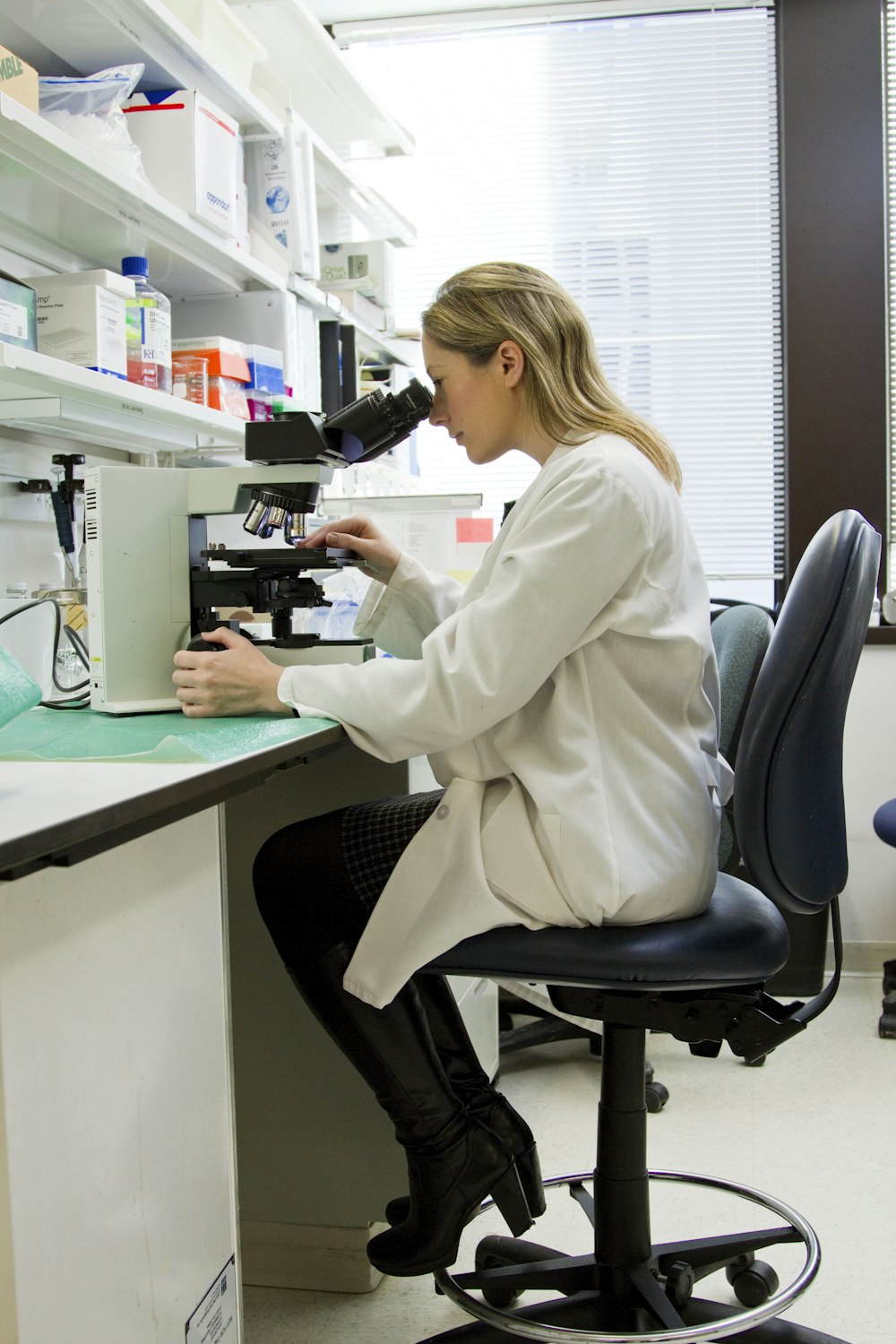
The cells were immediately placed under a confocal microscope. This powerful microscope can take sharp, time-lapse images of the glowing ND6 inside the living cells, tracking its journey over time.
Results and Analysis
The results were striking. Under the microscope, within minutes of the chase, bright fluorescent puncta (dots) appeared inside the cells. These were the endosomes and lysosomes, lighting up as they received their cargo of ND6-labeled lipids.
By quantifying the fluorescence intensity over time, the researchers could calculate the kinetics of internalization. They found that a significant portion of the outer membrane lipid was internalized within just 30-60 minutes, revealing a surprisingly rapid and continuous turnover process. This direct visualization proved that the cell membrane is not a static wall but a dynamic, flowing structure that is constantly being remodeled from within.
The Data Behind the Discovery
| Table 1: Fluorescence Intensity Over Time Post-Chase | ||
|---|---|---|
| Time Point (Minutes) | Average Fluorescence Intensity (Arbitrary Units) | Cellular Location of Signal |
| 0 (Post-Wash) | 50 | Primarily plasma membrane (quenched) |
| 10 | 450 | Early endosomes |
| 30 | 1,200 | Early/Late endosomes |
| 60 | 1,550 | Lysosomes |
| 120 | 1,100 | Lysosomes (beginning of degradation) |
| Caption: This data shows a rapid increase in internal fluorescence as ND6 is trafficked to acidic compartments, peaking around 60 minutes before beginning to decline as the lipid is degraded. | ||
| Table 2: Effect of Inhibitors on ND6 Internalization | |
|---|---|
| Experimental Condition | Final Fluorescence Intensity (% of Control) |
| Control (37°C) | 100% |
| Low Temperature (4°C) | 5% |
| Drug A (Inhibits Endocytosis) | 15% |
| Caption: Using inhibitors, scientists confirmed that ND6 uptake is an active, energy-dependent cellular process, not passive diffusion. | |
| Table 3: Comparison of Lipid Turnover Rates | |
|---|---|
| Lipid Type / Method | Estimated Half-Life (Time for 50% to be replaced) |
| ND6 (in fibroblasts) | ~45 minutes |
| Traditional Radioactive Label (older method) | ~2-3 hours |
| Phosphatidylcholine (a common natural lipid) | ~1-2 hours |
| Caption: The ND6 method revealed a faster, more dynamic turnover than some older, less direct methods, highlighting its sensitivity for measuring real-time kinetics. | |
Fluorescence Intensity Over Time
The Scientist's Toolkit: Key Reagents for Tracking Lipids
Here's a look at the essential tools used in experiments like the one described.
ND6 Lipid Analog
The core spy molecule. A fluorescently tagged lipid that changes its glow in response to pH, allowing tracking of internalization and trafficking.
Culture Medium
The nutrient-rich "soup" that keeps the cells alive and healthy outside the body during the experiment.
Acid Wash Buffer
A mildly acidic solution used to quench the fluorescence of any ND6 remaining on the outer cell surface.
Confocal Microscope
A high-precision microscope that creates sharp, 3D images of fluorescent signals inside live cells.
Metabolic Inhibitors
Chemical tools used to disrupt specific cellular processes and confirm the mechanism of ND6 uptake.
Temperature Control
Precise temperature regulation to maintain cell viability and control metabolic activity during experiments.
A Clearer Picture of Life's Fundamental Process
The development of pH-sensitive probes like ND6 has transformed our understanding of cellular life . It has moved us from static diagrams to dynamic movies of the cell membrane. By illuminating the relentless, rapid turnover of lipids, this technology opens new windows into diagnosing and treating diseases—from cancer, where cell growth is rampant, to neurodegenerative disorders, where cellular transport breaks down . The humble lipid, once considered a simple building block, is now seen as a central player in the vibrant, ever-changing drama of the cell, all thanks to a molecular spy that knows when to light up .
Key Takeaways
- Cell membranes undergo constant, rapid lipid turnover that was previously difficult to observe directly
- ND6 is a pH-sensitive fluorescent lipid analog that acts as a molecular spy to track this process
- The technology reveals lipid internalization happens within minutes, not hours
- This research has implications for understanding diseases related to cell membrane dysfunction