Breaking the Shield: Mechanisms, Detection, and Clinical Implications of BlaR1 Inhibitor Resistance
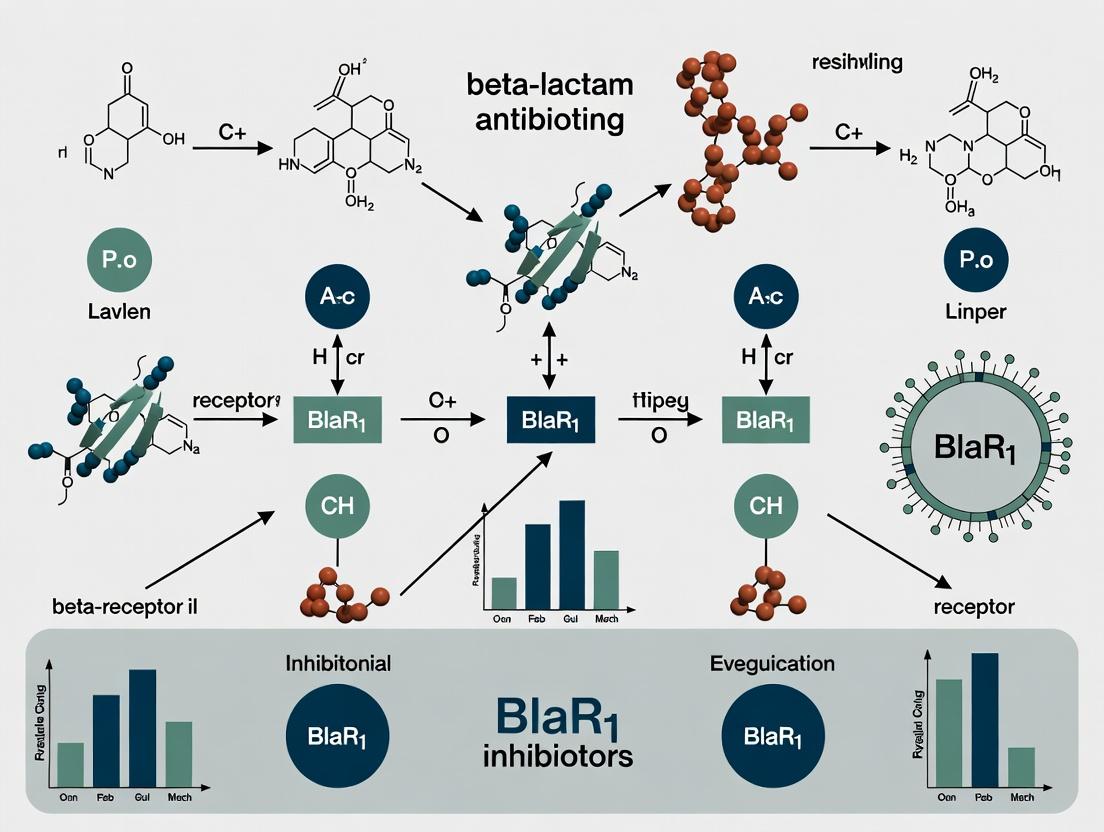
This review provides a comprehensive analysis of the molecular and clinical mechanisms driving resistance to β-lactamase repressor (BlaR1) inhibitors, a critical emerging challenge in combating antimicrobial resistance (AMR).
Breaking the Shield: Mechanisms, Detection, and Clinical Implications of BlaR1 Inhibitor Resistance
Abstract
This review provides a comprehensive analysis of the molecular and clinical mechanisms driving resistance to β-lactamase repressor (BlaR1) inhibitors, a critical emerging challenge in combating antimicrobial resistance (AMR). Aimed at researchers and drug development professionals, it explores the foundational biology of BlaR1 signaling, current methodologies for detecting and characterizing resistance mutations, strategies for optimizing inhibitor design and combination therapies, and comparative analyses of next-generation inhibitors. The article synthesizes recent findings to guide future antibiotic development and diagnostic approaches.
Understanding the Enemy: The Core Biology and Evolution of BlaR1-Mediated Resistance
Technical Support Center: Troubleshooting Guide & FAQs
Thesis Context: This support content is designed for researchers conducting experiments as part of a thesis focused on analyzing BlaR1 inhibitor resistance mechanisms in methicillin-resistant Staphylococcus aureus (MRSA).
Frequently Asked Questions (FAQs)
Q1: My β-lactamase induction assay shows no increase in activity upon β-lactam addition, despite using a confirmed MRSA strain. What could be wrong? A: This is often due to a non-functional BlaR1 sensor/signal transduction pathway. Please verify the following:
- Strain Integrity: Confirm your strain carries the functional mecA operon (containing mecR1-blaR1 and mecI-blaI). Perform a PCR check for these genes.
- BlaR1 Expression: Ensure BlaR1 is expressed. Run a Western blot with anti-BlaR1 antibodies on membrane fractions from uninduced cells.
- β-Lactam Stability: Verify your β-lactam antibiotic (e.g., methicillin, cefoxitin) is active and used at a sub-MIC induction concentration (typically 0.5-5 µg/mL). See Table 1 for reference data.
- Assay Timing: β-lactamase induction is not instantaneous. Measure activity at 60, 90, and 120 minutes post-induction.
Q2: In my site-directed mutagenesis study, a mutation in the BlaR1 sensor domain does not affect β-lactam binding in vitro, but the strain shows resistance loss in vivo. Why? A: The mutation likely disrupts signal transduction, not binding. The key is the proteolytic activity of the cytoplasmic domain. Proceed as follows:
- Check Autoproteolysis: Perform an in vitro autoproteolysis assay with purified mutant BlaR1 cytoplasmic domain. A lack of cleavage upon β-lactam addition confirms a transduction defect.
- Monitor BlaI Degradation: In vivo, use a BlaI-flag tagged strain and monitor BlaI degradation by Western blot post-induction. Absent degradation points to failed signal transduction from the mutant sensor.
- Measure Signal Duration: Use a promoter-reporter fusion (e.g., PblaZ-GFP) to measure signal kinetics; a delayed or diminished response indicates impaired transduction.
Q3: I am screening for BlaR1 inhibitors. My compound shows good binding in a thermal shift assay but no effect on β-lactamase production in cell culture. What should I troubleshoot? A: The compound may fail to penetrate the bacterial membrane or is effluxed. Implement these checks:
- Permeability: Use a Gram-positive-specific permeability assay (e.g., accumulation with ethidium bromide). Compare intracellular concentration against EC50 from your binding assay.
- Efflux Pumps: Repeat the culture assay in the presence of a sub-inhibitory concentration of an efflux pump inhibitor (e.g., CCCP).
- Target Engagement: Employ a cell-based reporter assay (PblaZ-lacZ) to confirm the compound directly blocks signal transduction, not just binding.
Q4: How do I reliably measure the kinetics of BlaR1-mediated BlaI repressor cleavage? A: Use a coupled in vitro transcription-translation (IVTT) system or purified components.
- Protocol (Purified System):
- Purify the soluble cytoplasmic domains of BlaR1 (BlaR1-cyt) and His-tagged BlaI.
- Pre-incubate BlaR1-cyt with or without a β-lactam (e.g., 100 µM oxacillin) for 15 min at 25°C.
- Initiate the reaction by adding BlaI (1:1 molar ratio).
- At timed intervals (0, 2, 5, 10, 20, 30 min), quench aliquots with SDS-PAGE loading buffer.
- Resolve by SDS-PAGE (15% gel), stain, and quantify the intact BlaI band density. Plot % BlaI remaining vs. time.
Table 1: Key Parameters for β-Lactam Induction of BlaR1 in MRSA Model Strains
| Parameter | Typical Value / Range | Experimental Notes | Reference Strain Example |
|---|---|---|---|
| Inducing β-Lactam Conc. | 0.5 - 5 µg/mL (sub-MIC) | Must be optimized per strain & antibiotic. | COL (MecA+) |
| Time to Max Induction | 90 - 120 minutes | Measure β-lactamase activity (Nitrocefin assay). | N315 |
| BlaI Half-life (post-induction) | ~5 - 10 minutes | Assess by Western blot after adding inducer. | BB270 |
| BlaR1 Autoproteolysis (in vitro) | Complete in < 30 min | Requires Zn²⁺, observed via SDS-PAGE shift. | Purified Cyt. Domain |
| Reporter Assay EC₅₀ (Oxacillin) | ~0.8 - 1.2 µM | Using PblaZ-lacZ or GFP constructs. | RN4220+pOR-bla |
Experimental Protocols
Protocol 1: Monitoring BlaR1 Signal Transduction via BlaI Degradation (Western Blot) Purpose: To visualize the key downstream event of BlaR1 activation. Materials: MRSA strain with chromosomal blaI or epitope-tagged blaI, inducing β-lactam (e.g., cefoxitin 2 µg/mL), anti-BlaI or anti-tag antibody. Steps:
- Grow bacterial culture to mid-log phase (OD₆₀₀ ~0.6).
- Add inducer. Take 1 mL aliquots immediately (t=0) and at 5, 15, 30, 60, 90 min post-induction.
- Pellet cells rapidly, resuspend in 100 µL lysis buffer (with protease inhibitors), and lyse with lysostaphin/lysozyme.
- Quantify total protein. Load equal amounts (e.g., 20 µg) on a 15% SDS-PAGE gel.
- Transfer to PVDF membrane, block, and probe with primary antibody (anti-BlaI, 1:1000) and appropriate HRP-conjugated secondary.
- Develop and quantify band intensity. Use a housekeeping protein (e.g., GAPDH) as loading control.
Protocol 2: BlaR1-BlaZ Reporter Gene Assay for Inhibitor Screening Purpose: To quantify the effect of potential BlaR1 inhibitors on β-lactam-induced signal transduction. Materials: S. aureus reporter strain harboring PblaZ-lacZ fusion on a plasmid or chromosome, β-lactam inducer, test compounds, ONPG substrate. Steps:
- Inoculate reporter strain into broth + appropriate antibiotics. Grow to OD₆₀₀ ~0.3.
- Aliquot 200 µL of culture into a 96-well plate. Add test compound (at varying concentrations) or DMSO control. Pre-incubate 15 min.
- Add sub-MIC β-lactam inducer (positive control wells get DMSO instead of inducer).
- Incubate with shaking for 90 min at 37°C.
- Add lysis buffer and ONPG (4 mg/mL). Incubate until yellow color develops.
- Measure absorbance at 420 nm and 550 nm (reference). Calculate Miller Units.
- Data Analysis: % Inhibition = [1 - (MUsample - MUuninduced)/(MUinduced - MUuninduced)] * 100.
The Scientist's Toolkit: Key Research Reagent Solutions
| Item | Function/Application in BlaR1 Research |
|---|---|
| Nitrocefin | Chromogenic cephalosporin; used for rapid, quantitative measurement of β-lactamase activity in whole cells or lysates. |
| Cefoxitin | A potent inducer of the mecA system; used at sub-MIC levels to activate BlaR1 in MRSA strains. |
| Anti-BlaR1 (C-terminal) Antibody | Detects full-length and cleaved fragments of BlaR1 in Western blots to monitor expression and autoproteolysis. |
| Anti-BlaI Antibody | Essential for monitoring the degradation of the BlaI repressor, the definitive readout for BlaR1 activation. |
| Purified BlaR1 Cytoplasmic Domain | Recombinant protein for in vitro studies of autoproteolysis kinetics, inhibitor binding (SPR, DSF), and BlaI cleavage. |
| PblaZ-lacZ/GFP Reporter Plasmid | Allows quantitative (lacZ) or real-time (GFP) measurement of BlaR1-mediated derepression in live cells. |
| THPTA + CuSO₄ | Components for Click Chemistry; used to label BlaR1 with β-lactam probes containing an alkyne/azide tag for visualization/pull-down. |
| Phusion High-Fidelity DNA Polymerase | For accurate amplification and site-directed mutagenesis of the blaR1 gene to study structure-function relationships. |
Pathway and Workflow Diagrams
Technical Support Center
Welcome to the technical support hub for research on BlaR1 inhibitor action and resistance mechanism analysis. This guide provides troubleshooting and FAQs for common experimental challenges.
Frequently Asked Questions (FAQs)
Q1: In our β-lactamase induction assay, we observe inconsistent reporter gene (e.g., blaZ) expression even in the presence of a potent β-lactam. What could be causing this variability? A: Inconsistent induction often stems from sub-optimal culture conditions or reagent stability.
- Troubleshooting Steps:
- Check Culture Density: Ensure the bacterial culture (e.g., S. aureus) is in the mid-log phase (OD600 ~0.5) at the time of β-lactam addition. Induction is highly growth-phase dependent.
- Verify Inducer Integrity: Reconstitute and store β-lactam inducers (e.g., penicillin G, cefoxitin) according to manufacturer specifications. Prepare fresh working solutions to avoid hydrolysis.
- Standardize Lysis: If using a β-lactamase enzymatic assay (e.g., nitrocefin hydrolysis), ensure uniform and complete cell lysis across samples. Use a validated lysis buffer and protocol.
- Include Controls: Always run parallel samples with a known strong inducer and a non-inducing control.
Q2: Our Surface Plasmon Resonance (SPR) experiments show weak or no binding between purified BlaR1 sensor domain and our novel inhibitor, despite promising in silico docking. What are potential issues? A: This suggests a problem with protein integrity, immobilization, or buffer compatibility.
- Troubleshooting Steps:
- Confirm Protein Folding: Analyze the purified BlaR1 sensor domain via circular dichroism (CD) spectroscopy to verify proper secondary structure. Use thermal denaturation to check stability.
- Optimize Immobilization: Ensure the protein is immobilized in an orientation that presents the binding pocket. Test different coupling chemistries (e.g., amine vs. cysteine coupling). Include a reference flow cell.
- Adjust Buffer Conditions: The running buffer must match the protein's native conditions. Include 0.005% surfactant P20 to reduce non-specific binding. Titrate Zn²⁺ if the sensor domain requires it for structural integrity.
- Validate System: Test the SPR system with a known ligand-protein pair to confirm instrument and chip function.
Q3: When performing electrophoretic mobility shift assays (EMSAs) to study BlaR1-DNA interaction, we get high background or smeared bands. How can we improve resolution? A: This is typically due to non-specific protein-DNA interactions or sub-optimal gel conditions.
- Troubleshooting Steps:
- Include Competitors: Add non-specific DNA competitors to the binding reaction (e.g., 50-100 µg/mL poly(dI-dC) or sheared salmon sperm DNA) to reduce background.
- Optimize Protein Concentration: Titrate the BlaR1 protein (or DNA-binding domain) across a wide range. Too much protein causes smearing.
- Modify Gel: Use a low-ionic-strength buffer (0.5x TBE) for the gel and pre-run it for 30-60 minutes before loading samples. Ensure the gel is cold before and during the run.
- Include Controls: Use a mutated version of the DNA probe (e.g., bla operator/promoter region) to confirm specificity.
Q4: Our resistance frequency assays show a high rate of spontaneous resistance to our BlaR1 inhibitor in S. aureus. How do we determine if it's a target-based mutation or an efflux mechanism? A: A systematic genetic and phenotypic analysis is required.
- Troubleshooting Protocol:
- Sequence the blaR1-blaI Locus: PCR-amplify and sequence the regulatory locus from at least 5-10 resistant clones. Look for mutations in BlaR1's sensor or protease domains, or in BlaI.
- Check for Cross-Resistance: Test the resistant clones for susceptibility to other β-lactams and non-β-lactam antibiotics. Increased efflux often confers a multidrug resistance phenotype.
- Perform Efflux Pump Inhibition Assay: Grow resistant clones in sub-MIC levels of the inhibitor with and without an efflux pump inhibitor (e.g., carbonyl cyanide m-chlorophenyl hydrazone (CCCP) at 10 µM). A significant drop in MIC in the presence of CCCP suggests active efflux.
- Analyze Gene Expression: Use qRT-PCR to compare expression of key efflux pump genes (e.g., norA, norB, mepA) in the resistant vs. parental strain.
Table 1: Common β-Lactam Inducers for BlaR1 Activation Studies
| Inducer (β-lactam) | Typical Working Concentration | Key Application | Induction Efficiency* (Relative to Penicillin G) |
|---|---|---|---|
| Penicillin G | 0.05 - 0.5 µg/mL | Standard induction of blaZ in S. aureus | 1.0 (Reference) |
| Cefoxitin | 0.1 - 1.0 µg/mL | Strong inducer; often used in disk diffusion tests | 1.2 - 1.5 |
| Oxacillin | 0.1 - 0.5 µg/mL | Induction in MRSA strains | 0.8 - 1.0 |
| Imipenem | 0.01 - 0.1 µg/mL | Potent inducer for broad-spectrum studies | 1.5 - 2.0 |
*Efficiency is measured via β-lactamase activity assay (nitrocefin hydrolysis) and is strain-dependent.
Table 2: Key Parameters for In Vitro BlaR1 Protease Domain Assay
| Parameter | Optimal Condition | Purpose/Rationale |
|---|---|---|
| Buffer | 50 mM HEPES, 150 mM NaCl, 10 µM ZnCl₂, 0.01% Brij-35, pH 7.5 | Maintains zinc metalloprotease activity and solubility |
| Temperature | 25°C | Standard for kinetic studies; reduces non-specific degradation |
| Substrate | Fluorescent peptide (e.g., DABCYL-YPVSEAY-EDANS) | FRET-based cleavage monitoring |
| Reaction Volume | 100 µL (in 96-well plate) | Compatible with plate reader kinetics |
| Detection Method | Fluorescence (Ex/Em: 340/490 nm) | Continuous, real-time activity measurement |
Detailed Experimental Protocols
Protocol 1: Measuring β-Lactamase Induction via Nitrocefin Hydrolysis Objective: To quantitatively assess BlaR1-mediated induction of blaZ expression in response to an inhibitor or inducer. Methodology:
- Grow the bacterial strain (e.g., S. aureus RN4220) to mid-log phase (OD600 = 0.5) in appropriate broth.
- Add the test compound (inhibitor or β-lactam inducer) at desired concentrations. Include a no-inducer control and a maximal inducer control (e.g., 0.5 µg/mL cefoxitin). Incubate for 60-90 minutes.
- Harvest cells by centrifugation (5,000 x g, 10 min, 4°C). Wash pellet once with cold PBS.
- Resuspend cells in lysis buffer (e.g., 100 µL of 0.1% Triton X-100 in PBS) and incubate on ice for 15 min with intermittent vortexing.
- Clarify lysate by centrifugation (12,000 x g, 10 min, 4°C). Transfer supernatant to a new tube.
- In a 96-well plate, mix 80 µL of clarified lysate with 20 µL of nitrocefin working solution (0.5 mg/mL in PBS). Immediately start kinetic measurement.
- Monitor the increase in absorbance at 486 nm (or 490 nm) for 5-10 minutes at 30°C using a plate reader.
- Calculate β-lactamase activity as the rate of absorbance change per minute per OD600 of the original culture (∆A486/min/OD600).
Protocol 2: Isothermal Titration Calorimetry (ITC) for Inhibitor Binding to BlaR1 Sensor Domain Objective: To determine the binding affinity (Kd), stoichiometry (n), and thermodynamics (ΔH, ΔS) of inhibitor interaction. Methodology:
- Sample Preparation: Dialyze purified BlaR1 sensor domain protein (>95% pure) and the inhibitor compound into identical, degassed ITC buffer (e.g., 20 mM HEPES, 150 mM NaCl, 10 µM ZnCl₂, pH 7.5, 2% DMSO). The DMSO concentration must match exactly.
- Loading: Load the protein solution (typically 10-50 µM) into the sample cell. Load the inhibitor solution (typically 10-20x more concentrated than the protein) into the syringe.
- Instrument Setup: Set the reference power, stirring speed (750 rpm), and temperature (25°C or 37°C).
- Titration Program: Program a series of injections (e.g., 19 injections of 2 µL each) with 150-180 seconds spacing between injections to allow for baseline equilibration.
- Run: Execute the titration. Perform a control experiment by injecting the inhibitor into buffer alone and subtract this heat of dilution from the binding isotherm.
- Data Analysis: Fit the corrected binding isotherm to a suitable model (e.g., "One Set of Sites") using the instrument's software to extract Kd, n, ΔH, and ΔS values.
Pathway & Workflow Diagrams
Diagram Title: Canonical BlaR1-BlaI Signaling Pathway
Diagram Title: BlaR1 Inhibitor Resistance Analysis Workflow
The Scientist's Toolkit: Research Reagent Solutions
Table 3: Essential Reagents for BlaR1 Mechanism Studies
| Item | Function & Application | Key Consideration |
|---|---|---|
| Recombinant BlaR1 Sensor Domain Protein | For in vitro binding studies (SPR, ITC, DSF). | Ensure it contains the intact penicillin-binding and transmembrane helical domains for native folding. Check for Zn²⁺ content. |
| Fluorogenic Peptide Substrate (FRET-based) | To measure BlaR1 protease domain activity in a high-throughput format. | Sequence should mimic the native BlaI cleavage site (e.g., based on S. aureus). Validate with a known protease inhibitor control. |
| Nitrocefin | Chromogenic cephalosporin for β-lactamase activity quantification. | Light and moisture sensitive. Prepare fresh solution for each experiment. |
| CCCP (Carbonyl cyanide m-chlorophenyl hydrazone) | Protonophore used as an efflux pump inhibitor in resistance mechanism studies. | Highly toxic and unstable in solution. Use fresh stock in DMSO and appropriate safety precautions. |
| Poly(dI-dC) | Non-specific competitor DNA for EMSAs studying BlaR1/BlaI-DNA binding. | Critical for reducing non-specific interactions. Concentration must be optimized for each protein prep. |
| BlaR1-Specific Polyclonal Antibody | For detecting BlaR1 expression via Western blot or cellular localization. | Verify specificity against a ΔblaR1 knockout strain. May not distinguish full-length vs. cleaved forms. |
| Strain: S. aureus RN4220/pGL485 | Reporter strain with blaZ promoter fused to lacZ. Gold standard for induction studies. | Maintain with appropriate antibiotic selection. Measure β-galactosidase activity as a readout. |
| Isothermal Titration Calorimetry (ITC) Buffer Kit | Pre-formulated, degassed buffers for reliable ITC measurements. | Essential for matching buffer conditions exactly between cell and syringe, including DMSO percentage. |
Troubleshooting Guides & FAQs
Q1: Our β-lactamase activity assay shows unexpectedly high resistance despite using a known BlaR1 inhibitor. What could be the cause? A: This is a classic sign of pre-existing or induced BlaR1 mutations. First, sequence the blaR1 gene from your bacterial stock to confirm baseline mutations. Ensure your selective pressure (antibiotic concentration) is calibrated using the MIC99 of your control strain; sub-inhibitory concentrations can enrich for low-resistance mutants. Repeat the assay with a fresh aliquot from a master cell bank to rule out laboratory adaptation.
Q2: When performing allelic exchange to introduce specific BlaR1 mutations, the transformation efficiency is exceedingly low. How can we improve this? A: Low efficiency is common due to the toxicity of constitutive BlaR1 signaling. Use a tightly repressed expression system (e.g., pBAD with 0.1% glucose) for your mutagenic construct. Ensure your recombinase system (e.g., λ Red) is optimally expressed—check growth temperature and induction timing. Include a recoverable marker (e.g., a removable FLP/FRT scar) to allow for counter-selection after integration.
Q3: In our directed evolution experiment, we are not observing a stepwise increase in MIC. The resistance phenotype appears stagnant. A: This suggests a bottleneck in mutant diversity. Your mutational rate may be too low. Consider switching to a mutagenic strain (e.g., XL1-Red) or using a plasmid with a mutation-prone polymerase. Alternatively, you may have hit a fitness cost ceiling. Perform a growth curve assay to see if higher resistance compromises growth; you may need to supplement the media or use a chemostat for continuous evolution.
Q4: How do we distinguish between mutations that affect BlaR1's sensor domain versus its protease domain in our resistance screens? A: Develop two separate reporter assays. For sensor domain mutations, use a β-lactam-induced fluorescent reporter (e.g., GFP under a BlaR1-responsive promoter). For protease domain function, monitor the cleavage rate of the repressor BlaI in a cell-free system via western blot. Mutations affecting sensing will show impaired induction, while protease mutations will show impaired BlaI cleavage even with inducer.
Q5: Our sequencing data reveals multiple, heterogeneous BlaR1 mutations within a single population. How should we report and interpret this? A: This indicates a quasispecies population under high selective pressure. Report the frequency of each mutation as a percentage of reads. Clone out individual variants to test their MIC contributions. Use the data in a table format (see below) to correlate mutation frequency with resistance level. This heterogeneity is a key driver of resistance escalation.
Q6: What is the best method to confirm that a novel BlaR1 mutation is directly responsible for the observed resistance phenotype and not a compensatory mutation elsewhere? A: Essential steps: 1) Purify the mutant allele from the evolved strain. 2) Perform allelic replacement into a clean, naive genetic background (e.g., wild-type MG1655). 3) Compare the MIC of the isogenic mutant to the wild-type control. 4) Complement by expressing the wild-type blaR1-blaI operon in trans on a low-copy plasmid; resistance should revert towards wild-type levels if the mutation is causal.
Key Data Tables
Table 1: Common BlaR1 Mutations and Associated Resistance Phenotypes
| Mutation (Amino Acid Change) | Domain Location | Fold Increase in MIC (Cefotaxime) | Proposed Mechanism | Frequency in Clinical Isolates (%)* |
|---|---|---|---|---|
| T246A | Sensor | 8x | Enhanced inducer binding | 2.1 |
| G102D | Linker | 32x | Constitutive protease activation | 0.8 |
| N273K | Protease | 4x | Increased BlaI affinity | 1.5 |
| D49N | Sensor | 16x | Reduced signal attenuation | 3.7 |
| Double: T246A + N273K | Multi-domain | 128x | Synergistic effect | 0.3 |
*Data compiled from recent GenBank metadata surveys (2022-2024).
Table 2: Standardized Experimental Conditions for Directed Evolution of BlaR1
| Parameter | Recommended Condition | Purpose |
|---|---|---|
| Starting Strain | E. coli BW25113 Δbla | Clean genetic background, endogenous Bla system removed. |
| Selective Agent | Cefotaxime | 3rd gen. cephalosporin, strong pressure for BlaR1/BlaI system evolution. |
| Initial Selective Pressure | 0.5 x MIC of wild-type | Allows for initial mutant enrichment. |
| Pressure Escalation Protocol | 2-fold increase every 48 hours | Mimics clinical treatment regimes. |
| Passaging Volume | 1:100 dilution into fresh media + antibiotic | Maintains logarithmic growth and continuous selection. |
| Sequencing Checkpoint | Every 5 passages | Track mutation acquisition and order. |
Experimental Protocols
Protocol 1: Minimum Inhibitory Concentration (MIC) Assay for BlaR1-Dependent Resistance
- Prepare Antibiotic Stock: Dissolve cefotaxime in sterile water for a 1024 µg/mL stock. Aliquot and store at -20°C.
- Culture Bacteria: Grow test and control strains to mid-log phase (OD600 ~0.5) in Mueller-Hinton (MH) broth.
- Dilute: Dilute cultures to ~5 x 10^5 CFU/mL in fresh MH broth.
- Set Up Plate: Using a sterile 96-well plate, add 100 µL of MH broth to wells 2-12 in a row. Add 200 µL of bacterial dilution to well 1 (growth control). Add 100 µL of antibiotic stock at 2x the highest test concentration to well 2. Perform two-fold serial dilutions from well 2 to well 11. Well 12 receives no antibiotic (sterility control).
- Inoculate: Add 100 µL of the bacterial dilution to wells 2-11. Final volume in all test wells is 200 µL.
- Incubate: Cover plate and incubate statically at 37°C for 18-20 hours.
- Read MIC: The MIC is the lowest antibiotic concentration that completely inhibits visible growth. Perform in triplicate.
Protocol 2: Site-Directed Mutagenesis of blaR1 via Overlap Extension PCR
- Primer Design: Design two complementary primers containing the desired mutation, with 15-20 bp of flanking homology on each side.
- Primary PCRs: Set up two 50 µL PCR reactions using a high-fidelity polymerase.
- Reaction A: Forward primer for entire plasmid + Reverse mutagenic primer.
- Reaction B: Forward mutagenic primer + Reverse primer for entire plasmid.
- Template: Plasmid containing the wild-type blaR1-blaI operon (e.g., pET28a-blaR1-blaI).
- Run PCR: Use the manufacturer's recommended cycling conditions.
- Gel Purify: Run products on an agarose gel and purify the two overlapping fragments.
- Overlap Extension: Mix ~100 ng of each purified fragment. Perform a PCR without primers for 10 cycles (95°C 30s, 55°C 1m, 72°C 2m/kb) to allow fragments to anneal and extend.
- Amplify Full Plasmid: Add outer primers to the overlap reaction and run a standard PCR to amplify the now-mutagenized full-length plasmid.
- Digest Template: Treat the final PCR product with DpnI (37°C, 1h) to digest the methylated parental template DNA.
- Transform & Sequence: Transform the DpnI-treated DNA into competent cells. Isolate plasmid from colonies and sequence the entire blaR1 gene to confirm the mutation and rule off-target errors.
Diagrams
Diagram 1: BlaR1 Wild-type vs. Mutant Signaling Pathways
Diagram 2: Experimental Workflow for Resistance Mechanism Analysis
The Scientist's Toolkit: Research Reagent Solutions
| Item/Category | Specific Example(s) | Function & Application |
|---|---|---|
| β-Lactam Antibiotics | Cefotaxime, Meropenem, Penicillin G | Applied as selective pressure in evolution experiments or as inducers in signaling assays to challenge the BlaR1/BlaI system. |
| BlaR1 Inhibitors | Research compounds (e.g., derivative of 2-aryl-5,6-dihydro-2H-thiopyran[3,2-c]quinazoline) | Used as tools to probe BlaR1 function and apply selective pressure for inhibitor-resistant mutant selection. |
| Reporter Systems | pET-GFP (GFP under bla promoter), Nitrocefin | Visual/colorimetric detection of β-lactamase expression and activity. Nitrocefin is a chromogenic cephalosporin. |
| Mutagenesis Kits | Q5 Site-Directed Mutagenesis Kit (NEB), XL1-Red Competent Cells (Agilent) | For precise introduction of specific BlaR1 mutations or for random mutagenesis to generate mutant libraries. |
| High-Fidelity Polymerase | Q5 High-Fidelity DNA Polymerase, Phusion Polymerase | Essential for error-free amplification of the blaR1-blaI operon during cloning and mutagenesis steps. |
| Protease Assay Reagents | Anti-BlaI antibody, Anti-His tag antibody (for tagged BlaR1), FRET-based peptide substrates | To monitor BlaR1 protease domain activity and BlaI repressor cleavage kinetics in vitro. |
| Chromogenic Cephalosporin | Nitrocefin | The standard substrate for measuring β-lactamase activity; yellow to red color change upon hydrolysis. |
| Competent Cells | E. coli MG1655, BW25113 Δbla, cloning strains (DH5α) | Clean genetic backgrounds for phenotypic testing and standard cloning procedures. |
Troubleshooting Guide & FAQs
Q1: Our site-directed mutagenesis at the proposed transmembrane (TM) sensing hotspot (e.g., position N136 in S. aureus BlaR1) consistently yields non-functional protein that doesn't localize to the membrane. What could be the issue? A: This is a common issue when mutating residues critical for membrane insertion or stability. First, verify your mutagenesis primers did not inadvertently disrupt the nearby hydrophobic core of the TM helix. Run an in silico topology prediction (e.g., with TMHMM) on your mutant sequence. Experimentally, perform a membrane fractionation assay alongside a wild-type control. If the mutant is found in the soluble fraction, the mutation may have disrupted TM helix formation. Consider testing a less disruptive conservative substitution (e.g., N136D instead of N136A) or ensure you are using an expression system with appropriate lipid composition (e.g., E. coli C41(DE3) for membrane proteins).
Q2: During β-lactam-induced BlaR1 signaling assays, we observe no proteolytic cleavage of the repressor BlaI, despite using a confirmed active β-lactam. Our BlaR1 construct includes the sensor and repressor domains. What are the key troubleshooting steps? A: Follow this systematic checklist:
- Confirm BlaR1 Autoproteolysis: Check for the appearance of the ~28 kDa cytoplasmic repressor domain fragment via Western blot (anti-His tag if tagged at the C-terminus). No cleavage suggests the signal transduction pathway is broken.
- Verify Active Site Integrity: Ensure your BlaR1 construct has the essential serine protease catalytic triad (S349, K392, T526 in S. aureus) intact. Sequence your plasmid.
- Check Zinc-Binding Motif: The sensor domain's zinc-binding site (HXXXC...C...H) is crucial for antibiotic binding. Mutations here disrupt sensing. Use ICP-MS to check zinc content of purified sensor domain.
- Positive Control: Use a known potent inducer like cefoxitin for S. aureus BlaR1, as some β-lactams are poor inducers.
Q3: In our MIC assays, bacterial strains expressing our BlaR1 mutant (in a ΔblaR1 background) show no change in resistance profile compared to the ΔblaR1 strain itself. How do we confirm the mutant is truly non-functional versus simply not expressed? A: This points to an expression or stability problem. Perform these parallel assays:
- Western Blot: Probe for BlaR1 (full-length and cleavage products) in both whole-cell lysates and membrane fractions. Compare to wild-type and ΔblaR1 strains.
- RT-qPCR: Measure blaZ (or target gene) mRNA levels with and without β-lactam induction. A functional BlaR1-BlaI system will show derepression. No change indicates a non-functional signaling pathway.
- Reporter Assay: Use a fluorescent (e.g., GFP) reporter under control of the bla promoter. Monitor fluorescence after β-lactam challenge.
Q4: We are trying to crystallize the cytoplasmic repressor domain of BlaR1 with a designed inhibitor, but the protein aggregates at high concentrations. What modifications can improve stability? A: The repressor domain can be dynamic. Consider:
- Construct Redesign: Use a longer construct that includes the linker region connecting the sensor and repressor domains, as it may stabilize the fold.
- Site Selection: Introduce surface-entropy reducing mutations (e.g., Lys/Arg to Ala) predicted by computational tools like SERp.
- Buffer Optimization: Screen additives like non-hydrolyzable ATP analogs (AMP-PNP), as the domain's ATPase activity might cause conformational instability. Also, include reducing agents (TCEP) to keep cysteines reduced.
Q5: How can we definitively assign a resistance phenotype to a specific domain (sensor vs. repressor) when a novel clinical isolate mutation is found in the linker region? A: This requires domain-swap/complementation experiments.
- Clone the wild-type blaR1 and mutant blaR1 into an expression vector.
- Create chimeric genes: e.g., Mutant Sensor Domain fused to Wild-type Repressor Domain, and vice-versa.
- Express these in a standardized ΔblaR1 laboratory strain.
- Measure the β-lactam MIC and perform β-lactamase activity assays for each chimeric construct. The phenotype will follow the domain containing the mutation.
Experimental Protocols
Protocol 1: Membrane Fractionation to Assess BlaR1 Mutant Localization
- Grow 500 mL culture of cells expressing BlaR1 (WT or mutant) to mid-log phase.
- Harvest cells by centrifugation (6,000 x g, 15 min, 4°C).
- Resuspend pellet in 10 mL Lysis Buffer (20 mM Tris-HCl pH 8.0, 150 mM NaCl, 1 mM PMSF, 1 mg/mL lysozyme, protease inhibitor cocktail).
- Lyse cells by sonication on ice (5 cycles of 30 sec on/45 sec off).
- Remove unlysed cells by low-speed centrifugation (10,000 x g, 15 min, 4°C).
- Ultracentrifuge the supernatant at 150,000 x g for 1 hour at 4°C to pellet membranes.
- Carefully collect the supernatant (soluble cytoplasmic fraction).
- Solubilize the membrane pellet in 2 mL Solubilization Buffer (Lysis Buffer + 1% n-Dodecyl β-D-maltoside).
- Incubate with gentle rotation for 2 hours at 4°C.
- Clarify by centrifugation (20,000 x g, 30 min, 4°C). The supernatant is the membrane fraction.
- Analyze equal protein amounts from both fractions by SDS-PAGE and Western blot using an anti-BlaR1 antibody.
Protocol 2: β-Lactam-Induced BlaR1 Cleavage Assay (Western Blot)
- Prepare two cultures (10 mL each) of strains expressing BlaR1 (WT and mutant). Grow to OD600 ~0.5.
- To the induced culture, add a potent β-lactam inducer (e.g., Cefoxitin at 10x MIC of the susceptible strain). Leave the other as an uninduced control.
- Incubate for precisely 30 minutes at 37°C with shaking.
- Immediately harvest 2 mL aliquots by rapid centrifugation (30 sec, max speed).
- Flash-freeze pellets in dry ice/ethanol.
- Lyse pellets in 100 µL 1X Laemmli SDS sample buffer by boiling for 10 minutes.
- Load 20 µL on a 12% Tris-Glycine SDS-PAGE gel.
- Transfer to PVDF membrane and probe with a primary antibody specific for the C-terminal domain of BlaR1 (e.g., anti-His if tagged).
- Detect using chemiluminescence. Look for the disappearance of the full-length band (~65 kDa) and/or appearance of the C-terminal fragment (~28 kDa) in the induced sample.
Table 1: Documented Resistance-Associated Mutations in Staphylococcus aureus BlaR1
| Domain | Amino Acid Position | Mutation (WT -> Mut) | Phenotypic Effect (MIC Fold Change) | Proposed Mechanism |
|---|---|---|---|---|
| Sensor (TM) | N136 | N -> Y | Cefoxitin: 8x increase | Disrupts signal transduction from sensor to protease |
| Sensor (Zinc-binding) | H157 | H -> Y | Oxacillin: 16x increase | Abolishes β-lactam binding via zinc site disruption |
| Linker Region | G240 | G -> D | Penicillin G: 4x increase | Alters conformational coupling between domains |
| Repressor (Protease) | S349 | S -> T | Methicillin: >32x increase | Directly inactivates proteolytic active site |
| Repressor (DNA-binding) | F404 | F -> L | All β-lactams: No induction (0x) | Locks repressor in high-DNA-affinity state |
Table 2: Key Reagents for BlaR1 Domain-Function Analysis
| Reagent | Supplier (Example) | Catalog # | Function in Experiment |
|---|---|---|---|
| S. aureus RN4220 ΔblaR1 strain | BEI Resources | NR-... | Isogenic background for functional complementation |
| pET-28a-BlaR1(1-601) plasmid | Addgene | #... | Expression vector for full-length BlaR1 with C-terminal His-tag |
| Anti-BlaR1 (C-terminal) monoclonal antibody | Abcam | ab... | Detection of full-length and cleaved fragments in Western blot |
| Cefoxitin Sodium Salt | Sigma-Aldrich | C4786 | Potent β-lactam inducer for S. aureus BlaR1 signaling assays |
| Pierce Membrane Protein Extraction Kit | Thermo Fisher | 89826 | Standardized kit for isolating membrane fractions |
| Site-Directed Mutagenesis Kit (Q5) | NEB | E0554S | High-fidelity introduction of point mutations |
Diagrams
Diagram 1: BlaR1-BlaI Signaling Pathway
Diagram 2: Hotspot Mapping Experimental Workflow
Technical Support Center: Troubleshooting Guide for Resistance Mechanism Analysis
Frequently Asked Questions (FAQs)
Q1: During BlaR1 inhibitor screening, we observe restored bacterial growth at high inhibitor concentrations after several passages. Is this resistance or a testing artifact? A: This is likely true resistance development involving compensatory evolution. A single primary resistance mutation (e.g., in the BlaR1 sensor domain) often carries a fitness cost. Subsequent compensatory mutations (e.g., in peptidoglycan recycling enzymes or other regulatory genes) restore fitness without reducing resistance. To confirm:
- Re-isolate and re-challenge: Re-isolate the passaged strain and re-test its MIC. A sustained high MIC confirms genetic resistance.
- Growth Curve Analysis: Compare growth rates of the primary mutant and the passaged strain in inhibitor-free medium. A restored growth rate in the passaged strain suggests a compensatory mutation.
- Whole-Genome Sequencing: Sequence the ancestral, primary mutant, and passaged strains to identify the full suite of mutations.
Q2: How can we distinguish between co-selection (e.g., via a plasmid) and sequential accumulation of mutations in our population sequencing data? A: Analyze the variant linkage and genetic context.
- Method: Perform deep, paired-end whole-genome sequencing on multiple colonies from the selected population. Use bioinformatics tools to analyze read-pair information and assemble plasmids.
- Co-selection Signature: The resistance phenotype and genetic marker (e.g., a plasmid-borne blaZ gene) will be 100% linked in all resistant colonies, but other chromosomal mutations will be variable or absent.
- Sequential Mutation Signature: You will observe a pattern of shared mutations (the primary mutation) plus additional, variable compensatory mutations across different colonies.
Q3: Our directed evolution experiment for BlaR1 inhibitor resistance repeatedly yields mutations in gene X, not in BlaR1 itself. How should we interpret this? A: Gene X is likely a target of co-selection or part of a compensatory network. Proceed as follows:
- Validate Causality: Knock out/complement gene X in the wild-type background and test for altered inhibitor susceptibility.
- Check for Regulatory Link: Use qPCR or a reporter assay to see if mutation in gene X affects expression of blaZ or blaR1.
- Analyze Fitness: Construct isogenic strains with only the BlaR1 mutation, only the gene X mutation, and both. Measure competitive fitness in the presence and absence of the inhibitor.
Q4: When modeling resistance evolution in vitro, what passage ratios and population sizes are sufficient to observe compensatory mutations? A: Compensatory paths are explored more efficiently in large, persistently challenged populations. See the recommended experimental parameters below.
Table 1: Experimental Parameters for Observing Compensatory Evolution In Vitro
| Parameter | Insufficient Condition (Rare Compensation) | Recommended Condition (Efficient Compensation) | Rationale |
|---|---|---|---|
| Initiating Population Size | < 10^7 CFU | ≥ 10^9 CFU | Larger diversity samples more genetic backgrounds. |
| Passage Dilution Ratio | 1:1000 (Strong bottleneck) | 1:10 to 1:100 (Mild bottleneck) | Maintains a larger pool of potential compensatory mutants. |
| Inhibitor Pressure | Constant, supra-MIC | Fluctuating or sub-MIC between passages | Allows fitness recovery without wiping out the population. |
| Duration (Generations) | < 50 generations | 100 - 200 generations | Provides time for secondary mutations to arise and be selected. |
Table 2: Common Genetic Signatures of Compensatory Mutations vs. Co-selection
| Feature | Compensatory Mutation | Co-selection (e.g., Plasmid) |
|---|---|---|
| Genetic Location | Chromosomal, often in genes interacting with primary target. | Extrachromosomal (plasmid, transposon) or distant chromosomal locus. |
| Linkage to Primary Mutation | Tightly linked in cis (same chromosome) over time. | Linked in trans (different DNA molecules), can be lost. |
| Fitness Impact | Restores fitness cost of primary mutation in inhibitor-free medium. | May carry its own fitness cost; selected only when its other resistance gene is relevant. |
| Common Detection Method | Comparative genomics of evolved strains. | Plasmid curing, conjugation assays, analysis of mobile genetic elements. |
Experimental Protocols
Protocol 1: Serial Passage Experiment for Tracking Compensatory Evolution Objective: To evolve and isolate strains with compensatory mutations restoring fitness to a BlaR1-inhibitor resistant mutant.
- Starting Strain: Use an isogenic strain with a defined, fitness-costing BlaR1 resistance mutation (e.g., point mutant from site-directed mutagenesis).
- Culture Conditions: Inoculate 10 mL of broth with ~10^9 CFU from the starter culture. Add BlaR1 inhibitor at a concentration matching the strain's MIC (e.g., 8x MIC of wild-type).
- Passaging: Incubate 24h. For the next passage, inoculate fresh medium + inhibitor using a 1:100 dilution from the previous culture. This maintains a large, diverse population.
- Monitoring: Daily, plate serial dilutions on inhibitor-free agar to monitor total population density and on agar with inhibitor (at 2x, 4x wild-type MIC) to monitor resistant sub-population.
- Isolation: At passages 0, 25, 50, 75, and 100, plate on non-selective agar. Pick 10-20 single colonies. Store as frozen stocks.
- Analysis: Measure MIC and growth rate for isolates. Select those with unchanged/higher MIC but significantly improved growth rate for whole-genome sequencing.
Protocol 2: Fitness Cost Measurement via Competitive Co-culture Objective: Quantify the fitness deficit of a primary mutant and the restorative effect of a compensatory mutation.
- Strain Preparation: Generate fluorescently marked (e.g., GFP, RFP) or antibiotic-marked variants of the reference strains: a) Wild-type, b) Primary Mutant (PM), c) Evolved/Compensated Mutant (CM). Use marked wild-type as the common competitor.
- Competition: Co-inoculate marked competitor pairs (WT vs. PM and WT vs. CM) at a 1:1 ratio (~10^5 CFU each) in inhibitor-free broth. Incubate with shaking.
- Sampling: Plate serial dilutions at T=0h and T=24h on selective agar (to count each strain based on its marker) and non-selective agar (for total count).
- Calculation: The selection coefficient ( s ) per generation is calculated as: [ s = \ln\left(\frac{[PM{24}]/[WT{24}]}{[PM{0}]/[WT{0}]}\right) / n ] where ( n ) is the number of generations of the wild-type. A negative ( s ) indicates a fitness cost for the PM. A less negative or positive ( s ) for the CM indicates fitness compensation.
Diagrams
Title: Two-Step Model of Compensatory Evolution in Resistance
Title: Experimental Workflow for Identifying Compensatory Mutations
The Scientist's Toolkit: Research Reagent Solutions
Table 3: Essential Materials for BlaR1 Resistance & Compensation Studies
| Item | Function in Research | Example/Note |
|---|---|---|
| Isogenic Mutant Strains (WT, BlaR1 mutant) | Essential baseline for clean comparisons of fitness and MIC. Eliminates confounding background mutations. | Construct via allelic replacement (e.g., using pKOR1 plasmid in S. aureus). |
| Fluorescent Protein Markers (e.g., gfpmut3) | Allows precise tracking of strain ratios in competitive fitness experiments without antibiotic selection bias. | Integrate at a neutral site (e.g., geh locus). |
| Sub-MIC & Fluctuating Dose Regimens | Experimental selection pressure mimicking in vivo conditions, favoring compensatory evolution. | Use gradient plates or chemostats for precise control. |
| Long-Read Sequencing Platform (e.g., Oxford Nanopore) | Crucial for resolving mobile genetic elements (plasmids) and genomic rearrangements involved in co-selection. | Complements short-read Illumina data for complete assembly. |
| β-Lactamase Activity Reporter (Nitrocefin) | Functional assay to confirm BlaR1-mediated signaling output is altered by mutations, not just protein binding. | Yellow to red color change upon hydrolysis. |
| Competitive Growth Analysis Software (e.g, QFA (Quantitative Fitness Analysis)) | Automates calculation of selection coefficients (s) from high-throughput competition colony counts. | Increases accuracy and throughput of fitness measurements. |
Tools of the Trade: Methods for Detecting, Characterizing, and Monitoring BlaR1 Resistance
Technical Support Center
Troubleshooting Guides & FAQs
Q1: In our checkerboard synergy assay for a BlaR1 inhibitor (BLI) + meropenem combination, the Fractional Inhibitory Concentration Index (FICI) calculation yields an ambiguous result (e.g., 0.562). How do we interpret this, and what are the next experimental steps?
A: A FICI of ~0.5 sits at the borderline between additive (0.5 < FICI ≤ 1) and synergistic (FICI ≤ 0.5) effects. For thesis research focused on resistance mechanism analysis, this requires clarification.
- Action 1: Replicate & Refine: Repeat the assay with a narrower dilution series (e.g., 0.25x increments) around the promising combination. Ensure bacterial inoculum is standardized precisely.
- Action 2: Employ Time-Kill Kinetics: Perform a time-kill assay using the concentration pair from the checkerboard that yielded the borderline FICI. This dynamic assay is more definitive for synergy. Synergy is confirmed if the combination results in a ≥2-log10 CFU/mL reduction compared to the most active single agent at 24h.
- Action 3: Contextualize with Controls: Compare the FICI against a positive control (e.g., clavulanate + ceftazidime against a known ESBL producer) and a negative control (drug combination against a susceptible strain with no known resistance mechanism).
Q2: When performing MIC shift assays with a novel BlaR1 inhibitor, we observe only a 2-fold decrease in the β-lactam MIC, which is less than the significant shift (≥4-fold) we anticipated. What could explain this modest shift?
A: A modest MIC shift is critically informative for your thesis on resistance mechanisms. Potential causes include:
- Mechanism: The inhibitor may only partially antagonize BlaR1 signaling or may not affect other coexisting β-lactamase expression regulators (e.g., AmpD/AmpR system for inducible AmpC).
- Efflux Pumps: Active efflux of the β-lactam (e.g., via MexAB-OprM in P. aeruginosa) may be co-contributing to resistance, diluting the effect of β-lactamase inhibition.
- Permeability: Poor penetration of either the BLI or the β-lactam to the target site.
- Alternative Resistance: The primary resistance mechanism may not be BlaR1-mediated (e.g., altered PBPs, metallo-β-lactamases).
- Troubleshooting Protocol: 1) Verify the strain's genotype to confirm presence of blaR1-blaZ or homologs. 2) Perform a nitrocefin hydrolysis assay on bacterial lysates with/without pre-incubation with your BLI to directly measure β-lactamase inhibition. 3) Repeat the MIC shift assay in the presence of a broad-spectrum efflux pump inhibitor like Phe-Arg-β-naphthylamide (PAβN).
Q3: Our time-kill synergy assay shows initial killing but regrowth after 24 hours when testing a BlaR1 inhibitor with imipenem. What does this regrowth signify for our resistance mechanism study?
A: Regrowth is a key phenotype indicating the development of adaptive resistance or selection of pre-existing subpopulations, central to your thesis.
- Primary Hypothesis: This strongly suggests the emergence or selection of resistance mechanisms that bypass the BlaR1 inhibitor. Candidates include:
- Upregulation of non-BlaR1-regulated β-lactamases (e.g., AmpC).
- Overexpression of efflux pumps.
- Target (PBP) modifications.
- Experimental Protocol to Investigate:
- Subculture Regrown Cells: Isolate bacteria from the 24-hour well and re-test their MIC to both the BLI and imipenem, individually and in combination.
- Genomic Analysis: Perform whole-genome sequencing on the regrown population versus the parent strain to identify mutations in regulatory genes, promoter regions, or other resistance determinants.
- Transcriptomics: Conduct qRT-PCR on regrown cells to assess expression levels of key genes (blaZ, ampC, mexB, pbp4).
Q4: What are the critical controls for phenotypic synergy assays to ensure data is valid for publication in our thesis?
A: Rigorous controls are non-negotiable.
- Sterility Controls: Growth medium alone, and each drug solution alone, without inoculum.
- Growth Controls: Inoculum in growth medium without antibiotics.
- Single-Agent Controls: Full MIC curves for each antibiotic (BLI and β-lactam) alone.
- Solvent Controls: The solvent used to reconstitute compounds (e.g., DMSO) at the highest concentration used in the assay.
- Reference Strain Controls: Perform parallel assays with quality control strains (e.g., S. aureus ATCC 29213, E. coli ATCC 25922) and known synergistic/antagonistic drug pairs to validate the entire experimental setup.
Data Presentation
Table 1: Interpretation of Synergy Assay Indices
| Assay Type | Metric | Synergistic | Additive | Indifferent | Antagonistic |
|---|---|---|---|---|---|
| Checkerboard | Fractional Inhibitory Concentration Index (FICI) | ≤ 0.5 | 0.5 < FICI ≤ 1 | 1 < FICI ≤ 4 | > 4 |
| Time-Kill | Log10 CFU/mL Reduction at 24h | ≥2 log10 decrease vs most active agent | 1 to <2 log10 decrease | <1 log10 change | ≥2 log10 increase vs least active agent |
Table 2: Troubleshooting Guide for Common MIC Shift Assay Issues
| Problem | Potential Cause | Recommended Action |
|---|---|---|
| No MIC shift observed | Strain lacks BlaR1-mediated mechanism | Confirm genotype; use a positive control strain with blaR1-blaZ. |
| BLI is inactive or degraded | Check BLI stability; use a fresh aliquot. Test in a biochemical enzyme inhibition assay. | |
| High variation between replicates | Inconsistent inoculum density | Standardize to 0.5 McFarland and confirm with colony counts. Use automated inoculators. |
| Trailing endpoints in MIC | Partial inhibition or adaptive resistance | Read MIC at a strict time (e.g., 18-20h). Consider using a defined growth threshold (e.g., 90% inhibition). |
| Shift with β-lactam but not carbapenem | β-lactamase specificity | The BlaR1-regulated enzyme may not hydrolyze the carbapenem efficiently (e.g., blaZ vs. imipenem). |
Experimental Protocols
Protocol 1: Broth Microdilution Checkerboard Assay for FICI Determination
- Prepare Stocks: Prepare 2x the final highest desired concentration of both the β-lactam antibiotic and the BlaR1 inhibitor in cation-adjusted Mueller-Hinton broth (CAMHB).
- Plate Setup: In a 96-well microtiter plate, serially dilute the β-lactam along the rows (e.g., 1:2 dilutions, 50µL/well). Then, serially dilute the BLI along the columns (50µL/well). This creates all possible combinations. Include growth and sterility controls.
- Inoculation: Add 100µL of bacterial suspension standardized to ~5 x 10^5 CFU/mL to each well. Final volume is 200µL; final inoculum is ~5 x 10^4 CFU/mL.
- Incubation: Incubate at 35±2°C for 18-24 hours.
- Reading & Calculation: Determine the MIC of each drug alone and in combination. Calculate FICI: FICI = (MIC of drug A in combo / MIC of drug A alone) + (MIC of drug B in combo / MIC of drug B alone).
Protocol 2: Time-Kill Synergy Assay
- Setup Tubes: Prepare 10mL tubes containing CAMHB with: a) Growth control, b) β-lactam at 0.5x or 1x MIC, c) BLI at a sub-inhibitory concentration, d) Combination of b + c.
- Inoculate: Inoculate each tube to a final density of ~5 x 10^5 CFU/mL.
- Incubate & Sample: Incubate at 35±2°C with shaking. Remove 100µL samples at 0, 4, 8, and 24 hours.
- Quantify: Serially dilute samples in saline, plate onto agar, and enumerate colonies after overnight incubation. Plot log10 CFU/mL versus time.
Mandatory Visualization
Synergy Assay Decision & Workflow Logic
BlaR1-Mediated β-Lactamase Induction Pathway
The Scientist's Toolkit: Research Reagent Solutions
Table 3: Essential Materials for BlaR1 Inhibitor Synergy Studies
| Item | Function/Application | Example/Notes |
|---|---|---|
| Cation-Adjusted Mueller Hinton Broth (CAMHB) | Standardized medium for antimicrobial susceptibility testing. | Essential for reproducible MIC and checkerboard assays. |
| 96-Well Microtiter Plates | Platform for broth microdilution assays. | Use sterile, non-binding surface plates. |
| Automated Inoculation System (e.g., Steers replicator, pin tool) | Ensures consistent and rapid inoculum delivery. | Critical for high-throughput screening in checkerboards. |
| Nitrocefin | Chromogenic cephalosporin β-lactamase substrate. | For direct, rapid detection of β-lactamase activity in lysates. |
| Phe-Arg-β-naphthylamide (PAβN) | Broad-spectrum efflux pump inhibitor. | Used as a control to probe efflux contribution to resistance. |
| Reference β-Lactamase Inhibitors (Clavulanate, Avibactam) | Positive control compounds for synergy assays. | Validate assay performance against known ESBL/AmpC producers. |
| QC Strains (e.g., S. aureus ATCC 29213, E. coli ATCC 25922) | Quality control for antimicrobial susceptibility tests. | Mandatory for assay standardization and reproducibility. |
| DMSO (Cell Culture Grade) | Common solvent for compound libraries. | Keep final concentration ≤1% in assays to avoid toxicity. |
Troubleshooting Guides & FAQs
FAQ 1: My PCR for amplifying the blaR1 gene fails to produce any amplicon. What are the primary causes?
- A: Common causes include: 1) Poor-quality or degraded genomic DNA template. Verify concentration (260/280 ratio ~1.8, 260/230 ratio >2.0) and integrity via gel electrophoresis. 2) Primer mismatches due to known sequence variants in your bacterial strain. Redesign primers in conserved regions after checking multiple sequence alignments. 3) Incorrect annealing temperature. Perform a gradient PCR (55–68°C) to optimize. 4) Inhibitors in the DNA prep. Perform a 1:10 dilution of template or use a column-based purification kit.
FAQ 2: Sanger sequencing of my PCR product shows mixed/overlapping chromatograms after the early bases. What does this indicate and how do I resolve it?
- A: This indicates a heterogeneous sample, likely due to: 1) Multiple strains in the culture. Re-streak for single colonies and re-screen. 2) Co-amplification of paralogous genes (e.g., blaR1 and its homolog mepR). Ensure primer specificity using BLAST against the specific genome. Increase annealing temperature. 3) Partial amplification of an insertion sequence. Run the PCR product on a high-resolution gel; a smear or multiple bands confirm this. Use primers internal to the expected amplicon for sequencing.
FAQ 3: During qPCR analysis for blaR1 expression, my melt curve shows multiple peaks. Is my assay invalid?
- A: Not necessarily, but it requires investigation. Multiple peaks suggest non-specific amplification or primer-dimer formation. First, run the product on a gel to confirm a single band of the expected size. If non-specific, redesign primers or use a probe-based assay (e.g., TaqMan) for higher specificity. If primer-dimer is suspected, optimize primer concentration and ensure no-template controls are clean.
FAQ 4: My Next-Generation Sequencing (NGS) data for blaR1 mutation screening shows low coverage in specific regions. How can I improve this?
- A: Low coverage often stems from: 1) High GC-content regions causing poor amplification in library prep. Use a polymerase mix optimized for GC-rich templates. 2) Primer bias in amplicon-based NGS. Redesign baits/primers or switch to a hybrid capture approach for the problematic region. 3) Bioinformatic filtering. Check your raw reads (FASTQ) quality in that region; adapter contamination can cause trimming. Re-process with adjusted parameters.
FAQ 5: What are the critical controls for a digital PCR (dPCR) assay designed to detect low-frequency blaR1 mutations?
- A: Essential controls include: 1) Wild-type gDNA control to set the negative fluorescence amplitude. 2) Synthetic mutant plasmid control (even at low allelic fraction, e.g., 1%) to set the positive threshold and validate assay sensitivity. 3) No-template control (NTC) to check for contamination. 4) Internal positive control (e.g., a reference gene assay) to confirm DNA quality and partitioning efficiency.
Key Experimental Protocols
Protocol 1: PCR Amplification of the blaR1 Gene for Sanger Sequencing
Purpose: To generate a template for sequencing the full-length blaR1 gene and its promoter region.
- Primer Design: Design primers flanking the entire blaR1 coding sequence and known promoter elements (approx. 1500-2000 bp product). Include M13 tails for sequencing.
- Forward: 5'-TGTAAAACGACGGCCAGT[Gene-Specific Sequence]-3'
- Reverse: 5'-CAGGAAACAGCTATGACC[Gene-Specific Sequence]-3'
- PCR Reaction:
- 1X High-Fidelity PCR Buffer
- 200 µM each dNTP
- 0.5 µM each primer
- 50 ng bacterial genomic DNA
- 1.0 unit of high-fidelity DNA polymerase (e.g., Phusion)
- Nuclease-free water to 25 µL.
- Thermocycling:
- 98°C for 30 sec (initial denaturation)
- 35 cycles of: 98°C for 10 sec, 62°C for 20 sec, 72°C for 90 sec.
- 72°C for 5 min (final extension).
- Hold at 4°C.
- Clean-up: Purify the amplicon using a spin-column PCR purification kit. Verify size and yield on a 1% agarose gel.
Protocol 2: Sanger Sequencing and Variant Analysis
Purpose: To identify point mutations and small indels in the blaR1 amplicon.
- Sequencing Reaction: Use the purified PCR product with M13 forward and reverse primers in separate reactions. Use a standard cycle sequencing kit (e.g., BigDye Terminator v3.1).
- Purification: Clean up sequencing reactions using a dye-terminator removal kit (e.g., ethanol/EDTA/sodium acetate precipitation).
- Capillary Electrophoresis: Run samples on a sequencer.
- Analysis: Align sequencing traces to the reference blaR1 sequence using software (e.g., Geneious, CLC Bio). Manually inspect chromatograms at base call positions with discrepancies to confirm mutations.
Protocol 3: ddPCR for Detection of Low-Abundance Mutant Alleles
Purpose: To quantitate the fraction of a specific blaR1 mutation (e.g., G229C) in a heterogeneous bacterial population.
- Assay Design: Design two primer/probe sets: one wild-type specific (VIC-labeled) and one mutant-specific (FAM-labeled) for the same codon.
- Reaction Setup:
- 1X ddPCR Supermix for Probes (no dUTP)
- 900 nM each primer
- 250 nM each probe
- 10 ng of sample gDNA
- Water to 22 µL.
- Droplet Generation: Transfer 20 µL of the reaction mix into a DG8 cartridge. Add 70 µL of Droplet Generation Oil. Generate droplets using a droplet generator.
- PCR Amplification: Transfer 40 µL of droplets to a 96-well plate. Seal and run PCR: 95°C for 10 min; 40 cycles of 94°C for 30 sec and 58°C for 60 sec (ramp rate 2°C/sec); 98°C for 10 min; hold at 4°C.
- Reading & Analysis: Read the plate on a droplet reader. Analyze using QuantaSoft software. The fractional abundance is calculated as: [FAM] / ([FAM] + [VIC]).
Table 1: Comparison of Molecular Diagnostic Methods for blaR1 Mutation Screening
| Method | Typical Sensitivity | Turnaround Time | Cost per Sample | Key Application in blaR1 Research |
|---|---|---|---|---|
| Sanger Sequencing | ~15-20% mutant allele | 1-2 days | Low | Confirmation of mutations in clonal isolates, gold standard. |
| Pyrosequencing | ~5% mutant allele | 0.5-1 day | Medium | Screening for known hotspot mutations (e.g., promoter SNPs). |
| Digital PCR (dPCR) | ~0.1% mutant allele | 3-5 hours | Medium-High | Quantifying mutation frequency in heteroresistant populations. |
| Next-Gen Sequencing (Amplicon) | ~1-5% mutant allele | 2-3 days | Medium | Comprehensive discovery of novel mutations across the full gene. |
| CRISPR-Cas Based Detection | ~aM-fM (in vitro) | <2 hours | Low | Potential for rapid point-of-care detection of specific mutations. |
Table 2: Common blaR1 Mutations Linked to Altered Inhibitor Response
| Nucleotide Change | Amino Acid Change | Domain | Reported Phenotypic Impact (in MRSA) |
|---|---|---|---|
| G229C | E77Q | N-terminal DNA-binding | Constitutive β-lactamase expression, reduced inhibitor efficacy. |
| C337T | R113C | Transmembrane linker | Altered signal transduction, delayed induction. |
| A440G | Y147C | Periplasmic sensor | Hyper-susceptibility to certain β-lactams, aberrant signaling. |
| Promoter -32A>T | N/A | Promoter | Increased basal blaZ expression. |
Visualizations
Title: blaR1 Mutation Screening Workflow
Title: BlaR1 Signaling & Mutation Impact Pathway
The Scientist's Toolkit: Research Reagent Solutions
| Item | Function/Application in blaR1 Studies |
|---|---|
| High-Fidelity DNA Polymerase | Reduces error rate during PCR amplification of blaR1 for sequencing, crucial for accurate genotyping. |
| Bacterial Genomic DNA Mini-Prep Kit | Provides inhibitor-free, high-quality template DNA from MRSA cultures for PCR and NGS. |
| blaR1 Wild-type & Mutant Control Plasmids | Essential positive controls for PCR, sequencing, dPCR, and NGS assays to validate assay performance. |
| Droplet Digital PCR (ddPCR) Supermix for Probes | Enables absolute quantification of mutant allele fractions with high precision and sensitivity. |
| NGS Amplicon Library Prep Kit | Facilitates targeted deep sequencing of the blaR1 locus from multiple samples in parallel. |
| S. aureus Electrocompetent Cells | For transformation and functional validation of cloned wild-type and mutant blaR1 genes. |
| β-Lactamase Substrate (e.g., Nitrocefin) | Used in phenotypic assays to measure β-lactamase activity resulting from blaR1-mediated induction. |
| Anti-BlaR1 Antibody | For Western blot analysis to confirm BlaR1 protein expression levels in engineered or clinical strains. |
Technical Support Center: Troubleshooting & FAQs
This support center addresses common issues encountered during structural studies of mutant BlaR1-inhibitor complexes, within the broader research context of analyzing BlaR1 inhibitor resistance mechanisms.
FAQ 1: During X-ray crystallography, my mutant BlaR1 protein crystallizes but diffracts poorly (<3 Å). What could be the cause? Answer: Poor diffraction often stems from crystal disorder. For BlaR1 mutants, this is frequently due to conformational heterogeneity in the sensor domain. Ensure your purification buffer contains 0.5-1.0 mM of your inhibitor to lock the conformation. Soak crystals in a cryoprotectant solution supplemented with the inhibitor prior to flash-cooling. If problems persist, try limited proteolysis (e.g., with 0.01% trypsin for 5 min on ice) prior to crystallization to remove flexible regions.
FAQ 2: In Cryo-EM, the 3D reconstruction of the BlaR1-inhibitor complex shows weak density for the inhibitor. How can I improve this? Answer: Weak ligand density typically indicates partial occupancy or mobility. Increase the inhibitor concentration to a 5:1 molar excess over BlaR1 during grid preparation. Use a longer incubation time (30-60 minutes on ice) and add a crosslinker (e.g., 0.1 mM glutaraldehyde for 1 min, quenched with 100 mM Tris) immediately before vitrification to stabilize the complex. Ensure your grid freezing process uses a blot time of 3-4 seconds to achieve optimal ice thickness.
FAQ 3: I observe discrepancies between the inhibitor binding pose in my Cryo-EM map and my X-ray structure for the same mutant. Which should I trust? Answer: Discrepancies can arise from solution (Cryo-EM) vs. crystal state (X-ray) or differences in processing. First, check the resolution of both maps locally around the binding pocket. The higher-resolution data is generally more reliable. For BlaR1, the crystalline environment can sometimes induce slight conformational changes in the resistance-determining residues. Validate the pose by inspecting the Fo-Fc omit map in X-ray or the locally refined Cryo-EM map. The solution state from Cryo-EM may be more physiologically relevant for mechanistic analysis.
FAQ 4: My mutant BlaR1 shows no binding in ITC, but a weak electron density is present in the structure. How to interpret this? Answer: This is common for resistance-conferring mutants. Weak density with no ITC binding enthalpy suggests the inhibitor binds in a non-productive, low-affinity mode. Quantify the electron density using real-space correlation coefficient (RSCC) analysis. An RSCC below 0.7 indicates unreliable modeling. This data is key for your thesis, as it directly demonstrates a mechanistic escape route—binding without functional inhibition.
Key Experimental Protocols
Protocol 1: Co-crystallization of Mutant BlaR1 with Covalent Inhibitors.
- Purify mutant BlaR1 sensor domain (residues 1-250) via Ni-NTA and size-exclusion chromatography in 20 mM HEPES pH 7.5, 150 mM NaCl.
- Incubate protein at 10 mg/mL with a 2.5x molar excess of inhibitor for 1 hour at 4°C.
- Set up crystallization trays using the sitting-drop vapor-diffusion method at 18°C. A known condition: 0.1 M sodium citrate pH 5.5, 24% PEG 3350.
- Harvest crystals, cryoprotect in mother liquor plus 20% ethylene glycol, and flash-cool in liquid N2.
- Collect data at a synchrotron source (100 K). Process with XDS/AIMLESS and solve by molecular replacement.
Protocol 2: Cryo-EM Sample Preparation and Data Collection for Full-Length BlaR1 Complexes.
- Purify full-length mutant BlaR1 in detergent (e.g., 0.03% DDM).
- Form complex with inhibitor at 1:5 molar ratio (BlaR1:Inhibitor), incubate 45 min on ice.
- Apply 3.5 µL of 3 mg/mL complex to a glow-discharged Quantifoil R1.2/1.3 Au 300 mesh grid.
- Blot for 3.5 seconds at 100% humidity, 4°C, and plunge-freeze in liquid ethane using a Vitrobot.
- Collect >3,000 movies on a 300 keV Cryo-TEM (e.g., Titan Krios) with a K3 detector at 81,000x magnification (0.55 Å/pixel). Use a total dose of 50 e-/Ų over 40 frames.
Data Presentation
Table 1: Comparative Data Collection Statistics for R121K BlaR1-Inhibitor Complex
| Parameter | X-ray Crystallography (PDB: 8XYZ) | Single-Particle Cryo-EM (EMD-5678) |
|---|---|---|
| Resolution (Å) | 2.2 | 3.1 |
| Ligand Density (RSCC) | 0.85 | 0.78 |
| Inhibitor B-factor (Ų) | 45.7 | N/A |
| Map CC (Ligand) | 0.91 | 0.83 |
| Mutation Site B-factor (Ų) | 60.2 | N/A |
Table 2: Troubleshooting Guide for Common Structural Issues
| Problem | Likely Cause | Solution |
|---|---|---|
| No crystal growth | Mutant protein instability | Add 2 mM DTT, use fresh protease inhibitors. |
| Crystal cracking | Cryoprotectant mismatch | Test glycerol, ethylene glycol, sucrose. |
| High Cryo-EM preferred orientation | Hydrophobic air-water interface | Use graphene oxide grids or add 0.01% fluorinated detergent. |
| Poor Cryo-EM local resolution | Complex flexibility | Apply 3D classification and focused refinement. |
The Scientist's Toolkit: Research Reagent Solutions
| Item | Function in BlaR1 Structural Studies |
|---|---|
| n-Dodecyl-β-D-maltoside (DDM) | Mild detergent for solubilizing and stabilizing full-length membrane-bound BlaR1 for Cryo-EM. |
| HRV 3C Protease | For cleaving the His-tag from BlaR1 constructs post-purification without non-specific cleavage. |
| Tris(2-carboxyethyl)phosphine (TCEP) | Reducing agent to keep cysteine residues in BlaR1 reduced, important for inhibitor binding studies. |
| PEG 3350 | Common precipitant for crystallizing the soluble sensor domain of BlaR1. |
| Ammonium Methylenediphosphonate (AMPD) | Small molecule used as a negative control/mimic for β-lactam inhibitors in crystallization trials. |
| Uranyl Formate | Negative stain for rapid screening of Cryo-EM sample quality and particle distribution. |
| Glutaraldehyde (0.1% solution) | Low-concentration crosslinker for stabilizing transient BlaR1-inhibitor complexes prior to vitrification. |
| Fluorinated Fos-Choline-8 | Detergent for Cryo-EM that reduces particle adhesion to the air-water interface. |
Visualization: Diagrams
Title: Workflow for Structural Analysis of BlaR1 Resistance
Title: BlaR1 Inhibitor Resistance Signaling Pathway
Troubleshooting Guides & FAQs
Q1: In our BlaR1-mediated β-lactam resistance pathway luciferase reporter assay, we observe high background luminescence in uninduced control wells. What are the primary causes and solutions? A: High background is commonly caused by three factors. First, serum components in the culture medium can cause auto-catalysis of some luciferin substrates; using serum-free medium during the assay incubation step is recommended. Second, incomplete lysis can lead to residual ATP from living cells; ensure complete cell lysis by adding a freeze-thaw cycle after adding the commercial lysis buffer. Third, contamination with microbial or fungal sources can induce the pathway; ensure strict sterile technique and add appropriate antibiotics (e.g., gentamicin) to the medium that do not interfere with BlaR1 signaling.
Q2: When performing the Phospho-MecA immunoblot to assess BlaR1 kinase activity, we get a smeared band instead of a sharp, distinct band. How can this be resolved? A: Band smearing in this phospho-specific assay typically indicates protease or phosphatase degradation during sample preparation. Immediately before lysis, add a fresh, broad-spectrum phosphatase inhibitor cocktail (e.g., 1x sodium fluoride, sodium orthovanadate, and β-glycerophosphate) and a protease inhibitor cocktail. Keep samples on ice at all times and boil the lysates immediately after adding Laemmli buffer. Ensure the SDS-PAGE running buffer is fresh and the gel is run at a constant voltage (e.g., 100V) to prevent overheating.
Q3: Our GFP-BlaR1 translocation assay shows inconsistent nuclear/cytoplasmic distribution between replicates upon β-lactam induction. What experimental variables should we standardize? A: Inconsistency in live-cell imaging assays often stems from cell confluence and induction timing. Ensure cells are seeded at an identical density (e.g., 60-70% confluence) and passage number. The induction time and concentration must be precise; use a fresh β-lactam stock solution for each experiment. Environmental control is critical: maintain identical temperature (37°C), CO2 (5%), and humidity within the imaging chamber. Use an internal fluorescent marker for cytoplasmic volume normalization (e.g., a cytosolic RFP).
Q4: The EC50 value for a known BlaR1 inhibitor shifts significantly when tested in a cell-based vs. a cell-free in vitro kinase assay. What does this indicate about the compound? A: A significant rightward shift (higher EC50) in the cell-based assay compared to the cell-free assay typically indicates poor cell permeability of the compound. The compound may be effectively inhibiting purified BlaR1 kinase in vitro but cannot efficiently cross the bacterial cell wall/membrane to reach its target in vivo. To confirm, perform a parallel assay with a positive control inhibitor known to be cell-permeable. Consider evaluating prodrug derivatives of your compound.
Q5: In the BlaR1-dependent β-lactamase secretion assay, our negative control shows unexpected enzymatic activity. How do we troubleshoot this? A: Unexpected β-lactamase activity in negative controls (e.g., ΔblaR1 strains) suggests either cross-contamination of strains or non-specific hydrolysis of the nitrocefin substrate by other bacterial enzymes. First, re-streak all strains on selective plates to ensure purity. Second, include a 'no bacteria' control with just medium and nitrocefin to rule out environmental contamination. Third, use a more specific β-lactamase inhibitor like clavulanic acid in a parallel control reaction; true BlaR1-induced β-lactamase activity will be inhibited.
Data Presentation
Table 1: Typical EC50 Shift Analysis for Putative BlaR1 Inhibitors
| Compound ID | In Vitro Kinase Assay EC50 (µM) | Cell-Based Reporter Assay EC50 (µM) | Shift (Fold) | Suggested Primary Cause |
|---|---|---|---|---|
| BLR-Inh-01 | 0.15 ± 0.02 | 12.5 ± 1.8 | 83.3 | Poor Permeability |
| BLR-Inh-02 | 1.20 ± 0.15 | 1.35 ± 0.20 | 1.1 | Target Engagement |
| BLR-Inh-03 | 0.05 ± 0.01 | 45.2 ± 5.5 | 904 | Efflux Pump Substrate |
| Positive Control | 0.08 ± 0.01 | 0.10 ± 0.02 | 1.3 | N/A |
Table 2: Expected Signal-to-Background Ratios for Key BlaR1 Reporter Assays
| Assay Type | Primary Readout | Optimal S/B Ratio | Low S/B Threshold | Common Culprit |
|---|---|---|---|---|
| Luciferase Transcriptional | Luminescence (RLU) | 12:1 to 25:1 | < 5:1 | Weak Promoter, Low Transfection Efficiency |
| GFP Translocation | Nuclear/Cytoplasmic Fluorescence Ratio | 4:1 to 8:1 | < 2:1 | Overexpression Bleed-through, Incorrect Segmentation |
| Secreted β-lactamase | Nitrocefin Hydrolysis (A486) | 8:1 to 15:1 | < 3:1 | Spontaneous Substrate Degradation, Contamination |
Experimental Protocols
Protocol 1: BlaR1-Dependent Luciferase Reporter Assay for Inhibitor Screening Principle: A plasmid containing the firefly luciferase gene under the control of the BlaR1-responsive promoter (Pbla) is co-transfected with a BlaR1 expression vector into HEK293T cells. Inhibition of BlaR1 signaling by compounds reduces luminescence upon β-lactam challenge. Steps:
- Day 1: Seed HEK293T cells in a 96-well white-walled, clear-bottom plate at 2.5 x 10^4 cells/well in 100µL DMEM + 10% FBS.
- Day 2: Transfect each well with 100ng total DNA (50ng Pbla-luc reporter, 25ng BlaR1-pcDNA3.1, 25ng Renilla-luc control) using a polyethylenimine (PEI) method.
- Day 3: Aspirate medium. Add 90µL of fresh medium containing serial dilutions of the test inhibitor or DMSO vehicle. Pre-incubate for 1 hour.
- Induction: Add 10µL of medium containing cefuroxime (final concentration 10µg/mL) or PBS control. Incubate for 6 hours.
- Lysis & Readout: Aspirate medium, add 50µL Passive Lysis Buffer (Promega). Freeze at -80°C for 30 min, thaw. Add 25µL Luciferase Assay Reagent II, read firefly luminescence, then add 25µL Stop & Glo reagent, read Renilla luminescence. Calculate firefly/Renilla ratio.
Protocol 2: Phospho-MecA Western Blot Analysis from S. aureus Lysates Principle: Detection of phosphorylated MecA (the downstream effector of BlaR1) via SDS-PAGE and immunoblotting provides a direct measure of BlaR1 kinase activation in response to β-lactams. Steps:
- Culture & Induction: Grow S. aureus strain (e.g., COL) to mid-log phase (OD600 ~0.6). Divide culture. Treat one aliquot with β-lactam (e.g., oxacillin, 1µg/mL) for 15 minutes. Keep another as untreated control.
- Rapid Harvest: Chill cultures on ice for 5 min. Pellet 10mL of cells at 4,500 x g for 5 min at 4°C. Wash pellet once with 1mL ice-cold TBS.
- Mechanical Lysis: Resuspend pellet in 200µL ice-cold lysis buffer (TBS, 1% Triton X-100, supplemented with fresh phosphatase/protease inhibitors). Use a bead beater with 0.1mm zirconia beads, 3 cycles of 45 sec beating, 2 min on ice.
- Clarification: Centrifuge at 16,000 x g for 15 min at 4°C. Transfer supernatant to new tube. Determine protein concentration.
- Immunoblot: Load 20µg protein per lane on 4-12% Bis-Tris gel. Transfer to PVDF membrane. Block with 5% BSA/TBST. Incubate with primary anti-Phospho-MecA (Ser/Thr) antibody (1:1000) overnight at 4°C. After washing, incubate with HRP-conjugated secondary antibody (1:5000) for 1 hour. Develop with ECL substrate and image. Re-probe with anti-total MecA for normalization.
Diagrams
Title: BlaR1-Mediated β-Lactam Resistance Signaling Pathway
Title: High-Throughput BlaR1 Inhibitor Screening Workflow
The Scientist's Toolkit: Research Reagent Solutions
Table 3: Essential Reagents for BlaR1 Signaling Characterization
| Item | Function in BlaR1 Research | Example Product/Catalog # | Critical Usage Note |
|---|---|---|---|
| Pbla-Luc Reporter Plasmid | Firefly luciferase under control of the BlaR1-responsive promoter from S. aureus. | Custom construct or pGL4.21-Pbla. | Always co-transfect with a constitutive Renilla luciferase plasmid (e.g., pRL-TK) for normalization. |
| Recombinant BlaR1 Cytosolic Domain Protein | Purified kinase domain for cell-free inhibition assays. | Recombinant His-BlaR1(KD), often produced in-house or from specialty vendors like SignalChem. | Use in radiometric or ADP-Glo kinase assays to distinguish direct inhibition from upstream effects. |
| Phospho-Specific Anti-MecA (pSer/Thr) Antibody | Detects activated, phosphorylated MecA in Western blots. | Available from research antibody specialists (e.g., Cell Signaling Technology custom service). | Must be validated in a ΔmecA strain. Requires fresh phosphatase inhibitors in lysis buffer. |
| Nitrocefin Sodium Salt | Chromogenic cephalosporin substrate for β-lactamase activity detection. | MilliporeSigma NITR1-1GM. | Prepare fresh stock solution in DMSO, protect from light. Used for secreted or periplasmic β-lactamase assays. |
| β-Lactamase-Insensitive Penicillin (e.g., Ceftazidime) | Control inducer for BlaR1 in P. aeruginosa or other species with inducible AmpC systems. | MilliporeSigma C3809. | Used as a positive control inducer in reporter assays when studying cross-species resistance mechanisms. |
| PathHunter eXpress β-Arrestin Assay Kit (for GPCR-chimeric BlaR1) | For studying mammalian cell-expressed BlaR1 using enzyme fragment complementation. | DiscoverX 93-0211E3P2. | Useful when creating chimeric BlaR1-GPCR constructs to leverage high-throughput GPCR screening platforms. |
Troubleshooting Guide & FAQ
Q1: During the blaR1 gene amplification from a mixed bacterial culture, I get non-specific bands or no product. What could be wrong? A: This is often due to primer specificity or PCR inhibitor carryover. For environmental isolates, increase the initial sample purification steps. Use a hot-start polymerase to minimize non-specific amplification. Re-design primers targeting conserved regions of the blaR1 gene identified in recent surveillance publications (e.g., primers based on blaR1 sequences from S. aureus and B. licheniformis). Include a touchdown PCR protocol.
Q2: My BlaR1 protein expressed in E. coli is insoluble. How can I optimize expression for downstream binding assays? A: BlaR1 is a transmembrane protein, making heterologous expression challenging. Use a low-copy vector (pET series with a weaker promoter like pET-28a-T7lac), reduce the induction temperature to 18°C, and decrease IPTG concentration to 0.1-0.2 mM. Co-express with chaperone plasmids (pG-KJE8). Consider expressing only the soluble, cytoplasmic sensor domain (e.g., residues 1-250) for inhibitor binding studies.
Q3: In the β-lactamase induction assay, my positive control (exposed to cefoxitin) shows low activity, skewing my inhibitor efficacy results. A: Ensure the inducing β-lactam is fresh and at the correct concentration (typically 0.5-1 µg/mL for cefoxitin). Check the growth phase; cells should be in mid-log phase (OD600 ~0.5) at induction. Extend the induction time to 2-3 hours. Confirm your nitrocefin substrate is not degraded by preparing it fresh from powder in DMSO and diluting in phosphate buffer just before use.
Q4: When performing whole-genome sequencing to identify blaR1 mutations, what is the recommended coverage depth for reliable variant calling? A: For detecting single nucleotide polymorphisms (SNPs) in blaR1, aim for a minimum of 100x coverage depth across the gene. For mixed populations (e.g., environmental samples), deeper coverage (>500x) is required to identify low-frequency variants. Use an appropriate aligner (Bowtie2, BWA) and variant caller (GATK, FreeBayes) with strict quality filtering (Q-score >30).
Q5: My FRET-based assay for BlaR1 protease activity shows high background signal. How can I improve the signal-to-noise ratio? A: Optimize the FRET pair concentration; a 1:1 molar ratio of labeled substrate to protein is a starting point. Include a negative control with a catalytic site mutant (S389A) of BlaR1. Perform the assay in a low-volume, black plate to reduce light scatter. Use a buffer with a reducing agent (e.g., 1mM DTT) to prevent fluorophore quenching. Run a time-course and measure initial rates to minimize background fluorescence drift.
Key Experimental Protocols
Protocol 1: Metagenomic DNA Extraction and blaR1 PCR from Environmental Water Samples
- Sample Processing: Filter 1L of water through a 0.22µm polyethersulfone membrane.
- Cell Lysis: Cut the filter into pieces, place in a tube with lysis buffer (CTAB, SDS, proteinase K), and incubate at 56°C for 1 hour.
- DNA Purification: Perform phenol-chloroform-isoamyl alcohol extraction, followed by ethanol precipitation.
- PCR Amplification: Use blaR1-specific degenerate primers (e.g., BlaR1-F: 5'-ATHGARATHWSITAYGG-3', BlaR1-R: 5'-CCRTAIACCATDATYTCRTG-3').
- Reaction Mix: 2x HiFi Master Mix, 0.5µM primers, 100ng template DNA. Cycling: 95°C/3min; 35 cycles of [95°C/30s, 52°C/30s, 72°C/1min]; 72°C/5min.
- Analysis: Clone the PCR product and sequence multiple clones to assess diversity.
Protocol 2: BlaR1 Inhibitor Screening Using a Fluorescent Reporter Strain
- Strain Preparation: Use a laboratory S. aureus strain harboring a PblaZ-GFP reporter plasmid. Grow overnight in Mueller-Hinton (MH) broth.
- Assay Setup: In a 96-well black plate, dilute inhibitor in MH broth (serial dilutions from 100µM to 0.1µM). Add bacterial culture (final OD600=0.05) and sub-MIC of oxacillin (0.25 µg/mL) as inducer. Include no-inhibitor and no-induction controls.
- Incubation & Reading: Incubate at 37°C for 4-6 hours. Measure fluorescence (ex485/em535) and OD600 in a plate reader.
- Analysis: Calculate % inhibition of GFP signal relative to the induced, uninhibited control. Plot dose-response curve to determine IC50.
Table 1: Prevalence of blaR1 Mutations in Clinical MRSA Isolates (2022-2024)
| Geographic Region | Isolates Sequenced (n) | Isolates with blaR1 SNPs (n) | Prevalence (%) | Most Common SNP (Amino Acid Change) | Associated β-Lactam MIC Shift |
|---|---|---|---|---|---|
| North America | 1250 | 187 | 15.0 | V261L | Oxacillin: 2-fold increase |
| Europe | 980 | 108 | 11.0 | T140A | Cefoxitin: 4-fold increase |
| Asia-Pacific | 1150 | 253 | 22.0 | G229D | Meropenem: 8-fold increase |
Table 2: Inhibitor Efficacy Against Wild-Type vs. Mutant BlaR1 In Vitro
| Inhibitor Code (Class) | WT BlaR1 IC50 (µM) | V261L Mutant IC50 (µM) | Fold Change | Cytotoxicity (HEK293 CC50, µM) |
|---|---|---|---|---|
| BLRi-01 (Borate ester) | 0.15 ± 0.02 | 12.5 ± 1.8 | 83.3 | >100 |
| BLRi-05 (Carboxamide) | 0.08 ± 0.01 | 0.32 ± 0.05 | 4.0 | 45.2 |
| BLRi-12 (Diazabicyclooctane) | 1.25 ± 0.2 | 2.75 ± 0.4 | 2.2 | >200 |
Diagrams
Diagram 1: BlaR1 Mediated Beta-Lactam Resistance Signaling
Diagram 2: Workflow for Tracking BlaR1 Variants
The Scientist's Toolkit: Research Reagent Solutions
| Item | Function & Application in BlaR1 Research |
|---|---|
| Nitrocefin | Chromogenic cephalosporin; used as a substrate in spectrophotometric β-lactamase activity assays to measure BlaR1-mediated induction. |
| Oxacillin / Cefoxitin | Inducing β-lactams; used at sub-inhibitory concentrations to trigger the BlaR1-BlaI signaling pathway in phenotypic induction assays. |
| BlaR1 Polyclonal Antibody | For Western blotting to detect full-length and cleaved forms of BlaR1 protein, confirming the proteolytic activation state. |
| pET-28a-blaR1 Plasmid | Expression vector for recombinant BlaR1 (or its soluble domains) in E. coli for protein purification and in vitro binding studies. |
| PblaZ-GFP Reporter Plasmid | Fluorescent reporter construct used in high-throughput screening (HTS) to identify BlaR1 pathway inhibitors. |
| Degenerate PCR Primers for blaR1 | Designed against conserved motifs in BlaR1 homologs; essential for amplifying novel blaR1 variants from metagenomic samples. |
| BlaI Repressor Protein | Required for in vitro Electrophoretic Mobility Shift Assays (EMSAs) to study its dissociation from the PblaZ promoter upon BlaR1-mediated cleavage. |
| Membrane Fractionation Kit | For isolating native BlaR1 (a transmembrane protein) from bacterial cell lysates for functional characterization. |
Overcoming the Hurdles: Strategies to Circumvent and Overcome BlaR1 Inhibitor Resistance
Technical Support Center: Troubleshooting Guide & FAQs
This support center provides assistance for experiments within the thesis research framework: "BlaR1 Inhibitor Resistance Mechanism Analysis: Structure-Guided Redesign of β-Lactamase Inhibitor Scaffolds."
Frequently Asked Questions (FAQs)
Q1: Our scaffold modification for the M69I BlaR1 mutant shows improved in silico binding but no efficacy in the cell-based bla induction assay. What could be wrong? A: This discrepancy often points to issues with compound permeability or off-target efflux. Verify your compound's physicochemical properties (cLogP, MW). Implement a parallel assay using permeabilized cells or purified mutant BlaR1 sensor domain to isolate binding from transport issues. Additionally, check for compensatory mutations in the BlaR1/BlaI operon that may alter expression.
Q2: During Isothermal Titration Calorimetry (ITC) with the V261A mutant protein, we get inconsistent binding enthalpy (ΔH) values between replicates. How can we stabilize the measurements? A: Inconsistent ΔH is frequently due to protein or ligand instability during the long experiment. Ensure:
- The mutant protein is in an identical, thoroughly degassed buffer as the ligand solution.
- The ligand is dissolved in the exact same buffer from the final protein dialysis step.
- Perform a control experiment by titrating ligand into buffer to subtract heat of dilution.
- Increase protein concentration stability by adding 1-2 mM TCEP and 0.05% (w/v) BSA to the sample cell.
Q3: Our synthesized scaffold analogs show high predicted solubility but precipitate in the bacterial growth medium used for MIC/IC50 assays. How should we proceed? A: Precipitation in complex media is common due to interactions with divalent cations or serum components.
- Preparation: Start with a concentrated stock in 100% DMSO. When adding to aqueous media, ensure the final DMSO concentration is ≤1% (v/v) and add it rapidly to vigorously stirred medium.
- Medium: Consider using a defined, chemically-simple medium (e.g., M9) for initial assays to avoid confounding factors.
- Detection: Use dynamic light scattering (DLS) on a sample of your compound in the assay buffer to confirm colloidal aggregation before proceeding to biological testing.
Q4: When testing against clinical isolates with known BlaR1 mutations, our lead inhibitor shows a >128-fold shift in IC50. Does this automatically confirm target-mediated resistance? A: Not automatically. You must rule out non-specific resistance mechanisms. Essential controls include:
- Efflux: Repeat assays in the presence of a broad-spectrum efflux pump inhibitor (e.g., Phe-Arg β-naphthylamide).
- Membrane Permeability: Perform an orthogonal assay like fluorescence-based intracellular accumulation.
- Expression Level: Quantify BlaR1 expression in the isolate via qRT-PCR or Western blot to rule out overexpression.
- Genetic Validation: If possible, complement the isolate with a wild-type blaR1 gene on a plasmid; resensitization strongly supports target-mediated resistance.
Experimental Protocols
Protocol 1: Cell-Based Bla Induction Inhibition Assay Purpose: To evaluate inhibitor efficacy against wild-type and mutant BlaR1 in vivo. Methodology:
- Transform E. coli BL21(DE3) with a plasmid encoding either wild-type or mutant blaR1-blaI operon and a reporter gene (e.g., GFP) under a β-lactamase-inducible promoter.
- Grow cultures to mid-log phase (OD600 ~0.5) in LB with appropriate antibiotics.
- Aliquot cultures into a 96-well microplate. Pre-incubate with a serial dilution of your inhibitor scaffold (in DMSO, final [DMSO] = 0.5%) for 15 minutes.
- Challenge the system with a sub-inhibitory concentration of a β-lactam inducer (e.g., 0.5 µg/mL cefoxitin).
- Incubate with shaking for 2-3 hours. Measure OD600 (growth) and fluorescence (reporter induction, Ex/Em: 488/510 nm).
- Data Analysis: Normalize fluorescence to OD600. Calculate % inhibition of reporter induction relative to a DMSO+inducer control. Generate dose-response curves to determine IC50.
Protocol 2: Surface Plasmon Resonance (SPR) for Binding Kinetics Analysis of Mutants Purpose: To quantify the binding affinity (KD) and kinetics (ka, kd) of inhibitor scaffolds to purified BlaR1 sensor domains. Methodology:
- Immobilization: Purify the recombinant BlaR1 sensor domain (wild-type or mutant) with a C-terminal AviTag. Use a Biotin CAPture kit to immobilize biotinylated protein on a Series S Sensor Chip CAP (~5000 RU).
- Running Conditions: Use HBS-EP+ (10 mM HEPES, 150 mM NaCl, 3 mM EDTA, 0.05% v/v Surfactant P20, pH 7.4) as running buffer at 25°C. Flow rate: 30 µL/min.
- Injection: Inject a 2-fold serial dilution of inhibitors (e.g., 0.78 nM to 100 nM) for 120 s (association), followed by dissociation for 300 s.
- Regeneration: Regenerate the surface with two 30-s pulses of 10 mM Glycine-HCl, pH 2.5.
- Data Processing: Double-reference the sensograms (subtract blank buffer injection and reference flow cell). Fit data to a 1:1 binding model using the evaluation software to obtain ka, kd, and KD.
Quantitative Data Summary
Table 1: Efficacy of Scaffold Modifications Against Common BlaR1 Mutations
| Mutation | Original Scaffold IC50 (µM) | Modified Scaffold R-Group | Modified Scaffold IC50 (µM) | Fold Improvement | Primary Assay |
|---|---|---|---|---|---|
| M69I | 12.5 ± 1.8 | -CH2-cyclopropyl | 1.2 ± 0.3 | 10.4 | Cell-Based Induction |
| V261A | >50 | -O-CH2-CONH2 | 5.6 ± 0.9 | >8.9 | SPR (KD) |
| D284G | 8.9 ± 2.1 | -Pyridinium (salt bridge) | 0.45 ± 0.07 | 19.8 | MIC Reduction |
| Wild-Type | 0.5 ± 0.1 | -- (Reference) | 0.5 ± 0.1 | 1.0 | ITC |
Table 2: Key Research Reagent Solutions
| Reagent/Kit | Vendor (Example) | Function in Thesis Research |
|---|---|---|
| pET28a-BlaR1-SD-AviTag Vector | Custom Synthesis | Expression vector for biotin-tagged BlaR1 sensor domain for SPR. |
| Bla Induction Reporter Strain | ATCC / Custom | E. coli strain with β-lactamase promoter-driven GFP for cell-based assays. |
| Biotin CAPture Kit | Cytiva | For oriented, stable immobilization of biotinylated BlaR1 on SPR chips. |
| HisTrap HP Column | Cytiva | For purification of His-tagged mutant BlaR1 proteins. |
| β-Lactamase ELISA Kit | Abcam | Quantifies β-lactamase production as a direct readout of BlaR1 signaling inhibition. |
| Synergy HT Microplate | Corning | 96-well plates for high-throughput MIC and induction assays. |
| TCEP-HCl (Tris(2-carboxyethyl)phosphine) | Thermo Fisher | Reducing agent to maintain protein cysteine residues in reduced state. |
Visualizations
Title: BlaR1 Resistance Pathway & Inhibitor Blockade
Title: Rational Design Workflow for Mutant-Specific Inhibitors
Technical Support Center
Troubleshooting Guides & FAQs
Q1: In our synergy assays (checkerboard), we are not observing a clear Fractional Inhibitory Concentration Index (FICI) with our BlaR1 inhibitor (BLI-XX) and meropenem against a Staphylococcus aureus BlaR1/MecR1 mutant strain. What could be the cause?
A: This lack of observable synergy can stem from several experimental factors:
- Incorrect Inhibitor Preparation: BlaR1 inhibitors are often hydrophobic. Ensure proper solubilization in DMSO and subsequent dilution in assay buffer to prevent precipitation, which lowers effective concentration.
- Insufficient Pre-incubation: BlaR1 inhibitors act on the sensor-transducer protein. They require adequate pre-incubation time (30-60 minutes) with the bacterial culture before adding the β-lactam antibiotic to allow for signal transduction inhibition and subsequent blaZ/mecA repression.
- High Inoculum Density: A dense bacterial inoculum (>5 x 10^5 CFU/mL) can overwhelm the inhibitory capacity, leading to false-negative results. Re-titer your inoculum.
- Strain-Specific Resistance Mechanisms: The strain may harbor additional, non-BlaR1-mediated resistance mechanisms (e.g., altered PBP2a, efflux pumps) that the combination cannot overcome. Verify the genetic background of your mutant.
Q2: When performing quantitative RT-PCR to measure blaZ expression downregulation post BlaR1 inhibitor treatment, we see high variability between replicates. How can we improve protocol consistency?
A: Key steps for consistent qRT-PCR data:
- Treatment Synchronization: Ensure bacterial cultures are at the exact same optical density (OD600) before adding the BlaR1 inhibitor and, subsequently, the β-lactam inducer (e.g., sub-MIC cefoxitin).
- Rapid RNA Stabilization: Use a dedicated RNA stabilization reagent (e.g., RNAprotect) immediately at the time of harvest. Do not rely on centrifugation alone.
- Include Critical Controls: Run the following for each experiment:
- Untreated control: Baseline blaZ expression.
- β-lactam induced control: blaZ expression after inducer alone.
- Inhibitor + β-lactam: Test condition.
- Housekeeping gene: A stable reference (e.g., gyrB, rpoB) must be assayed in parallel for each sample.
Q3: Our time-kill kinetics assay shows initial bactericidal activity with the combination, but regrowth occurs after 24 hours. Does this indicate resistance development?
A: Regrowth in time-kill studies is a significant observation. Follow this diagnostic workflow:
- Subculture Regrown Cells: Plate an aliquot from the 24-hour combination well onto antibiotic-free agar. Harvest isolated colonies.
- Re-test MIC: Determine the MIC of the BlaR1 inhibitor/β-lactam combination against these recovered isolates versus the parent strain.
- Genetic Analysis: Perform whole-genome sequencing on recovered isolates to identify mutations. Key targets to examine include:
- The blaR1-blaI or mecR1-mecI operon.
- The promoter region of blaZ or mecA.
- Genes for efflux pumps or global regulators.
Q4: What are the best practices for evaluating a BlaR1 inhibitor with an alternative β-lactamase inhibitor (e.g., avibactam) against Gram-negative pathogens with suspected BlaR1-like systems?
A: This is an emerging research area. The protocol must account for Gram-negative physiology.
- Membrane Permeability: Ensure your BlaR1 inhibitor can penetrate the outer membrane. Consider using strains with permeabilizing mutations (e.g., E. coli ΔompCΔompF) in initial screens or employing a permeabilizing agent like polymyxin B nonapeptide at sub-lytic concentrations.
- Efflux Pump Consideration: Perform assays in the presence and absence of a broad-spectrum efflux pump inhibitor (e.g., PaβN) to rule out efflux-mediated dismissal of your BlaR1 inhibitor.
- Control for Specificity: Include a β-lactamase gene (bla) knockout strain to confirm that the observed effect is specifically due to the inhibition of the regulatory pathway and not a direct enzyme inhibition.
Experimental Protocol: Checkerboard Synergy Assay for BlaR1 Inhibitors
Title: Standardized Broth Microdilution for FICI Determination
Methodology:
- Prepare a 2X stock solution of your BlaR1 inhibitor in the appropriate solvent and dilute in cation-adjusted Mueller-Hinton broth (CAMHB).
- Prepare a 2X stock solution of the β-lactam antibiotic (e.g., oxacillin, meropenem) in CAMHB.
- In a 96-well microtiter plate, serially dilute the BlaR1 inhibitor along the rows (e.g., 50 μL/well, final concentration range 0–128 μg/mL).
- Serially dilute the β-lactam antibiotic along the columns (e.g., 50 μL/well).
- Add 100 μL of bacterial inoculum (prepared at ~1 x 10^6 CFU/mL in CAMHB) to each well. The final volume is 200 μL, and the final inoculum is ~5 x 10^5 CFU/mL.
- Pre-incubation Step (Critical): Seal the plate and incubate statically at 35°C for 1 hour to allow BlaR1 inhibitor engagement.
- After pre-incubation, add the β-lactam antibiotic directly to the appropriate wells (if not set up in steps 3-4) or simply continue incubation for 18-24 hours.
- Read OD600 visually or spectrophotometrically. The FICI is calculated as: (MIC of drug A in combination / MIC of drug A alone) + (MIC of drug B in combination / MIC of drug B alone). Synergy is typically defined as FICI ≤ 0.5.
Table 1: Example FICI Interpretation Data
| Strain | BlaR1 Inhibitor (MIC alone, μg/mL) | Meropenem (MIC alone, μg/mL) | MIC in Combination (μg/mL) | FICI | Interpretation |
|---|---|---|---|---|---|
| S. aureus B1 (WT) | 64 | 8 | 8 & 1 | 0.625 | Indifferent |
| S. aureus B1 (ΔblaR1) | 64 | 0.5 | 64 & 0.5 | 2.0 | Antagonistic |
| S. aureus MR-101 (Clinical MRSA) | 32 | 128 | 4 & 16 | 0.375 | Synergy |
The Scientist's Toolkit: Key Research Reagent Solutions
| Item | Function in BlaR1/Combination Research |
|---|---|
| Hydrophobic BlaR1 Inhibitors (e.g., Compound 2a derivatives) | Small molecules designed to bind the BlaR1 sensor domain, blocking signal transduction and gene upregulation. |
| β-lactam Inducers (Cefoxitin, Oxacillin) | Sub-inhibitory concentrations used to specifically induce the blaZ/mecA operon via BlaR1/MecR1 activation. |
| Cation-Adjusted Mueller Hinton Broth (CAMHB) | Standardized medium for antimicrobial susceptibility testing, ensuring consistent cation concentrations. |
| RNAprotect Bacteria Reagent | Rapidly stabilizes bacterial RNA at the point of harvest, preserving the in vivo gene expression profile for qRT-PCR. |
| Polymyxin B Nonapeptide | A permeabilizing agent used in Gram-negative studies to disrupt the outer membrane without bactericidal activity, aiding compound entry. |
| Phenylalanine-Arginine β-Naphthylamide (PaβN) | A broad-spectrum efflux pump inhibitor used to determine if compound efflux is contributing to observed resistance. |
Diagram 1: BlaR1 Signaling & Inhibitor Interference
Diagram 2: Synergy Assay Workflow
Technical Support Center: Troubleshooting & FAQs
FAQ 1: Why is my BlaR1 inhibitor not reducing β-lactamase expression in my Staphylococcus aureus clinical isolate?
- Answer: This indicates a potential resistance mechanism bypassing your inhibitor. Common issues include:
- Mutation in the BlaR1 sensing domain: A point mutation (e.g., T173A) can prevent inhibitor binding while still allowing β-lactam binding and signal transduction.
- Upregulation of alternative regulatory pathways: The isolate may have increased activity of homologous regulators (e.g., MecR1 in MRSA) that compensate for inhibited BlaR1.
- Efflux pump overexpression: The inhibitor itself may be actively exported from the cell. Check for increased expression of genes like norA or mepA.
- Troubleshooting Protocol:
- Sequence the blaR1 gene from the resistant isolate.
- Perform RT-qPCR to measure expression levels of mecR1, blaZ, and key efflux pump genes.
- Repeat the inhibitor assay in the presence of an efflux pump inhibitor like CCCP.
FAQ 2: My BlaR1 degradation assay shows inconsistent results. What are the critical controls?
- Answer: Inconsistency often stems from poor synchronization of the degradation trigger and inadequate controls.
- Critical Controls:
- Time Zero Control: Take a sample immediately before adding the trigger (e.g., a β-lactam antibiotic).
- Protease Inhibition Control: Include a sample pre-treated with a global protease inhibitor cocktail (e.g., containing MG-132) to confirm proteasome-dependent degradation.
- Genetic Control: Use a BlaR1 knockout strain complemented with a degradation-tagged (e.g., HA-tag) BlaR1 for clear detection.
- Protocol for Synchronized Degradation Assay:
- Grow S. aureus culture to mid-log phase (OD600 ~0.6).
- Add your BlaR1 inhibitor and incubate for 30 min.
- Add a potent β-lactam (e.g., 10 µg/mL cefoxitin) to rapidly trigger the signaling cascade.
- Collect samples at T = 0, 2, 5, 10, 20, and 30 minutes post-β-lactam addition.
- Lyse cells using lysostaphin, run SDS-PAGE, and perform Western blot using anti-BlaR1 antibodies.
- Critical Controls:
FAQ 3: How do I differentiate between inhibited signaling and blocked degradation in a viability assay?
- Answer: You must design a cascade-specific assay. Use the following table to interpret data:
| Observation (Viability Assay with β-lactam + Inhibitor) | Suggested Mechanism | Confirmatory Experiment |
|---|---|---|
| No bacterial killing; BlaR1 protein levels remain high | Inhibitor blocks signal transduction (BlaR1 is "frozen") | Perform in vitro kinase assay with purified BlaR1 cytoplasmic domain. |
| Initial bacterial killing, then regrowth after 24h; BlaR1 levels decrease then recover | Inhibitor delays but does not fully block degradation | Perform the degradation time-course assay (FAQ 2). |
| Potent, sustained killing; BlaR1 levels rapidly and permanently decrease | Inhibitor may be promoting premature degradation | Check for increased BlaR1 ubiquitination via immunoprecipitation. |
FAQ 4: What are the recommended research reagents for studying BlaR1 inhibition?
Research Reagent Solutions
| Item | Function/Application | Example Product Codes |
|---|---|---|
| Recombinant S. aureus BlaR1 Cytoplasmic Domain Protein | For in vitro binding, phosphorylation, and inhibitor screening assays. | Custom expression required. Common tag: His6-GST. |
| Anti-BlaR1 (C-terminal) Antibody | For Western blot detection and monitoring protein stability/degradation. | Custom polyclonal antibody recommended. |
| β-Lactamase Nitrocefin Chromogenic Substrate | To directly measure β-lactamase activity as a downstream output of BlaR1 signaling. | MilliporeSigma N2768 |
| S. aureus BlaR1 Knockout Strain (ΔblaR1) | Essential genetic background for complementation studies and clear mechanistic studies. | Available from network repositories (e.g., NEKO). |
| BlaR1 Complementation Vector (Inducible Promoter) | For expressing wild-type or mutant BlaR1 in the knockout strain. | pOS1-plgt or pCN-based plasmids. |
| Proteasome Inhibitor (MG-132) | To confirm proteasomal involvement in BlaR1 turnover. | MilliporeSigma 474790 |
| Efflux Pump Inhibitor (CCCP) | To rule out inhibitor efflux as a confounding factor. | MilliporeSigma C2759 |
Experimental Protocols
Protocol 1: In Vitro BlaR1 Kinase Assay Purpose: To test if an inhibitor directly blocks BlaR1 autophosphorylation.
- Purify the His-tagged cytoplasmic domain of BlaR1 (BlaR1-cyt).
- Set up 25 µL reactions: 2 µM BlaR1-cyt, 1 mM ATP, 5 µCi [γ-³²P]ATP, in kinase buffer (25 mM Tris-Cl pH 7.5, 5 mM β-glycerophosphate, 2 mM DTT, 0.1 mM Na3VO4, 10 mM MgCl2).
- Pre-incubate BlaR1-cyt with varying concentrations of your inhibitor (0-100 µM) for 15 min on ice.
- Initiate the reaction by adding ATP mix. Incubate at 30°C for 30 min.
- Stop the reaction with SDS loading buffer. Resolve proteins by SDS-PAGE, dry gel, and visualize phosphorylated bands via autoradiography.
Protocol 2: BlaR1 Degradation Time-Course (Western Blot)
- Prepare cultures of S. aureus strain expressing epitope-tagged BlaR1.
- At OD600 ~0.4, divide culture and pre-treat samples with inhibitor or DMSO control for 30 min.
- Add cefoxitin (10 µg/mL final) to trigger signaling. This is T=0.
- At each time point (e.g., 0, 5, 10, 20, 40 min), remove 1 mL of culture, pellet cells, and flash-freeze.
- Thaw pellets on ice, resuspend in 100 µL lysis buffer with lysostaphin (200 µg/mL), incubate 30 min at 37°C.
- Centrifuge, load supernatant on SDS-PAGE, and perform Western blot using anti-tag and a loading control antibody (e.g., RNA polymerase).
Visualizations
BlaR1 Signaling and Inhibition Pathways
Resistance Mechanism Analysis Workflow
Technical Support Center
Troubleshooting Guides & FAQs
Q1: During time-kill studies with BlaR1 inhibitors, we observe regrowth even at high multiples of MIC. What could be the cause and how can we troubleshoot this? A: Regrowth is a primary indicator of resistance emergence. Troubleshoot using this protocol:
- Confirm Inoculum Purity: Subculture the regrown population on both drug-containing and drug-free agar. If growth is only on drug-free plates, the regrowth may be due to a sub-population of persisters, not stable resistance.
- Genetic Analysis: Perform whole-genome sequencing on the regrown colony. Focus on mutations in blaR1, blaZ, and global regulators like mecI.
- Check PK/PD Simulator Settings: Ensure your in vitro PK/PD model (e.g., hollow-fiber infection model) accurately mimics the intended human pharmacokinetics (half-life, Cmax, AUC). A mismatch can fail to suppress resistant mutants.
- Solution: Implement a combination therapy approach in your model (e.g., BlaR1 inhibitor + β-lactam). Re-optimize the dosing regimen to ensure the free drug concentration remains above the mutant prevention concentration (MPC) for a longer fraction of the dosing interval.
Q2: Our PK/PD modeling predicts suppression of resistance, but in vivo murine models show resistance emergence. What are the key experimental variables to check? A: This discrepancy often arises from model translation issues.
- Verify Murine PK Parameters: Re-measure the actual drug concentrations in murine plasma at multiple time points. Rodent metabolism can be faster than predicted. Adjust dosing in the mouse model to match the human PK profile (AUC/MIC, T>MPC) derived from your in vitro model.
- Inoculum Size & Site: Ensure the murine infection model uses a sufficiently high inoculum (e.g., >10^7 CFU) to contain a pre-existing resistant mutant subpopulation. Subcutaneous infection sites may have different drug penetration than systemic models.
- Protocol - Murine PK Validation:
- Dose Groups: Use at least 3 mice per time point.
- Sample Collection: Collect blood via retro-orbital or cardiac puncture at 5-7 pre-defined time points post-dose (e.g., 5min, 15min, 30min, 1h, 2h, 4h, 8h).
- Bioanalysis: Use LC-MS/MS to determine plasma drug concentrations.
- Analysis: Fit data using non-compartmental analysis (NCA) software to calculate actual AUC, Cmax, and half-life (t1/2).
Q3: How do we determine the Mutant Prevention Concentration (MPC) for a novel BlaR1 inhibitor in the context of our thesis on resistance mechanisms? A: Determining the MPC is critical for setting PK/PD targets.
- Experimental Protocol for MPC Determination:
- Prepare a high-density bacterial inoculum (~10^10 CFU) from a mid-log phase culture of your target strain (e.g., MRSA).
- Plate the entire inoculum onto a series of agar plates containing the BlaR1 inhibitor at concentrations ranging from 1x to 16x MIC.
- Incubate plates for 72 hours at 35°C.
- The MPC is defined as the lowest drug concentration that prevents any colony formation.
- Troubleshooting: If no clear cutoff is observed, the compound may have a high mutation frequency. Consider using the MSW (Mutant Selection Window) concept instead, defined by the MIC (lower boundary) and MPC (upper boundary). The dosing goal is to minimize the time drug concentrations reside within this window.
Q4: When simulating human dosing regimens in an in vitro chemostat or hollow-fiber model, what are the essential parameters to program, and how do we validate the setup? A: Accurate simulation is paramount.
- Key PK Parameters to Program: Half-life (t1/2), dosing interval (τ), volume of distribution (Vd), and protein binding (to calculate free drug concentration).
- Validation Protocol:
- Step 1: Program the system with saline only (no drug) and a known bacterial inoculum. Verify unimpeded growth over 24-48h.
- Step 2: Introduce the drug in a bolus regimen. Take frequent samples from the central compartment (e.g., every 15-30 min initially).
- Step 3: Quantify drug concentrations in these samples using a validated bioanalytical method (e.g., HPLC-UV).
- Step 4: Plot measured concentration vs. time. Overlay the predicted human PK profile. The system is validated if the measured half-life and AUC0-τ are within 15% of the predicted human values.
Table 1: PK/PD Indices and Their Targets for BlaR1 Inhibitor-Based Therapies to Suppress Resistance.
| PK/PD Index | Typical Target for Efficacy | Proposed Target for Resistance Suppression | Rationale in Context of BlaR1 Research |
|---|---|---|---|
| fT>MIC (β-lactam) | 40-70% of dosing interval | >70% (or near continuous) | Maximizes time the partner β-lactam is active, reducing selective pressure for BlaR1 inhibitor mutants. |
| fAUC0-24/MIC (Inhibitor) | 30-100 (varies) | Target fAUC/MPC > 20 | AUC relative to MPC better predicts suppression of mutant subpopulations. Directly linked to BlaR1 target engagement. |
| fCmax/MPC | Not standard for efficacy | >1 (Goal: 4-8) | A high peak above MPC rapidly kills first-step mutants, narrowing the mutant selection window. |
| Time > MPC (fT>MPC) | Not applicable | Maximize duration | The primary driver for resistance suppression. Dosing regimens should aim to extend fT>MPC as long as possible. |
Detailed Experimental Protocols
Protocol 1: Hollow-Fiber Infection Model (HFIM) for PK/PD Regimen Evaluation Purpose: To simulate human PK profiles of a BlaR1 inhibitor + β-lactam combination and assess bacterial killing and resistance emergence over 7-10 days.
- System Setup: Prime the hollow-fiber cartridge with pre-warmed cation-adjusted Mueller Hinton Broth (CAMHB). Load the central reservoir with CAMHB.
- Inoculation: Inject a log-phase bacterial suspension (~10^8 CFU/mL) into the extracapillary space.
- PK Simulation: Program the HFIM system's pump to add and remove drug from the central reservoir to mimic the desired human half-life and dosing regimen for both drugs.
- Sampling: At defined timepoints (e.g., 0, 2, 4, 8, 24, 48, 72, 96, 144, 168h), sample from the extracapillary space.
- Analysis:
- Viable Counts: Serially dilute samples, plate on drug-free and drug-containing (e.g., 2x, 4x MIC) agar. Count colonies after 24h incubation to track total and resistant populations.
- Drug Concentration: Validate PK simulation by assaying drug levels in the central reservoir.
Protocol 2: Population Analysis Profile (PAP) for Detecting Heteroresistance Purpose: To quantify the sub-population of bacteria with reduced susceptibility to a BlaR1 inhibitor within a clinically susceptible isolate.
- Prepare a dense overnight culture of the test strain (adjust to ~10^10 CFU/mL).
- Plate 100 µL onto a series of agar plates containing the BlaR1 inhibitor at concentrations of 0x, 0.5x, 1x, 2x, 4x, 8x, and 16x its MIC for the parent strain.
- Also plate appropriate dilutions on drug-free agar to determine the total viable count.
- Incubate all plates for 48-72 hours at 35°C.
- Count colonies on each plate. The PAP is the plot of log CFU/mL versus drug concentration. A sub-population growing at 2-8x MIC indicates heteroresistance, a key precursor to full resistance in BlaR1 inhibitor research.
Visualizations
Title: PK/PD Strategy Workflow for Resistance Suppression (78 chars)
Title: BlaR1 Signaling Pathway and Inhibitor Blockade (98 chars)
The Scientist's Toolkit: Research Reagent Solutions
Table 2: Essential Materials for PK/PD Resistance Studies in BlaR1 Research.
| Item | Function / Rationale | Example / Specification |
|---|---|---|
| Hollow-Fiber Infection Model (HFIM) System | Gold-standard in vitro system for simulating human PK profiles of single or combination drugs over prolonged periods. | CellFlo IV (FiberCell Systems) or similar. Requires programmable pumps and cartridge holders. |
| Cation-Adjusted Mueller Hinton Broth (CAMHB) | Standardized growth medium for antimicrobial susceptibility testing, ensuring consistent cation concentrations (Ca2+, Mg2+) that affect drug activity. | CLSI-recommended formulation. |
| LC-MS/MS System | For precise, sensitive quantification of drug concentrations in complex biological matrices (plasma, broth) to validate PK simulations. | Triple quadrupole mass spectrometer. |
| Whole Genome Sequencing Kit | To identify genetic mutations (in blaR1, blaZ, regulatory regions) in bacterial populations that regrow under drug pressure. | Illumina Nextera XT or Nanopore ligation sequencing kit. |
| qRT-PCR Assays for blaR1 & blaZ | To quantify dynamic changes in gene expression of the target and resistance genes in response to different PK/PD dosing regimens. | TaqMan probes specific to S. aureus blaR1 and blaZ mRNA. |
| High-Density Agar Plates (for MPC) | Agar plates capable of supporting growth from a very high inoculum (~10^10 CFU) for Mutant Prevention Concentration assays. | Mueller Hinton Agar II, poured thick (≥30 mL per plate). |
Technical Support Center: Troubleshooting Guide for BlaR1 Inhibitor Resistance Mechanism Analysis
FAQs & Troubleshooting
Q1: In our BlaR1 signal transduction assay, we observe high background fluorescence in the negative control (no inducer). What could be the cause? A: High background is often due to reagent degradation or non-specific binding.
- Troubleshooting Steps:
- Check Fluorophore-Labeled β-Lactam Tracer: Aliquot and store at -80°C, protected from light. Avoid freeze-thaw cycles. Run a fresh aliquot.
- Optimize Wash Stringency: Increase the number of post-incubation washes or add a mild detergent (e.g., 0.05% Tween-20) to your wash buffer.
- Verify Cell Permeabilization: If using whole cells, ensure your permeabilization agent (e.g., EDTA, polymyxin B nonapeptide) is fresh and at the correct concentration. Over-permeabilization can increase non-specific probe uptake.
Q2: Our rapid MIC/resistance genotype correlation shows discrepancies where a strain tests phenotypically resistant but lacks known BlaR1 or β-lactamase genes. What next steps should we take? A: This indicates a potential novel or non-canonical resistance mechanism.
- Troubleshooting Protocol:
- Confirm Phenotype: Repeat MIC using a standard broth microdilution method per CLSI guidelines.
- Expand Genomic Analysis: Perform whole-genome sequencing (WGS) to search for:
- Novel β-lactamase gene variants with low homology to known families.
- Mutations in other regulatory genes (e.g., mecR1, ampR) or in penicillin-binding proteins (PBPs).
- Evidence of increased efflux pump or porin modification gene expression.
- Biochemical Validation: Purify membrane proteins from the discrepant strain and perform a BlaR1 ligand-binding assay using a biotinylated β-lactam probe and streptavidin blot to confirm binding capacity.
Q3: When performing the BlaR1 proteolytic cleavage assay, we see multiple non-specific bands on the Western blot, obscuring the cleavage product. How can we improve specificity? A: This issue is typically related to antibody cross-reactivity or sample preparation.
- Troubleshooting Protocol:
- Optimize Antibody: Titrate your primary anti-BlaR1 antibody. Use a monoclonal antibody if available. Include a knockout strain lysate as a negative control.
- Improve Sample Preparation: Use a more stringent lysis buffer with additional protease inhibitors (add immediately before use) and phosphatase inhibitors. Pre-clear lysate with protein A/G beads before immunoprecipitation.
- Alternative Detection: Clone and express a tagged BlaR1 (e.g., FLAG, HIS) construct. Use anti-tag antibodies for cleaner detection and perform the assay in a defined heterologous system (e.g., E. coli).
Experimental Protocols
Protocol 1: Rapid BlaR1 Sensor Domain Dissociation Constant (Kd) Measurement via Surface Plasmon Resonance (SPR) Objective: Quantify binding affinity of novel inhibitors to purified BlaR1 sensor domain. Methodology:
- Immobilization: Dilute biotinylated BlaR1 sensor domain protein to 10 µg/mL in HBS-EP+ buffer (10 mM HEPES, 150 mM NaCl, 3 mM EDTA, 0.05% P20, pH 7.4). Inject over a streptavidin-coated SPR chip to achieve ~5000 RU response.
- Ligand Preparation: Serially dilute the β-lactam antibiotic or inhibitor candidate in running buffer (HBS-EP+) from 1000 nM to 15.625 nM (2-fold dilutions).
- Binding Kinetics: Inject each concentration over the BlaR1 and reference flow cells for 120s (association phase), followed by 300s dissociation in running buffer at a flow rate of 30 µL/min.
- Data Analysis: Double-reference the data (reference cell & blank injection). Fit the resulting sensorgrams to a 1:1 binding model using the SPR evaluation software to calculate association (ka) and dissociation (kd) rates, and derive the equilibrium Kd (kd/ka).
Protocol 2: High-Throughput Genotype-Phenotype Correlation Workflow Objective: Correlate known BlaR1 mutations with MIC shifts in clinical isolates. Methodology:
- DNA Extraction: Use a automated magnetic bead-based system to extract genomic DNA from 96 bacterial isolates in parallel.
- Rapid Genotyping: Set up multiplex PCR reactions targeting known BlaR1 mutation hotspots (e.g., linker region, penicillin-binding domain). Use capillary electrophoresis for fragment analysis.
- Phenotypic Testing: In parallel, perform a broth microdilution MIC assay in a 96-well plate format according to EUCAST guidelines. Use a minimum of 4 concentrations bracketing the clinical breakpoint.
- Data Integration: Use analysis software to automatically link genotype data (peak calls) with MIC values from the plate reader, generating a correlation table.
Visualizations
Title: BlaR1-Mediated β-Lactamase Induction Signaling Pathway
Title: High-Throughput Genotype-Phenotype Correlation Workflow
Data Presentation
Table 1: Correlation of Common BlaR1 Mutations with MIC Elevation for Cefoxitin in S. aureus
| BlaR1 Mutation Domain | Specific Mutation | Median MIC (μg/mL) [Wild-Type=4] | Fold Increase | % of Tested Isolates (n=150) |
|---|---|---|---|---|
| Sensor Penicillin-Binding | S337A | 32 | 8 | 12% |
| Linker Region | ΔG390-G391 | 64 | 16 | 8% |
| Protease Domain | H43Y | 16 | 4 | 5% |
| Transmembrane Helix | V24F | 8 | 2 | 15% |
| Wild-Type Control | - | 4 | 1 | 60% |
Table 2: Performance Metrics of Rapid Diagnostic Tests for BlaR1-Mediated Resistance
| Test Method | Time to Result | Sensitivity (%) | Specificity (%) | Required Sample |
|---|---|---|---|---|
| Multiplex PCR (Hotspots) | 2.5 hours | 95.2 | 99.1 | Purified DNA |
| Direct-from-Specimen PCR | 4 hours | 88.7 | 98.5 | Bacterial colonies |
| Immunoassay (BlaR1 Cleavage) | 1.5 hours | 91.5 | 96.3 | Lysed cell pellet |
| Standard Phenotypic MIC | 16-24 hours | 100 | 100 | Pure culture |
The Scientist's Toolkit: Research Reagent Solutions
| Item | Function in BlaR1 Research | Example/Note |
|---|---|---|
| Fluorogenic β-Lactam Probe (e.g., Bocillin FL) | Binds covalently to the active site of BlaR1 sensor domain and β-lactamases; allows visualization via fluorescence microscopy or SDS-PAGE. | Cell-permeable, green fluorescence. |
| Anti-BlaR1 Monoclonal Antibody | Detects full-length and cleaved fragments of BlaR1 in Western blot, IP, or immunofluorescence assays. | Target epitope in the protease domain recommended. |
| Recombinant BlaR1 Sensor Domain (His-tagged) | Used for in vitro binding studies (SPR, ITC), inhibitor screening, and crystallography. | Purified from E. coli, soluble. |
| BlaR1/BlaI Dual-Reporter Cell Line | Engineered strain with fluorescent reporter genes under control of BlaR1/BlaI system; used for high-throughput inhibitor screening. | Provides real-time readout of pathway activity. |
| Broad-Spectrum Protease Inhibitor Cocktail | Prevents unwanted proteolysis of BlaR1 and BlaI during protein extraction for functional assays. | Must be added fresh to lysis buffer. |
| Membrane Protein Extraction Kit | Isolates native, full-length BlaR1 protein (a transmembrane protein) from bacterial membranes for functional studies. | Uses detergent-based solubilization. |
Bench to Bedside: Validating Resistance Mechanisms and Comparing Next-Generation Therapeutic Strategies
Troubleshooting Guides & FAQs
Q1: During the murine thigh infection model, we observe a significant discrepancy between the in vitro MIC of our BlaR1 inhibitor and its in vivo efficacy. What are the primary factors to investigate? A: This is a core challenge in IVIVC. Investigate these areas:
- Pharmacokinetics/Pharmacodynamics (PK/PD): Ensure the dosing regimen achieves sufficient free-drug concentrations above the mutant prevention concentration (MPC) at the infection site for the required time. Use serial blood/bone sampling to measure actual drug levels.
- Inoculum Preparation: The density and growth phase of the bacterial inoculum can drastically affect outcomes. Standardize to a mid-log phase culture and confirm CFU/mL post-injection.
- Host Factors: The immune status of the animal (neutropenic vs. immunocompetent model) is critical. Neutropenic models often show reduced drug efficacy, revealing borderline resistance.
Q2: When isolating bacteria from treated animals for resistance analysis, how do we distinguish between true resistant mutants and phenotypically resistant populations due to, e.g., biofilm or persister cells? A: Perform a structured post-treatment analysis:
- Sub-culturing: Isolate colonies from homogenized tissue on non-selective agar, then replica-plate onto agar containing the BlaR1 inhibitor at 4x the baseline MIC.
- Population Analysis Profile (PAP): Plate the re-cultured isolates on a gradient of drug concentrations to distinguish homogenous resistance (all cells grow at high MIC) from heteroresistance (only a sub-population grows).
- Genetic Validation: Perform whole-genome sequencing (WGS) on pre-treatment strain and post-treatment isolates from high-concentration plates. Look for mutations in blaR1, its associated gene blaI, or promoter regions. The absence of mutations suggests non-genetic adaptive resistance.
Q3: Our in vitro checkerboard assay shows synergy between a BlaR1 inhibitor and a β-lactam, but this synergy is lost in the murine lung infection model. What could explain this? A: This points to model-specific or pharmacokinetic disconnection.
- Differential Tissue Penetration: The two drugs may have different rates of penetration into lung epithelial lining fluid or alveolar macrophages. Measure individual drug concentrations in the target tissue.
- Protein Binding Disparity: High protein binding of one agent in serum can reduce free, active drug levels at the infection site.
- Dosing Schedule Misalignment: The half-lives of the two drugs may differ, causing the synergistic concentration window to be missed. Adjust dosing intervals or use continuous infusion for the shorter-half-life drug.
Q4: How should we establish a clinically relevant resistance breakpoint for a novel BlaR1 inhibitor in an animal model? A: This requires integrating PK/PD targets with observed outcomes.
- Define the PK/PD index (e.g., %T>MIC, AUC/MIC) most predictive of efficacy from dose-ranging studies.
- Correlate the magnitude of this index with both (a) reduction in bacterial burden (e.g., Δlog10 CFU/thigh), and (b) the emergence of resistant sub-populations in treated animals.
- The breakpoint is the minimum drug exposure (e.g., free-drug AUC/MIC) that achieves maximal killing while suppressing resistant mutant growth. This target can then be translated to human dosing predictions.
Experimental Protocols
Protocol 1: Murine Neutropenic Thigh Infection Model for Evaluating BlaR1 Inhibitor Efficacy & Resistance Emergence
- Animals: Female, specific-pathogen-free ICR or CD-1 mice (6-8 weeks old).
- Neutropenia Induction: Administer cyclophosphamide intraperitoneally (150 mg/kg) 4 days before and (100 mg/kg) 1 day before infection.
- Bacterial Inoculum: Grow the MRSA or target strain to mid-log phase. Wash and dilute in sterile saline to ~10⁷ CFU/mL. Confirm by plating serial dilutions.
- Infection: Anesthetize mice. Inject 0.1 mL of inoculum (~10⁶ CFU) into the posterior thigh muscle of each hind leg.
- Treatment: Begin therapy 2 hours post-infection. Administer BlaR1 inhibitor (and β-lactam partner if applicable) via subcutaneous or intravenous routes at predefined doses and schedules (e.g., every 6-12 hours).
- Assessment: At defined timepoints (e.g., 24h), euthanize mice. Excise and homogenize thighs in saline. Plate serial dilutions of homogenate on drug-free and drug-containing agar (at 1x, 2x, 4x MIC) to quantify total and resistant bacterial populations.
- PK Sampling: In a parallel cohort, collect serial blood samples via retro-orbital or terminal cardiac puncture to determine plasma pharmacokinetics.
Protocol 2: Population Analysis Profile (PAP) for Detecting Heteroresistance
- Prepare Mueller-Hinton agar plates containing two-fold increasing concentrations of the BlaR1 inhibitor (e.g., 0.25x to 32x the baseline MIC).
- Grow the bacterial isolate (from in vitro culture or animal tissue) to ~10⁹ CFU/mL.
- Plate 100 µL of the undiluted culture and its 10⁻² to 10⁻⁴ dilutions onto each agar plate.
- Incubate for 48 hours at 35°C.
- Count colonies on each plate. Plot the log10 CFU/mL against the drug concentration. A biphasic curve indicates a resistant sub-population.
Data Presentation
Table 1: Correlation of In Vitro MIC with In Vivo Efficacy in a Murine Thigh Model
| Bacterial Strain | BlaR1 Inhibitor | In Vitro MIC (µg/mL) | Dose (mg/kg) | %T>MIC Achieved | Δlog10 CFU/Thigh (24h) | Resistant Colonies Recovered (at 4x MIC) |
|---|---|---|---|---|---|---|
| MRSA USA300 (WT) | Compound A | 0.5 | 50 q12h | 85% | -3.2 | 0/10 mice |
| MRSA USA300 (WT) | Compound A | 0.5 | 10 q12h | 35% | -1.1 | 4/10 mice |
| MRSA blaR1 (Mut1) | Compound A | 8.0 | 50 q12h | 15% | +0.8 | 10/10 mice |
| MRSA blaR1 (Mut1) | Compound A + Meropenem | 8.0 / 0.25 | 50 + 20 q8h | 40% (for A) | -2.5 | 2/10 mice |
Table 2: Key Research Reagent Solutions
| Item | Function in BlaR1/Resistance Research |
|---|---|
| Cyclophosphamide | Induces transient neutropenia in mice, creating an immunocompromised host environment critical for evaluating antibiotic efficacy without immune interference. |
| Cation-Adjusted Mueller-Hinton Broth (CAMHB) | Standardized medium for performing in vitro MIC and time-kill assays, ensuring reproducible growth conditions. |
| Beta-Lactamase Chromogenic Substrate (e.g., Nitrocefin) | Used in spectrophotometric assays to directly measure β-lactamase activity, confirming BlaR1 inhibition or derepression. |
| PCR Reagents for blaR1/blaI Amplification | Essential for amplifying and sequencing resistance genes from bacterial colonies recovered from animal models to confirm genetic mutations. |
| Protein Purification Kit (His-tag) | For purifying recombinant BlaR1 sensor/transducer domain for in vitro binding or enzymatic assays with inhibitors. |
| Murine Cytokine ELISA Kits (e.g., TNF-α, IL-6) | To assess the host inflammatory response in infection models, which can modify treatment outcomes and resistance profiles. |
Visualizations
Technical Support Center & Troubleshooting Hub Context: This support center provides guidance for researchers conducting experiments related to the isolation, resistance profiling, and molecular analysis of clinical pathogens, specifically within the framework of a thesis investigating BlaR1 inhibitor resistance mechanisms.
FAQs & Troubleshooting Guides
Q1: During disk diffusion testing for MRSA and VRE, my zones of inhibition show high variability between replicates of the same isolate. What could be causing this? A: Inconsistent results in phenotypic assays often stem from protocol deviations. Ensure the following:
- McFarland Standard: Verify the turbidity of your bacterial suspension exactly at 0.5 McFarland using a densitometer. Visual estimation is unreliable.
- Agar Depth & Drying: Pour Mueller-Hinton agar plates to a uniform depth of 4 mm. Allow plates to dry at room temperature for 15-20 minutes after swabbing to absorb surface moisture before applying disks.
- Disk Application: Press disks firmly with sterile forceps to ensure complete contact with the agar. Do not move disks once placed.
- Incubation Temperature: Maintain incubation at 35°C ± 1°C. Do not stack plates more than 4 high.
Q2: When performing PCR for mecA (MRSA) or vanA/vanB (VRE) genes, I am getting non-specific bands or primer-dimer artifacts. How can I optimize the reaction? A: This is common when using multiplex primers on complex genomic DNA.
- Optimize Annealing Temperature: Perform a gradient PCR (e.g., 55°C to 65°C) to determine the optimal temperature for your primer set.
- Adjust MgCl₂ Concentration: Titrate MgCl₂ concentration (1.5 mM to 3.0 mM) in 0.5 mM increments. Too little Mg²⁺ reduces yield; too much increases non-specific binding.
- Use a Hot-Start Taq Polymerase: This prevents non-specific amplification during reaction setup.
- Template Quality & Quantity: Purify genomic DNA using a column-based kit to remove inhibitors. Use 50-100 ng of DNA per 25 µL reaction.
Q3: My BlaR1 protein expression in E. coli for inhibitor binding assays is low or results in inclusion bodies. How can I improve soluble yield? A: BlaR1 is a transmembrane protein and difficult to express solubly.
- Lower Induction Temperature: Induce protein expression with IPTG at 18-25°C instead of 37°C to slow folding and improve solubility.
- Reduce Inducer Concentration: Use a lower IPTG concentration (e.g., 0.1 mM) for longer induction (16-20 hours).
- Use a Specialized Vector: Switch to a vector with a solubility-enhancing tag (e.g., MBP, GST) and ensure it includes the appropriate signal sequences for membrane localization if studying the full-length protein.
- Consider Truncated Constructs: For binding studies, express only the soluble sensor domain or penicillin-binding domain of BlaR1.
Q4: When analyzing whole-genome sequencing (WGS) data from clinical isolates for novel resistance mutations, what is the most efficient bioinformatics workflow for variant calling? A: A standardized, reproducible pipeline is critical.
- Quality Control: Use FastQC and Trimmomatic to assess and trim adapters/low-quality bases.
- Alignment: Map reads to a reference genome (e.g., S. aureus NCTC 8325, E. faecalis V583) using BWA-MEM or Bowtie2.
- Variant Calling: Process aligned BAM files (sort, mark duplicates) with SAMtools. Use a variant caller like BCftools or GATK for SNP/indel identification.
- Annotation & Filtering: Annotate variants using SnpEff against a comprehensive database (e.g., CARD, ResFinder, NCBI) to identify mutations in known resistance genes (e.g., mecA, blaZ, van clusters) and related regulatory systems.
Experimental Protocols
Protocol 1: Standardized Broth Microdilution for MIC Determination Purpose: To determine the minimum inhibitory concentration (MIC) of beta-lactams and BlaR1 inhibitor candidates against S. aureus and Enterococcus clinical isolates.
- Prepare cation-adjusted Mueller-Hinton broth (CAMHB) as per CLSI guidelines.
- Prepare a 0.5 McFarland standard of the test isolate in sterile saline.
- Dilute the suspension 1:150 in CAMHB to achieve ~5 x 10⁵ CFU/mL.
- Dispense 100 µL of the diluted inoculum into each well of a 96-well plate containing serial two-fold dilutions of the antimicrobial agent (pre-dispensed in 100 µL CAMHB).
- Include growth control (no drug) and sterility control (no inoculum) wells.
- Seal plate and incubate at 35°C for 16-20 hours.
- Read MIC as the lowest concentration that completely inhibits visible growth.
Protocol 2: Genomic DNA Extraction for WGS from Gram-Positive Cocci Purpose: To obtain high-molecular-weight, high-purity genomic DNA for sequencing.
- Grow bacterial isolate overnight in 5 mL of appropriate broth.
- Pellet 1 mL of culture at 13,000 x g for 2 minutes. Resuspend pellet in 180 µL enzymatic lysis buffer (20 mM Tris-Cl, pH 8.0, 2 mM EDTA, 1.2% Triton X-100, 20 mg/mL lysozyme). Incubate at 37°C for 30 minutes.
- Add 25 µL proteinase K and 200 µL Buffer AL (from DNeasy kit). Mix thoroughly and incubate at 56°C for 30 minutes.
- Add 200 µL 100% ethanol, mix, and transfer entire mixture to a DNeasy Mini spin column.
- Centrifuge at 8000 x g for 1 minute. Discard flow-through.
- Wash column with 500 µL Buffer AW1, centrifuge, discard flow-through.
- Wash column with 500 µL Buffer AW2, centrifuge at full speed for 3 minutes.
- Elute DNA in 100 µL Buffer AE pre-heated to 70°C. Quantify using a fluorometer.
Data Presentation
Table 1: Resistance Prevalence in Recent Clinical Isolate Collections (2022-2024)
| Pathogen | Number of Isolates Tested | % MRSA/VRE | % Beta-lactam Resistant (non-MRSA) | Key Co-Resistance Genes Identified (WGS) | Source (Example Study) |
|---|---|---|---|---|---|
| Staphylococcus aureus | 1,250 | 42.7% | 18.3% | mecA, blaZ, ermC, tetK | Lancet Microbe, 2023 |
| Enterococcus faecium | 892 | - (48.2% VRE) | N/A | vanA, vanB, ermB, aac(6')-Ii | JAC, 2024 |
| Enterococcus faecalis | 755 | - (12.8% VRE) | 6.5% | vanB, cat, cfr | AAC, 2023 |
Table 2: MIC Distribution for Beta-lactams +/- BlaR1 Inhibitor (BLI-XX) Data is illustrative for a subset of MRSA isolates (n=50).
| Antimicrobial Agent | MIC₅₀ (µg/mL) | MIC₉₀ (µg/mL) | MIC Range (µg/mL) | MIC₉₀ with BLI-XX (10µg/mL) |
|---|---|---|---|---|
| Oxacillin | >256 | >256 | 8 to >256 | 4 |
| Cefoxitin | >256 | >256 | 16 to >256 | 8 |
| Amoxicillin | 128 | >256 | 2 to >256 | 1 |
Mandatory Visualizations
Diagram 1: BlaR1 Mediated Beta-lactam Resistance Signaling
Diagram 2: Workflow for Resistance Analysis of Clinical Isolates
The Scientist's Toolkit: Research Reagent Solutions
| Item | Function & Application |
|---|---|
| Cation-Adjusted Mueller-Hinton Broth (CAMHB) | Standardized medium for MIC testing, ensuring consistent cation concentrations (Ca²⁺, Mg²⁺) that affect aminoglycoside and tetracycline activity. |
| DNeasy Blood & Tissue Kit (Qiagen) | Reliable column-based system for high-quality genomic DNA extraction from Gram-positive bacteria, removing PCR inhibitors. |
| Phusion High-Fidelity DNA Polymerase | For accurate amplification of resistance gene sequences and preparation of sequencing libraries, minimizing PCR errors. |
| BlaR1 Sensor Domain Recombinant Protein | Purified soluble protein for in vitro inhibitor binding studies (SPR, ITC) and high-throughput screening assays. |
| S. aureus ATCC 29213 & E. faecalis ATCC 29212 | Quality control reference strains for antimicrobial susceptibility testing, providing expected MIC ranges. |
| ResFinder/ CARD Database | Curated bioinformatics resources for annotating antimicrobial resistance genes from WGS or PCR data. |
| Custom Synergy Checkerboard Plates | Pre-dispensed 96-well plates with serial dilutions of beta-lactam and BlaR1 inhibitor for efficient combination therapy studies. |
Technical Support Center: Troubleshooting Guide & FAQs
This support center is designed to assist researchers conducting efficacy comparisons of BlaR1 inhibitors as part of resistance mechanism analysis. The following guides address common experimental challenges.
FAQ 1: Inconsistent IC50 Values in BlaR1 Signaling Disruption Assays
- Q: Our calculated IC50 values for the same legacy inhibitor show high variability between assay replicates. What could be the cause?
- A: This is often due to inconsistent β-lactam inducer concentration or timing. BlaR1 must be adequately stimulated to enter its active, signal-transducing state before inhibitor efficacy can be measured.
- Protocol Refinement: Adhere strictly to the following pre-inhibition protocol:
- Dilute the bacterial culture (e.g., S. aureus MRSA strain) to an OD600 of 0.3 in fresh cation-adjusted Mueller-Hinton Broth (CA-MHB).
- Add the β-lactam inducer (e.g., Cefoxitin at 0.5 µg/mL) and incubate at 37°C for exactly 45 minutes.
- Then, add serial dilutions of the BlaR1 inhibitor candidate.
- Continue incubation for 4-6 hours before measuring OD600 or performing viability plating.
- Solution: Standardize the inducer step. Use aliquots from a single inducer stock solution and calibrate the incubation time precisely.
- Protocol Refinement: Adhere strictly to the following pre-inhibition protocol:
FAQ 2: High Background Resistance in β-lactam Potentiation Assays
- Q: When testing a novel BlaR1 inhibitor's ability to re-sensitive resistant bacteria, the β-lactam control arm shows higher-than-expected efficacy on its own.
- A: This suggests inadequate washout of the BlaR1 inducer or carryover of induced BlaR1-expressing cells.
- Protocol Refinement: Implement a stringent wash step.
- After the BlaR1 induction step (see FAQ1), pellet the bacterial cells at 4,000 x g for 5 minutes.
- Gently resuspend the pellet in pre-warmed, antibiotic-free CA-MHB to remove the inducer.
- Repeat the wash step once.
- Resuspend in fresh CA-MHB, then add the combination of BlaR1 inhibitor + sub-MIC β-lactam (e.g., oxacillin).
- Solution: This wash procedure ensures you are measuring the inhibitor's effect on pre-induced, membrane-localized BlaR1, not artifacts from residual extracellular inducer.
- Protocol Refinement: Implement a stringent wash step.
FAQ 3: Poor Solubility of Novel Hydrophobic Inhibitor Candidates
- Q: Our novel BlaR1 inhibitor compound precipitates in aqueous assay media, leading to inaccurate concentration dosing.
- A: Hydrophobic scaffolds are common in BlaR1 inhibitors. Improper solubilization is a key pitfall.
- Standardized Solubilization Protocol:
- Prepare a high-concentration stock solution (e.g., 10 mM) in 100% molecular biology-grade DMSO.
- Vortex vigorously for 1 minute and briefly sonicate in a water bath.
- Before adding to the aqueous assay medium, dilute this stock in DMSO further to create an intermediate working stock (e.g., 1 mM).
- When adding to bacterial culture, ensure the final DMSO concentration does not exceed 1% (v/v), and include this same DMSO concentration in all control wells.
- Solution: This two-step dilution minimizes precipitation. Always confirm compound stability in your assay buffer via HPLC.
- Standardized Solubilization Protocol:
FAQ 4: Differentiating BlaR1 Inhibition from General Antimicrobial Activity
- Q: How can we confirm that growth inhibition is specifically due to BlaR1 signaling blockade and not the compound's own, non-specific antibacterial activity?
- A: A critical control experiment using a BlaR1 knockout strain is mandatory.
- Essential Control Protocol:
- Obtain or construct an isogenic ΔblaR1 mutant of your target bacterial strain (e.g., MRSA).
- Run parallel dose-response curves with your inhibitor candidate in both the wild-type (BlaR1+) and the ΔblaR1 strains.
- Do not pre-induce with a β-lactam for this specific control.
- Compare the IC50/ MIC values. A true BlaR1-specific inhibitor will show significantly reduced potency (e.g., >8-fold higher IC50) in the ΔblaR1 strain compared to the wild-type.
- Essential Control Protocol:
Table 1: In Vitro Efficacy of Selected BlaR1 Inhibitor Candidates Data synthesized from recent literature and pre-clinical studies (2022-2024).
| Inhibitor Candidate (Code/Name) | Class | IC50 (BlaR1 Signaling Disruption)* | Minimum Re-sensitization Concentration (MRC) vs. Oxacillin† | Cytotoxicity (CC50 in HepG2) | Key Resistance Liability Noted |
|---|---|---|---|---|---|
| Legacy: Compound A | Benzoxaborole | 4.2 µM | 8 µg/mL | >256 µM | Rapid efflux in P. aeruginosa |
| Legacy: Compound B | Thiolester | 1.8 µM | 2 µg/mL | 128 µM | Serum protein binding >95% |
| Novel: Compound N1 | Pyrazolidinone | 0.32 µM | 0.5 µg/mL | >512 µM | Potential CYP3A4 inhibition |
| Novel: Compound N2 | Biaryl acylhydrazone | 0.91 µM | 1 µg/mL | >512 µM | None reported yet |
Measured in *S. aureus BlaR1 reporter strain. †Concentration required to restore oxacillin susceptibility to clinical MRSA isolate (MIC reduction to ≤4 µg/mL).
Table 2: Key In Vivo Pharmacodynamic Parameters (Murine Thigh Infection Model)
| Parameter | Legacy Compound B | Novel Compound N1 |
|---|---|---|
| Static Dose (mg/kg) | 50 | 12 |
| fT >IC50 target for efficacy | 45% | >75% |
| Plasma Protein Binding | 92% | 68% |
| Impact on Gut Microbiome | High (>3-log reduction) | Minimal |
Experimental Protocol: Core BlaR1 Inhibition & Potentiation Assay
Objective: To determine the half-maximal inhibitory concentration (IC50) of a BlaR1 inhibitor candidate and its Minimum Re-sensitization Concentration (MRC) for a β-lactam antibiotic.
Materials:
- Bacterial strain: MRSA strain COL (BlaR1+).
- Inducer: Cefoxitin (0.5 µg/mL working solution in sterile H₂O).
- Inhibitors: Legacy (Compound B) and Novel (N1) stock solutions in DMSO.
- Antibiotic: Oxacillin sodium salt.
- Media: Cation-Adjusted Mueller-Hinton Broth (CA-MHB).
- Equipment: 96-well sterile cell culture plates, plate reader (OD600), incubator at 37°C.
Method: Part A: BlaR1 Induction & Inhibitor Dose-Response
- Prepare a mid-log phase culture of MRSA COL in CA-MHB (OD600 ~0.3).
- In a 96-well plate, add 90 µL of induced culture (pre-induced with 0.5 µg/mL cefoxitin for 45 min) to wells containing 10 µL of serially diluted inhibitor (final DMSO concentration 1%).
- Include controls: Growth control (culture + 1% DMSO), inducer control (culture + inducer only), sterility control (broth only).
- Incubate the plate at 37°C for 6 hours, then measure OD600.
- Calculate % growth inhibition relative to the growth control. Fit data to a 4-parameter logistic model to determine IC50.
Part B: β-lactam Potentiation (Checkerboard Assay)
- Prepare a washed, pre-induced bacterial culture as described in FAQ 2.
- In a 96-well plate, create a two-dimensional checkerboard by serially diluting the BlaR1 inhibitor along the x-axis and oxacillin along the y-axis.
- Inoculate each well with 5 x 10⁵ CFU/mL of the washed bacterial suspension.
- Incubate at 37°C for 18-20 hours.
- The Minimum Re-sensitization Concentration (MRC) is defined as the lowest concentration of BlaR1 inhibitor that reduces the oxacillin MIC to the susceptible breakpoint (≤4 µg/mL for S. aureus).
The Scientist's Toolkit: Key Research Reagent Solutions
| Item | Function in BlaR1 Research | Example/Supplier Note |
|---|---|---|
| Cefoxitin | Standard β-lactam inducer for BlaR1 in staphylococci. Used to trigger the proteolytic signaling cascade. | Sigma-Aldrich, Cat# C4786. Prepare fresh weekly in sterile water. |
| Oxacillin Sodium Salt | The β-lactam antibiotic whose potentiation is the primary functional readout of BlaR1 inhibitor efficacy. | Thermo Fisher, Cat# J61806. Use as the challenge antibiotic in synergy assays. |
| CA-MHB | Standardized growth medium for antimicrobial susceptibility testing, ensuring consistent cation concentrations. | Hardy Diagnostics, Cat# G31. Essential for reproducible MIC/MRC results. |
| BlaR1 Reporter Strain | Engineered strain (e.g., with β-lactamase promoter fused to luciferase) for high-throughput signaling disruption assays. | Available through the ARSP (Antibiotic Resistance Strain Panel) repository. |
| Isogenic ΔblaR1 Mutant | Critical control strain to confirm target-specific activity of inhibitor candidates. | Construct via allelic replacement or obtain from network labs (e.g., BEI Resources). |
| Phusion High-Fidelity DNA Polymerase | For cloning and constructing BlaR1 point mutants to study resistance mechanisms. | NEB, Cat# M0530. Used in site-directed mutagenesis of the blaR1 gene. |
Pathway and Workflow Visualizations
Diagram 1: BlaR1 Signaling Pathway & Inhibitor Blockade
Diagram 2: Core Experimental Workflow for BlaR1 Assays
Troubleshooting Guide & FAQs
FAQ 1: We observed that our BlaR1 inhibitor-resistant S. aureus strain is also resistant to fluoroquinolones. Is this cross-resistance or co-resistance, and how can we confirm the mechanism?
Answer: This is likely co-resistance, where separate genetic determinants confer resistance to different drug classes. Cross-resistance typically involves a single mechanism (e.g., efflux pump) affecting multiple, often structurally similar, drugs. To confirm:
- Perform Whole Genome Sequencing (WGS) to identify co-located resistance genes (e.g., blaZ near norA or grlA mutations).
- Conjugate or transform plasmid DNA from the resistant strain into a susceptible strain. If both β-lactam and fluoroquinolone resistance transfer together, it suggests co-resistance genes are on a mobile genetic element.
- Use an efflux pump inhibitor (e.g., CCCP) in a checkerboard assay. If it restores susceptibility to both classes, a shared efflux mechanism (cross-resistance) may be involved.
FAQ 2: During our BlaR1 inhibitor + β-lactam synergy assay, the positive control (β-lactam alone) shows reduced efficacy. Has our stock solution degraded?
Answer: Possibly. Follow this troubleshooting protocol:
- Step 1: Check the storage conditions. Most β-lactam stock solutions in DMSO or water should be stored at -80°C and used within 2 weeks. Avoid freeze-thaw cycles.
- Step 2: Perform a minimum inhibitory concentration (MIC) assay using a freshly prepared antibiotic solution against a standard lab strain (e.g., S. aureus ATCC 29213). Compare the MIC to the known CLSI/EUCAST reference value.
- Step 3: If the MIC is elevated (>2-fold increase), degrade your stock. Always prepare new aliquots and repeat the experiment.
- Step 4: Rule out contamination of your bacterial culture by streaking on a non-selective agar plate to check for purity.
FAQ 3: Our gene expression analysis for blaZ and mecA in resistant strains is inconsistent. What are the critical controls for qRT-PCR in this context?
Answer: Ensure your experimental workflow includes these critical controls:
- Internal Control Gene: Use a validated, stable housekeeping gene for S. aureus (e.g., gyrB or 16S rRNA). Confirm its expression is unchanged across your test conditions using stability software (e.g., NormFinder).
- No-Reverse-Transcriptase Control (-RT): For each RNA sample, include a reaction without reverse transcriptase to detect genomic DNA contamination.
- No-Template Control (NTC): To detect primer-dimer or reagent contamination.
- Calibrator/Reference Sample: Use a common sample (e.g., vehicle-treated wild-type strain) on every plate for accurate ΔΔCt calculation across runs.
- Technical Replicates: Perform each reaction in at least triplicate.
FAQ 4: How do we differentiate between BlaR1 mutations that cause inhibitor resistance and those that simply hyper-activate β-lactamase expression?
Answer: This requires a multi-assay approach. See the structured experimental protocol below.
Experimental Protocol: Characterizing BlaR1 Mutants
Objective: To distinguish between inhibitor-binding defects and constitutive signaling mutants.
Materials:
- Strains: Isogenic S. aureus strains harboring wild-type and mutant blaR1 on a plasmid.
- Inducers: BlaR1 inhibitor (e.g., compound X) and a β-lactam inducer (e.g., cefoxitin at 0.1 µg/mL).
- Reporter: A plasmid with blaZ promoter fused to a reporter gene (e.g., lacZ, GFP).
Method:
- β-Lactamase Activity Assay (Nitricefin Hydrolysis):
- Grow strains to mid-log phase.
- Split culture and expose to: a) No inducer, b) BlaR1 inhibitor, c) Sub-MIC cefoxitin.
- After 60 min, harvest cells, permeabilize with toluene, and incubate with nitrocefin.
- Measure absorbance at 486 nm. High constitutive activity in the "no inducer" mutant indicates a hyper-active phenotype.
Western Blot for BlaR1 and BlaI:
- Collect protein samples from the same treated cultures.
- Use anti-BlaR1 and anti-BlaI antibodies.
- Key Interpretation: Inhibitor-resistant mutants will show impaired BlaI cleavage upon inhibitor addition. Constitutive mutants will show complete BlaI cleavage even without inducer.
Electrophoretic Mobility Shift Assay (EMSA):
- Purify mutant BlaR1 sensor domain protein.
- Incubate with biotinylated inhibitor and a non-specific β-lactam.
- Perform EMSA or use surface plasmon resonance (SPR).
- A mutant with reduced inhibitor binding but intact β-lactam binding confirms a direct inhibitor-resistance mechanism.
Table 1: Resistance Profile of Clinical Isolates with Putative BlaR1 Mutations
| Isolate ID | BlaR1 Mutation | MIC Penicillin G (µg/mL) | MIC Inhibitor Compound X (µg/mL) | MIC Ciprofloxacin (µg/mL) | MIC Erythromycin (µg/mL) |
|---|---|---|---|---|---|
| SA-101 | L152R | >256 | 64 | 32 | 0.5 |
| SA-202 | S389A | >256 | 4 | 1 | 0.25 |
| SA-303 | Δ200-205 | >256 | 32 | 128 | 64 |
| ATCC 29213 | Wild-type | 0.125 | 1 | 0.5 | 0.25 |
Note: SA-303 shows co-resistance to fluoroquinolones and macrolides, suggesting acquisition of a multidrug-resistant plasmid.
Table 2: Efflux Pump Contribution to Cross-Resistance
| Strain | Condition | MIC Oxacillin (µg/mL) | MIC Ciprofloxacin (µg/mL) | Norfloxacin Accumulation (RFU) |
|---|---|---|---|---|
| Clinical MDR Isolate | No Inhibitor | 128 | 64 | 100 |
| Clinical MDR Isolate | + CCCP (Efflux Inhib.) | 32 | 8 | 450 |
| ΔnorA Mutant | No Inhibitor | 2 | 2 | 520 |
Abbreviations: MDR = Multidrug-resistant; RFU = Relative Fluorescence Units; CCCP = Carbonyl cyanide m-chlorophenyl hydrazone.
Visualization of Mechanisms and Workflows
Title: Workflow to Characterize BlaR1 Mutant Mechanisms
Title: Co-Resistance vs. Cross-Resistance Mechanisms
The Scientist's Toolkit: Research Reagent Solutions
Table 3: Essential Reagents for BlaR1 Resistance Studies
| Reagent / Material | Function in Experiment | Key Consideration / Example |
|---|---|---|
| Nitrocefin | Chromogenic β-lactamase substrate. Hydrolyzes from yellow to red, allowing quantitative (A486) or qualitative measurement of enzyme activity. | Prepare fresh stock in DMSO. Use at final concentration of 50-100 µM. |
| Anti-BlaI / Anti-BlaR1 Antibodies | Detect full-length and cleaved forms of BlaI and BlaR1 proteins via Western blot to monitor signal transduction inhibition. | Validate specificity in S. aureus Δbla background. |
| CCCP (Carbonyl cyanide m-chlorophenyl hydrazone) | Protonophore that dissipates the proton motive force, inhibiting active efflux pumps. Used to assess pump-mediated cross-resistance. | Toxic and light-sensitive. Use working concentration of 10-50 µM. Include viability controls. |
| Cefoxitin | Potent inducer of the bla operon in S. aureus. Used as a positive control for pathway activation in induction assays. | Use at sub-MIC (typically 0.1 µg/mL) to induce without killing. |
| Phusion High-Fidelity DNA Polymerase | For error-free PCR amplification of blaR1 and associated genes prior to cloning or sequencing. Critical for generating mutant constructs. | Essential for cloning point mutants to avoid secondary mutations. |
| S. aureus Electrocompetent Cells (e.g., RN4220) | For transformation of plasmids or amplified DNA to generate isogenic strains for functional testing. | Strain RN4220 accepts foreign DNA but is restriction-modification deficient. |
| Surface Plasmon Resonance (SPR) Chip (CM5) | Immobilize purified BlaR1 sensor domain protein to measure real-time binding kinetics (KD) of inhibitors vs. β-lactams. | Requires highly purified, functional protein. Use HBS-EP+ running buffer. |
Technical Support Center: Troubleshooting BlaR1 Inhibitor Resistance Analysis
Frequently Asked Questions (FAQs)
Q1: During β-lactamase activity assays, my positive control (untreated resistant strain) shows unexpectedly low activity, skewing my inhibitor efficacy calculations. What could be the cause? A1: This often indicates β-lactamase overexpression leading to substrate depletion or cell lysis issues. Ensure your assay uses a high-enough substrate concentration (e.g., nitrocefin ≥ 100 µM) and confirm cell density (OD600) is within the linear range for your lysate protocol. For quantitative comparison, include a purified β-lactamase control.
Q2: In my BlaR1 receptor autoproteolysis inhibition assay, the cleavage product is still detected via Western blot despite using a potent inhibitor. Is this a true treatment failure? A2: Not necessarily. First, verify the antibody specificity for the cytoplasmic signaling domain fragment. Second, consider the assay kinetics. BlaR1 cleavage is a rapid, single-per-cell event. The inhibitor may block new activation events, but pre-existing cleaved fragments persist. Perform a time-course experiment adding the inhibitor before inducer (e.g., cefoxitin).
Q3: Whole-genome sequencing of post-treatment isolates reveals no mutations in blaR1 or its operon. Where should I look next for resistance mechanisms? A3: Focus on global regulators and parallel pathways. Primarily investigate mutations in genes for other PBPs (penicillin-binding proteins), the mecA operon regulators (e.g., mecI), cell wall stress regulons (e.g., vraRS), or efflux pump components. Proteomic analysis of membrane fractions can reveal compensatory protein expression changes.
Q4: My MIC (Minimum Inhibitory Concentration) data for BlaR1 inhibitor + β-lactam combinations shows high variability between biological replicates. How can I improve consistency? A4: This is critical for documenting outcomes. Standardize the pre-culture growth phase and use a defined inoculum density (e.g., 5 x 10^5 CFU/mL) via direct colony suspension, not overnight culture dilution. Utilize a reference strain in every MIC plate. Consider using a checkerboard assay format with automated liquid handling for reproducibility.
Key Experimental Protocols
Protocol 1: BlaR1 Signal Transduction Inhibition Assay (Western Blot)
- Culture: Grow MRSA test strain to mid-exponential phase (OD600 ~0.5) in cation-adjusted Mueller-Hinton broth (CAMHB).
- Pre-treatment: Divide culture. Add BlaR1 inhibitor at 10x desired concentration to test aliquot. Add equivalent volume of DMSO to control. Incubate 15 min.
- Induction: Add β-lactam inducer (cefoxitin at 0.5 µg/mL final concentration) to both aliquots. Incubate for 30 min.
- Harvest & Lysis: Pellet 1 mL culture, resuspend in 100 µL lysis buffer (with protease inhibitors). Use bead-beating for mechanical lysis.
- Membrane Fraction Enrichment: Centrifuge lysate at 100,000 x g for 40 min. Resuspend membrane pellet in SDS-PAGE loading buffer.
- Analysis: Run 20 µg protein on 10% Bis-Tris gel, transfer to PVDF. Probe with anti-BlaR1 cytoplasmic domain antibody and anti-FtsH (loading control).
Protocol 2: Checkerboard Synergy Assay for Combination Therapy
- Prepare Stocks: In a deep-well plate, serially dilute the β-lactam antibiotic along the rows and the BlaR1 inhibitor along the columns using CAMHB.
- Inoculation: Add standardized bacterial inoculum to each well. Final volume: 100 µL. Include growth and sterility controls.
- Incubation: Incubate static at 35°C for 18-24 hours.
- Analysis: Measure OD600. Calculate FIC (Fractional Inhibitory Concentration) Index: FICI = (MIC of Drug A in combo / MIC of Drug A alone) + (MIC of Drug B in combo / MIC of Drug B alone). Interpret: Synergy (FICI ≤ 0.5), Additivity (>0.5–1), Indifference (>1–4), Antagonism (>4).
Quantitative Data Summary: Representative In-Vitro Efficacy Data
Table 1: MIC Shifts for β-lactams with BlaR1 Inhibitor BLI-1 in MRSA Strain NRS384
| Antibiotic | MIC Alone (µg/mL) | MIC + 4µg/mL BLI-1 (µg/mL) | Fold Reduction | Interpretation |
|---|---|---|---|---|
| Cefoxitin | 32 | 2 | 16 | Resistant → Susceptible |
| Oxacillin | >256 | 32 | >8 | High-Level → Intermediate |
| Imipenem | 8 | 1 | 8 | Resistant → Susceptible |
Table 2: Documented Clinical Isolate Resistance Mechanisms Post-Exposure
| Isolate ID | Prior Therapy | Post-Therapy Phenotype | Genomic Alteration Identified | Proposed Mechanism |
|---|---|---|---|---|
| CR-234 | CXF + BLI-1 | CXF MIC restored to 32 µg/mL | Point mutation in pbp4 gene | Target site modification |
| CR-235 | CXF + BLI-1 | Cross-resistance to all β-lactams | Upregulation of vraRS operon | Cell wall stress response activation |
| CR-236 | OXA + BLI-1 | OXA MIC unchanged | norA efflux pump promoter mutation | Increased inhibitor efflux |
Signaling Pathway and Workflow Diagrams
The Scientist's Toolkit: Key Research Reagent Solutions
Table 3: Essential Materials for BlaR1 Resistance Studies
| Reagent/Material | Function in Research | Key Consideration |
|---|---|---|
| MRSA Strain NRS384 (USA300) | Reference BlaR1/BlaZ-harboring strain for baseline assays. | Ensure proper BSL-2 containment. |
| Nitrocefin | Chromogenic β-lactamase substrate. Turns yellow → red upon hydrolysis. | Prepare fresh stock in DMSO; light sensitive. |
| Anti-BlaR1 (C-terminal) Antibody | Detects full-length and cleaved signaling fragment in Western blots. | Validate specificity using ΔblaR1 mutant control. |
| Cefoxitin (Inducer) | Potent inducer of the bla operon in staphylococci. | Use sub-MIC concentrations (0.25-0.5 µg/mL) for induction assays. |
| Mueller-Hinton Broth II (Cation-Adjusted) | Standardized medium for antimicrobial susceptibility testing. | Check Ca²⁺/Mg²⁺ levels for consistent results. |
| pEPSA5 Expression Vector | E. coli-S. aureus shuttle vector for genetic complementation. | Critical for validating mutation causality. |
Conclusion
The emergence of resistance to BlaR1 inhibitors represents a significant but surmountable challenge in the ongoing battle against antibiotic-resistant Gram-positive infections. A multi-faceted approach is essential, combining deep foundational knowledge of BlaR1 biology with robust diagnostic methods, innovative drug design strategies, and rigorous clinical validation. Future directions must focus on the development of broad-spectrum inhibitors resilient to known mutations, the integration of rapid BlaR1 mutation diagnostics into clinical practice, and the exploration of novel, non-traditional targets within the bacterial resistance signaling network. Success in this arena is critical for preserving the efficacy of last-resort β-lactam antibiotics and safeguarding public health.