A Slick Solution to a Sticky Problem
How Nature-Inspired Science is Revolutionizing Adhesion
Navigation
The Universal Struggle with Stickiness
We've all experienced it: a bandage that tears fragile skin, a medical device that triggers deadly blood clots, or an industrial coating that fails under water. For decades, adhesives have been a double-edged sword—essential yet problematic, especially in wet environments. From battlefield medicine to underwater engineering, the limitations of traditional glues have hampered progress and even cost lives. But what if nature already held the blueprint for solutions? Scientists are now turning to beetles, geckos, and carnivorous plants to design a new generation of adhesives that work with water, blood, and biological tissues rather than against them 2 5 6 .
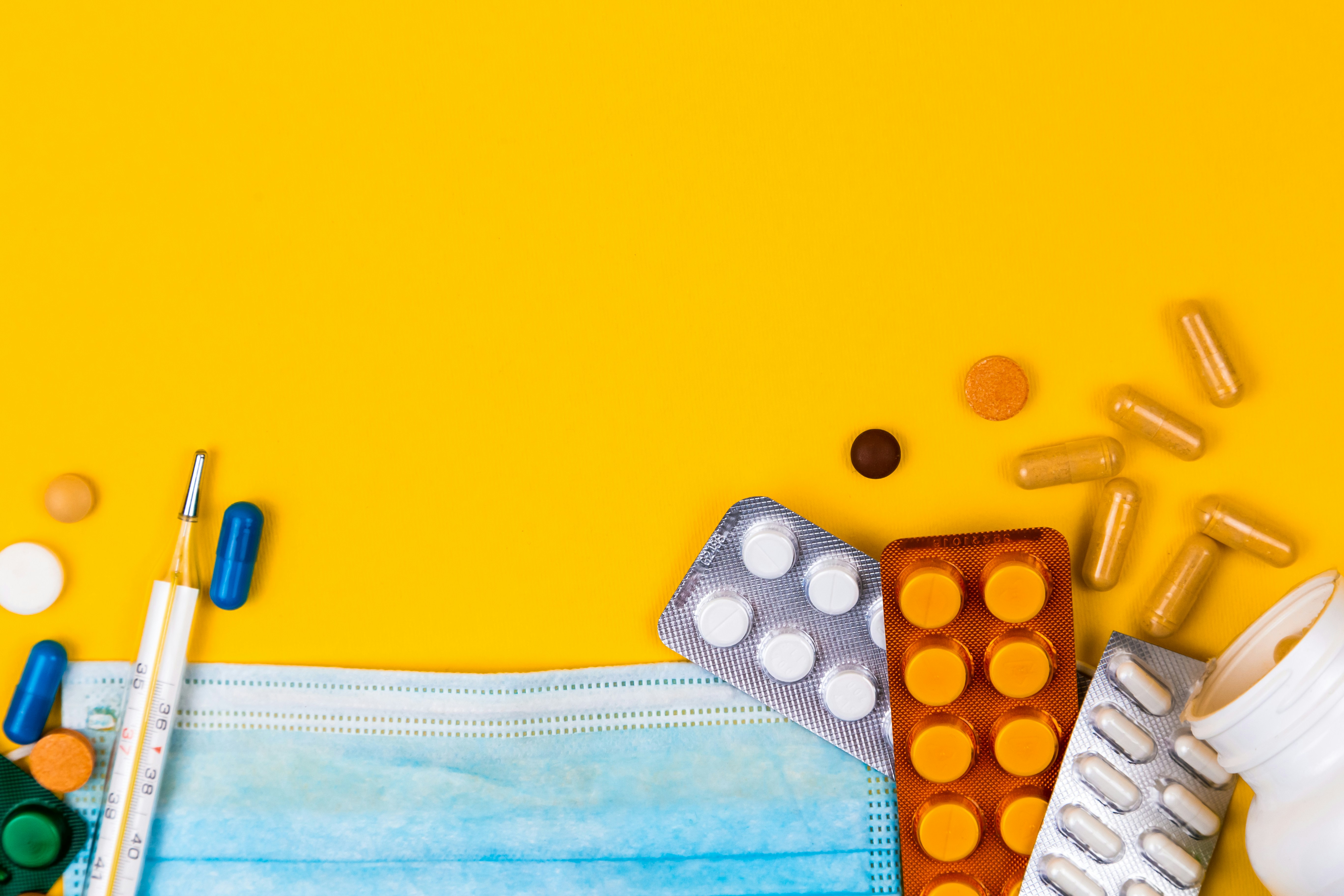
Medical Adhesives
Traditional adhesives often fail in wet environments or damage delicate tissues.

Nature's Solution
Geckos can climb wet surfaces without losing grip, inspiring new adhesive technologies.
The Science Behind Sticky (and Slippery) Surfaces
Adhesion vs. Cohesion: A Delicate Balance
At its core, adhesion science studies how materials bond. Traditional adhesives rely on:
- Mechanical interlocking: Hooks or pores that physically grip surfaces.
- Chemical bonding: Molecular attractions like van der Waals forces.
- Diffusion: Polymers mingling across boundaries.
But water disrupts these mechanisms by forming competing hydrogen bonds or promoting corrosion. This is why bandages fail on sweaty skin, and ship repairs falter underwater 6 .
The Newtonian vs. Non-Newtonian Divide
Fluid behavior plays a critical role:
- Newtonian fluids (e.g., water) maintain consistent viscosity under stress.
- Non-Newtonian fluids (e.g., blood, ketchup) change viscosity—thickening or thinning—based on applied force.
Blood's non-Newtonian nature makes it especially prone to clotting in medical devices, turning life-saving tools into hazards 1 3 .
Nature's Ingenious Workarounds


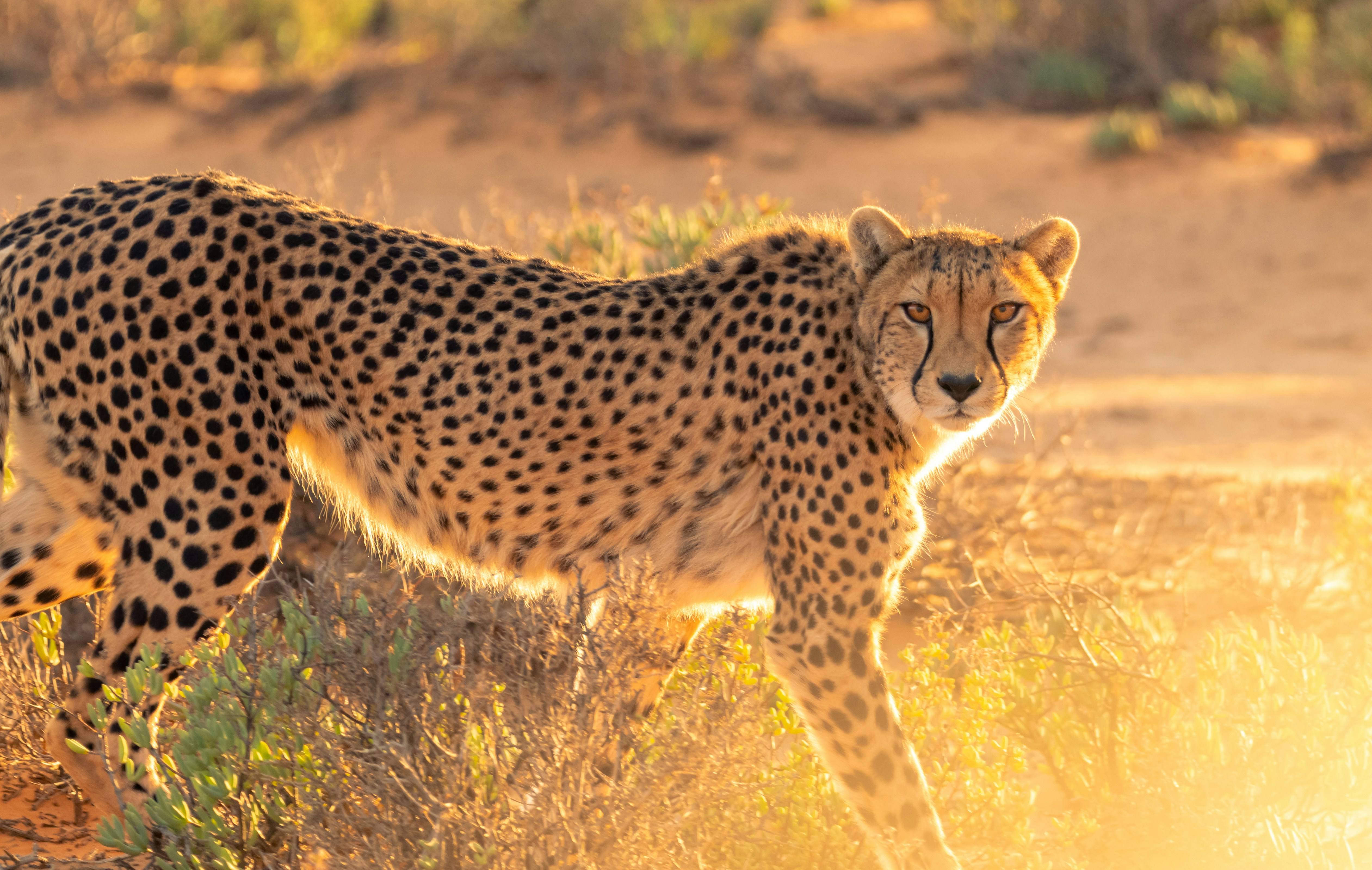
Biomimicry in Action: From Lab Bench to Real World
Case Study 1: The Pitcher Plant-Inspired Omniphobic Surface
Benjamin Hatton's team at the University of Toronto tackled blood-clotting in medical devices by mimicking Nepenthes pitcher plants. Their approach:
- Surface infusion: Coat materials with perfluorocarbon liquids.
- Molecular lock: The liquid binds tightly to the substrate, creating a "slippery" layer.
- Omniphobic effect: Repels blood, oil, and even gecko feet (which cannot grip at angles >30 degrees) 5 .
Impact: Reduced coagulation in DARPA blood-cleansing devices by 5×, eliminating the need for blood thinners.
Case Study 2: Electrocuring "Voltaglue"
Nanyang Technological University's innovation, Voltaglue, hardens on demand using electricity:
- Mechanism: Dendrimer hydrogels release "hook"-like carbenes when voltage is applied.
- Tunability: Adjust hardness from rubber-like (for tissues) to rigid (for metal pipes).
- Applications: Underwater repairs, surgical glue patches (replacing 20-minute sutures with 2-minute bonds) 6 .

In-Depth: The Gecko Test – A Landmark Experiment
Methodology: Testing Nature's Limits
To validate their omniphobic coating, Hatton's team designed a clever experiment:
- Surface preparation:
- Created textured silicon panels mimicking pitcher plant microstructures.
- Infused panels with perfluorocarbon liquid (Galden® HT-135).
- Gecko traction test:
- Placed a live gecko (species: Gekko gecko) on a 30-degree incline.
- Measured adhesion force using a force transducer.
- Blood compatibility assay:
- Circulated human blood through coated microfluidic channels.
- Quantified clot formation via fibrinogen depletion assays 5 .
Results and Analysis: Defying Gravity and Convention
| Surface Type | Maximum Adhesion Force (mN) | Safe Climbing Angle |
|---|---|---|
| Standard glass | 25.6 ± 1.2 | >85 degrees |
| Omniphobic coating | 0.4 ± 0.1 | <30 degrees |
Geckos—renowned for vertical climbs—slid helplessly down coated slopes, proving near-zero adhesion 5 .
| Coating Type | Clot Formation (%) | Anticoagulant Needed? |
|---|---|---|
| Uncoated steel | 98 ± 2 | Yes |
| Omniphobic coating | 19 ± 4 | No |
The coating reduced clots by 80%, enabling safer blood filtration without anticoagulants 5 .
Scientific Significance: This demonstrated that liquid-infused surfaces could prevent biological fouling—a breakthrough for medical devices and marine equipment.
The Scientist's Toolkit: Key Research Reagents
| Reagent/Material | Function | Natural Inspiration |
|---|---|---|
| Perfluorocarbons | Form slippery, inert layers | Pitcher plant lubrication |
| Dendrimer hydrogels | Enable voltage-activated curing (Voltaglue) | Beetle foot microstructure |
| Carbene molecules | Create surface "hooks" during electrocuring | Gecko hair chemistry |
| Polydimethylsiloxane (PDMS) | Replicate microtextures | Tree frog toe pads |
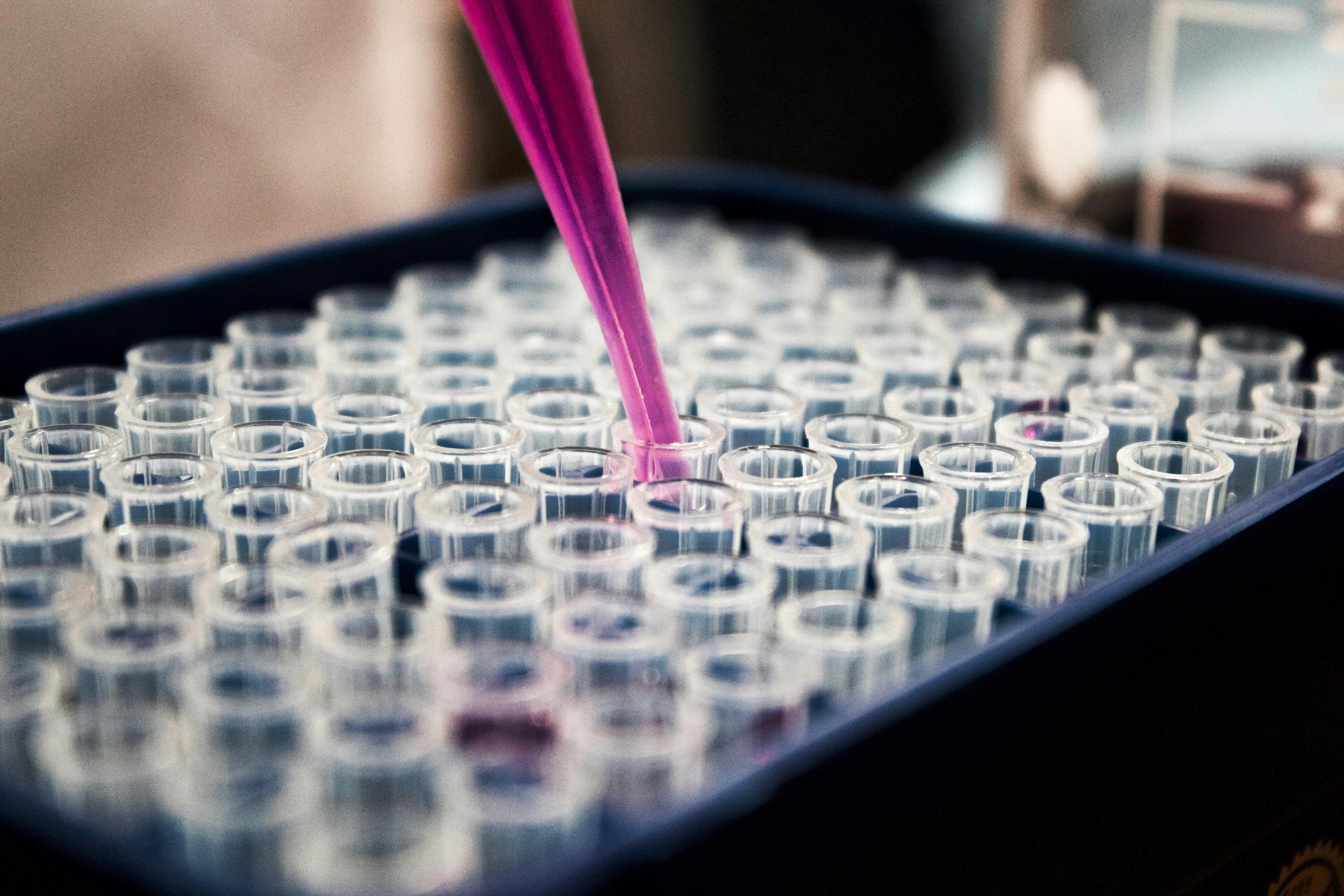

Beyond the Lab: Real-World Applications
Burn wound care
Non-stick dressings that don't damage healing skin 5 .
Nuclear cooling systems
Coatings that prevent zebra mussel buildup without toxic bleach 5 .
Sustainable manufacturing
Reversible glues for disassembling/recycling electronics 6 .
Conclusion: The Future is Slick
Nature spent eons refining solutions to stickiness—be it a beetle scaling a rain-slicked leaf or a pitcher plant trapping prey. By decoding these biological blueprints, scientists are creating adhesives that work in water, blood, and extreme environments. As Benjamin Hatton's gecko experiments and Voltaglue's surgical potential show, the marriage of biomimicry and materials science isn't just solving sticky problems—it's saving lives 5 6 . The next frontier? Reversible adhesives that let us disassemble everything from smartphones to satellites as effortlessly as a gecko lifts its foot.