Research Articles
Precision Dosing in Receptor Studies: A Complete Guide to Agent Optimization for Research & Drug Discovery
This comprehensive guide provides researchers and drug development professionals with a systematic framework for optimizing agent dosage in receptor-binding assays and functional studies.
Biased Data, Skewed Results: Mitigating Training Set Bias in Biomedical AI and ML Optimization
Training data bias presents a critical, often hidden, challenge in machine learning for drug discovery and biomedical research, leading to models with poor generalizability and clinical translatability.
Conquering Evaporation: Essential Strategies for Robust Automated Glycomics Workflows
This article addresses the critical yet often overlooked challenge of solvent evaporation in automated glycomics workflows, which can significantly compromise data reproducibility, sensitivity, and throughput.
Benchmarking Global Optimization: A Comprehensive Accuracy Assessment of Machine Learning Methods for Drug Discovery
This article provides a critical analysis of accuracy assessment methodologies for machine learning (ML) global optimization (GO) algorithms.
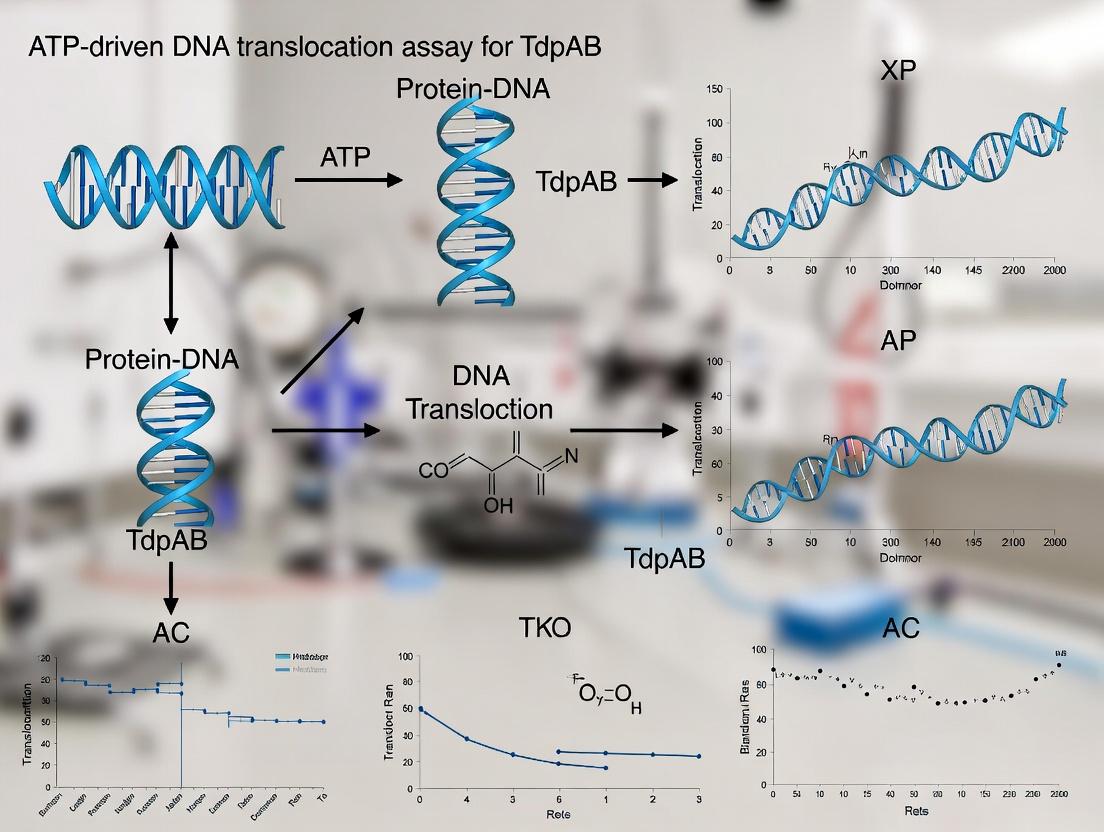
Measuring Molecular Motor Function: A Complete Guide to the ATP-Driven DNA Translocation Assay for TdpAB
This comprehensive guide details the ATP-driven DNA translocation assay for the heterodimeric toxin-antitoxin (TA) system TdpAB.

AI-Driven Exploration of Chemical Space: Revolutionizing Druglike Molecule Design
This article provides a comprehensive review of how artificial intelligence is transforming the exploration and navigation of chemical space for drug discovery.
AI and Machine Learning in Small Molecule Discovery: Revolutionizing Drug Development for Researchers
This article provides a comprehensive analysis of how Artificial Intelligence (AI) and Machine Learning (ML) are transforming small molecule drug discovery.
From Virtual to Viable: How AI is Revolutionizing Synthesizable Molecule Design for Drug Discovery
This article provides a comprehensive overview of Artificial Intelligence's transformative role in designing synthesizable molecules for drug development.
ADMET Prediction in Early Drug Discovery: A Comprehensive Guide to Tools, Models, and Best Practices
This article provides a comprehensive overview of ADMET (Absorption, Distribution, Metabolism, Excretion, and Toxicity) prediction in early-stage drug discovery, tailored for researchers and development professionals.
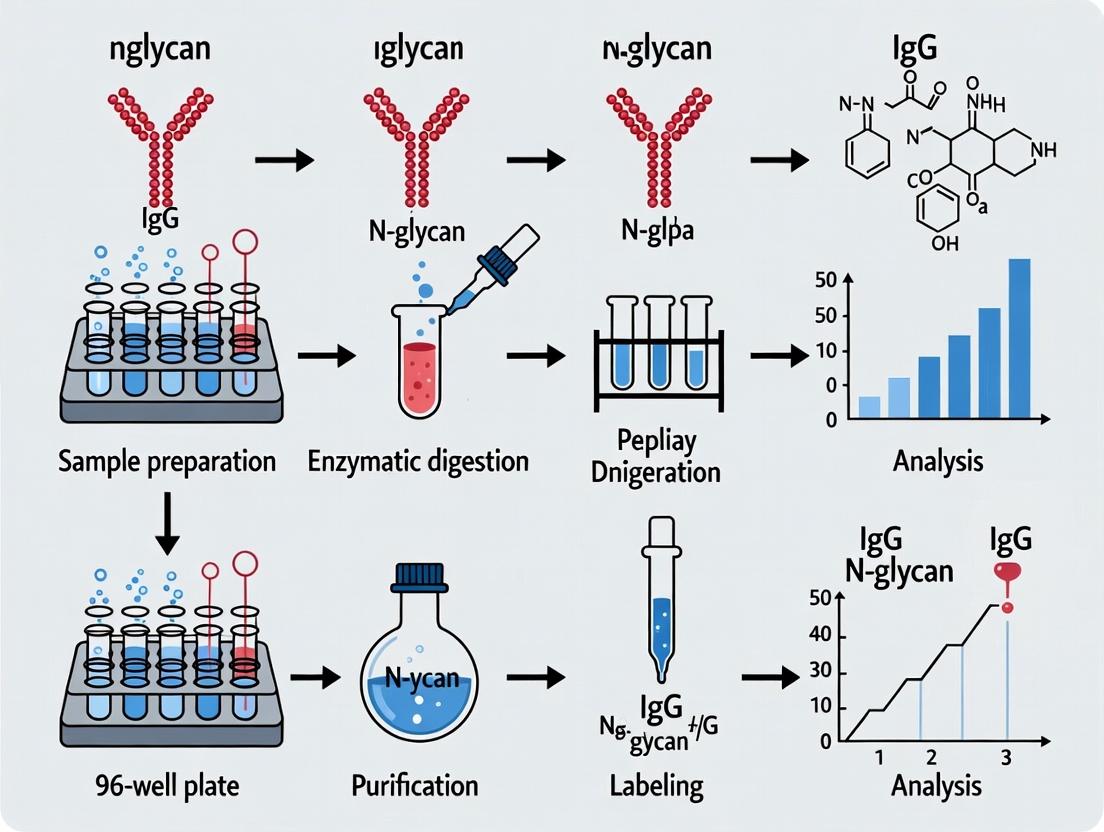
Streamlining High-Throughput Glycobiology: A Complete 96-Well Plate Workflow for IgG N-Glycan Analysis
This article provides a comprehensive guide to implementing a robust, high-throughput 96-well plate workflow for the analysis of immunoglobulin G (IgG) N-glycosylation.