Lipid Messengers and the Molecular Switches That Control Our Cells
How lipid-derived electrophiles regulate cellular signaling through redox-dependent kinase modification
Introduction: More Than Just Damage
Imagine if every time you cooked a meal, the sizzling of the oil in the pan not only prepared your food but also sent important signals throughout your kitchen, adjusting the temperature of your oven, timing your countertop appliances, and even messaging your smartphone with cooking tips. This captures the revolutionary discovery in biochemistry that our own cellular components, particularly certain lipids, do much more than just form building blocks of our cells—they also act as crucial messengers that fine-tune countless biological processes.
For decades, scientists viewed reactive molecules produced from fats as primarily destructive forces—unwanted byproducts of metabolism that damage proteins and contribute to disease and aging. But a dramatic shift in this perspective has occurred. Researchers now understand that these lipid-derived electrophiles actually serve as critical regulators of our cellular machinery, controlling specific molecular switches called kinases in ways that are both precise and essential for health 3 .
This article explores the fascinating world of how these once-maligned molecules directly influence kinase signaling pathways, opening new possibilities for understanding and treating diseases ranging from cancer to neurological disorders.
Key Concepts: Electrophiles, Kinases, and Cellular Communication
Lipid-Derived Electrophiles
Lipid-derived electrophiles (LDEs) are reactive molecules generated when polyunsaturated fats in our cell membranes undergo chemical modification through oxidation. Think of them as specialized messengers derived from the very fabric of our cellular architecture.
Kinases
Kinases represent one of the most important protein families in biology. These enzymes function as molecular switches by transferring phosphate groups onto target proteins in a process called phosphorylation.
Redox Regulation
Redox regulation refers to chemical reactions involving the transfer of electrons between molecules. In cellular terms, it represents a sophisticated language of chemical modifications.
Key Lipid-Derived Electrophiles and Their Effects
| Electrophile | Source | Primary Cellular Targets | Biological Effects |
|---|---|---|---|
| 4-hydroxynonenal (4-HNE) | Omega-6 fatty acid oxidation | Kinases, transcription factors | Regulates growth, inflammation |
| Acrolein | Omega-3 fatty acid oxidation | Signaling proteins | Influences stress response pathways |
| Methylglyoxal (MGO) | Glucose metabolism | Proteins, DNA | Modifies metabolic enzymes |

A Deeper Look: Redox Control of Brain-Specific Kinases
The Experimental Breakthrough
A landmark 2024 study published in eLife provided unprecedented insight into exactly how lipid-derived electrophiles regulate specific kinases 4 . The research focused on two little-understood kinases called BRSK1 and BRSK2 (Brain-Selective Kinases 1 and 2), which are highly expressed in nervous tissue and play crucial roles in brain development and function.
Methodology: Step-by-Step Scientific Detective Work
Identifying Suspicious Cysteine Residues
Using computer modeling and evolutionary analysis, scientists first identified cysteine residues within BRSK1 and BRSK2 that were both chemically reactive and evolutionarily conserved across species—suggesting they served important functions 4 .
Testing Redox Sensitivity
The researchers exposed the purified kinases to oxidizing conditions, including conditions mimicking exposure to lipid-derived electrophiles. They then measured changes in kinase activity using biochemical assays that quantify phosphate transfer to substrate proteins 4 .
Mapping Structural Changes
Through molecular dynamics simulations—advanced computer modeling that predicts how molecules move and interact—the team visualized how oxidative modifications altered the kinases' shapes 4 .
Cellular Validation
Finally, scientists introduced mutated versions of BRSK kinases into living cells, specifically changing the critical cysteine residues to see how this affected their ability to phosphorylate their natural targets, including the Alzheimer's-related protein Tau 4 .
Key Experimental Techniques in Redox Kinase Research
| Technique | Application | What It Reveals |
|---|---|---|
| Molecular dynamics simulations | Computer modeling of molecular movements | How oxidation alters kinase 3D structure |
| Site-directed mutagenesis | Creating specific protein mutations | Function of particular amino acids |
| Biochemical activity assays | Measuring phosphate transfer | Changes in kinase function after modification |
| Mass spectrometry | Identifying chemical modifications | Precise locations and types of oxidative changes |
Results and Analysis: The Molecular Switch Mechanism
The findings revealed a sophisticated control mechanism far more precise than researchers had anticipated:
Disulfide Bond Formation
The study discovered that oxidation triggers the formation of disulfide bonds—specific chemical bridges between cysteine amino acids—at critical locations within the BRSK kinases.
Built-in Braking System
This demonstrated that the disulfide bond formation acts as a built-in braking system—a natural mechanism that slows down kinase activity under oxidizing conditions.
Impact of Cysteine Mutations on BRSK Kinase Activity
| Kinase Variant | Experimental Condition | Catalytic Activity | Tau Phosphorylation in Cells |
|---|---|---|---|
| Normal BRSK | Standard conditions | Baseline | Baseline |
| Normal BRSK | Oxidizing conditions | Decreased | Reduced |
| Cysteine-mutant BRSK | Standard conditions | Increased | Enhanced |
| Cysteine-mutant BRSK | Oxidizing conditions | Increased (no inhibition) | Enhanced (no inhibition) |
The Scientist's Toolkit: Research Reagent Solutions
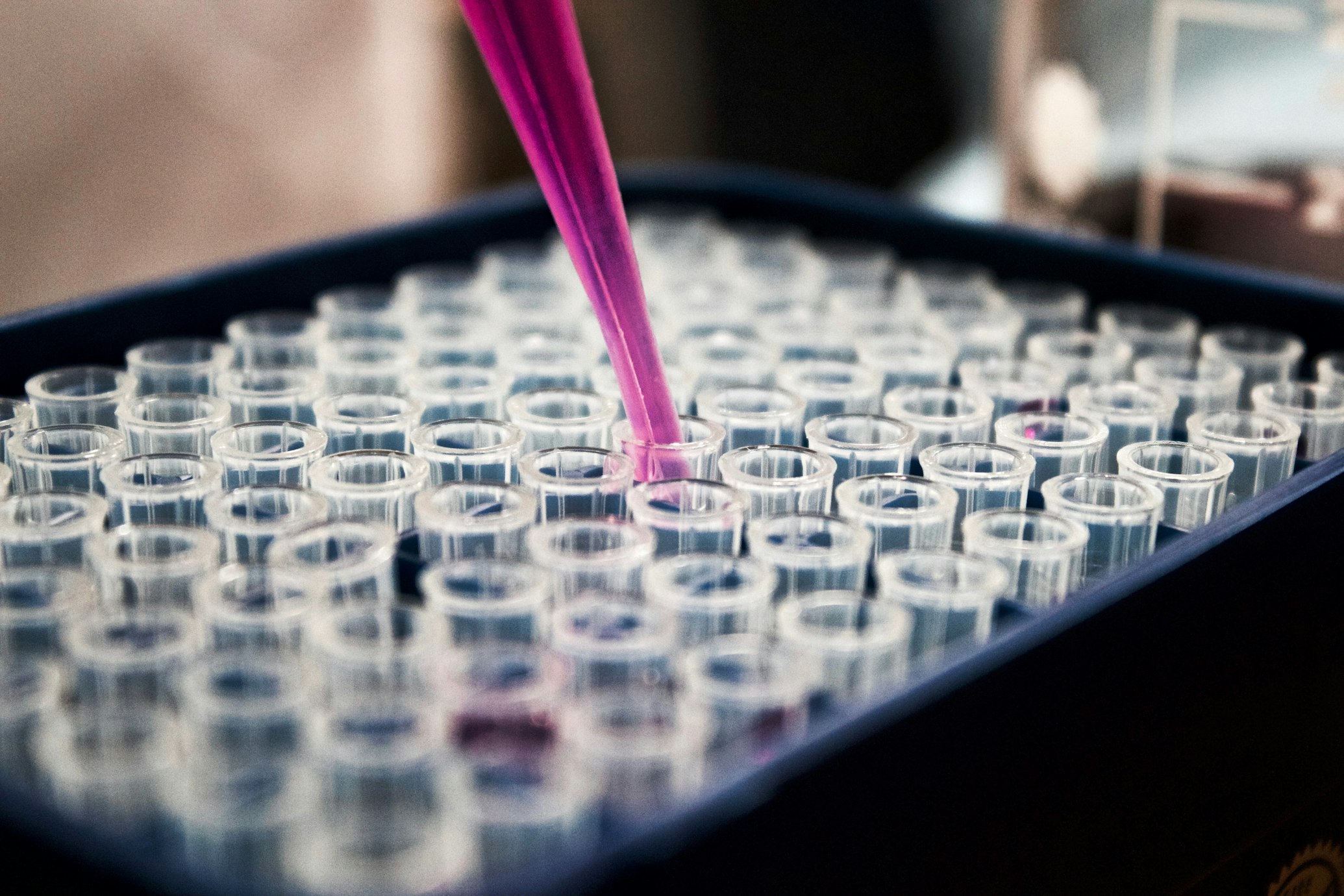
Studying these intricate molecular interactions requires specialized tools that allow researchers to probe specific proteins and modifications within the complex environment of living cells. Modern redox biology relies on several crucial technologies:
| Tool/Technique | Function | Application in Redox Kinase Research |
|---|---|---|
| "Redox-dead" knock-in mice | Genetically altered mice with oxidation-resistant kinases | Testing physiological roles of redox regulation in living organisms 4 |
| SuTEx chemoproteomic probes | Chemical tools that map reactive tyrosine residues | Identifying specific sites on kinases modified by electrophiles 7 |
| Super-resolution microscopy | Imaging techniques that bypass light diffraction limits | Visualizing kinase organization into nanoscale signaling hubs 5 |
| Activity-based protein profiling | Tracking functional enzymes in complex mixtures | Monitoring how oxidation alters kinase activity in living cells 7 |
| SILAC quantitative proteomics | Precise protein quantification using isotopic labeling | Measuring changes in protein modification and expression 7 |
Advanced Imaging Techniques
Super-resolution microscopy has revealed that kinases don't float freely inside cells but instead cluster into nanoscale signaling hubs that serve as "quantal units of signaling function" 5 . This spatial organization likely plays a crucial role in how electrophiles selectively target certain kinase populations while sparing others.
Conclusion: Therapeutic Horizons and Future Directions
The discovery that lipid-derived electrophiles regulate kinases through specific cysteine modifications opens exciting new avenues for therapeutic intervention. Rather than broadly inhibiting kinases or scavenging reactive molecules—approaches that often cause unwanted side effects—researchers can now envision designing drugs that precisely modulate these natural regulatory mechanisms 4 6 .
Beyond Broad-Spectrum Antioxidants
This research helps explain why broad-spectrum antioxidants have largely disappointed in clinical trials for complex diseases—they likely interfere with essential redox signaling while attempting to suppress damaging oxidation 6 .
Targeted Therapeutic Approaches
A more promising approach involves developing compounds that target specific cysteine residues in individual kinases, potentially offering unprecedented selectivity in drug design.
The sizzle in our cellular fryer, it turns out, isn't just noise—it's part of an intricate communication system that we're only beginning to understand.